Turkey Clears Border Mines: Real Migration Wave or False Claims?
Turkey has cleared around 80,000 mines along its border with Iran, officially to strengthen security. Analysts suggest the move could also prepare for a potential migration wave, as cleared areas make crossings easier and economic hardship in Iran drives people toward safer, more stable regions.
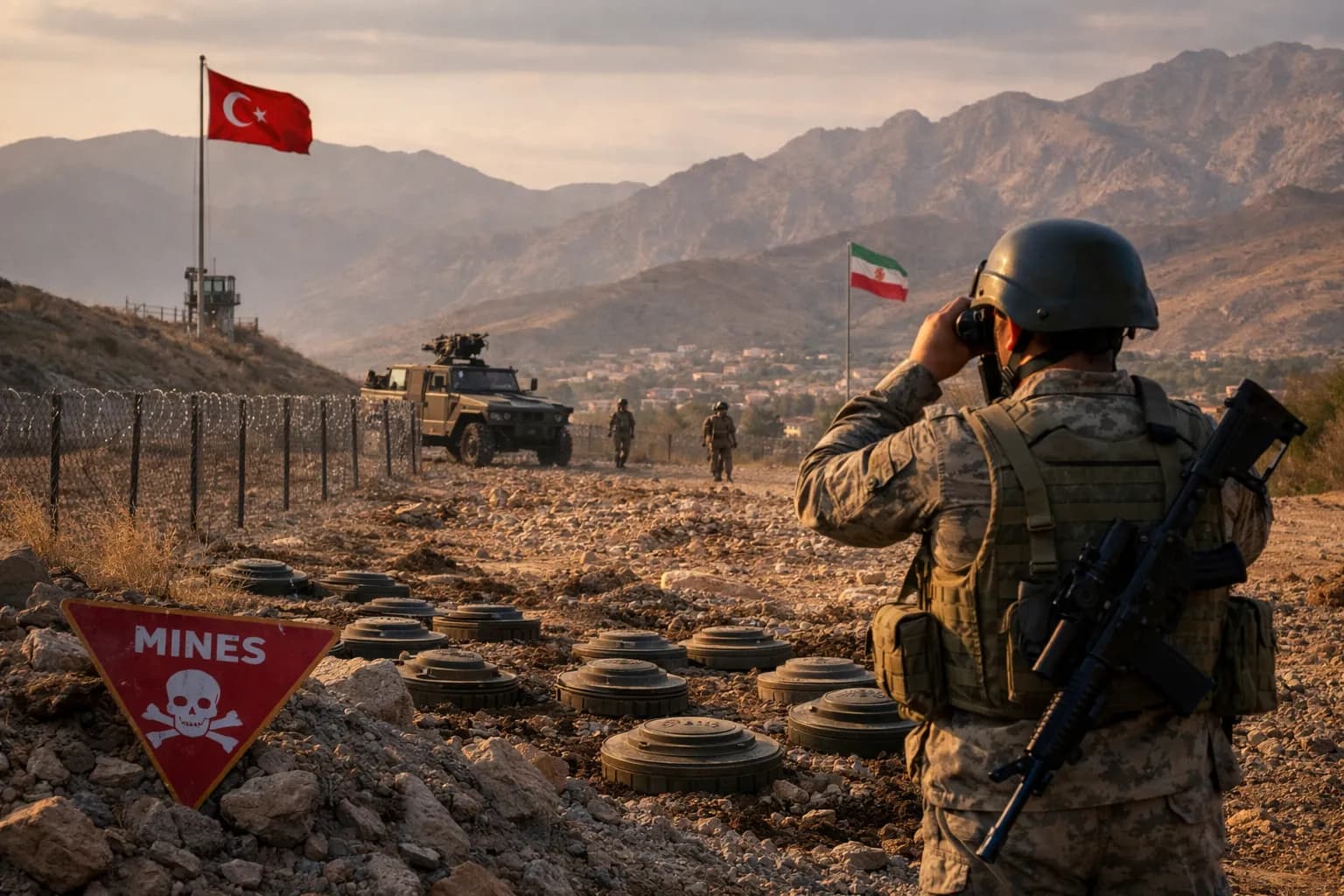
Turkey has announced that it has cleared approximately 80,000 landmines along its border with Iran. Officials describe the operation as a significant step toward strengthening border security. However, some observers argue that the move may carry broader implications beyond security, including preparation for a potential new wave of migration.
According to official statements, the demining process aims to modernize border management and enhance surveillance capacity. Yet analysts note that clearing large sections of the frontier inevitably makes crossing routes more physically accessible. As economic hardship and high unemployment continue to affect parts of Iran, the possibility of increased outward migration has become a growing topic of discussion.
The newly cleared areas are seen by some experts as potentially attractive corridors for migrants seeking safer and more economically stable destinations. This has led to debate over whether the operation was solely a defensive measure or part of a broader migration management and regional strategy. Questions have emerged over whether infrastructure adjustments near the border were designed not only to improve security, but also to anticipate and regulate possible migration flows.
Turkish authorities emphasize that border security remains under constant control and that the country is strengthening both its physical barriers and institutional capacity to manage migration. Nevertheless, the scale and timing of the demining effort have fueled speculation among analysts and on social media.
Regional experts point out that large-scale border operations are rarely random and often reflect long-term planning. The combination of demining, migration management policies, and security adjustments suggests a preparatory phase that could influence Türkiye’s regional diplomacy and domestic policy choices.
For now, the key question remains whether Türkiye will face a significant rise in migration pressure if crossings increase—and whether such a scenario has already been anticipated by policymakers. In this context, the demining of the Iranian border is viewed not only as a security initiative, but also as a development that could shape regional balance and migration dynamics in the months ahead.
Claims circulating on some social media accounts that “80,000 mines have been cleared along the Turkey-Iran border” contain misinformation. According to official statements, border security is maintained continuously, 24/7, through physical barriers, advanced surveillance systems, drones, and multi-layered security measures.
The assertions that mines have been cleared do not reflect reality and are considered manipulative content aimed at influencing public perception regarding border security. The public is strongly advised not to give credibility to such posts.
Alvara Merrick
Contributing writer at EUReflect.
Follow EUReflect
See more of our reporting on Google
Mark EUReflect as a preferred source and our stories are ranked higher for you in Top Stories, Discover and Google News — and carry a “preferred” badge when they are cited in AI results.
Add EUReflect as a preferred source