US Travel Industry Warns Visa Bond Expansion Could Hit Tourism
The U.S. travel industry warns that expanding the visa bond program could discourage international visitors and hurt the economy. The program allows bonds of up to $20,000 for certain applicants, while overseas travel to the U.S. has already fallen 4.3% this year.
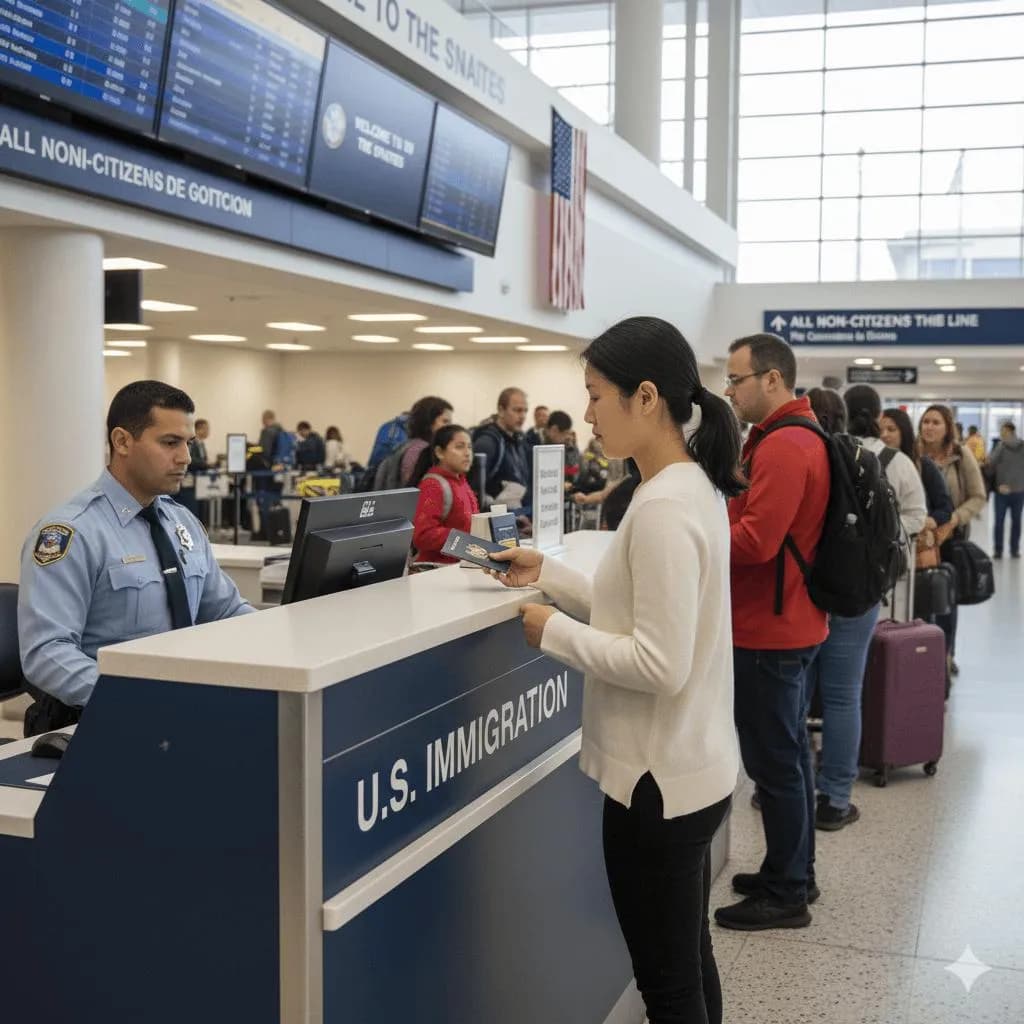
Travel Industry Raises Alarm Over Expansion
The U.S. travel industry is warning that a possible expansion of the Trump administration's visa bond program could further discourage international visitors and damage the American economy.
The U.S. Travel Association says the program, which currently covers tourists and business travelers from 50 countries, could be expanded to additional countries. Under the program, certain visa applicants can be required to post refundable bonds of up to $20,000.
Travel Industry Raises Alarm Over Expansion
The U.S. Travel Association has expressed concern that the visa bond program could be expanded beyond the countries currently covered.
Association President Geoff Freeman told Reuters that there are indications the program could eventually apply to additional countries where visas are required, potentially covering all such countries.
Freeman warned that such an expansion would have a significant negative impact on the U.S. travel industry and the wider economy.
The State Department did not immediately respond to a request for comment.
Visa Bonds Become Permanent
The U.S. Department of State made the visa bond program permanent this month after initially launching it as a pilot program in August 2025.
Under the rules, consular officers can require certain tourist and business visa applicants from 50 countries to provide refundable bonds of up to $20,000.
The bond can be forfeited if a traveler overstays or violates other conditions of their immigration status.
The administration says the policy is intended to address visa overstays and concerns involving information-sharing, vetting and document security.
Administration Points to Lower Overstays
The Trump administration has highlighted the results of the initial program as evidence supporting the policy.
According to the administration, visa issuances in the countries covered by the pilot program fell by 83% during its first 10 months.
At the same time, the number of overstays from those countries dropped from 45,488 in fiscal year 2024 to fewer than 50 during the pilot period.
The administration says additional countries can be added to the program with 15 days' notice.
Program Covers 50 Countries
The current program applies to citizens of 50 countries, most of them in Africa, with others located in Asia, the Caribbean, Central Asia and Latin America.
Applicants who are required to post a bond must provide the specified amount as a condition of obtaining their visa.
While the bond is refundable under normal circumstances, it can be forfeited if travelers violate the terms of their stay.
The program therefore creates an additional financial requirement for certain international visitors seeking to travel to the United States.
US Tourism Is Already Under Pressure
The warning comes as the U.S. travel industry is already experiencing declines in international travel.
Freeman said travel from Canada has fallen 25%, while travel from Asia is currently at around 50% of its 2019 level.
The countries currently covered by the visa bond program account for less than 2% of total visitors to the United States, according to Freeman.
However, the travel industry fears that expanding the policy could affect a much larger share of international visitors.
International Arrivals Decline
Preliminary data from the National Travel and Tourism Office show that total overseas travel to the United States declined 4.3% year-to-date through June.
International arrivals also fell 1.8% in June, despite the FIFA World Cup taking place during the period.
For the travel industry, the decline is particularly significant because major international sporting events are normally expected to encourage foreign visitors.
Freeman said the industry had hoped policymakers would use the World Cup experience to develop policies encouraging international tourism rather than introducing measures that could discourage visitors.
The Economic Cost of Fewer Visitors
International tourism is an important source of economic activity for the United States, supporting airlines, hotels, restaurants, retailers and other businesses.
The U.S. Travel Association argues that policies making travel more difficult or expensive could reduce international visitor numbers and create broader economic consequences.
The potential expansion of the visa bond program has therefore become a point of concern for an industry already facing weaker international demand.
The debate is increasingly focused on how to balance immigration enforcement and visa compliance with the economic benefits of international tourism.
A Difficult Balance for Washington
The administration argues that the visa bond program addresses legitimate concerns about overstays and weaknesses in screening and information-sharing.
The travel industry, however, is warning that expanding the policy could make the United States less attractive to international visitors.
The contrast highlights a broader policy challenge for Washington: strengthening immigration controls while maintaining the United States as a competitive global travel destination.
With international travel already declining, the impact of any further expansion could become increasingly important for the tourism sector.
US Travel Faces a Critical Test
The coming months could determine whether the United States can reverse the recent decline in international arrivals.
The travel industry is particularly concerned about the potential expansion of the visa bond system because the current program already coincides with significant weakness in some major international travel markets.
For the industry, the question is not simply whether the visa bond program reduces overstays. It is also whether the policy could discourage legitimate travelers from choosing the United States.
As Freeman's warning suggests, the challenge for Washington will be finding a balance between tighter visa enforcement and maintaining international tourism.
Ipek Tuncer
M.A. in International Relations
Follow EUReflect
See more of our reporting on Google
Mark EUReflect as a preferred source and our stories are ranked higher for you in Top Stories, Discover and Google News — and carry a “preferred” badge when they are cited in AI results.
Add EUReflect as a preferred source