US–Israeli Strikes Push the Region Toward Escalation
US and Israeli strikes on Iran and Iran’s retaliation triggered strong reactions across the Gulf. Qatar, the UAE, Bahrain, and Kuwait condemned violations of sovereignty, rejected turning their territory into a battlefield, and warned of a possible regional war.
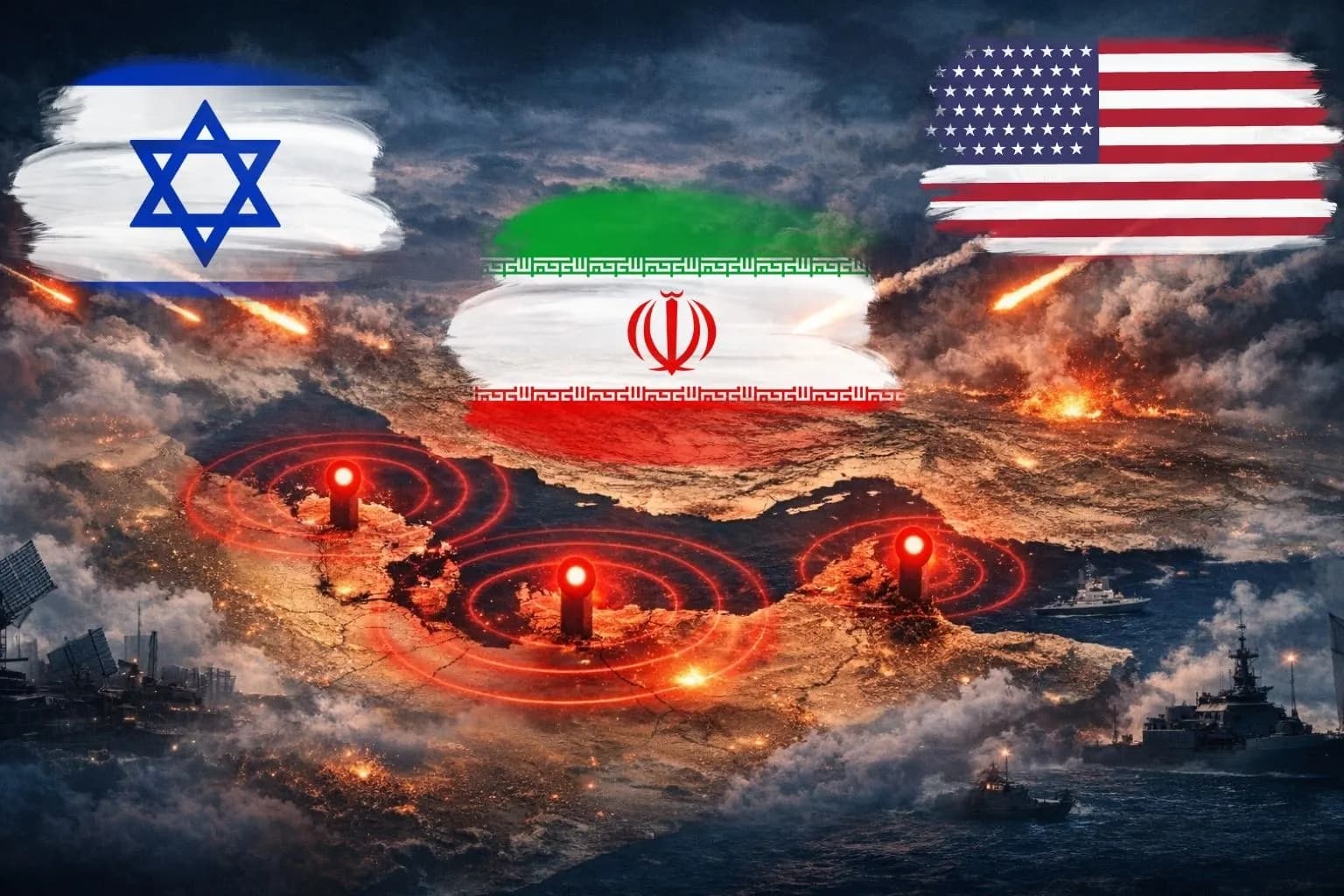
Tensions in the Middle East have sharply intensified as the joint strikes against Iran triggered unusually strong reactions across the Gulf. Governments in the region condemned attacks affecting their territories and airspace as unacceptable violations and warned that the escalation threatens their national security directly.
Following the operations carried out by Amerika Birleşik Devletleri and İsrail and the subsequent retaliation by İran, Gulf states have found themselves drawn into a confrontation not of their choosing. Regional leaders issued unusually sharp messages against turning their territory into a battleground for major power rivalries.
Gulf States Condemn Violations of Sovereignty
Katar strongly condemned the attacks affecting its territory, describing them as clear violations of sovereignty. The Ministry of Defence stated that although most threats were intercepted, the country’s security had been placed at serious risk.
Officials stressed that Qatar is not a party to the conflict and warned that turning the country into a military target represents a dangerous and irresponsible escalation.
Birleşik Arap Emirlikleri also issued a strong statement, warning that the risk of regional war has increased dramatically. After casualties were reported in Abu Dhabi, authorities described attacks endangering civilians as a “red line”.
Bahreyn described the targeting of areas hosting the US Fifth Fleet as a direct threat to international security and regional stability.
Kuveyt warned that transforming the region into an arena for great-power confrontation is unacceptable and declared that its territory must not become a battlefield.
“Our Region Is Not a Battlefield”
Statements from Gulf capitals emphasized a rare dual criticism directed both at the US–Israeli operation and at Iranian retaliation.
Regional governments stressed that the presence of foreign military bases has turned them into immediate targets, a situation they consider intolerable. Diplomatic sources indicate that several Gulf governments have conveyed to Washington that policies pulling the region into war must be reconsidered.
Officials underlined that regional stability cannot be achieved through military escalation but through political and diplomatic solutions.
Direct Warning to Iran
Gulf states also issued explicit warnings to Iran.
Regional governments stressed that targeting military installations and urban areas would have serious consequences. They warned that continued attacks could trigger broader regional security responses.
Diplomatic observers believe that Iran’s decision to strike Gulf targets risks deepening its regional isolation.
Conclusion
The strong reactions from Gulf countries demonstrate that the region is no longer a passive observer. The US–Israeli strikes and Iranian retaliation have placed Gulf states at the center of a rapidly unfolding security crisis.
The current situation suggests that without urgent diplomatic intervention, the confrontation could evolve into a wider regional war involving not only Iran and Israel but the entire Gulf region. The increasingly harsh tone from Gulf capitals indicates that the risk of a broader conflict is no longer theoretical but increasingly real.
Alvara Merrick
Contributing writer at EUReflect.
Follow EUReflect
See more of our reporting on Google
Mark EUReflect as a preferred source and our stories are ranked higher for you in Top Stories, Discover and Google News — and carry a “preferred” badge when they are cited in AI results.
Add EUReflect as a preferred source