Who Speaks for the Embassy? Digital Protocols for Diplomatic Authenticity in the Age of AI
AI can now imitate not only people, but the appearance of official authority itself. As synthetic voices, videos, and statements become harder to distinguish from genuine diplomatic communication, international diplomacy may need new mechanisms to verify who is truly speaking on behalf of a state. This article proposes Digital Protocols to the Vienna Conventions as a practical way forward.
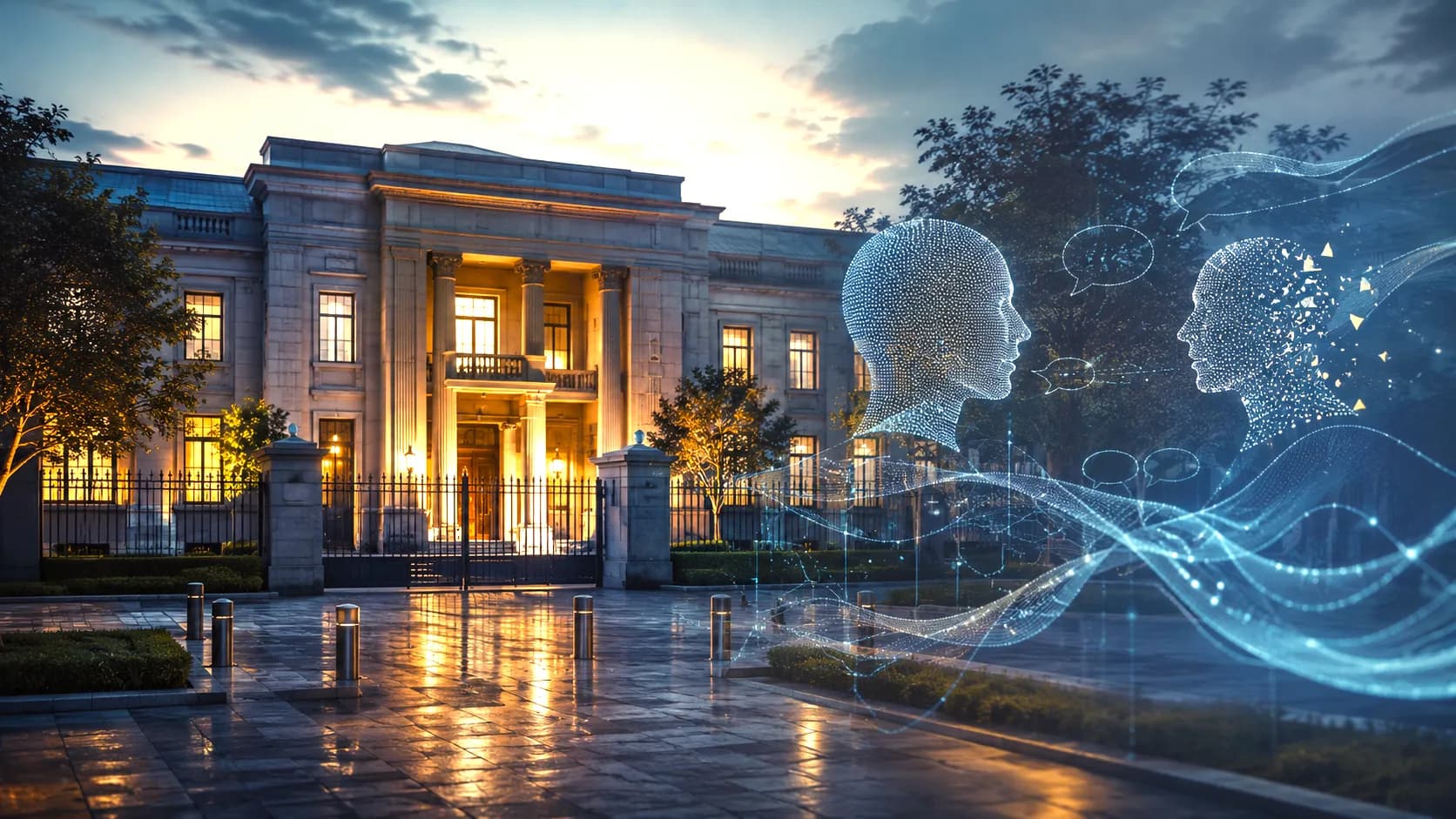
Diplomacy has always relied on a simple but powerful idea: when an embassy speaks, others must know that it is truly the embassy speaking.
Much of diplomatic work happens quietly. A note verbale is delivered, a consular question is answered, a citizen receives assistance in a difficult moment, or an official statement is prepared after careful coordination. These actions may appear routine, but they all depend on one invisible foundation: trust in the authenticity of communication.
For centuries, diplomacy developed procedures to answer one fundamental question: who has the authority to speak on behalf of a state? Letters of credence, official seals, diplomatic correspondence, and established channels of communication all serve this purpose.
Artificial intelligence introduces a new dimension to this long-standing challenge.
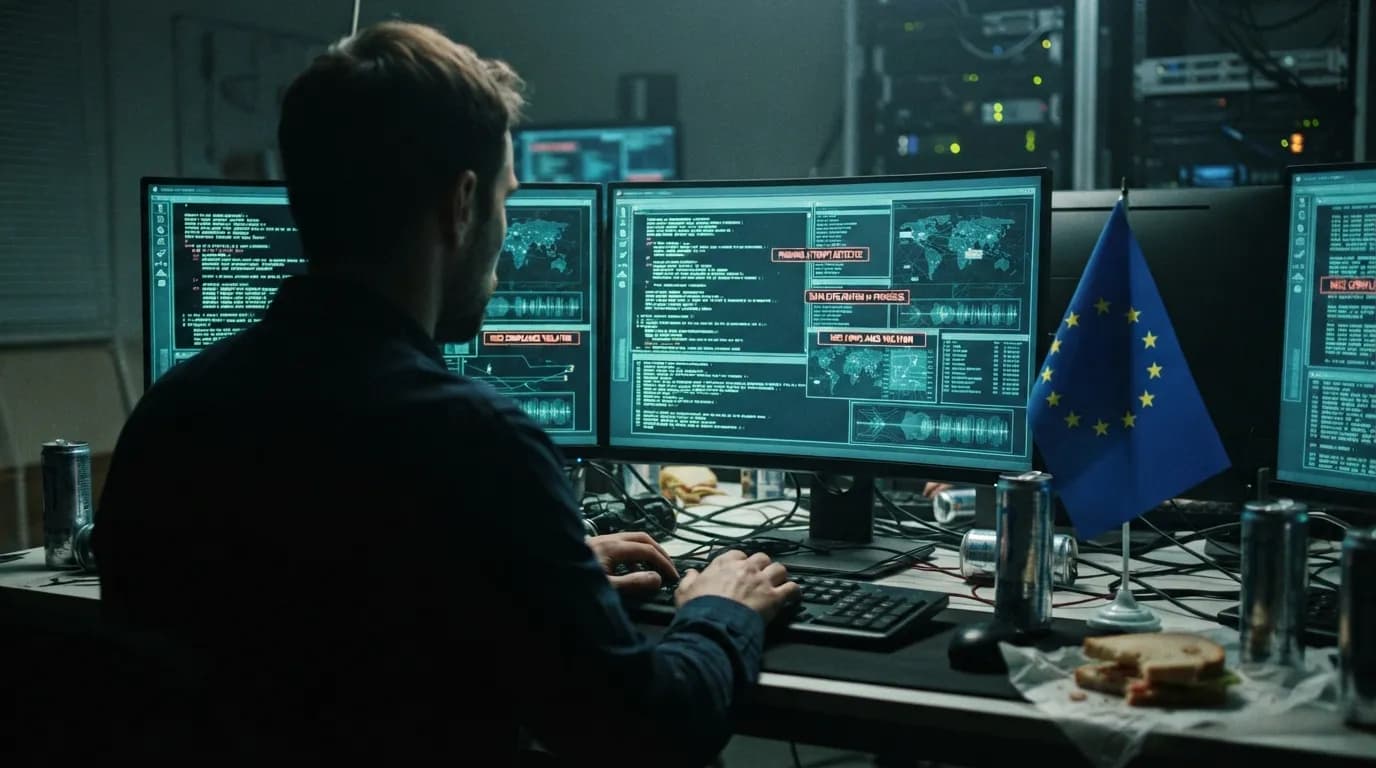
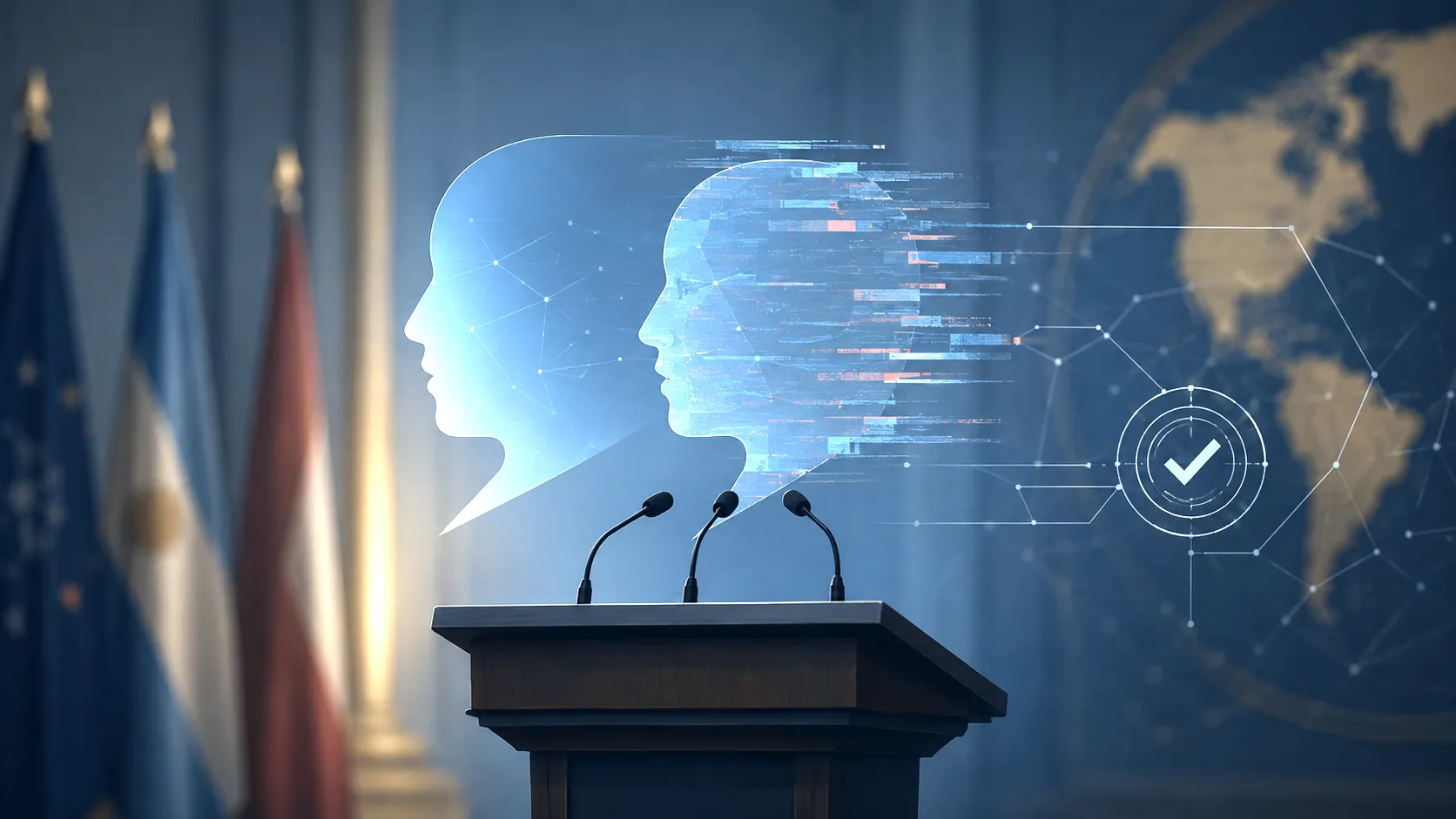
Today, it is possible to create realistic images, voices, and videos of public officials and institutions with tools that are increasingly accessible. A fabricated statement by an ambassador, a false consular announcement, or a synthetic video attributed to a government official can be produced and distributed at a speed that traditional verification processes may struggle to match. These concerns are emerging alongside broader efforts to regulate synthetic content, including new transparency requirements for AI-generated and manipulated material in Europe.
The challenge is not simply that false information exists. False information has always existed. The deeper challenge is that technology can now imitate the appearance of official authority itself.
The question emerging for diplomacy is therefore not only:
“Is this information true?”
It is also:
“Who is entitled to say that this is the position of a state?”
From protecting diplomatic communication to protecting diplomatic identity
It would be inaccurate to suggest that international diplomatic law has ignored the digital environment.
The Vienna Convention on Diplomatic Relations of 1961 was drafted long before the internet, cloud systems, and artificial intelligence. Yet its principles have proven adaptable. Existing interpretations have recognized that protections concerning diplomatic archives, official documents, and communications extend into the digital sphere.
The issue, therefore, is not that diplomatic law has no relationship with technology.
The emerging gap is different.
Traditional diplomatic protections were primarily designed to protect missions from interference, particularly interference by the receiving state. They address concerns such as the inviolability of diplomatic premises, the protection of archives and documents, and the freedom of official communication.
Synthetic impersonation presents another type of challenge.
The problem is not that someone has accessed an embassy’s communication. The problem is that someone has created a communication that the embassy never made.
This is a shift from protecting diplomatic information to protecting diplomatic identity.
When a diplomatic voice can be manufactured
The potential consequences are significant.
Imagine a realistic video showing an ambassador announcing a policy position that the government has never adopted. Consider a fabricated consular message directing citizens during a crisis to gather at an incorrect location. Think of a false statement attributed to a foreign ministry appearing during sensitive negotiations.
Even if such material is corrected within hours, the consequences may already have occurred.
Diplomacy depends not only on accuracy but also on timing and attribution. A message carrying the appearance of official authority can influence decisions before its authenticity is established.
This makes synthetic diplomatic impersonation different from ordinary misinformation. It creates a temporary but potentially serious confusion about institutional voice.
The Vienna Convention and the emerging legal questions
The Vienna Convention framework remains an essential foundation. The question is whether its principles can be interpreted to address this new form of interference.
Several areas deserve further consideration.
Article 29: dignity and diplomatic identity
Article 29 of the Vienna Convention on Diplomatic Relations provides that diplomatic agents are inviolable and that the receiving state must take appropriate steps to prevent attacks on their person, freedom, or dignity.
Traditionally, discussions around dignity have focused on physical threats, harassment, intimidation, and other forms of direct interference.
Synthetic impersonation raises a new question:
Could the unauthorized creation and circulation of a realistic representation of a diplomat saying something they never said constitute an attack on diplomatic dignity?
This question should not be assumed to have a simple answer. Synthetic media differs from traditional forms of harm, and international law must carefully consider questions of responsibility, jurisdiction, and practical implementation.
However, the question itself deserves serious attention.
A diplomat’s identity is not merely personal. It represents the authority of a state.
Article 22 and the protection of diplomatic functions
Article 22 protects the inviolability of diplomatic premises and requires the receiving state to take appropriate steps to protect missions from intrusion or disturbance.
A modern question is whether the principle behind this protection — ensuring that a diplomatic mission can perform its functions without interference — has implications for official digital channels.
A government website, verified communication platform, or official digital identity is not a diplomatic premise. However, these channels increasingly form part of how a mission performs its public functions.
Protecting their authenticity may become an important element of protecting diplomatic work itself.
Article 41 and interference with international relations
Synthetic diplomatic impersonation may also raise broader questions concerning non-interference.
A fabricated statement attributed to a government can affect relations between states, influence negotiations, create public confusion, or undermine confidence between institutions.
Further discussion is needed on whether and how existing principles concerning interference may apply when the method of interference is not the interception of communication, but the artificial creation of communication.
Digital Protocols to the Vienna Conventions: a practical path forward
The answer may not be the immediate reopening of the Vienna Conventions.
International legal instruments of this importance are rarely changed quickly, and unnecessary attempts to rewrite established frameworks may create more uncertainty than solutions.
A more realistic approach would be the development of Digital Protocols to the Vienna Conventions: a set of internationally recognized principles, practices, and technical standards that clarify how diplomatic communication can remain trustworthy in the age of artificial intelligence.
Such Digital Protocols could include:
1. Verified diplomatic communication channels
Each mission could maintain recognized authenticity channels through which official statements can be verified and disputed communications can be addressed.
The purpose would not be to control information, but to provide a reliable reference point.
2. Authenticity confirmation mechanisms
Diplomatic institutions could develop procedures allowing them to quickly confirm:
this statement was issued by us;
this statement was not issued by us;
this communication requires further verification.
Speed matters because uncertainty itself can create diplomatic consequences.
3. Cooperation with digital platforms
Platforms hosting public communication could establish procedures for handling credible claims of diplomatic impersonation, including evidence preservation, expedited review, and transparent clarification.
4. Protection against misuse
Any such framework must contain strong safeguards.
A government should have the ability to state:
“This is not our official communication.”
A government should not have the ability to state:
“This criticism of us should disappear.”
Authenticity verification must remain different from censorship.

Preserving trust in the age of synthetic media
The future challenge for diplomacy is not only how to prevent false information.
It is how to preserve confidence in official communication when the appearance of authenticity can be manufactured.
Diplomacy has always depended on knowing who speaks, who represents, and who has authority.
Artificial intelligence does not eliminate the importance of that principle. It makes the principle more urgent.
Digital Protocols to the Vienna Conventions would not replace existing diplomatic law. They would build upon its central purpose: ensuring that diplomatic institutions can perform their functions with trust, clarity, and reliability. This discussion also forms part of a wider international effort to develop governance structures around artificial intelligence.
In the age of synthetic media, protecting diplomatic communication ultimately means protecting something even more fundamental:
the ability to know who is speaking.
Related Topics

Maral Rahymova
Maral Rahymova is a Turkmen diplomat and policy writer based in Brussels. Her work and research focus on diplomacy, international cooperation, peace, emerging technologies, and global affairs.
Follow EUReflect
See more of our reporting on Google
Mark EUReflect as a preferred source and our stories are ranked higher for you in Top Stories, Discover and Google News — and carry a “preferred” badge when they are cited in AI results.
Add EUReflect as a preferred source