energy
Qatar Deepens Energy Ties in Europe
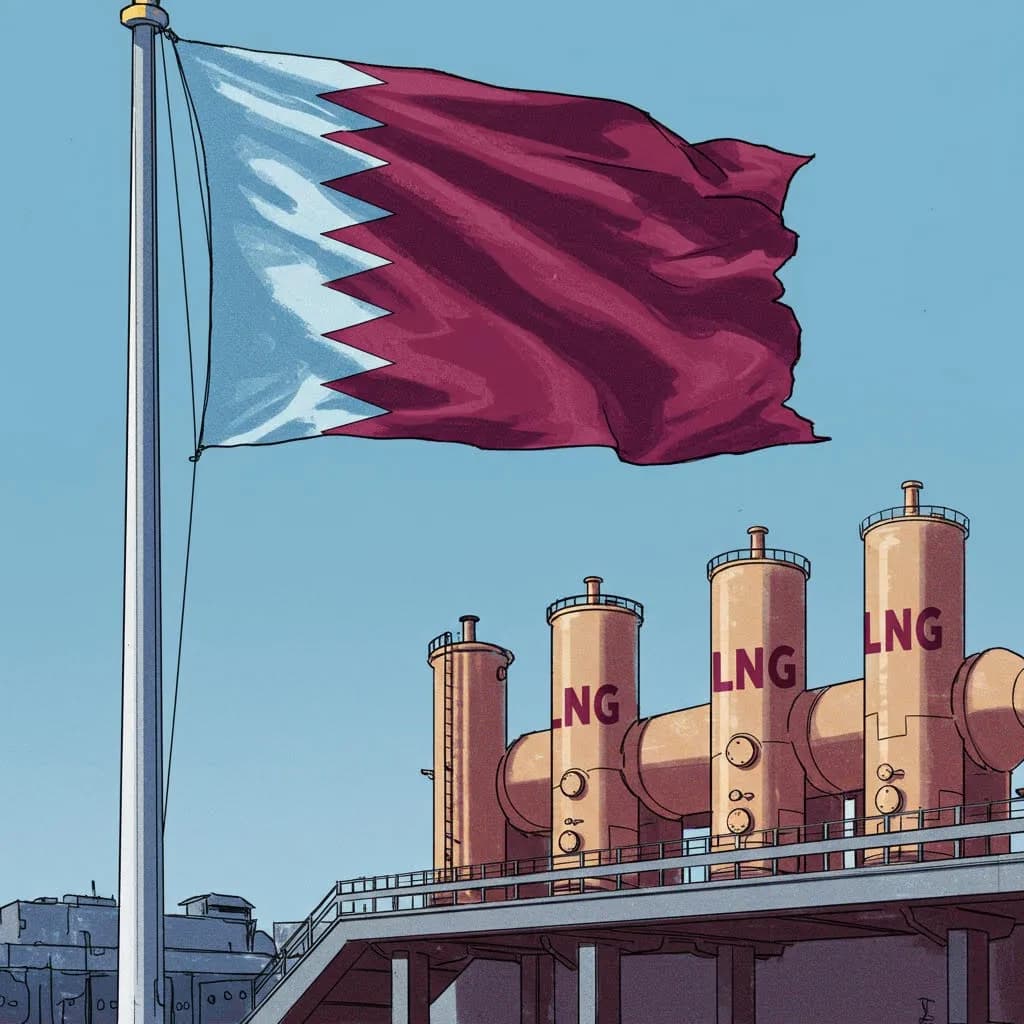
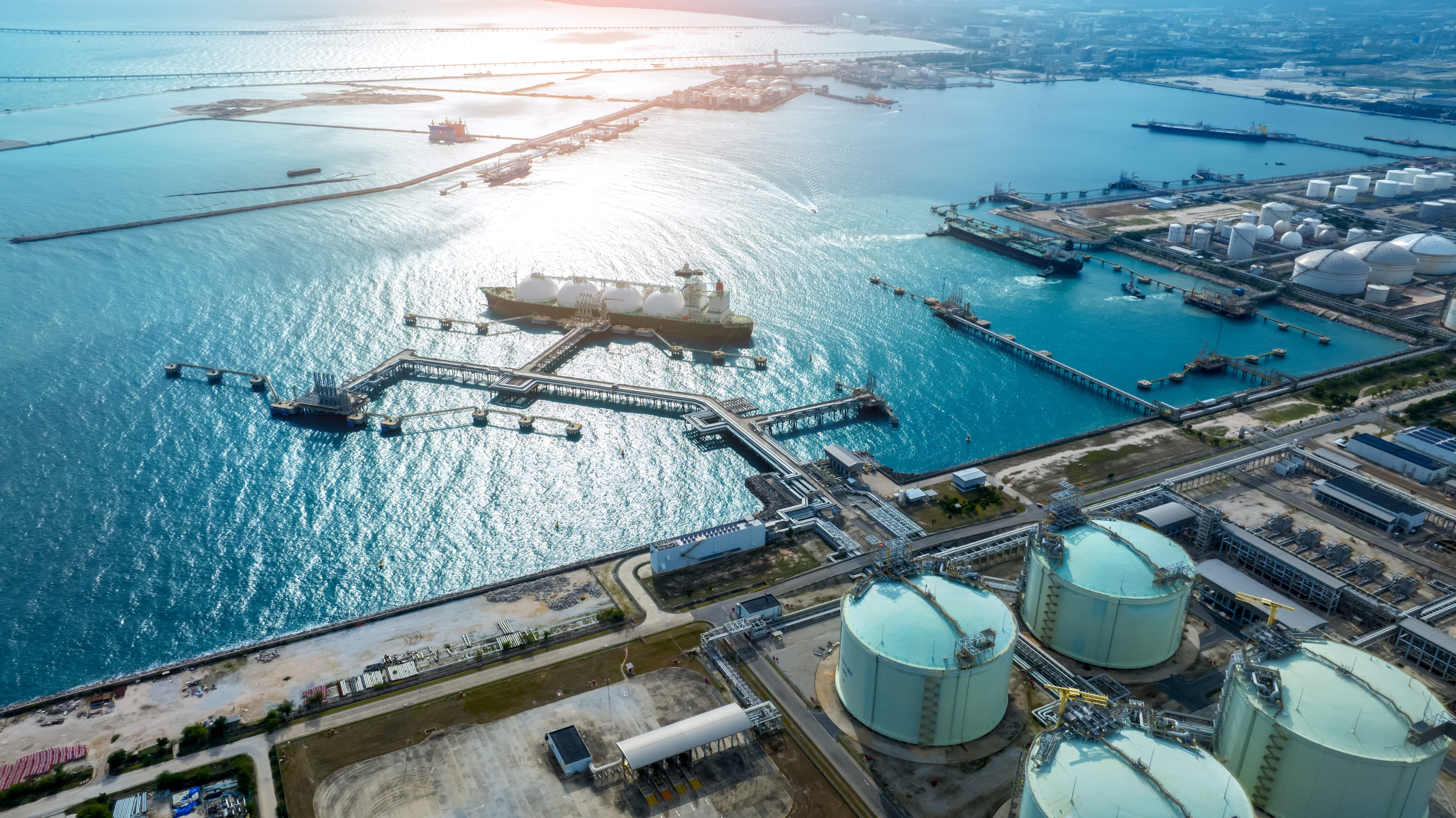
Qatar strengthens its strategic partnership with the UK through a new LNG agreement, reinforcing Europe’s energy security and deepening bilateral ties.
Author

energy
Qatar strengthens its strategic partnership with the UK through a new LNG agreement, reinforcing Europe’s energy security and deepening bilateral ties.
general
Qatar is deepening its engagement in Africa, advancing cooperation with Nigeria in culture, tourism, and the creative industries. This new partnership is part of Doha's "soft power" strategy, aiming to foster mutual understanding and economic diversification between the Gulf and Africa.
economy
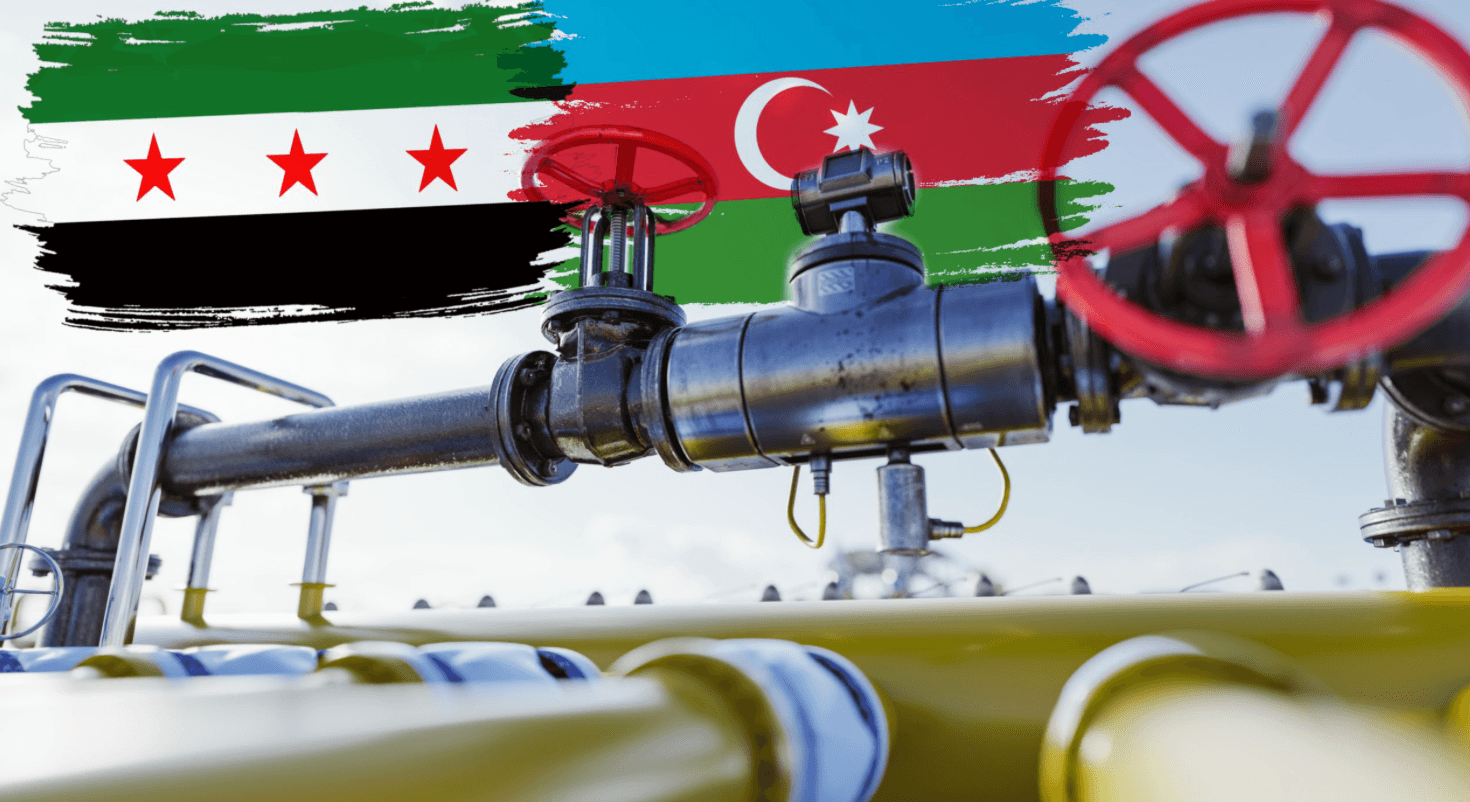
On August 2, Azerbaijan began natural gas exports to Syria via Türkiye, marking a new phase in regional energy cooperation. The project, led by SOCAR and supported by both governments, supplies 6 million cubic meters per day of gas to power Syria’s reconstruction and electricity generation. Azerbaijani Minister Mikayil Jabbarov and Syrian Minister Mohammed al-Bashir hailed the initiative as both an economic and humanitarian partnership, symbolizing solidarity and regional unity. With Türkiye’s logistical support, the project establishes a new energy corridor linking the South Caucasus and the Middle East, reinforcing Azerbaijan’s role as a global energy hub and a symbol of post-conflict recovery for Syria.
general
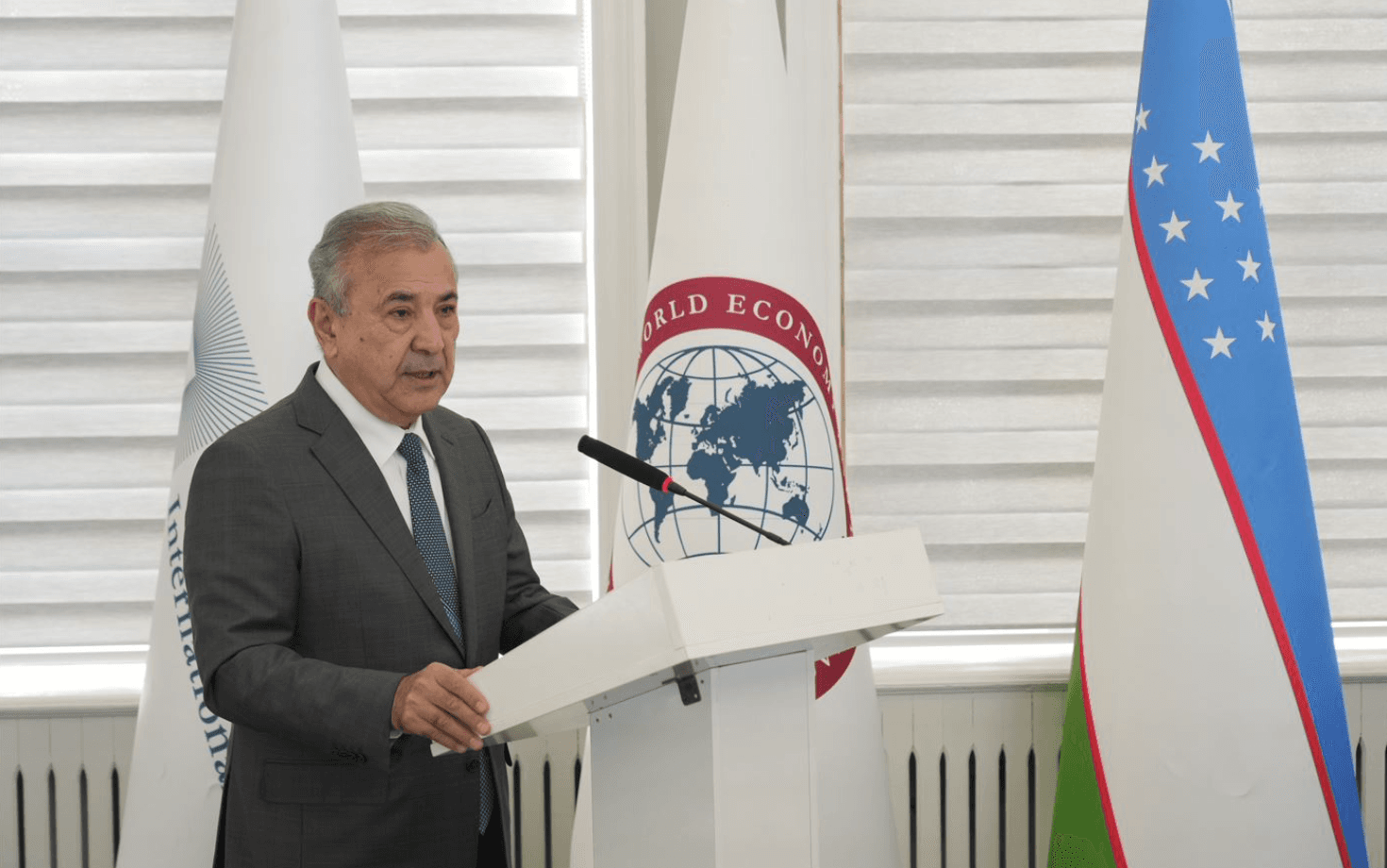
The Uzbekistan–Türkiye Strategic Vision Forum 2025 reaffirmed the two nations’ shared commitment to shaping a new Eurasian partnership grounded in education, technology, and cultural solidarity. Bringing together diplomats, scholars, and policymakers, the forum emphasized academic diplomacy, digital transformation, and security cooperation under the Organization of Turkic States (OTS) framework. Key discussions included establishing joint innovation centers, strengthening Trans-Caspian connectivity, and building knowledge networks among Turkic universities. The Forum concluded with a long-term roadmap focusing on academic exchange, AI-driven innovation, and cultural diplomacy, defining Uzbekistan and Türkiye as co-architects of the Turkic Century and pivotal mediators in a fragmented world order.
energy
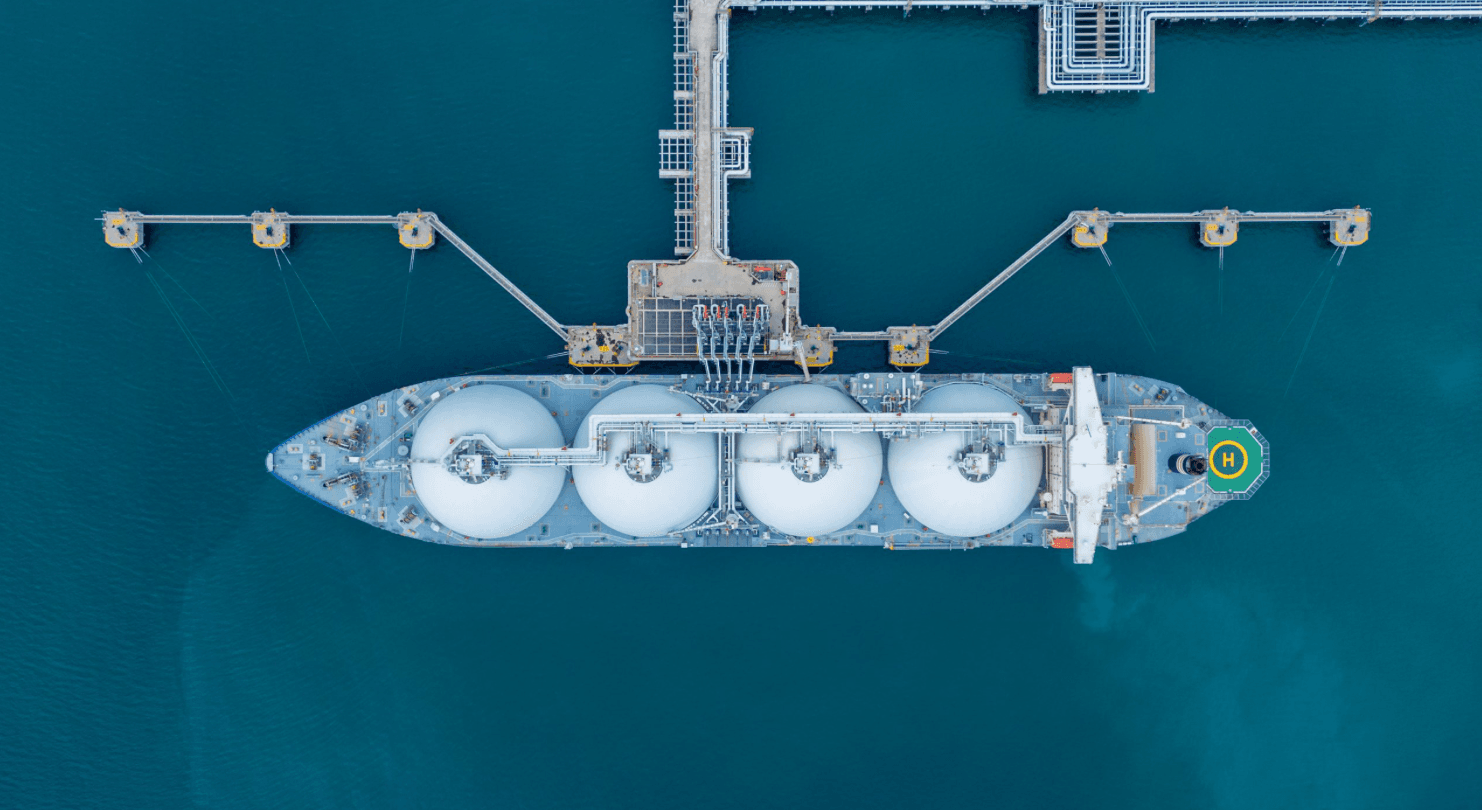
According to the U.S. Energy Information Administration (EIA), North America’s liquefied natural gas (LNG) export capacity is set to more than double by 2029, positioning the region—especially the United States—as the dominant force in global gas markets. With an additional 13.9 billion cubic feet per day (Bcf/d) of capacity planned, the U.S., Canada, and Mexico will collectively transform North America into a central global energy hub. This expansion will account for over half of global LNG growth, significantly enhancing Washington’s geopolitical leverage. For Europe, this offers greater energy security and diversification but also heightens strategic dependence on U.S. energy exports. Ultimately, LNG has become a key vector of American global power—linking energy, diplomacy, and strategy in a new phase of international energy geopolitics.
energy
Energy security is not only about the continuity of access to resources but also about ensuring a sustainable balance between production and consumption in line with environmental and climate targets. Türkiye, driven by rapid population growth, industrialization, and economic expansion, faces a steadily increasing demand for energy. However, the way in which this demand is met directly shapes both short-term supply security and long-term development and climate policies.
economy
Located at the very heart of Eurasia, Kazakhstan is a strategic hub of the New Silk Road between China and Europe.
politics
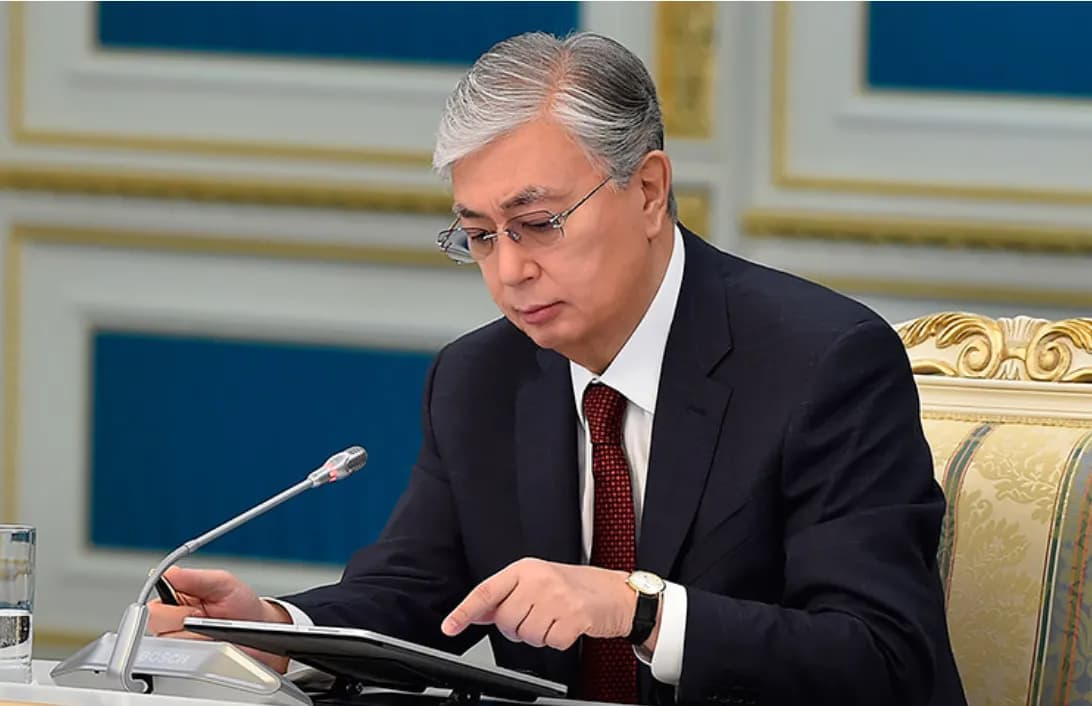
Tokayev underlined Kazakhstan’s role in advancing Turkology — the discipline that studies the historical, cultural, and linguistic roots of Turkic peoples.
general
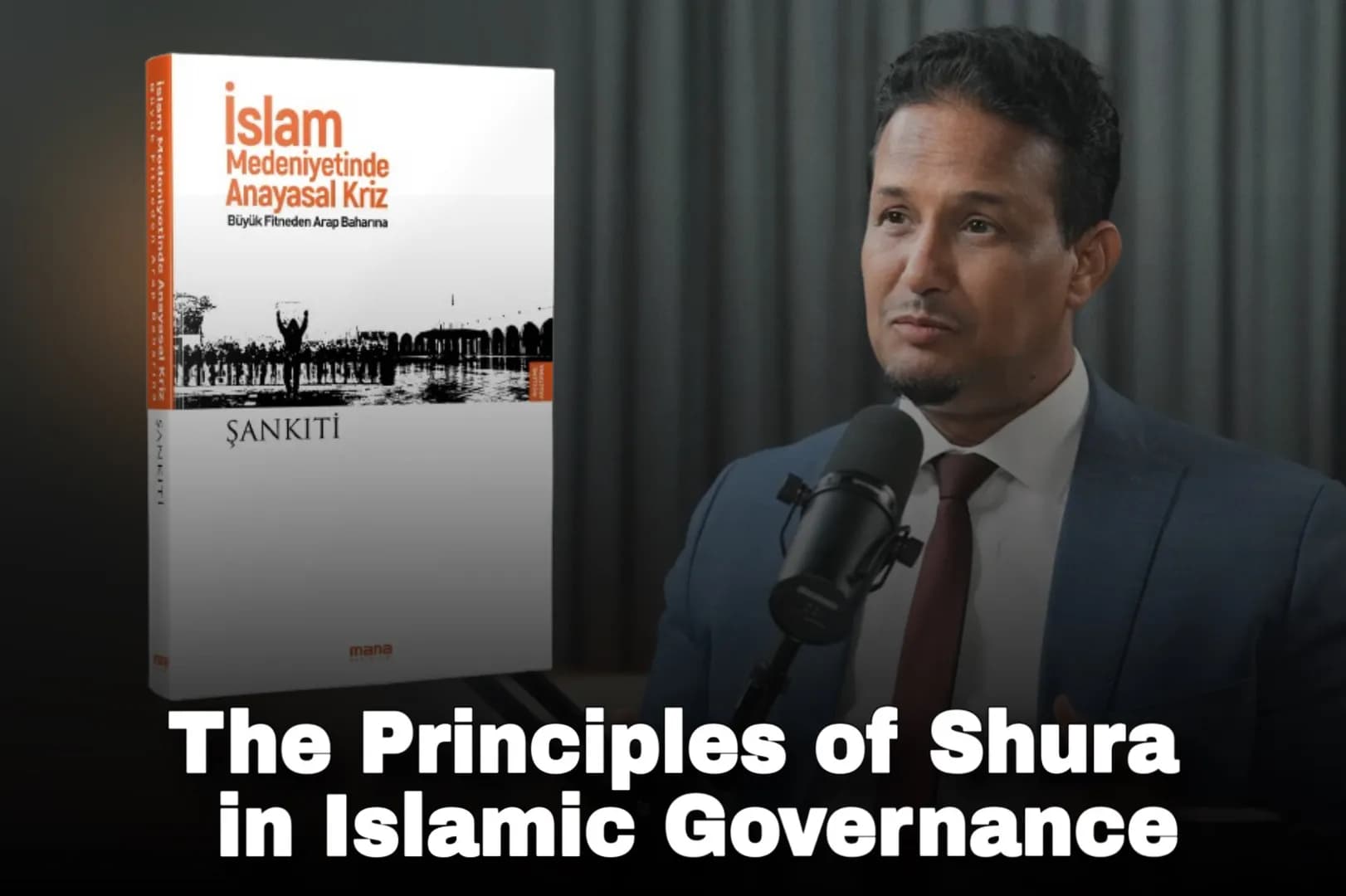
The principle of shura (consultation), one of the foundational conceptual elements of governance, emerges as an indispensable component of legitimate rule at both the theoretical and practical levels.
politics
According to Dr. Shinqiti, “Israel’s war against Syria and Türkiye is inevitably approaching.”
defense
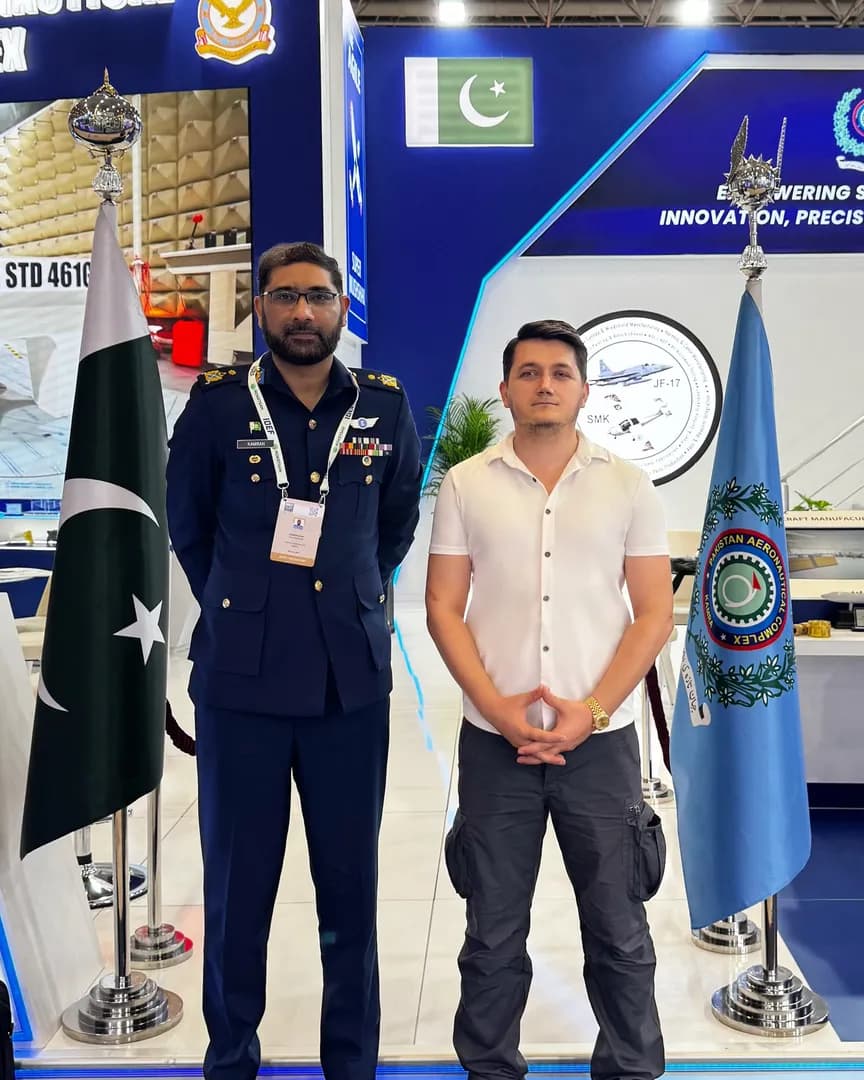
In this framework, Pakistan is not merely a traditional and friendly defense partner; it can also act as a strategic bridge facilitating Türkiye’s establishment of multipolar and technology-driven relationships with rising powers across Asia.
conferences events festivals
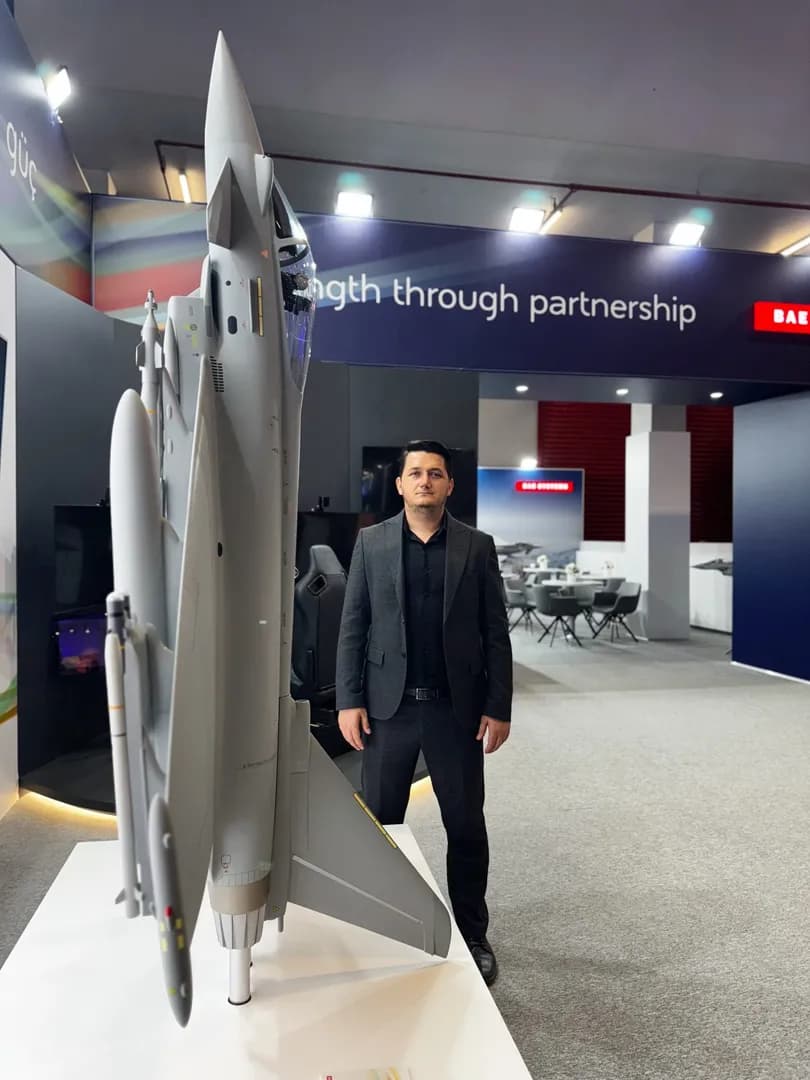
Türkiye's participation in the International Defence Industry Fair (IDEF 2025) highlighted a multifaceted defense strategy. The country's strong interest in acquiring the Eurofighter Typhoon, evidenced by diplomatic agreements with the UK and Germany's subsequent approval, demonstrates a focus on short-term capability enhancement through international cooperation and technology transfer. Simultaneously, this move is balanced by the critical long-term priority of achieving strategic autonomy via the indigenous fifth-generation KAAN fighter jet project. The overall policy aims to transform Türkiye from a defense consumer into a global producer and strategic driver, necessitating increased R&D investment, support for local firms, and active, non-isolated international engagement.
energy
The Russia-Ukraine war highlighted Europe's energy vulnerabilities, positioning resource-rich countries like Qatar as crucial strategic allies for diversification. Qatar, holding the world's third-largest natural gas reserves, is leveraging its significant role in the Liquefied Natural Gas (LNG) market to forge long-term partnerships with Europe.