China has reduced hypersonic simulation time from years to just one week with new high-fidelity software. This breakthrough strengthens its defense capabilities, accelerates weapon design, and enhances its strategic position in global defense diplomacy.
Following military attacks on QatarEnergy facilities, LNG production has been halted and Force Majeure declared, highlighting vulnerabilities in regional and global energy security. The disruption underscores risks to supply chains, market stability, and the critical need for infrastructure protection, crisis management, and diversified sourcing strategies.
Turkish political elites are predominantly Western-educated, lacking direct Chinese or Russian expertise. This creates strategic blind spots, limiting Turkey’s capacity to manage relations and opportunities in a multipolar world. Diversified education is crucial for effective global engagement.
The Turkic world is historically interconnected but geopolitically fragmented. While Türkiye remains integrated into the Western security system, expanding ties with China reflects not an axis shift but a strategy of risk diversification and strategic autonomy. The objective is to act as a balancing power between blocs.
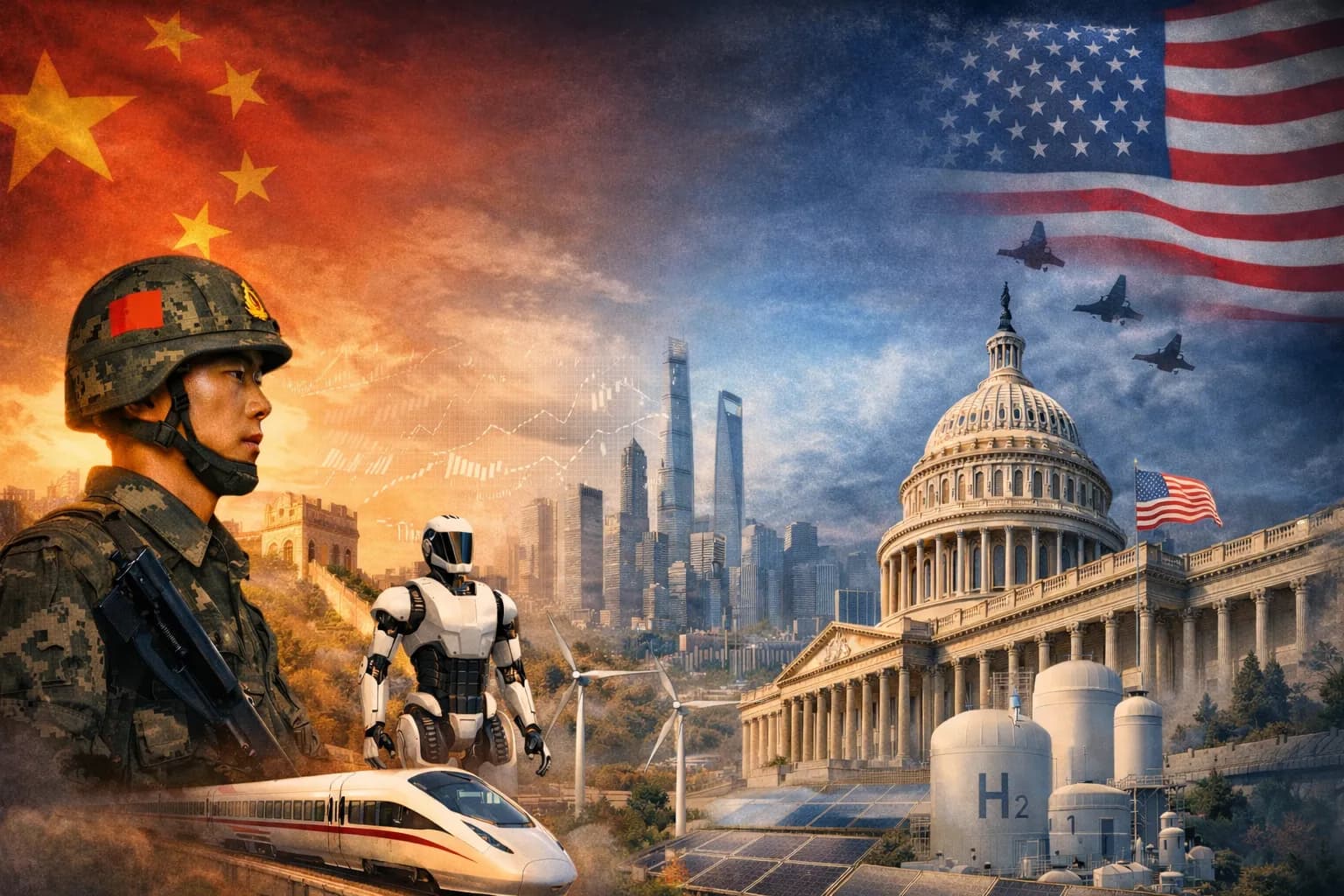
China’s 2026–2030 Five-Year Plan positions economic reform, domestic demand, and tech self-reliance as strategic tools to withstand pressure from the United States. By boosting innovation, green transition, and internal markets, Beijing strengthens resilience in an era of intensifying global competition.
US President Donald Trump declared the Gaza war “over” at the Board of Peace meeting, announcing $10bn in US reconstruction funds. With $17bn pledged in total and plans for a 20,000-troop force, critics questioned Palestinian exclusion as violence continued on the ground.
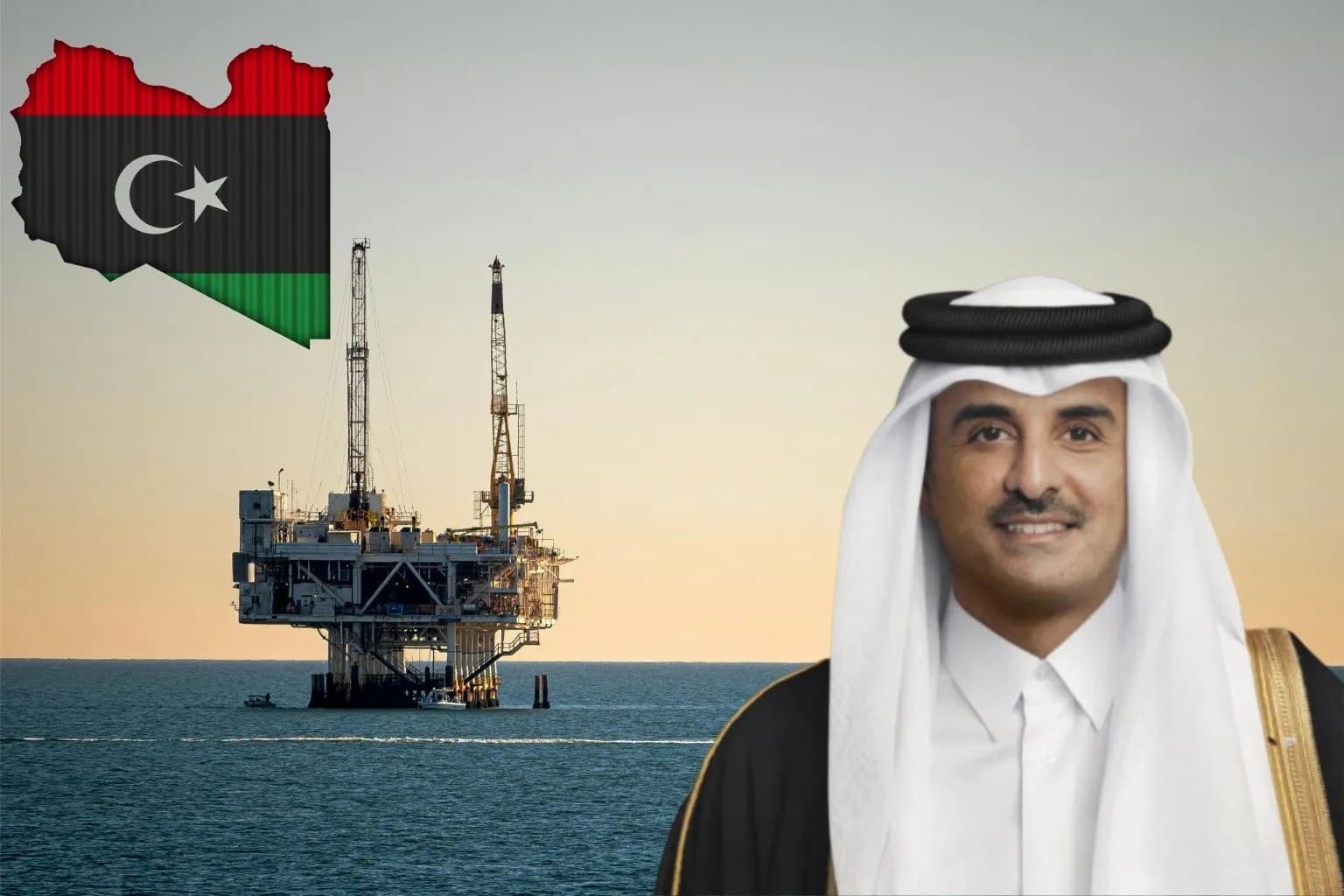
QatarEnergy’s offshore license win in Libya marks not only a major energy investment but also a strategic geopolitical move. The deal strengthens Qatar’s presence in North Africa, supports Europe’s diversification efforts, and signals Libya’s renewed appeal to global energy players.
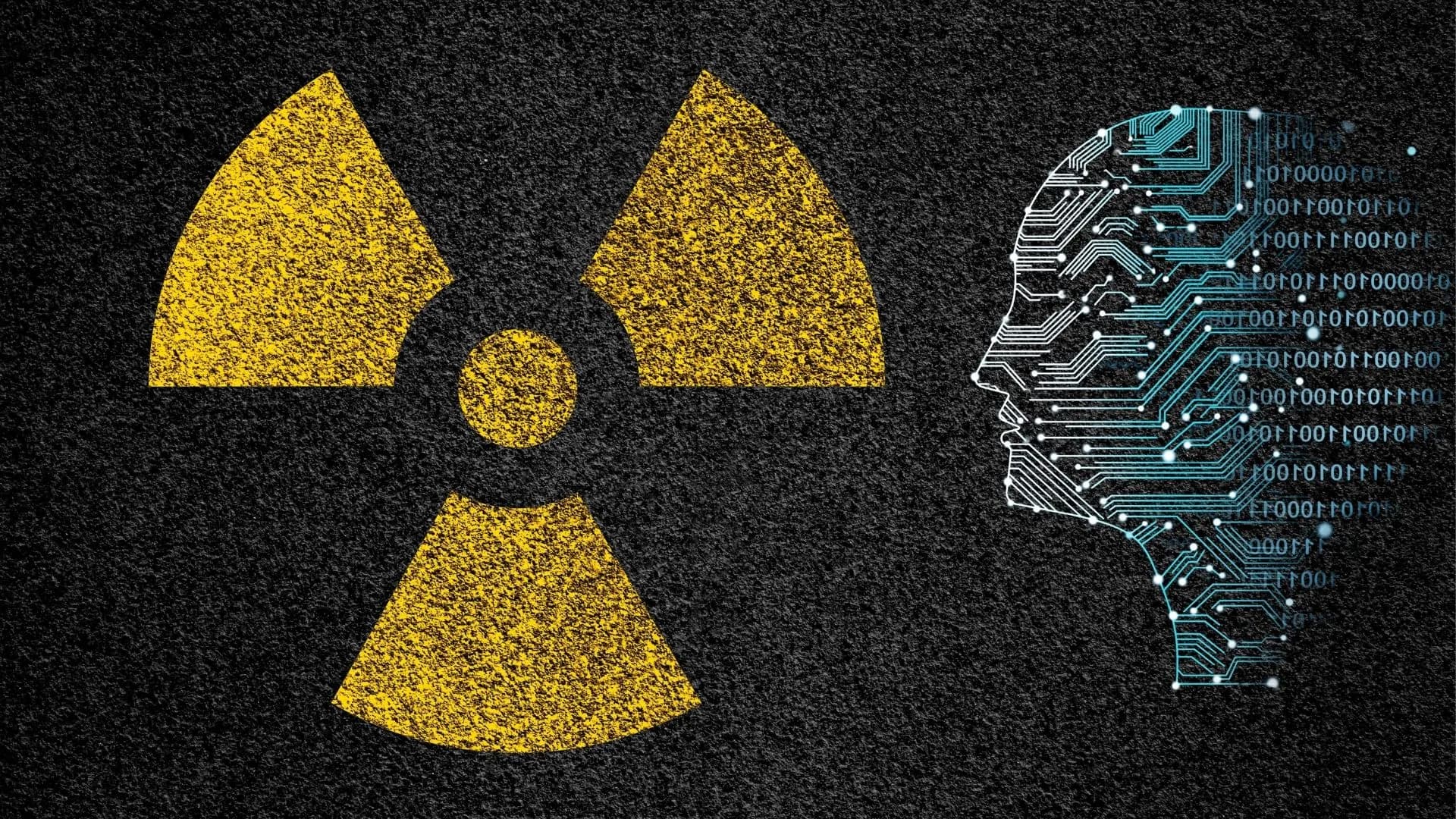
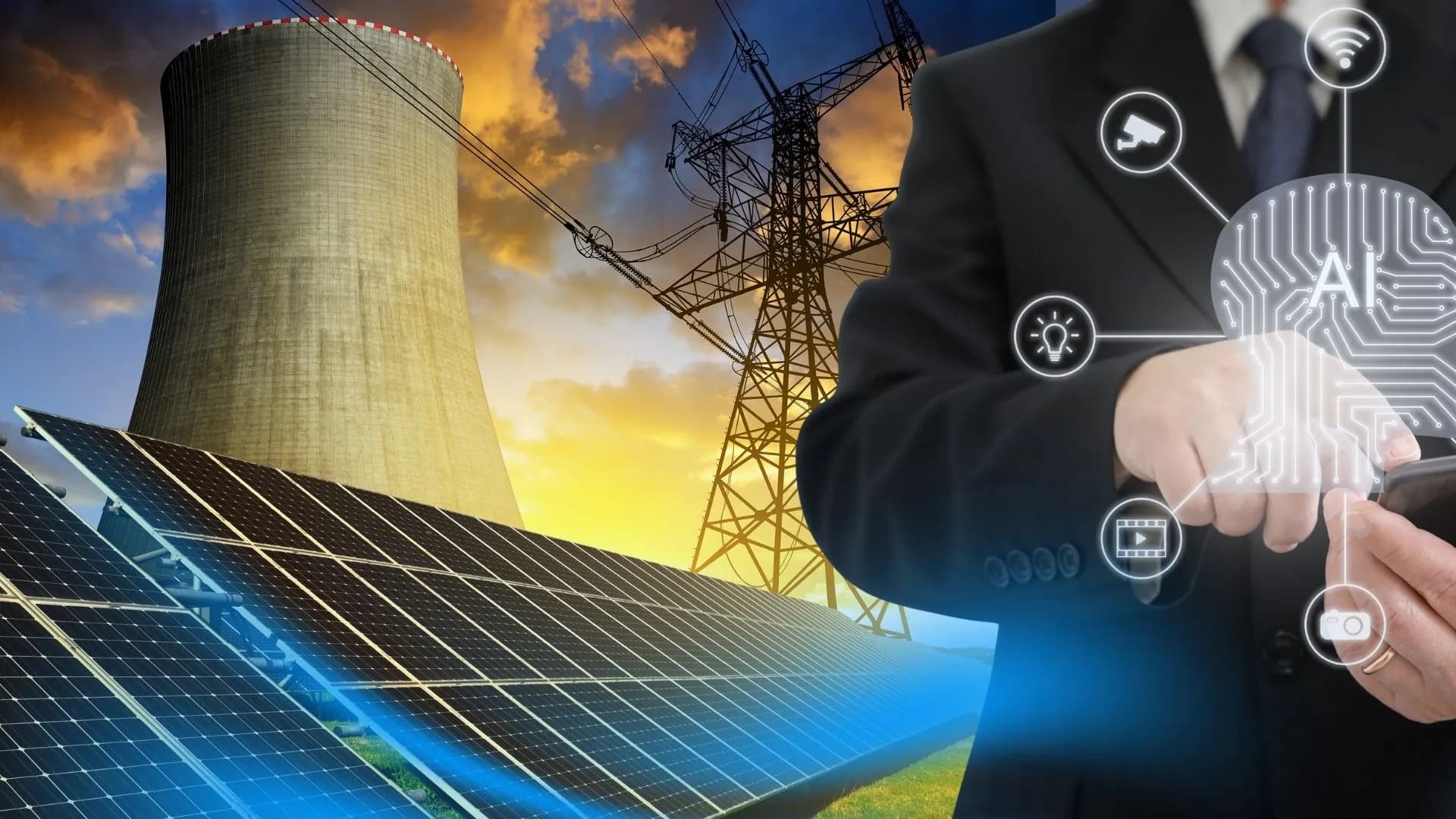
Artificial intelligence–driven electricity demand is placing growing pressure on global energy systems and elevating energy security to a top international priority. Discussions at Abu Dhabi Finance Week underscored nuclear energy as a strategic pillar that complements renewables by delivering reliable, low-carbon baseload power in the AI era. Recent financial policy shifts indicate that tripling global nuclear capacity by 2050 is now seen as integral to both energy security and long-term economic stability.
This study examines the transformative role of artificial intelligence (AI) in the energy sector, focusing on key application areas ranging from cybersecurity and supply chain management to emissions monitoring, energy production, trading, and predictive maintenance. AI-driven solutions enhance operational efficiency, strengthen system security, and support sustainability objectives. The findings indicate that AI has evolved into a strategic governance and decision-making instrument within contemporary energy systems.
Energy security has emerged as a multidimensional policy domain that is directly linked to economic development, social welfare, and national security within the contemporary international system. Ensuring the availability of energy resources in the desired quantity, at reasonable costs, at the right time and in the right place requires a holistic approach that goes beyond technical and economic considerations to include geopolitical, security, and governance dimensions. This study aims to establish the theoretical foundations for a qualified threat analysis of energy security by systematically examining seven core parameters that constitute energy security. The framework developed through the parameters of geopolitics, national security, physical security, cybersecurity, logistics, markets, and sustainability reveals the dynamic and multi-layered nature of energy security.
The latest U.S. draft peace framework aimed at ending the war in Ukraine has triggered extensive debate across European capitals, not only for its geopolitical implications but also for its potential impact on the evolving architecture of global energy security. According to The Wall Street Journal, Washington is considering a proposal that would allow the controlled reintroduction of Russian energy supplies into global markets as part of a broader reconstruction and reintegration strategy.
Such an approach contrasts sharply with the European Union’s post-2022 energy agenda, which prioritizes reducing structural dependence on Russian hydrocarbons through diversified suppliers, expanded LNG capacity, and accelerated renewable-energy investment. The U.S. plan, by contrast, envisages the reintegration of Russian strategic energy assets into the global system, raising concerns that it may weaken Europe’s long-term energy autonomy.
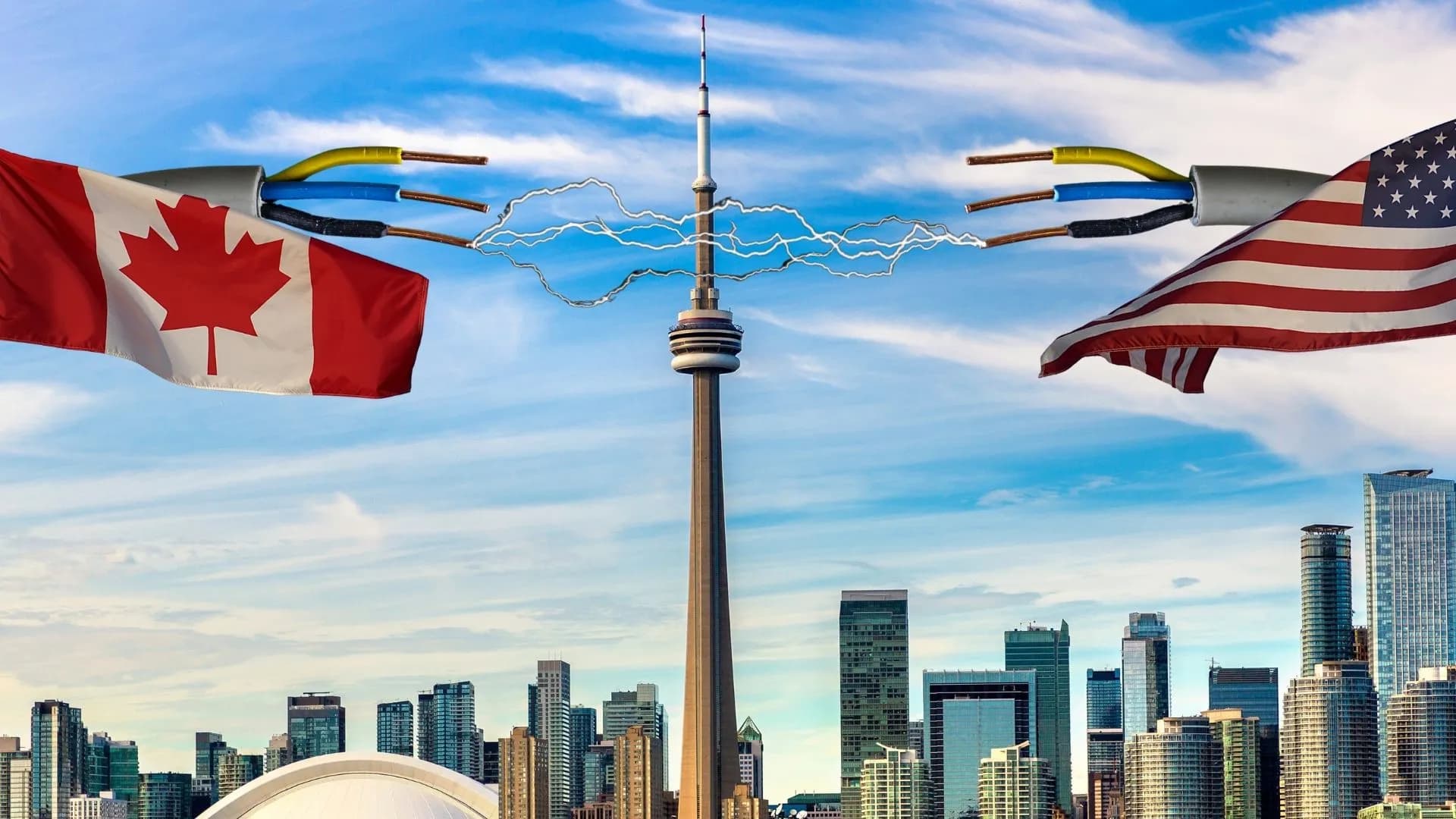
Recent policy shifts in Canada indicate a significant transformation in the country’s approach to energy security. The agreement signed between Prime Minister Mark Carney and Alberta Premier Danielle Smith, which suspends federal clean electricity regulations, represents more than a temporary regulatory adjustment. It signals a broader attempt to recalibrate the foundational components of Canada’s future energy security architecture.
One of the most notable outcomes of this policy shift is the renewed feasibility of developing large-scale natural gas infrastructure to support emerging digital industries. Capital Power Corp.’s consideration of expanding the 1,857-MW Genesee power complex—now fully converted from coal to natural gas—illustrates this shift. The site’s potential to host a 1,000-MW, one-million-square-foot hyperscale data centre underscores the strategic intersection of energy policy and digital transformation. As energy-intensive data centres increasingly form the backbone of artificial intelligence, cloud computing, and advanced analytics, the reliability and scalability of power generation become crucial determinants of national competitiveness.
The life of Timur Shirinov is a living embodiment of Uzbekistan’s modernization process, the construction of its national identity, and its enduring strategic ties with the Turkic world.
The Century of Türkiye represents neither a transient political slogan nor a temporary electoral narrative, but a comprehensive, long-term project of national construction.
Germany has initiated the development and procurement of the Small Anti-Drone Missile (SADM), designed for integration into the Rheinmetall Skyranger 30 vehicles, as a cost-effective solution against small UAS threats. Costing €490 million, the missile extends the Skyranger's engagement range to 6 km and, informed by Ukrainian war lessons, is set to be included in the European Sky Shield Initiative.
Europe completed the final tests of its first autonomous military convoy in Spain under the EU-funded COMMANDS project. Coordinated by Spain’s Sener, the system uses AI, sensors, and 5G to enable autonomous navigation. The initiative marks a key step in the EU’s effort to modernize and strengthen its defense capabilities through automation and artificial intelligence.
Türkiye’s 2025 foreign and security posture reflects a calibrated balancing act between Euro-Atlantic commitments and Eurasian outreach. Anchored firmly in NATO but increasingly active in the Shanghai Cooperation Organization (SCO) dialogue framework, Ankara is pursuing a security policy built on diplomatic depth rather than military confrontation. The aim: to consolidate its role as a regional power with global reach—capable of talking to all sides without binding itself exclusively to any bloc.
This paper analyses Türkiye’s engagement with the European Union’s Common Foreign, Security and Defence Policy (CFSP/CSDP) in 2025. According to the European Commission’s annual report, Türkiye’s alignment rate with the EU’s restrictive measures and statements on Russia dropped to only 4%, the lowest in recent years. This figure symbolises Türkiye’s strategic transformation from an integration-oriented candidate to a regional power seeking autonomy within a multipolar world order. While Ankara continues to contribute operationally to EU-led missions, it maintains selective alignment—balancing between Western expectations, economic interdependence with Russia, and regional influence. The study argues that Türkiye’s limited alignment reflects not isolationism but a pragmatic form of strategic autonomy that positions the country as a balancing actor—indispensable for European security but politically detached from the EU’s normative core.
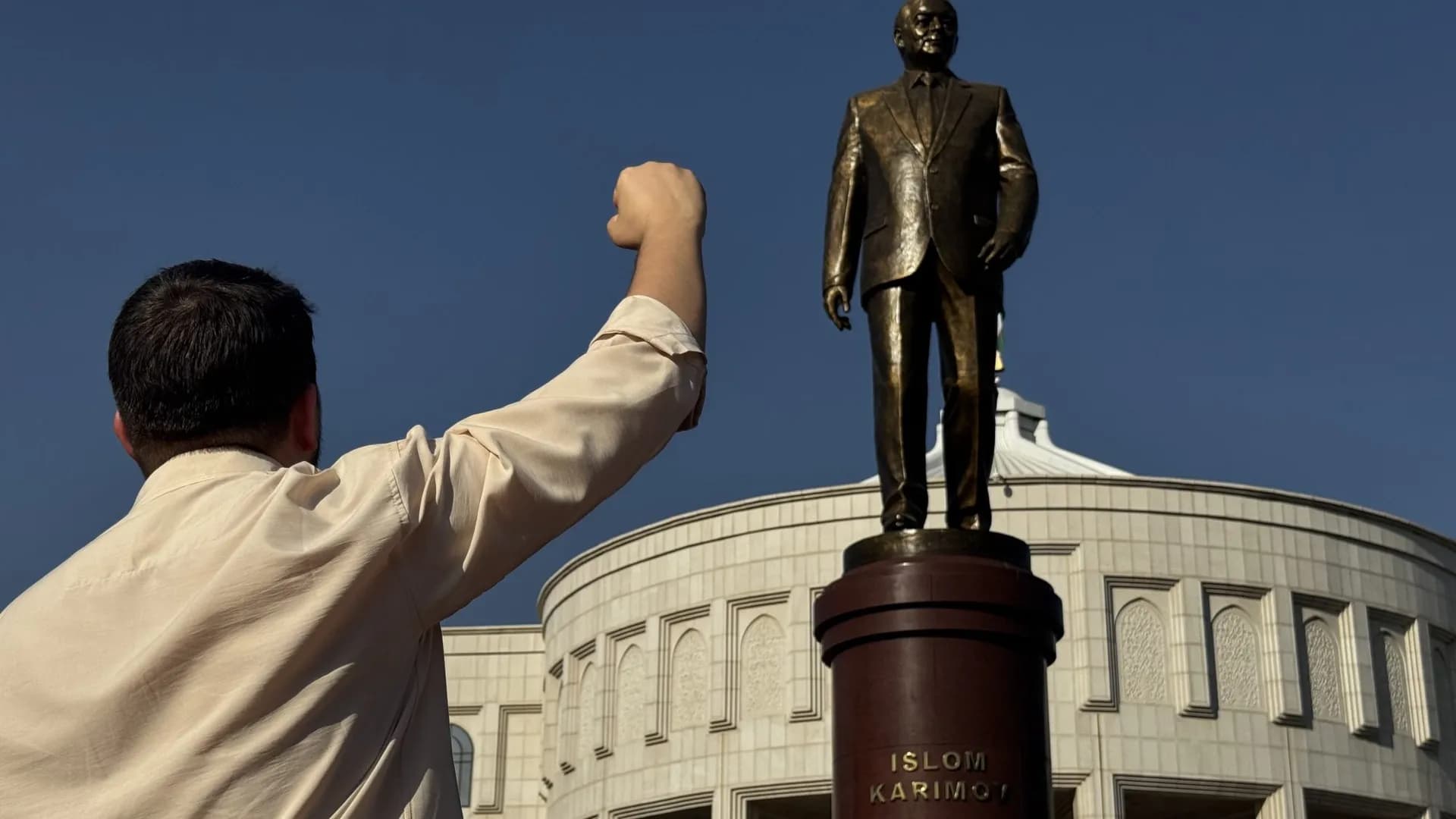
Islam Karimov (1938–2016), the first President of independent Uzbekistan, was the key architect of the country’s post-Soviet nation-building project. His leadership combined political independence with the creation of a national ideology that he viewed as essential for state survival and legitimacy. Karimov redefined Uzbekistan’s identity by reviving historical memory, celebrating figures like Amir Timur and Alisher Navoi, and replacing Soviet symbols with new national emblems. He balanced religion as a source of unity and morality while curbing extremism and implemented language reforms to strengthen national consciousness while preserving diversity. His model, based on ideology, history, religion, and language, remains a blueprint for achieving stability and unity in multi-ethnic, transitional states.
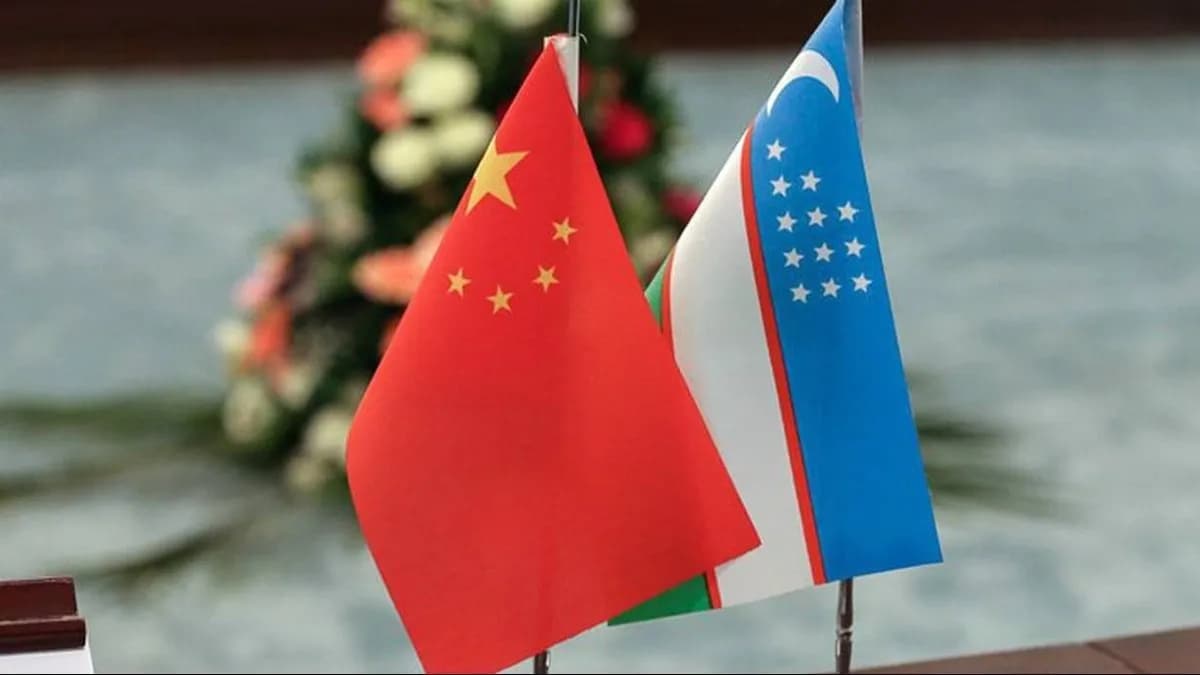
Uzbekistan’s potential purchase of Chinese JF-17 Block 3 jets could shift the power balance in Central Asia, reducing Russia’s influence and boosting China’s role. The deal offers technology transfer, pilot training, and cost-effective modernization, making Uzbekistan the first in the region to operate fifth-generation fighters.
U.S. War Secretary Pete Hegseth’s visit to Hanoi marked a new phase in U.S.–Vietnam defense diplomacy, emphasizing post-war reconciliation and strategic deterrence. Both nations discussed arms sales, war legacy remediation, and security cooperation, aligning their partnership with broader Indo-Pacific stability goals. The meetings highlighted Vietnam’s pragmatic approach—strengthening defense capacity while maintaining strategic autonomy—and Washington’s goal of enhancing collective deterrence in the South China Sea against regional coercion.
The 21st century has transformed energy from a mere economic commodity into a strategic instrument of global power. This article explores how five energy corporations—Saudi Aramco, ExxonMobil, Shell, Chevron, and PetroChina—function as hybrid entities operating at the intersection of economics, politics, and diplomacy. Using a historical-political lens, it argues that these firms are no longer corporate actors but geopolitical institutions that influence state policies, determine market stability, and shape international relations. The research highlights how national energy sovereignty, state capitalism, and market-driven geopolitics merge within these entities, producing a new form of “energy empire” where corporate decisions yield geopolitical consequences. Ultimately, the study redefines energy not as fuel but as power itself.
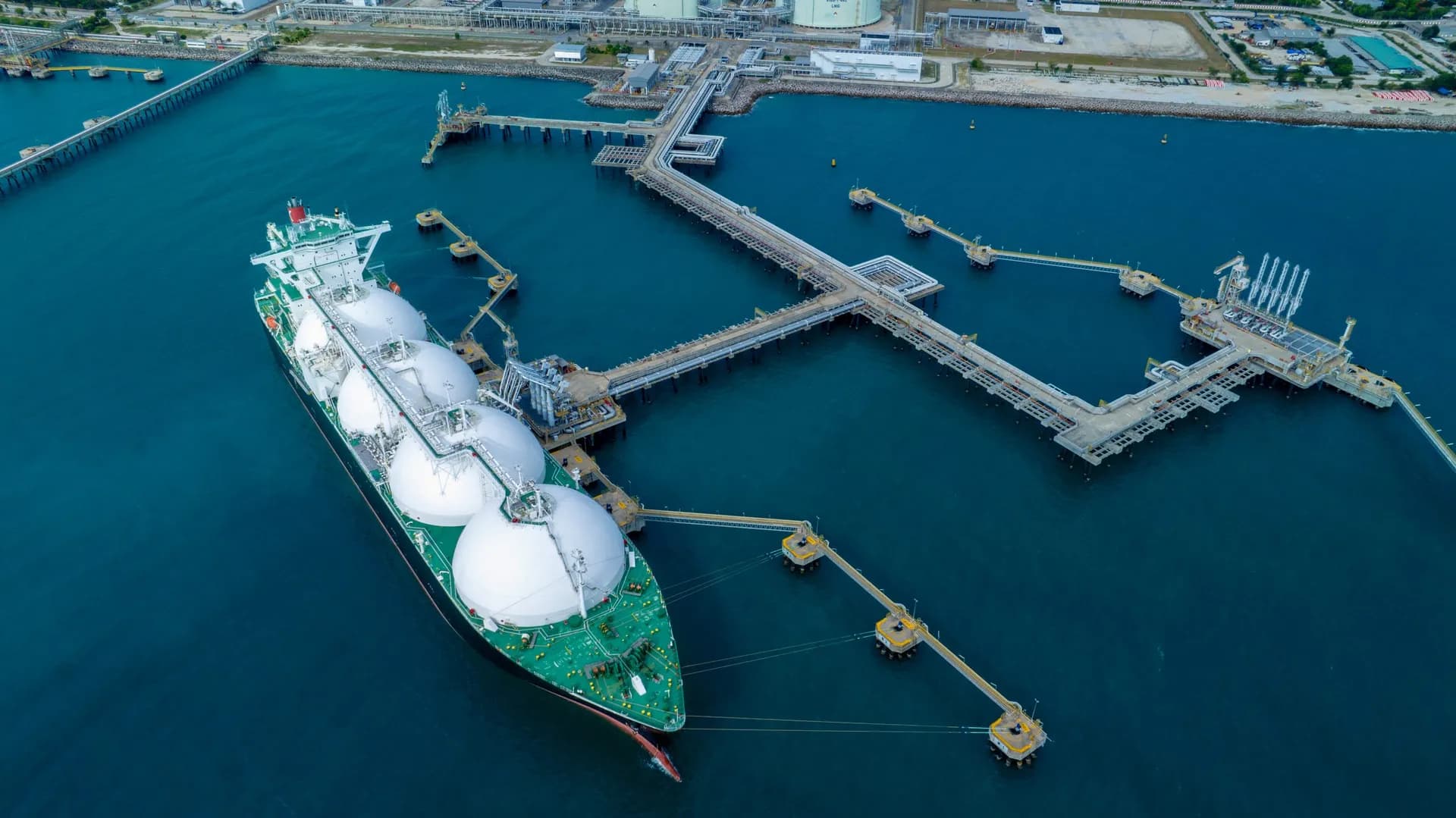
Following the European Union’s 2027 ban on Russian liquefied natural gas, Moscow plans to redirect its LNG exports toward Asian markets, primarily China. While this shift helps Russia preserve short-term revenue, it deepens its structural dependence on Beijing’s import infrastructure and financing network. Experts warn that China’s growing control over logistics and pricing could transform Russia from an energy superpower into a junior partner within the Sino-Russian energy axis, reshaping the geopolitical balance of global gas markets.
The United States has signaled its readiness to expand oil and natural gas exports to China, provided Beijing reduces its reliance on Russian supplies. Energy Secretary Chris Wright emphasized that there is “ample room for mutually beneficial deals” between the world’s largest energy exporter and the world’s biggest importer. The statement follows President Donald Trump’s Asia tour, during which he reached preliminary energy agreements with Chinese President Xi Jinping and South Korean President Lee Jae Myung. Analysts view Washington’s move as part of a broader energy diplomacy and containment strategy, designed to limit Russia’s market influence while strengthening America’s economic foothold in Asia. By leveraging energy exports as a geopolitical tool, the U.S. aims to reshape global supply chains and redefine its relationship with China within the framework of energy security and strategic competition.
Prime Minister Sanae Takaichi refused U.S. demands to halt Russian LNG imports, citing Japan’s heavy energy dependence and security needs. With 9% of its gas coming from Russia’s Sakhalin-2 project, Tokyo warned that cutting supplies would raise prices and hurt stability. The decision signals Japan’s drive for energy autonomy amid shifting global energy and geopolitical dynamics.
Türkiye has significantly bolstered its energy security and supply diversification through two major long-term Liquefied Natural Gas (LNG) agreements with international partners: Mercuria (US) and Woodside (Australia).
Qatar is undertaking a major national transformation, led by the Third National Development Strategy (2024–2030), to become a global hub for technology, entrepreneurship, and smart living.
The European Union has reaffirmed its long-term commitment to energy security and independence, as outlined in the European Commission’s Work Programme for 2026, entitled “Europe’s Independence Moment.” The document underscores that energy will remain a central pillar of the EU’s policy agenda next year, driving competitiveness, growth, and economic resilience across the continent.
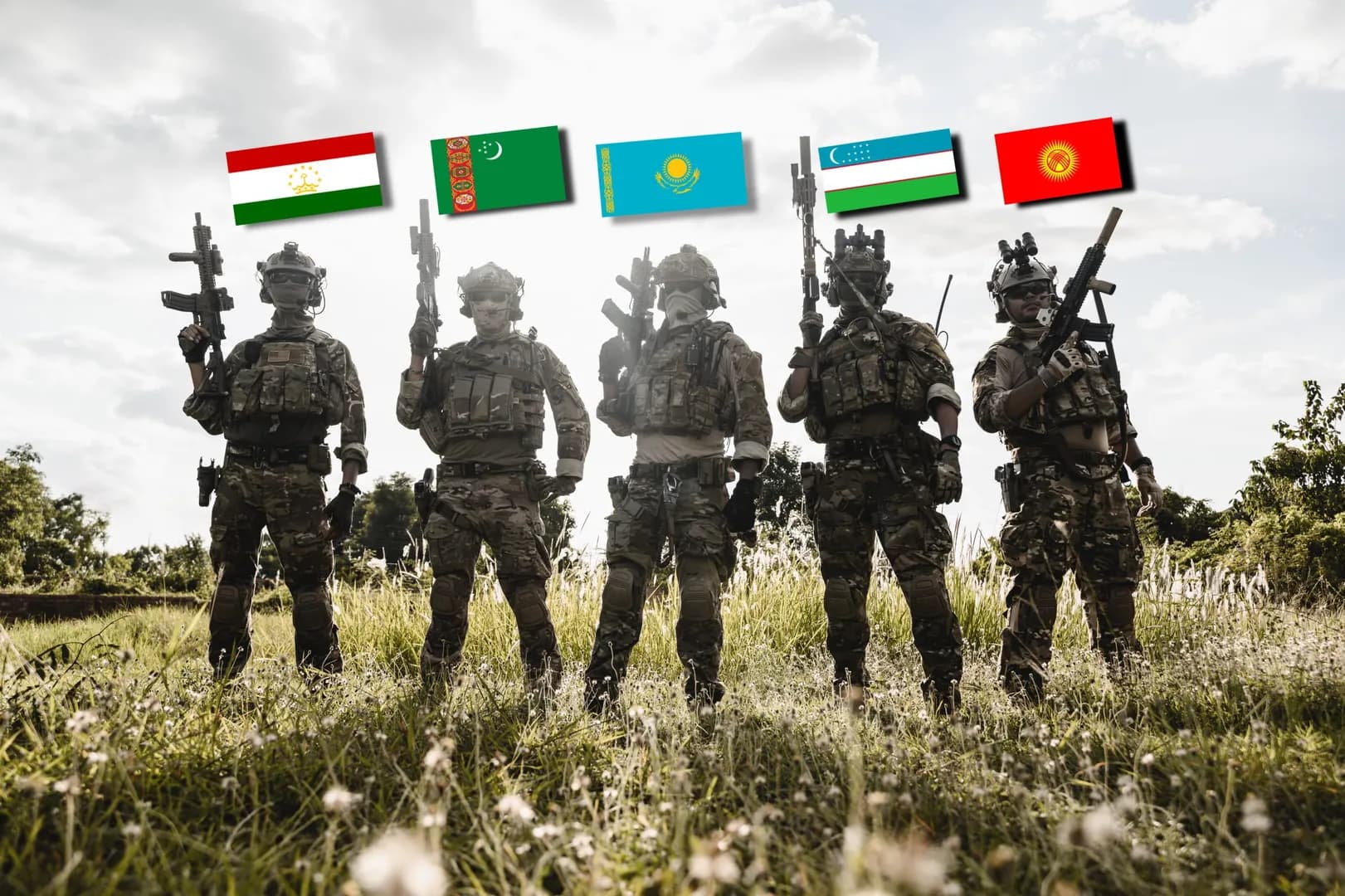
The recent Meeting of the Defense Ministers of Central Asian States in Samarkand, Uzbekistan, marks a significant move toward potentially consolidating regional military capabilities and reshaping the collective security architecture.