Why Japan Defies U.S. Call to Ban Russian LNG
Prime Minister Sanae Takaichi refused U.S. demands to halt Russian LNG imports, citing Japan’s heavy energy dependence and security needs. With 9% of its gas coming from Russia’s Sakhalin-2 project, Tokyo warned that cutting supplies would raise prices and hurt stability. The decision signals Japan’s drive for energy autonomy amid shifting global energy and geopolitical dynamics.
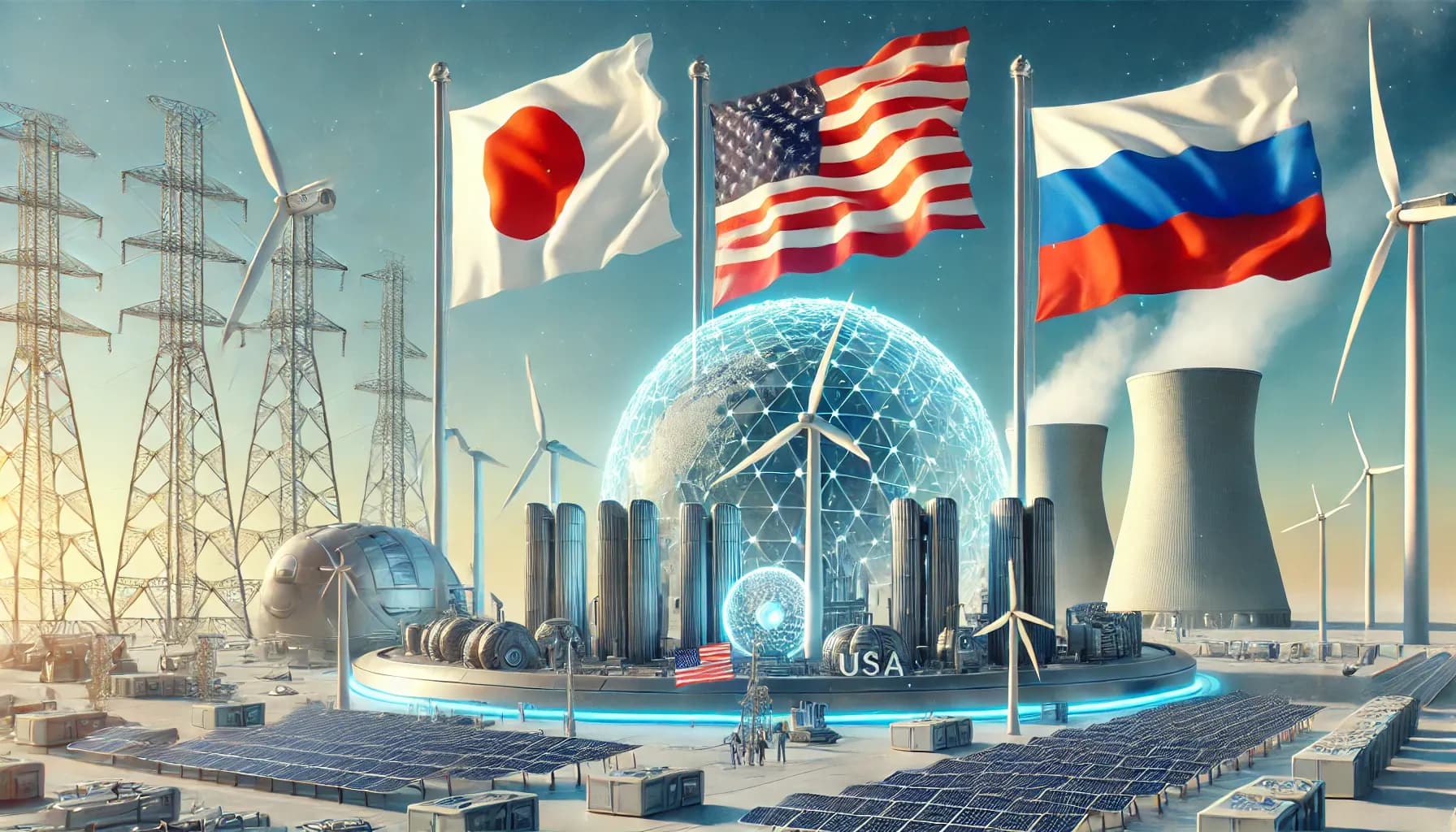
Japan’s newly appointed Prime Minister Sanae Takaichi has resisted U.S. pressure to halt imports of Russian liquefied natural gas (LNG), underscoring the deepening tension between energy security and geopolitical alignment among major global economies.
During a bilateral meeting with U.S. President Donald Trump in Tokyo, Takaichi reportedly said that banning Russian LNG would be “extremely difficult” for Japan, given its dependence on the fuel for both electricity generation and industrial use. Two government officials familiar with the talks told Reuters that Takaichi sought Trump’s understanding regarding Japan’s immediate energy needs.
Energy Security vs. Strategic Alliances
Russian LNG accounts for nearly 9% of Japan’s total gas imports, and Japanese energy giants Mitsui & Co. and Mitsubishi Corp. both hold significant stakes in Russia’s Sakhalin-2 project.
The U.S. has been pushing allies to curb Russian energy purchases as part of a wider sanctions regime aimed at ending Moscow’s war in Ukraine. Yet, Japan’s position reflects a more nuanced calculation — balancing its strategic partnership with Washington against the urgent imperative of energy diversification and price stability.
Japan’s Ministry of Economy, Trade, and Industry (METI) has warned that replacing Russian LNG could raise electricity prices, disrupt industrial output, and undermine Tokyo’s efforts to transition toward a low-carbon economy.
Ripple Effects on Global Energy Markets
Analysts suggest that Japan’s refusal to fully disengage from Russian energy could have global market repercussions. The Sakhalin-2 project supplies critical LNG volumes to Northeast Asia — a region already grappling with tight gas markets and volatile spot prices following Europe’s pivot away from Russian energy after 2022.
Should Japan reduce its stake, China and India — currently Russia’s largest energy buyers — could strengthen their positions, deepening Asia’s energy realignment and giving Moscow an alternative market cushion against Western sanctions.
Meanwhile, the United States has been expanding LNG exports to Japan and South Korea to reduce regional dependence on both Russia and Australia. However, Japanese officials argue that the U.S. cannot yet fully compensate for the potential loss of Sakhalin supplies without driving up global LNG prices.
Geopolitical Implications
Takaichi’s stance signals that Tokyo may pursue a more autonomous foreign energy policy, one that safeguards domestic economic stability while maintaining its role within the U.S.-led alliance system.
The development also reveals growing fragmentation in the Western sanctions front, as several Asian economies — including India, Vietnam, and South Korea — quietly seek pragmatic ways to secure affordable energy amid escalating geopolitical risks.
In essence, Japan’s decision underscores a central dilemma in today’s energy geopolitics: how to isolate Russia without destabilizing global energy supply chains. With contracts from Sakhalin-2 set to expire between 2028 and 2033, Tokyo faces a defining test — whether to deepen cooperation with Western allies or prioritize its energy resilience in an increasingly polarized world.
So Why Japan Rejected The U.S. Proposal?
1. Energy Security and National Dependence
Prime Minister Sanae Takaichi emphasized that cutting Russian LNG supplies would be “extremely difficult” because Japan relies on this fuel for both electricity generation and industrial production.
Russian LNG currently provides about 9% of Japan’s total gas imports, making it a critical component of Japan’s energy mix. Losing this share abruptly would risk power shortages and threaten economic stability.
2. Economic and Price Pressures
Japan’s Ministry of Economy, Trade, and Industry (METI) warned that replacing Russian LNG would:
Increase electricity costs,
Disrupt industrial output, and
Slow Japan’s green transition toward a low-carbon economy.
Moreover, the Sakhalin-2 project, in which Mitsui and Mitsubishi are major investors, supplies long-term, stable LNG at competitive prices. Abandoning it would force Japan to rely on more expensive spot markets or alternative suppliers, potentially inflating global LNG prices.
3. Strategic Balance with the United States
Japan remains a close U.S. ally, but Takaichi’s position highlights a pragmatic approach: preserving the alliance while prioritizing domestic energy stability.
Tokyo’s stance demonstrates an effort to balance geopolitical loyalty with economic necessity, especially as U.S. and EU-led sanctions have already reshaped global energy flows.
4. Global and Regional Energy Implications
Analysts note that if Japan exits Russian energy projects, China and India would quickly absorb those supplies, strengthening their positions in Asia’s energy hierarchy.
Thus, Japan’s withdrawal would not weaken Russia but rather shift Moscow’s exports eastward, undermining the sanctions’ intended impact and possibly raising competition in LNG markets.
5. Long-Term Contracts and Future Constraints
Japan’s contracts with Sakhalin-2 are valid until 2028–2033. Ending them prematurely would be legally and financially costly. Replacing those supplies before new infrastructure or renewable alternatives are in place could jeopardize Japan’s long-term energy transition.
Japan’s decision to resist U.S. calls is driven by energy realism rather than political defiance.
Tokyo views Russian LNG as a temporary but essential pillar of its energy security strategy — one it cannot afford to abandon until diversified, reliable, and affordable alternatives are fully established.
In short, Japan is not siding with Moscow; it is safeguarding its national interest in an era where energy and geopolitics are tightly intertwined.
https://energynow.com/2025/10/japan-pm-pushed-back-against-us-request-to-ban-russian-energy-imports/

İsmail Polat
Ph. D. in International Relations
Follow EUReflect
See more of our reporting on Google
Mark EUReflect as a preferred source and our stories are ranked higher for you in Top Stories, Discover and Google News — and carry a “preferred” badge when they are cited in AI results.
Add EUReflect as a preferred source