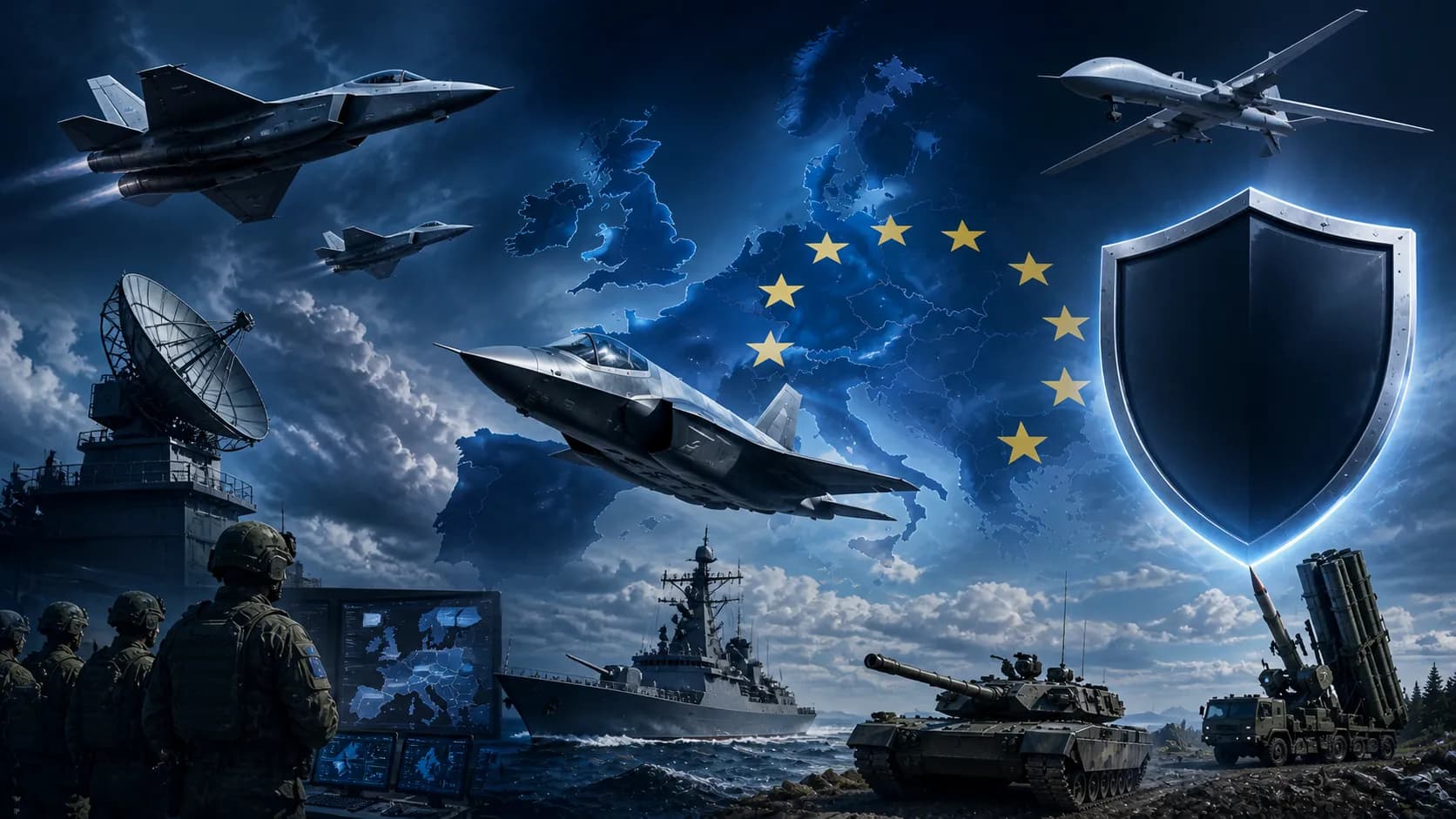
European NATO members have rapidly replaced most military capabilities reduced by the United States, strengthening the alliance’s defense posture. While a few strategic gaps remain, NATO is developing alternatives as Europe assumes greater responsibility for collective security.
This article argues that the main obstacle to market reforms in post-Soviet countries is not the market economy itself, but its bureaucratic misinterpretation. The invisible hand functions only with strong institutions, rule of law, and capable public administration, while structural weaknesses continue to constrain reform outcomes.
Although leadership vision is strong in post-Soviet health ministries, communication breakdowns between institutions and departments, unrecorded meetings, informal correspondence channels, and weak accountability slow down projects. The article proposes solutions like digital document management and coordination councils.
After months of delay, the UK Prime Minister has announced the Defence Investment Plan, redirecting funds toward drone-coordinating naval vessels, amphibious ships and joint European weapons programmes, while pledging £400 million to a new multilateral defence financing mechanism.
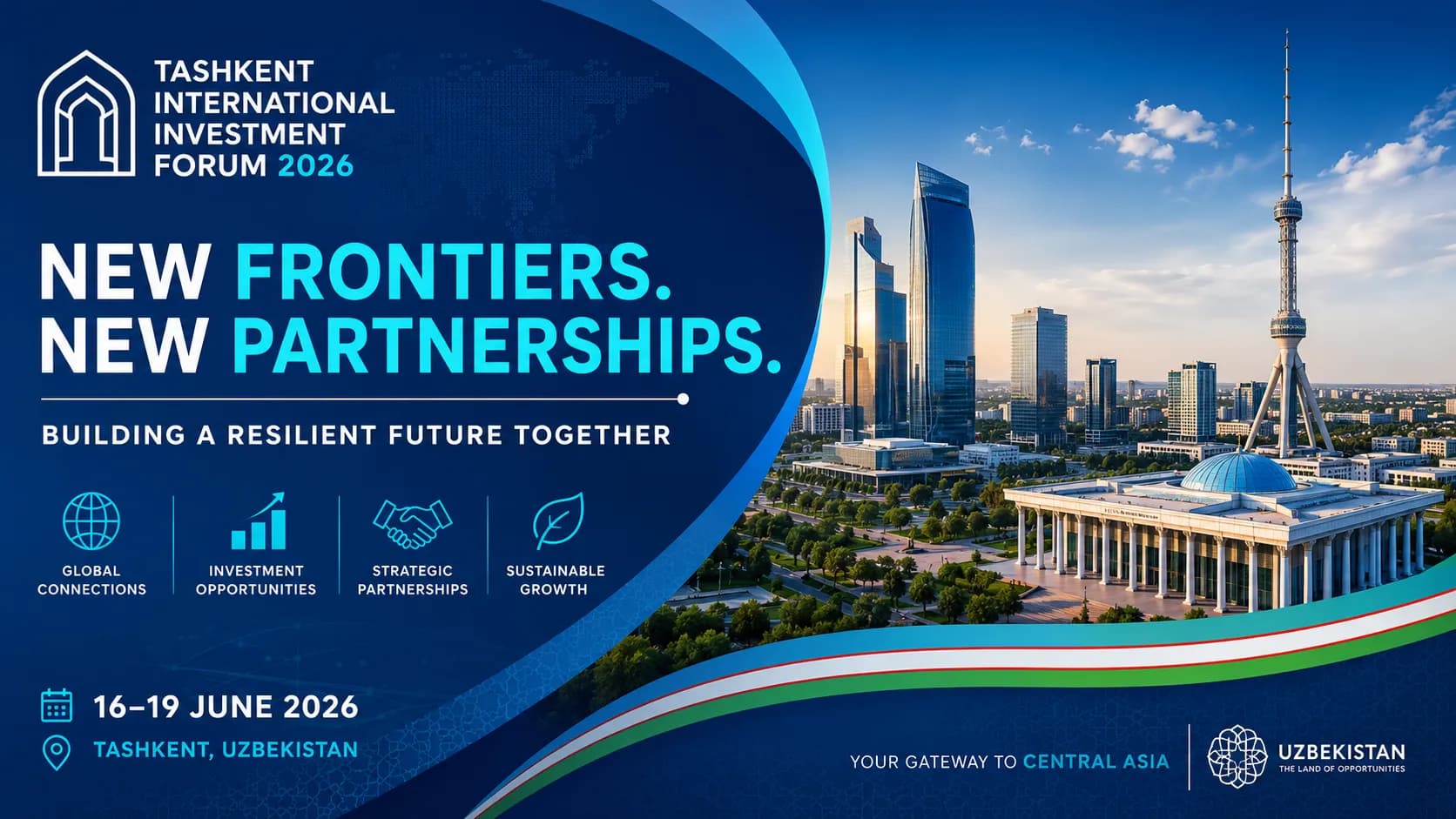
TIIF 2026 brings together presidents, prime ministers, ministers, and global financial leaders from Europe, Asia, the Gulf, and the US. The forum positions Uzbekistan as a strategic hub for investment diplomacy, connecting Eurasian economic corridors with global capital and policy networks.
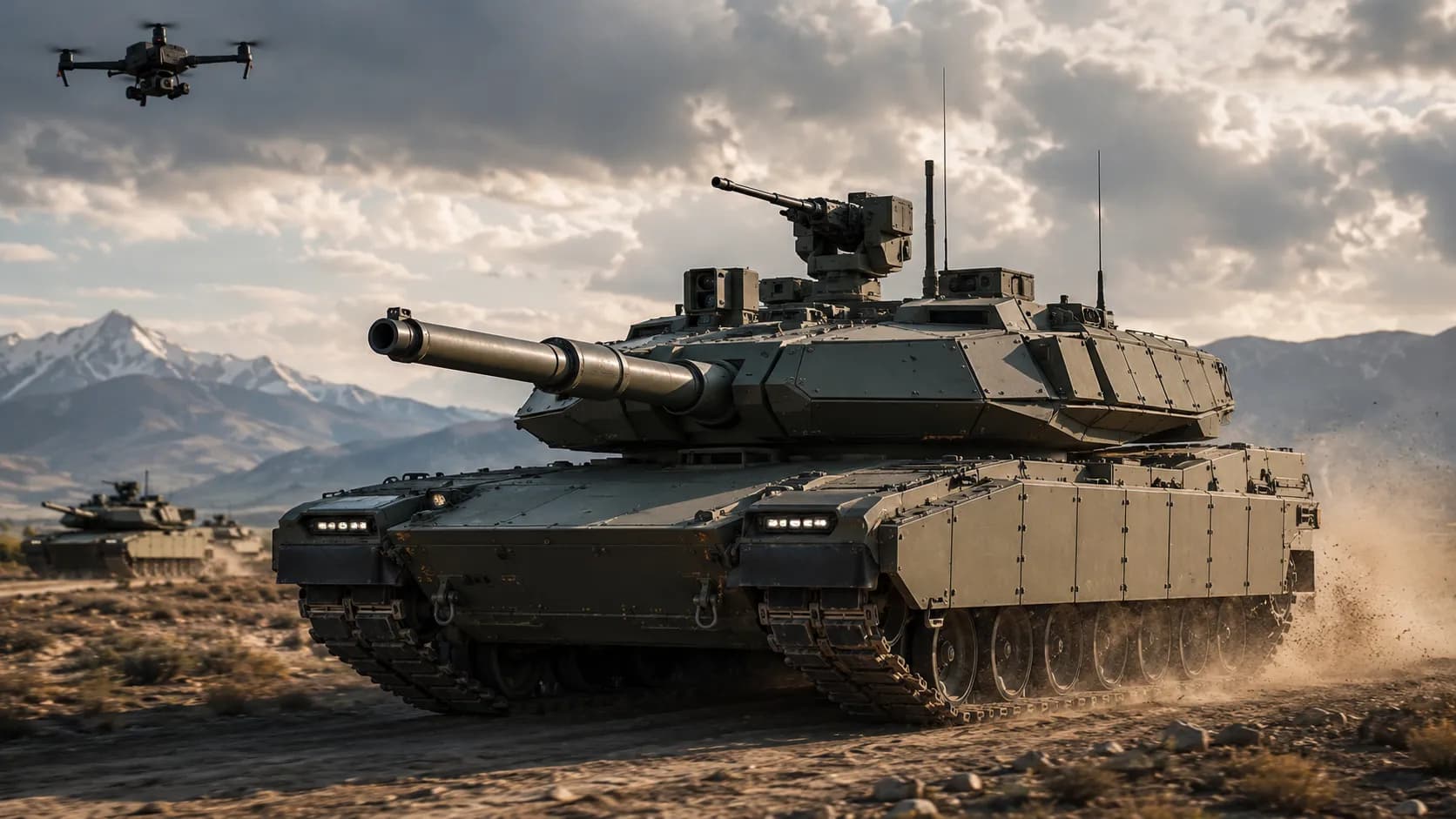
The U.S. Army has publicly unveiled new details about the M1E3 Abrams, its next-generation main battle tank, at the NDIA MDEX 2026 and Michigan Defense Expo 2026 conferences. Designed to replace the current M1A2 SEPv3, the M1E3 represents the most ambitious redesign of the Abrams platform since the original M1 entered service in 1980. The tank's most defining feature is its fully unmanned turret, which eliminates the loader from the crew and reduces the total crew to three personnel seated in an armored hull compartment. A secondary 30 mm Northrop Grumman M230LF cannon mounted atop the main turret provides dedicated counter-drone capability, while the XM251 active protection system — an Americanized derivative of Israel's Iron Fist — guards against incoming anti-tank threats. The drivetrain has been fundamentally redesigned: replacing the legacy gas turbine with a hybrid diesel-electric system is projected to improve fuel efficiency significantly and reduce combat weight from 73 to approximately 60 tons, easing logistical demands across the force. Structurally, the M1E3 is built on a Modular Open Systems Architecture, enabling rapid integration of software updates, new sensors, and upgraded fire control systems without requiring wholesale hardware redesigns. The program's pace is itself newsworthy: prototypes are expected in soldiers' hands by summer 2026, five years ahead of the original schedule. Full Initial Operational Capability is targeted for 2030. Underlying this urgency are the lessons drawn from the war in Ukraine, where drones, loitering munitions, and precision top-attack fires have exposed critical vulnerabilities in conventional armor. The M1E3 is the U.S. Army's direct response — a platform engineered not merely to survive the modern battlefield, but to dominate it.
Japan’s sharp decline in Middle Eastern oil imports following disruptions in the Strait of Hormuz signals a new phase in the global energy crisis. Europe may face rising energy costs, tougher competition for LNG and oil supplies, inflationary pressure, and renewed industrial challenges.
Uzbekistan is strengthening its social state model through people-oriented reforms led by the National Agency for Social Protection. The country aims to improve social services, strengthen state organization, support vulnerable groups, and promote national unity through inclusive social policies.
Tashkent International Investment Forum 2026 will bring together global investors, governments, and financial institutions in Uzbekistan’s capital. The event highlights the country’s rapid economic reforms, strategic location, and ambition to become Central Asia’s leading investment hub.
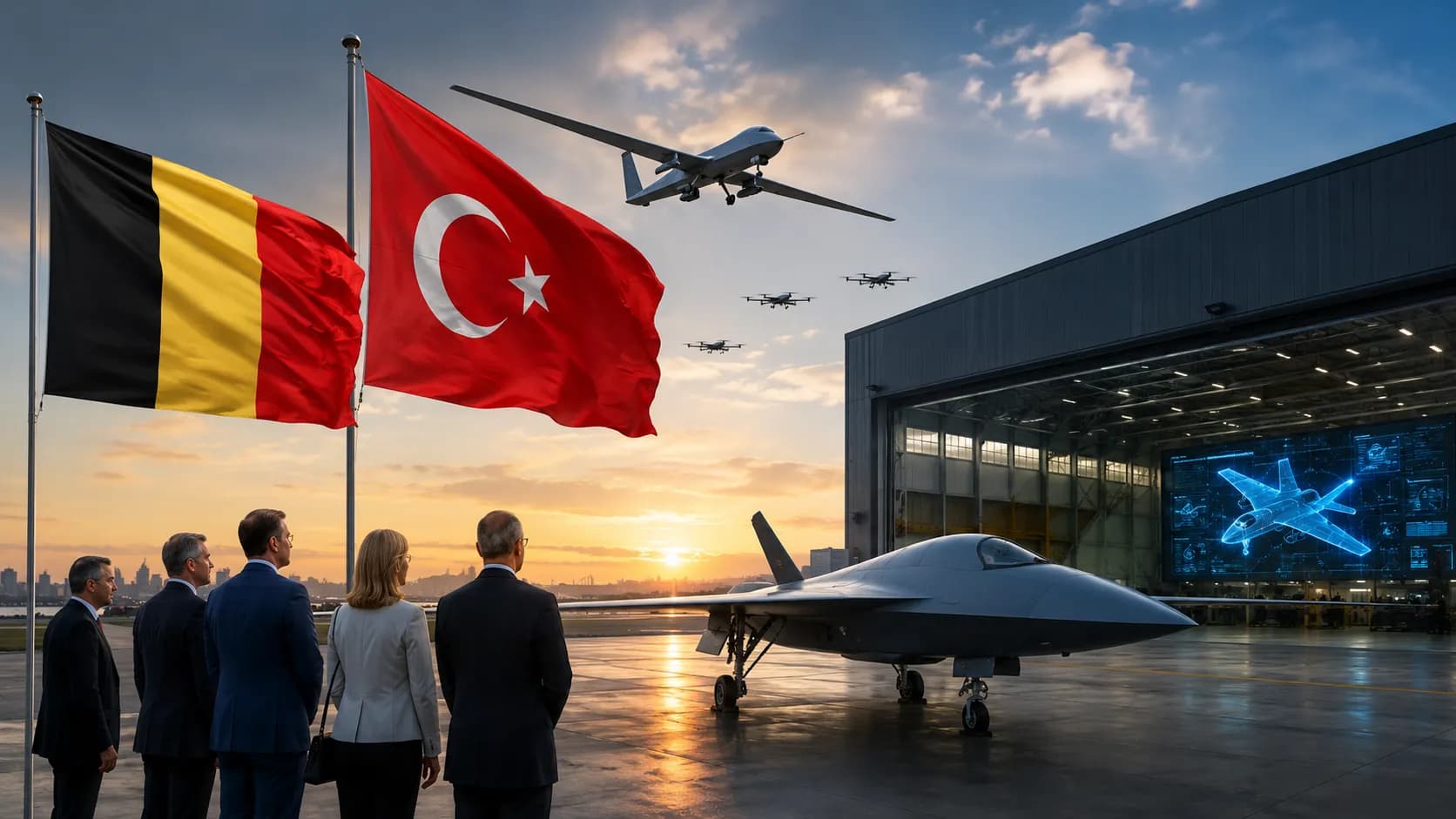
Belgium’s visit to Baykar during its Türkiye Economic Mission highlighted Europe’s growing interest in the Turkish defense industry. Baykar’s drone and unmanned fighter aircraft projects are increasingly viewed as strategic technologies within NATO.
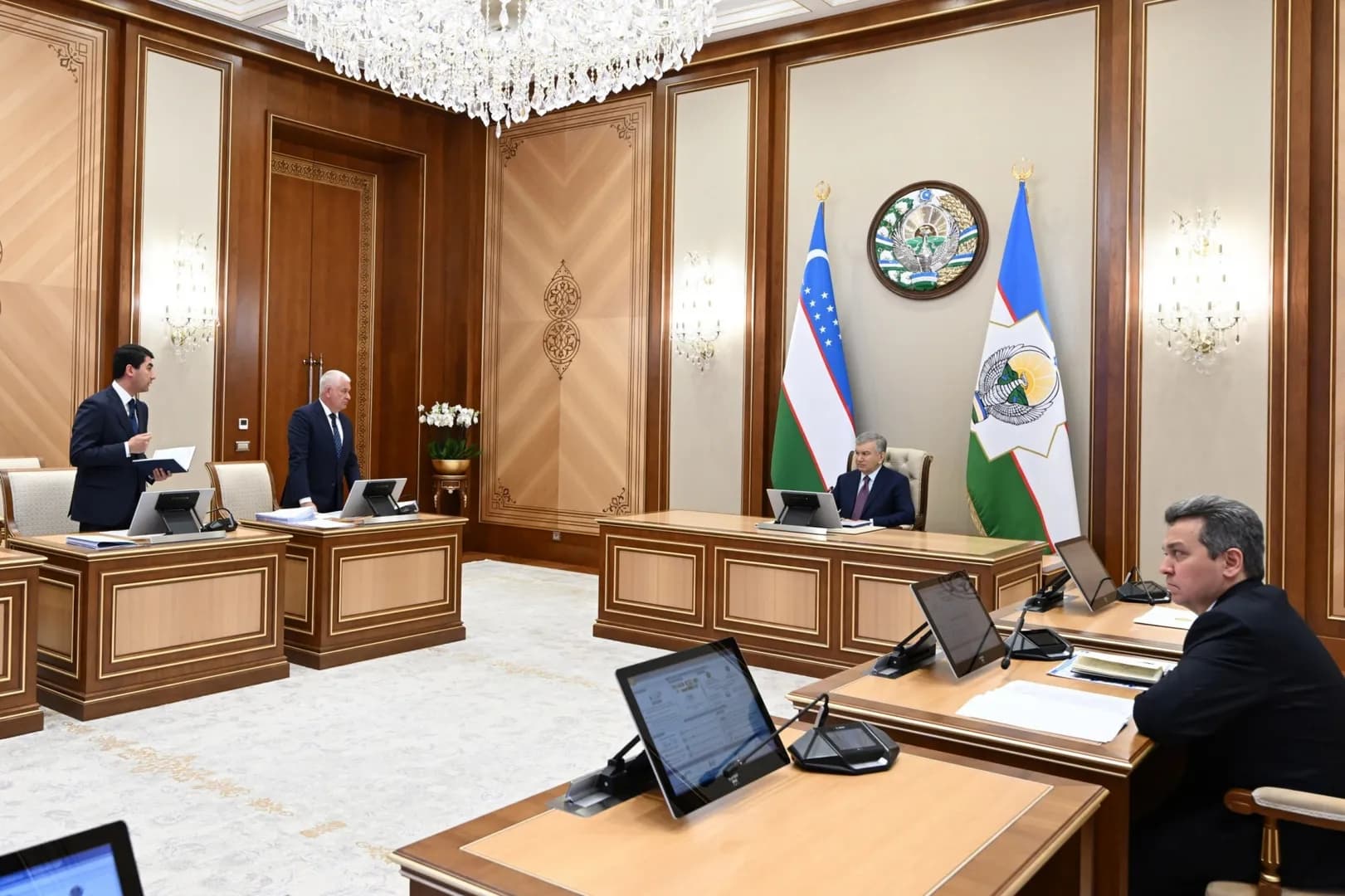
Uzbekistan is modernizing its armed forces through artificial intelligence, drone warfare, cybersecurity, and digital military reforms. Under President Shavkat Mirziyoyev, the country is building a technologically advanced defense structure and moving steadily toward regional power status.
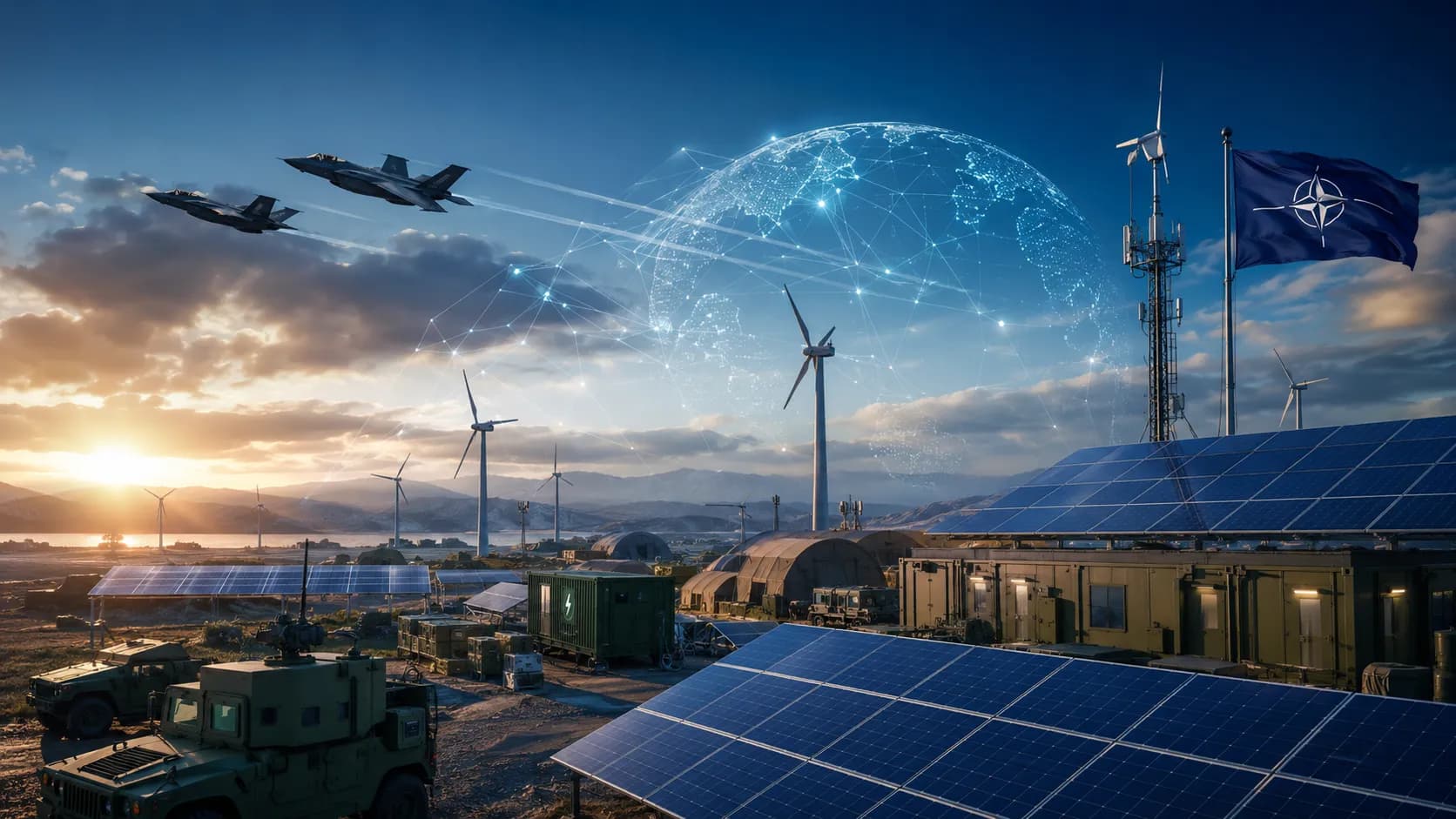
NATO is increasingly viewing renewable energy as a military necessity. European allies seek greater energy independence through solar, hydrogen, and synthetic fuels, while tensions grow with U.S. fossil fuel policies. Energy security is becoming central to future warfare.
Europe could achieve defense sovereignty through €50 billion annual investment. The report highlights major dependence on the U.S. and calls for transformation in command systems, autonomous weapons, air defense, and other critical military technologies.
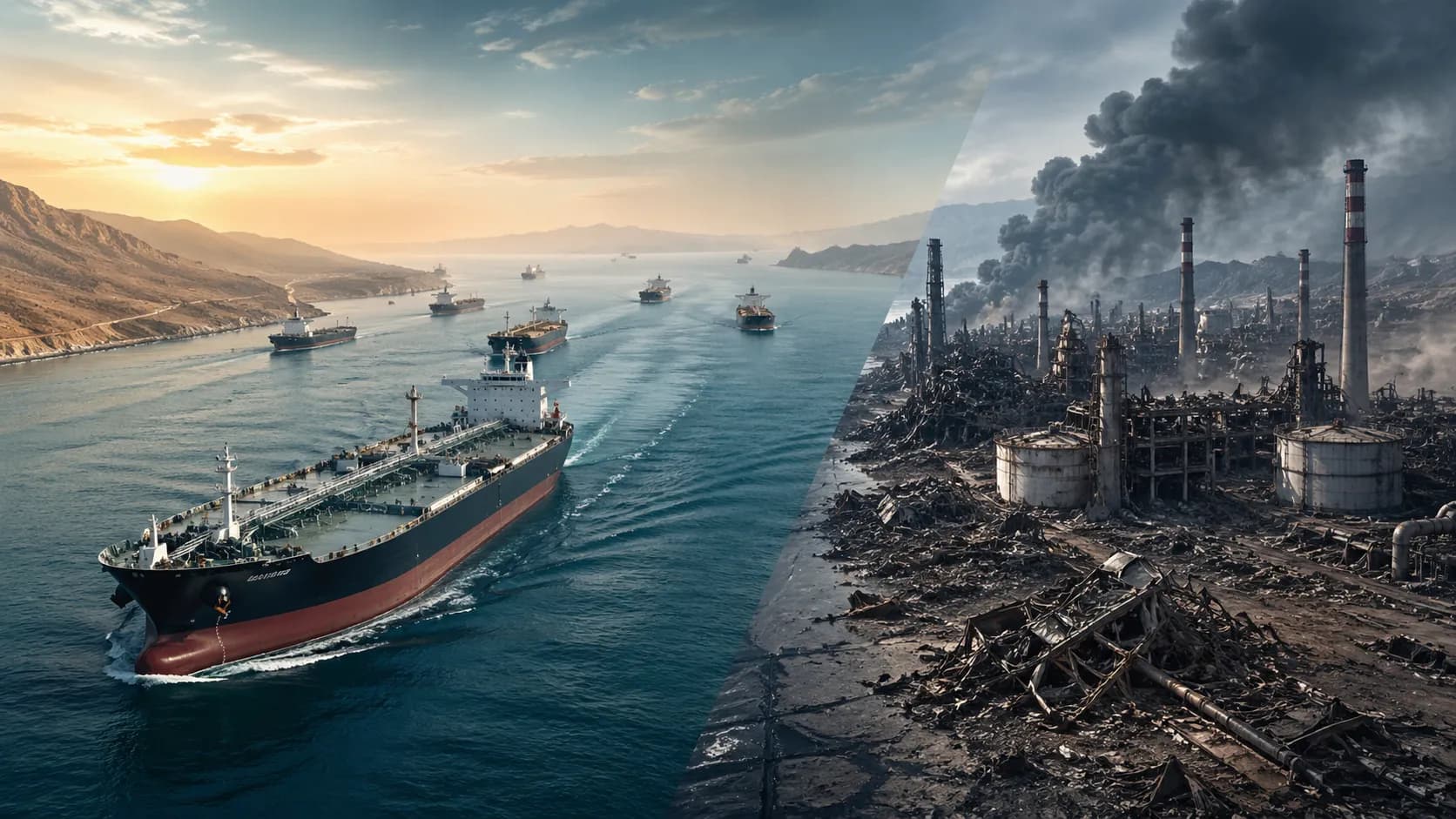
The reopening of the Strait of Hormuz does not guarantee rapid normalization in global energy markets. The main challenge lies in repairing damaged oil fields, refineries, and LNG facilities. Long-term recovery depends on infrastructure reconstruction, logistics, and regional geopolitical stability.
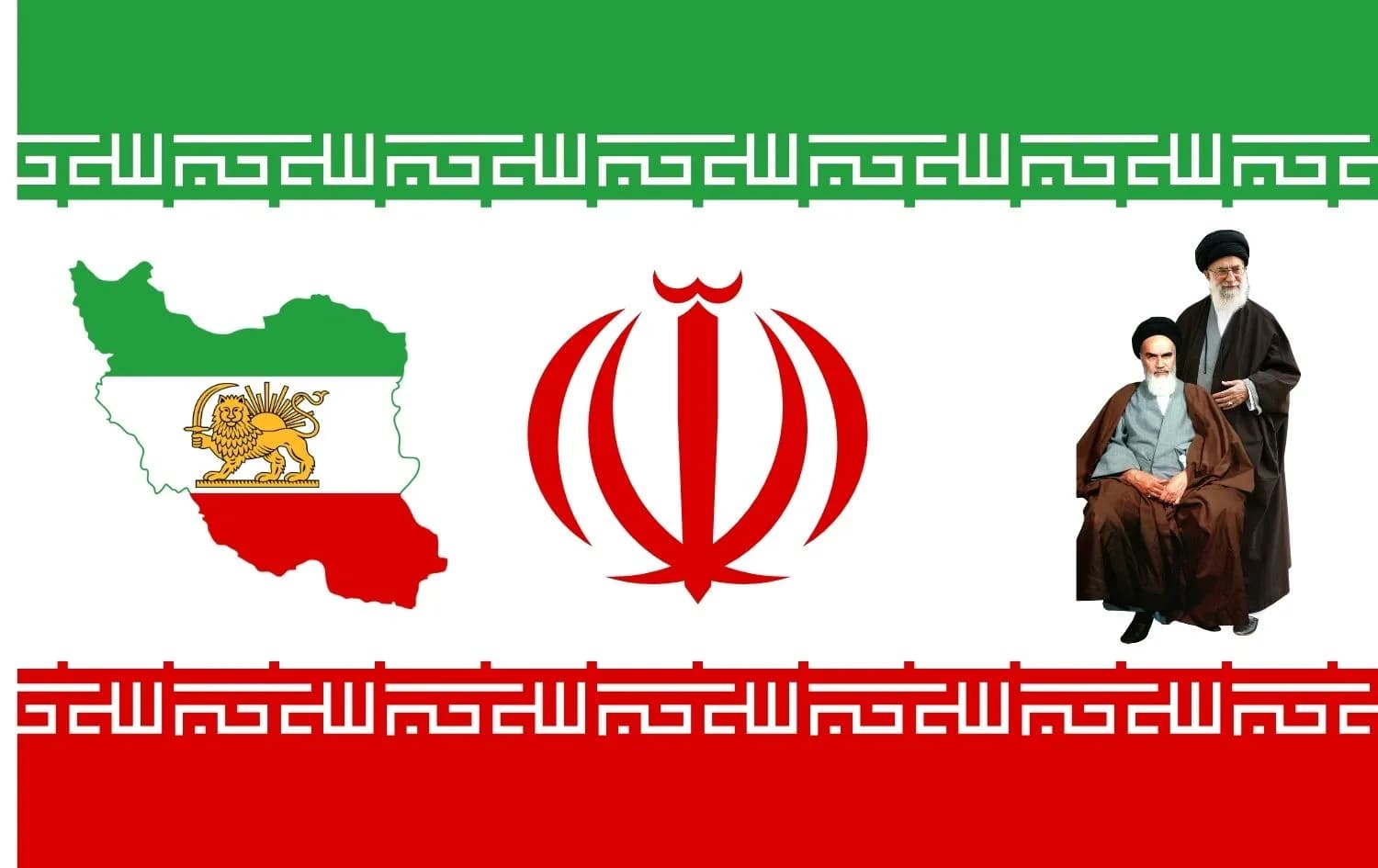
The Iranian flag combines a historical tricolor with post-revolutionary Islamic symbols, reflecting the ideological, religious, and cultural dimensions of nation-building. Its colors, emblem, and inscriptions reinforce collective identity and political legitimacy.
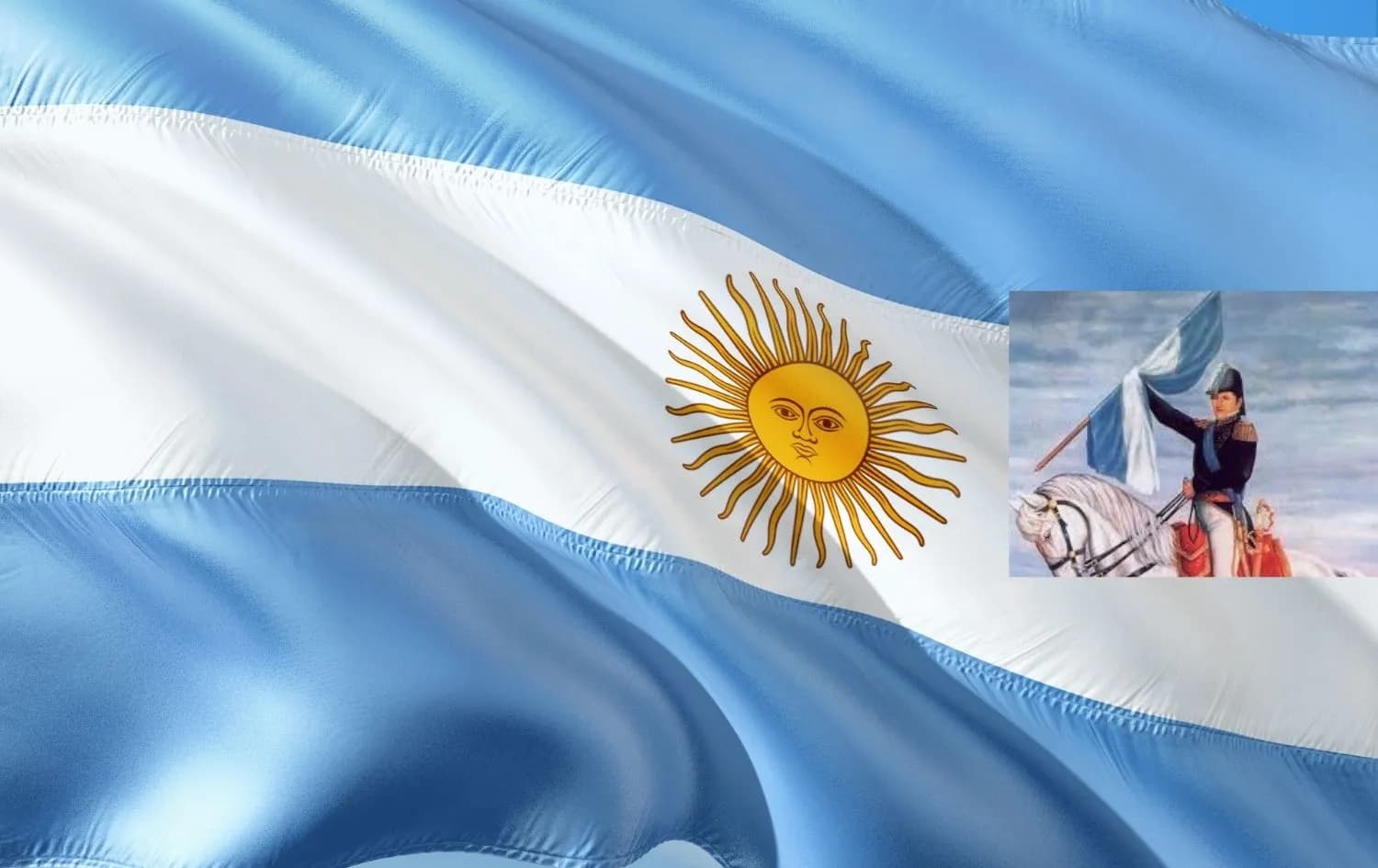
The Argentine flag reflects the nation’s independence, unity, and evolving identity. Its colors and the Sun of May symbolize historical struggle, cultural continuity, and political consolidation, playing a central role in nation-building and strengthening collective national consciousness.
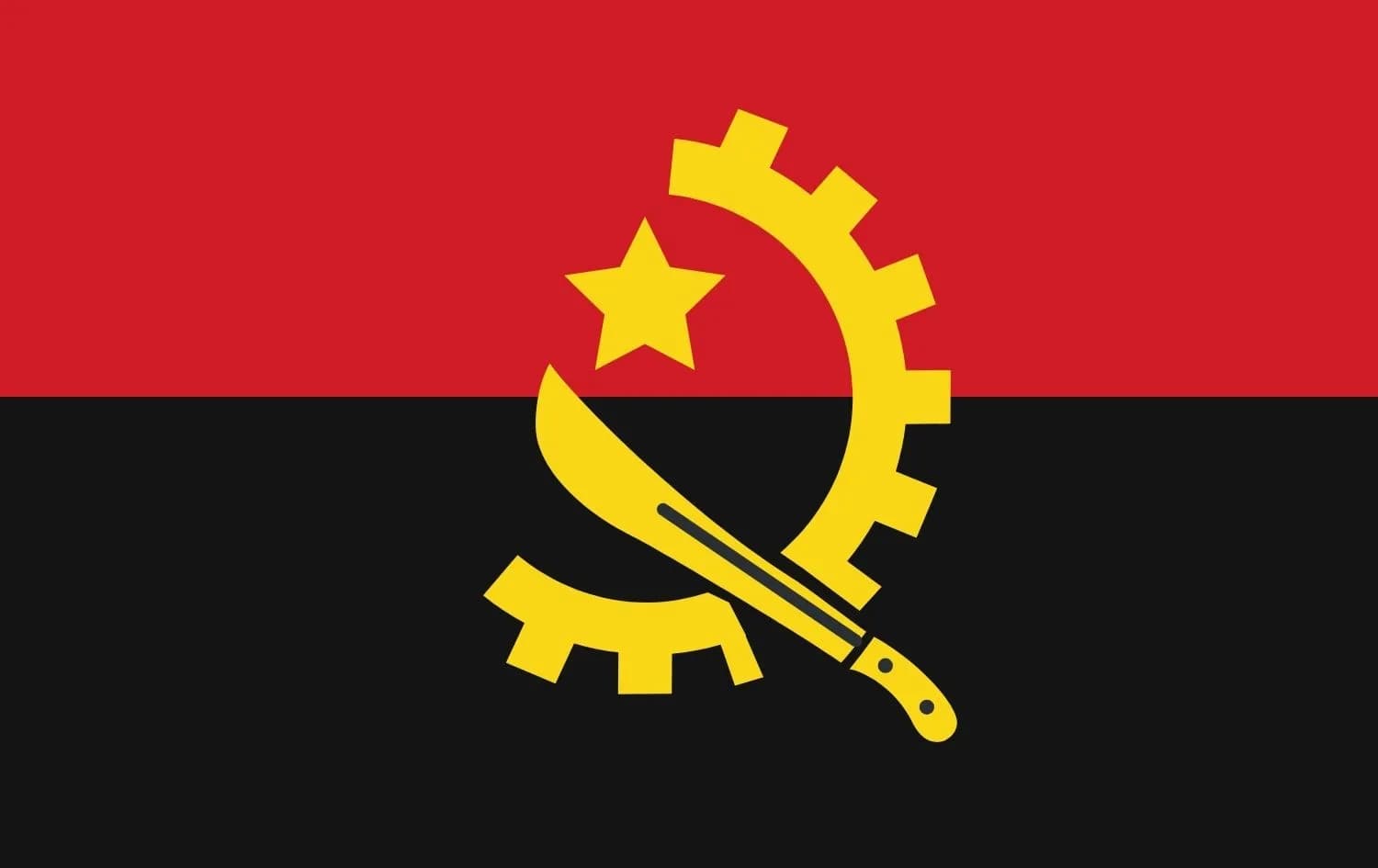
The Angolan flag, adopted in 1975, reflects the nation’s independence struggle, labor contributions, and African identity. Red symbolizes the fight for freedom, black represents Africa, and central symbols illustrate industrial, agricultural, and political roles in nation-building.
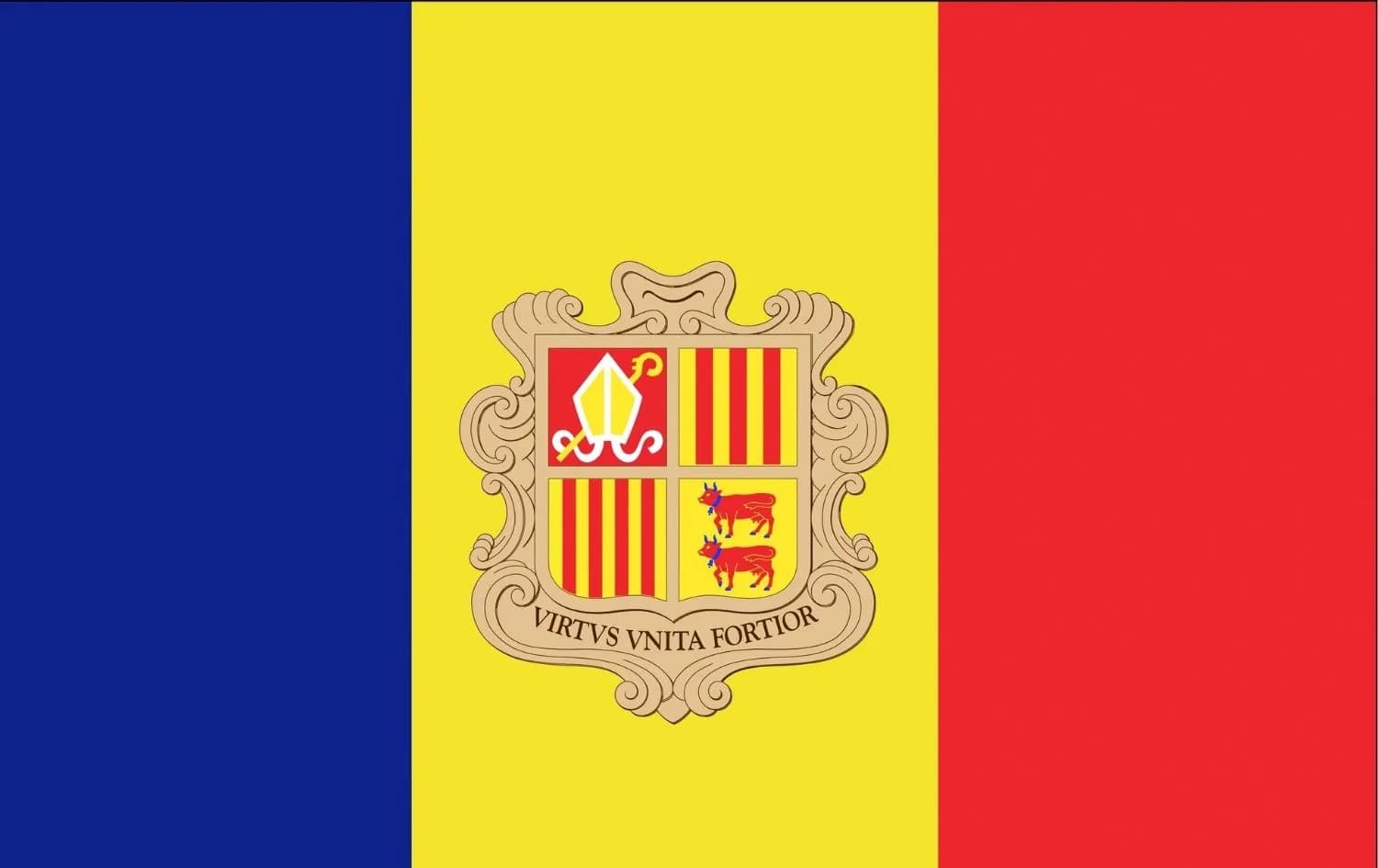
The Andorra flag, with its blue, yellow, and red stripes and central coat of arms, symbolizes the principality’s historical dual sovereignty under France and Spain. Its design reflects political agreements, cultural heritage, and the consolidation of national identity over centuries.
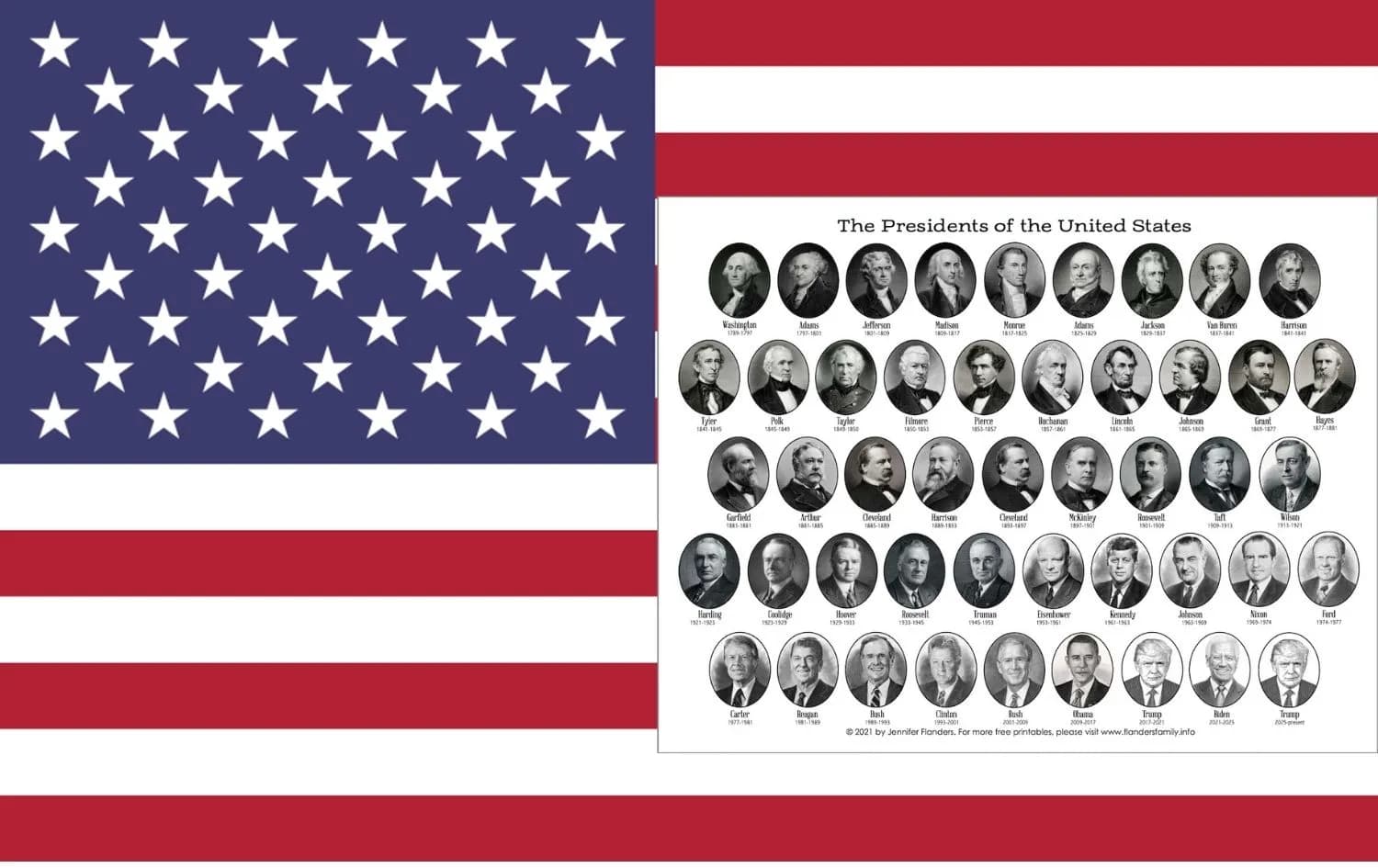
The American flag symbolizes nation-building through its stars, stripes, and colors, reflecting unity, sacrifice, and democratic ideals. Reinforced by presidential rhetoric, it sustains collective memory and national identity across generations
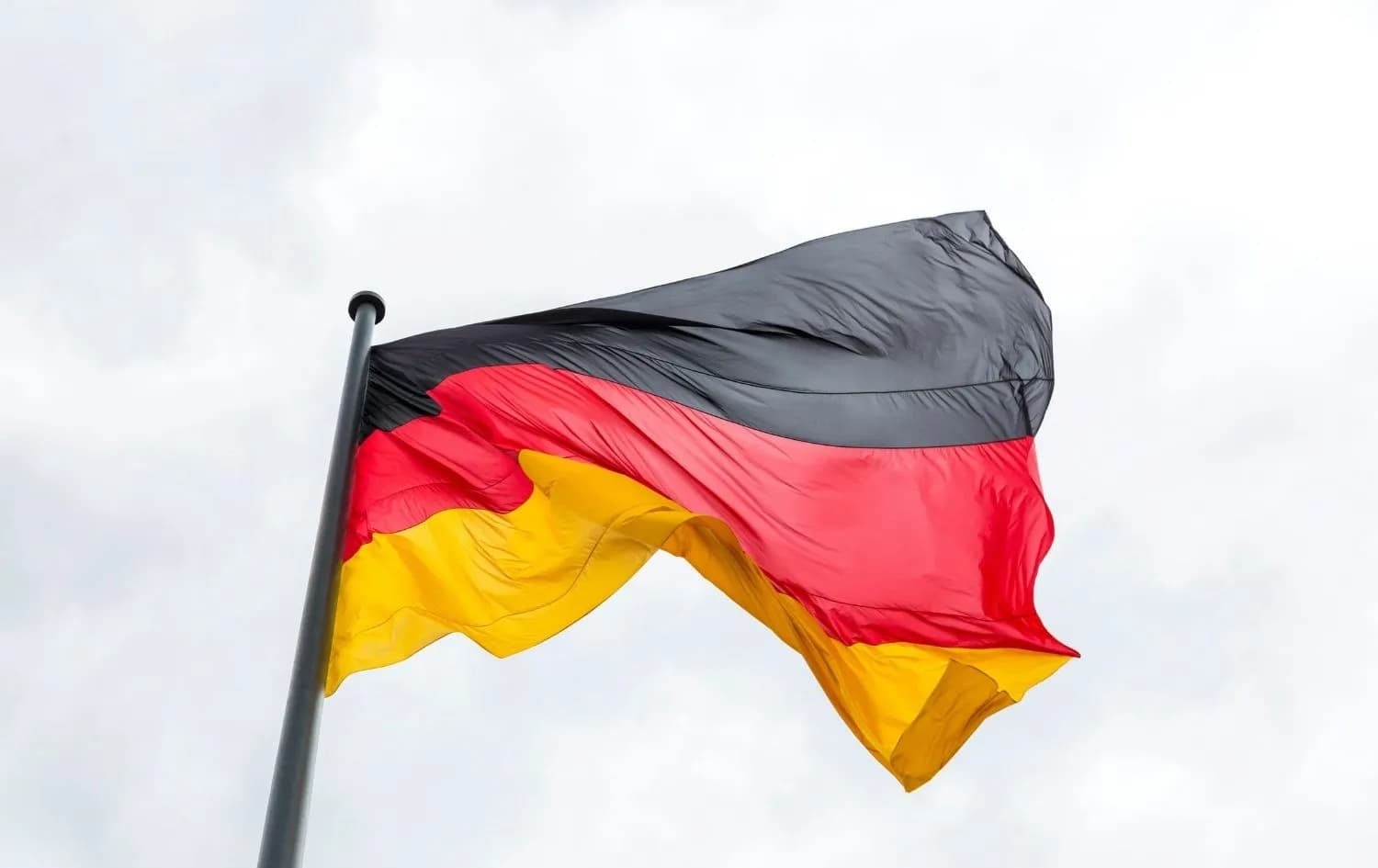
The German flag’s black-red-gold colors reflect a layered history of struggle, democratic aspirations, and unity. As a symbolic construct, it embodies collective memory and political transformation, illustrating how national identity is shaped through historical experience and shared values.
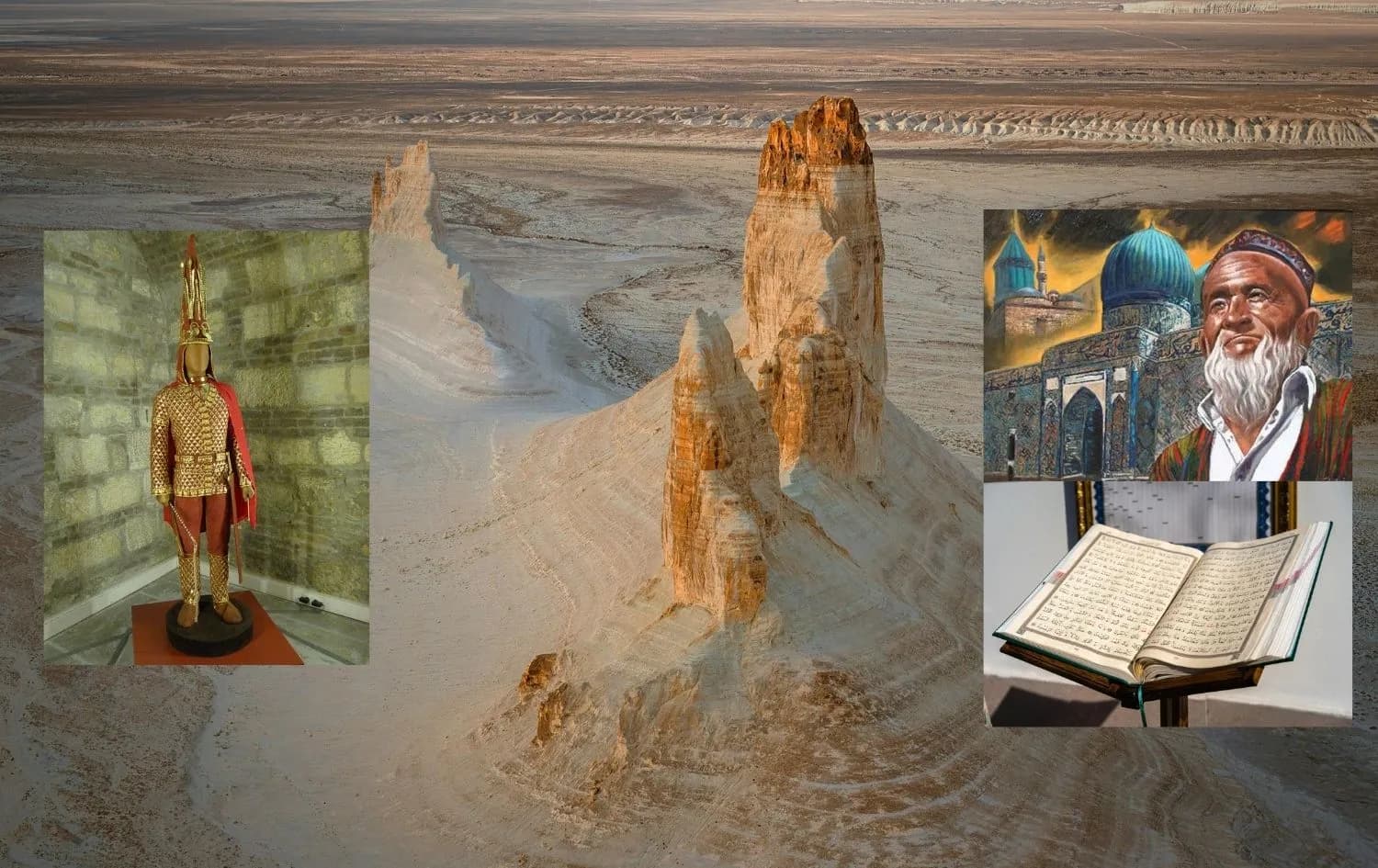
Kazakhstan leverages cultural, historical, and natural landmarks to construct a cohesive national identity. From monuments and museums to alpine resorts and sacred sites, these spaces integrate heritage, modernity, and public memory, fostering patriotism, social cohesion, and global recognition.
Thirteen Days explores nation-building, leadership, and psychological resilience during the Cuban Missile Crisis. It depicts Kennedy’s strategic decision-making, advisor dynamics, and the balance of power, loyalty, and diplomacy under extreme pressure, highlighting lessons for statecraft and crisis management.
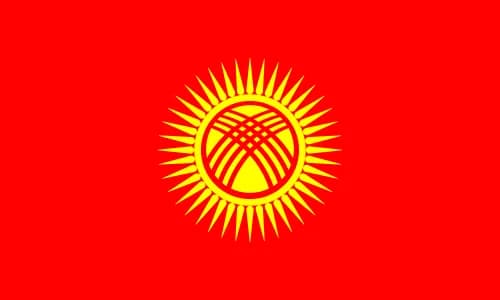
Kyrgyzstan’s flag embodies nation-building: red symbolizes sacrifice and patriotism, the golden sun unity among forty tribes, and the tündük represents the home and sovereignty. Cultural symbols like the komuz strings connect tradition with identity and statehood.
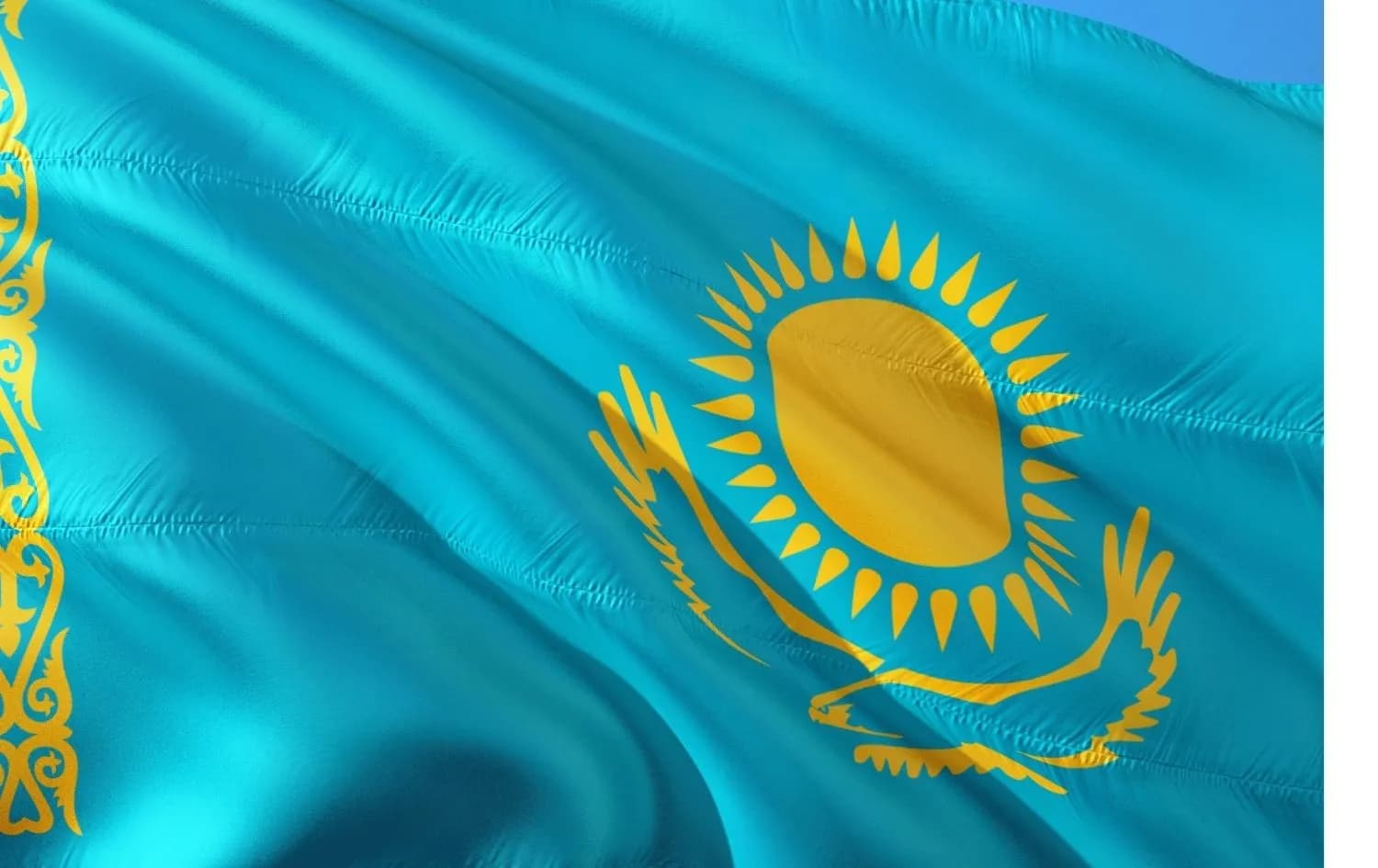
Kazakhstan’s flag, adopted in 1992, embodies nation-building by integrating nomadic heritage, cultural symbols, and modern statehood ideals. Sky-blue represents purity, the golden sun vitality and prosperity, the soaring eagle independence and vision, and ornamental patterns reflect cultural identity and cohesion.
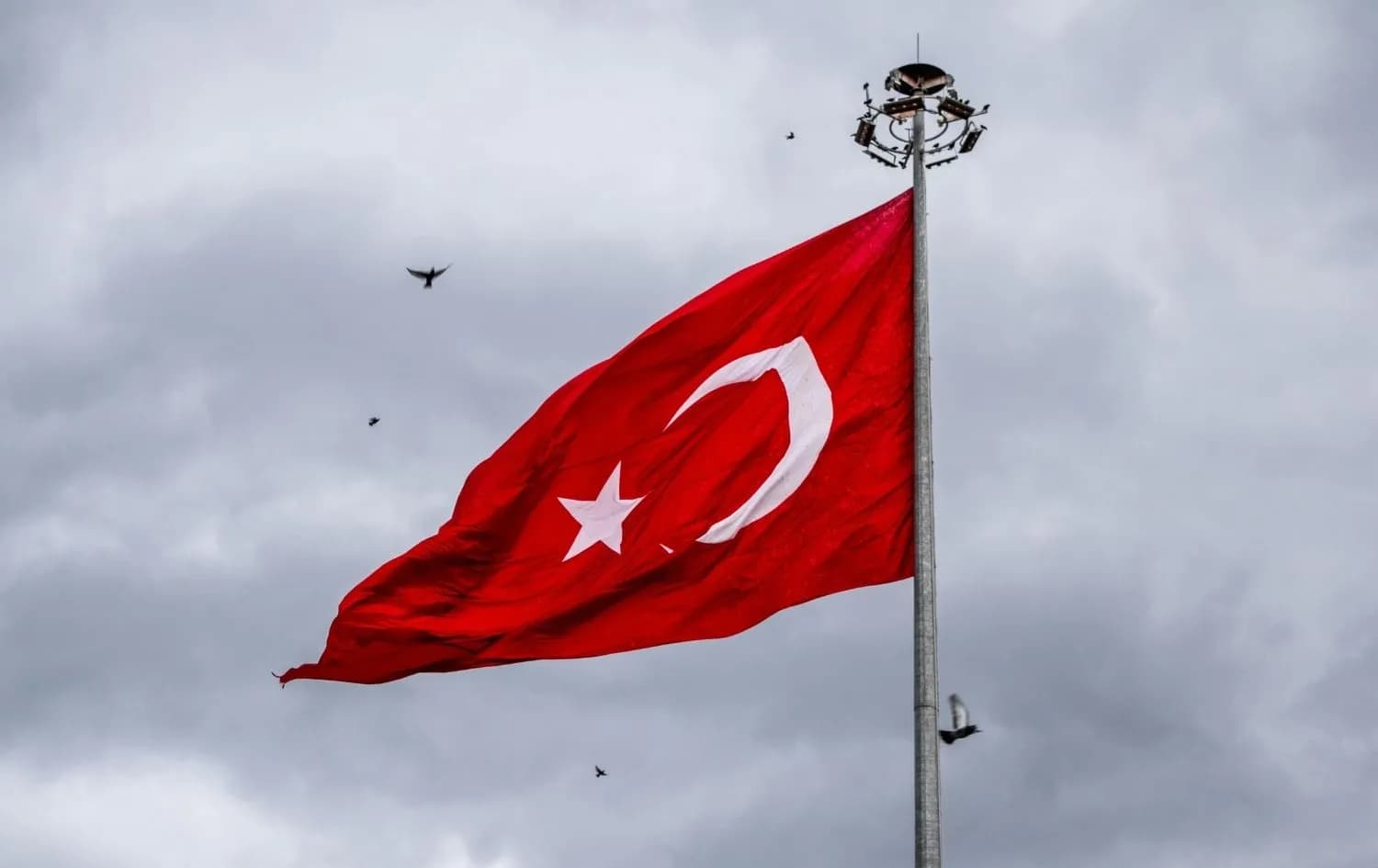
The Turkish flag embodies nation-building by linking Ottoman heritage, Islamic symbolism, and republican ideals. Adopted in 1923, its red field, white crescent, and five-pointed star reinforce national identity, commemorate martyrs, and unify the population under a shared historical and cultural narrative.
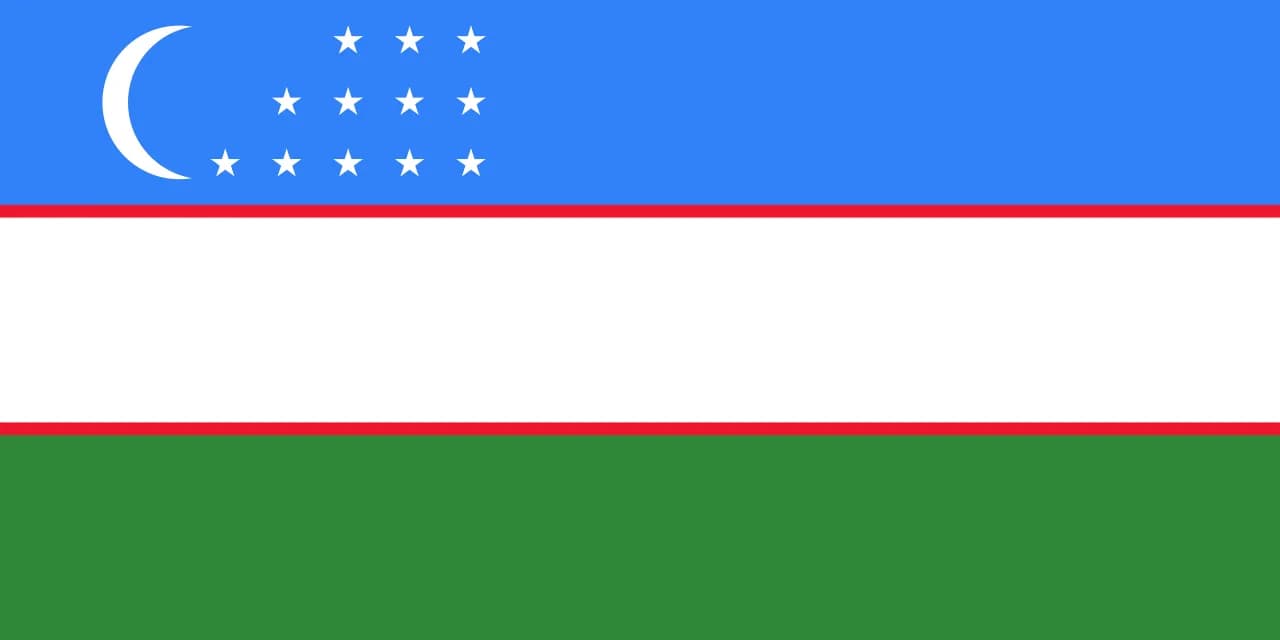
The Uzbekistan flag embodies nation-building by merging sky and water symbolism, Islamic heritage, fertility, and twelve-star regional representation. Adopted in 1991, it consolidates national identity, reinforces sovereignty, and connects historical continuity with modern statehood.
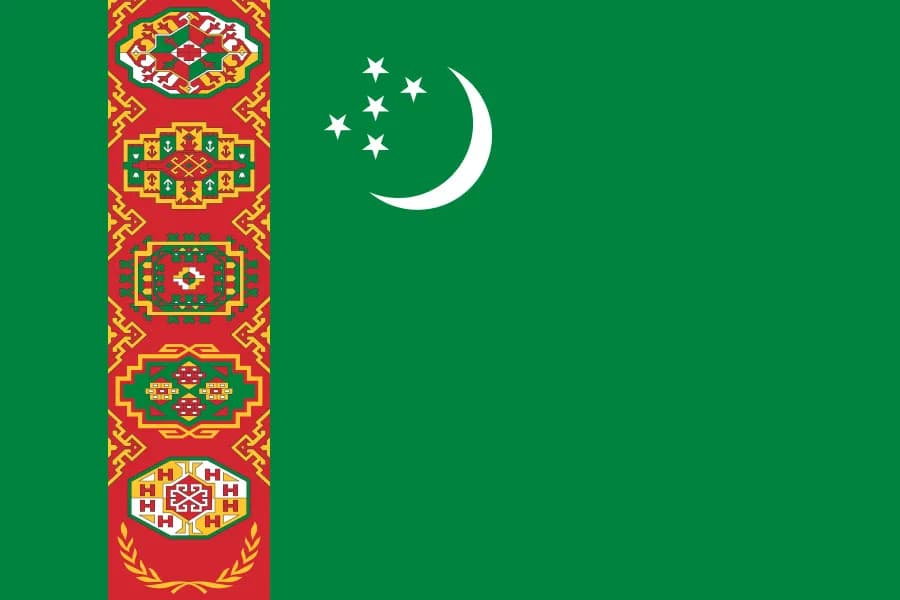
The Turkmenistan flag embodies nation-building, integrating carpet patterns, historical symbols, and Islamic and natural motifs. Adopted in 1992, it reinforces national identity, unity, and sovereignty, connecting ancestral heritage to modern statehood and consolidating collective memory.
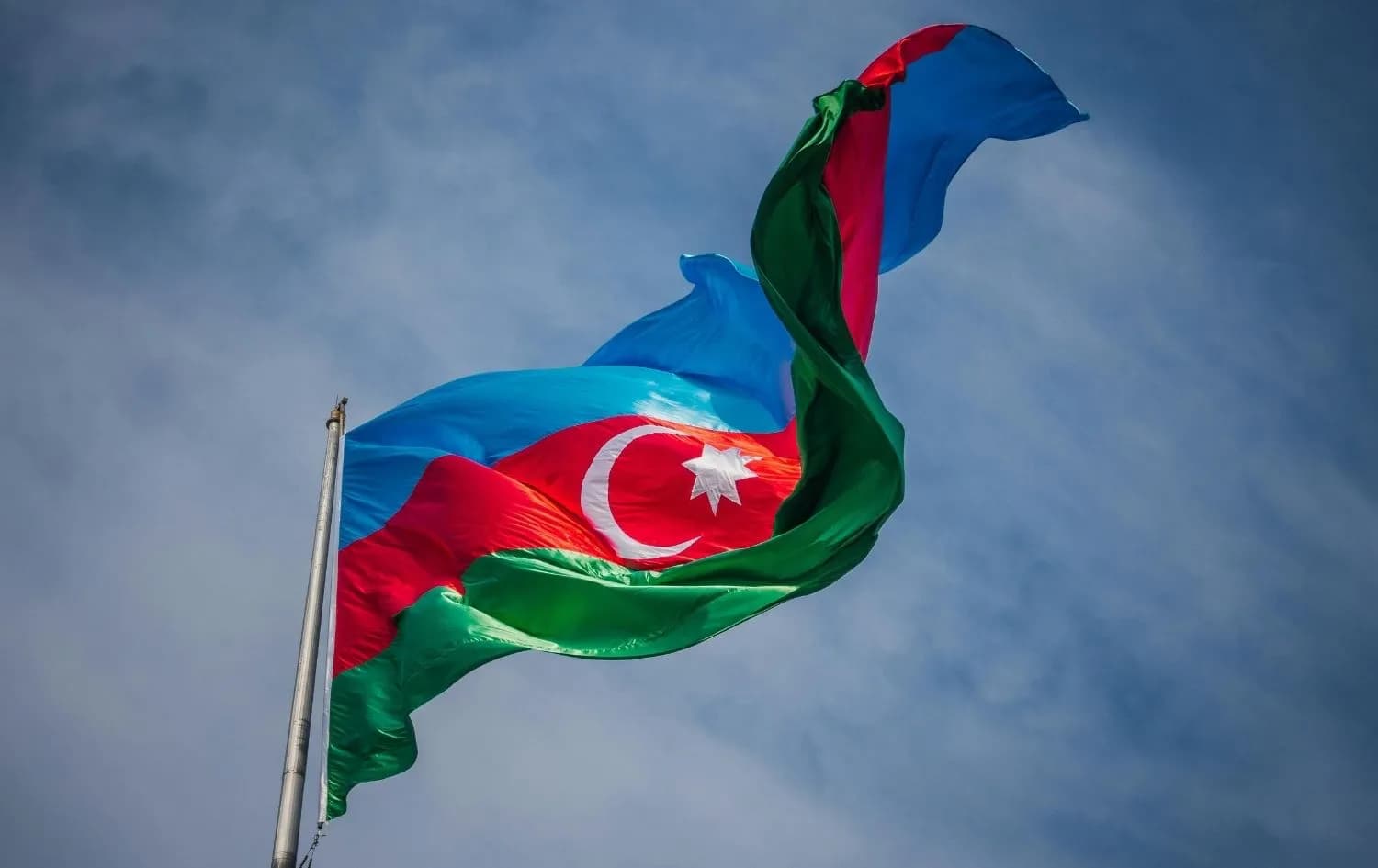
The Azerbaijani flag serves as a central instrument of nation-building, integrating Turkic heritage, Islamic identity, and modern statehood. Its historical adoption and re-emergence during the late Soviet period reflect efforts to consolidate national consciousness, legitimize political authority, and foster social cohesion.
Sri Lanka’s tourism grew by 15.1% in 2025, reaching 2.36 million visitors. For 2026, arrivals are projected at 2.5–3 million. Despite global uncertainties, market diversification, digitalization, and sustainability remain key drivers of continued growth.
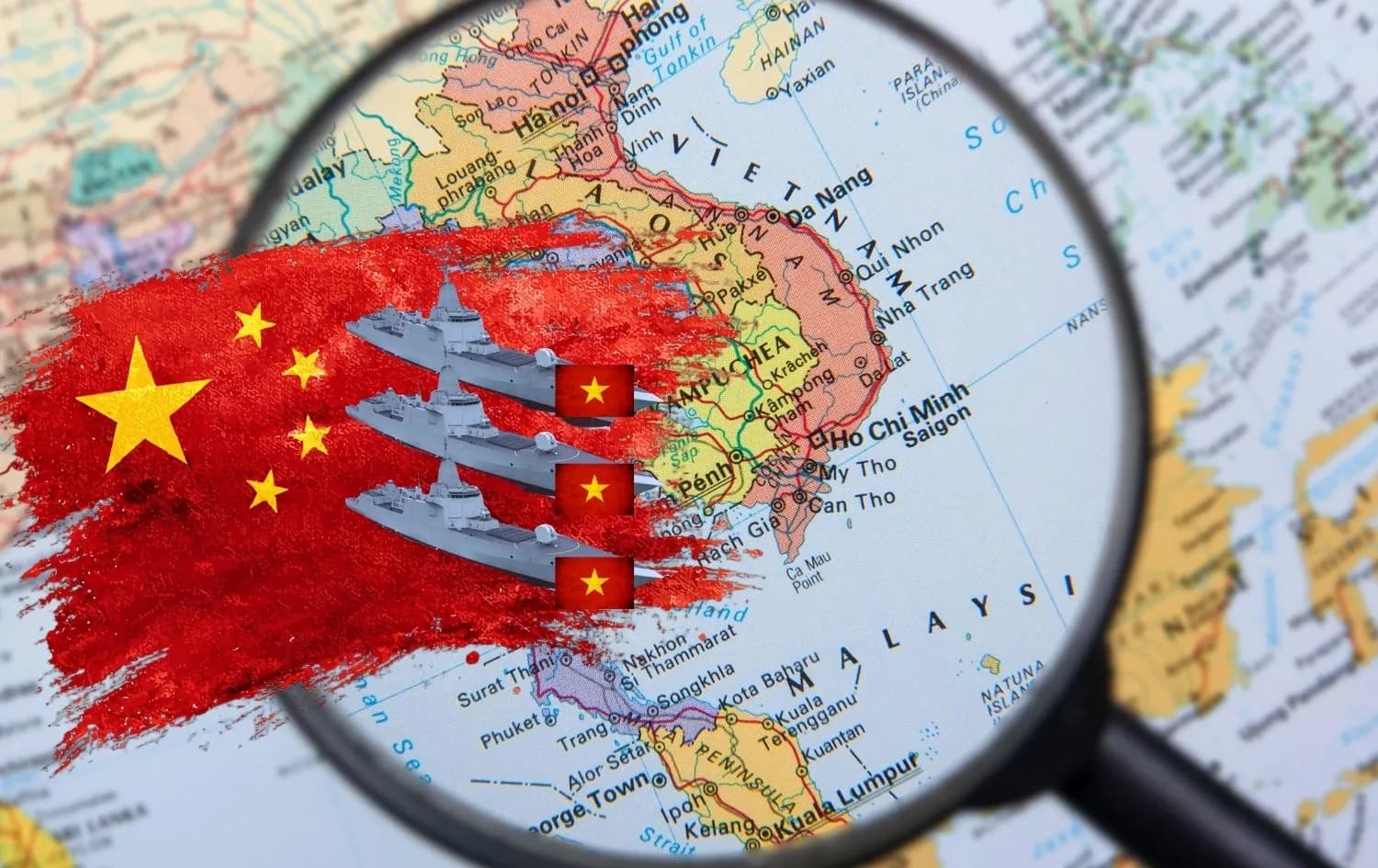
Joint China–Vietnam naval patrols in the Beibu Gulf reflect a broader maritime strategy to secure energy supply routes. Combined with risks from US–Iran tensions in the Strait of Hormuz, China advances a multi-layered approach integrating military, diplomatic, and geoeconomic tools.