Nation-Building and Psychological Dynamics in Cold War Cinema
Thirteen Days explores nation-building, leadership, and psychological resilience during the Cuban Missile Crisis. It depicts Kennedy’s strategic decision-making, advisor dynamics, and the balance of power, loyalty, and diplomacy under extreme pressure, highlighting lessons for statecraft and crisis management.
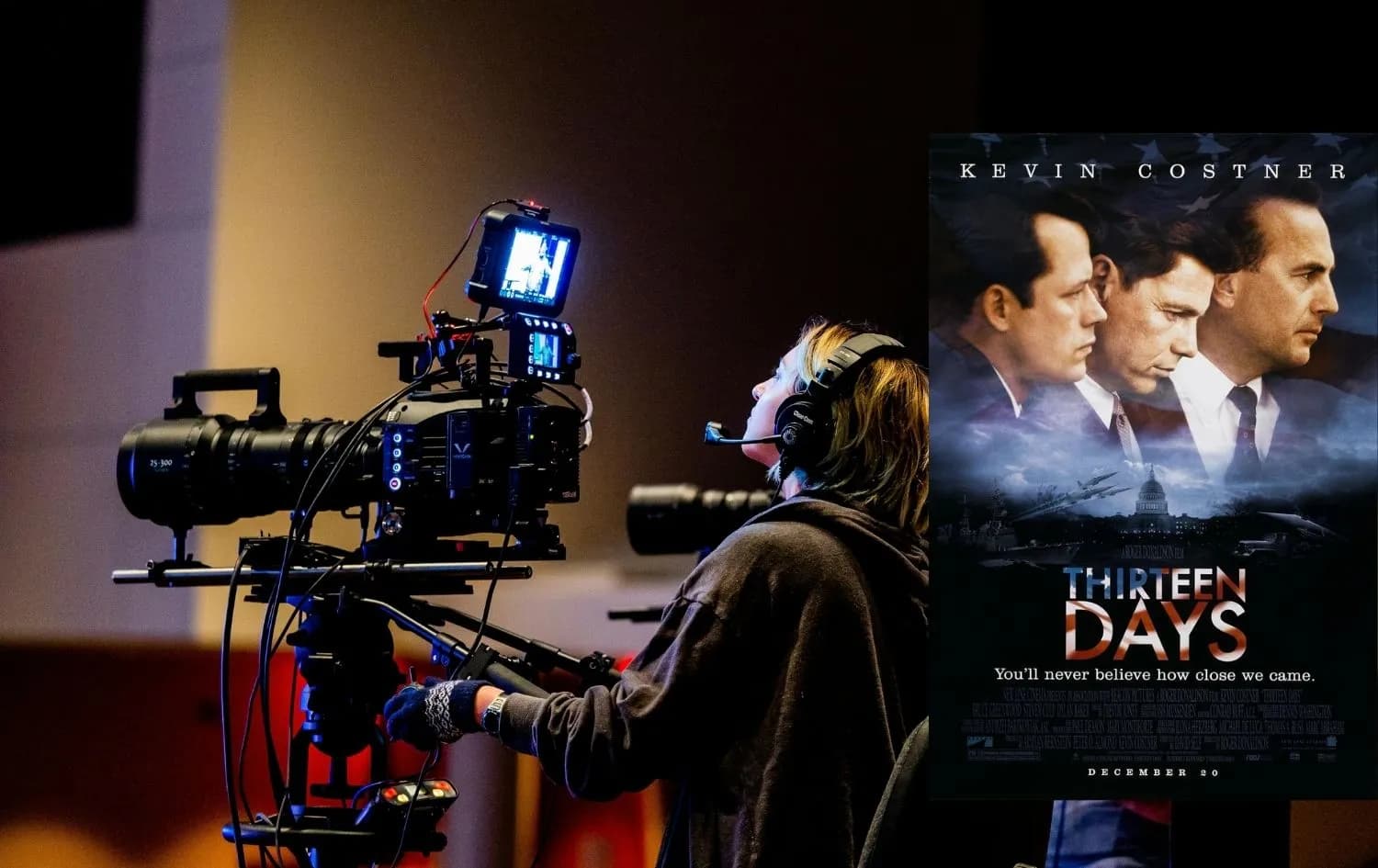
The Soviet Union’s operational mindset has often been characterized succinctly: they understand a single language—action—and respect only one word—power. The film Thirteen Days vividly dramatizes these principles, illustrating the high-stakes political and psychological environment of the Cuban Missile Crisis.
Key Scenes and Strategic Psychology
One of the most striking sequences emphasizes a singular word to master: loyalty. In the geopolitical arena, loyalty is paramount. A policy of guaranteed peace can inadvertently provoke aggressors, revealing the delicate balance of strategic deterrence. When asked, “What will the Soviets do if we strike?” the response is chillingly simple: nothing, because the options available to them are ones they cannot legitimately choose. Soldiers follow the chain of command, but the ultimate locus of decision-making converges in one individual—the President.
Leadership and Character Analysis
John F. Kennedy: Bruce Greenwood embodies President Kennedy with remarkable fidelity, balancing the weight of his office while asserting decisive authority. Greenwood’s portrayal conveys the psychological strain of leadership, showcasing how Kennedy maintained control over military and bureaucratic actors while asserting, “The final decision rests with me,” reinforcing both national sovereignty and personal responsibility.
Kenneth P. O’Donnell: Kevin Costner plays the role of Kennedy’s trusted advisor and longtime friend. O’Donnell exemplifies loyalty tempered with pragmatic intelligence, offering candid counsel while maintaining steadfast support for presidential decisions. He embodies the archetype of an advisor who ensures accountability and strategic reflection within high-pressure political systems.
Robert F. Kennedy (Steven Culp): Serving as Attorney General and advisor, Robert Kennedy operates with a complementary perspective, employing alternative problem-solving strategies without undermining collective objectives. His presence underscores the importance of cohesion, expertise, and trust in leadership teams during national crises.
Scope and Historical Context
History repeatedly demonstrates that nations confront recurring challenges, often failing to learn from past mistakes. Films such as Thirteen Days allow audiences to witness critical lessons in leadership, decision-making, and crisis management. The narrative centers on the Cuban Missile Crisis from the perspective of the White House, focusing less on combat and more on the temporal urgency confronting political actors.
The crisis involved U.S. intelligence observations, including U2 reconnaissance of SS-4 missiles in Cuba, capable of inflicting catastrophic damage within minutes. The strategic calculus extended to safeguarding national honor, territorial integrity, and citizen security, while exploring various military scenarios.
The Soviets’ deployment of missiles reflects a security dilemma shaped by U.S. perceptions and actions. States consistently pursue defensive measures, yet the Soviet approach embraced the doctrine “the best defense is offense,” highlighting the psychological and strategic complexity of international relations during the Cold War.
Decision-Making and Bureaucratic Tensions
The film also explores the American military’s hardline posture, juxtaposed with Kennedy’s measured approach. While some contemporaries perceived his caution as weakness, it proved instrumental in preventing nuclear escalation. The absence of a supranational authority in the post-Westphalian international system exacerbated tensions, compelling states to navigate complex bureaucratic and strategic landscapes. Over thirteen days, the film meticulously portrays daily deliberations, inter-agency disputes, and presidential negotiation strategies, creating a compelling political thriller grounded in historical reality.
Nation-Building and Psychological Insights
From a nation-building perspective, Thirteen Days illustrates how leadership under existential threat shapes national identity and institutional resilience. Kennedy’s engagement with hawkish domestic actors and his advisors demonstrates the psychological burden of executive decision-making. The narrative reinforces that diplomacy, strategic patience, and trust in institutional processes are crucial for sustaining peace and consolidating state authority.
Ultimately, the film provides insight into how individual leadership, collective decision-making, and psychological resilience interact to influence national security outcomes. While “peace envoy” roles are predominantly assigned to Americans in the narrative, the story underscores the broader dynamics of Cold War geopolitics, highlighting the interplay of loyalty, courage, and rational strategy in building and safeguarding the nation.
Director: Roger Donaldson | Budget: $80 million | Genre: Historical, War, Political Thriller | Year: 2001 | Country: USA

İsmail Polat
Ph. D. in International Relations
Follow EUReflect
See more of our reporting on Google
Mark EUReflect as a preferred source and our stories are ranked higher for you in Top Stories, Discover and Google News — and carry a “preferred” badge when they are cited in AI results.
Add EUReflect as a preferred source