Bulgaria Steps Into the Euro Era
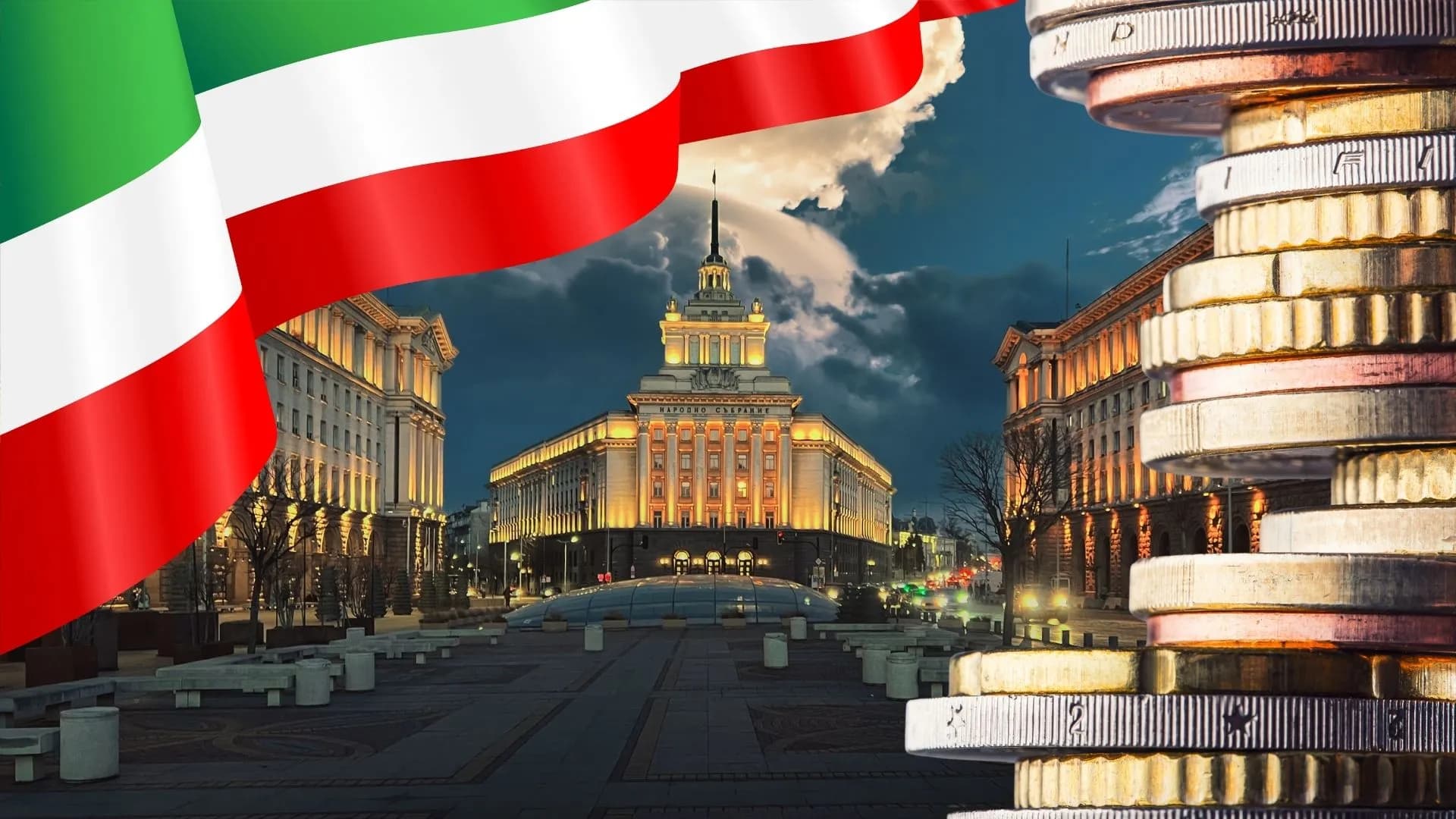
Bulgaria has officially adopted the euro, becoming the 21st member of the euro area and completing a long-planned step in its EU integration. The move grants Bulgaria greater influence within EU financial decision-making and is seen by Brussels as a milestone for economic stability and integration.
Introduction
Bulgaria has formally switched to the euro, closing a nearly two-decade chapter of economic transition that began with its EU accession. From the first minutes of the new year, the single European currency replaced the lev, making Bulgaria the 21st state in the euro area and bringing the number of people using the euro to more than 350 million across the continent.
A Long-Planned Strategic Turn
Successive Bulgarian governments have pursued euro adoption since joining the European Union in 2007, arguing that it would anchor the country more firmly to the West, shield the economy from external shocks and deepen financial integration. President Rumen Radev described the move as a strategic decision taken at a turbulent moment in European history, framing it as the final stage of Bulgaria’s integration into the EU.
The transition also gives Sofia a seat on the European Central Bank’s Governing Council, where interest-rate decisions for the euro area are made — a symbolic and practical upgrade in the country’s influence within the bloc.
How the Changeover Works
Under the conversion plan, Bulgarians can exchange lev banknotes and coins for euros at banks and post offices at a fixed rate of 1.96 lev per euro. The vast majority of cash machines began dispensing euro notes immediately, with the remaining terminals expected to follow within weeks.
For one month, both currencies will circulate side by side before the lev is fully withdrawn from daily use in early February. New euro coins minted for Bulgaria feature national motifs, including the revered Saint John of Rila on the one-euro coin, as well as historic figures and symbols on smaller and larger denominations.
Applause in Brussels, Doubts at Home
European Commission President Ursula von der Leyen welcomed Bulgaria’s entry into the euro area as a milestone achieved after years of work, stressing that it should make travel, trade and cross-border business easier for citizens.
Inside the country, however, the mood is mixed. President Radev has openly regretted that Bulgarians were not asked to decide the issue in a referendum, calling the rejection of such a vote a sign of the growing gap between political elites and the public. Recent surveys show society almost evenly split, with many fearing that the new currency will push prices higher — a concern already reflected in rising food costs reported late last year.
Conclusion
Bulgaria’s leap into the euro zone crowns a long political project, but it also exposes unresolved domestic tensions. While Brussels sees the move as proof of successful integration, ordinary Bulgarians are now watching closely to see whether the promised stability and prosperity will outweigh the cost of saying goodbye to the lev.
Botakoz Unbayeva
Contributing writer at EUReflect.
Follow EUReflect
See more of our reporting on Google
Mark EUReflect as a preferred source and our stories are ranked higher for you in Top Stories, Discover and Google News — and carry a “preferred” badge when they are cited in AI results.
Add EUReflect as a preferred source