CEPA and the Future of EU–Indonesia Relations
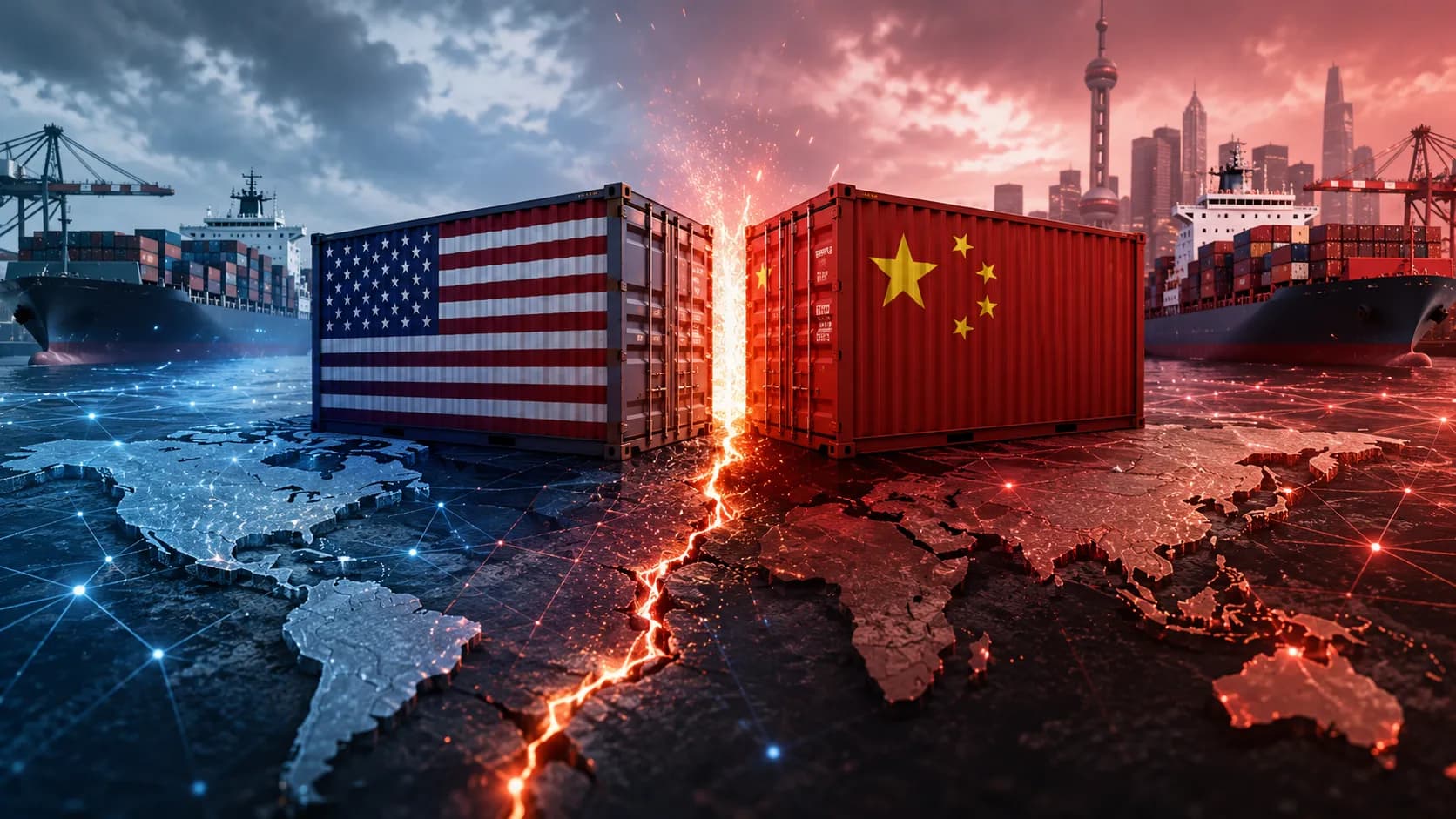
CEPA elevates EU–Indonesia ties beyond trade, removing most tariffs while boosting market access, supply chain diversification, and green resource cooperation. It also strengthens political dialogue, security cooperation, and a balanced Indo-Pacific strategy amid US–China rivalry.
Introduction
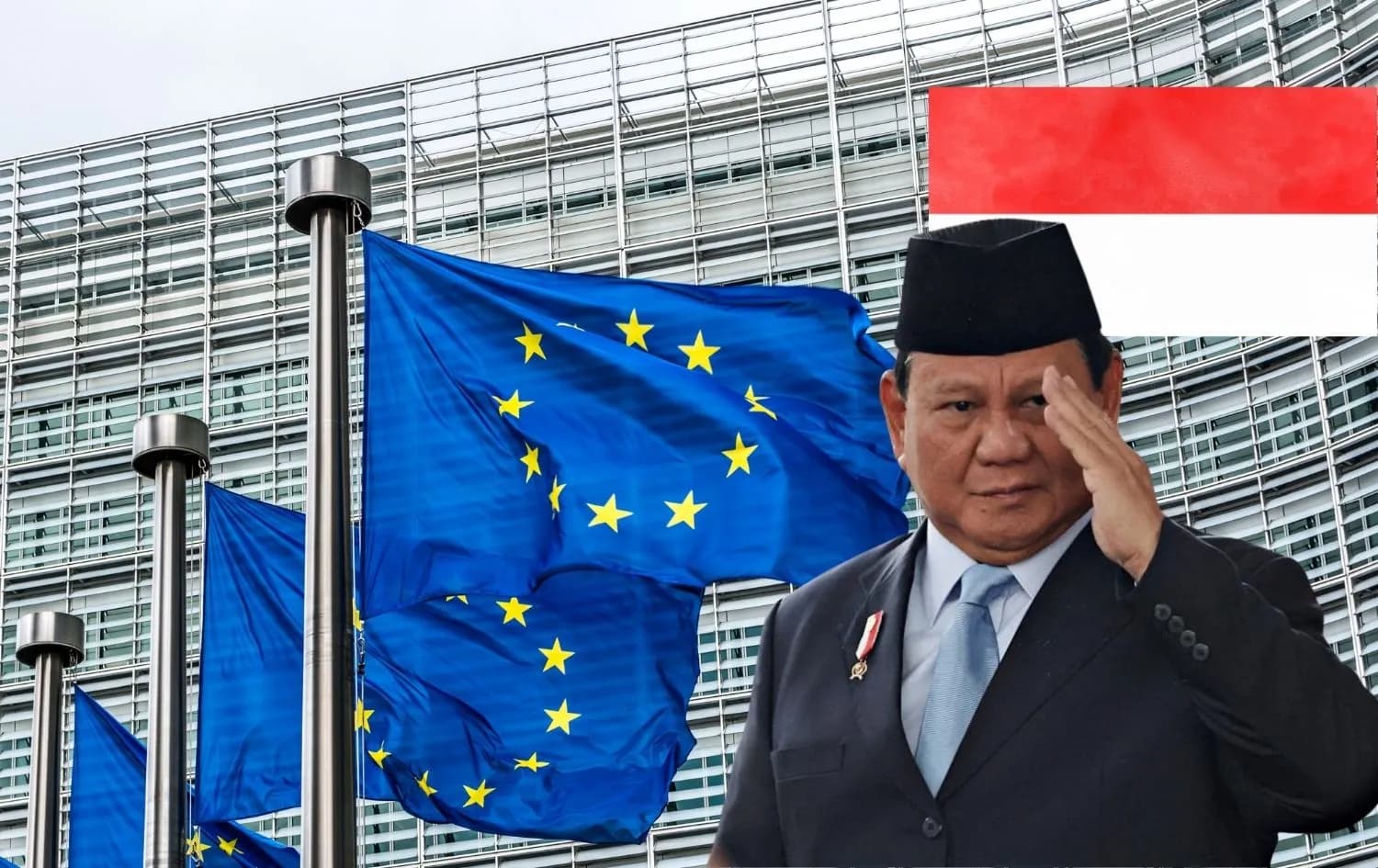
Europe’s ambitions in the Indo-Pacific tend to be quite ideal in theory. Still, ties with Indonesia are giving them something more concrete: who will dictate the future rules on trade and sustainability. Nearly a decade of talks ended with the signing of CEPA, a new framework for trade and sustainability between Europe and its Southeast Asian partner. This deal will scrap over 98% of tariffs between Indonesia and the EU, turning a once‑niche connection into a more strategic partnership and testing their ability to flourish in an era dominated by the US and China.
The mutual benefits of this deal
Indonesia is considered a key anchor for Europe’s Indo-Pacific strategy. Being Southeast Asia’s largest economy, a G20 member, and a guardian of sea lanes that carry European goods and energy, CEPA promises privileged access for cars, chemicals, machinery, and agrifood into a market with over a quarter of a billion people, resulting in an estimated saving in duties of 600 million euros a year. A more diversified supply chain will be available for Europe, helping it sidestep excessive dependence on China. This deal also secures access to Indonesian raw materials, especially nickel and diverse metals vital for the development of green tech.
Indonesia’s benefits, while different, are no less strategic. As a premium, rules‑based market, the EU offers Indonesian suppliers of palm oil, textiles, coffee, and processed nickel a chance to grow beyond their current raw‑material‑supplier status to higher positions on the value chain. European investment and technology make it easier for Indonesia tomaximise value from its raw materials, linking more skilled labour to the market, transferring technology and supporting skills development and digitalisation, all while aligning with Indonesia’s green economy initiatives. This deal with Brussels is a path away from relying solely on China’s finance and markets while allowing Indonesia to preserve its non‑Western,bebas‑aktif foreign‑policy identity, meaning “independent and active”.
More than a trade deal
Reducing this relationship to a mere trade deal is a common mistake. Since the Partnership and Cooperation Agreement (PCA) entered into force in 2014, the EU and Indonesia have become regular discussants of politics, security, and human rights, meeting through an annual Human Rights Dialogue, a Security Policy Dialogue, and joint committee sessions. These formats give both sides a space to air disagreements and look for common ground, far beyond questions of tariffs and quotas.
Some of the main human‑rights issues discussed at the annual meetings include freedom of expression, women’s and minorities’ rights, and freedom of religion or belief, to name a few. The EU routinely raises concerns about shrinking civic space and the impact of Indonesia’s Criminal Code and online‑speech regulations on journalists, activists, and protesters, while Indonesia brings up Islamophobia, racism, and discrimination against migrants in Europe. Another recurring topic is global injustices in Palestine, Ukraine, and Afghanistan, where Brussels and Jakarta often differ in tone but share an interest in international law and civilian protection.
Security talks run in parallel. They cover UN peacekeeping, maritime security in key sea lanes, cyber security, counter‑terrorism, and responses to violent extremism, including cooperation on preventingradicalisation and terrorist financing. These dialogues present Indonesia not just as a supplier of raw materials, but as a regional security actor whose choices matter for the stability of the wider Indo‑Pacific. Claiming that Indonesia is just a supplier, therefore misses half of the story; Indonesia has cemented itself as a democratic partner with a strong focus on human rights, security cooperation, and shedding light on injustices around the world.
Conclusion
The EU–Indonesia relationship is a laboratory for a new kind of interdependence between Europe and Southeast Asia, combining social safeguards, green standards, and strategic hedging at a time when all these aspects need to coexist. If Brussels and Jakarta can put this legal text into fairer and more sustainable trade, they will not only reshape their own relationship; they will also be an example for global middle powers to collaborate, especially with the EU, without sleepwalking into a world carved up solely by Washington and Beijing.
Tamim Majdoub
Contributing writer at EUReflect.
Follow EUReflect
See more of our reporting on Google
Mark EUReflect as a preferred source and our stories are ranked higher for you in Top Stories, Discover and Google News — and carry a “preferred” badge when they are cited in AI results.
Add EUReflect as a preferred source