Early Heart Monitoring Improves Diagnosis
A new clinical trial suggests that starting heart rhythm monitoring earlier in the emergency department can significantly improve the diagnosis of unexplained fainting. The findings could change how hospitals investigate patients whose fainting episodes have no immediate identifiable cause.
Earlier Monitoring, Faster Answers
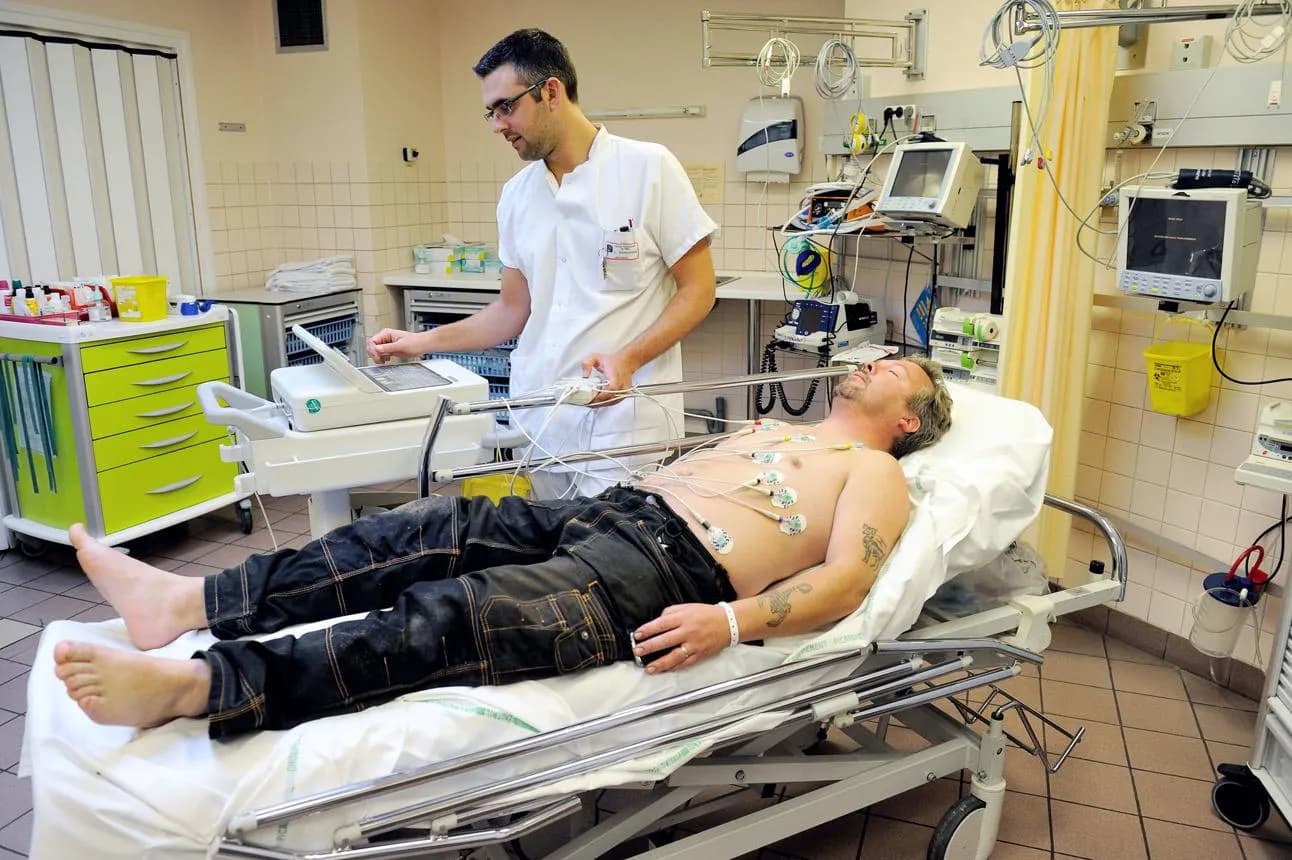
Unexplained fainting is a common reason for emergency department visits, yet identifying its underlying cause can be challenging. A new study presented at the European Society of Cardiology Congress 2026 suggests that starting heart rhythm monitoring earlier could significantly improve the diagnosis of potentially serious cardiac conditions.
The ASPIRED trial focused on patients who arrived at emergency departments after experiencing unexplained syncope. Instead of relying primarily on conventional assessment followed by later monitoring, researchers investigated whether initiating ECG-based monitoring earlier could increase the likelihood of detecting abnormal heart rhythms.
This distinction is important because some dangerous cardiac arrhythmias are intermittent. A patient's heart rhythm may appear normal during a conventional examination even though an abnormal rhythm triggered the fainting episode. Capturing the rhythm closer to the time of the event can therefore provide doctors with valuable diagnostic evidence.
The findings could have practical implications for emergency medicine. Earlier identification of an arrhythmia can help clinicians determine which patients require further cardiac investigation, specialist follow-up or treatment, while potentially reducing uncertainty for those whose symptoms have a less serious cause.
The study is particularly relevant because unexplained fainting can sometimes be an early warning sign of an underlying cardiovascular problem. Although most fainting episodes are not necessarily caused by life-threatening conditions, missing a serious arrhythmia can have significant consequences.
The research was presented as a Hot Line session at ESC Congress 2026 and published simultaneously in the New England Journal of Medicine, highlighting the clinical significance of the findings.
If incorporated into emergency-care protocols, earlier monitoring could represent a relatively straightforward change with potentially substantial benefits. It could allow hospitals to move from a largely reactive approach toward earlier identification of hidden cardiac rhythm disorders.
The wider significance of the study lies in its potential to make the diagnostic pathway after unexplained fainting faster and more precise. For patients, that could mean earlier treatment when a serious heart rhythm disorder is present—and greater reassurance when no dangerous cardiac cause is found.
Ipek Tuncer
M.A. in International Relations
Follow EUReflect
See more of our reporting on Google
Mark EUReflect as a preferred source and our stories are ranked higher for you in Top Stories, Discover and Google News — and carry a “preferred” badge when they are cited in AI results.
Add EUReflect as a preferred source