Ebola Outbreak Expands in Congo
The Democratic Republic of the Congo is facing the largest Ebola disease outbreak ever recorded in the country, with more than 5,700 confirmed cases and nearly 2,800 deaths reported by August 26. The outbreak has expanded to 60 health zones across six provinces, while vaccination of healthcare workers has begun.
Congo Faces a Growing Health Emergency
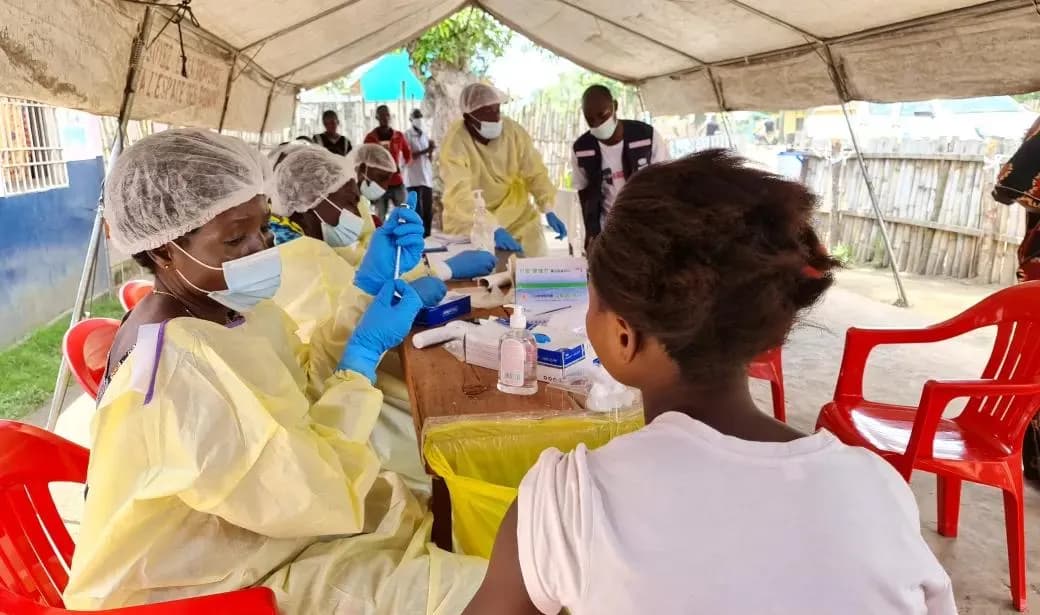
The Democratic Republic of the Congo is confronting a rapidly expanding Ebola outbreak that has become the largest Ebola disease outbreak ever recorded in the country. According to the World Health Organization, 5,794 confirmed cases and 2,786 deaths had been reported in the DRC by August 26, representing a crude case-fatality ratio of 48.1%.
The geographical spread of the outbreak is also accelerating. Cases have been detected across 60 health zones in six provinces, compared with 54 health zones in the WHO's previous update. Ituri remains the epicentre, while North Kivu has recorded the second-highest number of cases.
The outbreak is unfolding in an exceptionally difficult humanitarian environment. Conflict, insecurity, displacement, limited healthcare access and inadequate water and sanitation infrastructure are making surveillance and treatment more difficult. These conditions can delay diagnosis and make it harder for health workers to identify and isolate cases before transmission continues.
The WHO has classified the risk within the Democratic Republic of the Congo as very high, while neighbouring countries face a high risk because of population movement and cross-border connections. At the global level, however, the WHO currently assesses the risk as low.
Vaccination efforts have now begun among healthcare workers using the Ervebo vaccine. Yet an important scientific uncertainty remains: Ervebo is licensed against Zaire ebolavirus, while the current outbreak is caused by Bundibugyo virus. The WHO therefore stresses the importance of clinical research to determine whether the vaccine provides protection against the strain responsible for the current outbreak.
The situation illustrates a broader challenge in global health. Outbreak control depends not only on vaccines and medical technology but also on functioning health systems, reliable surveillance, rapid diagnosis and the ability to reach communities affected by conflict and displacement.
For the international community, the Congo outbreak is therefore more than a regional health crisis. It is a reminder that infectious-disease threats can expand rapidly when public-health infrastructure and humanitarian conditions deteriorate simultaneously. Sustained international cooperation will be critical to preventing further regional spread.
Ipek Tuncer
M.A. in International Relations
Follow EUReflect
See more of our reporting on Google
Mark EUReflect as a preferred source and our stories are ranked higher for you in Top Stories, Discover and Google News — and carry a “preferred” badge when they are cited in AI results.
Add EUReflect as a preferred source