Health Systems Key to Ending Cervical Cancer
Countries and global health partners called for stronger health systems and greater accountability to accelerate cervical cancer elimination. Leaders emphasized HPV vaccination, screening, treatment access and primary health care integration to achieve global 2030 targets.
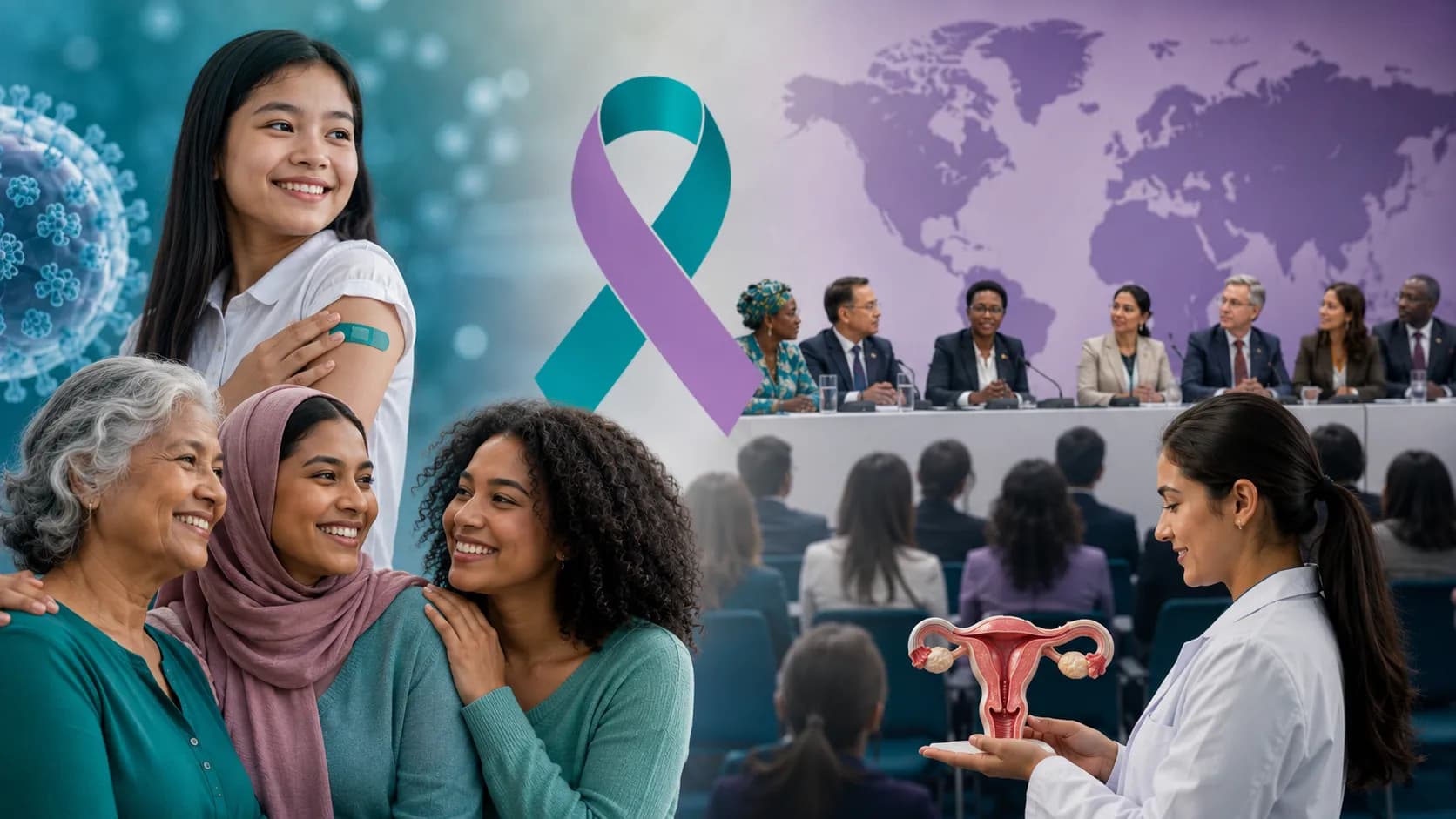
Health ministers, policymakers, international organizations, civil society representatives and development partners have renewed their commitment to eliminating cervical cancer as a public health threat, emphasizing that stronger health systems and greater accountability will be essential to achieving global targets by 2030.
The call was made during a high-level side event at the Seventy-Ninth World Health Assembly, where leaders from multiple countries gathered to discuss practical strategies for transforming political commitments into measurable results. Participants highlighted the urgent need to expand HPV vaccination, strengthen screening programs, improve access to treatment, and ensure that cervical cancer services are fully integrated into primary health care systems.
The discussions reflected growing international recognition that cervical cancer is one of the few cancers that can potentially be eliminated through effective prevention, early detection and timely treatment. However, achieving this goal will require coordinated action, sustained investment and health systems capable of delivering services equitably to all women and girls.
Strengthening Health Systems and Accountability for the 2030 Targets
A central theme of the meeting was the importance of accountability in achieving the global cervical cancer elimination agenda. While scientific evidence, vaccines, screening technologies and treatment methods already exist, many countries continue to face challenges in delivering these services consistently and effectively.
Health leaders stressed that elimination is no longer primarily a scientific challenge but a systems challenge. Success depends on whether health systems can reach women at every stage of care, from vaccination and screening to diagnosis, treatment and long-term follow-up.
South Africa’s Minister of Health emphasized the need for a whole-of-government and whole-of-society approach, calling for stronger political leadership, sustainable financing and integration of cervical cancer services within broader health care systems.
The event also marked growing momentum following the adoption of World Cervical Cancer Elimination Day, which will be observed annually on 17 November. The annual observance is expected to serve as an important opportunity for countries to review progress, share experiences and renew commitments toward achieving elimination targets.
Experts noted that accountability mechanisms are critical because they ensure that commitments translate into real improvements in women’s health outcomes rather than remaining policy declarations.
Expanding Access Through Community-Based Care and Early Detection
One of the most significant challenges discussed during the event was ensuring that prevention and treatment services reach women regardless of where they live. Participants highlighted the importance of community-based health systems in expanding access to care, particularly in rural and underserved areas.
Nepal presented its experience in utilizing a large network of community health volunteers to connect women with vaccination, screening and treatment services. Through localized approaches, health authorities have been able to improve access while reducing barriers related to distance, cost and awareness.
Several countries shared examples of successful initiatives aimed at increasing HPV vaccination coverage and improving screening participation. School-based vaccination programs, outreach campaigns targeting remote communities, and innovative self-sampling approaches were identified as promising strategies for expanding coverage.
However, many countries also acknowledged persistent gaps. Limited laboratory capacity, shortages of trained health workers, inadequate diagnostic infrastructure and insufficient treatment facilities continue to hinder progress.
Particularly concerning is the situation in some regions where screening services have expanded but treatment capacity remains inadequate. Health experts warned that screening alone is insufficient if women diagnosed with precancerous lesions or cancer cannot access timely treatment.
Participants agreed that future investments must focus on creating seamless care pathways that connect prevention, diagnosis and treatment within a single coordinated system.
Innovation, Equity and Sustainable Progress
Another major topic of discussion was the role of innovation in accelerating cervical cancer elimination. Advances in HPV DNA testing, self-sampling technologies and digital health systems offer new opportunities to improve access and efficiency.
International partners emphasized that innovation should not only focus on technological breakthroughs but also on ensuring affordability and equitable access. New tools can only achieve their full public health impact if they are available to the populations most at risk.
Representatives from global health organizations stressed that innovations must be integrated into routine health systems rather than implemented as isolated pilot projects. Sustainable progress requires long-term financing, workforce training and health infrastructure capable of supporting large-scale implementation.
Equity remained a recurring theme throughout the discussions. Participants emphasized that women living in rural areas, low-income communities and regions with limited health services often face the greatest barriers to care. Eliminating cervical cancer will therefore require targeted efforts to reduce disparities and ensure that no population is left behind.
Survivors and patient advocates also played an important role in the conversation, reminding policymakers that health systems should remain focused on people rather than statistics. Their experiences highlighted the importance of person-centred care and the need for systems that respond effectively to the realities faced by women and their families.
Conclusion
The discussions at the World Health Assembly demonstrated a growing international consensus that cervical cancer elimination is both achievable and necessary. Countries now possess the scientific knowledge, vaccines, screening tools and treatment options required to dramatically reduce the burden of the disease.
The challenge moving forward lies in strengthening health systems so they can deliver these interventions consistently, affordably and equitably. Expanding HPV vaccination, increasing screening coverage, improving treatment access and strengthening accountability mechanisms will be critical to meeting the global 90-70-90 targets by 2030.
As governments, health organizations and communities work together, the vision of eliminating cervical cancer as a public health threat moves closer to reality. Success will ultimately be measured not by commitments made at international meetings, but by whether every woman, regardless of location or circumstance, can access the prevention, screening, treatment and care she needs to live a healthy life.
Zulya Atabayeva
Contributing writer at EUReflect.
Follow EUReflect
See more of our reporting on Google
Mark EUReflect as a preferred source and our stories are ranked higher for you in Top Stories, Discover and Google News — and carry a “preferred” badge when they are cited in AI results.
Add EUReflect as a preferred source