International Investment Forum in Khiva
Uzbekistan is deploying an ambitious investment strategy in transport and communication infrastructure, aiming to become a major Eurasian logistics hub.
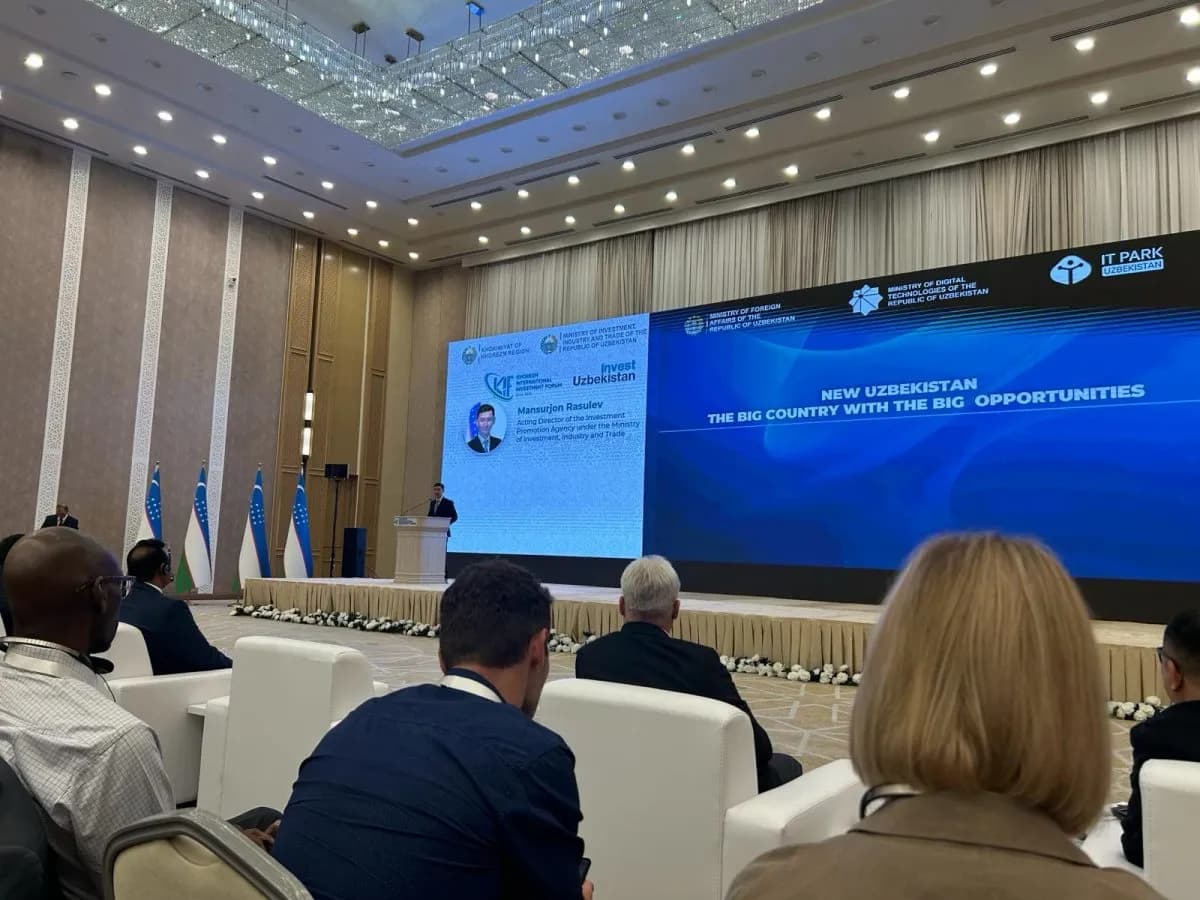
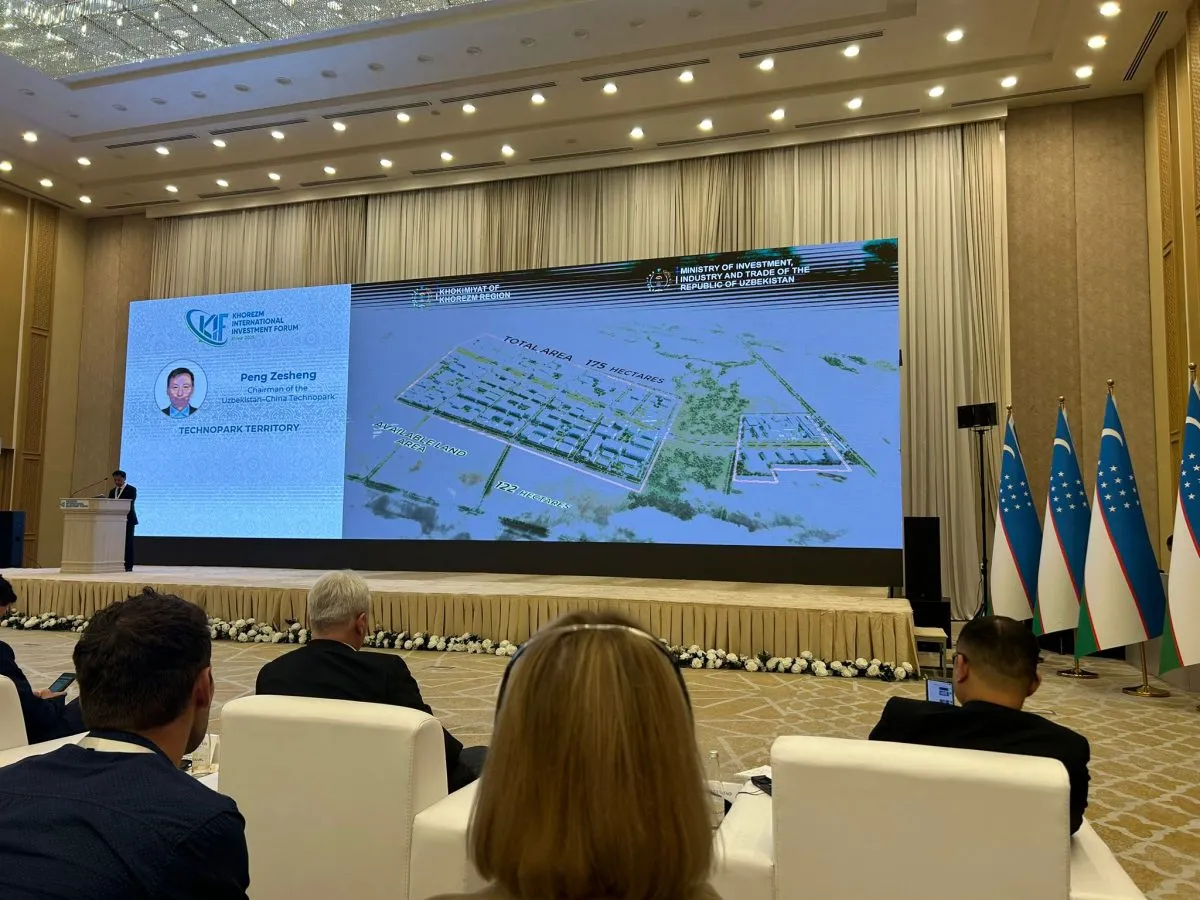
The historic city of Khiva, an architectural jewel of Uzbekistan, has recently demonstrated its ability to combine cultural heritage with modern economic ambitions. Under the enlightened leadership of Jurabek Rakhimov, Governor of the Khorezm region, this ancient Silk Road city hosted a major international investment forum of exceptional scale, bringing together more than two hundred companies from five continents.
The choice of Khiva as the venue for this landmark economic event was by no means accidental. This city, whose historic center Ichan Kala has been a UNESCO World Heritage site since 1990, perfectly embodies the development philosophy of contemporary Uzbekistan: preserving and enhancing a millennia-old heritage while resolutely embracing the opportunities of the twenty-first century.
International delegations from Europe, Asia, North America, and the Middle East not only discovered the country’s architectural and cultural wealth, but also enjoyed the legendary Uzbek hospitality and refined gastronomy that reflect the strategic geographical position of this nation at the crossroads of civilizations.
Beyond these cultural aspects, participants identified numerous investment opportunities in a market of more than thirty-five million inhabitants experiencing rapid economic growth. Tangible results of the forum materialized through the signing of numerous cooperation and partnership agreements, highlighting the growing interest Uzbekistan inspires among international investors seeking promising new markets.
A clearly defined national strategy
A Clearly Defined National Strategy for Attractiveness
The address by Deputy Minister of Investments, Industry and Trade Mr. I. Kasimov, along with the presentation by Mr. M. Rasulev, Director of the Agency for Attracting Foreign Investments of the Republic of Uzbekistan, titled “Economic and Investment Potential of the Republic of Uzbekistan and the Khorezm Region”, was one of the forum’s highlights.
Their speeches outlined the foundations of Uzbekistan’s new economic policy and explained the government’s strategic vision for the coming years. According to them, “Uzbekistan is now transcending its status as a land of history and culture to establish itself as an essential economic platform for international investors.”
This statement reflects a clear national ambition: to transform the country into a regional economic hub capable of competing with the main financial and commercial centers of Eurasia. The strategy is based on a pragmatic approach that leverages the nation’s natural assets—its geographic position, natural resources, and young educated population—while addressing structural weaknesses inherited from decades of planned economy.
An unprecedented program of structural reforms
An Unprecedented Program of Structural Reforms
Since President Shavkat Mirziyoyev took office in 2017, Uzbekistan has embarked on an economic and institutional transformation of remarkable scope. This silent revolution revolves around several strategic pillars that have fundamentally reshaped the country’s business environment.
• Currency market liberalization has probably been the most symbolic reform, long awaited by the international business community. For decades, access to foreign currency was a major obstacle for companies wishing to invest or trade with Uzbekistan. Today, economic operators enjoy free and transparent access to foreign currencies, removing a key barrier to trade and investment.
• The establishment of the Foreign Investors Council marks a fundamental shift in the relationship between the state and international investors. This body, allowing direct dialogue with the presidency, reflects the political will to closely involve foreign private actors in shaping national economic policy.
• Administrative simplification is another essential pillar of this transformation. The objective of enabling company registration in just one day, fully online, demonstrates the authorities’ determination to eliminate excessive bureaucracy that traditionally hindered entrepreneurship.
• Tax reforms since 2017 aim to create a competitive and predictable fiscal environment. Lower tax rates, coupled with the introduction of transparent digital taxation, address the expectations of international investors in search of regulatory stability. The guarantee of fiscal stability until 2028 provides businesses with the visibility needed for medium-term development plans.
• Strengthening the legal framework, particularly through the adoption of the Law on International Commercial Arbitration, consolidates legal security for foreign investments. This development reassures international businesses about the resolution of potential disputes according to globally recognized standards.
These structural reforms are already producing spectacular results. Between 2018 and 2024, Uzbekistan attracted more than $120 billion in foreign direct investment—ten times more than in the previous period. This remarkable performance places the country among the most dynamic investment destinations in the Eurasian region.
⸻
Accelerated integration into the global economy
Accelerated Integration into the Global Economy
Uzbekistan is steadily pursuing integration into global economic circuits through several strategic initiatives that underline its international ambitions.
• The country’s application for membership in the World Trade Organization (WTO), with completion targeted by 2026, represents a major milestone. This accession will allow Uzbekistan to fully benefit from the mechanisms of modern international trade while committing to international standards in commercial practices and intellectual property protection.
• Uzbekistan already benefits from the European Union’s enhanced Generalized System of Preferences (GSP+), which grants privileged access to the European market of 500 million consumers for over 6,000 Uzbek products—creating significant export opportunities for both local and foreign companies operating in the country.
• Membership in the CIS Free Trade Area facilitates trade with former Soviet states, maintaining historic economic ties while modernizing them according to international trade standards.
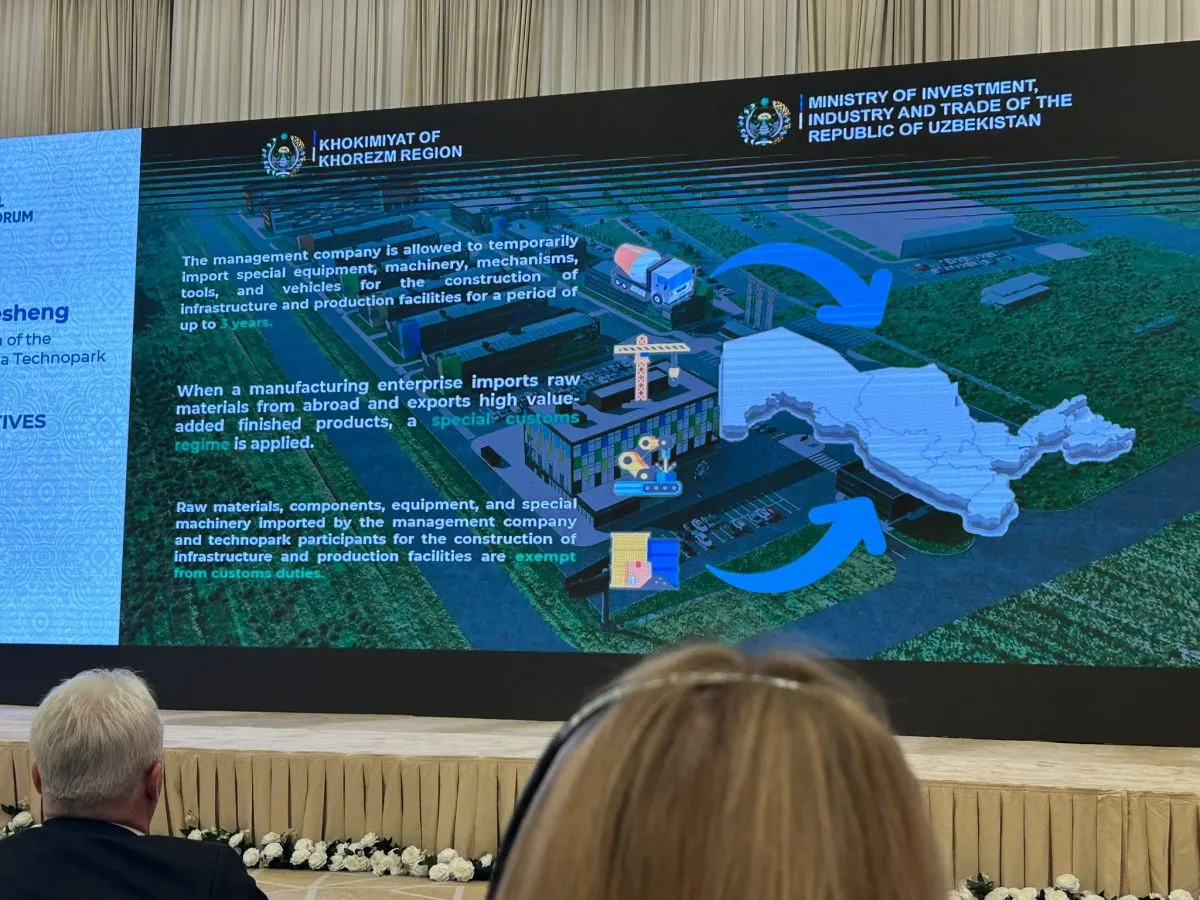
• The development of special economic zones (SEZs) is another pillar of the country’s economic opening strategy. These zones offer highly attractive tax and regulatory regimes. The Termez SEZ, for example, facilitates trade with Afghanistan and South Asia, positioning Uzbekistan as a gateway to fast-growing markets.
Infrastructure and connectivity at the heart
Infrastructure and Connectivity: At the Heart of the New Silk Road
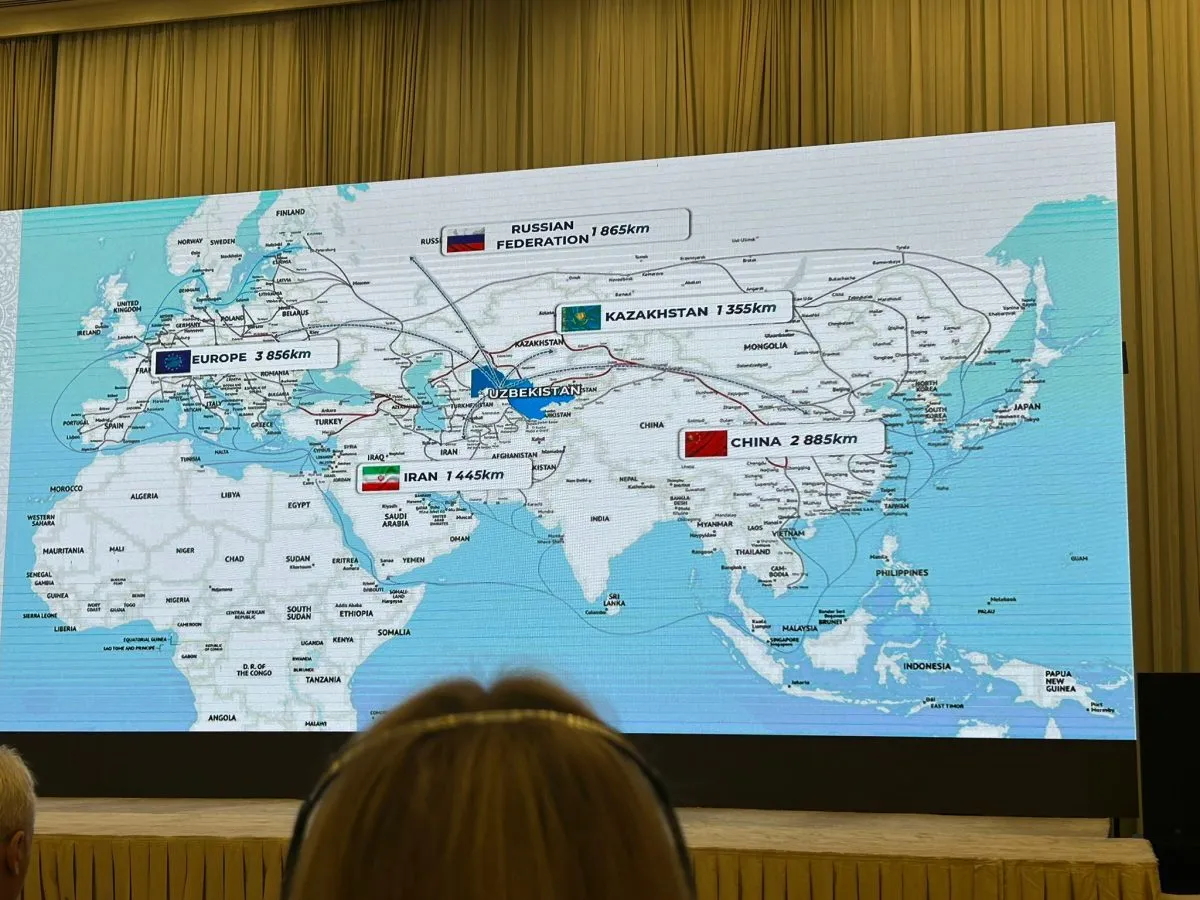
Uzbekistan is deploying an ambitious investment strategy in transport and communication infrastructure, aiming to become a major Eurasian logistics hub. This vision fits seamlessly into China’s Belt and Road Initiative while preserving the country’s strategic autonomy.
• Rail connectivity is the backbone of this strategy. The railway project linking China to the Trans-Caspian corridor via Kyrgyzstan and Uzbekistan, and extending to Turkey, will fundamentally reshape Eurasian trade flows. It will significantly reduce transport times and costs between Asia and Europe, positioning Uzbekistan as a key link in this continental supply chain.
• Airport modernization also reflects the country’s international ambition. The public-private partnership signed with Incheon International Corporation—the operator of Seoul’s airport—for the renovation of Bukhara International Airport illustrates the drive to attract international expertise for developing world-class infrastructure. This collaboration ensures the transfer of cutting-edge skills and technologies.
• New direct air routes to strategic destinations such as Tokyo and New York further demonstrate Uzbekistan’s ambition to connect directly with the world’s main economic centers, facilitating not only trade but also business and cultural tourism.
• Visa facilitation for more than ninety countries removes a traditional barrier to the mobility of entrepreneurs and international investors. This seemingly technical measure has had a considerable impact on the country’s attractiveness by simplifying administrative procedures for foreign business leaders.
by Kadir Duran - Bruxelles Korner
Kadir Duran
Contributing writer at EUReflect.
Follow EUReflect
See more of our reporting on Google
Mark EUReflect as a preferred source and our stories are ranked higher for you in Top Stories, Discover and Google News — and carry a “preferred” badge when they are cited in AI results.
Add EUReflect as a preferred source