Kazakhstan’s New Economic Model and Opportunities for Dutch Business
Kazakhstan’s New Economic Model and Opportunities for Dutch Business
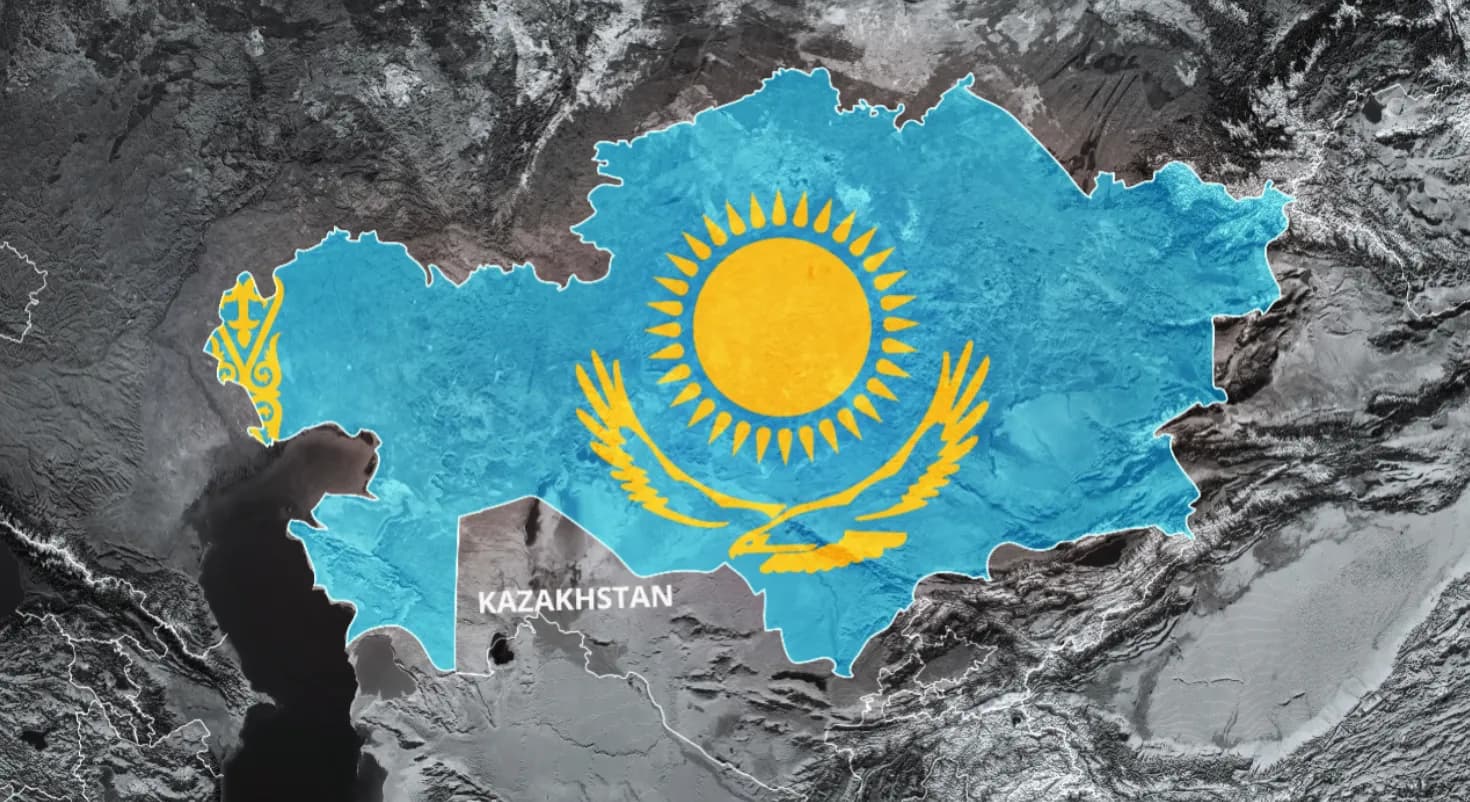
The Netherlands and Kazakhstan have, over the past three decades, built one of the most substantive and resilient economic partnerships connecting Europe and Central Asia. What began as a resource-driven investment relationship has gradually evolved into a multidimensional cooperation encompassing industry, logistics, agriculture, and increasingly, technology. Today, this partnership is entering a new phase, one defined not only by scale, but by quality and strategic alignment.
Recent economic indicators clearly illustrate this dynamic. In 2025, bilateral trade between Kazakhstan and the Netherlands reached 6.33 billion US dollars, reflecting an 11.4 percent increase compared to the previous year. The Netherlands continues to hold its position as the largest foreign investor in Kazakhstan, with total gross foreign direct investment exceeding 127 billion US dollars since 2005, including 4.65 billion US dollars in 2025 alone. These figures are not merely statistical markers; they reflect a sustained level of trust in Kazakhstan’s economic policy, institutional development, and long-term growth trajectory.
However, the significance of the current moment lies not only in the strength of existing ties, but in the structural transformation that Kazakhstan is undergoing. As emphasized in recent policy directions articulated by President Kassym-Jomart Tokayev, the country has entered a new stage of modernization, characterized by a decisive shift from a resource-dependent model toward a value-driven, technologically advanced, and diversified economy. This transformation is not theoretical, it is already visible in tangible economic outcomes.
In 2025 alone, Kazakhstan commissioned 33 new industrial facilities, modernized 150 existing enterprises, and created over 10,000 new jobs. These developments reflect a deliberate policy orientation: the country is no longer focused on maximizing output volumes, but rather on increasing the value embedded within its economy. The emphasis has shifted toward manufacturing, deep processing, and export-oriented industries that integrate Kazakhstan into global value chains.
This transition is particularly relevant for international investors. It signals that Kazakhstan is not seeking capital alone, but partnership, specifically partnerships that bring technology, expertise, and productivity gains. For Dutch companies, whose global competitiveness is built precisely on efficiency, innovation, and technological sophistication, this creates a natural alignment of interests.
At the same time, Kazakhstan’s transformation is taking place against a backdrop of global economic uncertainty. In recent years, international markets have been increasingly characterized by volatility, supply chain disruptions, and geopolitical fragmentation. In this context, Kazakhstan’s performance stands out. The country recorded GDP growth of 6.5 percent in 2025, with the overall size of the economy surpassing 300 billion US dollars. Equally important is the structural evolution of the economy, with small and medium-sized enterprises now accounting for approximately 40 percent of economic activity an indicator of increasing diversification and internal resilience.
Such dynamics position Kazakhstan not simply as a high-growth emerging market, but as a stable and predictable investment destination. This distinction is increasingly critical for investors who, in the current global environment, are placing greater emphasis on risk management, institutional reliability, and long-term policy consistency.
A key component of Kazakhstan’s evolving economic model is the redefinition of its geographical role. Historically, the country has been viewed as a transit corridor between East and West. While this function remains important, Kazakhstan is now moving beyond the logic of transit toward the creation of a value-generating logistics platform. Today, more than one billion tons of cargo pass through Kazakhstan annually, and approximately 85 percent of land-based transit between China and Europe traverses its territory. Yet the strategic objective is no longer to increase volumes alone, but to capture greater economic value from these flows.
This shift involves the development of logistics services, industrial processing zones, storage and consolidation facilities, and digital supply chain management systems. In other words, Kazakhstan aims to transform logistics from a passive function into an active driver of economic growth. This approach mirrors the development models of successful hub economies and resonates strongly with Dutch expertise in ports, logistics, and integrated supply chain solutions.
Beyond logistics, Kazakhstan has identified several priority sectors that collectively define its new investment cycle. Industrial diversification remains at the core of this strategy, with a focus on building a strong manufacturing base capable of producing high value-added goods. Agriculture is undergoing a parallel transformation, moving away from extensive production toward productivity, processing, and export readiness. In 2025, grain production reached 27 million tons, with exports amounting to 15 million tons, while the sector itself recorded steady growth supported by targeted state policies.
This evolution opens significant opportunities for Dutch businesses, particularly in areas such as greenhouse technologies, seed development, precision agriculture, and food processing. The Netherlands’ global leadership in these fields positions it as a natural partner in Kazakhstan’s efforts to modernize its agricultural sector and enhance food security.
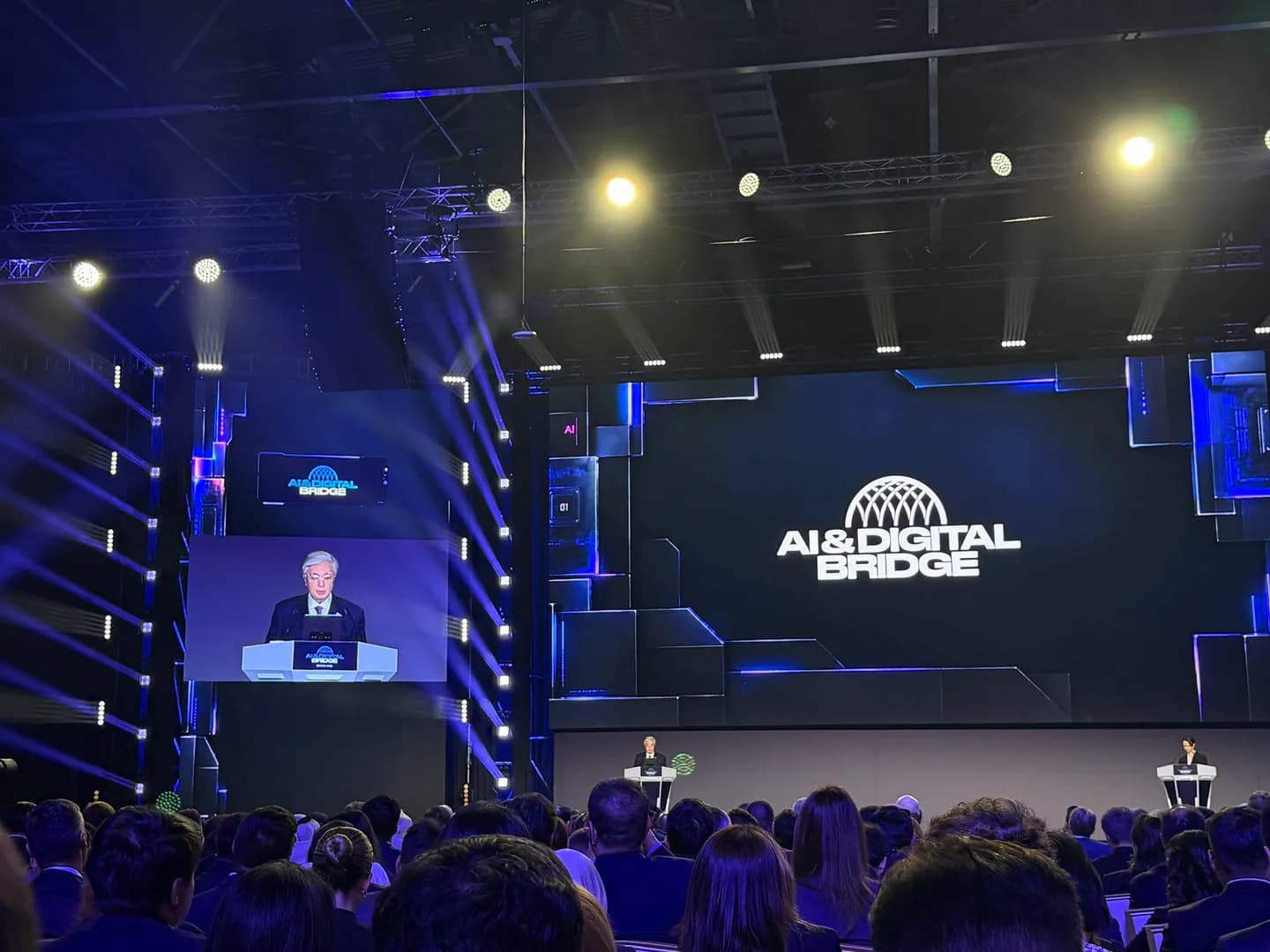
Equally important is Kazakhstan’s focus on digitalization and artificial intelligence as systemic drivers of productivity. The establishment of a dedicated Ministry of AI and Digital Development, along with the introduction of a comprehensive Digital Code, reflects a high level of political commitment to building a data-driven economy. Digital transformation is not being approached as a standalone sector, but as an integrated framework affecting industry, logistics, agriculture, finance, and public administration.
Energy and infrastructure form another critical pillar of this transformation. Kazakhstan recognizes that long-term investment attractiveness depends fundamentally on reliable access to energy and water resources. Plans to add 6.3 gigawatts of renewable energy capacity over the next five years, alongside broader infrastructure modernization efforts, underscore the country’s commitment to ensuring sustainability and industrial stability.
Taken together, these developments point to the emergence of a coherent and forward-looking economic model. Kazakhstan is positioning itself not only as a supplier of resources or a transit route, but as a platform for value creation across Eurasia. This transformation is already attracting a wide range of global investors, including major multinational corporations operating in sectors from energy and chemicals to manufacturing and consumer goods, as illustrated in the Embassy’s presentation materials.
For Dutch businesses, the implications are clear. The complementarities between the two economies are becoming increasingly pronounced. Kazakhstan offers scale, natural resources, strategic geography, and a rapidly growing regional market. The Netherlands brings technology, efficiency, innovation, and a strong tradition of global trade and logistics. Together, these strengths create a foundation for long-term, mutually beneficial cooperation.
In this sense, Kazakhstan’s current trajectory can be understood as an effort to offer what many investors are seeking but few markets can provide: growth without instability, transformation without disruption, and opportunity without excessive risk. In an era defined by uncertainty, such a combination is not only attractive—it is strategically valuable.
As Kazakhstan enters this new investment cycle, the question for international partners is no longer whether the country will continue to grow, but how they can position themselves within this transformation. For Dutch companies in particular, the answer may lie in recognizing that Kazakhstan is no longer simply an emerging market between Europe and Asia, but an increasingly central player, the Middle Power, in the economic architecture of the world.
EUReflect News
Site Administrator
Follow EUReflect
See more of our reporting on Google
Mark EUReflect as a preferred source and our stories are ranked higher for you in Top Stories, Discover and Google News — and carry a “preferred” badge when they are cited in AI results.
Add EUReflect as a preferred source