Macron calls for “All Producers” to Stabilise Markets: A Case for Iran and Venezuela?
At the EU summit, Macron stated that increasing global supply is the sustainable solution to high energy costs, proposing the reintegration of sanctioned producers like Iran and Venezuela. The policy prioritizes energy security and economic stability while raising geopolitical tensions.
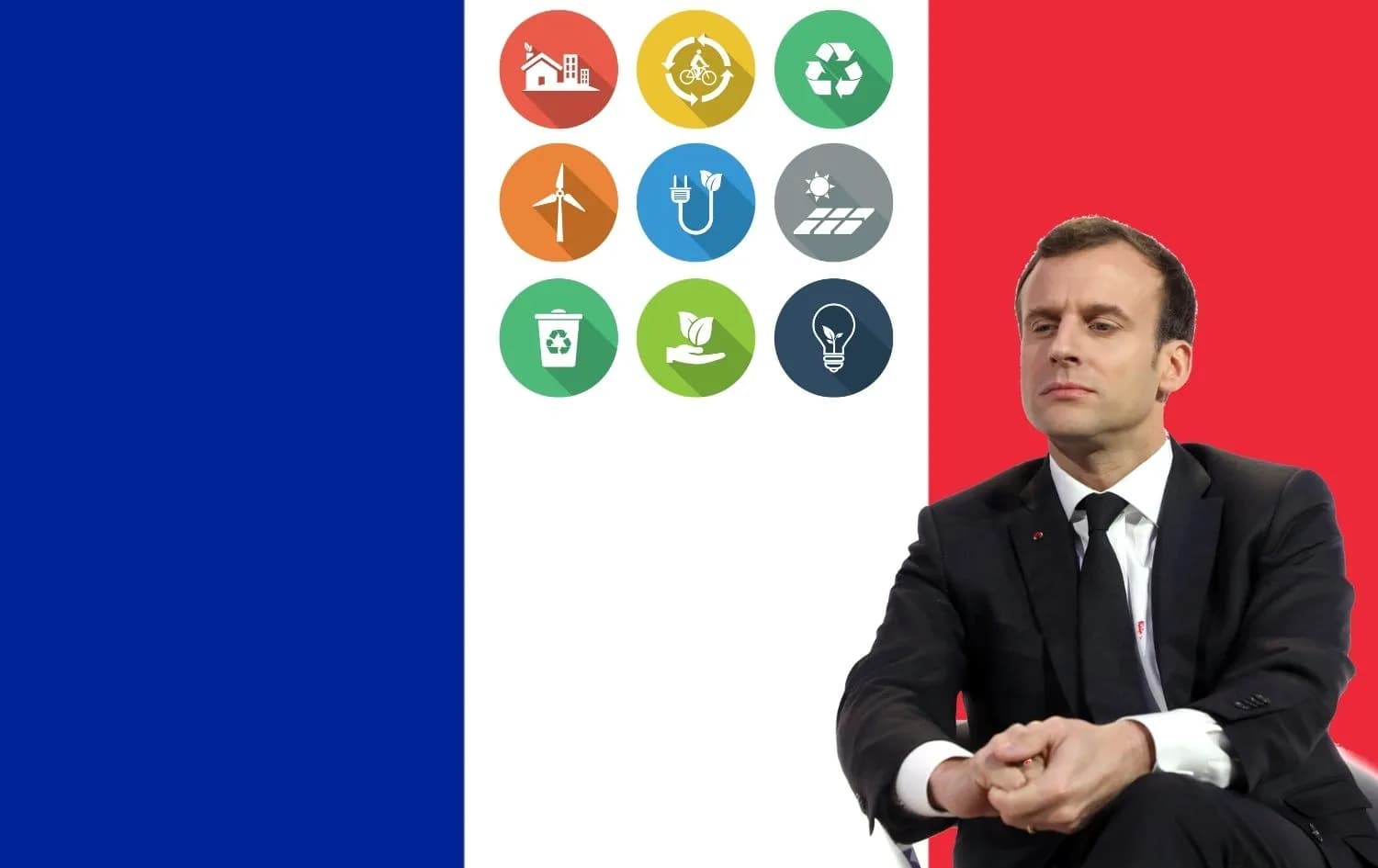
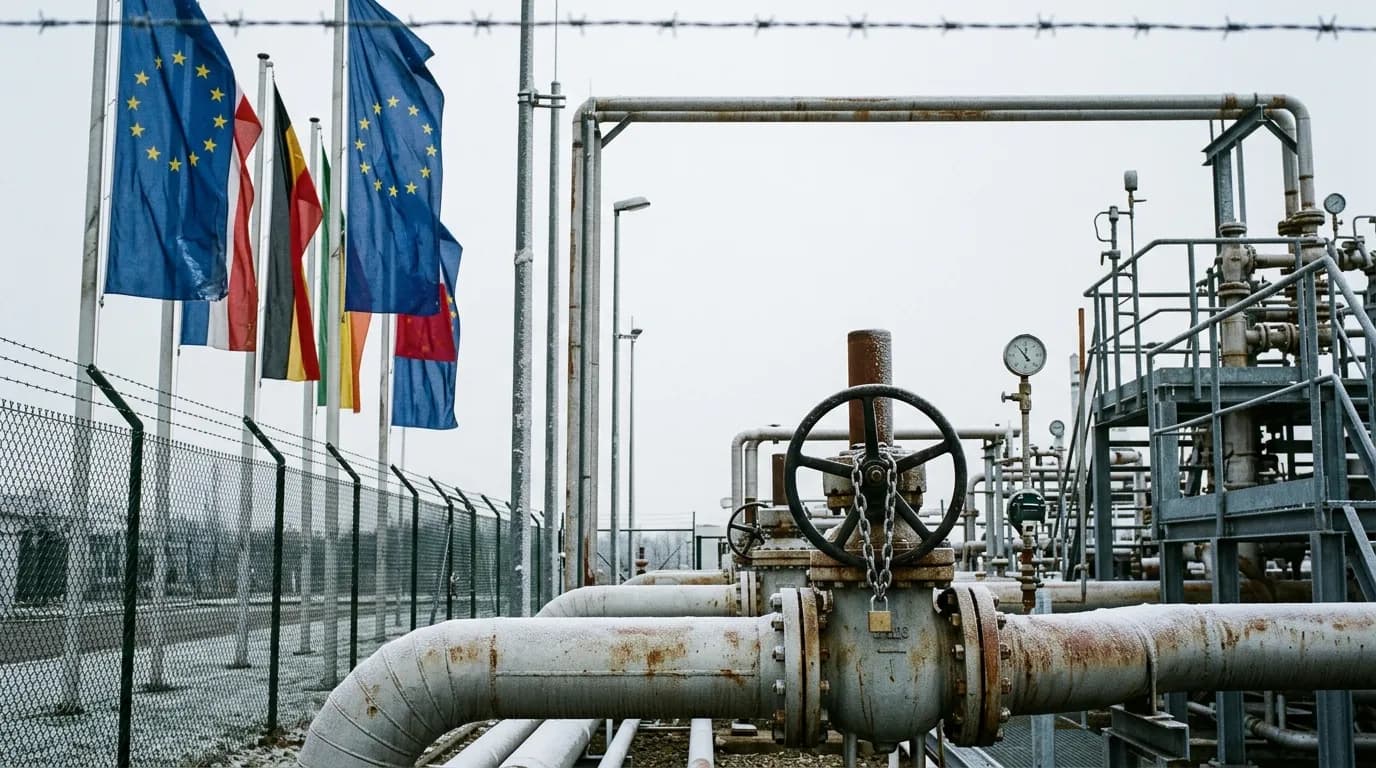
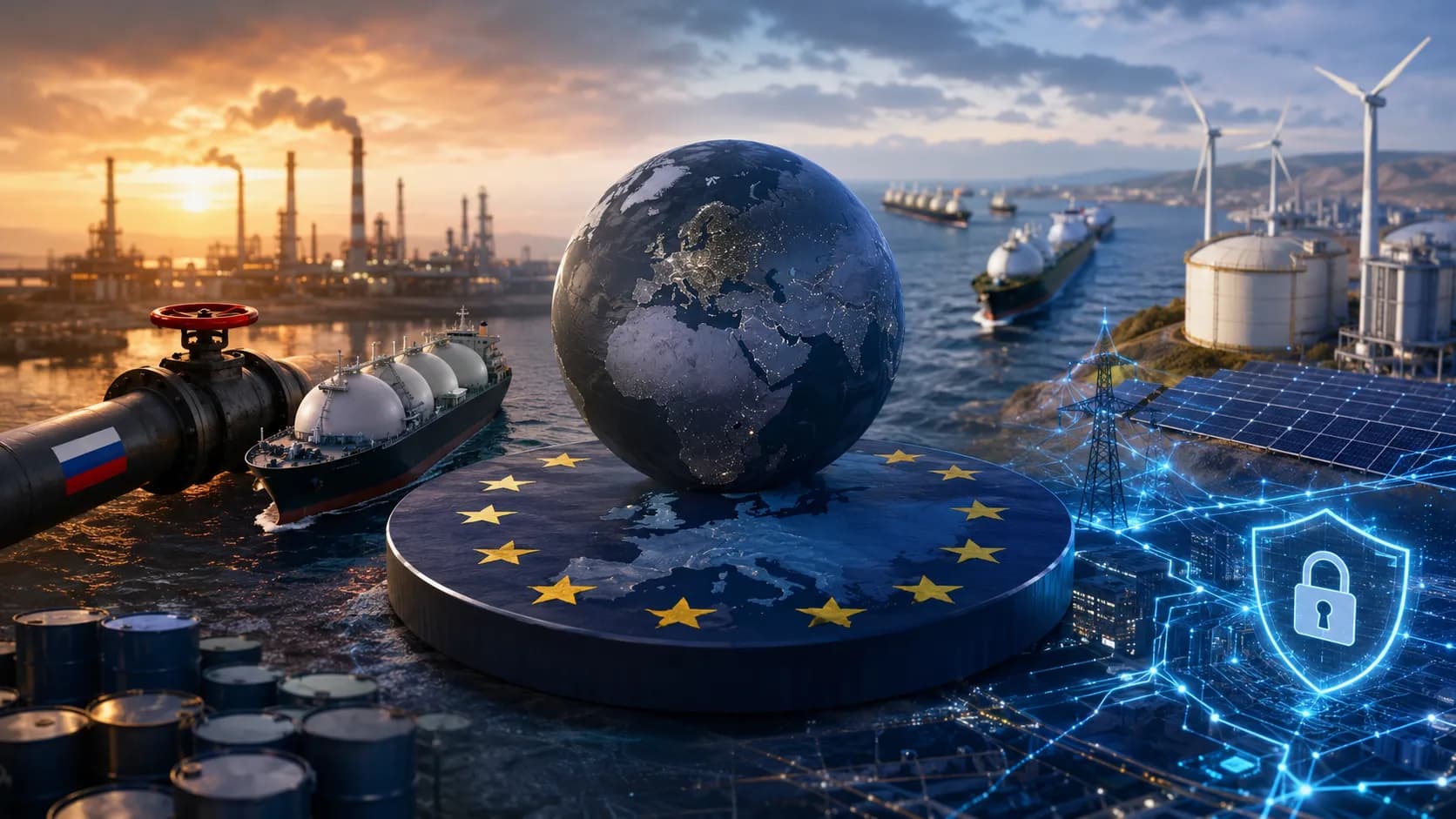
As global energy markets enter a crisis with record high volatility and soaring costs, French President Emmanuel Macron has signaled a pragmatic shift in EU diplomacy in this matter. During recent discussions at the EU summit in Brussels, Macron emphasised that the only sustainable solution to tackle the high prices is to increase global supply. A move that would bring sanctioned producers like Iran and Venezuela back into the mix.
The core of Macron’s argument is simple: the current global production is failing to keep pace with the demand, hence, driving inflation that threatens Europe’s industrial stability. By calling on “all producers” to contribute, Macron is directly challenging the effectiveness of the long-standing sanctions and therefore suggests cooling them off, so that millions of barrels of Iranian and Venezuelan crude could be made available to the global market.
Giving Iran access to the global market, allows for potentially over 1 million barrels of oil to be brought into the trade circulation. Macron pushes for a quick breakthrough in diplomatic negotiations that could provide the immediate supply that the oil market desperately needs. Similarly, Venezuela is known to be home to the largest recorded oil reserve. Macron’s stance indicates a consideration to prioritise “energy pragmatism” over political isolation, provided that it results in lowering the cost of energy resources to an average citizen.
While the proposal is economically sound, it is filled with geopolitical tensions. The shift is particularly sharp given that Washington recently pivoted its own stance on Venezuelan oil to manage domestic prices. Macron is signaling that Europe must now exercise similar autonomy regarding Iran. Critics argue that reintegrating these nations could cause the West to undermine their values of human rights and non-proliferation. However, for Macron, the "red line" appears to be the economic survival of the Eurozone, which is currently being bled by high energy imports.
President Macron’s call at this summit is a definitive reminder that in a globalised economy, energy security and foreign policy are inseparable. Whether the rest of theEU leadership follows his lead in the face of US pressure remains to be seen, but the message is clear: to lower prices and prevent an industrial disaster. The ongoing tensions have made world leaders realise the importance of every incoming barrel. Is Europe willing to trade its "moral" foreign policy for cheaper heating bills?
Hashim Aslam Khan
Contributing writer at EUReflect.
Follow EUReflect
See more of our reporting on Google
Mark EUReflect as a preferred source and our stories are ranked higher for you in Top Stories, Discover and Google News — and carry a “preferred” badge when they are cited in AI results.
Add EUReflect as a preferred source