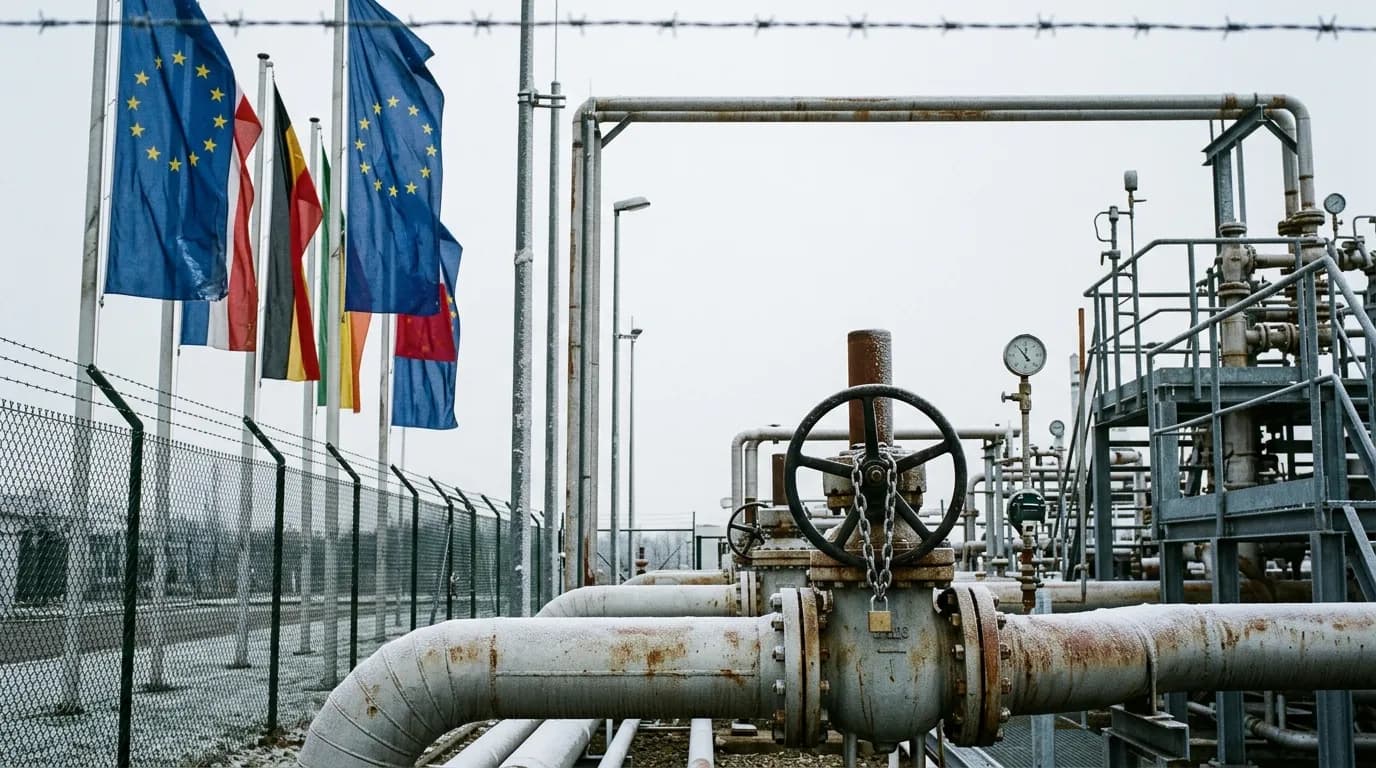
Oil, Conflict, and Chokepoints: The Hormuz Effect
Rising tensions in the Middle East and the potential closure of the Strait of Hormuz pushed global oil prices sharply higher. The crisis threatens supply chains, raises energy costs, and creates economic risks for Europe, Iraq, and Turkey.
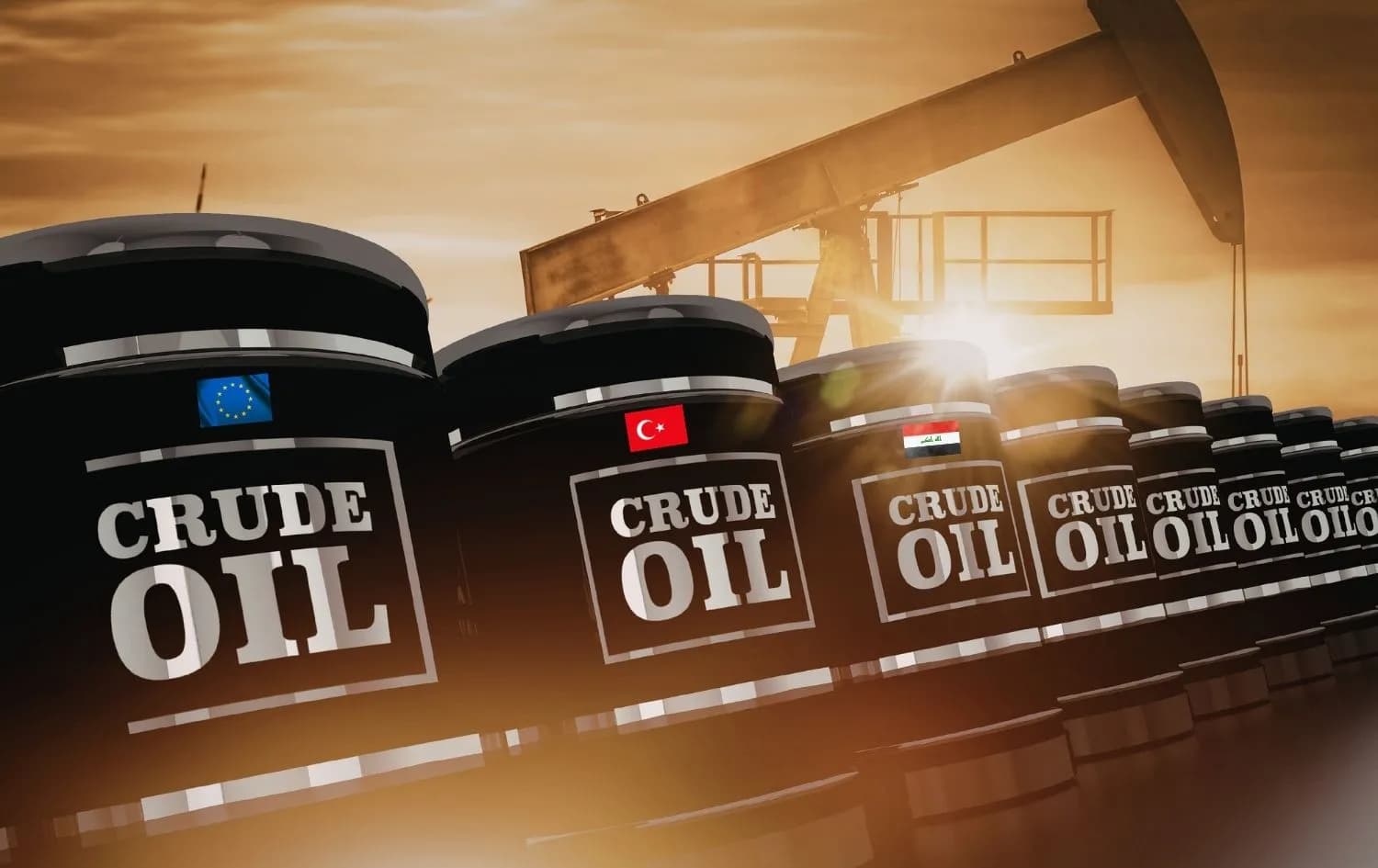
Global energy markets have once again been shaken by rising geopolitical tensions in the Middle East. Oil prices surged sharply after Iran signaled its determination to keep the strategically vital Strait of Hormuz closed while attacks on oil and transportation infrastructure intensified across the region.
Crude benchmarks reacted immediately. Futures linked to Brent crude rose to around $100 per barrel, while West Texas Intermediate climbed close to $96, marking their strongest settlement levels in almost four years. The surge reflects a classic geopolitical supply shock: the potential disruption of one of the world’s most important oil transit routes.
Roughly one-fifth of global oil consumption normally passes through the Strait of Hormuz. When access to this corridor is threatened, markets react quickly because alternative supply routes are limited and logistical adjustments require time. The current crisis therefore has implications far beyond the Middle East, affecting energy security, shipping routes, and economic stability across several regions.
The Strategic Importance of the Strait of Hormuz
The Strait of Hormuz is one of the most critical energy chokepoints in the world. Located between Iran and Oman, the narrow maritime passage connects the Persian Gulf to the Gulf of Oman and the wider Indian Ocean. Oil exporters such as Saudi Arabia, Iraq, Kuwait, and United Arab Emirates rely heavily on this route to ship crude to global markets.
With Iran threatening to block the passage, traders fear a large-scale disruption to supply chains. Energy analysts warn that such a closure—even if temporary—can quickly tighten global supply and push prices higher. According to estimates from the International Energy Agency, the conflict has already created one of the most severe supply disruptions in modern oil market history.
Regional instability has also expanded beyond maritime tensions. Rocket attacks by Hezbollah and the possibility that Houthis might escalate their involvement have raised concerns about shipping routes not only in the Persian Gulf but also across the Red Sea corridor. Such developments could complicate energy logistics from the Middle East to Europe and Asia.
Supply Shock and the Response of Global Energy Markets
The disruption has already affected both production and refining capacity in the region. Gulf producers have reportedly reduced output significantly, while several refineries have halted operations due to security concerns and logistical challenges.
To stabilize markets, emergency mechanisms are being considered. The International Energy Agency has approved the potential release of hundreds of millions of barrels from strategic reserves, a move designed to offset supply losses and calm markets. However, energy analysts remain cautious, noting that strategic reserves can only compensate for disruptions temporarily.
Meanwhile, the administration of Donald Trump is exploring regulatory measures to ease domestic energy logistics, including the temporary suspension of the century-old Jones Act. Such steps aim to ensure smoother energy and agricultural shipments within the United States and indirectly support global supply stability.
Despite the sharp price spike, U.S. Energy Secretary Chris Wright suggested that oil prices are unlikely to reach $200 per barrel, even if the crisis continues. Nevertheless, markets remain highly volatile because any further military escalation could rapidly shift expectations.
Regional Implications: Europe, Iraq, and Turkey
Europe: Renewed Energy Vulnerability
For Europe, the crisis highlights once again the fragility of energy security. Since the disruption of Russian energy flows following the Russian invasion of Ukraine, European countries have increasingly relied on Middle Eastern oil and liquefied natural gas.
A prolonged disruption in the Strait of Hormuz would therefore place additional pressure on European economies. Higher oil prices could translate into rising transport costs, inflationary pressure, and increased fiscal spending on energy subsidies. Governments may accelerate investments in renewable energy and diversification strategies to reduce dependence on geopolitically sensitive supply routes.
Iraq: Economic and Export Risks
For Iraq, the situation carries immediate economic risks. The country relies heavily on oil exports for government revenue, and disruptions to maritime transport threaten this income stream. Reports that tankers near Iraqi waters were targeted have already heightened security concerns.
If the crisis persists, Iraq may face declining export volumes and logistical bottlenecks. This would strain public finances and complicate reconstruction and development efforts. At the same time, Iraq could benefit indirectly from higher oil prices—provided exports can continue—since elevated prices increase the value of each barrel sold.
Turkey: Strategic Energy Corridor Under Pressure
Turkey occupies a unique position in the regional energy landscape. As an energy transit hub connecting the Middle East, the Caucasus, and Europe, the country depends on stable regional supply chains.
Higher oil prices would increase Turkey’s energy import bill, contributing to inflationary pressures in the domestic economy. However, geopolitical instability may also enhance Turkey’s strategic importance as an alternative energy corridor. Pipelines transporting crude from the Caspian region or northern Iraq could become more significant if Gulf maritime routes remain uncertain.
Additionally, Ankara may intensify diplomatic efforts to maintain stability in the region, given that disruptions in Gulf energy flows have immediate economic implications for the Turkish market.
Conclusion
The latest surge in oil prices demonstrates how quickly geopolitical tensions can ripple through global energy markets. The potential closure of the Strait of Hormuz has created a supply shock that affects not only Middle Eastern producers but also consumers and transit countries worldwide.
For Europe, the crisis underscores the urgency of diversifying energy sources. For Iraq, it presents both economic risks and potential price-related gains. For Turkey, the situation reinforces its role as a strategic energy corridor while simultaneously exposing the country to rising import costs.
Ultimately, the trajectory of oil markets will depend on how quickly regional tensions ease and whether maritime security in the Gulf can be restored. Until then, volatility is likely to remain a defining feature of global energy markets.
Alvara Merrick
Contributing writer at EUReflect.
Follow EUReflect
See more of our reporting on Google
Mark EUReflect as a preferred source and our stories are ranked higher for you in Top Stories, Discover and Google News — and carry a “preferred” badge when they are cited in AI results.
Add EUReflect as a preferred source