Samarkand 2025: Uzbekistan’s Cultural Diplomacy at the Heart of UNESCO
The hosting of the 43rd UNESCO General Conference in Samarkand in 2025 highlights Uzbekistan’s growing global influence in culture, education, and science. This historic event underscores the nation’s successful reforms, cultural diplomacy, and commitment to preserving world heritage while promoting intercultural dialogue and sustainable development.
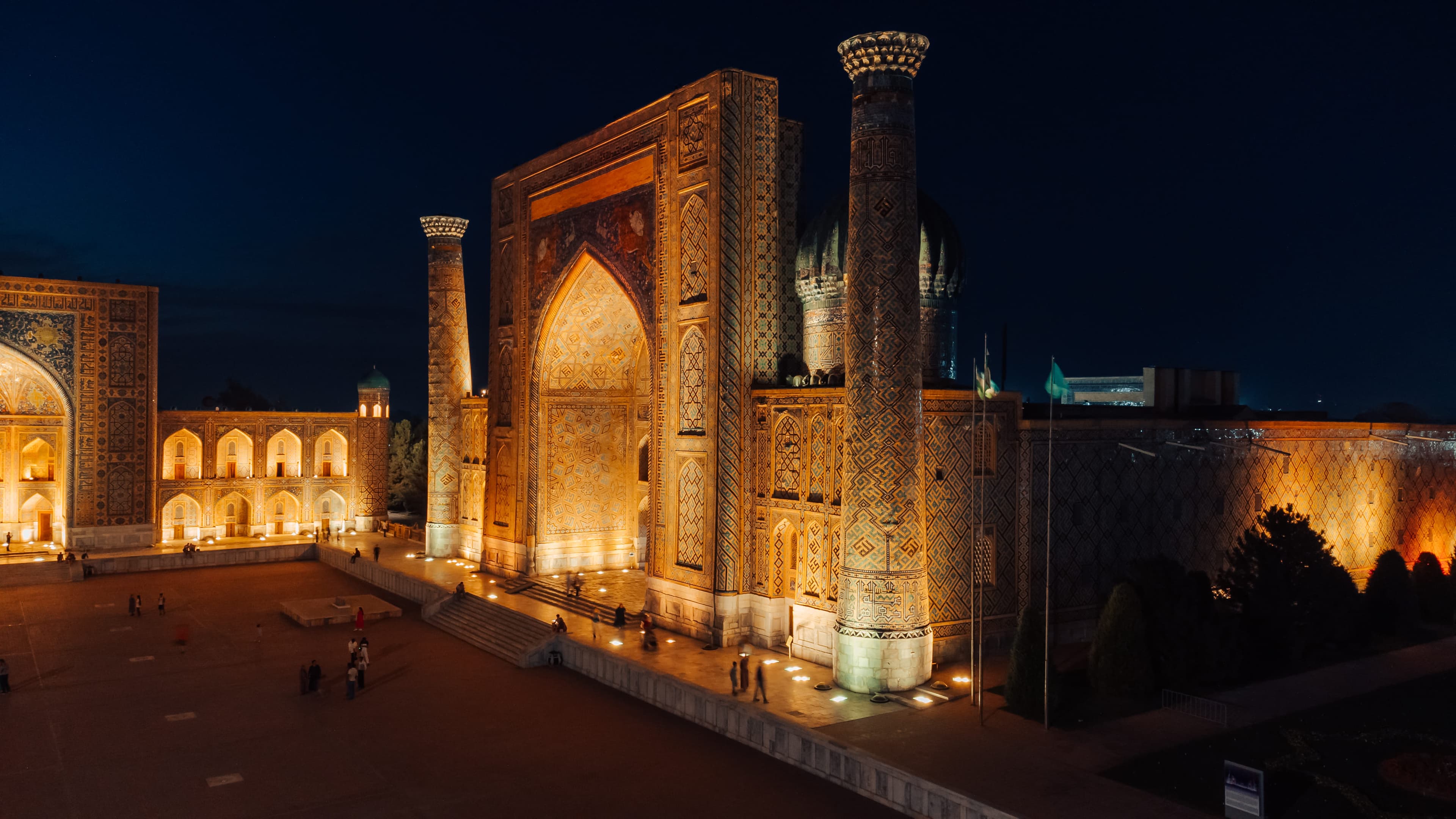
The decision to convene the 43rd session of the UNESCO General Conference in Samarkand, Uzbekistan, in 2025, marks a significant milestone in the country’s growing international stature. Adopted at the conclusion of the 42nd session held in Paris (7–22 November 2023), the resolution—unanimously endorsed by all 194 Member States—serves as a testament to the progress Uzbekistan has achieved in advancing cultural diplomacy, education reform, and scientific development over recent years.
This decision represents both a historic and diplomatic success for Uzbekistan, as it will be the first time in four decades that UNESCO’s General Conference convenes outside Paris. The choice of Samarkand underscores the international community’s recognition of Uzbekistan’s sustained commitment to cultural preservation, educational innovation, and intercivilizational dialogue.
Samarkand as a Symbol of Global Heritage
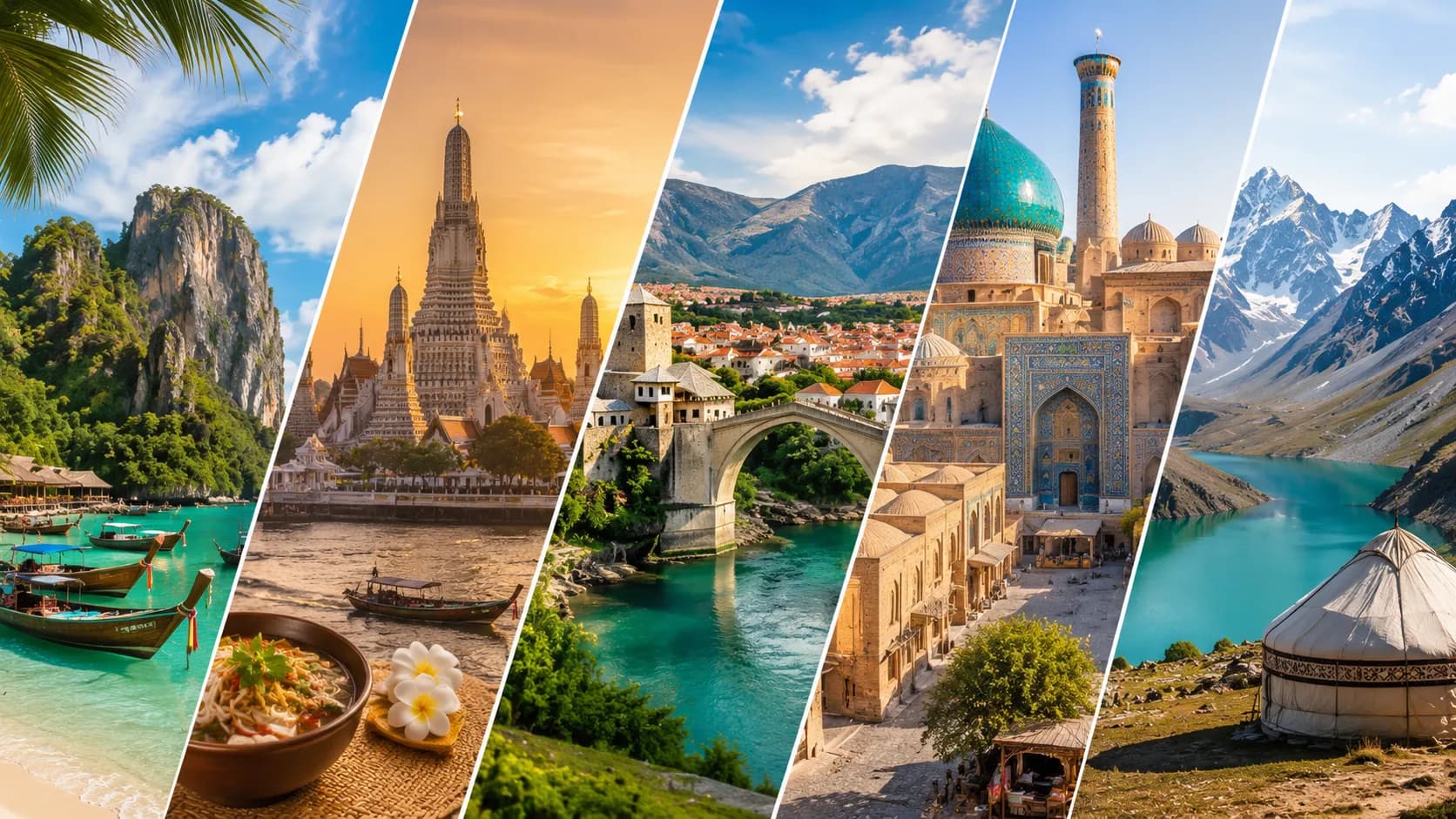
Renowned as one of the most ancient urban centers in Central Asia, Samarkand has long epitomized the intersection of civilizations. Situated on the Great Silk Road, the city historically connected East and West, serving as a vital hub for trade, scholarship, and cultural exchange. Today, its monumental sites—Registan Square, the Ulugh Beg Observatory, and Shah-i-Zinda necropolis—remain enduring symbols of architectural brilliance and scientific inquiry, reflecting Samarkand’s pivotal role in the evolution of global civilization.
National Commitment and Organizational Preparations
President Shavkat Mirziyoyev, expressing deep appreciation to international partners, emphasized that hosting the 43rd session in Samarkand symbolizes Uzbekistan’s aspiration to contribute actively to global intellectual and cultural discourse. Following this announcement, a Presidential Decree (March 16, 2024) established an Organizing Committee responsible for the logistical and substantive preparations of the event.
Specialized working groups were formed to ensure seamless coordination of arrangements related to participant travel, visa facilitation, transportation, health services, and cultural programming, in close collaboration with UNESCO. The conference is expected to attract over 5,000 participants from 194 countries, including policymakers, scholars, and representatives of civil society.
Thematic Priorities and Related Events
The upcoming session will encompass a range of thematic discussions addressing issues such as the application of artificial intelligence in museum management, gender equality, women’s empowerment, and inclusive education. In conjunction with the main conference, the 14th UNESCO Youth Forum and the 12th Interregional Meeting of National Commissions for UNESCO will also take place in Samarkand, reinforcing the city’s role as a focal point for intercultural and intergenerational dialogue.
Expanding Cooperation Between Uzbekistan and UNESCO
Since joining UNESCO in 1993, Uzbekistan has deepened cooperation across education, science, culture, and communication. The UNESCO Office in Tashkent (established in 1996) coordinates national engagement, while Uzbekistan’s National Commission for UNESCO Affairs—founded in 1994—facilitates policy alignment and project implementation.
Uzbekistan’s historical and cultural sites have been widely acknowledged within UNESCO’s frameworks. Seven sites are currently inscribed on the World Heritage List, including the historic centers of Khiva, Bukhara, Shahrisabz, and Samarkand—Crossroad of Cultures, as well as natural landmarks like the Western Tian Shan and Zarafshan-Karakum Corridor. Additionally, multiple elements of intangible cultural heritage—such as Shashmaqam music, the art of Askiya, Nowruz celebrations, and Lazgi dance—highlight Uzbekistan’s living traditions.
UNESCO has also recognized Uzbekistan’s documentary heritage through the Memory of the World Register, featuring items such as the Holy Uthman Qur’an and archival materials from the Khiva Khanate. In parallel, Uzbekistan’s inclusion in the World Network of Biosphere Reserves demonstrates its environmental commitment, with the Chatkaland Lower Amu Darya reserves now under international protection.
Recent Achievements and Strategic Vision
Uzbekistan’s recent election (2022–2026) to the UNESCO Intergovernmental Committee for the Safeguarding of Intangible Cultural Heritage reflects its growing authority in global cultural governance. Furthermore, initiatives such as the Second World Conference on Early Childhood Care and Education (2022, Tashkent) and the establishment of the UNESCO–Uzbekistan International Prize named after Abu Rayhan al-Biruni (2023) underscore the country’s strategic emphasis on human capital and ethical technology use.
Preparations are also underway for a UNESCO Category 2 Centre on Early Childhood Education in Tashkent, expected to be formalized during the Samarkand Conference. Complementary projects with UNESCO—ranging from digital education and media literacy to climate resilience—illustrate Uzbekistan’s integrated approach to sustainable development.
Symbolic and Global Significance
Hosting the UNESCO General Conference in Samarkand extends beyond logistical achievement—it embodies a symbolic acknowledgment of Uzbekistan’s evolving role in promoting intercultural understanding and global solidarity. Situated at the crossroads of civilizations, Samarkand once again becomes a stage for dialogue, cooperation, and the reaffirmation of shared human values.
In an era marked by geopolitical fragmentation, the Samarkand Conference signifies the potential of Central Asia as a stabilizing and unifying region, demonstrating how cultural diplomacy and “soft power” can bridge divides. As Uzbekistan positions itself as a hub for knowledge, innovation, and heritage preservation, the 43rd session of the UNESCO General Conference will not only celebrate the nation’s achievements but also contribute to the global conversation on the ethical and sustainable advancement of civilization.
Botakoz Unbayeva
Contributing writer at EUReflect.
Follow EUReflect
See more of our reporting on Google
Mark EUReflect as a preferred source and our stories are ranked higher for you in Top Stories, Discover and Google News — and carry a “preferred” badge when they are cited in AI results.
Add EUReflect as a preferred source