Saudi Arabia, Turkey and Pakistan Forge Landmark Defence Pact as Regional Security Risks Intensify
Saudi Arabia, Turkey and Pakistan have signed the Mecca Joint Defence Agreement, creating a framework for closer military cooperation and mutual defence. The pact reflects growing regional efforts to strengthen security coordination amid escalating conflicts, energy disruptions and geopolitical uncertainty.
Saudi Arabia, Turkey and Pakistan Seal Historic Defence Pact Amid Mounting Regional Instability
Historic defence pact signed in Mecca
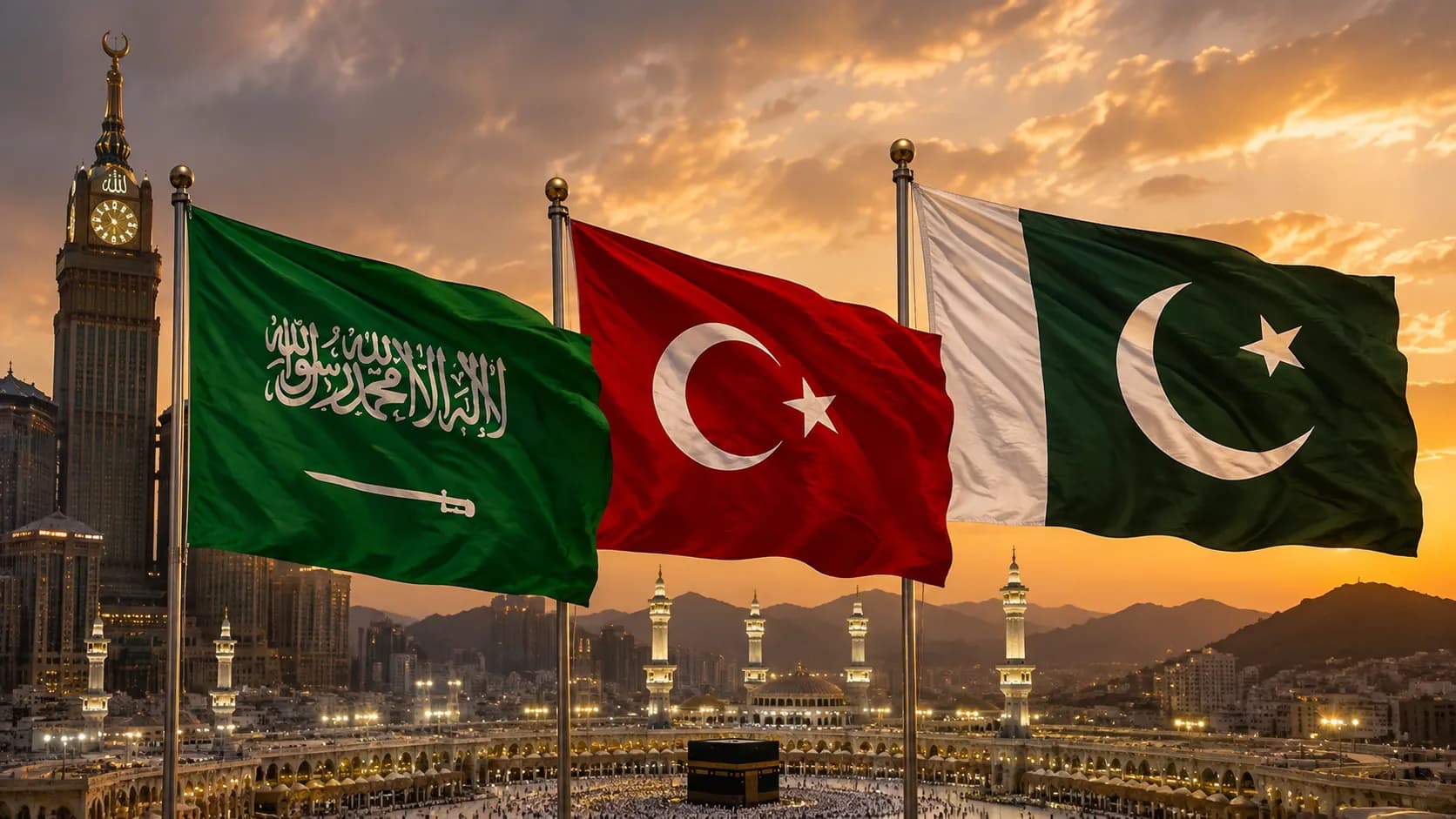
Saudi Arabia, Turkey and Pakistan have signed a landmark trilateral defence agreement in Mecca, marking one of the most significant security initiatives among major Muslim nations in recent years. The accord comes as the Middle East faces its most volatile security environment in decades, with ongoing military confrontations, disruptions to energy routes and growing uncertainty over the region's strategic balance.
The newly signed Mecca Joint Defence Agreement establishes a framework for closer military cooperation and collective security among the three countries. According to the joint declaration, an armed attack against one member would be considered an attack against all, reinforcing the principle of mutual defence while aiming to enhance regional deterrence against external aggression.
Although the agreement outlines a commitment to collective security, officials have not disclosed the precise military obligations each country would assume in the event of a conflict. The absence of detailed operational provisions leaves open questions regarding how the mechanism would function during an actual security crisis.
Turkish Vice President Cevdet Yılmaz emphasized that the initiative should not be interpreted as targeting any particular country. Turkish officials described the arrangement as a purely defensive framework that complements, rather than replaces, existing security partnerships maintained by the participating states.
A New Security Architecture
Regional security landscape shifts
The agreement reflects a broader shift in regional security thinking as Middle Eastern powers seek greater strategic coordination amid prolonged instability. Since the escalation of conflict involving Iran, Israel and several Gulf states earlier this year, regional governments have increasingly explored mechanisms that reduce dependence on external security guarantees while strengthening indigenous defence cooperation.
Analysts argue that bringing together Saudi Arabia, Turkey and Pakistan combines three distinct sources of strategic influence. Saudi Arabia remains one of the world's largest energy exporters and the guardian of Islam's holiest sites. Turkey possesses NATO's second-largest military force, while Pakistan contributes significant military experience and remains the only Muslim-majority country with nuclear weapons.
Abdulaziz Sager, chairman of the Gulf Research Center, described the agreement as a politically significant step demonstrating a growing willingness among influential regional powers to coordinate more closely on defence and diplomacy during a period of heightened geopolitical uncertainty.
Symbolism and Strategic Messaging
Symbolic significance of Mecca venue
Beyond its military implications, the choice of Mecca as the venue carries considerable symbolic importance, underscoring both religious legitimacy and political unity among the participating states.
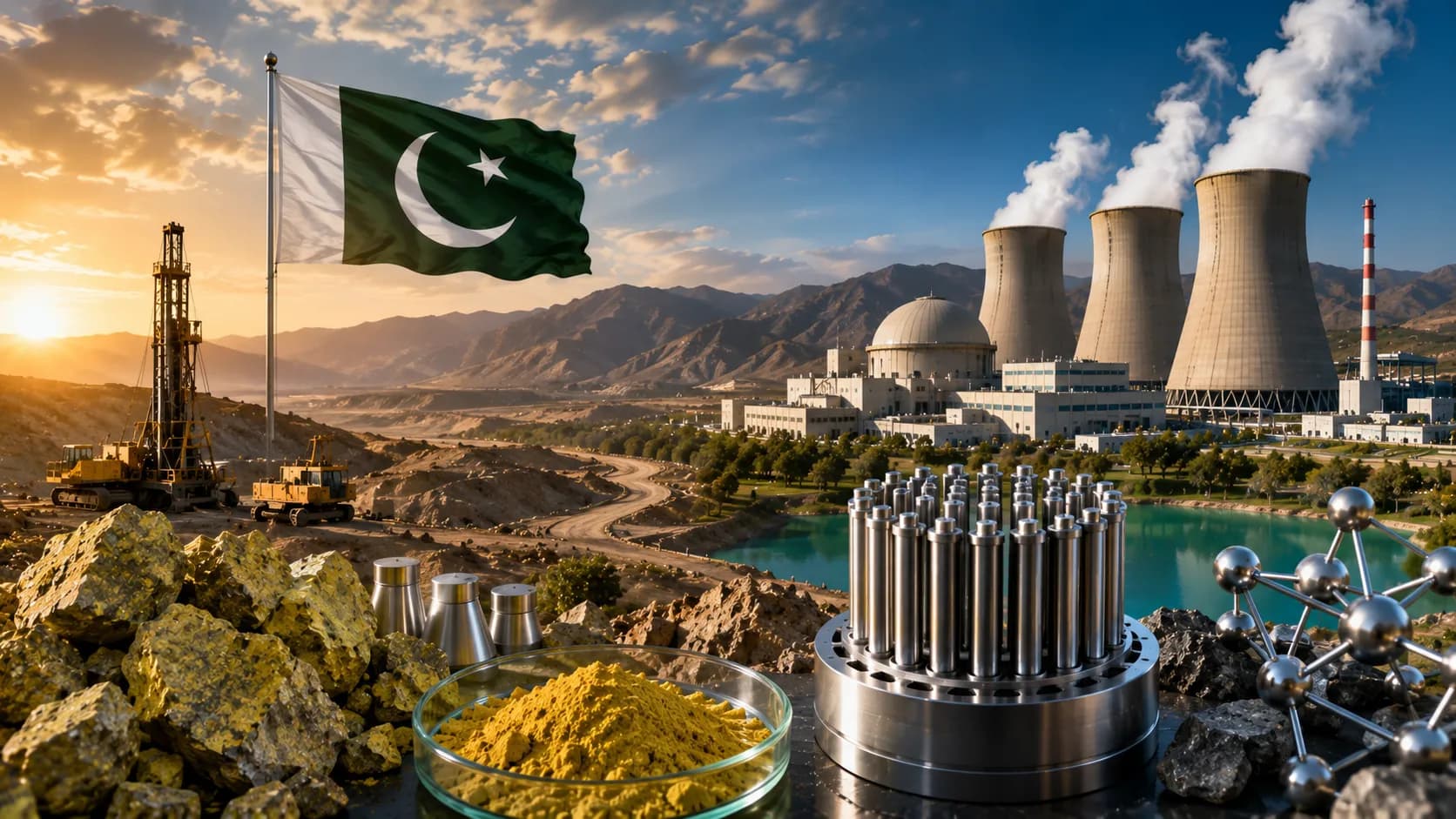
Saudi officials have nevertheless sought to clarify the agreement's purpose. Riyadh insists the pact is neither designed to establish a new military bloc nor intended to fuel sectarian competition or a regional arms race. Officials also rejected suggestions that the agreement has any connection to nuclear cooperation.
Security experts believe the initiative is primarily aimed at improving deterrence, safeguarding regional stability and strengthening cooperation against common security threats rather than preparing for direct confrontation with any specific state.
Building on existing military cooperation
Building on Existing Military Cooperation
The pact formalizes defence relationships that have steadily expanded over many years. Pakistan has long provided military training and technical assistance to Saudi Arabia, while defence cooperation between Turkey and Pakistan has included joint exercises, naval collaboration and defence technology exchanges. Saudi Arabia has also become an important customer for Turkey's rapidly growing defence industry, particularly in the field of unmanned aerial systems.
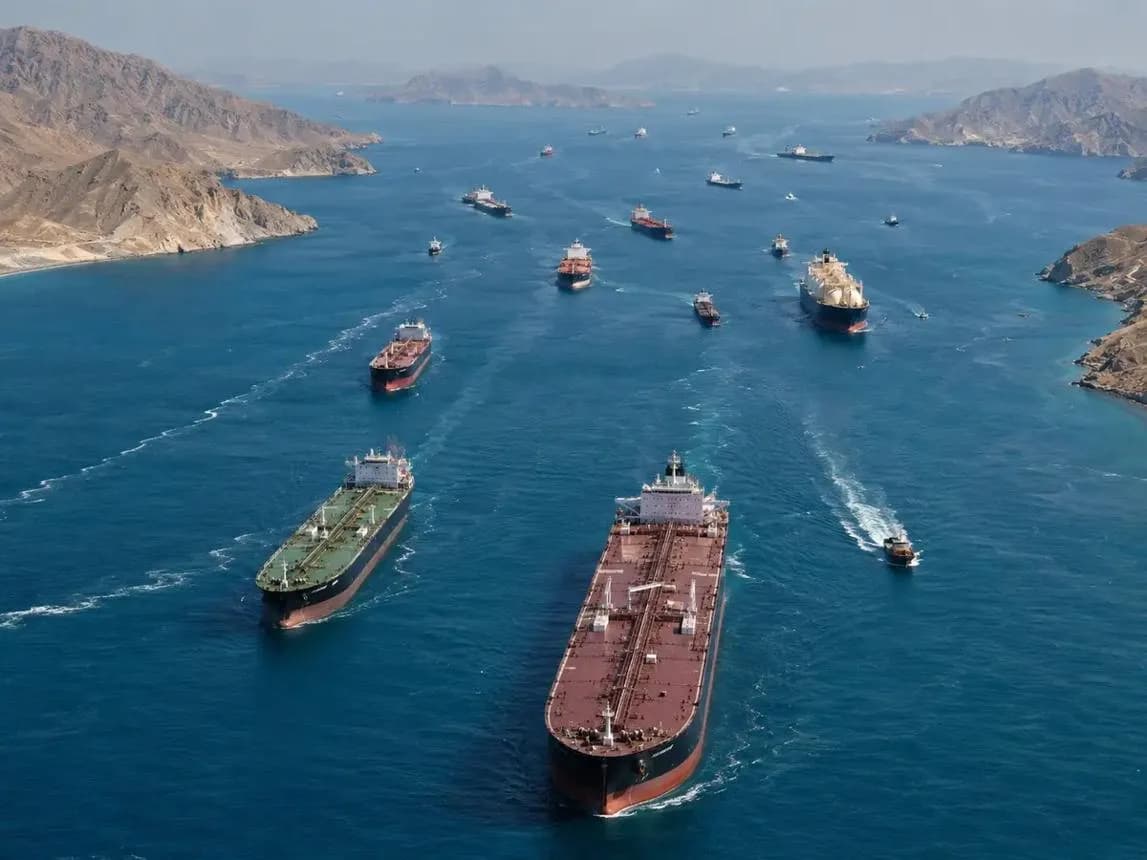
The agreement also complements broader regional initiatives aimed at protecting maritime trade routes and energy infrastructure, both of which have faced increasing risks amid continuing instability across the Middle East.
Regional and Global Implications
Pact amid prolonged regional conflict
The defence pact emerges against the backdrop of prolonged regional conflict that has disrupted energy markets, challenged traditional security arrangements and intensified diplomatic competition across the Middle East.
For Saudi Arabia, strengthening regional partnerships supports efforts to protect critical energy exports and sustain ambitious economic transformation projects under Vision 2030. For Turkey, the agreement reinforces its expanding strategic role across the Middle East while maintaining its commitments within NATO. Pakistan, meanwhile, continues to deepen security ties with Gulf partners while balancing complex regional relationships.
Although questions remain regarding the practical implementation of the agreement, analysts view the Mecca Joint Defence Agreement as an important milestone in the evolution of a more regionally driven security architecture. Its long-term significance will depend less on its political symbolism than on the extent to which the three countries translate their commitments into sustained military coordination and strategic cooperation.

İsmail Polat
Ph. D. in International Relations
Follow EUReflect
See more of our reporting on Google
Mark EUReflect as a preferred source and our stories are ranked higher for you in Top Stories, Discover and Google News — and carry a “preferred” badge when they are cited in AI results.
Add EUReflect as a preferred source