The Caspian Gets a New Player: Turkmenistan’s “Gadamly” Sets Sail as Europe Looks East
Turkmenistan’s new dry-cargo vessel “Gadamly” may be only one ship, but its launch tells a bigger story. Built at the Balkan shipyard with South Korean cooperation, the 6,100-ton vessel strengthens Turkmenistan’s merchant fleet as Europe looks more seriously at the Trans-Caspian route linking Central Asia with Europe.
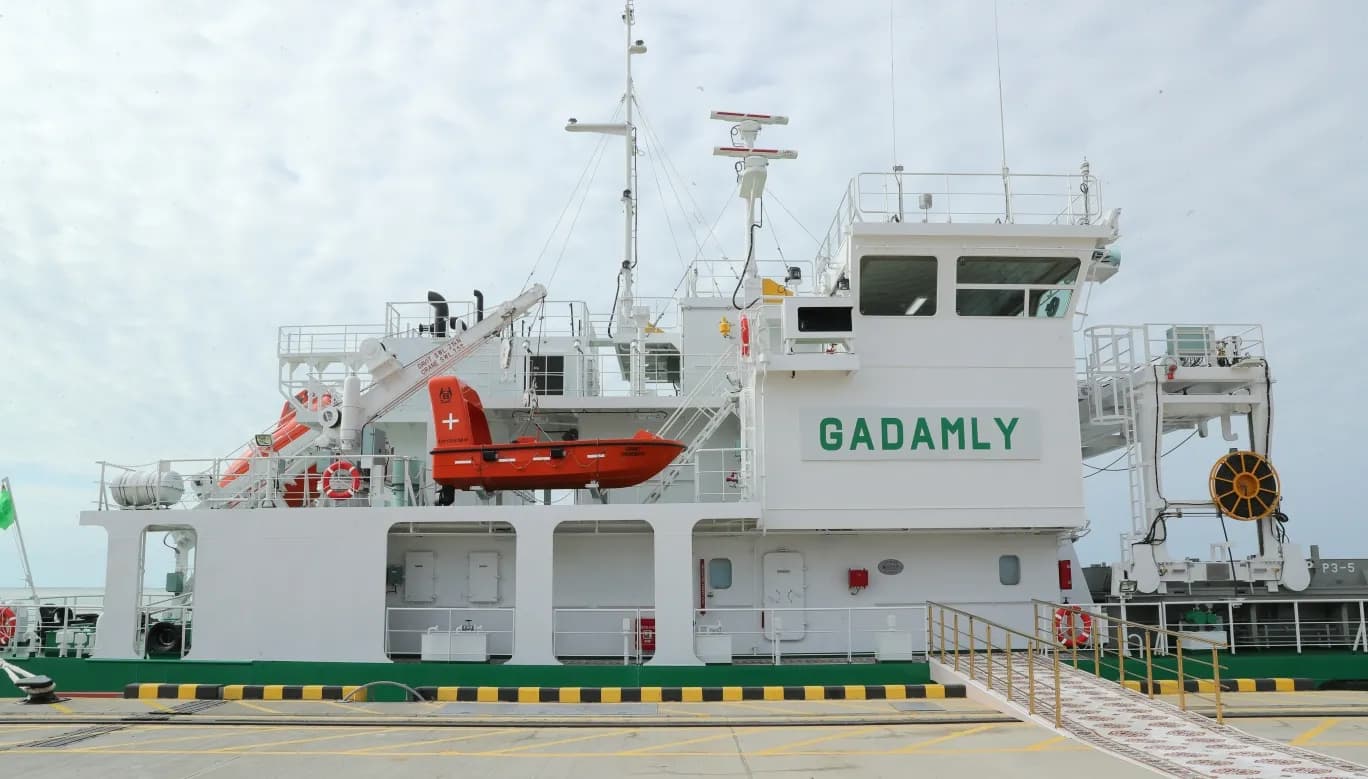
At first glance, the commissioning of a single dry-cargo vessel on the eastern shore of the Caspian Sea may look like a national transport story. But Turkmenistan’s new ship, “Gadamly,” launched into service at the Turkmenbashi International Seaport, carries a message that reaches far beyond the waters of the Caspian: Central Asia is steadily building the physical infrastructure needed to become a more serious bridge between Europe and Asia.
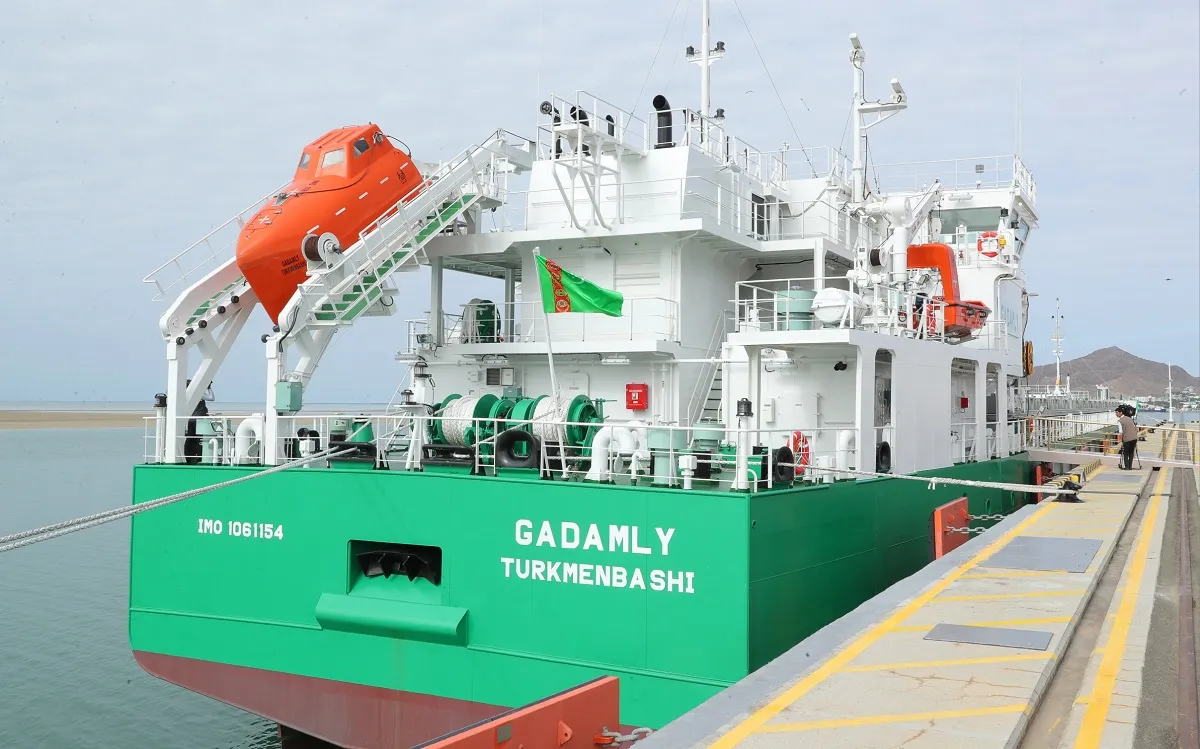
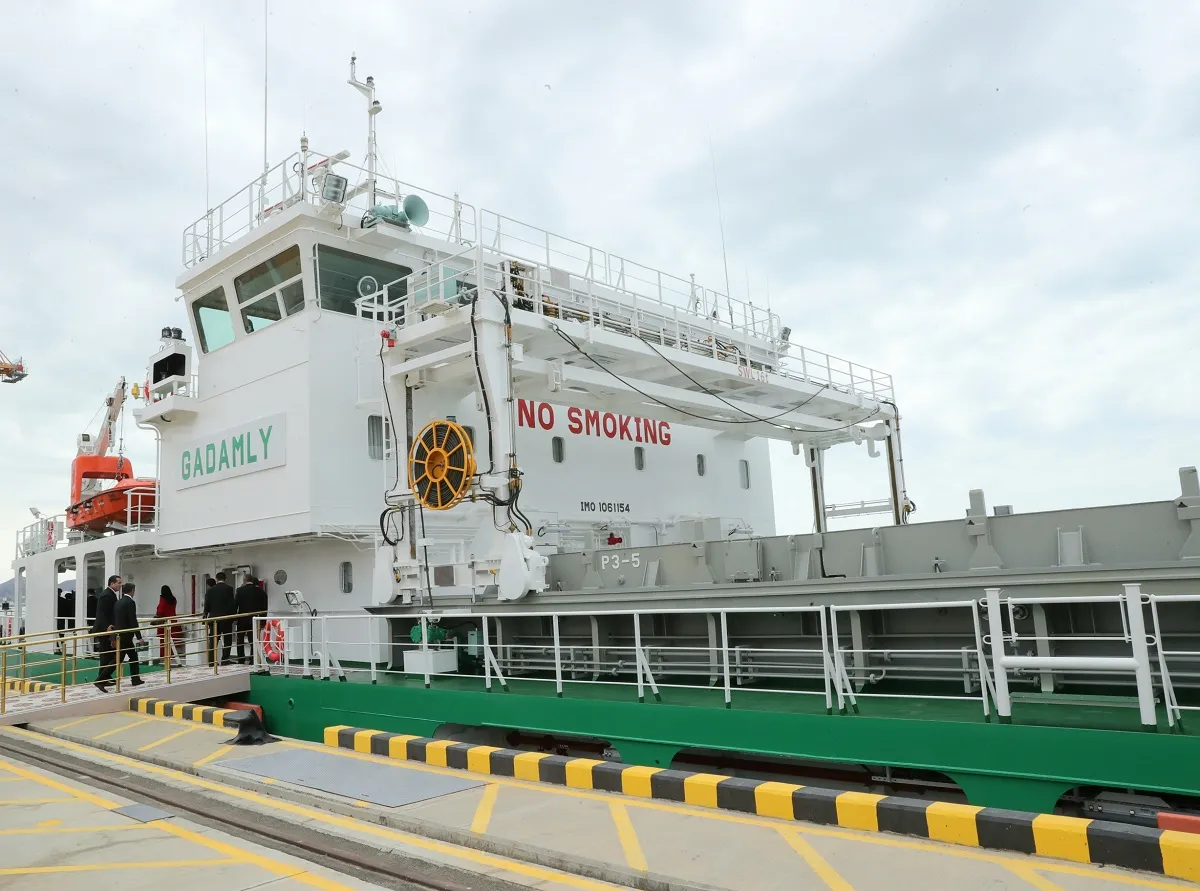
On 8 May 2026, President Serdar Berdimuhamedov attended the commissioning ceremony of the dry-cargo vessel “Gadamly” during a working visit to Balkan velayat. The event took place at the Turkmenbashi International Seaport, one of the country’s most important maritime gateways, and was presented by Turkmen officials as a milestone in the development of the national merchant fleet and the country’s transport-logistics system.
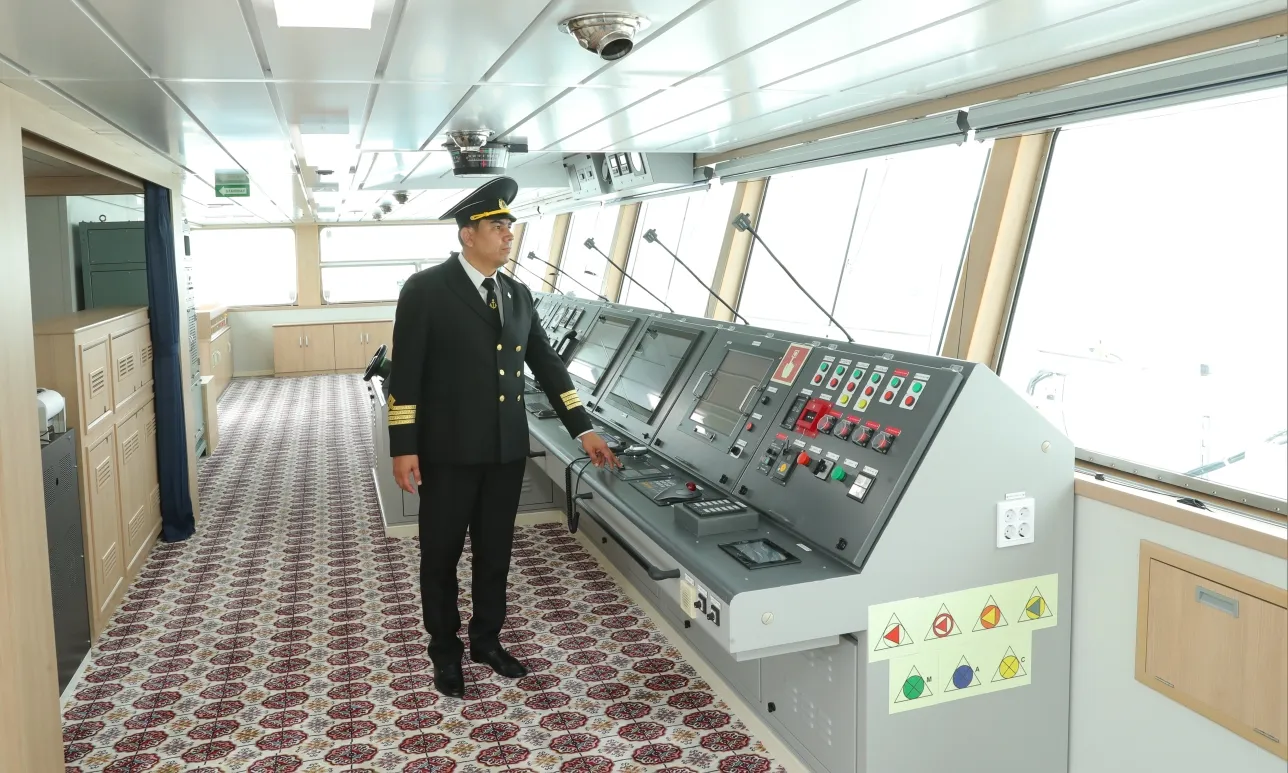
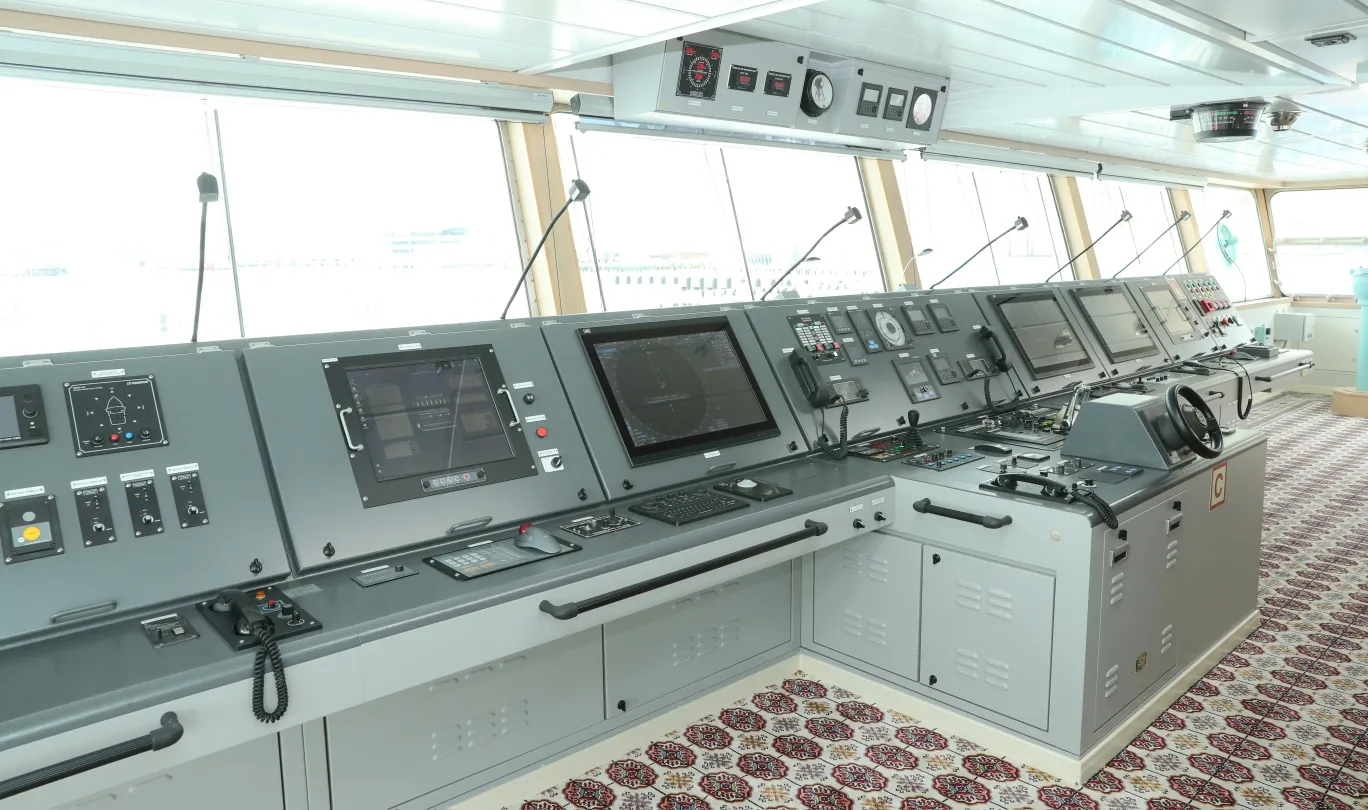
The vessel itself is significant in regional terms. Built at the Balkan Shipbuilding and Ship Repair Yard, “Gadamly” is designed for dry cargo transportation, has a carrying capacity of 6,100 tons, and is equipped with modern navigation and technological systems. The ship’s crew consists of 14 specialists.
What makes the story more interesting is not only that a new vessel has entered service, but where and how it was built. The project was developed with South Korean cooperation, including the participation of Koryo Shipbuilding Industry Technology. The Balkan shipyard and Koryo Shipbuilding Industry Technology signed a contract in September 2023 for the joint construction of two dry-cargo ships, each with a carrying capacity of 6,100 tons.
At the ceremony, the head of Koryo Shipbuilding Industry Technology, Choi Yong-wook, congratulated the participants on the successful construction of “Gadamly” and presented the Balkan shipyard with international certificates for engineering and installation work.
For Europe, the timing is notable. Brussels has been paying increasing attention to the Trans-Caspian Transport Corridor, also known as the Middle Corridor, as a route connecting Europe with Central Asia through the Black Sea, the South Caucasus and the Caspian Sea. The European Commission describes the Trans-Caspian corridor as a “valid land alternative” between Europe and Asia, with potential to handle more trade and unlock new economic opportunities, including in critical raw materials.
The European Union has already placed transport connectivity with Central Asia under its Global Gateway strategy. In January 2024, the EU and Central Asian countries agreed on building blocks to develop the Trans-Caspian Transport Corridor, while EU-backed studies have identified sustainable transport links between Central Asia and the EU’s extended TEN-T network as a strategic priority.
In that context, “Gadamly” is more than a new vessel in Turkmenistan’s fleet. It is a piece of a larger logistical puzzle. The ship’s reported maiden route toward the Port of Baku / Alat in Azerbaijan symbolically connects the two shores of the Caspian, linking Turkmenistan’s maritime ambitions with Azerbaijan’s role as a key westward gateway toward Georgia, Türkiye and Europe.
The event also fits Ashgabat’s long-standing stance on transport. Turkmenistan has repeatedly promoted international transport cooperation at the United Nations and presents itself as a neutral state positioned at the crossroads of major Eurasian routes. In official coverage of the “Gadamly” ceremony, the ship was linked to the revival of the Great Silk Road “in a new format” and to the country’s ambition to strengthen its role as a logistics hub.
There is also a forward-looking element. Turkmenistan plans to commission a second cargo vessel, “Menzil,” in 2026, also as part of cooperation with South Korean partners. If delivered, this would suggest that “Gadamly” is not an isolated showcase, but part of a small yet visible fleet-modernisation programme.

Maral Rahymova
Maral Rahymova is a Turkmen diplomat and policy writer based in Brussels. Her work and research focus on diplomacy, international cooperation, peace, emerging technologies, and global affairs.
Follow EUReflect
See more of our reporting on Google
Mark EUReflect as a preferred source and our stories are ranked higher for you in Top Stories, Discover and Google News — and carry a “preferred” badge when they are cited in AI results.
Add EUReflect as a preferred source