Trump Took the Money and Humiliated Netanyahu!
The confrontation between U.S. President Donald Trump and Israeli Prime Minister Benjamin Netanyahu is not just a personal clash between two leaders, but a turning point that has reshaped power balances in the Middle East.
A Diplomatic Earthquake in the Middle East
The confrontation between U.S. President Donald Trump and Israeli Prime Minister Benjamin Netanyahu is not just a personal clash between two leaders, but a turning point that has reshaped power balances in the Middle East.
Following Israel’s airstrike on Doha, Qatar’s capital, Trump personally intervened, demanding that Netanyahu issue an official apology to Qatar. Under mounting pressure from Washington, Netanyahu complied, delivering what observers have described as a “humiliating retreat.”
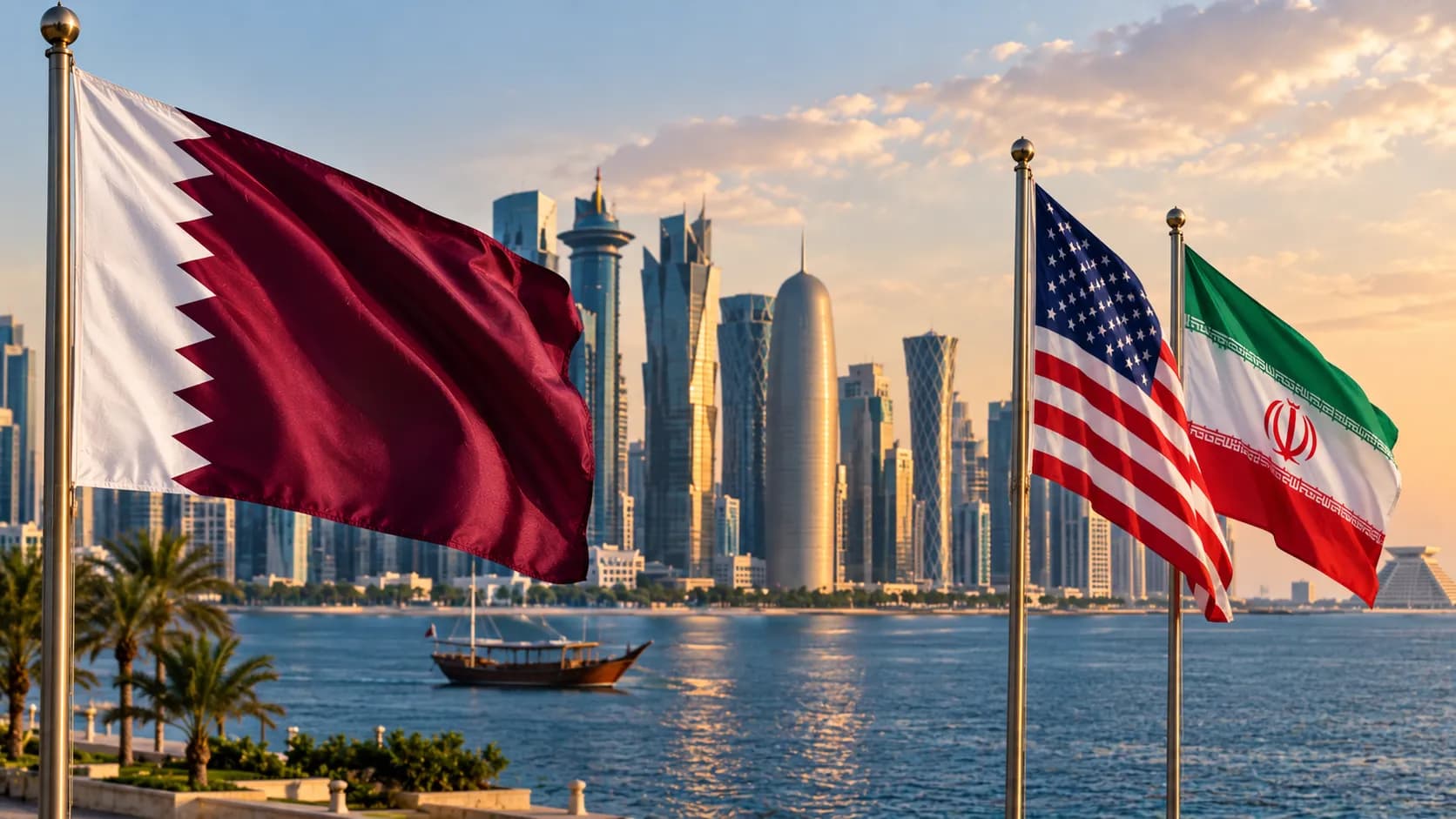
Qatar’s Rise: A Small State Playing a Big Game
Qatar has long been recognized as a key actor in the region due to its contacts with Hamas, its mediation role in Gaza, and its security ties with the U.S.. This crisis, however, elevated Doha’s status even further, positioning it at the very heart of regional diplomacy.
Reports suggest that the Trump administration is now preparing new security guarantees for Qatar, signaling a major reshuffle in Gulf politics. As a result, Qatar emerged both as a victim of Israeli aggression and a beneficiary of Washington’s protection.
The Washington Post summarized the episode as follows:
“Trump’s message to Qatar shook Netanyahu’s far-right coalition while delivering Doha a historic diplomatic victory.”
Netanyahu’s Domestic Deadlock
Inside Israel, Netanyahu’s far-right coalition partners labeled his apology to Qatar a “historic mistake.” These hardline factions, rooted in messianic rhetoric, argue that Israel’s military power must never bow to external pressure.
Yet by conceding to Trump’s demands, Netanyahu has undermined his own authority within this fragile coalition. He is now caught in a dangerous political dilemma:
If he follows Trump’s diplomatic line, his coalition fractures.
If he yields to the far right, U.S.–Israel relations face a severe crisis.
As Haaretz put it:
“Neither Trump nor Netanyahu emerged as the winner. The only true victor was Qatar. Netanyahu, meanwhile, became even more trapped by his coalition’s pressure.”
Trump’s Strategy: Repositioning Through Qatar
Trump’s intervention was not only about restraining Israel. It was also a calculated move to elevate Qatar as a cornerstone of Middle Eastern diplomacy, aligning with Washington’s broader objective of countering Iran’s influence in the Gulf.
With Qatar’s diplomatic prestige soaring and Israel’s international image damaged, Trump effectively “checkmated Netanyahu in his own game,” according to Politico.
Shifting Power Dynamics in the Middle East
The crisis signals several key outcomes:
Qatar’s regional role has expanded — from Hamas mediator to U.S.-backed power broker.
Israel’s political fragility is exposed — Netanyahu’s coalition faces growing strain between far-right demands and Washington’s expectations.
U.S. strategy is being recalibrated — Trump seeks to build a new Gulf order with Qatar at its center.
Regional power balance is shifting — Turkey, Saudi Arabia, and Egypt are closely watching the unfolding dynamics.
Conclusion: The Big Victory of a Small State
In the end, neither Trump nor Netanyahu walked away stronger. Qatar, however, achieved a remarkable win — turning its victimhood into leverage while securing unprecedented U.S. backing.
For Israel, the fallout is severe: Netanyahu’s political maneuvering space has shrunk dramatically, and the contradictions between his far-right coalition and Washington’s demands are only deepening.
Botakoz Unbayeva
Contributing writer at EUReflect.
Follow EUReflect
See more of our reporting on Google
Mark EUReflect as a preferred source and our stories are ranked higher for you in Top Stories, Discover and Google News — and carry a “preferred” badge when they are cited in AI results.
Add EUReflect as a preferred source