Trust as Power: Astana’s Strategy
Kazakhstan is emerging as a “middle power of trust”, combining intellectual diplomacy, digital innovation, and cultural soft power to build credibility on the global stage. Through initiatives like the Astana Think Tank Forum 2025 and Digital Bridge 2025, the country promotes dialogue, technology, and cooperation as new pillars of influence. From deepening ties with Italy to showcasing its culture through Dimash Qudaibergen, Kazakhstan redefines leadership by turning trust into strategic capital in an uncertain world.
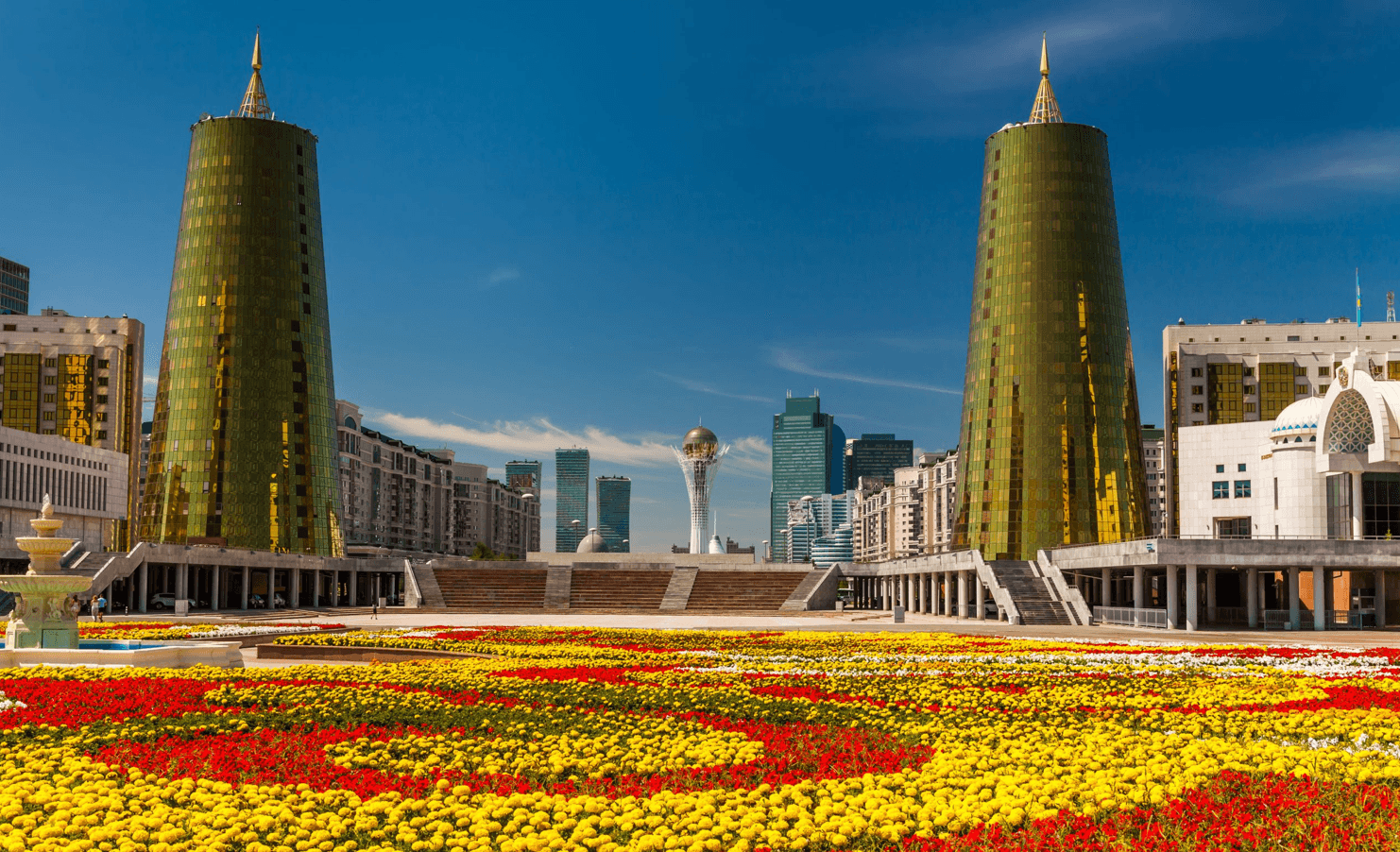
In a century marked by fragmentation and distrust, Kazakhstan has begun to redefine the meaning of global influence. Moving beyond the traditional image of a resource-dependent nation, the Central Asian republic is building a new identity as a middle power of trust — a nation capable of bridging divides, generating knowledge-based dialogue, and projecting stability through intellectual diplomacy and digital innovation.
Astana Think Tank Forum 2025: Building a Platform of Knowledge Diplomacy
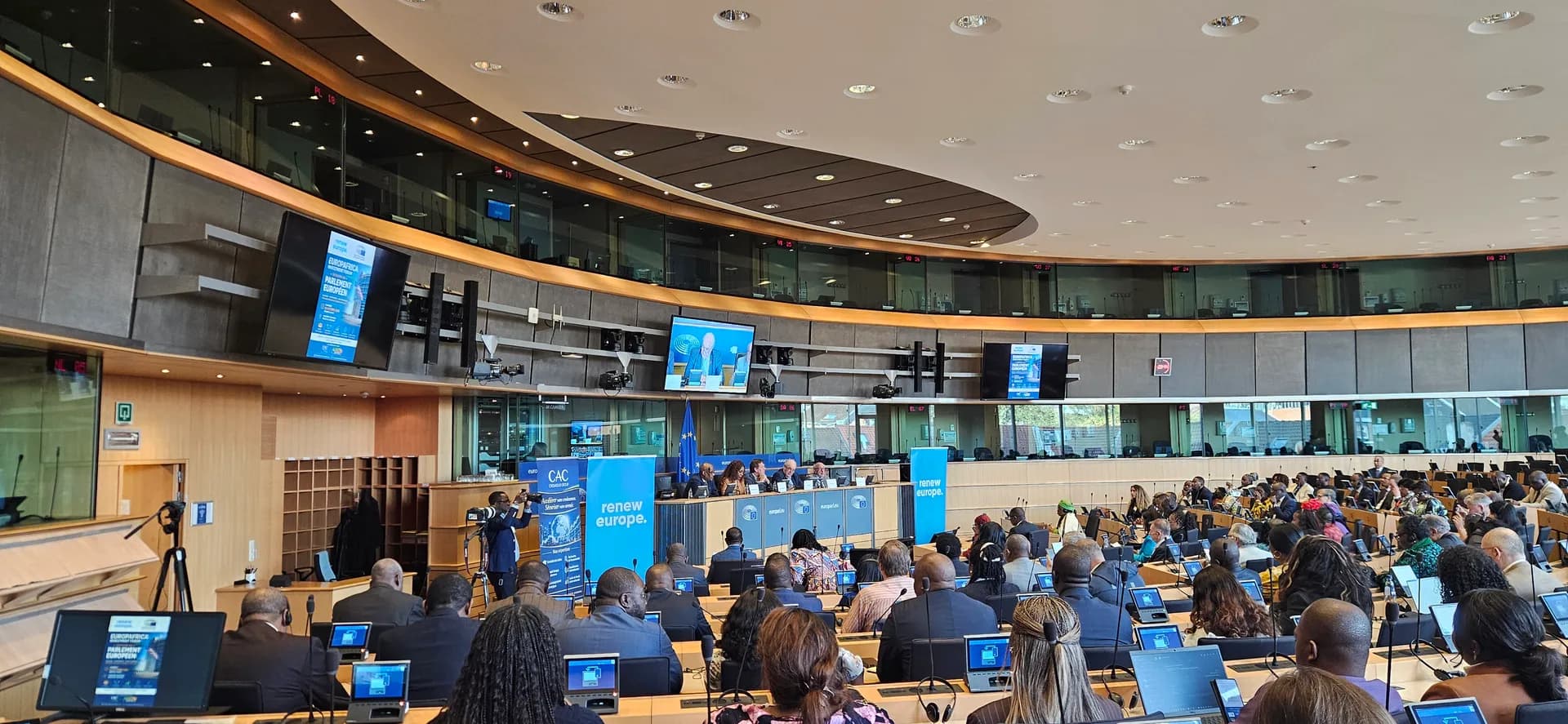
The Astana Think Tank Forum 2025, held in October in the Kazakh capital, marked a turning point in the evolution of Kazakhstan’s soft power. Hosted by the Kazakhstan Institute for Strategic Studies (KazISS) and supported by the Ministry of Foreign Affairs, the forum brought together hundreds of policymakers, academics, and international experts from Europe, Asia, and the Middle East.
Unlike traditional diplomatic summits that revolve around political declarations, the Astana Forum operates as a knowledge exchange laboratory. It encourages evidence-based debate, cross-regional research cooperation, and analytical statecraft — what scholars call intellectual diplomacy.
In its coverage of the event, Emerging Europe described the initiative as “an exercise in intellectual statecraft” that positions Kazakhstan as a “middle power of trust — a nation that bridges divides, facilitates understanding, and promotes cooperative solutions through dialogue and analysis.”
At a time when global governance mechanisms are under pressure, Kazakhstan’s vision resonates: trust is no longer a moral luxury but a strategic resource. The Forum’s agenda — from water security and regional trade to AI ethics and green energy — underlined the idea that multilateral trust-building must now be embedded in concrete policy frameworks.
“In a world short on trust but rich in challenges, platforms like the Astana Think Tank Forum are not just desirable — they are indispensable,” wrote Emerging Europe’s analysts.
From Oil to Algorithms: Kazakhstan’s Digital Reinvention
Kazakhstan’s transformation also unfolds on another front — digitalization and AI leadership. Through initiatives such as Digital Bridge 2025, the country has positioned itself as a technological crossroads for Eurasia.
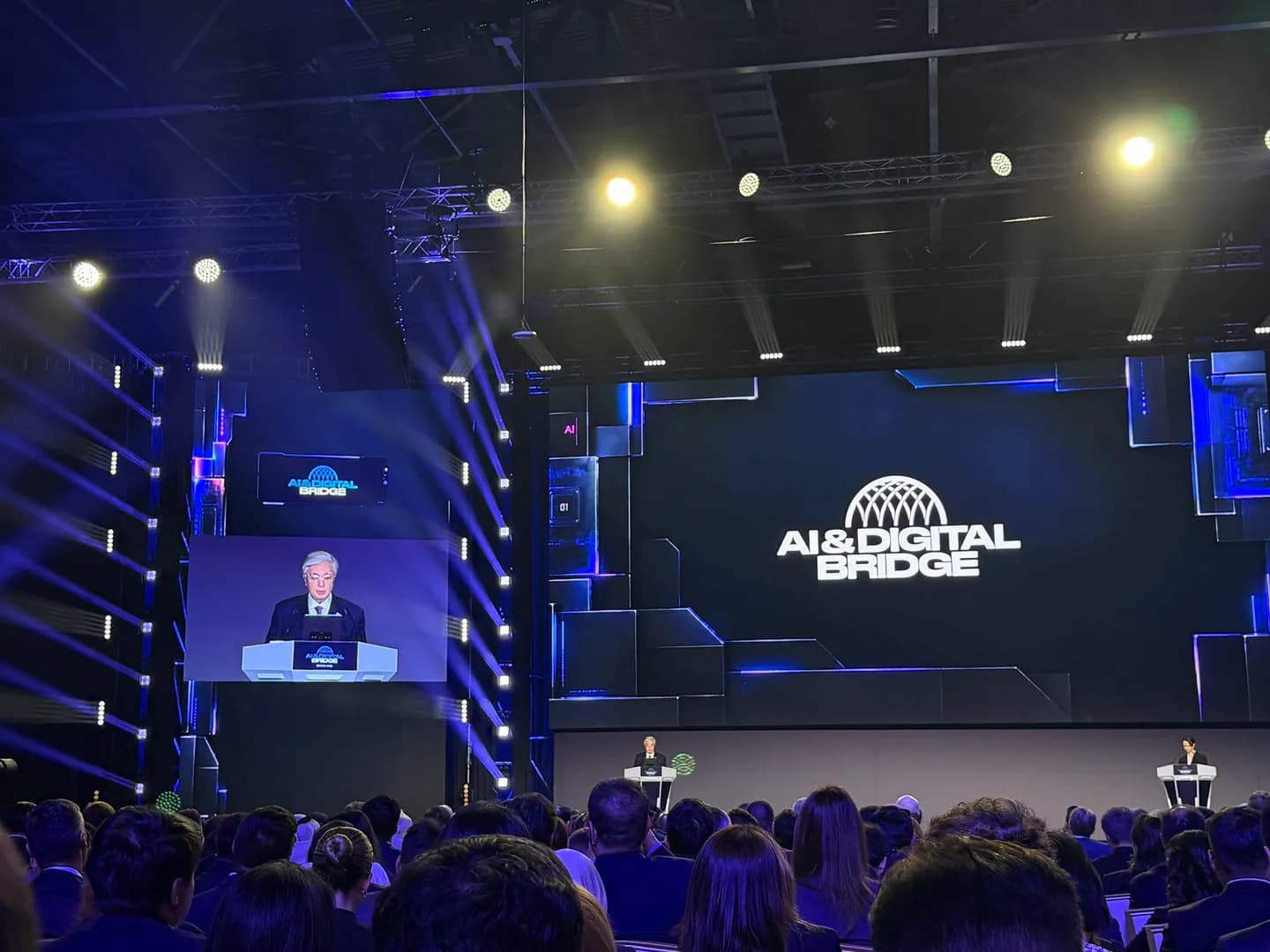
Held in early October under the theme “Generative Nation,” the Digital Bridge 2025 International Tech Forumgathered more than 1,000 speakers, 500 startups, and global tech icons including Pavel Durov (Telegram founder) and Dr. Kai-Fu Lee, one of the world’s foremost AI experts.
President Kassym-Jomart Tokayev’s keynote speech encapsulated this ambition; “Kazakhstan’s mission is clear – to transform into a digital nation capable of exporting not only energy and raw materials but also knowledge, innovation, and algorithms. Artificial intelligence is becoming the new energy source of our century, and Kazakhstan aims to be among the countries that harness it most effectively.”
Beyond rhetoric, Astana Hub, the country’s leading innovation platform, has partnered with Meta Platforms and the Blockchain & AI Technology Center (BAITC) to create an international accelerator program for AI startups. These initiatives demonstrate Kazakhstan’s intent to shift from a consumer of technology to a producer and exporter of digital innovation — a strategic leap that enhances both its economic competitiveness and geopolitical influence.
Strategic Connectivity: Bridging Europe and Asia through Trust
Kazakhstan’s geographic position at the heart of Eurasia is now being reimagined as an asset of global diplomacy. Once seen primarily as a transit corridor for energy and logistics, the country is now leveraging its centrality to become a hub of strategic trust and connectivity.
In this context, its partnership with Italy offers a revealing case study. A recent article by Gazzetta Diplomatica titled “Italy and Kazakhstan: a Historic Friendship Becomes an Alliance for the Future” described how the two nations have deepened cooperation in energy, technology, culture, and education.
The data speaks for itself:
In 2024, bilateral trade reached a record $20 billion, making Italy Kazakhstan’s largest European partner.
Over the past two decades, Italian investments in Kazakhstan have exceeded $7.7 billion, primarily in oil, gas, and industrial equipment.
The collaboration is now expanding into agriculture, water management, renewable energy, and infrastructureprojects — with over 260 Italian companies operating in Kazakhstan, including Eni, Ferrero, Ansaldo, and Maire Tecnimont.
This partnership highlights Astana’s multidimensional diplomacy — a balancing act that connects East and West, traditional industries and emerging technologies, economic pragmatism and cultural dialogue.
Cultural Diplomacy and Soft Power: Music as a Bridge
Kazakhstan’s global engagement is not limited to economics and technology. It increasingly invests in cultural diplomacy as a form of “soft trust.” The Latin American tour of world-renowned Kazakh singer Dimash Qudaibergen, covered by El Economista México, exemplifies this.
His performances in Mexico became more than concerts — they were acts of cultural dialogue, presenting Kazakhstan’s rich musical heritage to international audiences and fostering bilateral goodwill through art.
“The ‘Dimash phenomenon’ demonstrates how soft power can strengthen relations beyond political and economic spheres,” wrote El Economista, noting that the artist’s tour opened new pathways for artistic and cultural cooperation between Kazakhstan and Mexico.
By projecting its culture globally, Kazakhstan extends its diplomatic narrative beyond embassies and trade offices — reinforcing its image as a confident, open, and creative nation.
Trust as Strategic Capital in a Fragmented World
Kazakhstan’s emergence as a middle power of trust reflects a deeper understanding of 21st-century diplomacy. In an era where many nations compete for dominance, Astana competes for credibility.
By focusing on intellectual leadership, digital innovation, and cultural engagement, the country cultivates strategic trust— a form of soft power that enhances its influence without coercion. Platforms such as the Astana Think Tank Forumand Digital Bridge 2025 embody this synthesis of values and pragmatism.
Kazakhstan is not attempting to rival great powers; instead, it is positioning itself as a reliable mediator, connector, and innovator. Its steady foreign policy, commitment to non-proliferation, and role in regional peacekeeping — from Central Asia to the Middle East — all reinforce this image.
Conclusion: The Rise of a Confident Middle Power
Kazakhstan’s transformation illustrates what might be called “the evolution of middle power diplomacy” — where influence is derived not from size or military capacity, but from trust, innovation, and credibility.
By combining digital transformation with intellectual diplomacy and soft power projection, Kazakhstan is building a new model of leadership for the post-globalization era. Its message is clear:
In a world short on trust but rich in uncertainty, the power to connect, mediate, and inspire has become the most valuable resource of all.
Kazakhstan’s journey from energy exporter to knowledge-based connector shows that global relevance in the 21st century does not belong solely to superpowers — it belongs to those who can turn dialogue into development, and trust into transformation.
Botakoz Unbayeva
Contributing writer at EUReflect.
Follow EUReflect
See more of our reporting on Google
Mark EUReflect as a preferred source and our stories are ranked higher for you in Top Stories, Discover and Google News — and carry a “preferred” badge when they are cited in AI results.
Add EUReflect as a preferred source