Uzbekistan Emerges as Central Asia’s Medical Tourism Hub
Uzbekistan has strategically invested in modern hospitals, streamlined entry for foreign patients, and leveraged its geographic position to serve as a natural destination for neighboring countries.
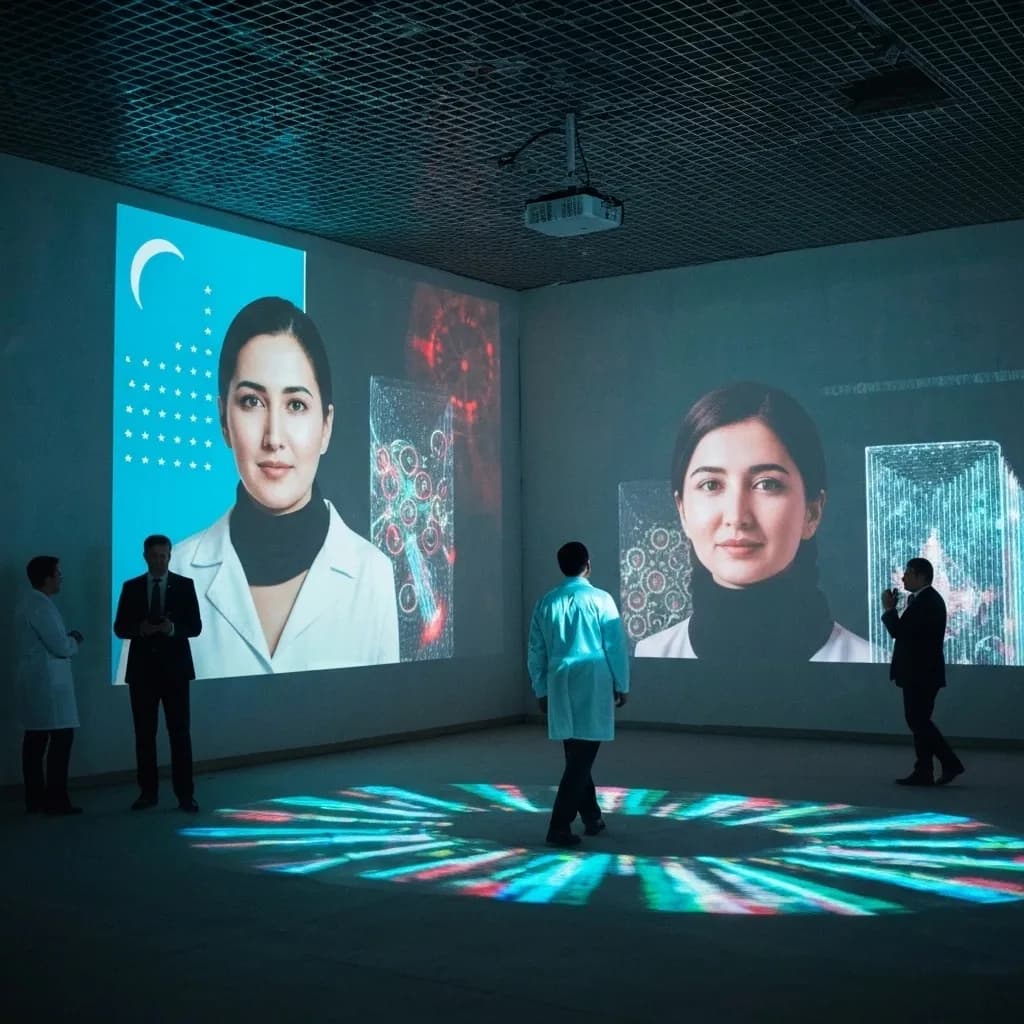
In an increasingly interconnected world, healthcare has become both a personal necessity and a transnational enterprise. Across continents, patients travel abroad for specialized procedures, better-quality care, or more affordable treatment, creating a global medical tourism industry valued at tens of billions of dollars annually. For countries like Thailand, India, and Turkey, medical tourism has long been a strategic sector, combining economic growth with international prestige. Central Asia, historically considered peripheral in global healthcare, is now entering this competitive arena—and Uzbekistan is leading the charge. Tashkent’s emergence as a regional medical hub reflects not only domestic healthcare reforms but also the dynamics of the international and regional system. Cross-border movement of patients is shaped by visa policies, shared languages, infrastructure quality, and trust in medical institutions. In Central Asia, many countries face chronic shortages of specialized doctors, outdated facilities, and uneven access outside major urban centers. Meanwhile, Uzbekistan has strategically invested in modern hospitals, streamlined entry for foreign patients, and leveraged its geographic position to serve as a natural destination for neighboring countries.
The story of Ranokhon Burhonova, a 59-year-old former nurse from Tajikistan, captures the appeal of Uzbek hospitals. She traveled to Tashkent for cataract surgery, paying roughly $800 for the procedure—comparable to prices in Tajikistan. Yet what drew her across the border was not cost, but trust in the quality of care. “I didn’t want to take any risk, especially when my eyesight is at stake,” she said. For many middle-class Central Asians like Burhonova, medical tourism is less about luxury and more about accessing competent specialists and reliable healthcare systems. According to Uzbek official statistics, 57,380 Tajik citizens traveled to Uzbekistan for medical care between January and August, marking a 100 percent increase from the previous year. Other nationalities are also joining the trend: 8,542 Kazakhs, 6,704 Kyrgyz, 1,299 Russians, and 672 Turkmen sought treatment in Uzbekistan during the same period. While Dushanbe disputes some of these figures, claiming they overstate cross-border travel, the anecdotal evidence of repeated visits for consultations, follow-ups, and treatments suggests a tangible and growing flow of medical tourists.
Several factors make Uzbekistan especially attractive for regional patients. The country has introduced simplified medical-visa procedures and actively promotes its hospitals and sanatoriums to foreign visitors. Russian, widely spoken across Central Asia, eliminates language barriers, while affordable accommodation, food, and medical procedures lower overall costs. Moreover, Uzbekistan’s healthcare system is increasingly capable of handling specialized treatments—cases of advanced liver fibrosis, complicated eye surgeries, and other procedures that patients sometimes cannot access in their home countries demonstrate the growing expertise of Uzbek doctors. The rise of medical tourism also reflects broader regional dynamics. Tajikistan, for instance, struggles with a shortage of specialists outside major cities, and many skilled medics have migrated abroad for better opportunities. Kazakhstan, Kyrgyzstan, and Turkmenistan similarly lack the infrastructure or specialization for certain procedures, prompting patients to seek care across borders. For Uzbekistan, these trends create an opportunity to attract foreign patients while simultaneously boosting the domestic healthcare sector. Uzbekistan’s government sees medical tourism as part of its larger development strategy. Beyond generating revenue, the sector helps elevate the country’s international profile and encourages investment in healthcare infrastructure. As Tashkent positions itself as a regional hub, it not only fills a healthcare gap but also strengthens economic and cultural ties across Central Asia.
For patients like Ranokhon Burhonova and Nazokat—a Tajik woman who discovered advanced liver fibrosis in Tashkent after a missed diagnosis at home—the benefits are personal and profound. For Uzbekistan, the rise of medical tourism is a strategic success story, transforming the country from a regional backwater into a destination where trust, quality, and accessibility converge. Central Asia’s medical map is changing, and Uzbekistan is firmly at its center.
References
Uzbekistan’s tourism boost: visa-free travel and new programs for 2025, https://anewz.tv/region/central-asia/7457/uzbekistan-tourism-growth-plan-2025-2026-visa-free-entry-an/news, (13.08.2025).
Алия Хамидуллина, Мизерная зарплата, бегство врачей и коррупция. Пять нерешаемых годами проблем таджикской медицины, https://asiaplustj.info/ru/news/tajikistan/society/20230818/mizernaya-zarplata-begstvo-vrachei-i-korruptsiya-pyat-nereshaemih-godami-problem-tadzhikskoi-meditsini, (13.08.2025).
Farangis Najibullah and RFE/RL’s Tajik Service, Medical Tourism Draws Tajiks, Other Central Asians To Neighboring Uzbekistan, https://www.rferl.org/a/medical-tourism-uzbekistan-tajikistan-kazakhstan-kyrgyzstan-turkmenistan/33154132.html, (13.08.2025).
Dolunay Yusuf Baltürk
Contributing writer at EUReflect.
Follow EUReflect
See more of our reporting on Google
Mark EUReflect as a preferred source and our stories are ranked higher for you in Top Stories, Discover and Google News — and carry a “preferred” badge when they are cited in AI results.
Add EUReflect as a preferred source