After the Middle East Conflict: Could the Dollar’s Dominance Face New Challenges
The US dollar has long been the backbone of global finance, but recent geopolitical tensions in the Middle East have sparked renewed questions about its long-term stability. As nations rethink trade agreements, explore digital currencies, and diversify reserves, the world may be moving toward a more multipolar financial system. While the dollar remains dominant, emerging alternatives suggest a future where reliance on a single currency could gradually diminish.
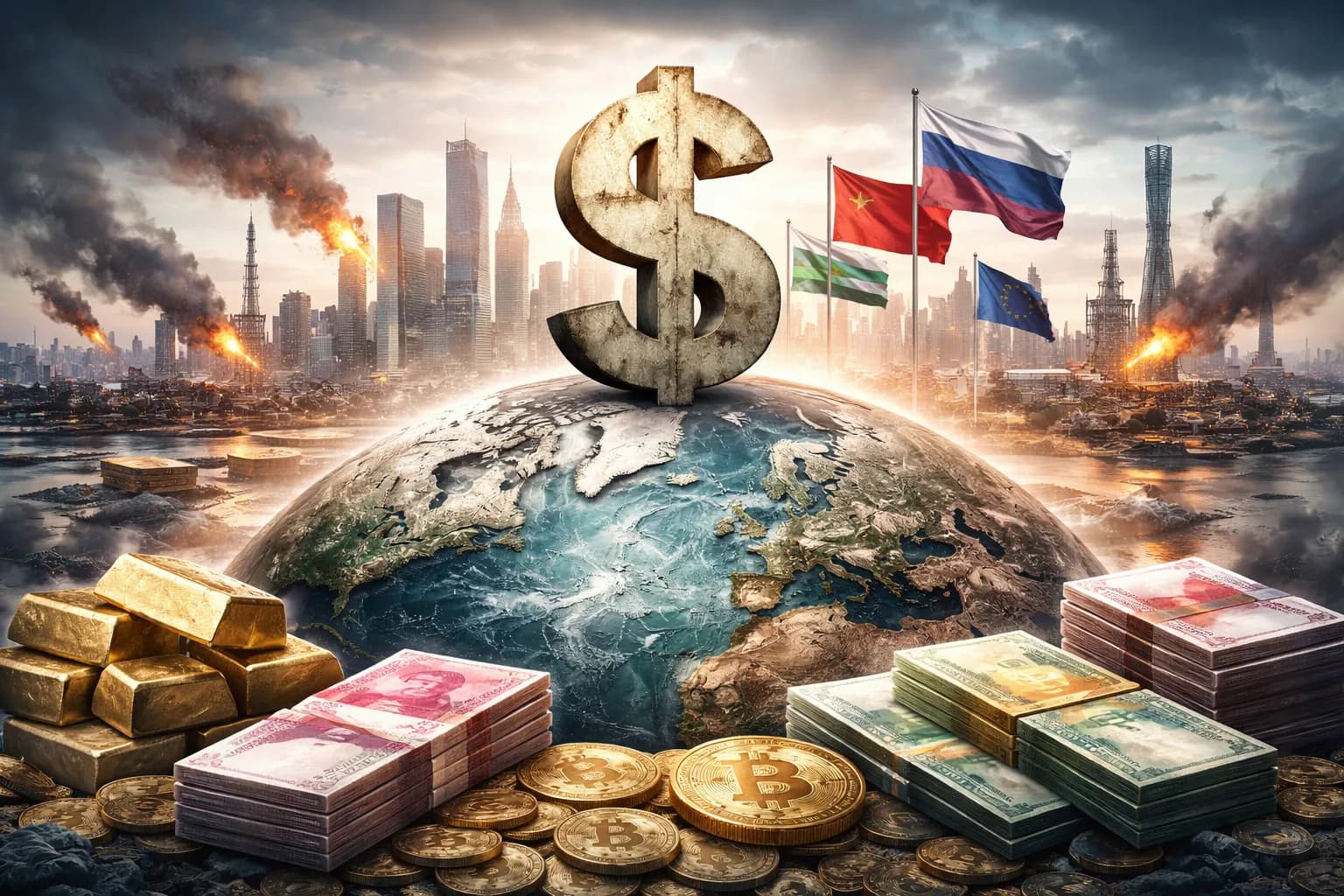
Dollar Dominance After the Middle East War: Will the World Seek Alternatives?
For more than seven decades, the US dollar has stood at the center of the global financial system. It dominates international trade, foreign exchange markets, and central bank reserves, making it the most powerful currency in modern economic history. Yet geopolitical tensions, especially major conflicts in strategic regions such as the Middle East, increasingly raise a fundamental question: could global instability accelerate the search for alternatives to the dollar?
The recent war in the Middle East has intensified debates among policymakers, economists, and investors about the resilience of the international monetary system. Energy markets, trade routes, and financial networks have all been affected by the conflict, and these disruptions have renewed discussions about whether the world might gradually move toward a more diversified currency landscape.
Energy Trade and Currency Politics
The Middle East plays a critical role in global energy supply. Oil and gas exports from the region have historically been priced and traded in US dollars, a system often referred to as the “petrodollar” arrangement. This mechanism has helped reinforce the dollar’s central role in global commerce.
However, geopolitical crises often encourage producing and importing countries to reconsider their financial exposure. Some energy exporters may explore trading in other currencies to reduce dependence on a single financial system, particularly if sanctions, political pressures, or financial restrictions become part of international diplomacy.
Countries in Asia and parts of the Global South have already experimented with settling energy trades in local currencies or alternative units of account. While these experiments remain limited, conflicts that disrupt global trade can encourage governments to accelerate such initiatives as a precautionary measure.
The Rise of Alternative Financial Infrastructure
Alongside currency discussions, several countries are investing in financial systems that operate outside traditional Western frameworks. New payment platforms, regional settlement systems, and bilateral currency agreements are emerging as tools for financial resilience.
For example, China has expanded cross-border payment infrastructure that allows international settlements in its national currency. Regional blocs in Africa, Latin America, and Asia are also experimenting with digital payment networks designed to reduce reliance on traditional global banking channels.
Central bank digital currencies (CBDCs) are another development gaining attention. By enabling direct cross-border transactions between central banks, digital currencies could potentially bypass traditional intermediaries that currently operate primarily in US dollars.
Although these systems remain fragmented and limited in scale, they signal a broader strategic effort by governments to diversify the financial architecture supporting global trade.
Strategic Hedging by Governments and Investors
Periods of geopolitical tension often drive governments and financial institutions to diversify their reserve assets. Gold purchases by central banks have increased in recent years, reflecting a desire for assets perceived as politically neutral and resistant to sanctions.
Some investors have also turned toward digital assets such as cryptocurrencies as speculative alternatives to traditional reserve instruments. While these assets remain volatile and controversial, their growing visibility reflects a broader search for financial tools that operate outside conventional systems.
The goal of such diversification is not necessarily to replace the dollar immediately, but to reduce vulnerability to economic shocks or political leverage.
Why the Dollar Remains Dominant
Despite growing discussions about de-dollarization, the structural advantages supporting the US dollar remain formidable.
The United States possesses the world’s deepest and most liquid financial markets. American government bonds are widely considered among the safest assets available to investors. In addition, the legal and institutional frameworks supporting US financial markets continue to inspire global confidence.
Another crucial factor is scale. Payment systems, banking networks, and global trade contracts are already heavily integrated with the dollar. Replacing such an entrenched system would require decades of coordinated effort and a level of trust that few alternative systems currently possess.
Toward a Multipolar Currency System?
Rather than a sudden collapse of dollar dominance, many analysts foresee a gradual evolution toward a more multipolar monetary system. In such a system, the dollar would remain central but share space with other major currencies such as the euro, the Chinese yuan, and potentially new digital settlement mechanisms.
Major geopolitical crises—especially wars in economically vital regions—can accelerate these long-term structural shifts. They encourage countries to hedge risks, diversify financial partnerships, and invest in alternative infrastructures.
The Road Ahead
The aftermath of the Middle East war may not immediately transform the global financial order. However, it could reinforce a trend that has been slowly unfolding for years: the desire among many countries to reduce reliance on a single currency and build greater monetary flexibility.
For now, the US dollar remains the backbone of the international financial system. But as geopolitical uncertainty grows and new financial technologies emerge, the global monetary landscape may gradually evolve toward a more complex and diversified structure.
Whether this transition unfolds over decades or accelerates under future crises will depend not only on geopolitical developments, but also on the ability of alternative systems to match the trust, stability, and liquidity that have long defined the dollar’s dominance.
Abbas Al-Zuhairy
Contributing writer at EUReflect.
Follow EUReflect
See more of our reporting on Google
Mark EUReflect as a preferred source and our stories are ranked higher for you in Top Stories, Discover and Google News — and carry a “preferred” badge when they are cited in AI results.
Add EUReflect as a preferred source