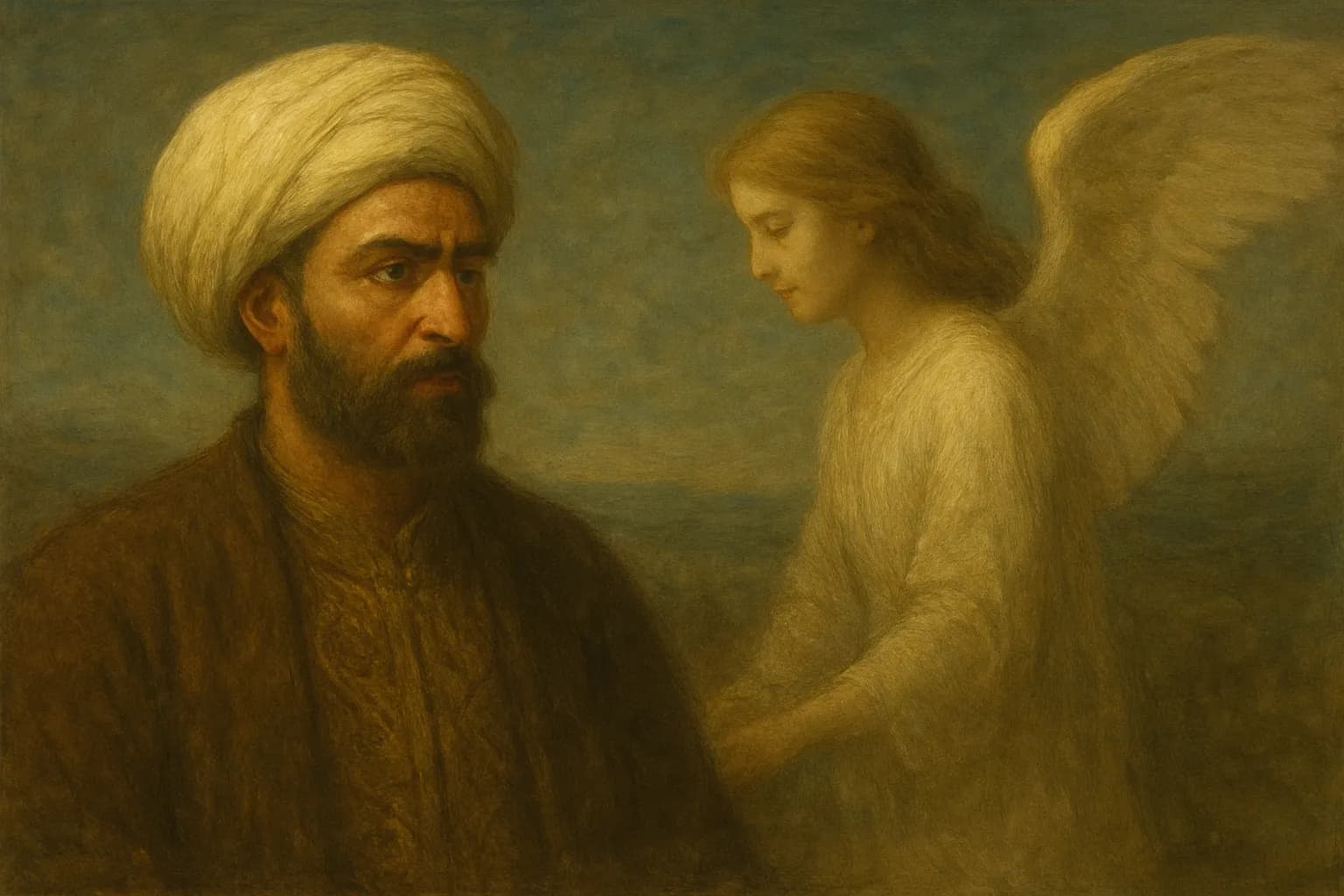
This article examines why religion is debated with exceptional intensity in Muslim societies. It argues that the harshness of these debates stems not from religious dogmatism, but from religion’s continued role as a constitutive framework for social order, identity formation, and moral legitimacy. Unlike Western modernization—where religion largely retreated into the private sphere—modernization in Muslim societies was often rapid, externally imposed, and institutionally disruptive. As a result, religion became both a target of reform and a refuge of meaning. Drawing on classical and contemporary social theory, the study demonstrates that fierce religious debates signal not decline, but the enduring centrality of religion in contexts marked by identity crises and civilizational uncertainty.
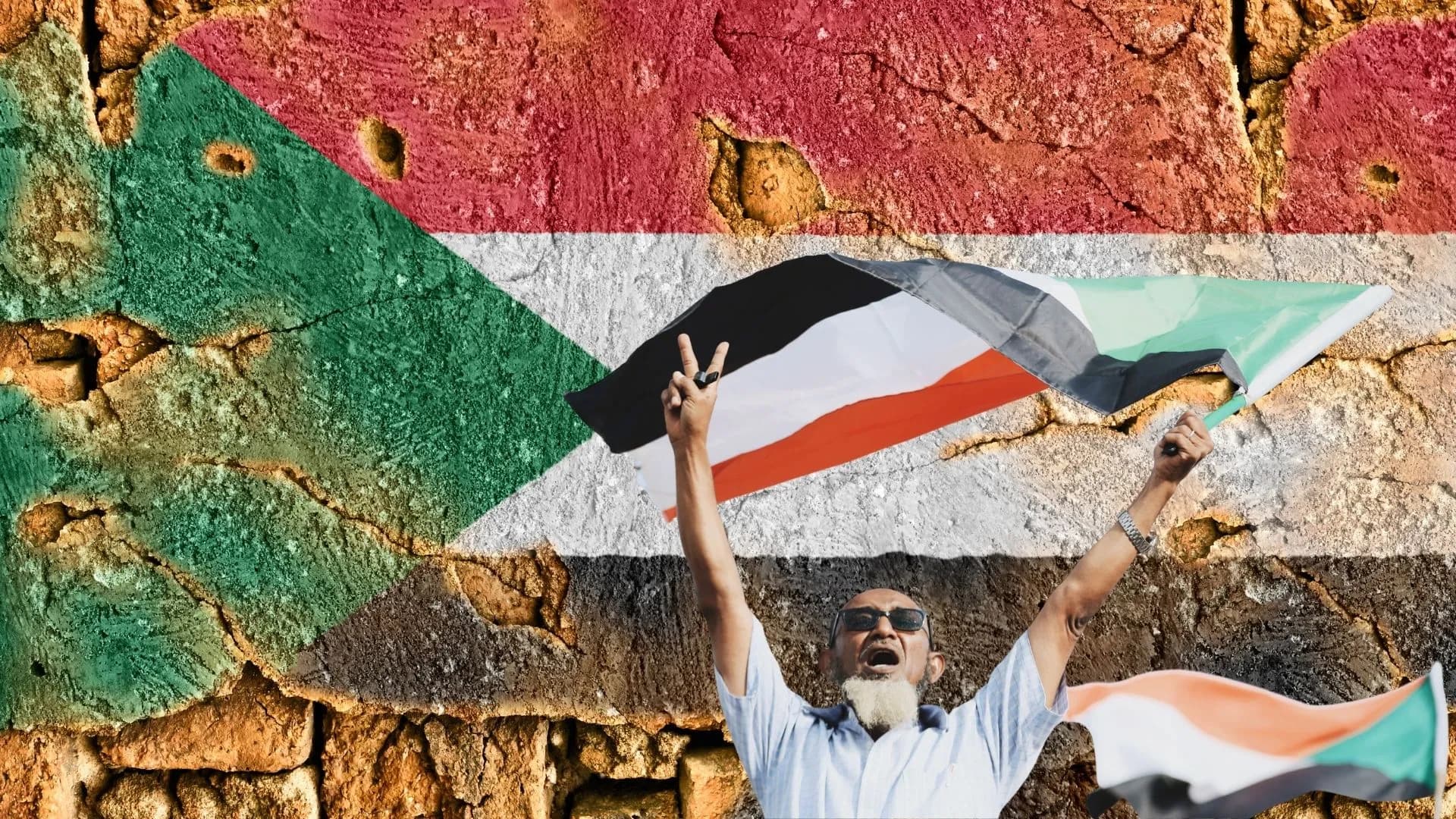
This article examines how constructed identity narratives of “Arab” and “African” in Sudan—rooted in culture, language, and politics rather than race—have been transformed into instruments of power, exclusion, and mass violence. Tracing the historical coexistence of Sudanese communities and the later politicization of identity by the modern state, the study shows how marginalization in regions such as Darfur was reframed through ethnic labels. The militarization of these narratives, particularly through the Janjaweed and their successor, the Rapid Support Forces, turned identity into a mechanism of war. External interventions further hardened these divisions, producing one of the world’s largest humanitarian crises. The Sudanese case demonstrates that identity, while socially constructed, can become lethally real when mobilized for political and geopolitical ends.
Japan’s Lost Decade, which began with the collapse of the asset bubble in the early 1990s, produced long-lasting economic, social, and political consequences that continue to shape the country today. Japan avoided systemic collapse and stabilized its financial sector, yet economic growth remained persistently low, accompanied by deflation, stagnant wages, and weakened investment.
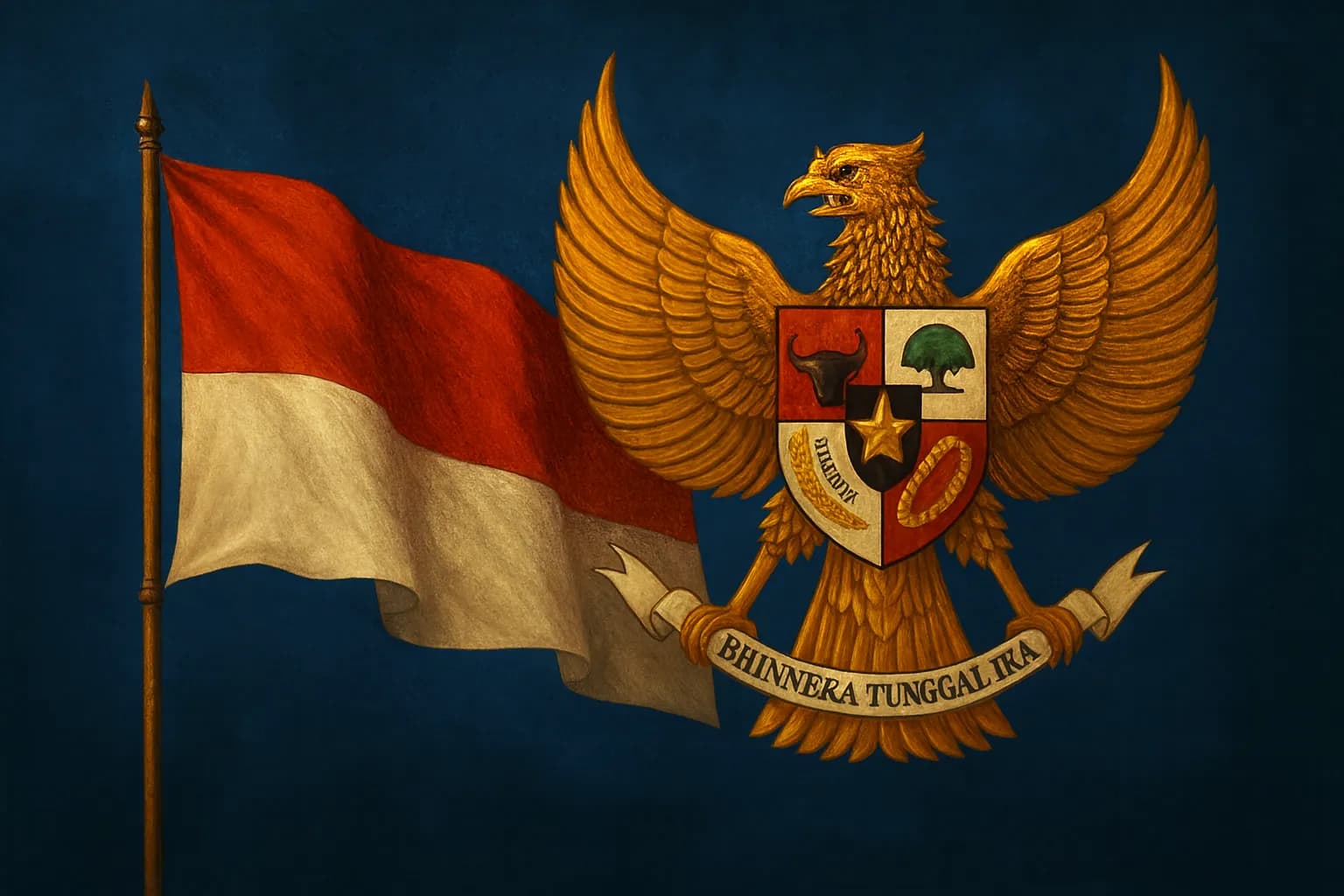
The paper analyzes Muhammad Ali Pasha’s poem “About Flag and Coat of Arms of Indonesia” from his collection Romantic Whispers of the Archipelago. It argues that the poem uses metaphor, imagery, and symbolism to explore how Indonesia’s national symbols—the flag (Sang Merah Putih) and the Garuda Pancasila emblem—shape cultural memory and national identity. By linking the symbols to their historical origins, mythological roots, and the philosophical principles of Pancasila, the poem portrays them as living embodiments of unity, struggle, and collective ideals. The analysis situates Pasha’s work within poetic nationalism, showing how literature reinforces shared identity by transforming symbols into carriers of history, values, and cultural continuity.
The article explains that Pasha’s poem contrasts earthly power with the untouchable forces of truth, freedom, breath, and memory. While tyrants can control land, they cannot rule the air or suppress the spirit. Drawing on philosophical ideas, the poem shows that suffering and silence still point to a deeper truth, and that justice will always rise despite oppression.
Over the past five years, public perception of UFOs has shifted from conspiracy to credible discussion, led by figures like Ryan Graves, Luis Elizondo, and David Grusch. Turkish human rights advocate Kursat Jonathan Pekgoz shares his documented UFO encounters across western Turkey—in Izmir, Bursa, Istanbul, Ankara, and Kirikkale—capturing photos of trapezoidal, orb-like, and triangular crafts displaying cloaking abilities and unnatural light behavior. He concludes these phenomena likely represent extraterrestrial technology mimicking celestial bodies, marking Türkiye as an emerging hotspot in global UFO observation.
Sexism, racism, xenophobia and gender segregation are growing issues that require broad-minded and intellectual young people to govern the government and redesign governance systems.
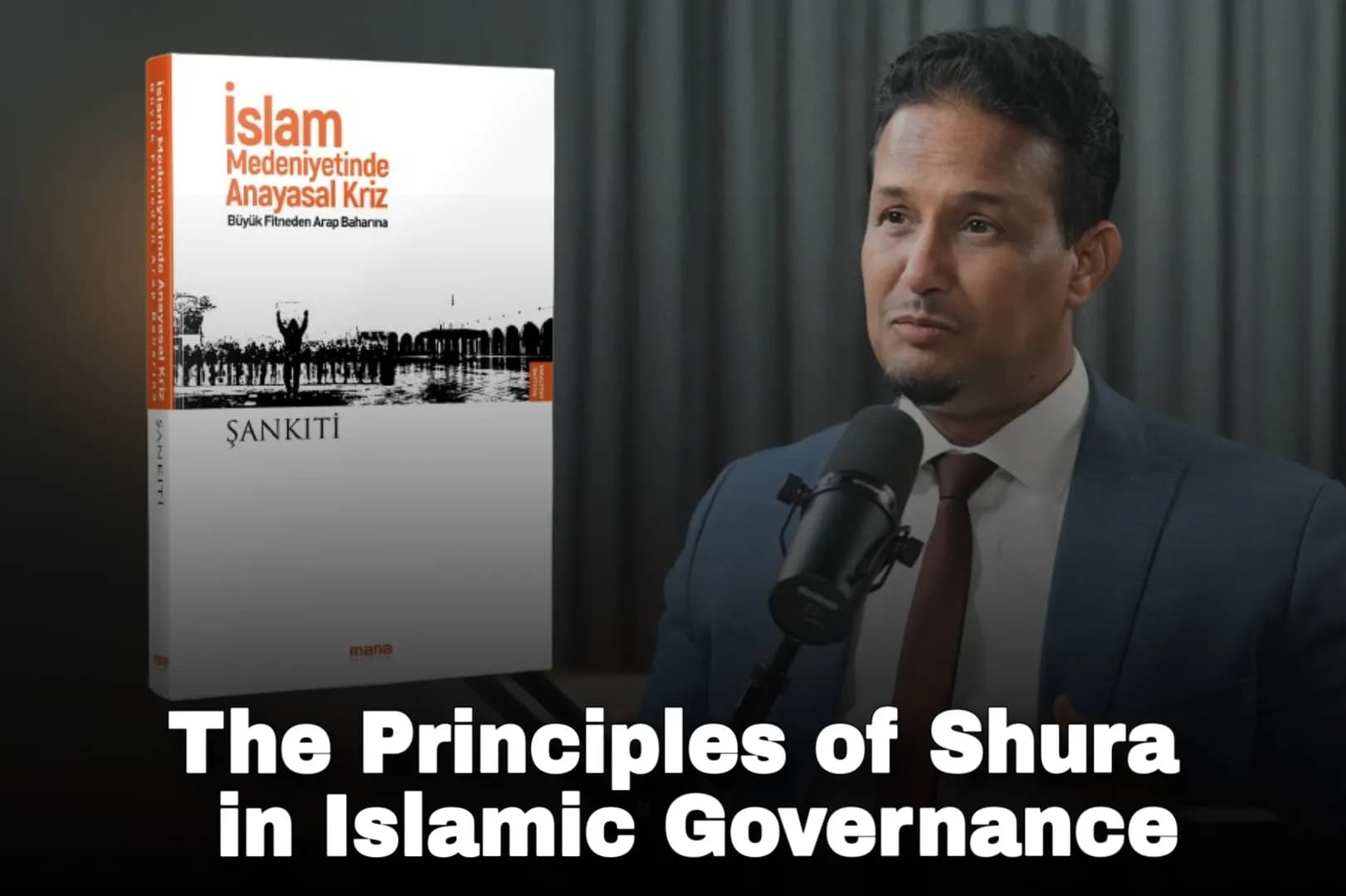
The principle of shura (consultation), one of the foundational conceptual elements of governance, emerges as an indispensable component of legitimate rule at both the theoretical and practical levels.