Global Institutions Struggle to Stop Wars
The UN Security Council's permanent members' veto powers have paralyzed action on Ukraine, Sudan, and Gaza, leaving diplomacy without enforcement.
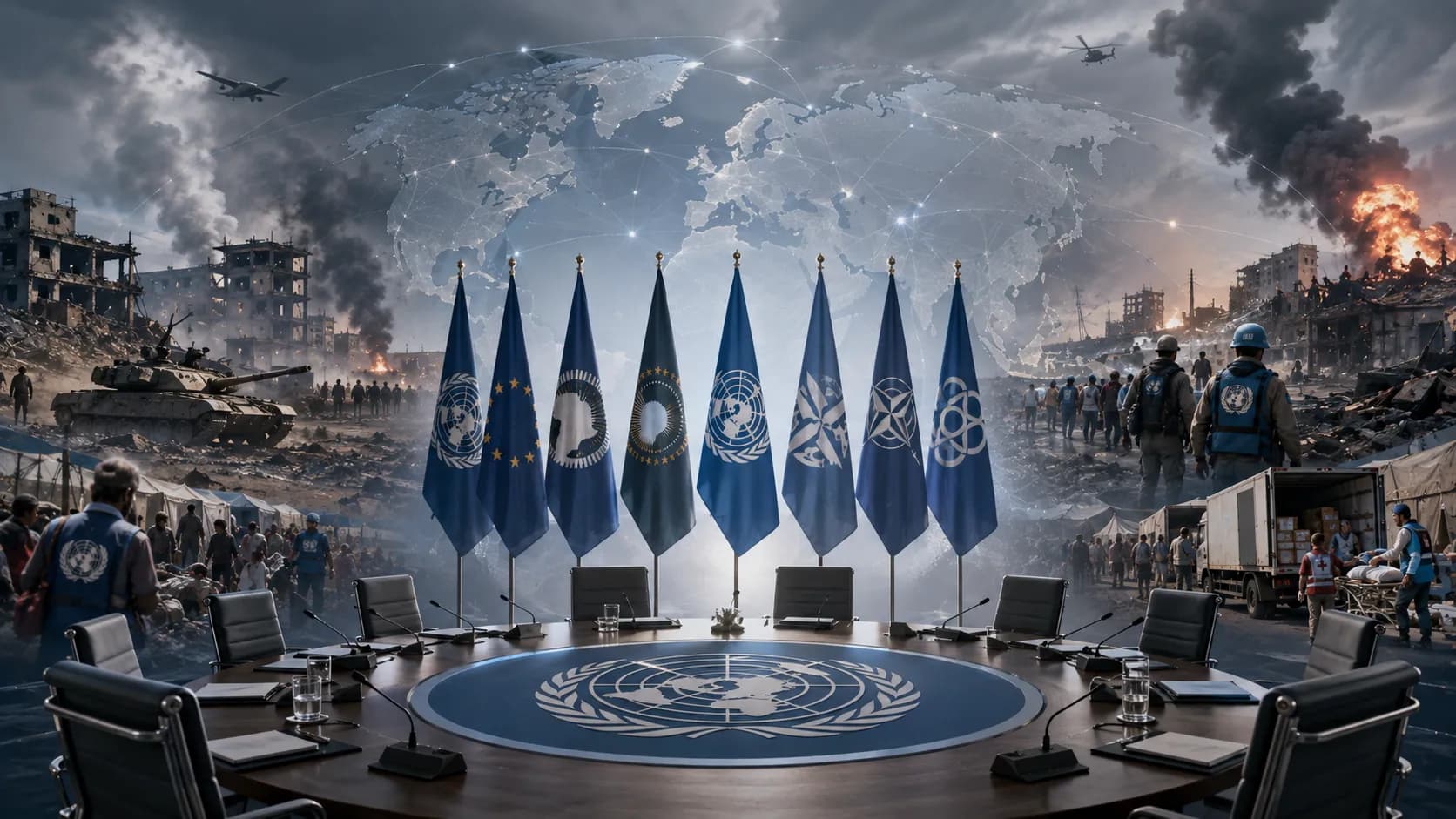
International organizations are becoming increasingly active in today's wars, but their ability to actually stop conflicts remains limited.
From Ukraine and Gaza to Sudan and other conflict zones, the United Nations, regional organizations and humanitarian agencies are simultaneously pursuing diplomacy, humanitarian relief, monitoring, peace operations and legal accountability. Yet developments in 2026 reveal a widening gap between international intervention and international enforcement.
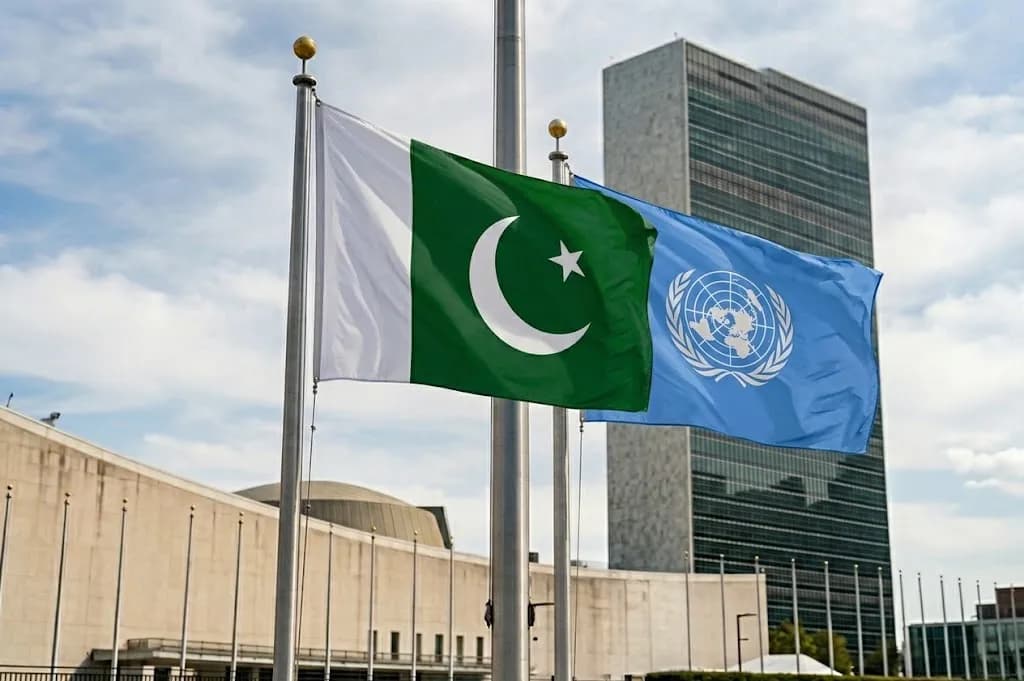
The problem is particularly visible at the UN Security Council. In the first half of 2026, the Council continued to face deep divisions at a time when the number of conflicts worldwide remained exceptionally high. Disagreements among major powers have restricted action on Ukraine, Sudan, the Palestinian territories and other crises.
Ukraine: Diplomacy Without Enforcement
Ukraine remains one of the clearest examples of the limits facing international organizations.
On August 24, UN Under-Secretary-General Rosemary DiCarlo told the Security Council that ending the war had become increasingly urgent, describing Russia's full-scale invasion as a violation of the UN Charter and international law.
The UN continues to document civilian casualties, coordinate humanitarian assistance and provide a diplomatic forum. But it has no direct mechanism capable of forcing Russia and Ukraine to end the conflict.
The Security Council's structure creates an additional obstacle because Russia is one of its five permanent members and possesses veto power.
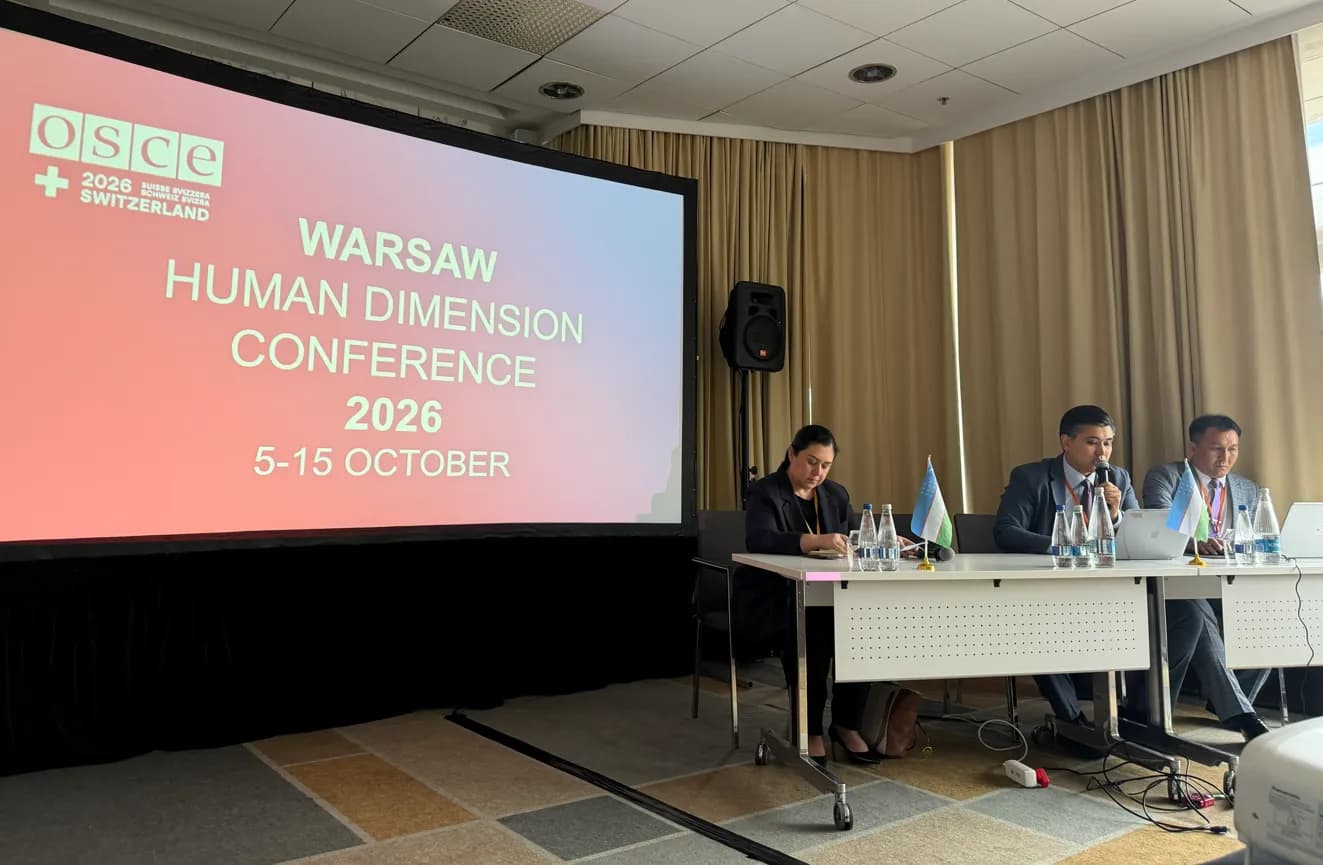
Other institutions have consequently assumed important roles. The OSCE remains a diplomatic platform for European security discussions, while the EU combines political pressure, sanctions and extensive support for Ukraine. On August 24, EU representatives again used the OSCE Permanent Council to condemn Russia's military actions and reaffirm support for Ukrainian sovereignty.
Ukraine demonstrates a central reality of contemporary international politics: international organizations can document, condemn and coordinate, but stopping a major-power war is considerably more difficult.
Gaza: From Ceasefire to Stabilization
Gaza presents a different model of intervention.
Following the 2025 ceasefire framework, international efforts increasingly shifted toward maintaining the ceasefire, facilitating humanitarian assistance and creating longer-term security arrangements.
A proposed International Stabilization Force is expected to monitor the ceasefire, support aid delivery and help train Palestinian police. Uganda has committed around 1,200 troops, while several other countries have discussed participation.
But violence has not disappeared.
The UN reported that at least 22 Palestinians were killed in Israeli military attacks between August 13 and 19. UN Human Rights continues to monitor attacks and assess their compatibility with international humanitarian law.
This illustrates another limitation of international intervention: negotiating a ceasefire can be only the beginning. Maintaining it may require monitoring, humanitarian access, political negotiations and security arrangements lasting for years.
Sudan: Regional Organizations Face a Harder Test
Sudan shows what happens when diplomatic initiatives fail to overcome the military calculations of the parties themselves.
On August 24, the UN warned that fighting was continuing across multiple fronts and that approximately 13 million people had been forced from their homes, including around 8.7 million internally displaced people.
The conflict is also becoming increasingly regional.
On August 26, the African Union expressed concern about reported air strikes inside Chad connected to the Sudanese conflict and warned against actions that could spread the war across national borders.
The AU called for restraint, dialogue and stronger regional cooperation while offering support for de-escalation efforts.
The Sudan case demonstrates why regional organizations such as the African Union can be important. They may understand regional political dynamics better than global institutions and maintain direct relationships with neighboring governments.
But they face the same fundamental problem: mediation works only when belligerents see negotiation as preferable to continued warfare.
Humanitarian Organizations Fill the Gap
When political organizations cannot stop wars, humanitarian institutions increasingly manage their consequences.
The scale of this responsibility is growing dramatically.
The World Health Organization reported 914 attacks on healthcare in conflict settings during 2026 by mid-August, resulting in at least 911 deaths and 1,486 injuries.
Ukraine, Lebanon and the occupied Palestinian territory accounted for much of the recorded violence, while incidents were also documented in Sudan, Myanmar, Iran, Syria, Nigeria and the Democratic Republic of Congo.
The International Committee of the Red Cross is operating in more than 100 armed conflicts and has warned that rising humanitarian needs are increasingly colliding with limited resources.
Humanitarian intervention therefore performs an essential function, but it also reveals a disturbing paradox.
International organizations are increasingly capable of helping people survive wars that the international political system is unable to end.
Peacekeeping Is Being Reconsidered
The crisis is also forcing the UN to reconsider its traditional peacekeeping model.
In August 2026, the Secretary-General submitted a major review of the future of UN peace operations to the General Assembly and Security Council.
The review examines how peacekeeping missions and special political missions must adapt to today's conflicts and what conditions are necessary for them to remain effective.
Traditional peacekeeping was often designed around situations where combatants had already reached some level of political agreement.
Today's wars can be very different.
Drones, long-range missiles, proxy forces, cyber capabilities, fragmented armed groups and geopolitical competition make it increasingly difficult to separate combatants, monitor ceasefires or establish secure humanitarian corridors.
The Real Crisis Is Political
International organizations still possess substantial instruments.
The UN can mediate and authorize peace operations. Humanitarian agencies can deliver assistance. Regional organizations can facilitate negotiations. International courts can investigate crimes. Financial institutions and governments can apply sanctions and economic pressure.
But almost all these mechanisms ultimately depend on cooperation from states.
That is the fundamental weakness exposed by today's conflicts.
The international system has built institutions capable of monitoring wars, documenting violations, feeding civilians, assisting refugees and negotiating ceasefires.
What it has not built is a universally effective mechanism capable of forcing powerful states and determined armed groups to stop fighting.
The central question of 2026 is therefore no longer whether international organizations intervene in wars.
They already do. The real question is whether intervention can be transformed into enough political influence to actually end them.
Ahmet Balakan
Contributing writer at EUReflect.
Follow EUReflect
See more of our reporting on Google
Mark EUReflect as a preferred source and our stories are ranked higher for you in Top Stories, Discover and Google News — and carry a “preferred” badge when they are cited in AI results.
Add EUReflect as a preferred source