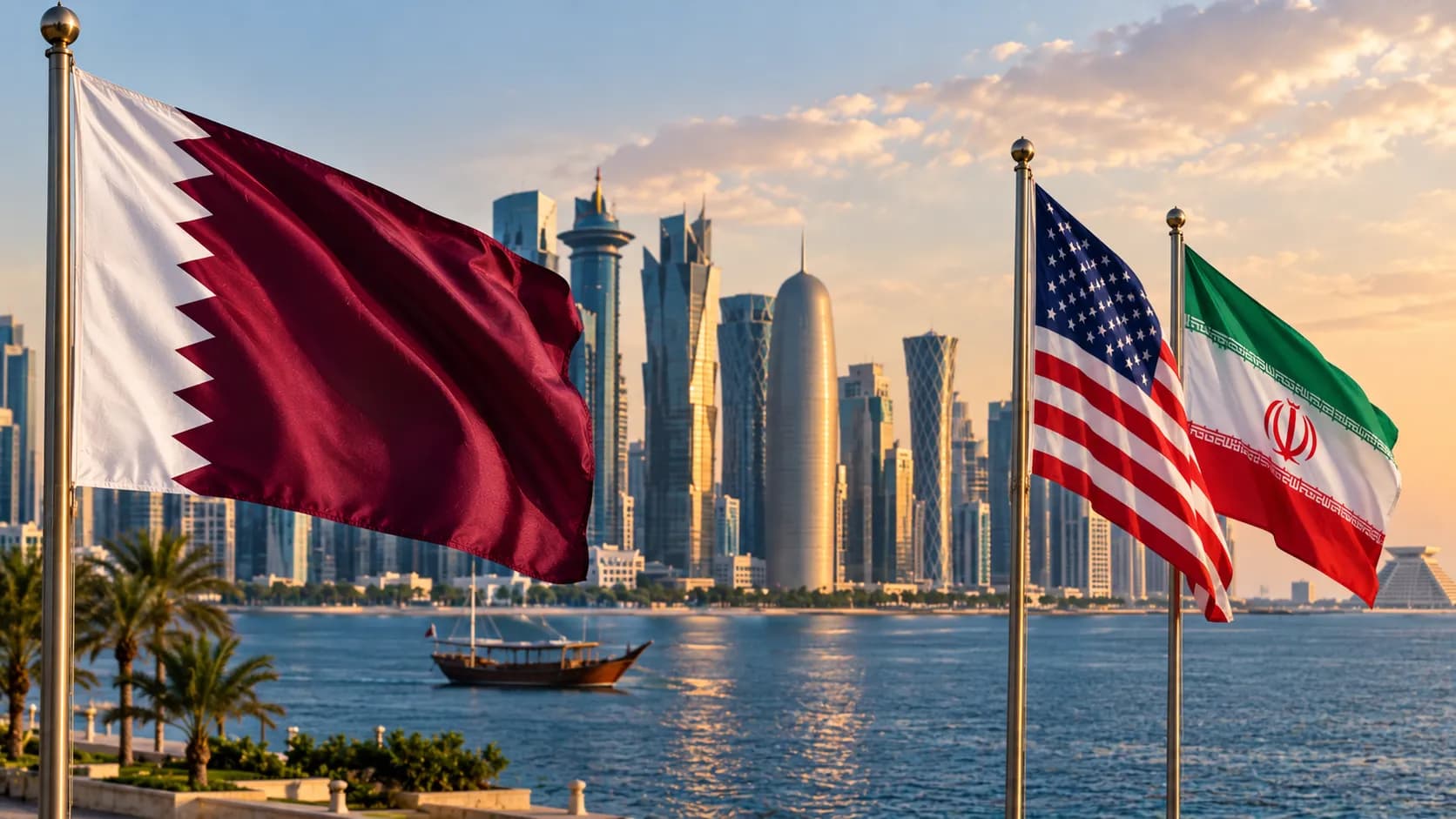
The Qatari Foreign Ministry confirmed its active role in relaying messages between Washington and Tehran in an effort to de-escalate Middle East tensions. Speaking at a press briefing in Doha, official spokesperson Dr. Majed Al Ansari reiterated Qatar's commitment to dialogue, warning against the targeting of vital infrastructure and advocating for long-term coexistence and open navigation through the Strait of Hormuz.
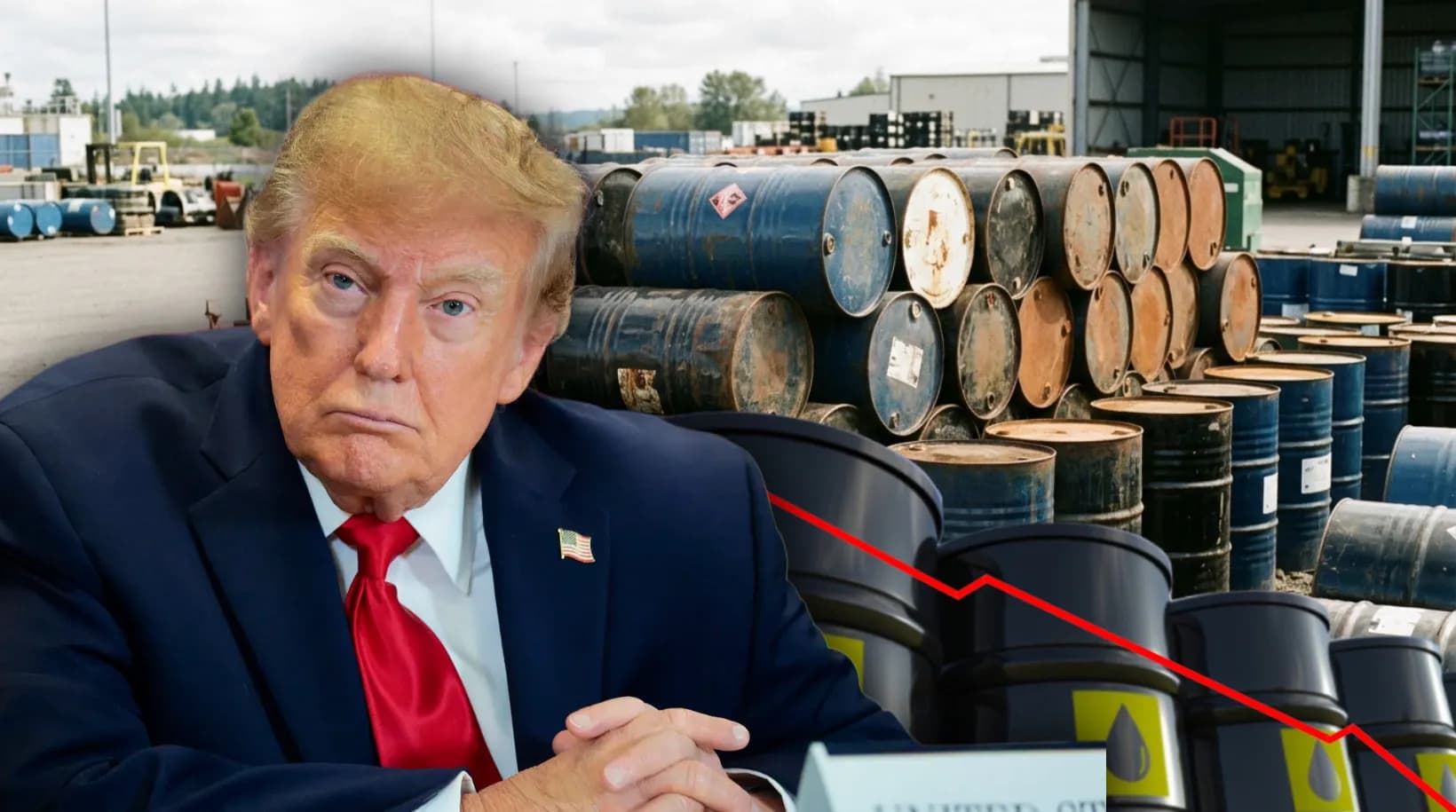
U.S. President Donald Trump announced that global oil prices will drop sharply once the conflict with Iran concludes, pointing to recent increases in U.S.-escorted crude flows through the Strait of Hormuz. Despite rejecting Tehran's proposal to fully reopen the maritime transit corridor on Iranian terms, Washington expressed confidence that ongoing military pressure will compel Tehran to concede, securing long-term regional stability and lowering global energy costs.
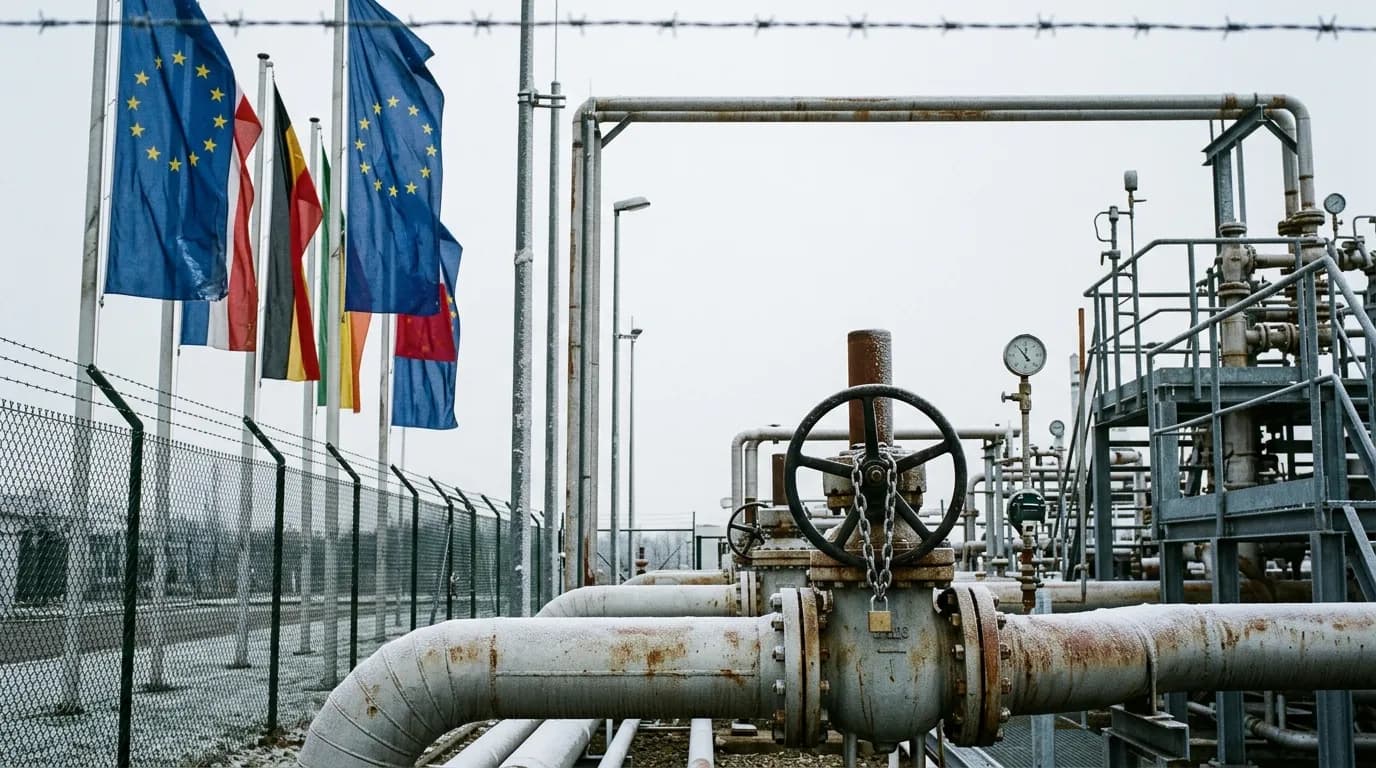
As potential U.S. diesel export restrictions threaten to deepen Europe’s energy crisis, the EU has spent an extra €100 billion on imports while getting zero additional fuel. With Strait of Hormuz disruptions pushing crude past $110, Brussels is urging mandatory consumption cuts while accelerating its push toward energy sovereignty.
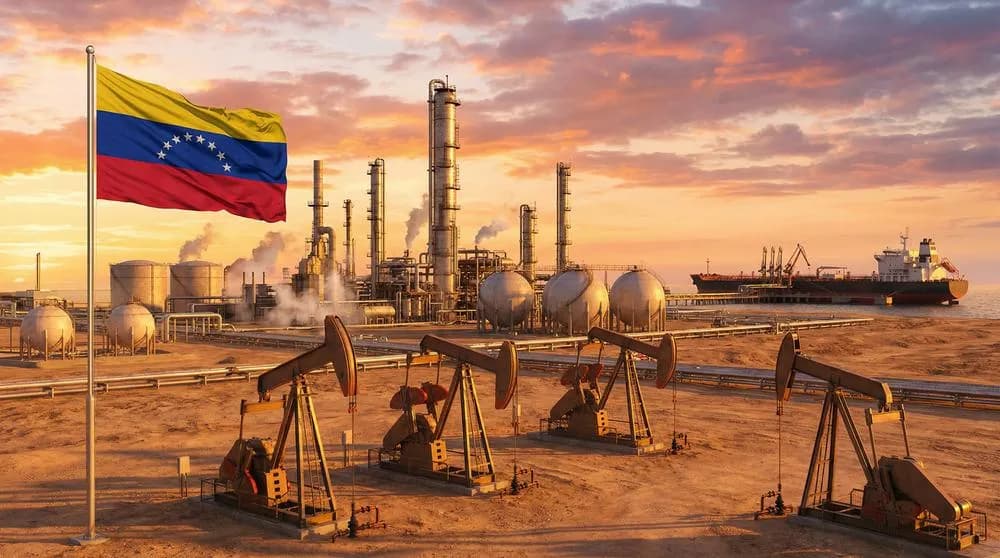
The United States and Venezuela have announced a landmark agreement that would give Washington control over more than 65 billion barrels of Venezuela’s proven oil reserves. The deal is expected to attract more than $100 billion in private investment and generate over $209 billion in tax revenues for Venezuela, although key details about its implementation remain unclear.