U.S. and Malaysia Seal Comprehensive Strategic Partnership
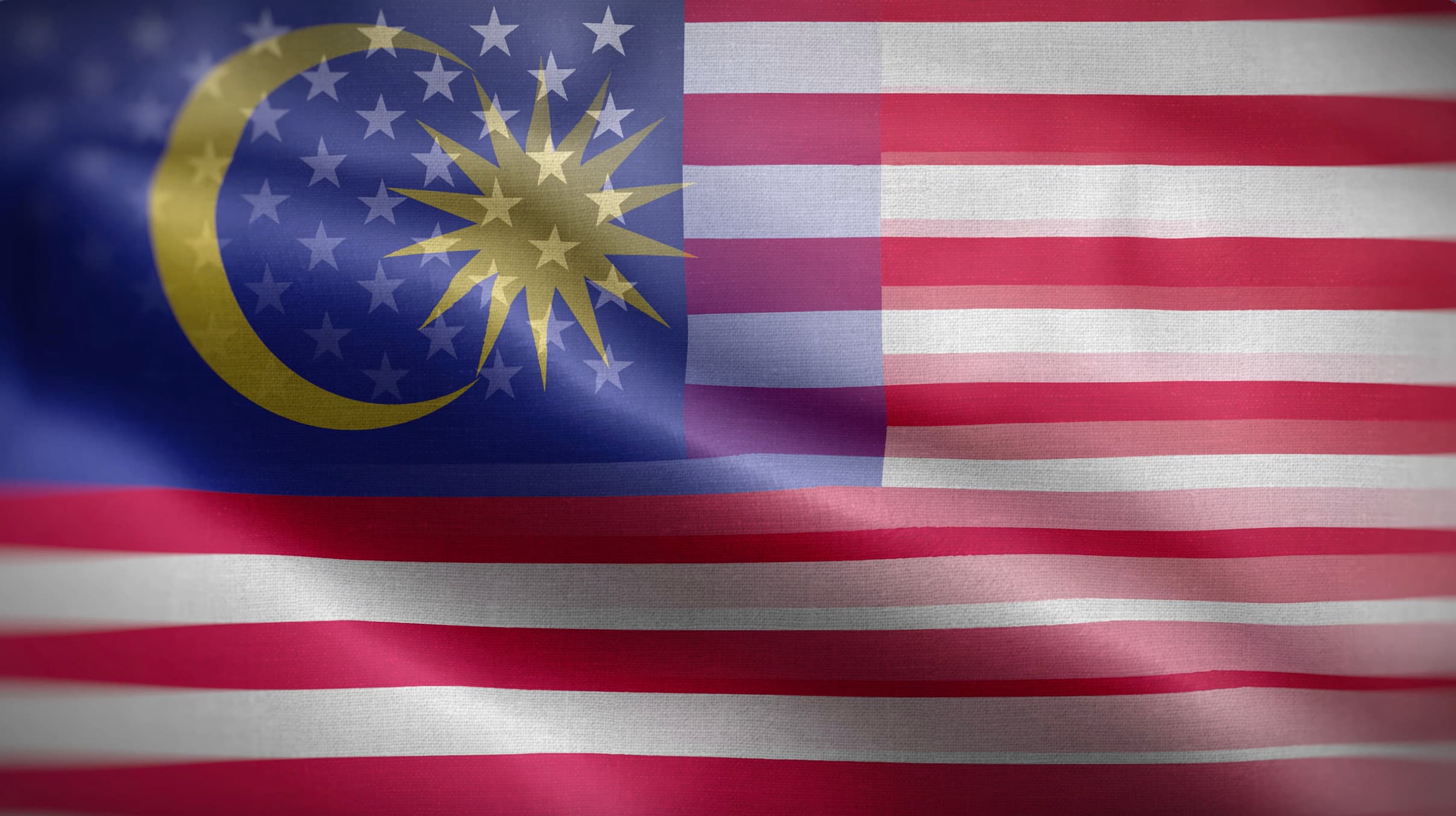
At the 47th ASEAN Summit in Kuala Lumpur, U.S. President Donald Trump and Malaysian Prime Minister Anwar Ibrahim signed a Comprehensive Strategic Partnership, marking a new era in bilateral and regional cooperation.
The 47th ASEAN Summit, hosted by Malaysia in Kuala Lumpur, gathered more than 30 global leaders, including U.S. President Donald Trump, Chinese Premier Li Qiang, Brazil’s Luiz Inácio Lula da Silva, Indonesia’s Prabowo Subianto, Canada’s Mark Carney, and U.N. Secretary-General António Guterres (1).
Held under the theme “Inclusivity and Sustainability,” the three-day meeting focused on enhancing regional security, economic resilience, and equitable growth. Malaysia, chairing the summit, emphasized building bridges between major global powers while reinforcing ASEAN’s identity as a regional stabilizer (2).
U.S.–Malaysia Partnership Elevated to Strategic Level
The summit’s most significant outcome was the signing of a Comprehensive Strategic Partnership Agreement between the United States and Malaysia, redefining the future of bilateral relations.
Prime Minister Anwar Ibrahim and President Donald Trump signed the landmark accord during a bilateral meeting on the sidelines of the summit. Malaysia’s Foreign Ministry described the agreement as a “lasting symbol of partnership and trust.”
The U.S. remains one of Malaysia’s largest trade partners and investors, with total trade volume reaching USD 71 billion in 2024. The two nations reaffirmed their shared commitment to supply chain security, clean energy transition, and technological innovation across key industries.
Economic Cooperation: Critical Minerals, Aerospace, and LNG
Alongside the strategic partnership, both nations signed a Mutual Trade Declaration focusing on critical minerals and rare-earth exports. Under the agreement, Malaysia will avoid export restrictions or quotas on U.S.-bound strategic materials, ensuring stable industrial supply chains.
Additional trade commitments include:
Procurement of 30 commercial aircraft, plus an option for 30 more;
Expansion of cooperation in semiconductors, aerospace technology, and data-center infrastructure;
Annual purchase of 5 million tons of liquefied natural gas (LNG);
Agreements covering coal and telecommunications equipment.
President Trump’s five-day Asia tour, which includes Malaysia, Japan, and South Korea, marks his first visit to the region since assuming office and underscores Washington’s intention to deepen engagement in the Indo-Pacific.
Global Cooperation and European Perspective
During the summit, European Council President António Costa praised Malaysia’s diplomatic mediation efforts in the Thailand–Cambodia ceasefire, highlighting ASEAN’s commitment to peace and dialogue.
Costa reaffirmed the European Union’s strategic partnership with ASEAN, emphasizing the importance of cooperation in a fragmented and multipolar world:
“We live in a world of growing uncertainty. Strengthening our regional alliances and global cooperation networks is more critical than ever,” he stated.
He also welcomed the progress of EU–Indonesia Free Trade Agreement negotiations and ongoing discussions with the Philippines, Thailand, and Malaysia, citing shared values of multilateralism and adherence to the U.N. Charter.
The U.S.–Malaysia Comprehensive Strategic Partnership marks a decisive turning point for both nations. For Washington, it strengthens its economic and geopolitical presence in the Indo-Pacific, balancing China’s growing regional influence. For Malaysia, it reflects an emerging leadership role in connecting global powers through pragmatic diplomacy and sustainable economic policies.
ASEAN, meanwhile, continues to assert its position as a platform of equilibrium—bridging East and West amid shifting global power dynamics. The summit demonstrated that multilateral engagement remains essential to ensuring regional stability, inclusive growth, and collective security in the 21st century.
[1] https://www.aa.com.tr/tr/dunya/47-asean-zirvesi-malezyanin-ev-sahipliginde-basladi/3726862
[2] https://asean.usmission.gov/joint-statement-on-united-states-malaysia-agreement-on-reciprocal-trade/
Botakoz Unbayeva
Contributing writer at EUReflect.
Follow EUReflect
See more of our reporting on Google
Mark EUReflect as a preferred source and our stories are ranked higher for you in Top Stories, Discover and Google News — and carry a “preferred” badge when they are cited in AI results.
Add EUReflect as a preferred source