Uzbekistan bets on Omani ports and capital in new strategic partnership
Uzbekistan and Oman upgraded their ties to a strategic partnership in Muscat this week, signing about 30 agreements and naming a $5bn list of joint projects. For a landlocked economy whose southern trade route runs through Iran, Oman's ports outside the Strait of Hormuz are the prize.
Trade between Uzbekistan and Oman came to just over $3m in the first eight months of 2026. Uzbekistan's President Shavkat Mirziyoyev wants it to reach $1bn, Trend reported from a business forum in Muscat, and the state visit that ended there on Tuesday 17 November was built around closing that gap.
Mirziyoyev and Sultan Haitham bin Tarik of Oman agreed to lift relations to a strategic partnership, adopt a roadmap and create a coordination council to track it, the Uzbek presidency said. The joint statement published by Oman's foreign ministry lists 30 agreements and memoranda, among them visa-free travel, customs, transit and the movement of goods, free economic zones, finance, health, agriculture and housing. The two sides also signed the terms of reference for a preferential trade agreement and committed to keep negotiating it.
Money on the table
Uzbek officials put a $5bn price on a portfolio of joint projects announced at Tuesday's forum, according to Trend, which cited the presidential press service. Oman Observer put the number of projects at about 35. The list includes cable and transformer production for export to neighbouring markets, logistics facilities in the Omani port of Sohar, chemicals and mineral-processing ventures, and a joint company to develop and launch satellites.
The most concrete deal came from Oman's Voltamp Energy. With Uzbek partner UET Construction it signed a joint development agreement for a 500MW solar plant in the Fergana region, which Uzbekistan's Energy Ministry valued at about $350m, Trend reported. The ministry expects the plant to generate about 1bn kWh a year and save around 250m cubic metres of gas. It is not yet a firm investment: Voltamp is still studying the site before making a commercial proposal. Voltamp also agreed to build a high-voltage transformer plant in Tashkent region.
Omani money already has a vehicle in the country. The Omani Uzbek Investment Company (UzOman), set up in 2009 by the Oman Investment Authority (OIA) and Uzbekistan's Fund for Reconstruction and Development, has put more than $256m into building materials, logistics, retail and agrochemicals, Investment Minister Laziz Kudratov said, according to Oman Observer. The leaders agreed to lift its authorised capital to $500m.
They also asked for a quick start to a Central Asia and Caucasus investment fund backed by Omani capital. In October the OIA signed a letter of intent with partners including China Investment Corporation, Türkiye's armed forces pension fund OYAK and the Eurasian Development Bank for a fund of that name with a $500m target, The Times of Central Asia reported.
Why the ports matter
Oman's joint statement casts the sultanate's ports as a gateway for Uzbek goods, and Uzbekistan as a gateway for Omani trade and investment into Central Asia. Uzbekistan's Transport Minister Ilkhom Makhkamov met Abdulrahman Al Hatmi, chief executive of the Omani logistics company Asyad Group, to discuss shipping Uzbek farm produce and other goods through Sohar, Duqm and Salalah to Africa and beyond, according to Trend. Asyad already has a foothold: since June it has controlled two Tashkent freight terminals that handle about a quarter of Uzbekistan's rail container traffic, The Times of Central Asia reported.
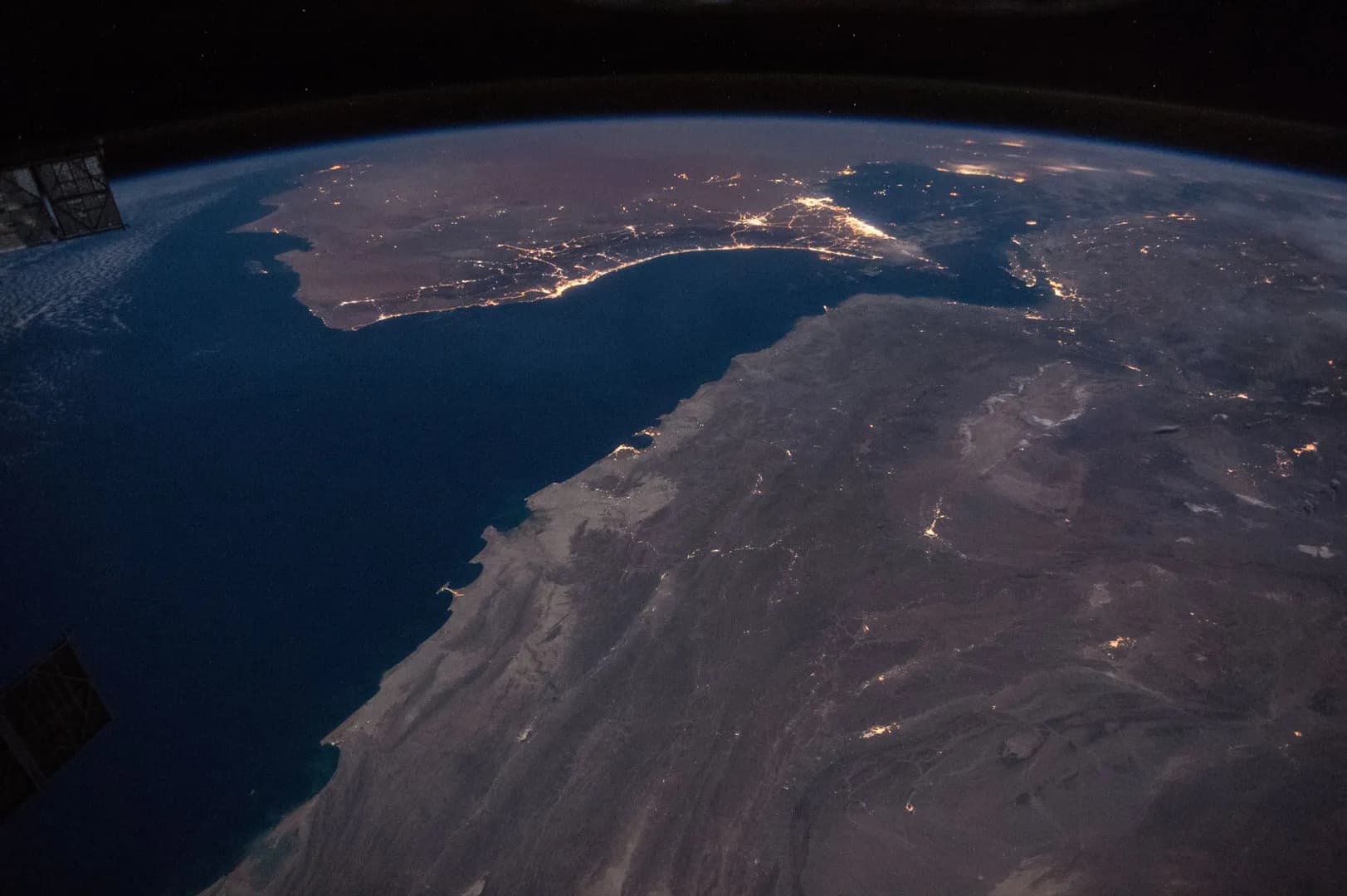
Geography is the obstacle. Uzbekistan and Liechtenstein are the only two doubly landlocked countries, as an Oman Observer profile noted ahead of the visit. The corridor Tashkent has pursued since the 2011 Ashgabat Agreement runs through Turkmenistan and Iran. In 2025 about 9% of Uzbek imports and 10% of non-gold exports went through Iran, and Uzbekistan's Ministry of Economy and Finance puts the possible cost of Middle East instability to the economy at $1bn–1.5bn, The Times of Central Asia reported.
That keeps Iran in the middle of the plan. Uzbekistan's Foreign Minister Bakhtiyor Saidov held a three-way meeting in Muscat with his Omani and Iranian counterparts, Sayyid Badr Albusaidi and Abbas Araghchi, on trade, transit routes and easing regional tensions through diplomacy, Trend reported, citing Saidov's Telegram channel. The joint statement does not mention Iran. Sohar lies outside the Strait of Hormuz, but US Central Command has said its enforcement covers vessels of all nationalities using Iranian ports, so cargo sailing from Iran to Oman would still be exposed, as The Times of Central Asia pointed out.
The gap between plans and trade
Most of this is still on paper. Oman's National Centre for Statistics and Information recorded bilateral trade of RO1.15m in January–August 2026. Kudratov put it at more than $3m, over three and a half times the level a year earlier and already above the total for 2025, and said trade "remains below the available potential but is recording accelerated growth", Oman Observer reported. Oman Air's direct Muscat–Tashkent service only started in July.
Much depends on the trade agreement and on whether a new Uzbek-Omani business council and a working group due to meet every quarter, both agreed with Omani company heads on 16 November, according to the Uzbek presidency, can turn the project list into signed contracts. Uzbekistan has proposed opening the trade talks in December with an initial 200 product categories, The Times of Central Asia reported, citing Muscat Daily. Sultan Haitham has accepted an invitation to pay a state visit to Uzbekistan; the joint statement gives no date.
For investors in Europe and the Gulf, the visit shows a Central Asian government spreading its bets on routes and partners while war disrupts trade through Iran.
Related on EUReflect: Iran crisis, Central Asia gains? · ACWA Power beyond the Gulf: Central Asia and Caucasus · Why Central Asia is moving onto the US investment map: the Uzbekistan opportunity
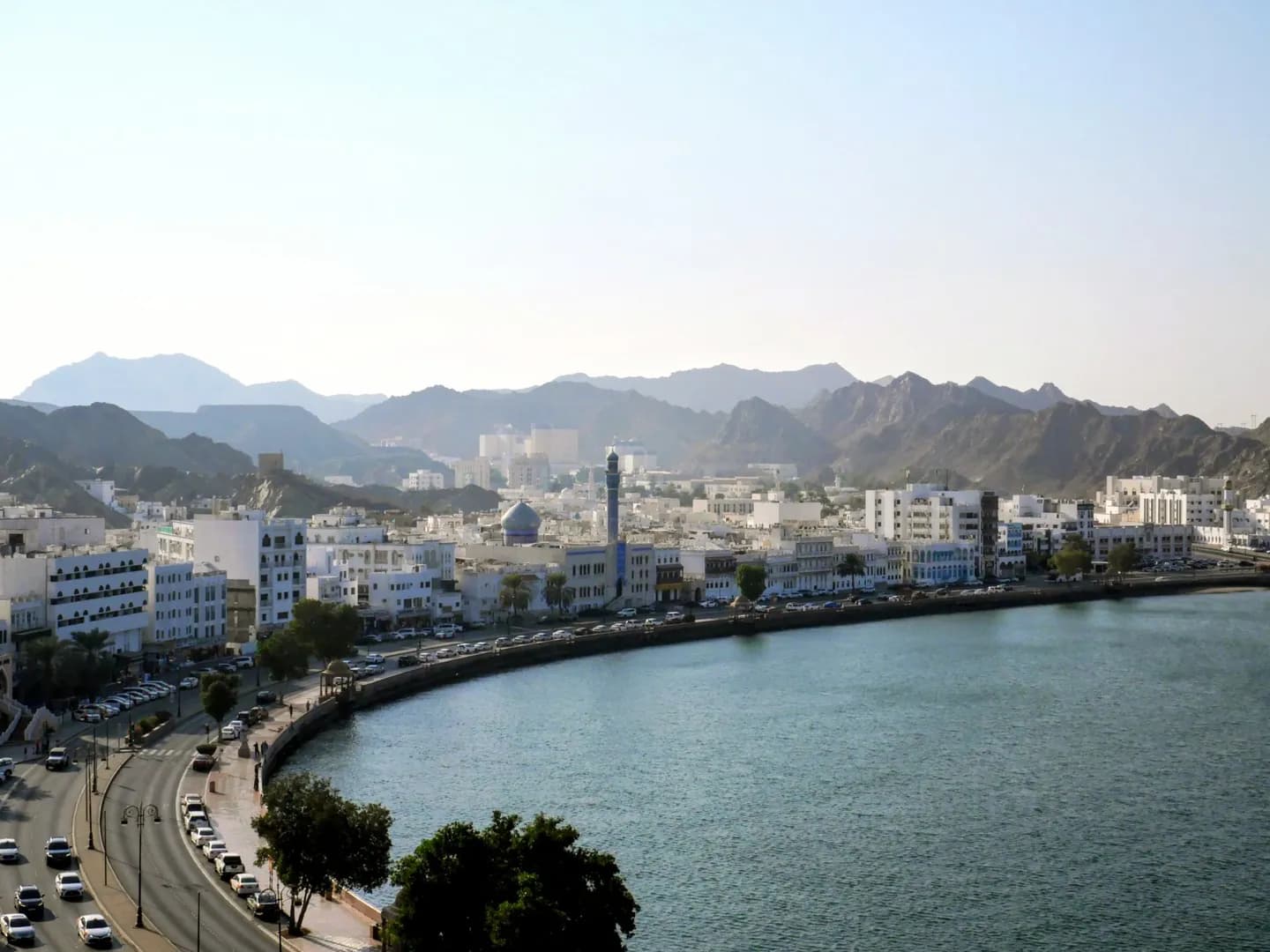
Main image: The Muttrah waterfront in Muscat, the Omani capital where Uzbekistan and Oman agreed their strategic partnership this week. Photo: Izeberg007 / Wikimedia Commons, CC0.
Related Topics
EUReflect News
Site Administrator
Follow EUReflect
See more of our reporting on Google
Mark EUReflect as a preferred source and our stories are ranked higher for you in Top Stories, Discover and Google News — and carry a “preferred” badge when they are cited in AI results.
Add EUReflect as a preferred source