Why Loneliness Is Rising in Europe
Loneliness is increasingly being understood not simply as a private emotional experience, but as a broader psychological and social issue. New European research shows that younger generations are particularly vulnerable, while changes in social life, digital communication, work patterns and community structures are reshaping how people experience connection.

The Changing Psychology of Social Connection in Europe
Loneliness has become one of the most visible psychological and social concerns in contemporary Europe. Although feeling lonely is not a new human experience, recent research suggests that its scale and social significance deserve greater attention. The World Health Organization estimates that approximately one in six people worldwide experience loneliness, with adolescents and young adults among the groups most affected.
Importantly, loneliness should not be confused with social isolation. A person can have frequent social contact and still feel lonely, while another person may spend considerable time alone without experiencing loneliness. Psychologically, loneliness is primarily concerned with the perceived quality and adequacy of one's social relationships.
Young Adults Are Particularly Vulnerable
Recent international research provides further evidence of the problem among younger adults. A 2026 study covering eight countries found that nearly four in ten adults reported loneliness, while the proportion approached one in two among people aged 18–24. The study also found substantially higher levels of depression and anxiety among people experiencing loneliness.
European data point in a similar direction. In Great Britain, official statistics published in 2026 showed that 27% of adults aged 16–29 reported feeling lonely often, always or some of the time. The proportion was higher among younger adults than among people aged 50 and above.
These findings challenge the assumption that loneliness is primarily an issue associated with old age. Young adulthood can involve major transitions, including moving away from home, entering university or employment, relationship changes and the development of new social identities. These transitions can create periods in which existing social networks become weaker before new ones are fully established.
More Connections Do Not Necessarily Mean Less Loneliness
One of the most important psychological distinctions is between the number of social interactions and the subjective experience of connection.
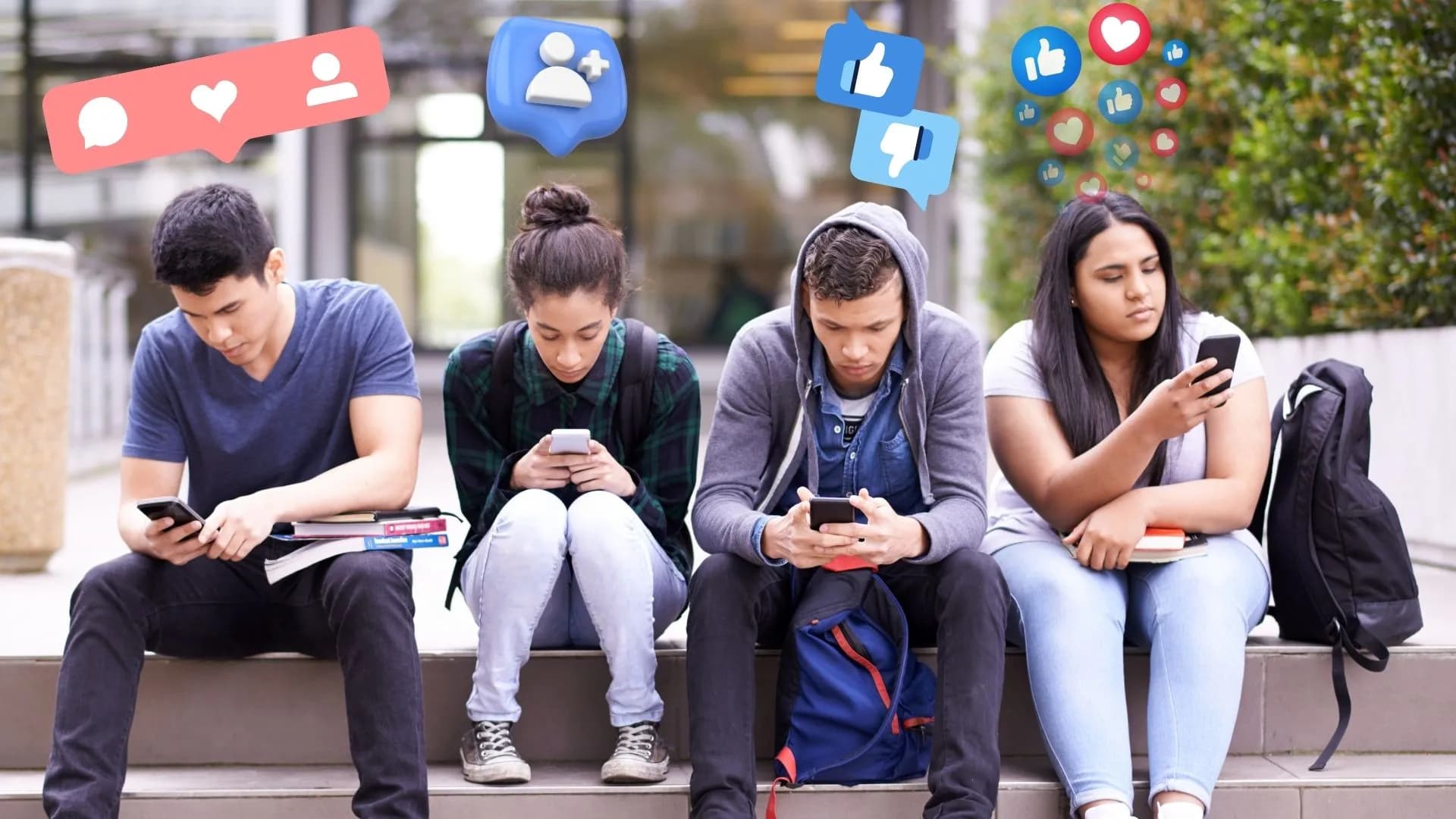
Digital communication allows people to remain continuously connected to friends, colleagues and wider social networks. Yet frequent interaction does not automatically produce meaningful social connection. A person may communicate with dozens of people during a day while still feeling that they lack someone with whom they can share vulnerability, trust or emotional support.
This distinction has become increasingly important as social relationships move between physical and digital environments. Social media can facilitate contact and community formation, but the psychological effects depend on how technology is used and how it interacts with existing relationships.
The issue is therefore more complex than simply asking whether people are spending too much time online. The more important question is whether contemporary forms of communication are creating relationships that people experience as meaningful and supportive.
Loneliness and Mental Well-Being
Loneliness is also relevant because of its relationship with psychological well-being. The WHO Commission on Social Connection has linked loneliness and social isolation with poorer mental health, including increased risks of depression and anxiety.
Recent research continues to examine how these relationships develop. A 2025 longitudinal study from Germany, for example, investigated predictors of emotional loneliness in young adulthood and highlighted the importance of earlier social and developmental experiences.
Loneliness should not, however, be treated as a diagnosis in itself. It can be temporary, situational or persistent, and its causes can differ substantially between individuals. The psychological meaning of loneliness therefore depends on personal circumstances, social environment and the availability of supportive relationships.
From Individual Experience to Social Issue
The growing interest in loneliness has also changed the way policymakers approach the problem.
The United Kingdom has been experimenting with social prescribing, in which healthcare professionals or local services connect people with community activities such as exercise groups, arts programmes and social organisations. The underlying idea is that some forms of psychological distress cannot be addressed exclusively through clinical treatment when the problem is partly rooted in social disconnection.
This approach reflects a broader shift in psychological thinking: well-being is influenced not only by individual characteristics but also by the environments in which people live.
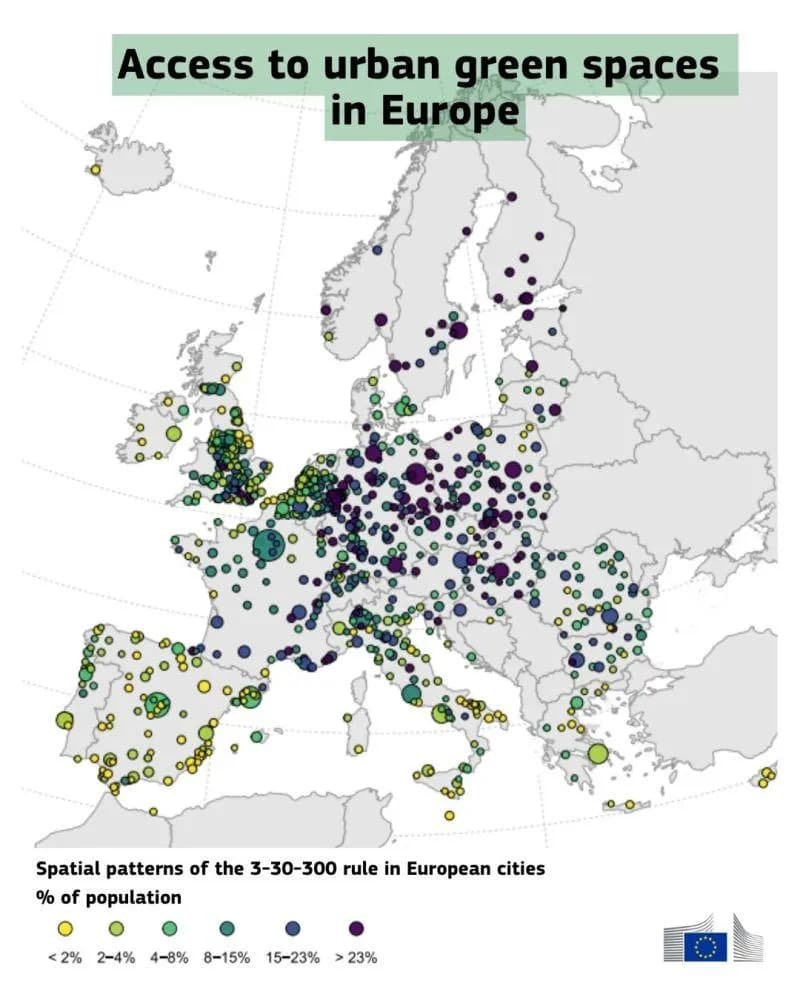
European discussions increasingly consider questions such as access to public spaces, community organisations, housing, employment, education and opportunities for social participation. These factors can shape whether people have regular opportunities to establish and maintain meaningful relationships.
Why This Matters for Psychology
Loneliness provides an important example of how psychology intersects with society.
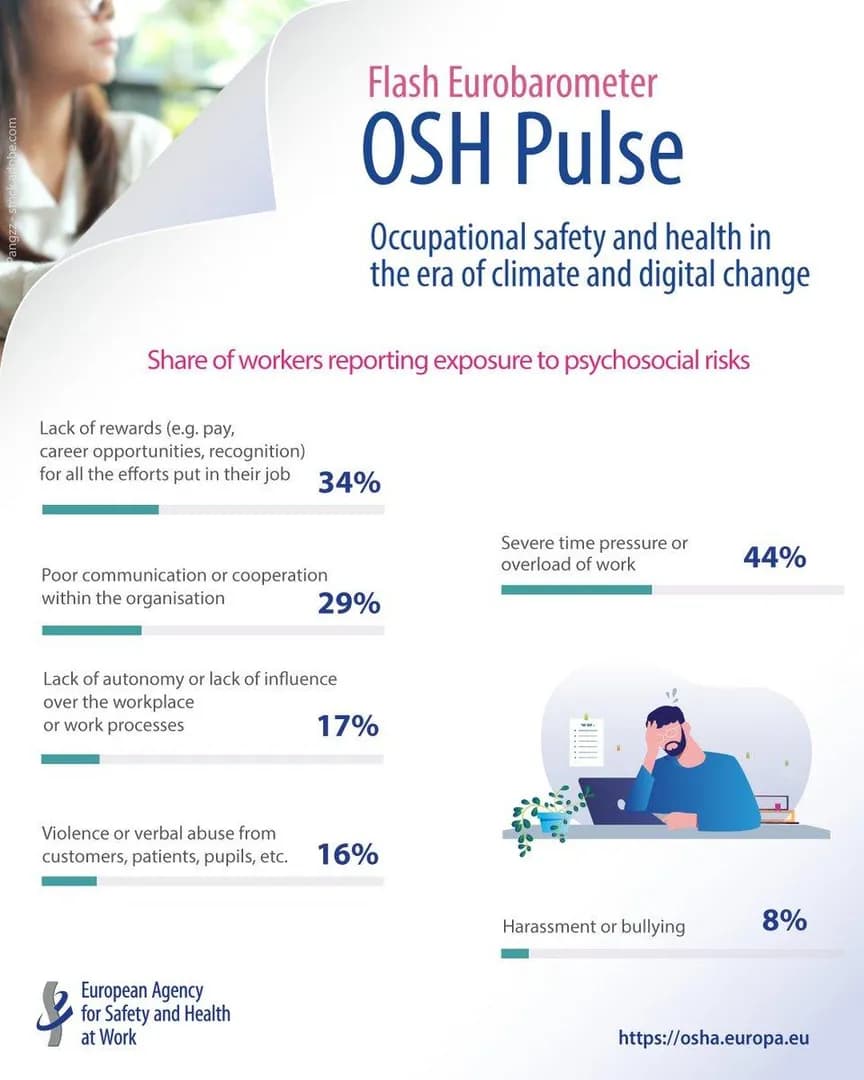
It is an individual emotional experience, but it is also influenced by social structures. The psychological study of loneliness therefore cannot be separated entirely from questions about how people work, study, communicate, form relationships and participate in communities.
The growing European focus on loneliness does not mean that every experience of solitude is harmful. Time alone can be restorative, creative and psychologically valuable. The central issue is whether solitude is chosen and satisfying or experienced as an unwanted absence of meaningful connection.
As European societies continue to change, understanding this distinction will become increasingly important. The challenge for psychology is not simply to help people feel less lonely, but to understand what kinds of relationships, environments and communities allow people to experience genuine social connection.
Ipek Tuncer
M.A. in International Relations
Follow EUReflect
See more of our reporting on Google
Mark EUReflect as a preferred source and our stories are ranked higher for you in Top Stories, Discover and Google News — and carry a “preferred” badge when they are cited in AI results.
Add EUReflect as a preferred source