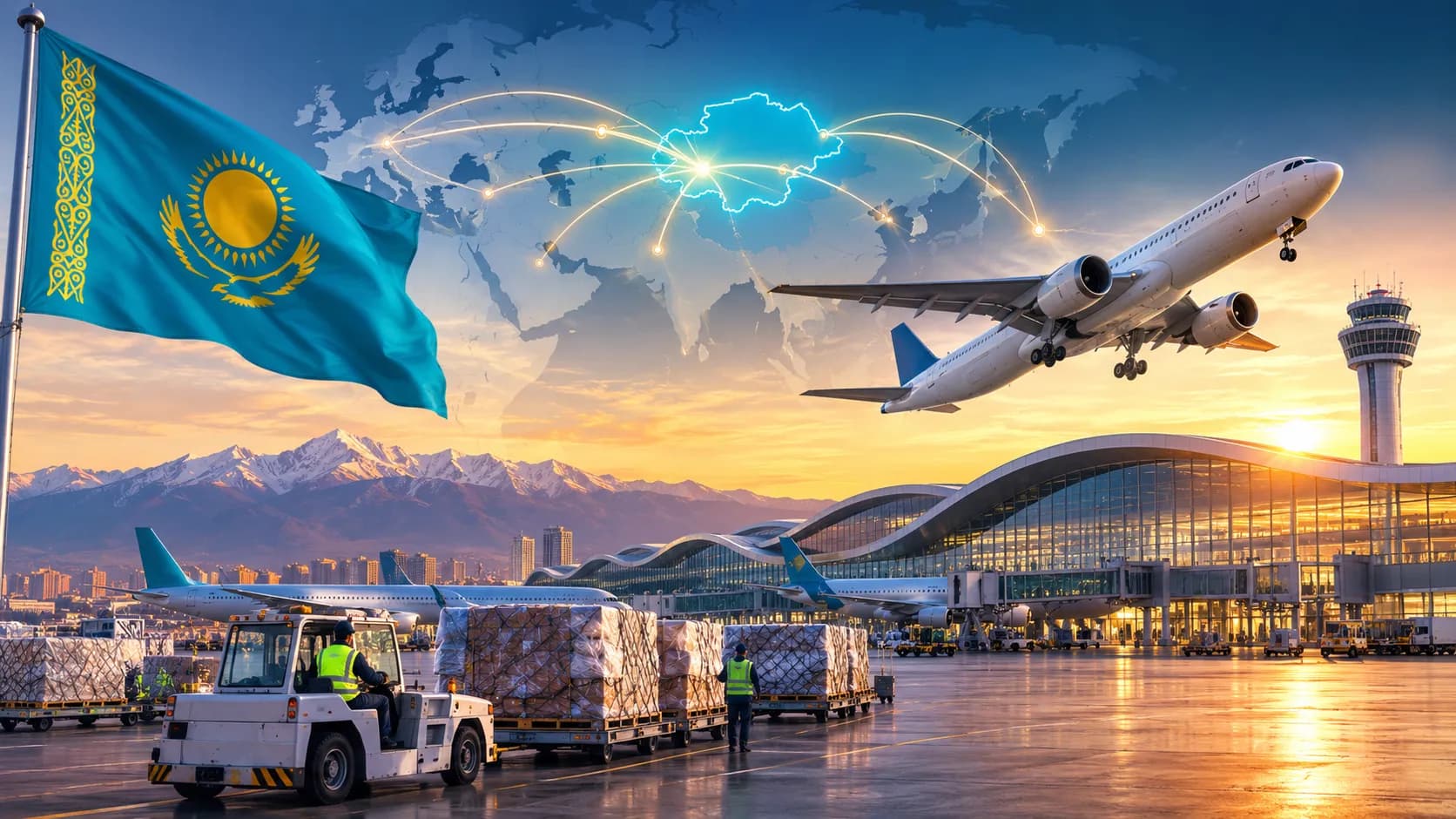
Global Energy Crisis Deepens as Oil Supply Losses Set to Double, IEA Warns
The international energy system is facing its most severe disruption in decades, with oil supply losses expected to double in April, according to new analysis from the International Energy Agency (IEA), as the cascading effects of armed conflict strain global markets and expose the fragility of existing supply chains.
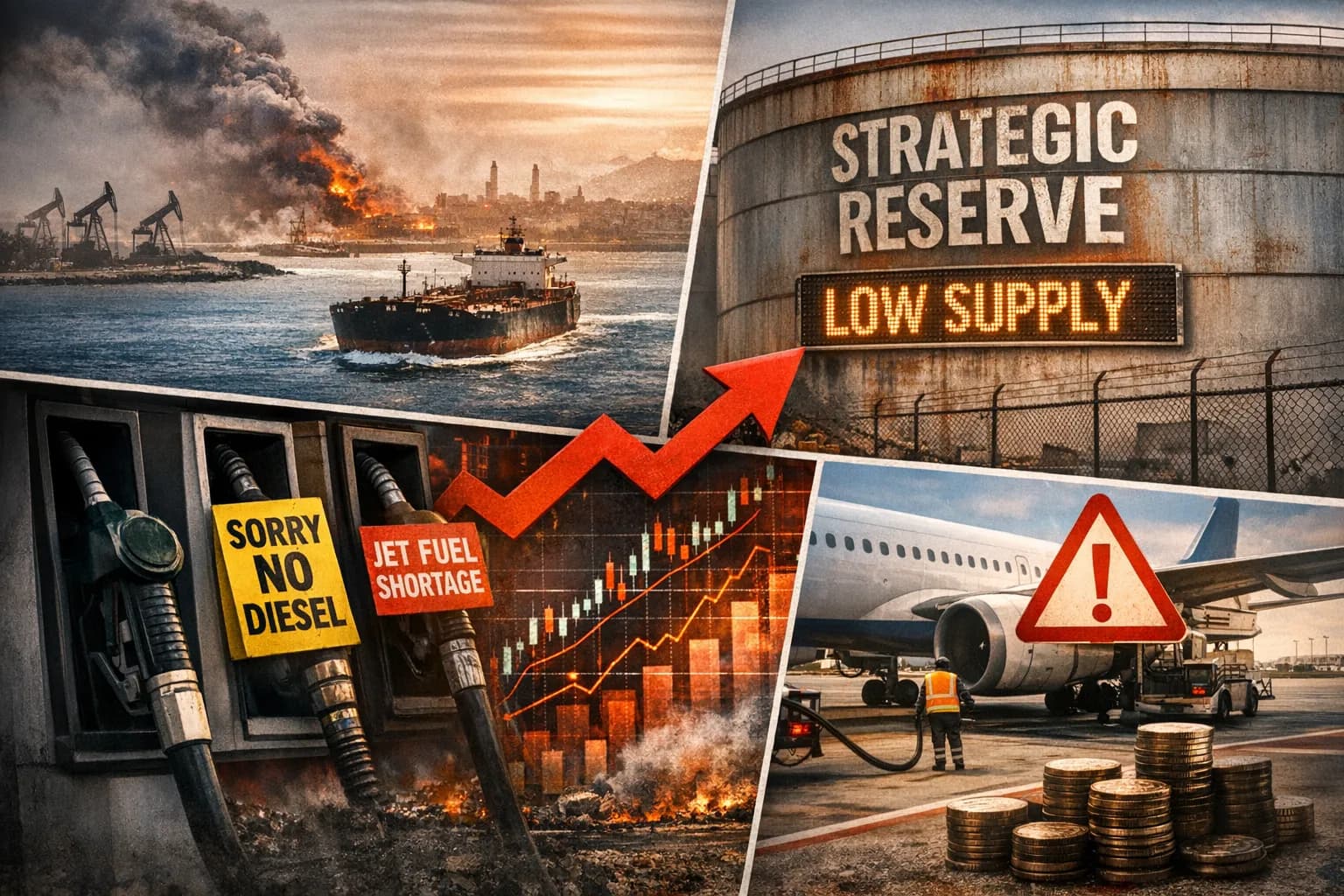
The warning comes amid an already volatile energy landscape, where emergency reserves have been tapped at historic levels and acute shortages of diesel and jet fuel are beginning to emerge across Asia and, increasingly, Europe. Analysts now warn that the situation is evolving into a systemic energy crisis with the potential to fuel persistent inflation and tip major economies into sharper slowdowns.
Supply Losses Accelerate
The IEA’s latest market assessment, released late last month, projects that global oil supply disruptions will double in April compared to the previous month. The losses stem from a combination of infrastructure damage, export restrictions, and sanctions enforcement linked to ongoing geopolitical tensions in key producing regions.
While the agency has not publicly detailed every contributing factor, market sources indicate that the disruption is concentrated in shipments from the Black Sea region and select OPEC+ producers facing logistical bottlenecks. The cumulative effect, traders say, is a tightening of crude and refined product markets that was already evident in rising benchmark prices throughout March.
“What we are witnessing is not a typical supply shock,” said one senior energy analyst in Brussels who follows IEA data closely. “This is structural pressure on a system that has already been running on thin margins for two years. When you lose supply at this rate, the margin for error becomes zero.”
Emergency Reserves Depleted
In response to the initial wave of supply disruptions, the IEA and its member countries orchestrated two of the largest coordinated releases from emergency stockpiles in history. Those releases—totalling hundreds of millions of barrels—helped stabilize markets in the short term but have now left strategic reserves at their lowest levels in decades.
According to data compiled from national energy ministries, the United States’ Strategic Petroleum Reserve now stands at levels not seen since the early 1980s. European and Asian member countries have similarly drawn down stocks, leaving limited ammunition for any future price shocks.
“The emergency reserves were designed for temporary, acute disruptions,” a former IEA official told this publication. “They were never meant to compensate for sustained supply losses. Now that those reserves are depleted, the market is exposed.”
Diesel and Jet Fuel Shortages Emerge
Perhaps the most immediate consequence of the supply crunch is being felt in refined products, particularly diesel and jet fuel. Asia has emerged as the first region to show visible stress, with refinery margins for middle distillates surging to multi-year highs in recent weeks.
In Europe, where the continent has already undergone a historic shift away from Russian pipeline gas, the emerging diesel shortage threatens to compound inflationary pressures that have only recently shown signs of moderating. Diesel is the lifeblood of European logistics, agriculture, and manufacturing, and any sustained price increase will feed directly into consumer prices.
“Asia is the canary in the coal mine,” said a fuel trading executive based in Singapore. “When you see diesel shortages in that market, it is only a matter of weeks before Europe feels the same pressure. The product markets are global, and there is no spare capacity anywhere.”
Jet fuel, similarly, is seeing tightening supply as global air travel demand continues its post-pandemic recovery. Several European airlines have privately warned that fuel costs could force further fare increases or capacity adjustments in the second half of the year.
Systemic Risks and Economic Fallout
The convergence of supply losses, depleted reserves, and emerging product shortages has led a growing number of economists to revise their outlook for the global economy. The risk, they say, is no longer simply one of elevated energy prices but of a systemic energy crisis that could trigger a broader economic slowdown.
“This is not 2022 all over again—it is different and in some ways more dangerous,” said a macroeconomist at a Brussels-based policy institute. “Then, we had high prices and the shock of reorienting supply chains. Now, we have the same prices but with depleted strategic stocks, tighter global refining capacity, and an economy that is far more sensitive to another energy shock.”
Central banks, which have spent the past two years battling post-pandemic inflation, now face the prospect of renewed energy-driven price pressures at a moment when growth is already slowing. The European Central Bank and the Federal Reserve have both signalled that they are monitoring energy markets closely, though neither has indicated a change in policy trajectory.
Outlook Uncertain
The IEA has not yet issued formal demand-restraint recommendations, but market observers note that such measures—including voluntary conservation and coordinated fuel switching—are likely to be discussed at the agency’s next ministerial meeting if supply conditions do not stabilize.
For European policymakers, the crisis arrives at a politically sensitive moment. Governments across the continent have already spent billions shielding households and industries from previous energy price spikes, leaving fiscal room constrained. The challenge now is to balance emergency support with the need to preserve incentives for long-term energy transition investments.
“We are at a critical juncture,” the Brussels-based macroeconomist added. “The decisions made in the next six to eight weeks will determine whether this remains a severe but manageable energy shock or evolves into a full-blown economic crisis.”
As global oil markets enter April, all eyes will be on whether supply losses materialize as projected and whether the remaining strategic reserves—and market mechanisms—can absorb the pressure. What is already clear, however, is that the era of ample, low-cost energy that defined much of the previous decade has given way to a period of persistent volatility and structural scarcity.
— Reporting contributed from Brussels, London, and Singapore.
Olha Pashchenko
Contributing writer at EUReflect.
Follow EUReflect
See more of our reporting on Google
Mark EUReflect as a preferred source and our stories are ranked higher for you in Top Stories, Discover and Google News — and carry a “preferred” badge when they are cited in AI results.
Add EUReflect as a preferred source