Possible Disruption in the Strait of Hormuz Raises Fears for Global Energy Markets
Growing tensions around the Strait of Hormuz are raising concerns among global markets and energy analysts. As one of the world’s most important oil transit routes, any potential disruption could significantly affect energy supplies, trade flows, and economic stability worldwide. Experts warn that prolonged instability in this strategic waterway may lead to rising oil prices and increased pressure on the global economy.
What Would the Closure of the Strait of Hormuz Mean for the Global Economy?
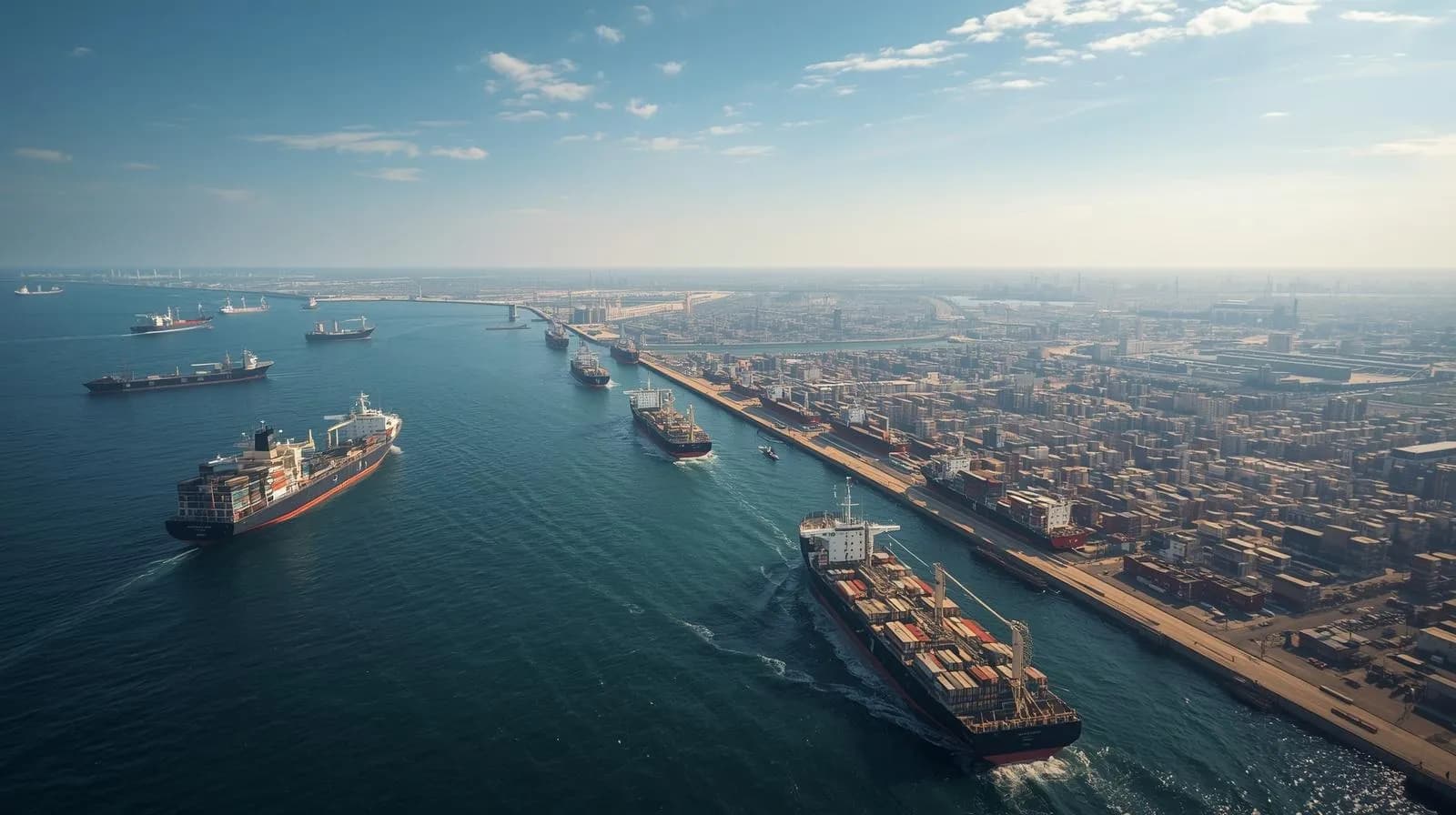
The Strait of Hormuz is considered one of the most critical maritime routes in the world. A significant portion of global oil and gas exports passes through this narrow waterway, connecting energy-producing countries in the Gulf region with markets across Asia, Europe, and beyond. Because of its strategic importance, any disruption in this passage can have immediate consequences for global energy supplies and economic stability.
Why the Strait of Hormuz Matters
The strait serves as a vital corridor for international energy trade. Every day, millions of barrels of crude oil and petroleum products move through this route toward major consuming nations. This makes the stability of the strait essential for maintaining balance in global energy markets.
If shipping activity were interrupted or the strait were closed for an extended period, the world could face serious challenges in maintaining stable energy supplies.
Potential Impact on Oil Prices
A disruption in traffic through the Strait of Hormuz would likely reduce the amount of oil reaching global markets. When supply declines while demand remains steady, prices typically rise.
Higher oil prices would affect more than just energy companies. Transportation, manufacturing, and electricity generation all depend heavily on fuel, meaning increased energy costs could quickly spread across multiple sectors of the global economy.
Broader Economic Consequences
Rising energy prices often contribute to higher inflation. As production and transportation costs increase, businesses may raise prices on goods and services. This can weaken consumer purchasing power and slow economic growth.
If such conditions persist, some economies may experience a noticeable slowdown, and in more severe cases, the global economy could face a period of recession.
Effects on Trade and Supply Chains
The consequences of a disruption in the Strait of Hormuz would not be limited to energy markets. Global trade could also feel the pressure. Higher fuel prices would increase shipping costs, which in turn could raise the prices of many imported goods.
Businesses that rely on international supply chains might experience delays in shipments and rising operational costs, potentially affecting production timelines and market stability.
Are There Alternative Routes?
While certain pipeline networks exist that allow oil to bypass the strait, their capacity is relatively limited compared to the large volumes transported daily through this maritime corridor. As a result, these alternatives cannot fully replace the role of the strait in global energy transportation.
Conclusion
The Strait of Hormuz remains one of the most strategically important locations in the global energy system. Any prolonged disruption in this critical passage could trigger rising energy prices, market volatility, and broader economic uncertainty worldwide.
For this reason, governments, energy markets, and international institutions closely monitor developments in the region, recognizing that stability in this key shipping lane is closely linked to the stability of the global economy.
Abbas Al-Zuhairy
Contributing writer at EUReflect.
Follow EUReflect
See more of our reporting on Google
Mark EUReflect as a preferred source and our stories are ranked higher for you in Top Stories, Discover and Google News — and carry a “preferred” badge when they are cited in AI results.
Add EUReflect as a preferred source