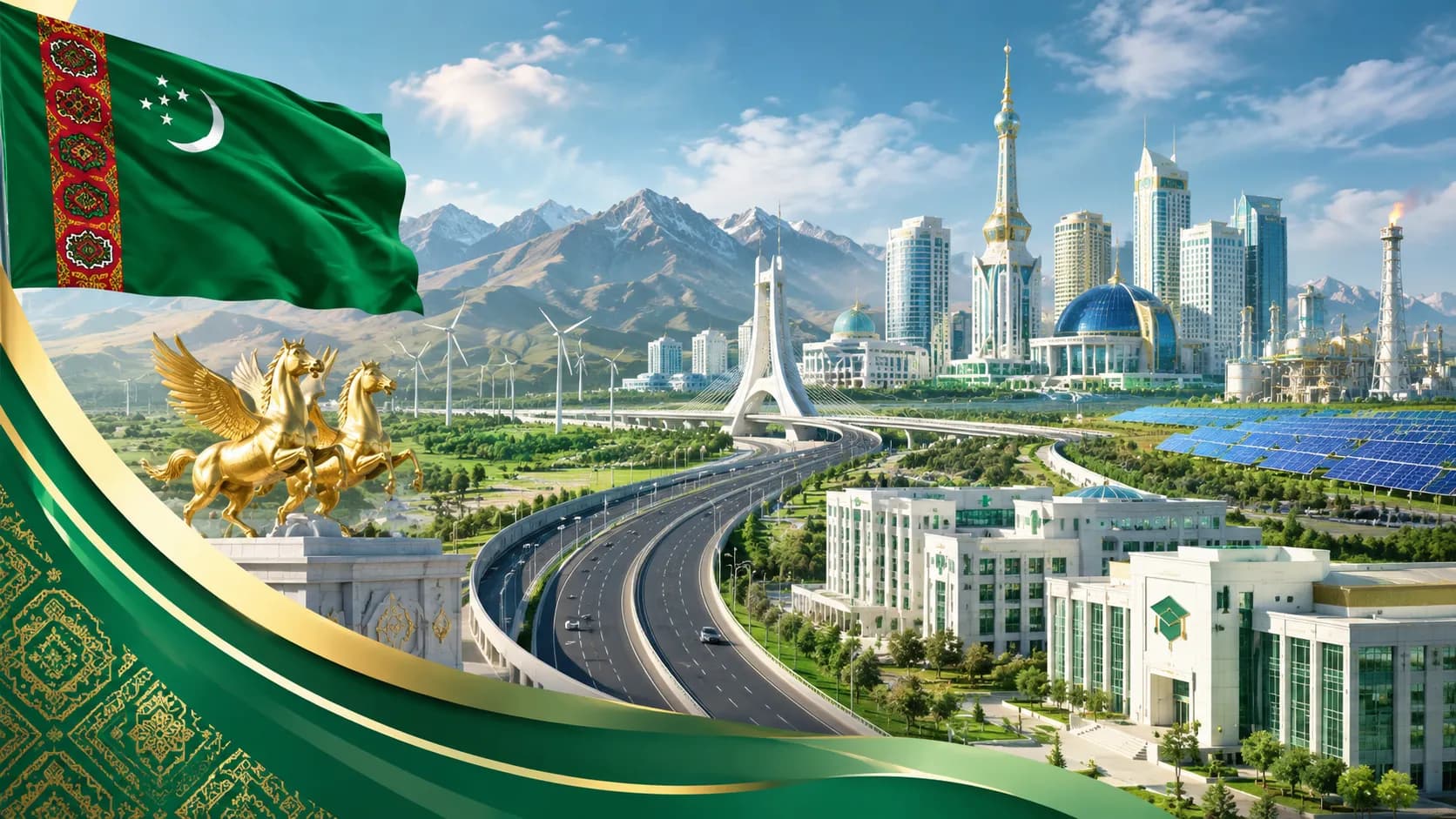
What’s New in Uzbekistan’s Economy?
What’s New in Uzbekistan’s Economy? October 2025 Monthly Economic Briefing October 2025 was one of the most active months of the year for Uzbekistan’s international diplomacy and economic transformation. From Brussels to Dushanbe, from Gabala to Tashkent, the country advanced major agreements on trade, investment, energy, logistics, industrial cooperation and regional integration.
What’s New in Uzbekistan’s Economy?
What’s New in Uzbekistan’s Economy? October 2025 Monthly Economic Briefing October 2025 was one of the most active months of the year for Uzbekistan’s international diplomacy and economic transformation. From Brussels to Dushanbe, from Gabala to Tashkent, the country advanced major agreements on trade, investment, energy, logistics, industrial cooperation and regional integration.
November 11, 2025
economy
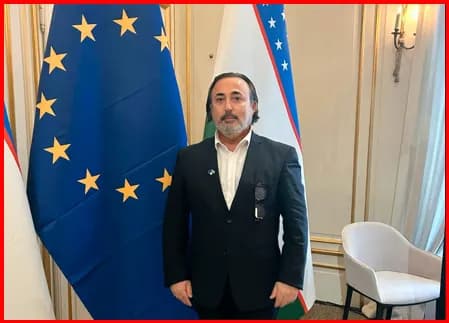
By Kadir Duran / Bruxelles Korner
Published on 7 November 2025
October 2025 was one of the most active months of the year for Uzbekistan’s international diplomacy and economic transformation. From Brussels to Dushanbe, from Gabala to Tashkent, the country advanced major agreements on trade, investment, energy, logistics, industrial cooperation and regional integration.
Below is your curated and analytical overview of the most important economic developments of the month.
✅ 1. INTERNATIONAL COOPERATION
1.1 Europe — A Historic Month in Brussels
📌 Uzbekistan and the European Union Sign the Enhanced Partnership and Cooperation Agreement (EPCA)
At the European Council headquarters in Brussels, President Shavkat Mirziyoyev, European Commission President Ursula von der Leyen and European Council President António Costa signed a landmark EPCA a 356-article, 14-annex agreement that upgrades Uzbekistan–EU relations to a fully strategic partnership.
Key objectives include:
• Facilitating trade and foreign investment
• Supporting green and digital transitions
• Aligning standards with EU norms
• Expanding cooperation in science, education, high-tech and innovation
• Accelerating Uzbekistan’s WTO accession
Economic impact:
Over €10 billion in new projects announced across critical minerals, energy, logistics, pharmaceuticals, and textiles — on top of an existing €40+ billion pipeline.
📌 President Mirziyoyev’s Official Visit to Brussels
Uzbekistan’s president held multiple high-level engagements, including:
• A roundtable with 25+ CEOs and senior executives (Linde, Rhenus Logistics, Lasselsberger, Pietro Fiorentini, KfW, EIB, Meridiam…)
• Discussions on industrial zones, green hydrogen, infrastructure modernization and digital innovation
• Progress toward visa facilitation for Uzbek citizens
• Reinforced commitment to EU–Central Asia connectivity
The visit confirmed growing European confidence in Uzbekistan’s reform-driven economy.
📌 Saida Mirziyoyeva Strengthens Ties with EU Leadership
In Brussels, the Head of the Presidential Administration met with:
• Josef Síkela — EU Commissioner for International Partnerships
• Kaja Kallas — Vice-President of the European Commission and EU High Representative
The meetings focused on political dialogue, green initiatives, education, human capital and the EU’s evolving role in Central Asia.
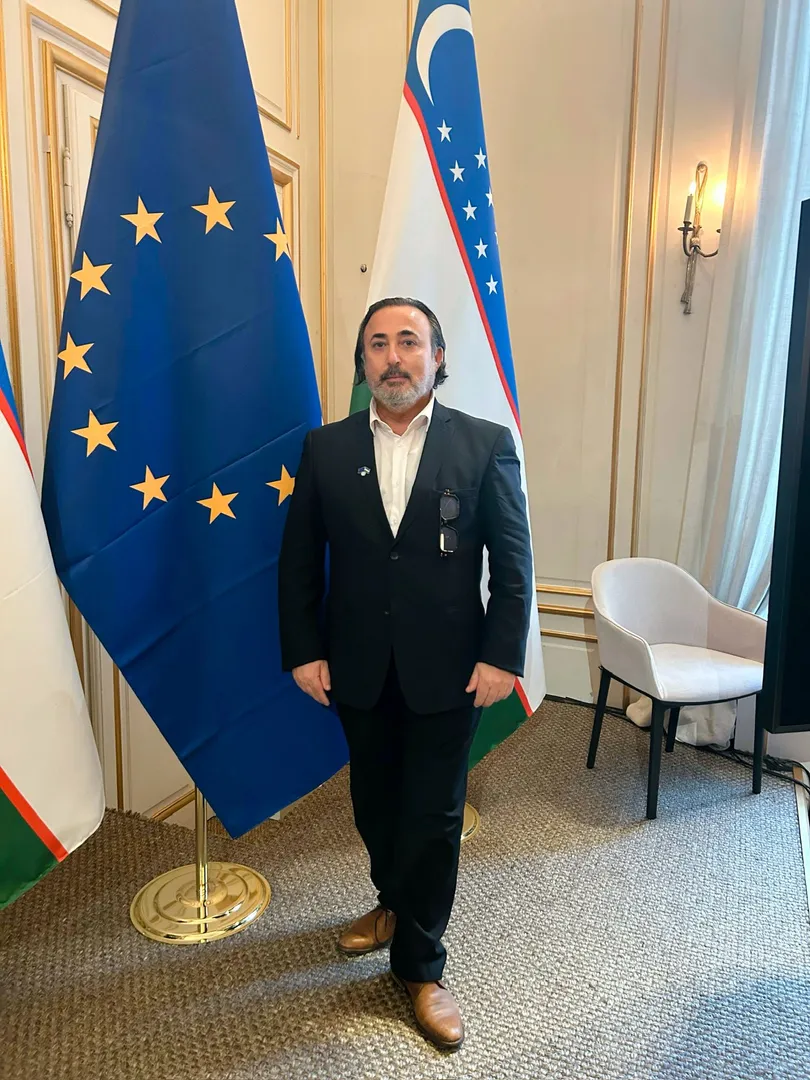
📌 EUROUZ Hosts “Uzbekistan Economic Day in Europe”
Over 250 policymakers and business leaders gathered in Brussels for this flagship event.
Key outcomes included MoUs and agreements in:
• ✅ Pharmaceuticals (Uzbekistan — Schaeffer Nutraceuticals)
• ✅ Satellite broadband expansion (UZ-SAT — SES/VEON)
• ✅ Carbon capture and storage (Uzkhimyosanoat — NextChem)
• ✅ €90M cable industry contract (ProCab — Admetos Trading)
• ✅ Logistics expansion (Ahlers Logistics; Bluemont for electric modular barges)
• ✅ Industrial zone development (MIIT — AIM Group)
EUROUZ’s role as a key bridge between European markets and Uzbekistan continues to grow.
📌 Expanding Bilateral Relations Across Europe
• Finland: €1B+ in new projects; creation of a joint economic council
• Slovakia: cooperation in textiles, auto-components, pharma, cyber-tracking
• Serbia: new industrial corridors and joint IT ventures
• Italy: pilot program for Uzbek medical specialists to work in Milan hospitals
• Germany: stronger investment ties; roadmap to 2027 under preparation
• United Kingdom: joint work on green finance and infrastructure modernization
Uzbekistan clearly positions itself as one of Europe’s most dynamic partners in Eurasia.
1.2 Central Asia, Caucasus & CIS Regional Leadership Consolidated
📌 Central Asia–Russia Summit: Mirziyoyev Proposes a 2027 Integration Roadmap
Key initiatives:
• Creation of a Coordinating Council
• A 2027 Action Plan for trade and connectivity
• New logistics corridors
• An industrial hub in Bukhara
• Regional centers for AI and nuclear energy
Uzbekistan affirms its role as an architect of Eurasian cooperation.
📌 OTS Summit in Gabala: A Vision for a Stronger Turkic World
President Mirziyoyev proposed:
• A Permanent Council on Economic Partnership (HQ in Tashkent)
• Turkic Green Corridors for sustainable trade
• A Green Transformation Consortium
• A joint AI and creative-economy roadmap
• An International University of Turkic States
The proposals build a long-term geoeconomic agenda for the Turkic world.
📌 Uzbekistan Secures License to Develop Afghan Hydrocarbons
Under a 25-year agreement, Uzbekistan will begin operations at the Tuti-Maidan gas field in Afghanistan.
Strategic implications:
• Strengthening energy diversification
• Supporting Afghan infrastructure and stability
• Opening Uzbekistan’s shortest route to world oceans
📌 Uzbekistan & Azerbaijan to Co-Host FIFA U-20 World Cup 2027
A global first — a FIFA tournament held across two different confederations.
It also confirms Uzbekistan’s strong track record after hosting the FIFA Futsal World Cup 2024.
📌 TEXNOPARK Makes Its First Export to the EU
• First elevator export contract signed with Estonia
• CE certification obtained
• A showroom to be opened in Lithuania
A symbolic milestone: Uzbek industrial products enter the European market.
📌 Regional Developments
• Tri-border agreement ratified between Uzbekistan, Kyrgyzstan and Tajikistan
• Launch of the Xi’an–Central Asia–Caspian multimodal corridor
• CIS Security Council meeting held in Samarkand
1.3 Russia & China Energy, Industry and Investment
📌 Uzbekistan to Increase Russian Gas Imports to 7.7 Billion m³ in 2025
A rise of +2 billion m³ compared to 2024.
A strategic necessity, but with growing geopolitical dependency risks.
Pipeline route: Russia → Kazakhstan → Uzbekistan
Long-term plan: up to 11 billion m³ by 2038.
📌 Expanding Industrial Partnership with China
Discussions included:
• A Comprehensive Support Center for Chinese–Uzbek joint ventures
• Investment attraction hubs in industrial parks
• A Chinese–Uzbek Investment Alliance
• Investment roadshows in China in 2026
China remains a major source of technology and industrial financing.
✅ 2. Monthly Synthesis Uzbekistan Changes Scale
Major trends in October 2025:
• The EU becomes Uzbekistan’s primary strategic partner, surpassing Russia and China in long-term commitments.
• Uzbekistan positions itself as a Eurasian transport and logistics hub (Caspian, Balkans, Central Asia).
• Energy diversification intensifies — from Afghan gas fields to Russian imports and massive renewable targets.
• Industrialization accelerates (TEXNOPARK exports, pharmaceutics, cables, digital economy).
• Diplomacy expands across Europe, the Turkic world, and the CIS.
Key figure of the month:
💶 €40+ billion
Total value of EU–Uzbekistan project portfolio (existing + new announcements).
✅ Conclusion Uzbekistan, a New Eurasian Economic Pivot
October 2025 marks a turning point.
With a historic EPCA agreement, new corridors, large-scale investments and regional integration initiatives, Uzbekistan positions itself as a central economic partner between Europe and Asia.
The challenge ahead: turning ambitious agreements into tangible reforms, operational projects and sustainable long-term growth.
Kadir Duran
Contributing writer at EUReflect.
Follow EUReflect
See more of our reporting on Google
Mark EUReflect as a preferred source and our stories are ranked higher for you in Top Stories, Discover and Google News — and carry a “preferred” badge when they are cited in AI results.
Add EUReflect as a preferred source