Author

Alvara Merrick

writer · EUReflect

Contributing writer at EUReflect.

68 stories · page 3 of 3

  • general

    CEPA and the Future of EU–Indonesia Cooperation

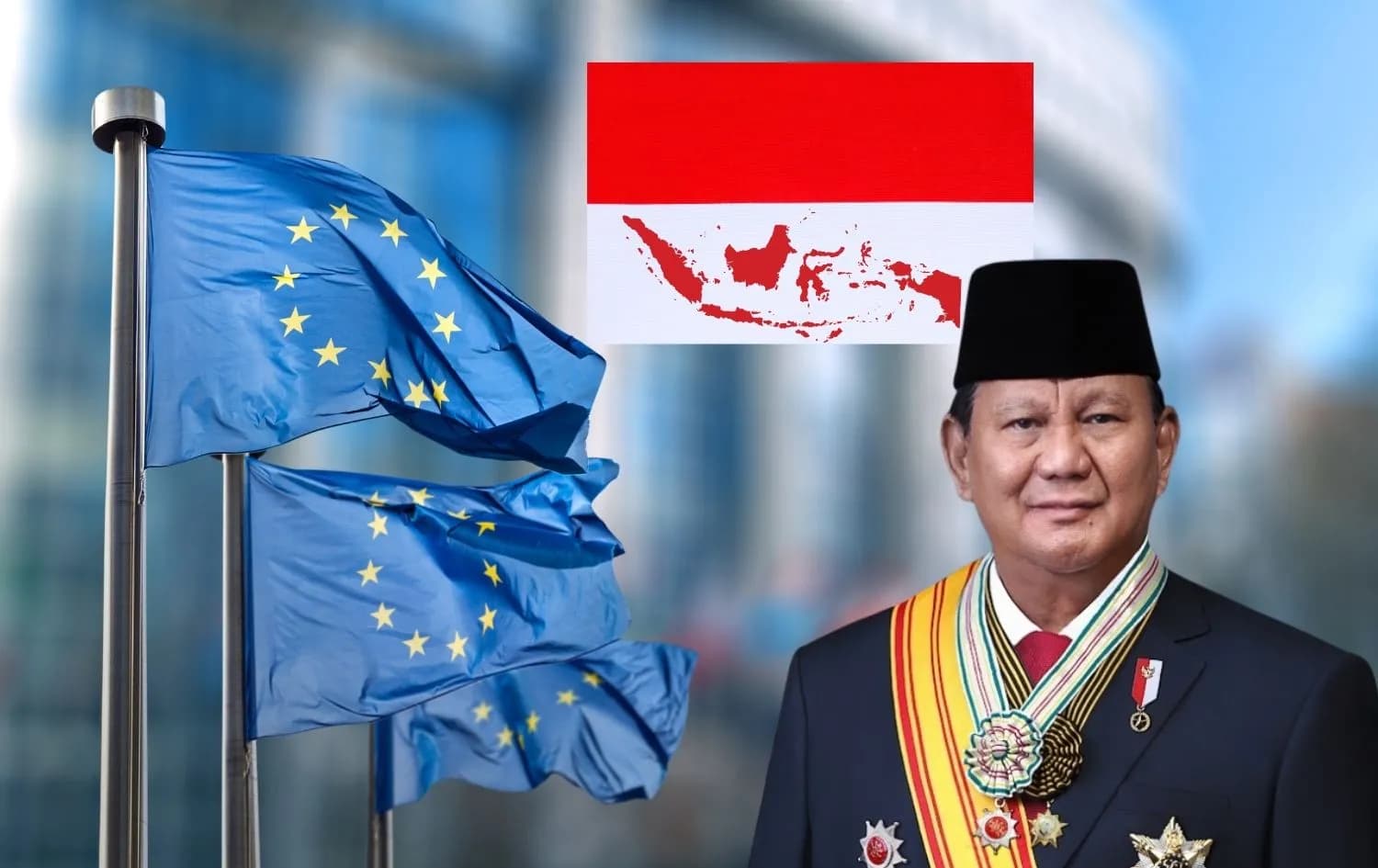
    Relations between the European Union and Indonesia have deepened significantly in recent years. Negotiations for a free trade agreement, launched in 2016 following exploratory discussions, were successfully concluded on 23 September 2025. The parties reached an agreement on the Comprehensive Economic Partnership Agreement (CEPA) alongside an Investment Protection Agreement, marking a significant milestone in the evolution of bilateral economic relations. These agreements aim to establish a broader institutional framework for trade and investment while strengthening the strategic partnership between the two economies.
  • politics

    Who is Mojtaba Khamenei: Iran’s New Supreme Leader

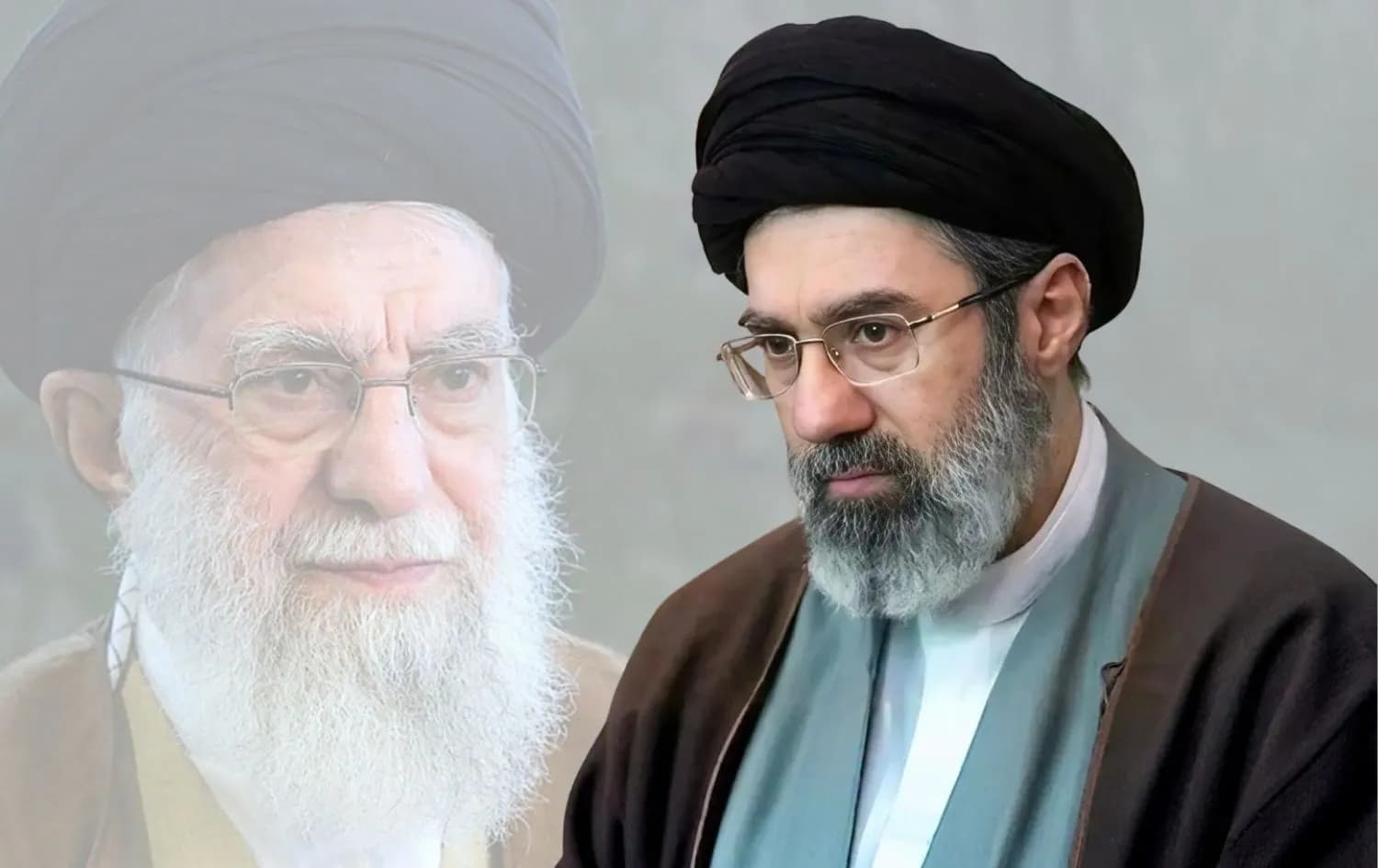
    Mojtaba Khamenei, son of the late Supreme Leader, has been appointed Iran’s new Supreme Leader following US-Israel attacks. His rise consolidates hardline influence, links to the IRGC, and economic networks, signaling potential continuity of authoritarian policies and limited reformist leverage.

  • defense

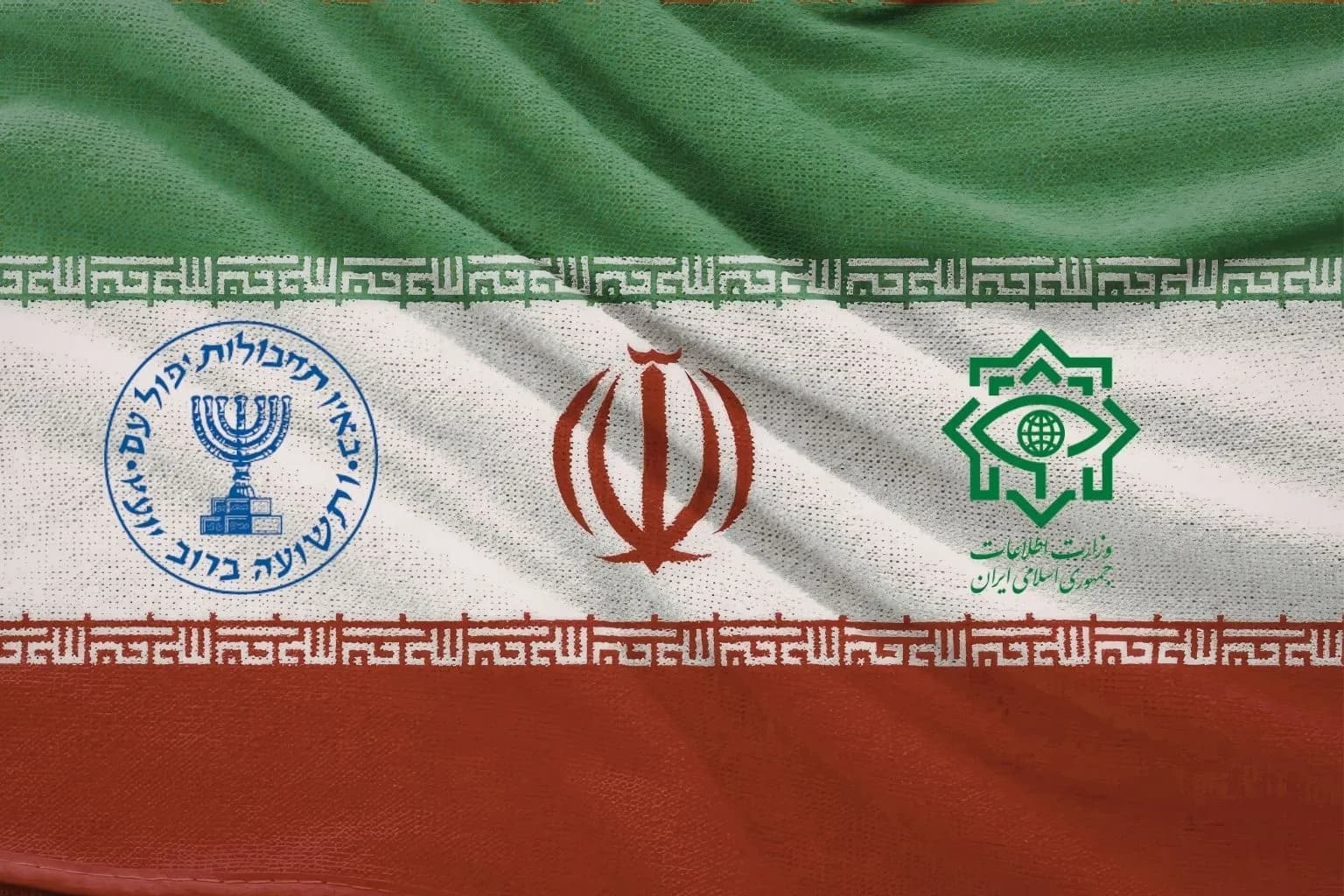
    Is Iranian Intelligence Asleep? Wars Are Won Before They Begin!

    Rising US–Iran tensions highlight the growing role of intelligence warfare. Analysts say modern wars are often decided before the first shot through information, psychological influence, and intelligence networks. Open CIA messages to Iranians have sparked debate over possible security vulnerabilities within Iran.

  • politics

    China’s Policy Framework Against External Interference

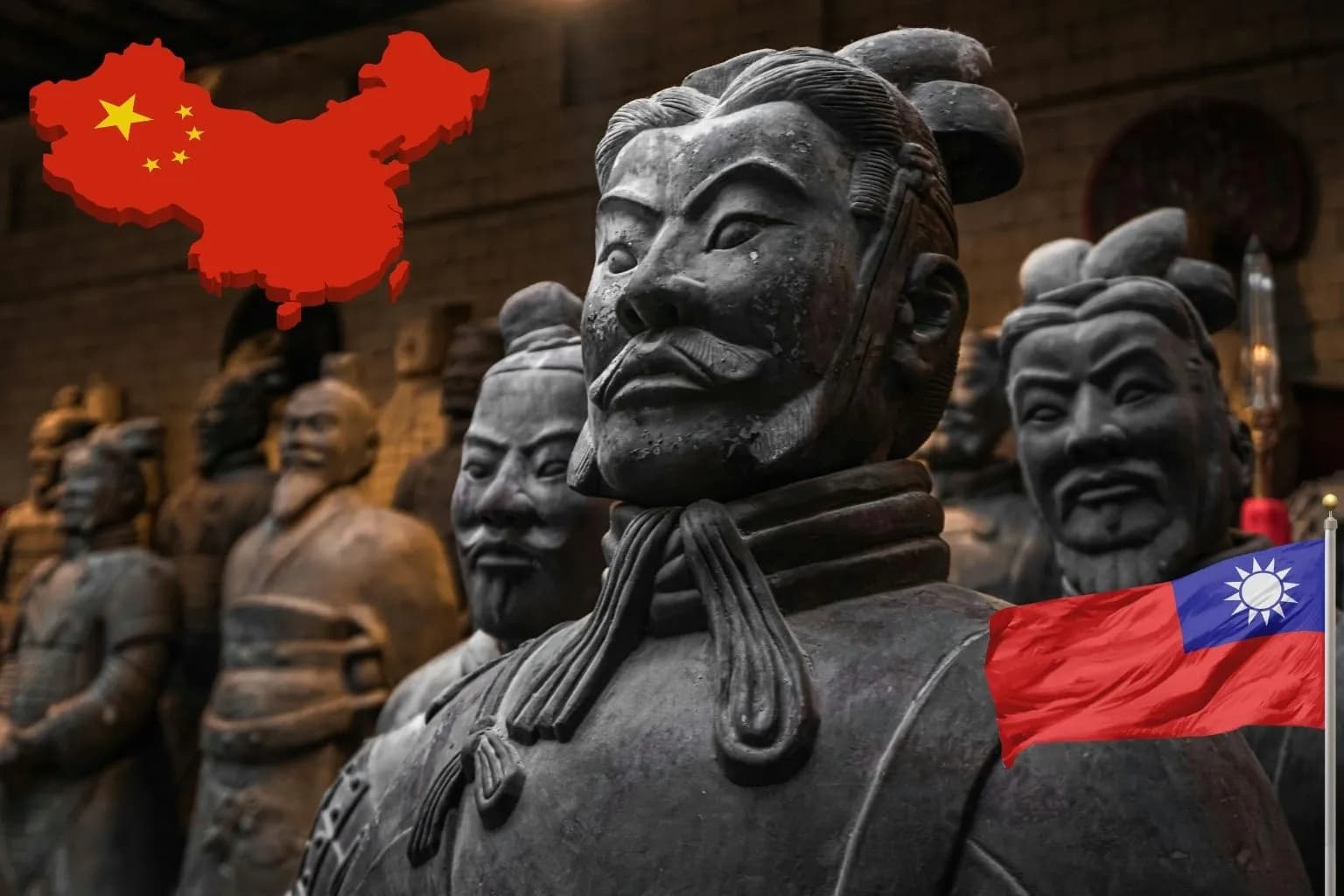
    China’s government work report underscores a firm stance against U.S. expansionism, emphasizing sovereignty over Taiwan, reinforcing “One Country, Two Systems” in Hong Kong and Macao, and promoting regional integration to strengthen national unity and resilience in global power competition.

  • politics

    Turkey Clears Border Mines: Real Migration Wave or False Claims?

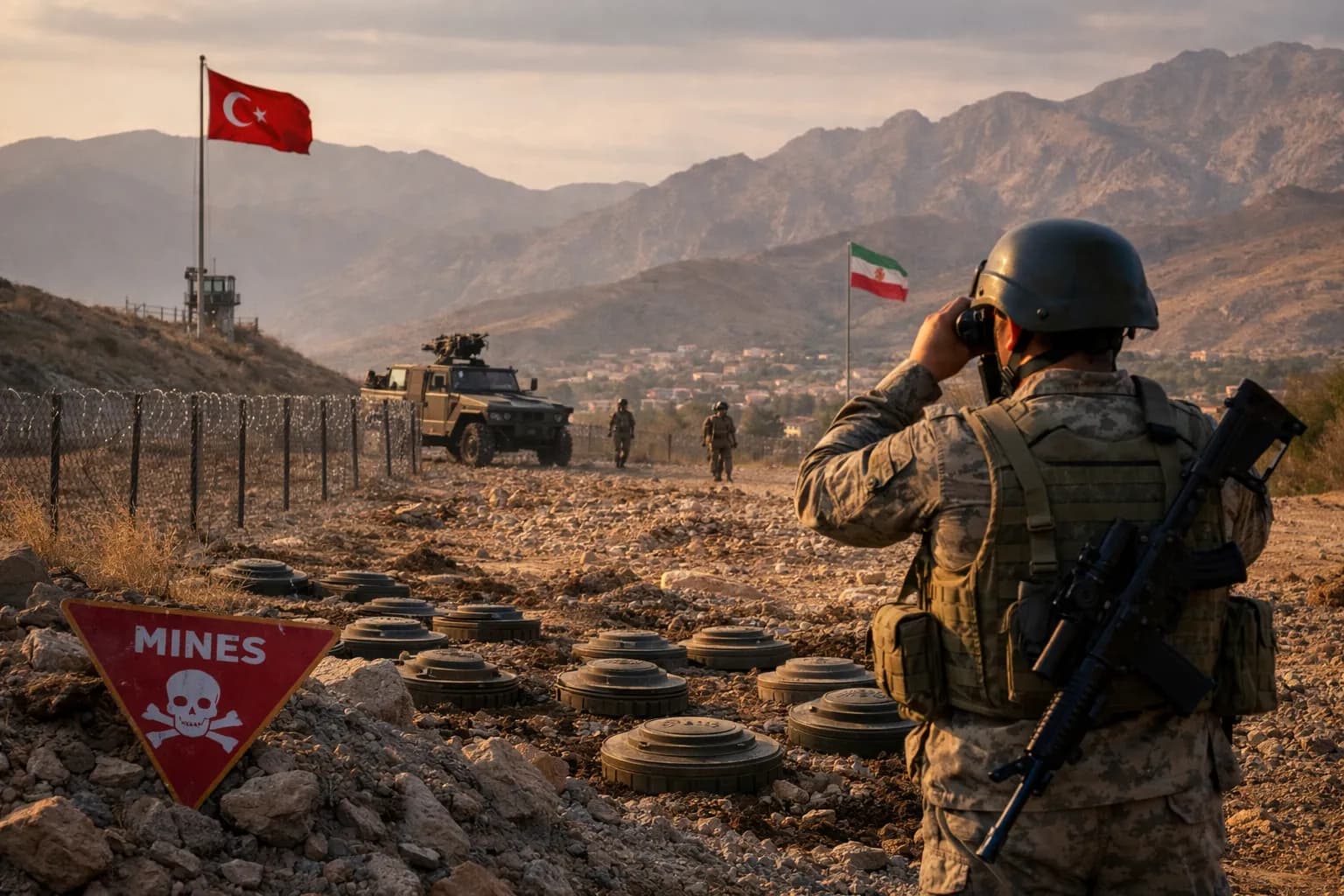
    Turkey has cleared around 80,000 mines along its border with Iran, officially to strengthen security. Analysts suggest the move could also prepare for a potential migration wave, as cleared areas make crossings easier and economic hardship in Iran drives people toward safer, more stable regions.

  • defense

    US–Israeli Strikes Push the Region Toward Escalation

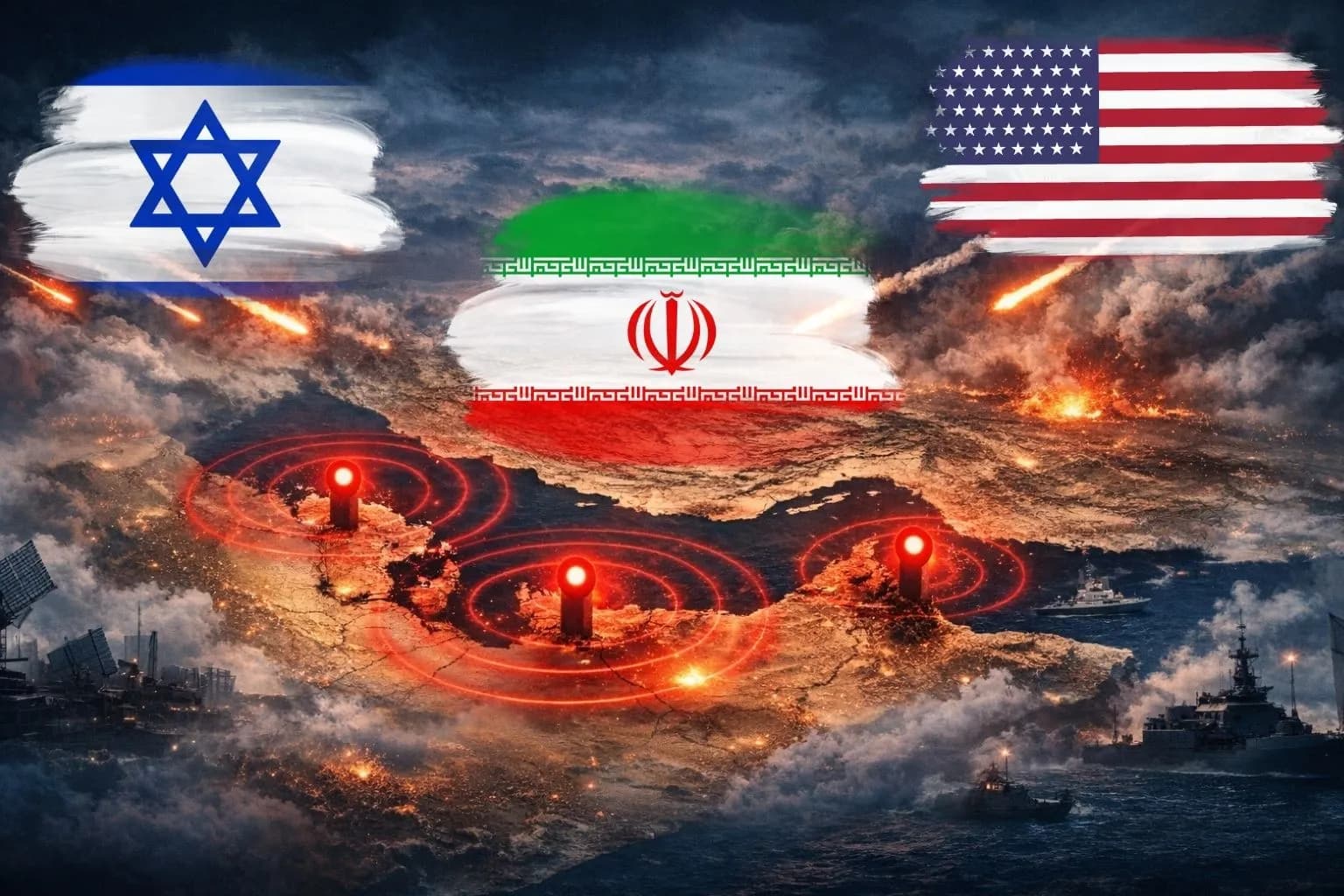
    US and Israeli strikes on Iran and Iran’s retaliation triggered strong reactions across the Gulf. Qatar, the UAE, Bahrain, and Kuwait condemned violations of sovereignty, rejected turning their territory into a battlefield, and warned of a possible regional war.

  • politics

    Political Constraints on U.S. Military Spending Against Iran

    While the U.S. has the economic capacity to wage war, Congress oversight, public opinion, and rising costs limit sustainability. Long-term conflict with Iran would involve military, political, and economic challenges beyond initial projections.

  • defense

    Is Iranian Intelligence Asleep?

    The escalation of U.S.–Iran tensions highlights the central role of intelligence in modern warfare. Analysts argue that victories are often secured before combat begins, as information, psychological operations, and strategic communication can decisively shape outcomes.