Face To Face Interviews News

Interview · Face To Face Interviews

Business Diplomat: Beyond the Handshake

Diplomatic discipline should be taught not as external rules but as the unity of psychological culture, emotional intelligence and strategic thinking, says Prof. Dr. Hazrat Jabbarov. Real diplomacy is not a handshake or a dress code. Interviewed by: Mirzajon Qalandarov, Lecturer Interviewee: Prof. Dr. Hazrat Jabbarov, Professor and Doctor of Psychological Sciences (DSc), Tashkent State University of Oriental Studies


Mirzojon Kalandarov

Interview · Face To Face Interviews

Business Diplomat: Psychological Safety

Knowing diplomatic rules and protocol reduces anxiety and uncertainty and creates a sense of psychological safety, says Prof. Dr. Hazrat Jabbarov. It also helps overcome stereotypes and builds trust through respect for a partner’s values. Interviewed by: Mirzajon Qalandarov, Lecturer Interviewee: Prof. Dr. Hazrat Jabbarov, Professor and Doctor of Psychological Sciences (DSc), Tashkent State University of Oriental Studies

Mirzojon Kalandarov

Interview · Face To Face Interviews

Business Diplomat: Emotional Intelligence

From a psychological perspective, a Business Diplomat is a person of high empathy, emotional intelligence and communicative flexibility, says Prof. Dr. Hazrat Jabbarov, who creates trust and manages partners’ inner motivation. Interviewed by: Mirzojon Qalandarov, Lecturer Interviewee: Prof. Dr. Hazrat Jabbarov, Professor and Doctor of Psychological Sciences (DSc), Tashkent State University of Oriental Studies

Mirzojon Kalandarov

Interview · Face To Face Interviews

Business Diplomat: Meeting to Meeting

The measure of a platform is what one meeting produces for the next, says Prof. Dr. Mehmet Emin Erendor. Roundtables on a yearly theme should feed a report and then the summit. Interviewed by: Asst. Prof. İsmail Polat Interviewee: Prof. Dr. Mehmet Emin Erendor

İsmail Polat

Interview · Face To Face Interviews

Business Diplomat: A Two-Layer Model

A large summit gives visibility; small meetings give continuity, says Prof. Dr. Mehmet Emin Erendor. He proposes one summit, three or four thematic roundtables, six to eight workshops and digital outputs in between. Interviewed by: Asst. Prof. İsmail Polat Interviewee: Prof. Dr. Mehmet Emin Erendor

İsmail Polat

Interview · Face To Face Interviews

Business Diplomat: Reachable, Not Available

Being able to reach someone is not the same as expecting an instant reply, says Prof. Dr. Mehmet Emin Erendor. When to respond, whether to message after hours and which topics belong face to face are part of the new digital protocol. Interviewed by: Asst. Prof. İsmail Polat Interviewee: Prof. Dr. Mehmet Emin Erendor

İsmail Polat

Interview · Face To Face Interviews

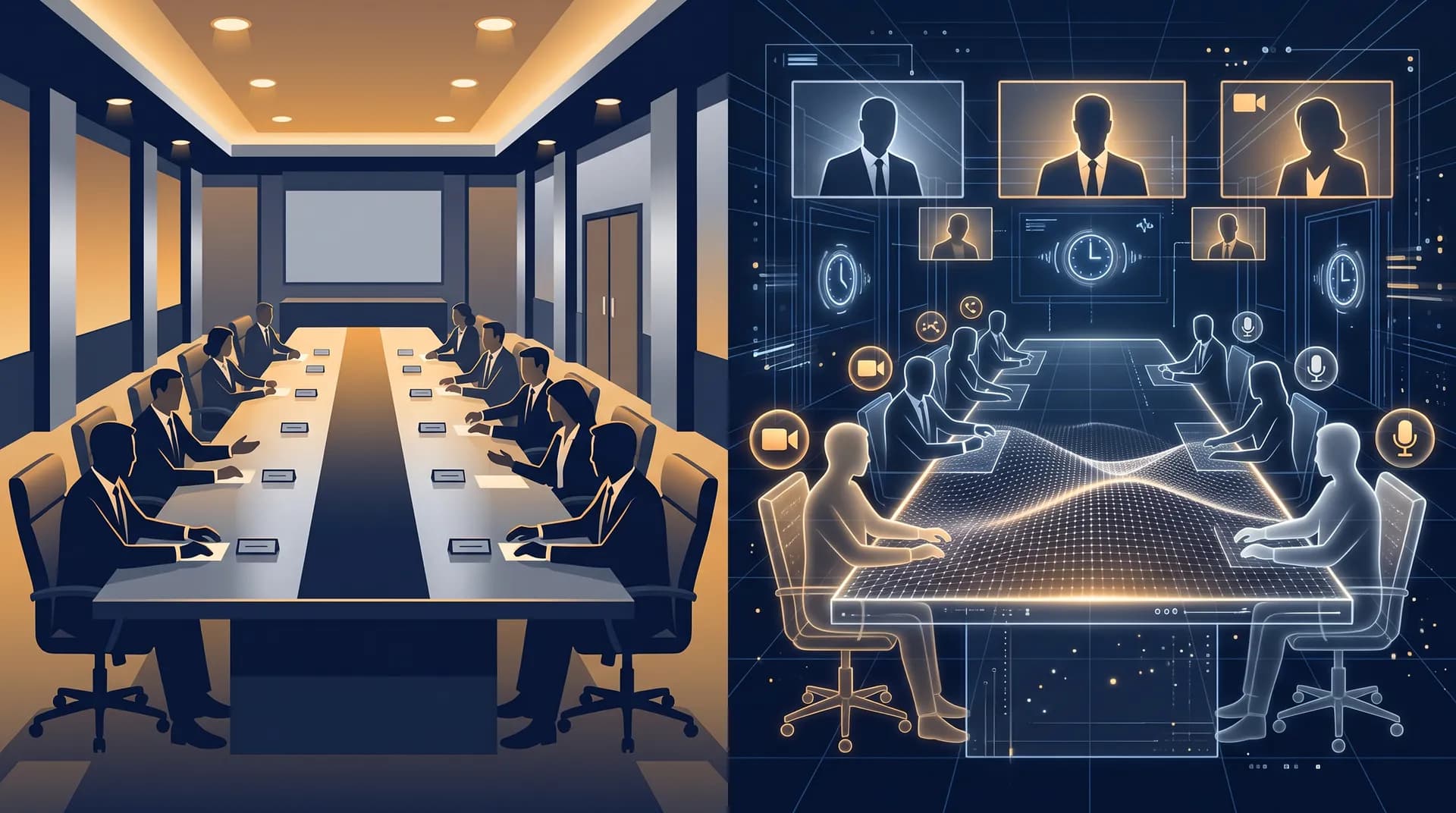
Business Diplomat: Misread Online

Online, even punctuation can carry diplomatic meaning, says Prof. Dr. Mehmet Emin Erendor. The old principles of respect, moderation, confidentiality and protecting the relationship remain; only their application changes. Interviewed by: Asst. Prof. İsmail Polat Interviewee: Prof. Dr. Mehmet Emin Erendor

İsmail Polat

Interview · Face To Face Interviews

Business Diplomat: Digital Protocol

Diplomatic courtesy is changing in the digital age, says Prof. Dr. Mehmet Emin Erendor, but what emerges is not a new diplomacy; it is traditional diplomatic behaviour adapted to the screen, the camera and the microphone. Interviewed by: Asst. Prof. İsmail Polat Interviewee: Prof. Dr. Mehmet Emin Erendor

İsmail Polat

Interview · Face To Face Interviews

Business Diplomat: Practice and Awareness

Excerpt: Training should combine theory and practice, with mock business meetings, tough bargaining techniques and personal presentations, says Prof. Dr. Mehmet Evkuran. The curriculum should cover economics, culture, renewal and security. Interviewed by: Asst. Prof. İsmail Polat Interviewee: Prof. Dr. Mehmet Evkuran

Aysenur Karagoz

Interview · Face To Face Interviews

Business Diplomat: No Big Brother

Excerpt: A network of young business diplomats across the Turkic world should rest on institutions, not individuals, and should drop the “big brother” language, says Prof. Dr. Mehmet Evkuran. A trust in which everyone wins could make a Turkic Renaissance inevitable. Interviewed by: Asst. Prof. İsmail Polat Interviewee: Prof. Dr. Mehmet Evkuran

Aysenur Karagoz

Interview · Face To Face Interviews

Business Diplomat: Sincerity Over Flexibility

Excerpt: Being more flexible than necessary creates an impression of weakness, says Prof. Dr. Mehmet Evkuran. A natural, unpretentious and sincere approach is the most effective, and gifts only help in deep-rooted relationships. Interviewed by: Asst. Prof. İsmail Polat Interviewee: Prof. Dr. Mehmet Evkuran

Aysenur Karagoz

Interview · Face To Face Interviews

Business Diplomat: Interests and Values

Excerpt: A well-trained business diplomat first protects his country’s interests and values, says Prof. Dr. Mehmet Evkuran. Some of the unwritten rules, he adds, concern national security and decide with whom, when and how relations are formed. Interviewed by: Asst. Prof. İsmail Polat Interviewee: Prof. Dr. Mehmet Evkuran

Aysenur Karagoz

Interview · Face To Face Interviews

Business Diplomat: Trade Reimagined

Business Diplomat evokes trade reconceived as the most effective, sustainable and creative activity, says Prof. Dr. Mehmet Evkuran, considered together with the non-commercial factors that shape it and linked to culture, politics and bureaucracy. Interviewed by: Asst. Prof. İsmail Polat Interviewee: Prof. Dr. Mehmet Evkuran

Aysenur Karagoz

Interview · Face To Face Interviews

Business Diplomat: Merchants as Policy

Business people have long been used as an instrument of foreign policy, says Prof. Dr. Ragıp Kutay Karaca, who recalls how an Ottoman sultan shaped Istanbul’s economy by bringing wealthy families to the city. Interviewed by: Asst. Prof. İsmail Polat Interviewee: Prof. Dr. Ragıp Kutay Karaca

İsmail Polat

Interview · Face To Face Interviews

Business Diplomat: Know the Country

Business people must understand a country’s sociology, psychology, economy, public attitudes and politics, says Prof. Dr. Ragıp Kutay Karaca. Their investments, he adds, increasingly become a matter of diplomacy. Interviewed by: Asst. Prof. İsmail Polat Interviewee: Prof. Dr. Ragıp Kutay Karaca

İsmail Polat

Interview · Face To Face Interviews

Business Diplomat: Received by Presidents

Big business people are received by presidents and prime ministers, says Prof. Dr. Ragıp Kutay Karaca. Through them, their home states become investors in the host country. Interviewed by: Asst. Prof. İsmail Polat Interviewee: Prof. Dr. Ragıp Kutay Karaca

İsmail Polat

Interview · Face To Face Interviews

Business Diplomat: Trade and Capitulations

Most Ottoman capitulations were shaped by trade agreements, says Prof. Dr. Ragıp Kutay Karaca. A state that asks for capitulations wants its own merchants to have priority in your country. Interviewed by: Asst. Prof. İsmail Polat Interviewee: Prof. Dr. Ragıp Kutay Karaca

İsmail Polat

Interview · Face To Face Interviews

Business Diplomat: Older Than Nations

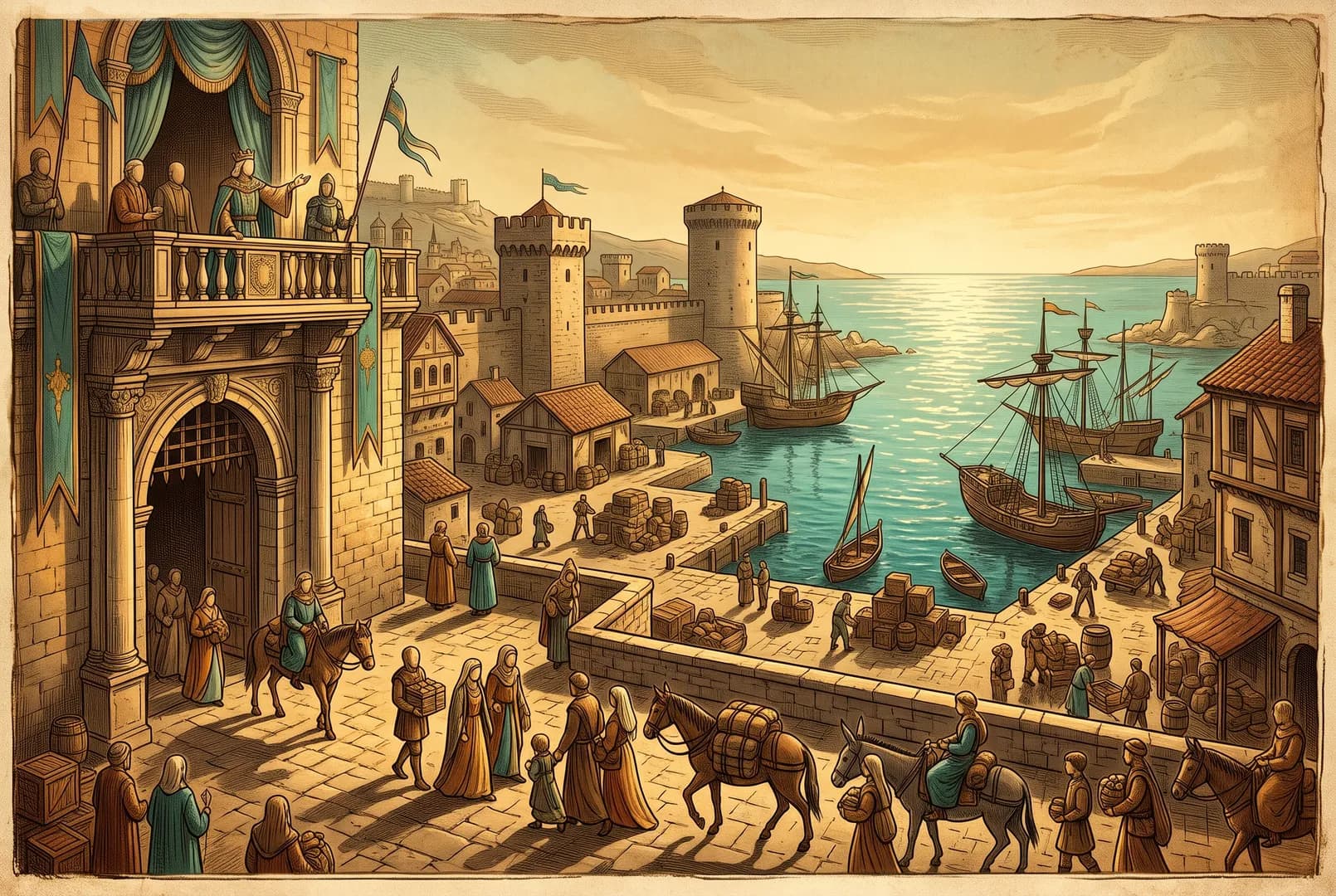
Business diplomacy may sound new, but it predates the nation-state, says Prof. Dr. Ragıp Kutay Karaca. Trade has always been a priority of foreign policy, even among the city-states of Athens. Interviewed by: Asst. Prof. İsmail Polat Interviewee: Prof. Dr. Ragıp Kutay Karaca

İsmail Polat

Interview · Face To Face Interviews

Business Diplomat: Know the Sensitivities

A business meeting must not stay only about business, says Prof. Dr. Birol Mercan. A country’s political position and relations with its neighbours shape negotiation, so both sides should review each other’s sensitive issues in advance. Interviewed by: Asst. Prof. İsmail Polat Interviewee: Prof. Dr. Birol Mercan

İsmail Polat

Interview · Face To Face Interviews

Business Diplomat: Respect for Heritage

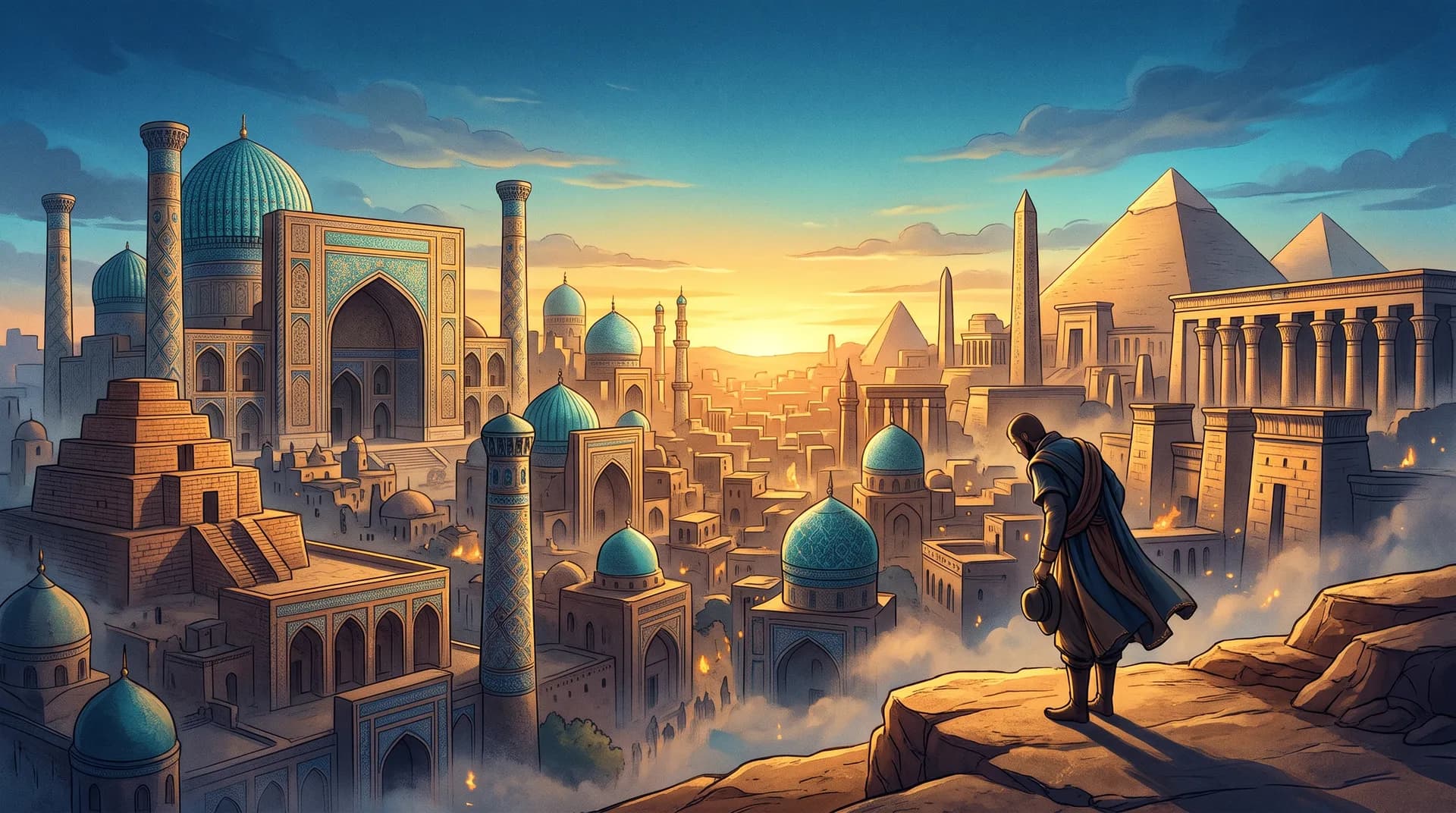
Developing countries emphasise their own values and old cultural superiority and expect respect, says Prof. Dr. Birol Mercan, citing Uzbekistan’s historical heritage and Egypt’s ancient civilisation. If this is ignored, he warns, the venture has no chance of success. Interviewed by: Asst. Prof. İsmail Polat Interviewee: Prof. Dr. Birol Mercan

İsmail Polat

Interview · Face To Face Interviews

Business Diplomat: Dress and Speech

“You are welcomed by your clothes and seen off by your speech,” goes the proverb quoted by Prof. Dr. Birol Mercan. Diplomacy, he says, is the art of managing the processes that protect and sustain mutual interests. Interviewed by: Asst. Prof. İsmail Polat Interviewee: Prof. Dr. Birol Mercan

İsmail Polat

Interview · Face To Face Interviews

Business Diplomat: Envoy and Raider

For the host he is an envoy; from his own side he is an “akıncı”, says Prof. Dr. Birol Mercan. The Business Diplomat is the art of respecting the host country’s values while managing the entrepreneur’s drive for profit. Interviewed by: Asst. Prof. İsmail Polat Interviewee: Prof. Dr. Birol Mercan

İsmail Polat

Interview · Face To Face Interviews

Business Diplomat: The Letter of Credence

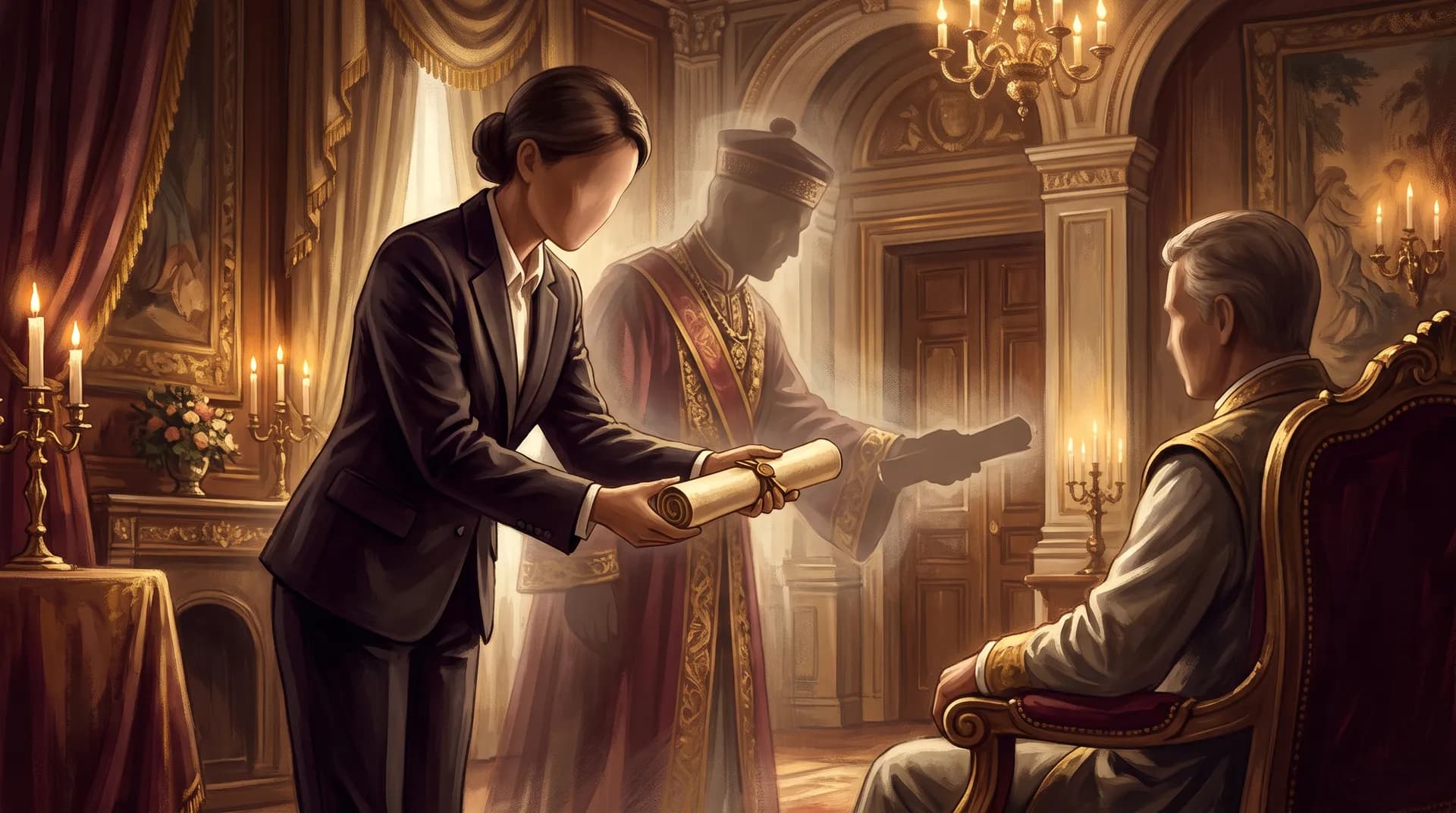
A Business Diplomat is an international entrepreneur who builds long-lasting relationships in the country where he invests, says Prof. Dr. Birol Mercan. What lasts is mutual trust, and like an ambassador, he must first earn it. Interviewed by: Asst. Prof. İsmail Polat Interviewee: Prof. Dr. Birol Mercan

İsmail Polat

Interview · Face To Face Interviews

Business Diplomat: Footholds, Not Deals

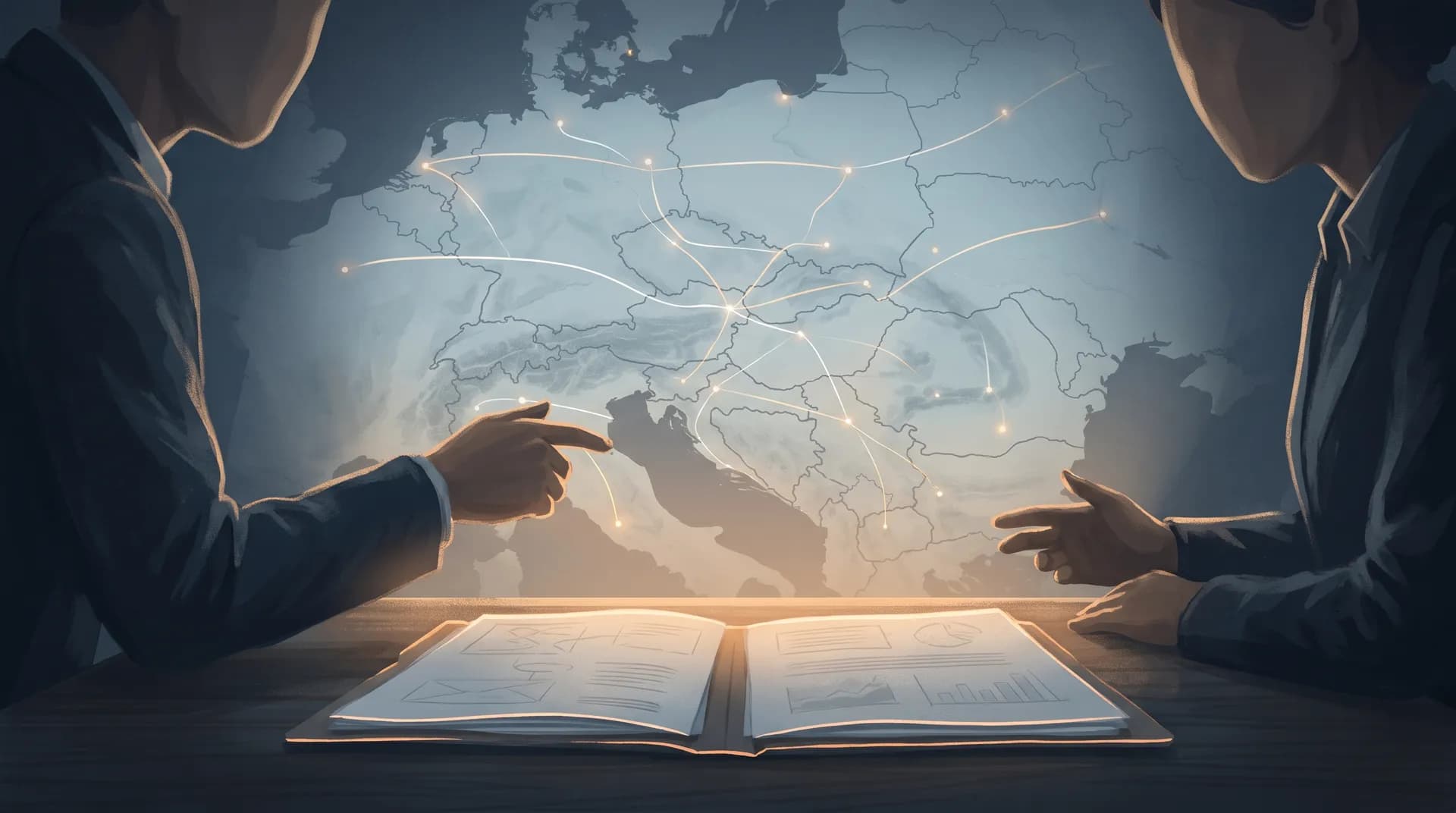
Awad, founder of EuroGulf Consulting in Brussels, argues that joint ventures, technology transfers and regional hubs keep producing value long after a signed deal would have been forgotten.

Olha Pashchenko

24 of 24