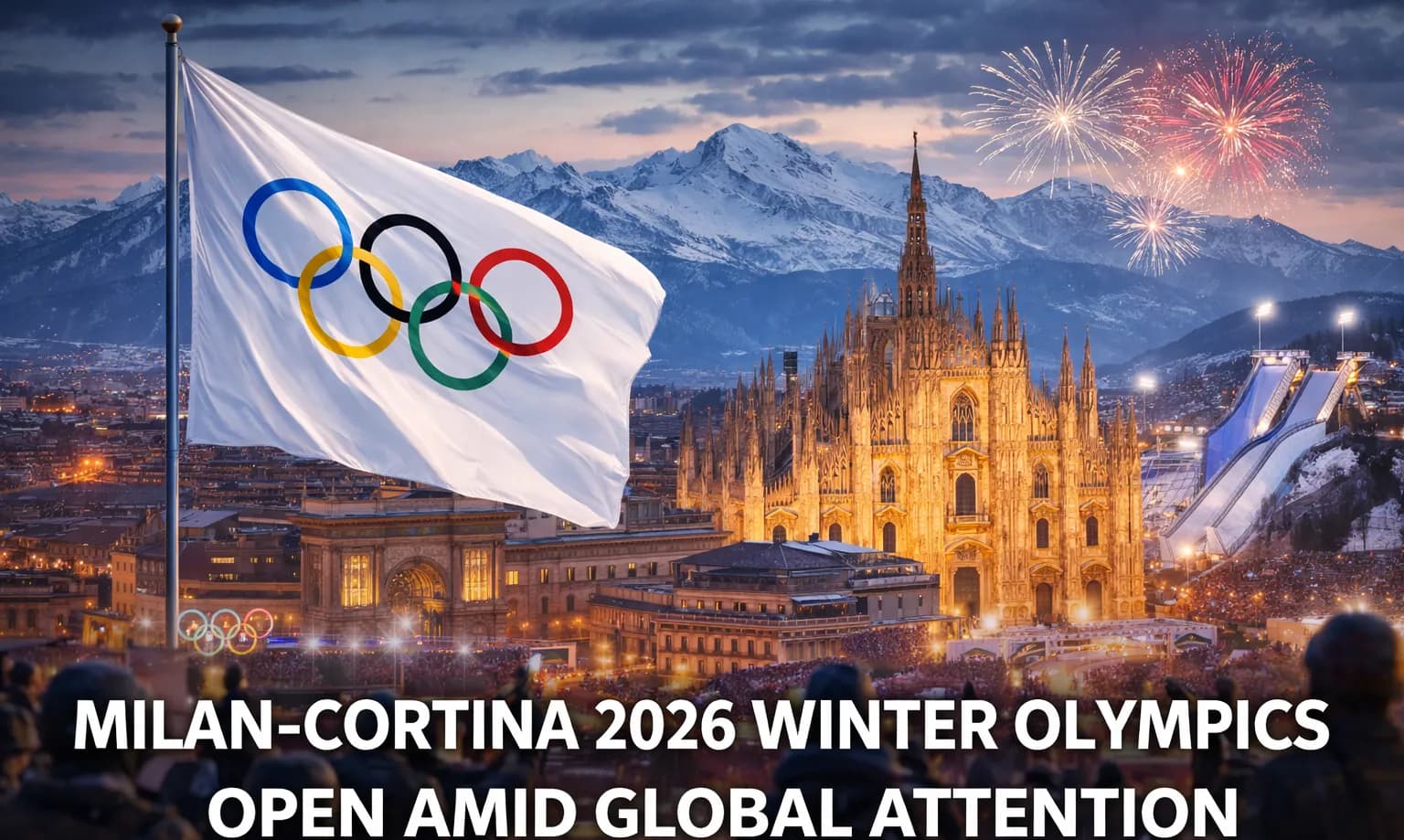
Milan / Cortina d’Ampezzo — The 2026 Winter Olympic Games officially opened on Friday, marking Italy’s return as host of the Winter Games for the first time in two decades and launching a two-week international sporting event spread across northern Italy.
The Epstein case is not merely a criminal network; it reveals a system of power detached from meaning and responsibility. In a world where norms evaporate and access becomes identity, it shows how moral collapse is produced quietly, routinely, and without resistance.
A court-ordered, gradual release of Epstein files has pushed the case back into the spotlight. Being named is not proof of guilt, but it fuels media attention. Fragmented disclosures keep debates on power, transparency, and accountability alive.
The European Commission has adopted its first-ever EU Visa Strategy, turning visa policy into a central tool for security, competitiveness and geopolitical influence. It comes at a moment of rising global mobility, regional instability, geopolitical turmoil and sharper competition for talent.
As global leaders gathered around the Davos agenda, Brand Finance’s Global 500 2026 report offered a timely snapshot of how technology and artificial intelligence are reshaping the world’s most influential brands. Released on January 15, 2026, the report highlights the continued dominance of tech giants such as Apple, Microsoft, and Google in brand value, alongside the rising strategic importance of AI-driven companies like NVIDIA. At the same time, the rankings reveal a nuanced distinction between financial brand value and brand power, measured through trust, loyalty, and perception. Together, these findings underscore the arrival of a new economic era in which innovation, attention, and reputation define global brand leadership.
BY DANA OMIRGAZY //
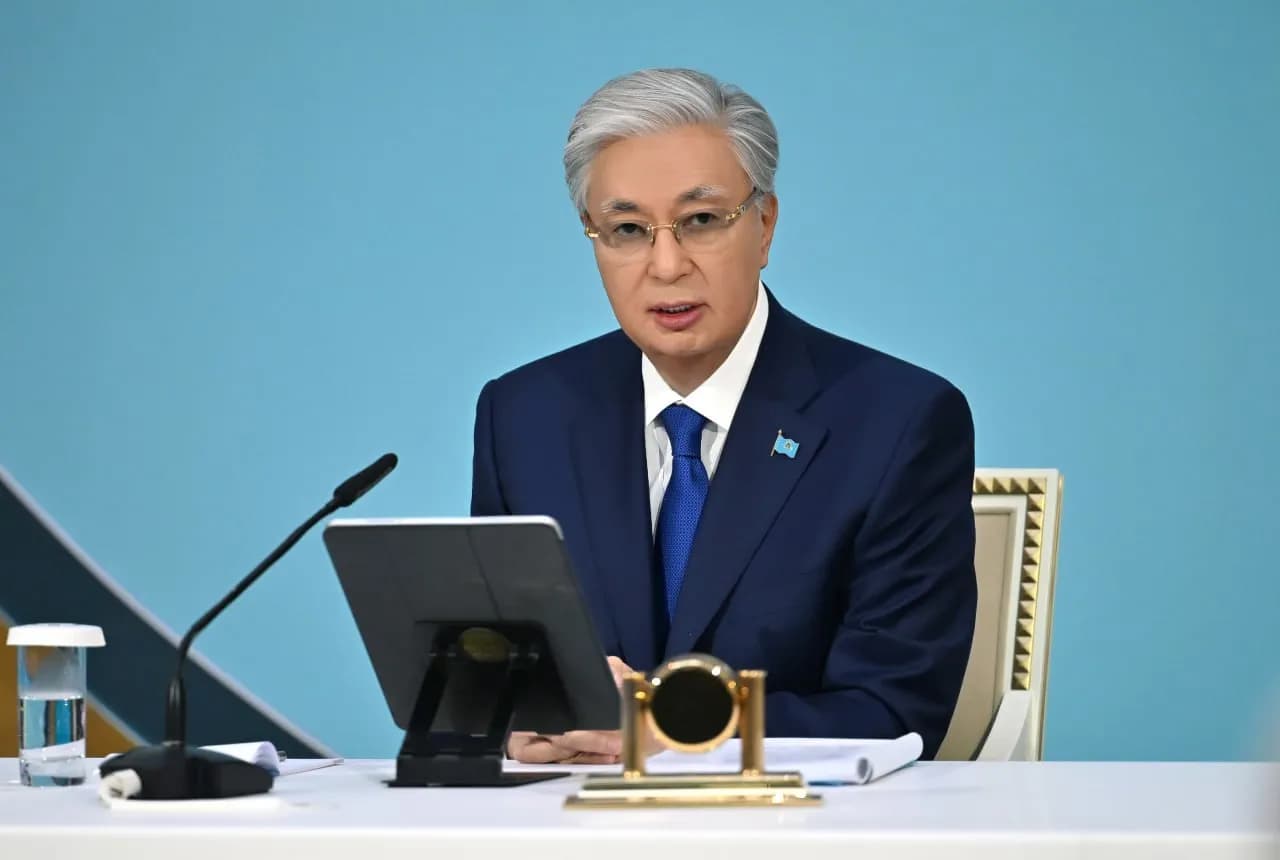
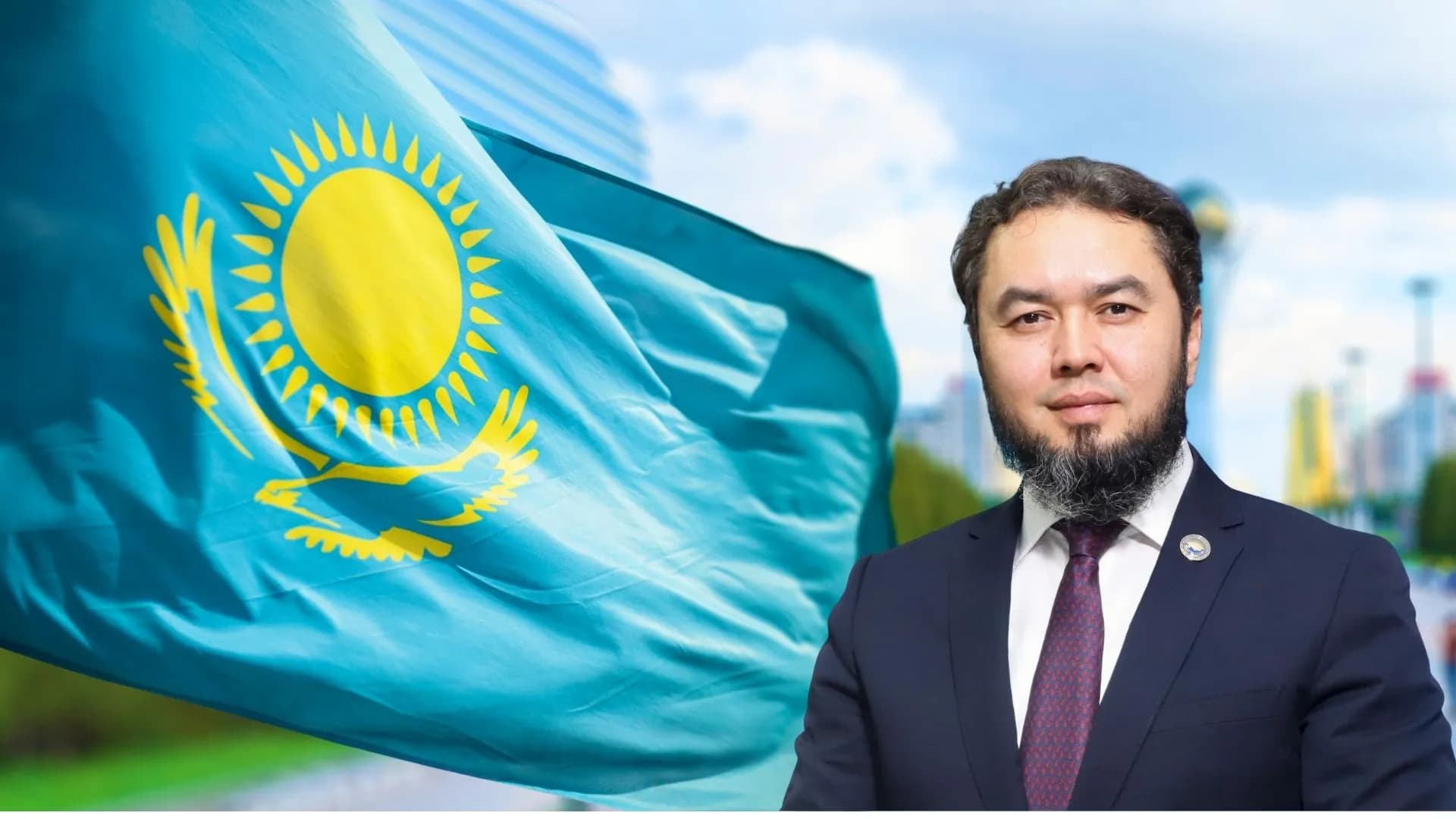
ASTANA – President Kassym-Jomart Tokayev outlined Kazakhstan’s ongoing political reforms, foreign policy priorities, and digital transformation agenda during the National Kurultai (Congress) in Kyzylorda on Jan. 20, stressing national unity amid global uncertainty.
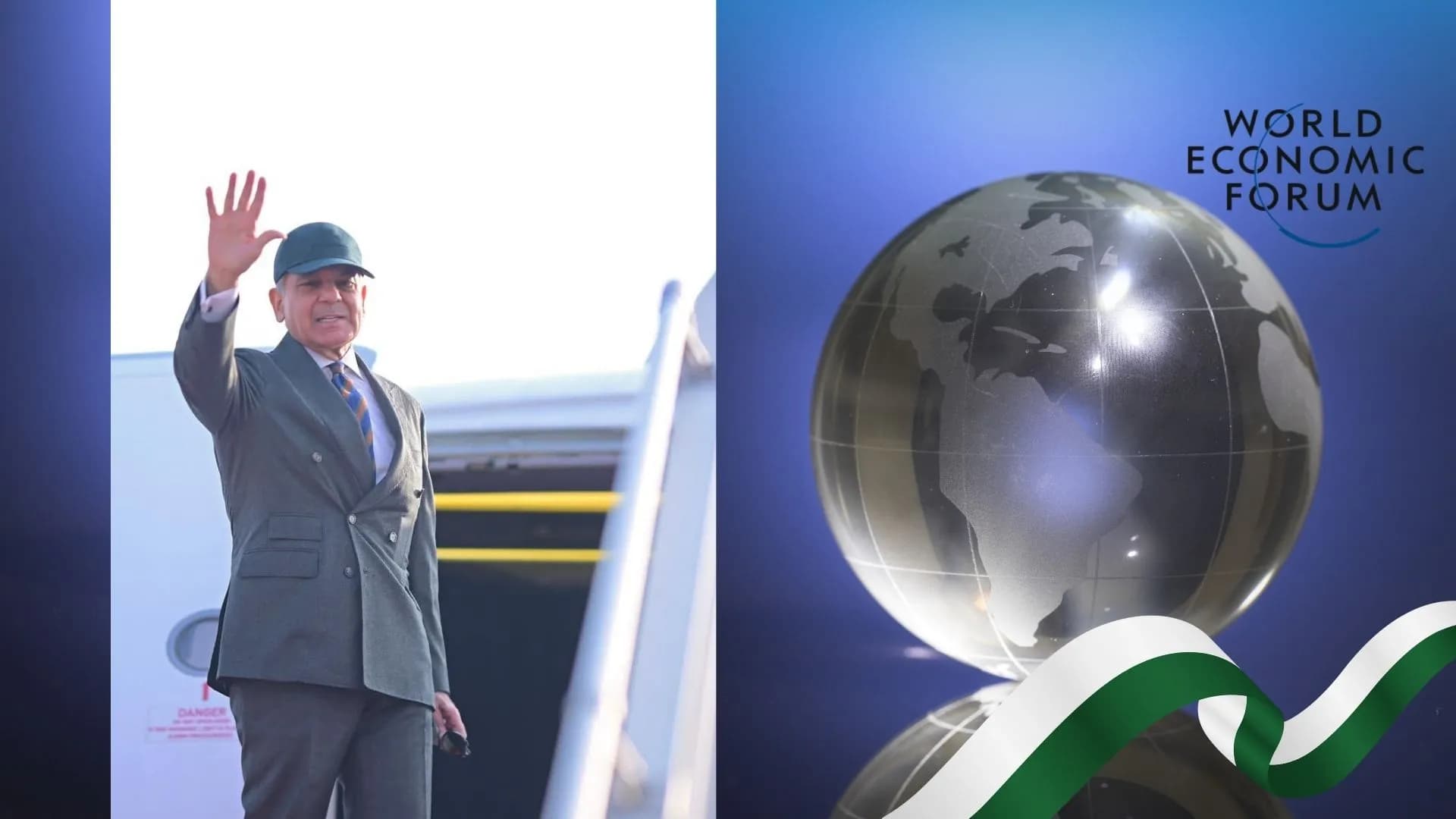
Pakistan Prime Minister Shehbaz Sharif attends WEF Davos 2026, engaging global leaders on dialogue, economic reform, investment, and international cooperation.
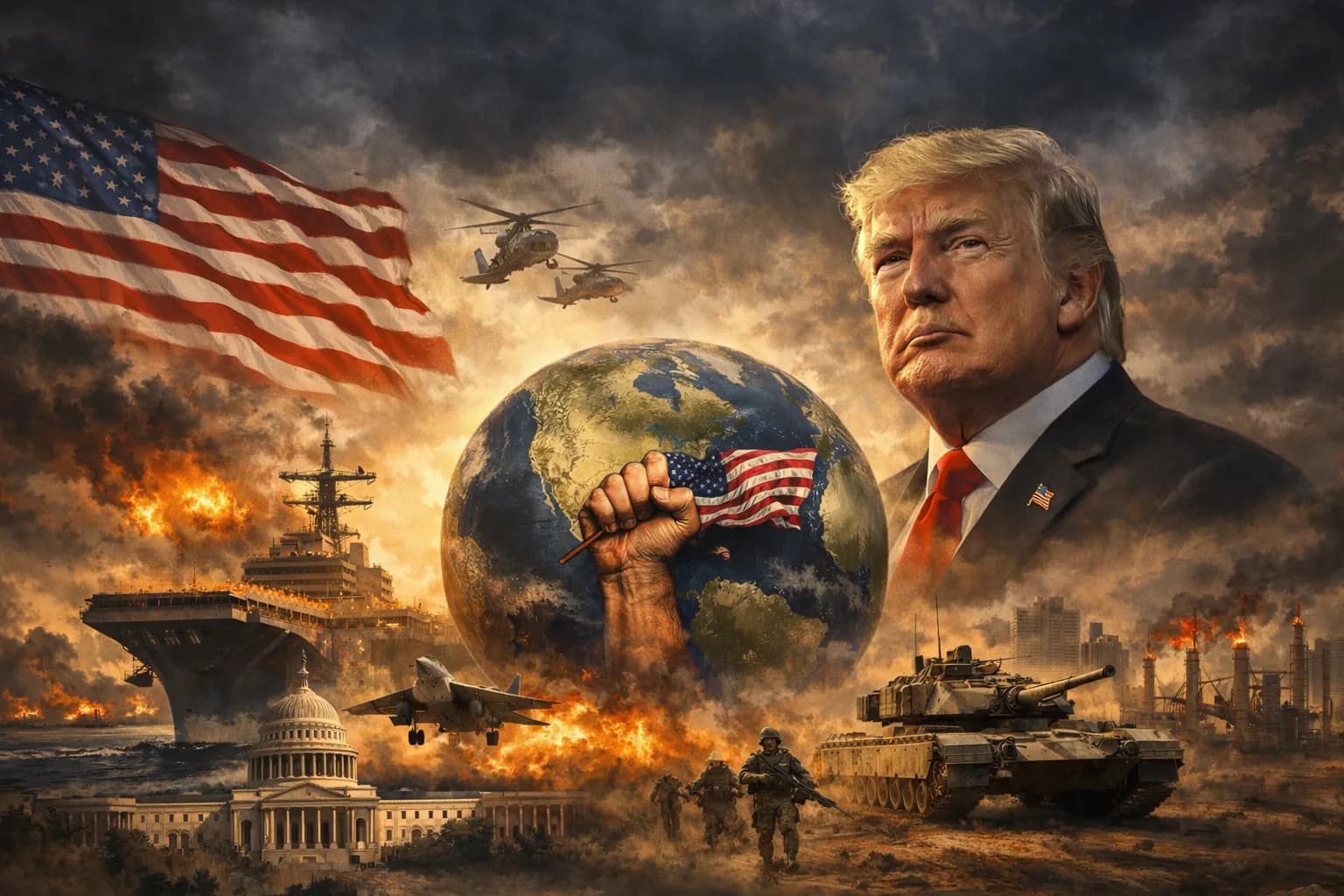
The Donroe Doctrine revives U.S. expansionism under Trump, prioritizing unilateral power, military force, and economic coercion over diplomacy and international law.
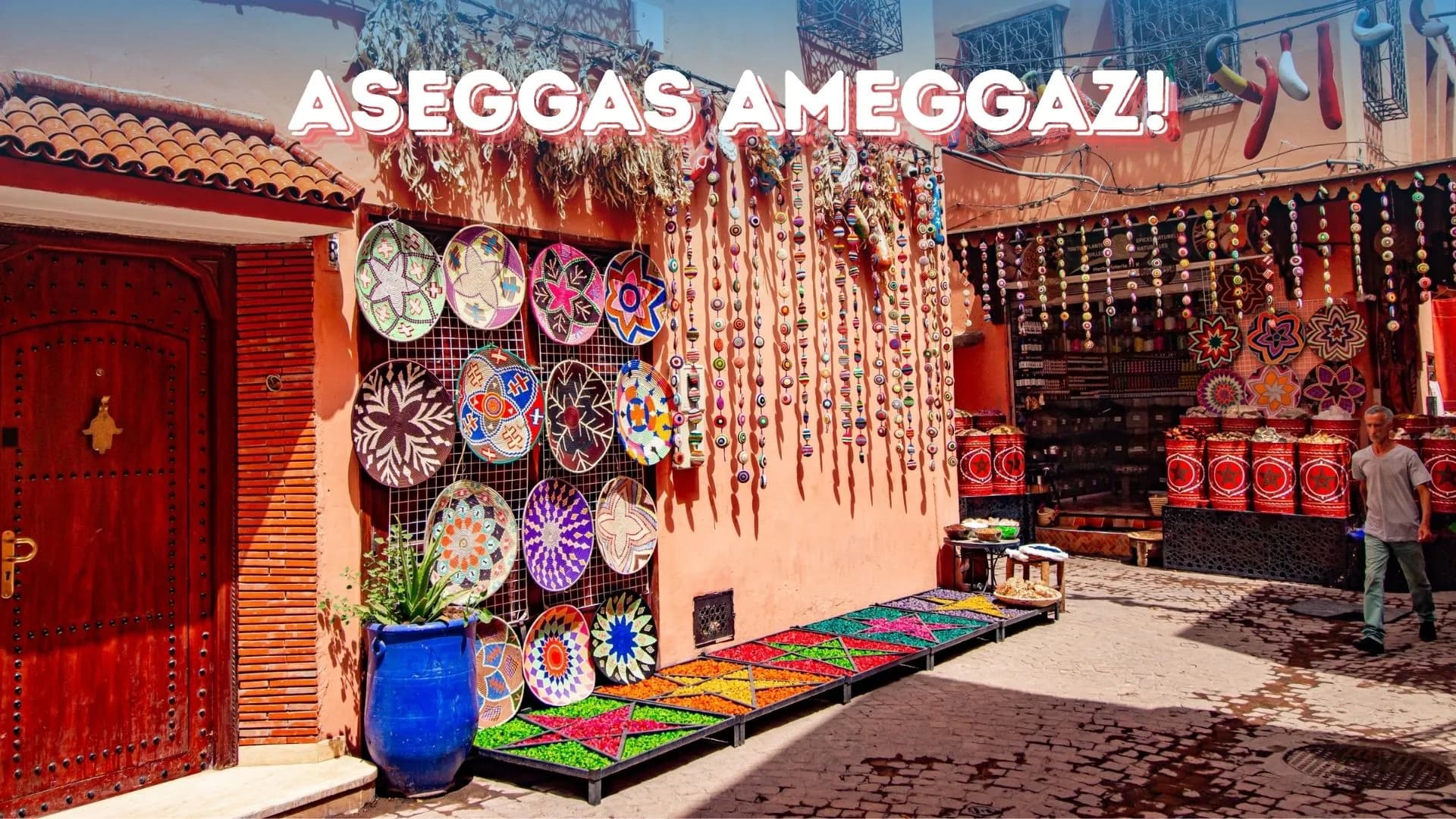
Amazigh communities across North Africa and the diaspora mark Yennayer 2976, welcoming the traditional New Year rooted in ancient agricultural cycles. The celebration highlights cultural heritage, renewal, family traditions and the growing recognition of Amazigh identity in the modern era.
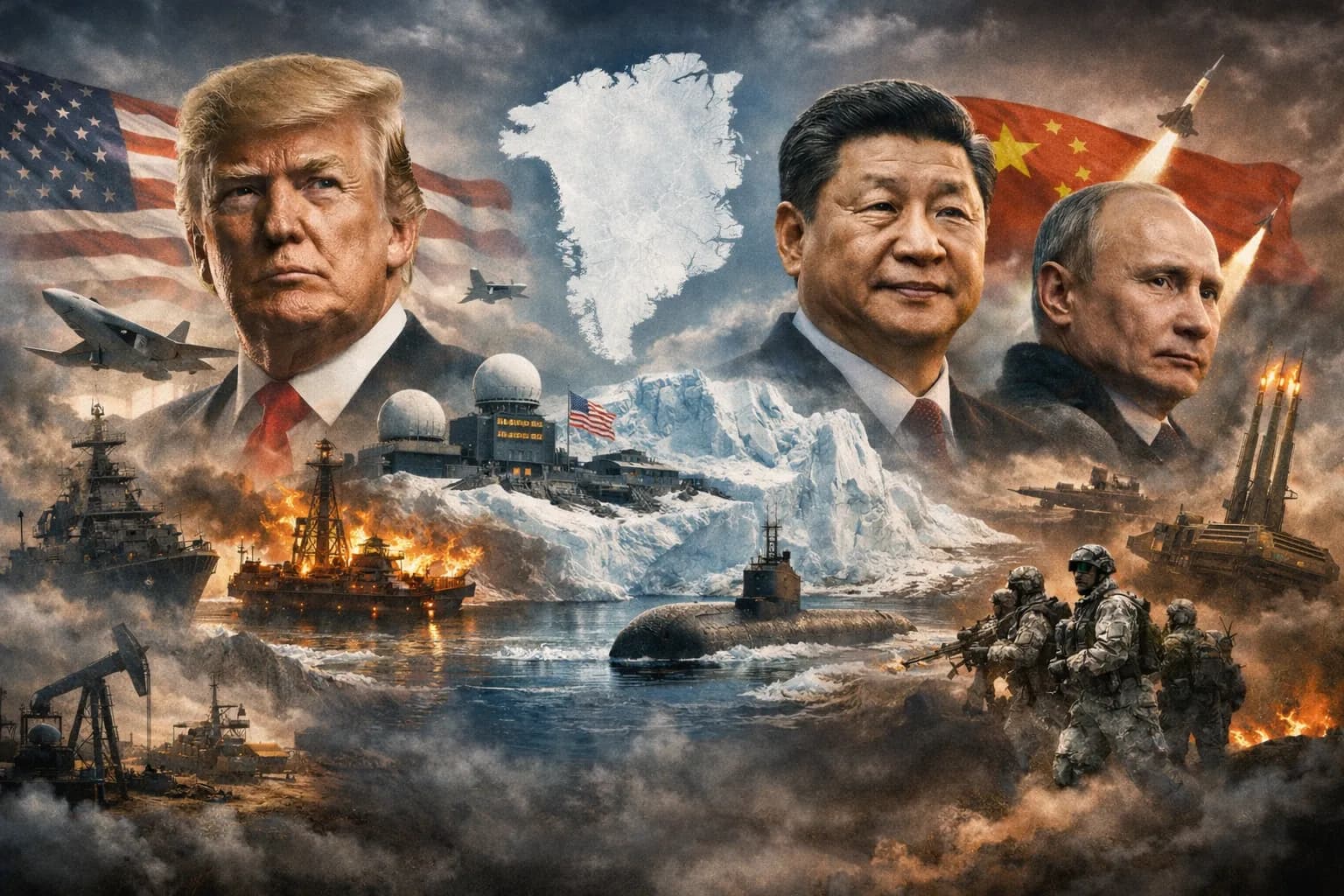
Trump’s expansionist “America First” policy sought control over resources and strategic zones like Venezuela and Greenland, increasing rivalry in the Arctic, straining NATO, and fueling tensions with China and Russia instead of trust and cooperation.
President of the Republic of Kazakhstan Kassym-Jomart Tokayev: KAZAKHSTAN HAS ENTERED A NEW STAGE OF MODERNISATION by Bauyrzhan BABAZHANULY, Turkistan Newspaper, 5 January 2026, No. 1 (1638)
For me, as a member of the Assembly of the People of Kazakhstan, the emphases directly related to strengthening social cohesion, civic responsibility, and a culture of unity are of particular importance.
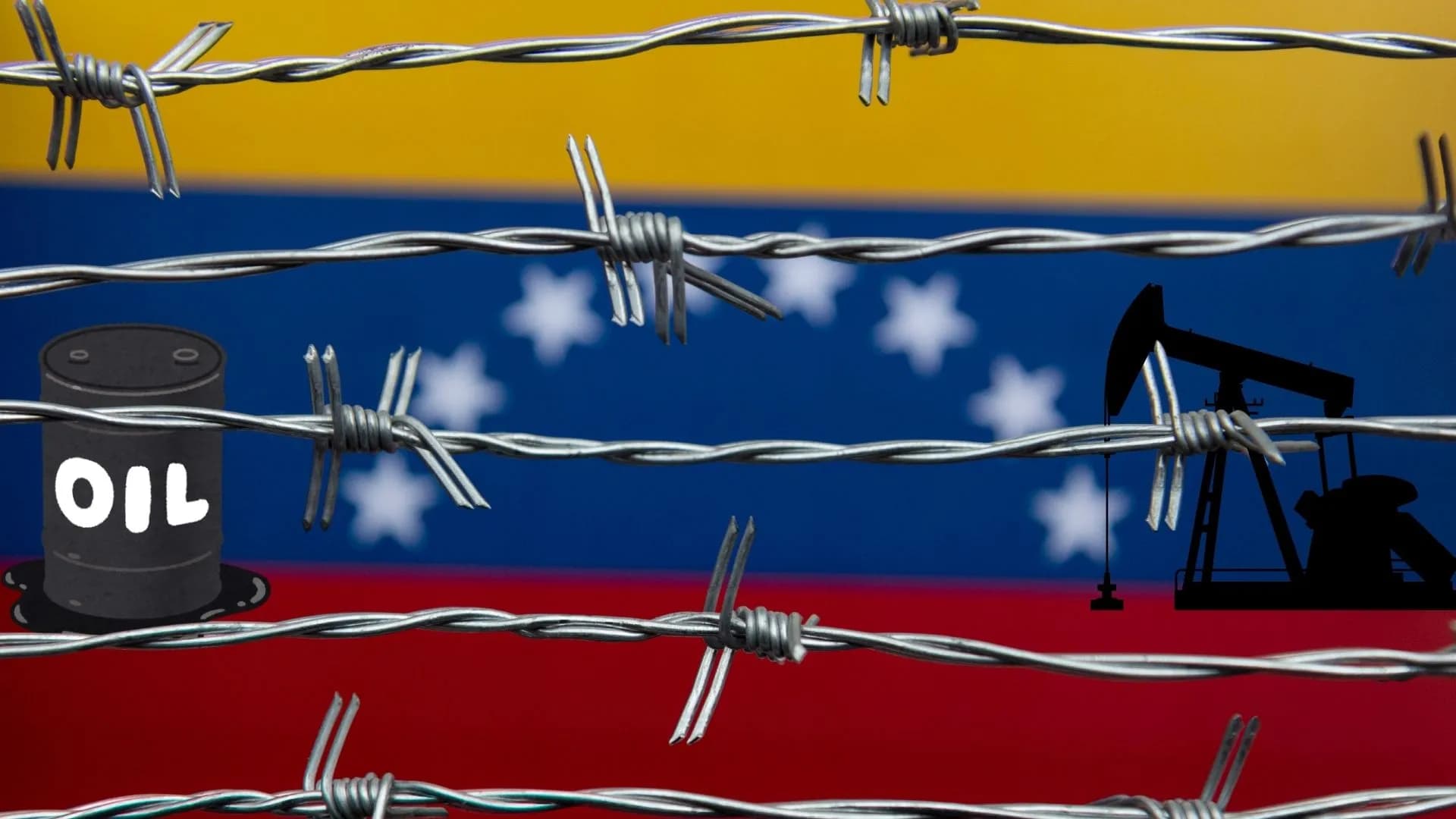
The January 2026 U.S. military intervention in Venezuela, which resulted in the capture of President Nicolás Maduro, is presented as a turning point driven by strategic competition over oil, minerals, and regional influence. Although Washington justified the operation through claims of narco-terrorism and authoritarian governance, the action is widely seen as a violation of international law and Venezuelan sovereignty. Venezuela’s economic collapse, worsened by sanctions and mismanagement, forms the backdrop to the crisis, while regional and global reactions reveal deep concern over renewed U.S. interventionism. The operation’s human, economic, and political costs are significant, and the situation underscores a broader return to resource-centered geopolitics, with Venezuela’s vast energy reserves at the core of a conflict that challenges international legal norms and regional stability.
In contemporary political economy, taxation has long constituted the primary mechanism through which states finance public services and maintain institutional stability. However, structural transformations driven by globalization, technological change, and automation have increasingly exposed the limitations of a tax system that relies predominantly on labor and consumption. Growing inequality, the erosion of traditional employment, and declining public trust highlight the need to reassess how modern states generate revenue. This text introduces an alternative framework for public finance that complements taxation with public ownership of productive assets, equitable resource-based taxation, and citizen-oriented income mechanisms. Rather than advocating the abolition of taxes, it emphasizes the necessity of a balanced and sustainable funding model capable of supporting social welfare, economic resilience, and long-term state legitimacy in a rapidly evolving economic landscape.
England’s economy suffers from rising living costs, regional inequality, and short-term policies. Solutions require a people-centered economy, local currency systems, investment in innovation, fair data ownership, sustainable public spending, and reforms that prioritize long-term social well-being over short-term profit.
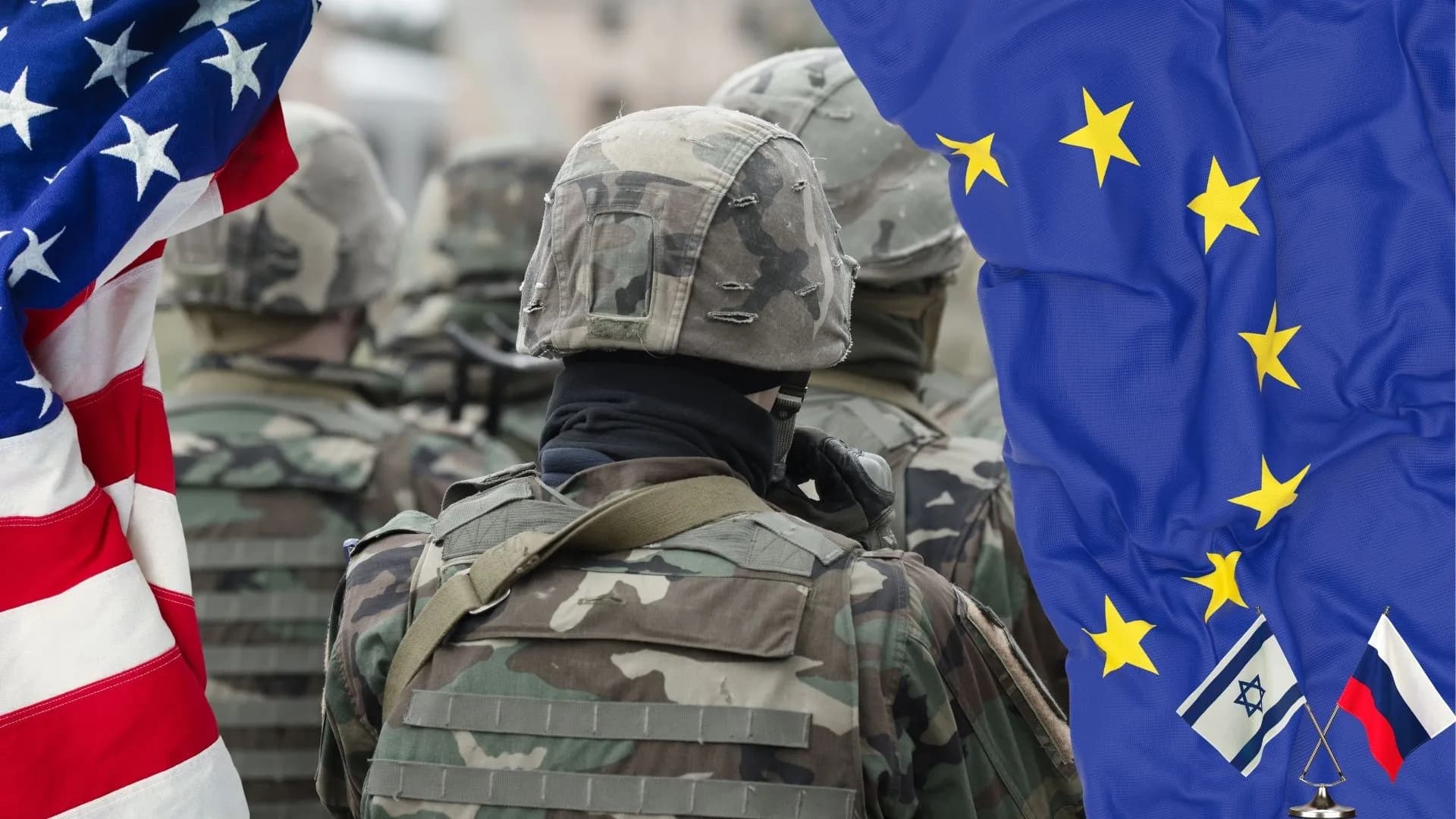
In the post–proxy conflict phase in Syria, military and diplomatic balances are being reshaped. Israel views the military presence of Türkiye as less predictable and considers Russia a more manageable actor. Moscow seeks to institutionalize its presence through a comprehensive military agreement with the new leadership in Damascus. The United States and European countries oppose this process, fearing that it would grant Russia additional geopolitical leverage. Türkiye aims to maintain its role on the ground based on border security and counterterrorism considerations.
This article examines why religion is debated with exceptional intensity in Muslim societies. It argues that the harshness of these debates stems not from religious dogmatism, but from religion’s continued role as a constitutive framework for social order, identity formation, and moral legitimacy. Unlike Western modernization—where religion largely retreated into the private sphere—modernization in Muslim societies was often rapid, externally imposed, and institutionally disruptive. As a result, religion became both a target of reform and a refuge of meaning. Drawing on classical and contemporary social theory, the study demonstrates that fierce religious debates signal not decline, but the enduring centrality of religion in contexts marked by identity crises and civilizational uncertainty.
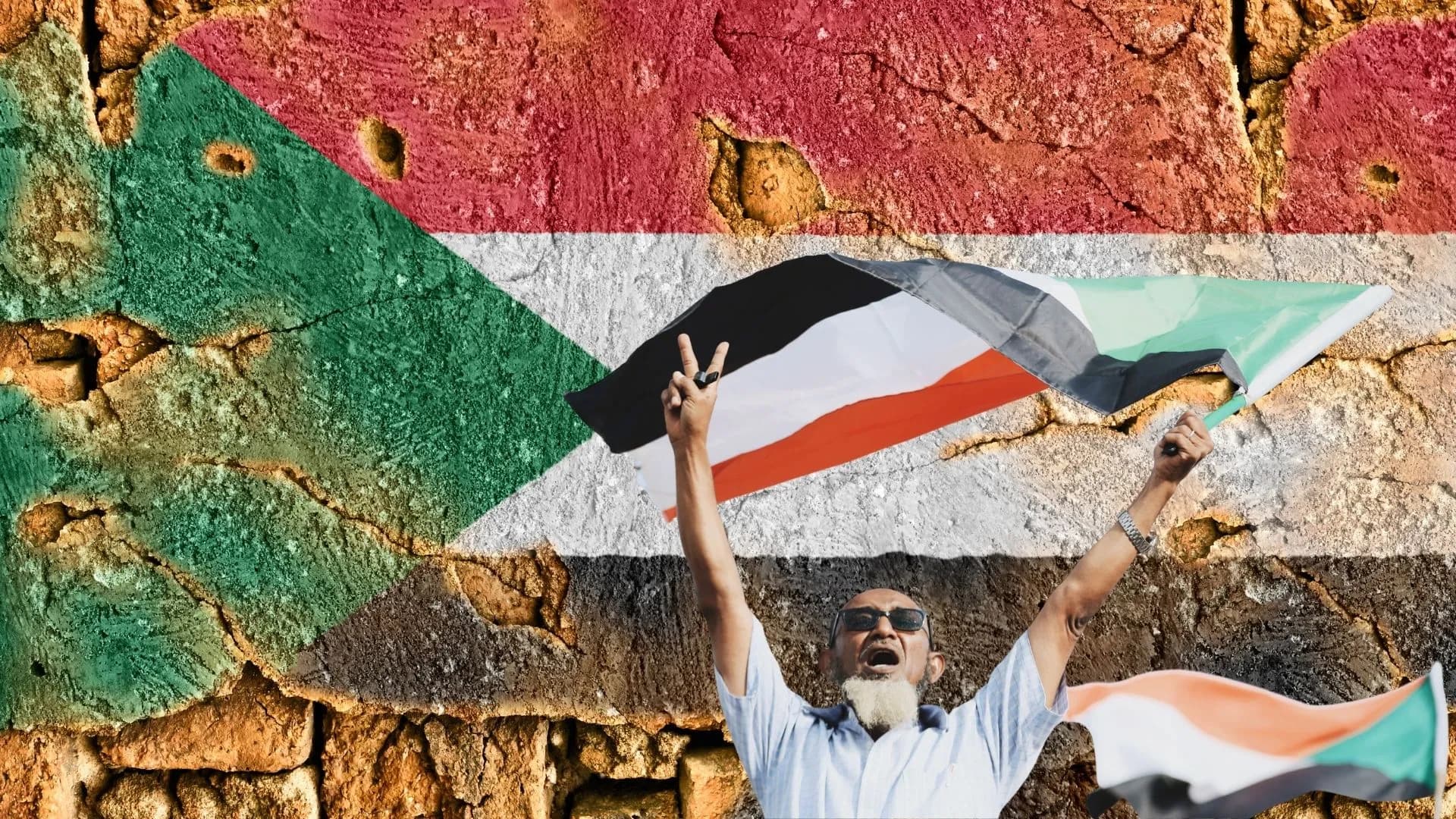
This article examines how constructed identity narratives of “Arab” and “African” in Sudan—rooted in culture, language, and politics rather than race—have been transformed into instruments of power, exclusion, and mass violence. Tracing the historical coexistence of Sudanese communities and the later politicization of identity by the modern state, the study shows how marginalization in regions such as Darfur was reframed through ethnic labels. The militarization of these narratives, particularly through the Janjaweed and their successor, the Rapid Support Forces, turned identity into a mechanism of war. External interventions further hardened these divisions, producing one of the world’s largest humanitarian crises. The Sudanese case demonstrates that identity, while socially constructed, can become lethally real when mobilized for political and geopolitical ends.
Avşarspor is more than a football club; it represents the Avşar Turkic spirit rooted in history and culture. Drawing strength from its ancestral heritage, the club sees every match as a continuation of a legacy. Beyond sporting success, Avşarspor aims to preserve Turkic identity, strengthen bonds across the Turkic world, and keep shared cultural memory alive.