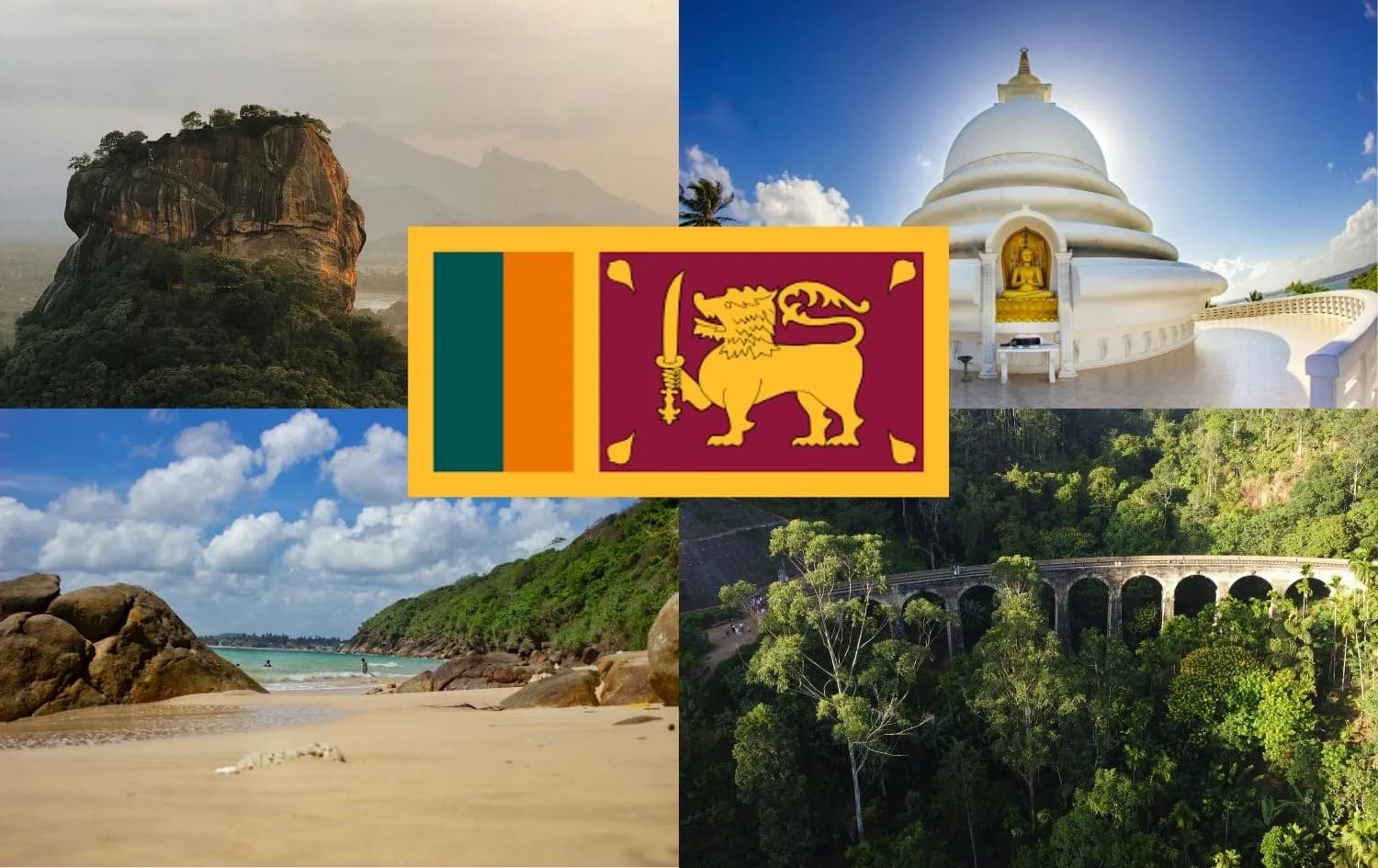
Sri Lanka’s tourism grew by 15.1% in 2025, reaching 2.36 million visitors. For 2026, arrivals are projected at 2.5–3 million. Despite global uncertainties, market diversification, digitalization, and sustainability remain key drivers of continued growth.
Written by journalist of EUReflect Danylo Aleksandrov.
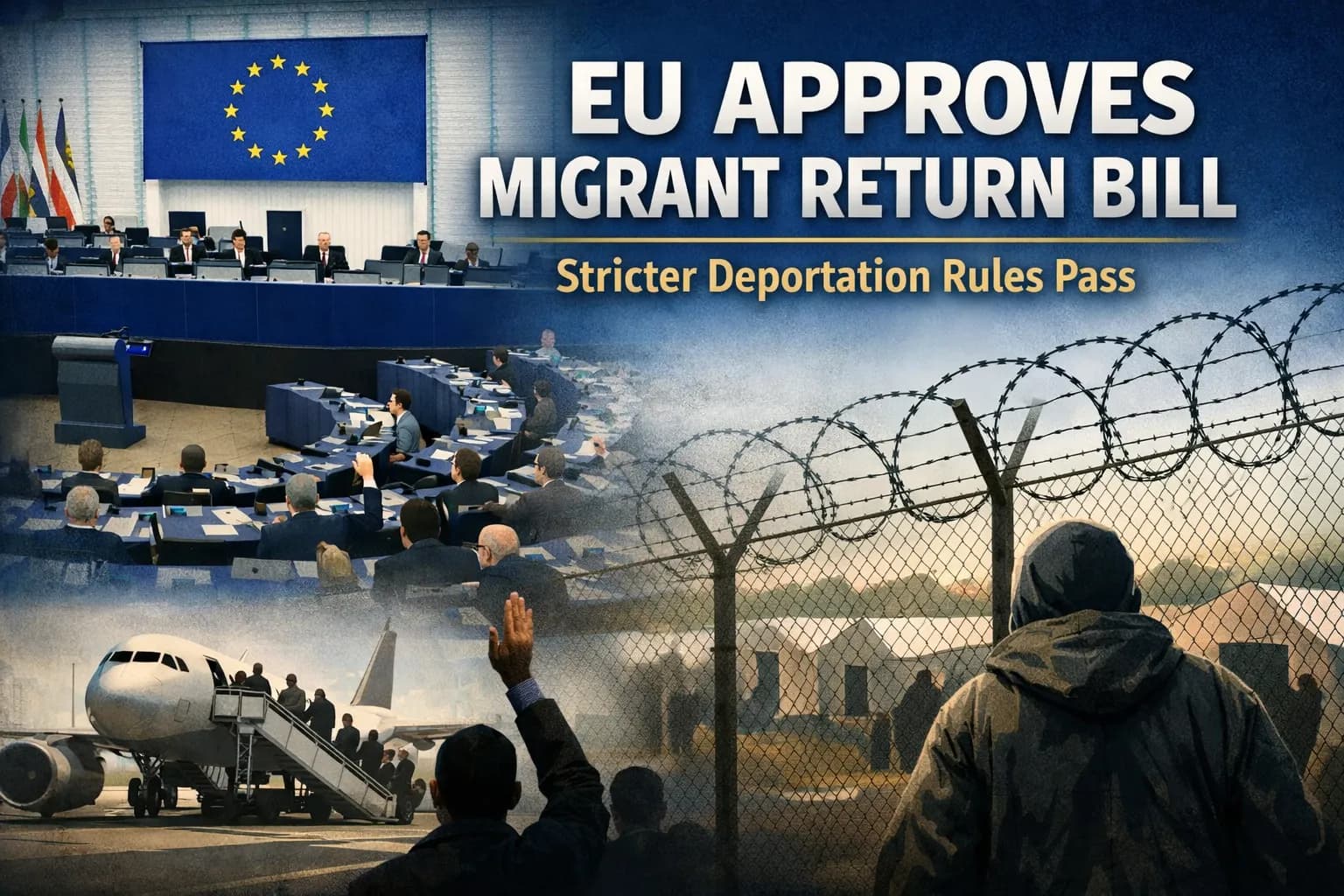
Euronews reports that on Thursday the European Parliament has approved of a new bill intended to speed up the return of illegal immigrants as well as increasing the number of deported.
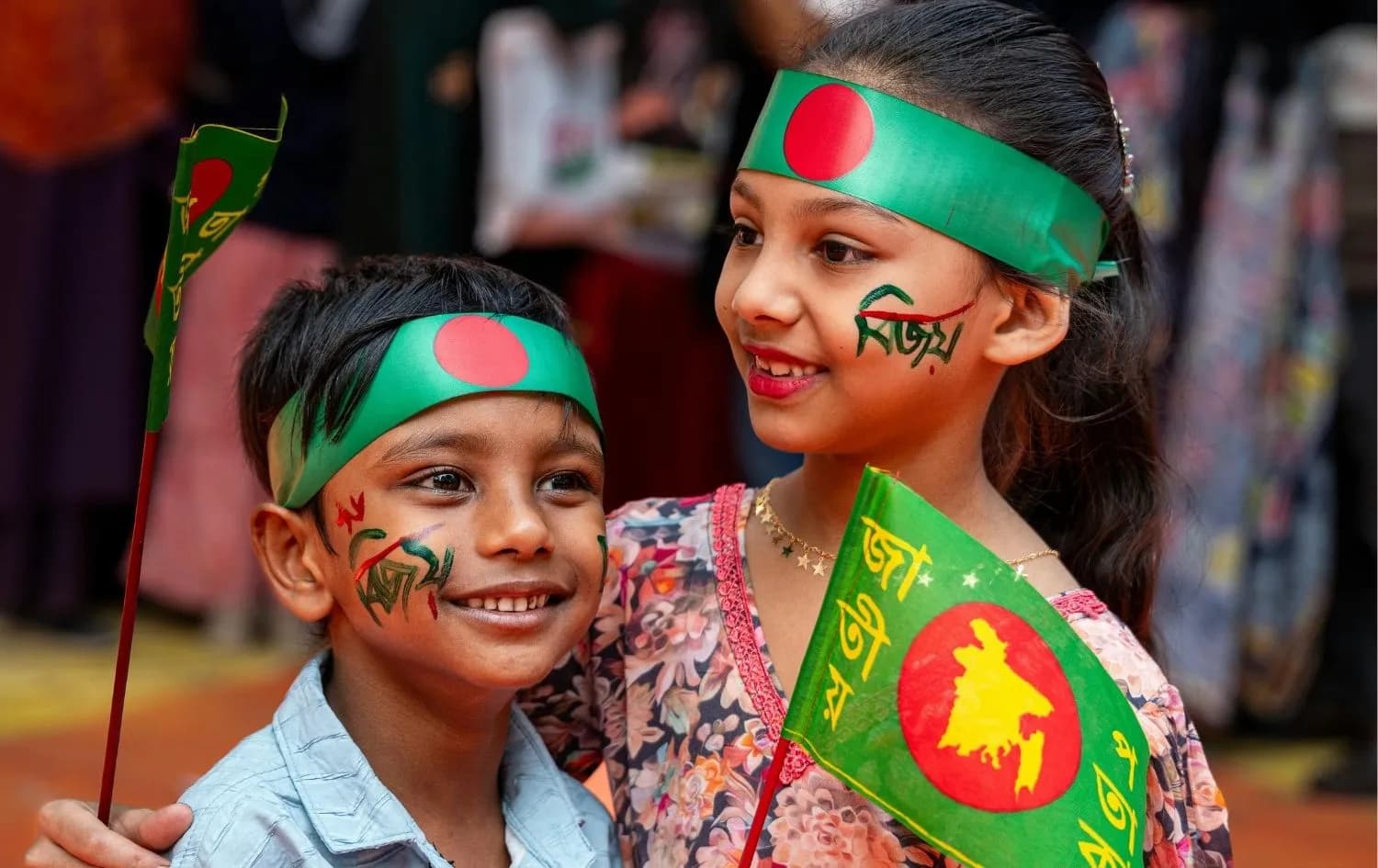
The Bangladesh Independence Declaration was proclaimed by Ziaur Rahman, based on a message from Sheikh Mujibur Rahman. Mass protests and Operation Searchlight triggered the Liberation War.
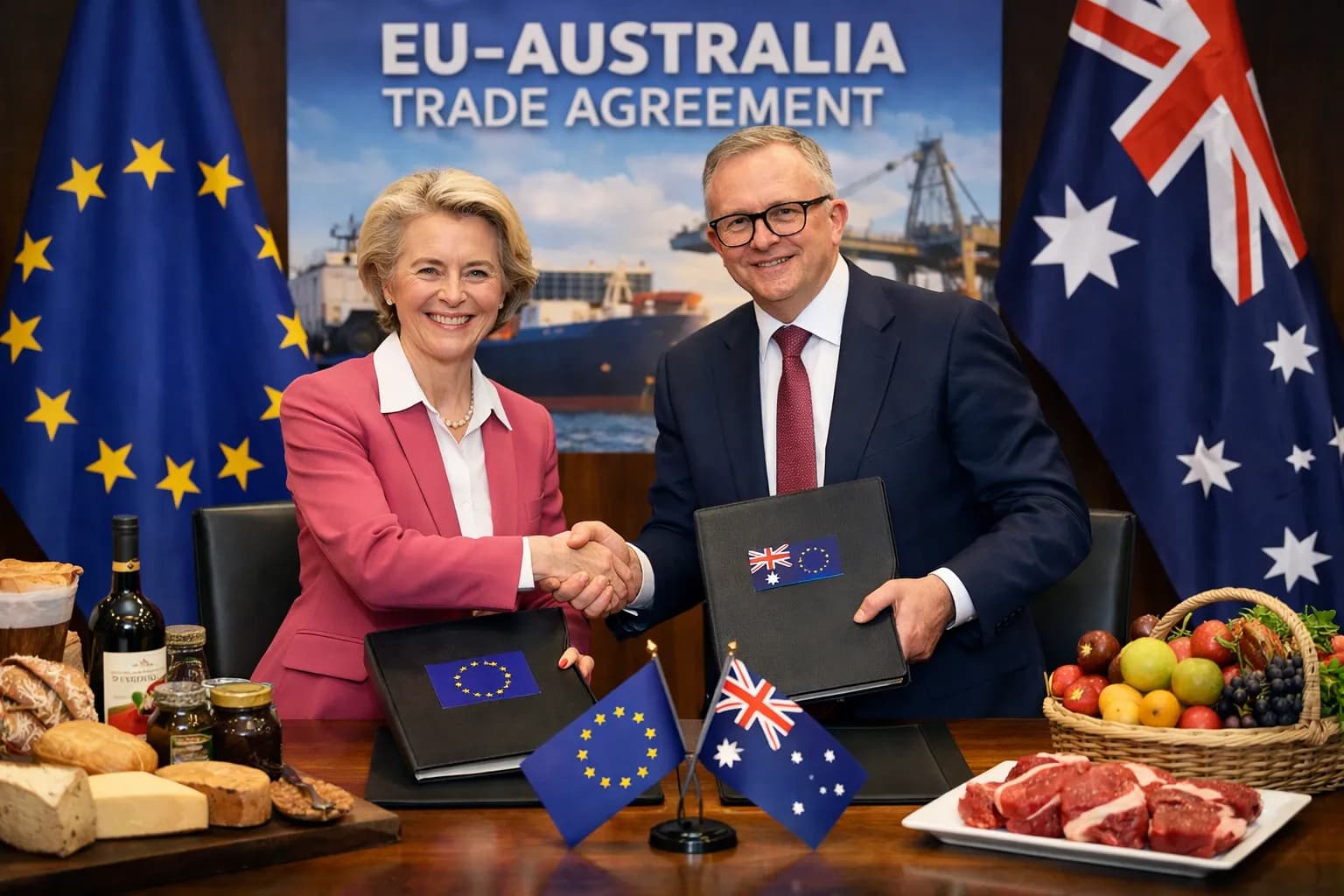
The European Union and Australia have reached a landmark trade agreement in Canberra following eight years of negotiations, according to reports. Valued at approximately $7 billion, the deal has been described as mutually beneficial by Ursula von der Leyen and Anthony Albanese, who formally endorsed the agreement.
Written by Correspondent Danylo Aleksandrov
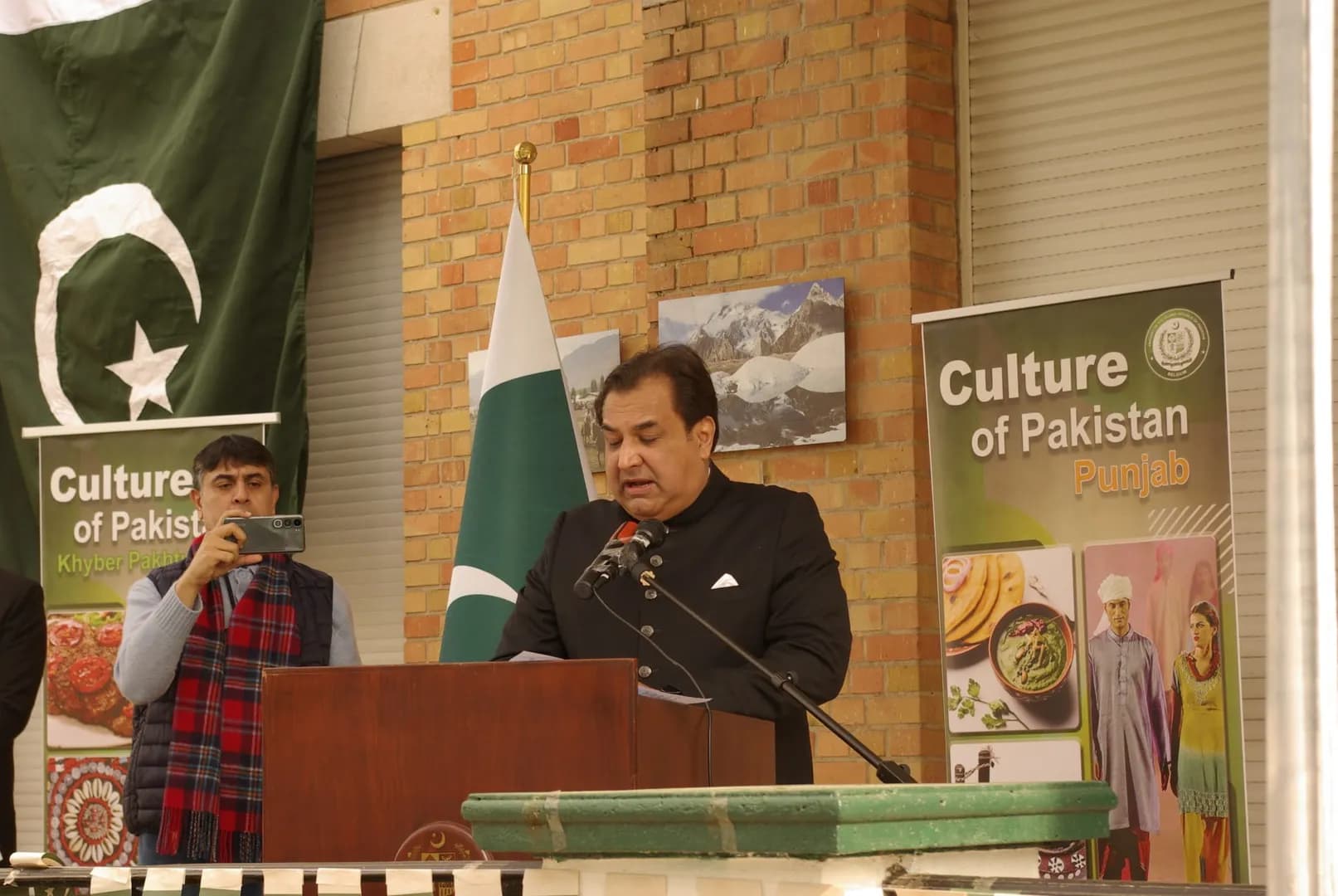
Brussels, March 23, 2026. Written by Saadia Ajbaili
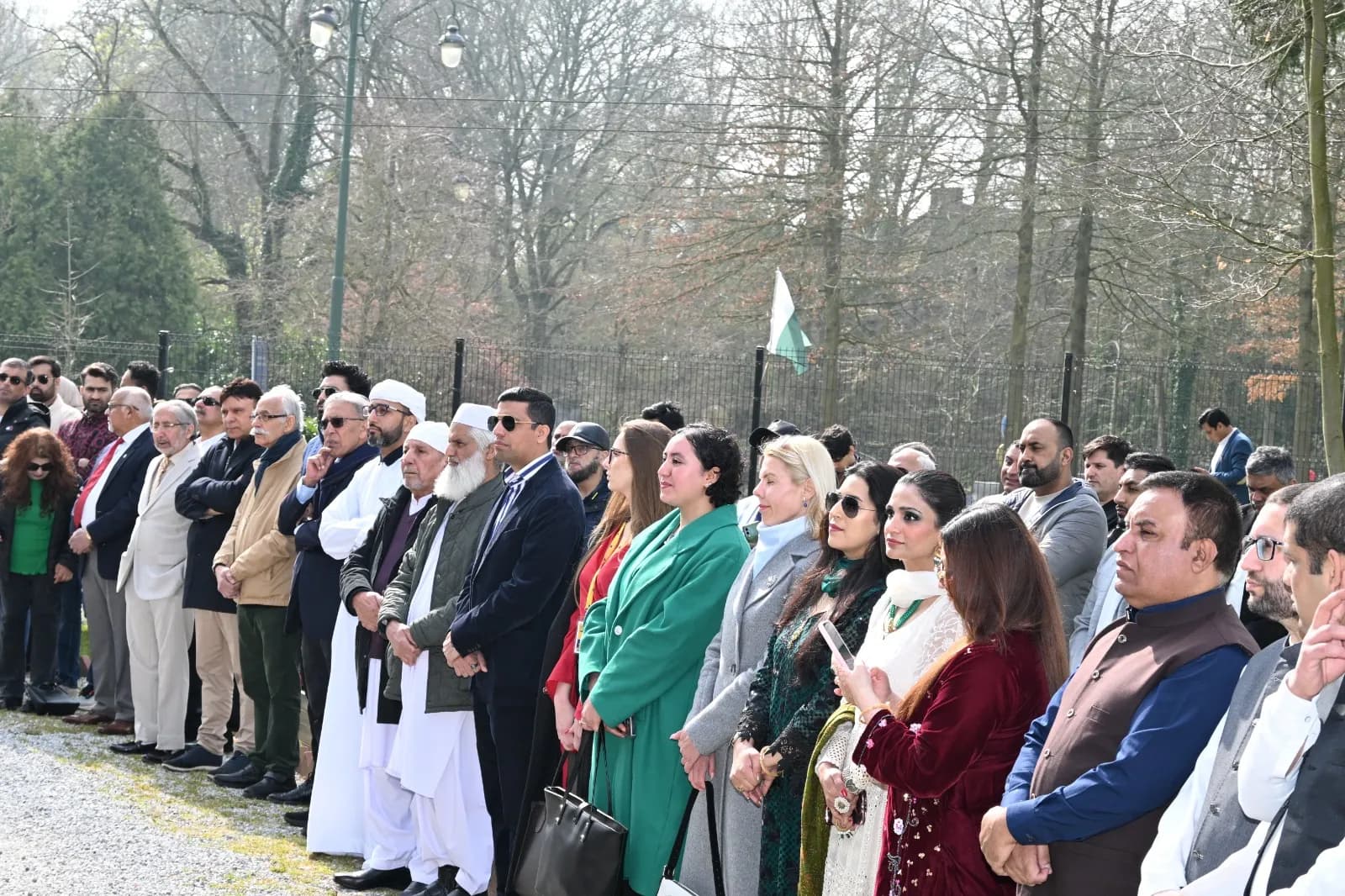
The Embassy of Pakistan in Brussels commemorated Pakistan National Day with a solemn yet
meaningful flag-hoisting ceremony on Monday, bringing together members of the Pakistani
community from Brussels and Luxembourg.
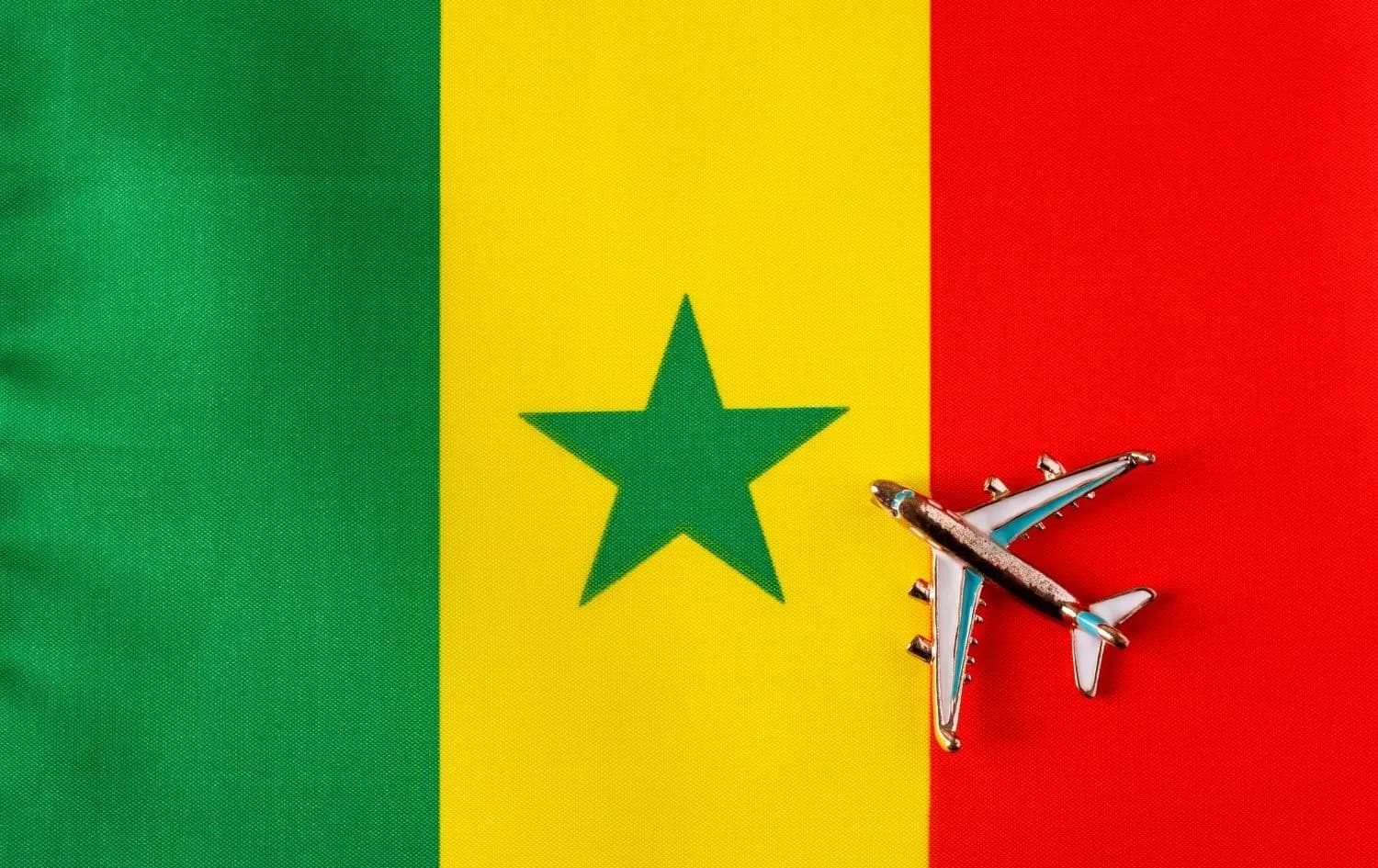
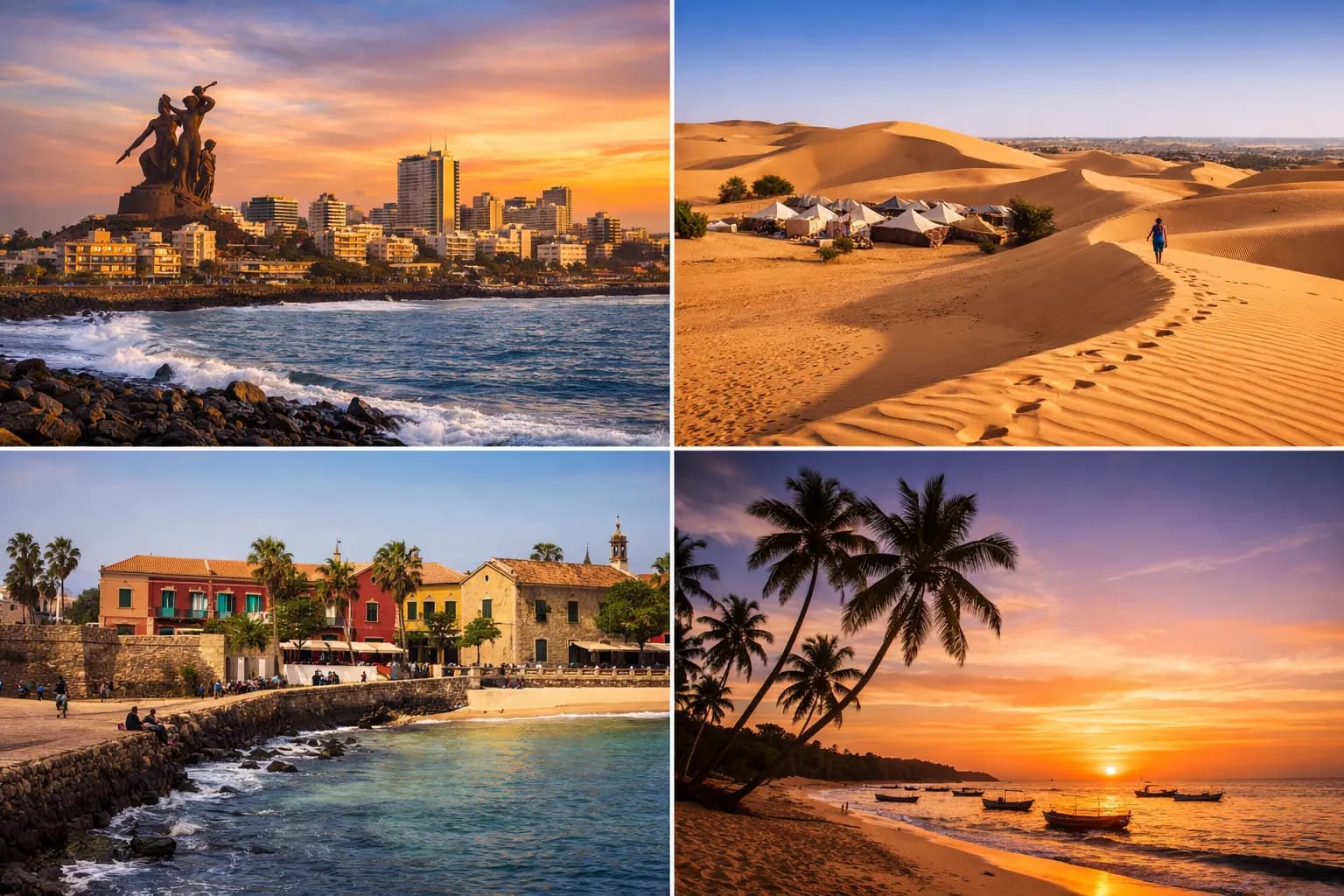
Golden beaches stretching into the Atlantic, music pulsing through the streets of Dakar, and a culture built on warmth and hospitality are quietly transforming Senegal into one of the most exciting travel destinations of 2026.
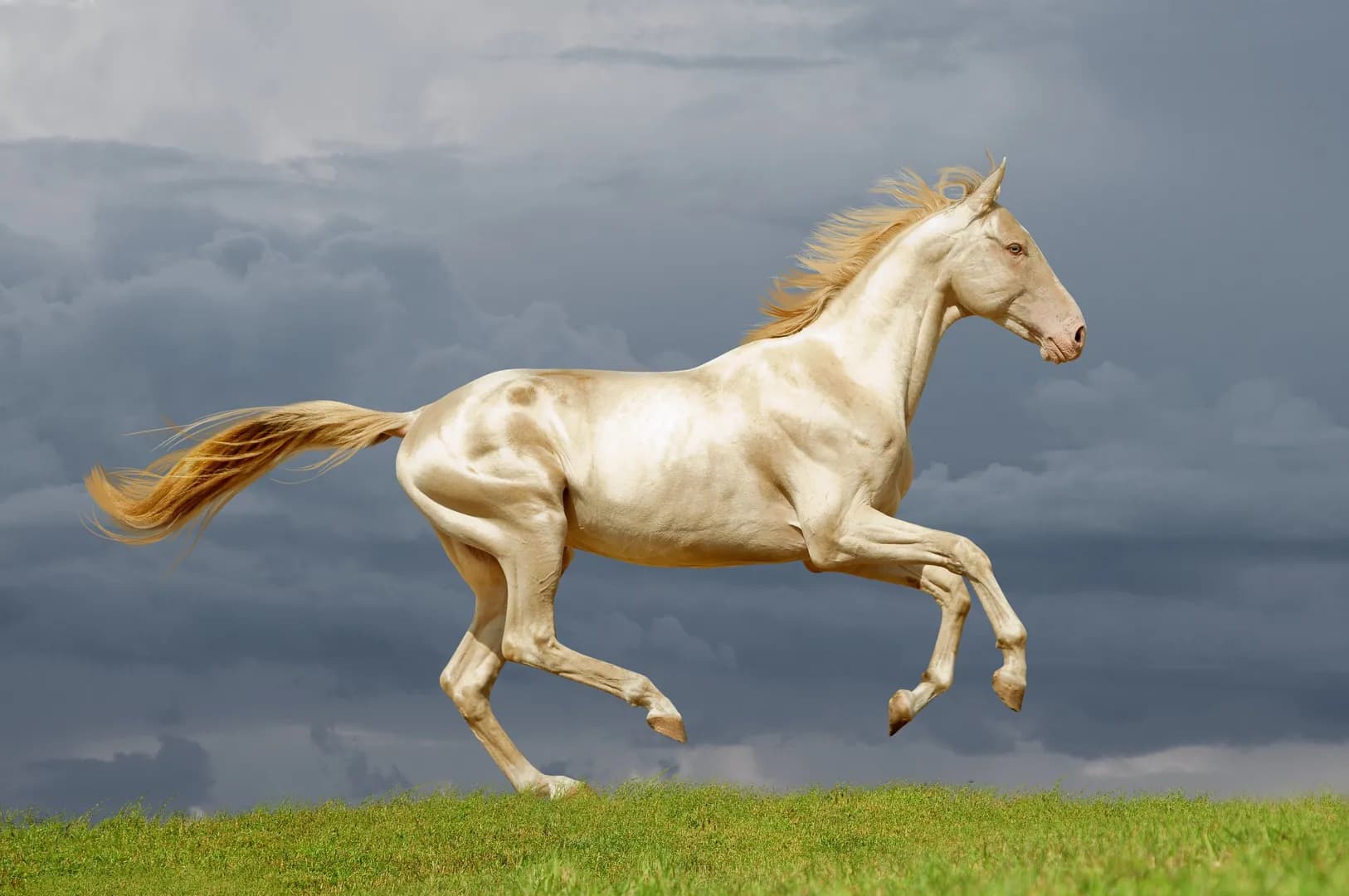
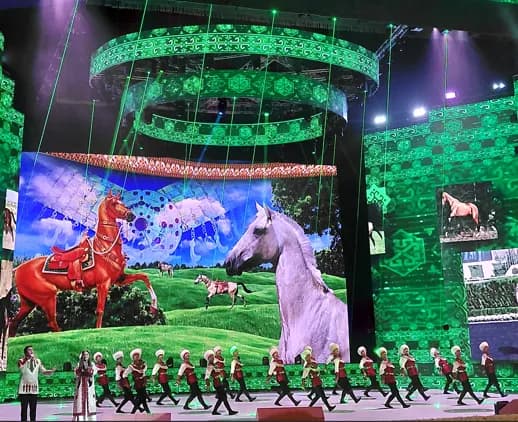
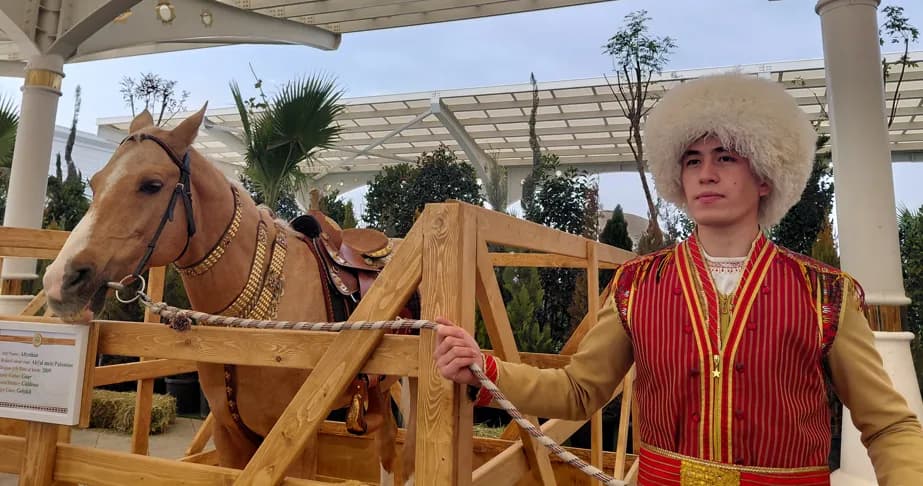
The Akhal-Teke horse is one of the oldest horse breeds from Turkmenistan. Known for its golden sheen, elegant build, and exceptional endurance, it developed in harsh desert conditions and stands out for both its physical abilities and cultural significance.
March 25, 2026
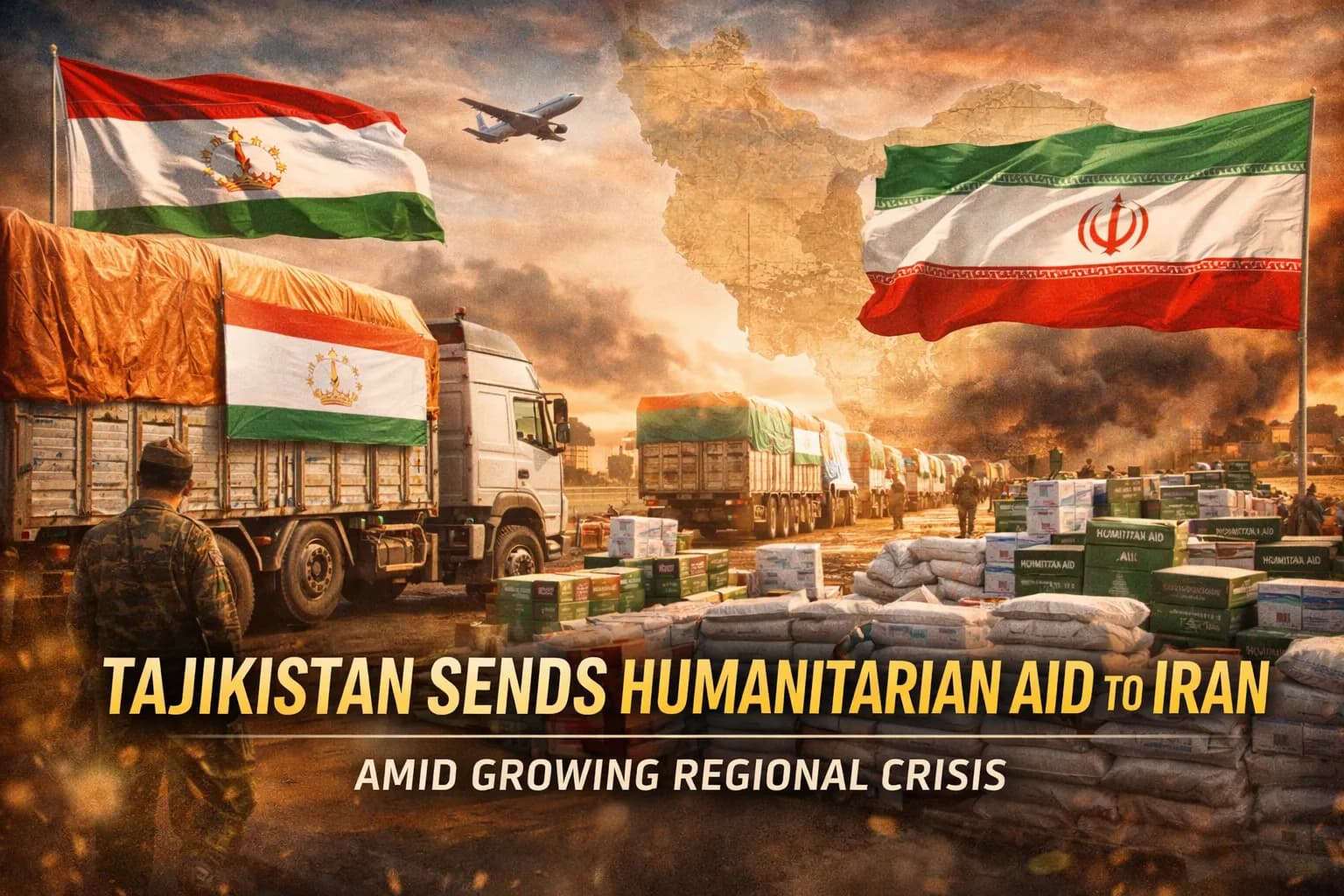
As the humanitarian situation in Iran continues to deteriorate, Tajikistan has stepped in with a large-scale aid delivery, underscoring both regional solidarity and its growing role in international humanitarian efforts.
Golden beaches stretching into the Atlantic, music pulsing through the streets of Dakar, and a culture rooted in warmth and hospitality are quietly positioning Senegal as one of the most compelling travel destinations for 2026.
Iran’s proposed 10% levy on oil transiting the Strait of Hormuz has sparked legal debate and geopolitical tensions. If implemented, it could generate revenue for Tehran while raising global oil prices, adding a persistent risk premium and increasing market volatility.
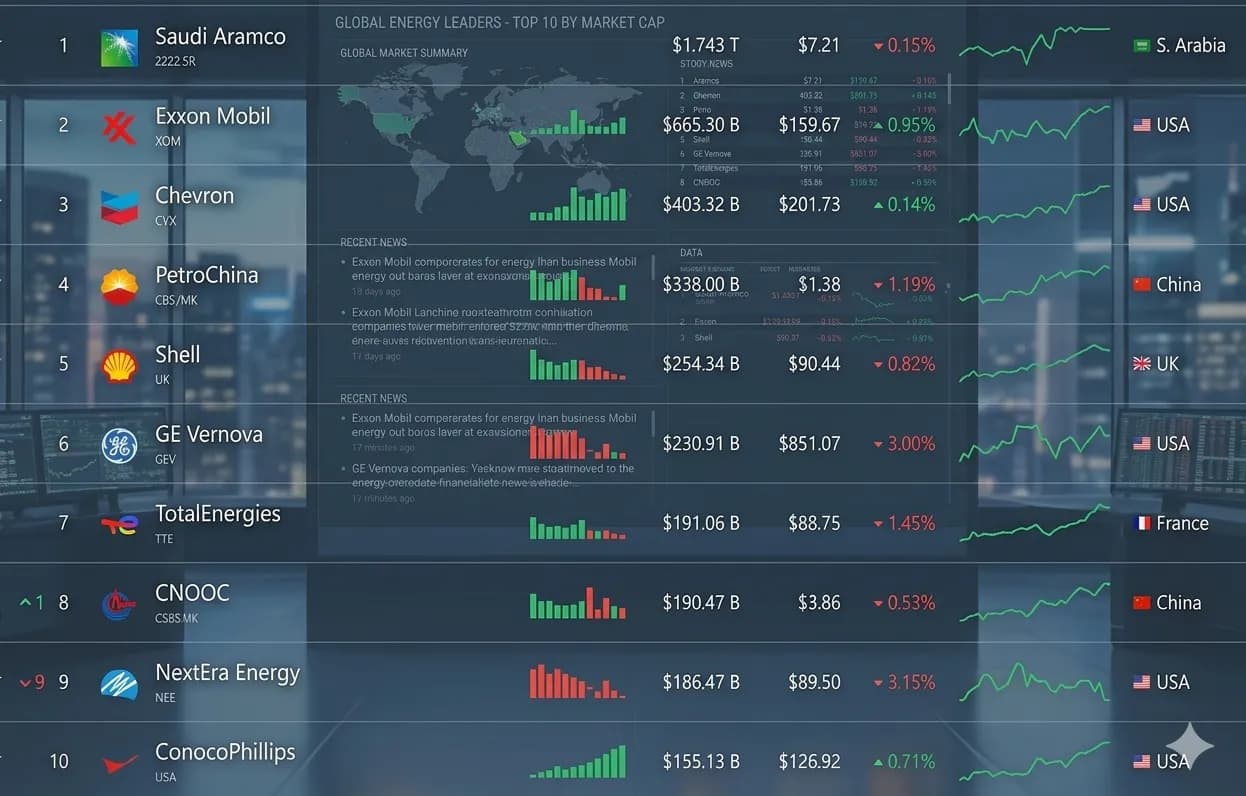
As of March 2026, Saudi Aramco dominates the global energy sector with a market capitalization of $1.74 trillion, far ahead of competitors. U.S. companies hold strong positions, with Exxon Mobil ($665.30 billion) and Chevron ($403.32 billion) ranking second and third, alongside GE Vernova and Nextera Energy, which highlight the growing role of renewables and technology. Europe’s Shell ($254.34 billion) and TotalEnergies ($191.06 billion) remain key players, while China’s PetroChina ($338 billion) and CNOOC ($190.47 billion) underscore Asia’s influence. Despite overall negative price movements, Exxon Mobil and ConocoPhillips showed gains. GE Vernova stands out with the highest share price at $851.07. Overall, the data reflects a shifting energy landscape where traditional oil giants coexist with emerging renewable-focused firms, intensifying competition between East and West.
After nearly two decades away from international competition, Eritrea is preparing to re-enter the global football scene. This return represents far more than a sporting event—it signals a broader moment of reconnection.
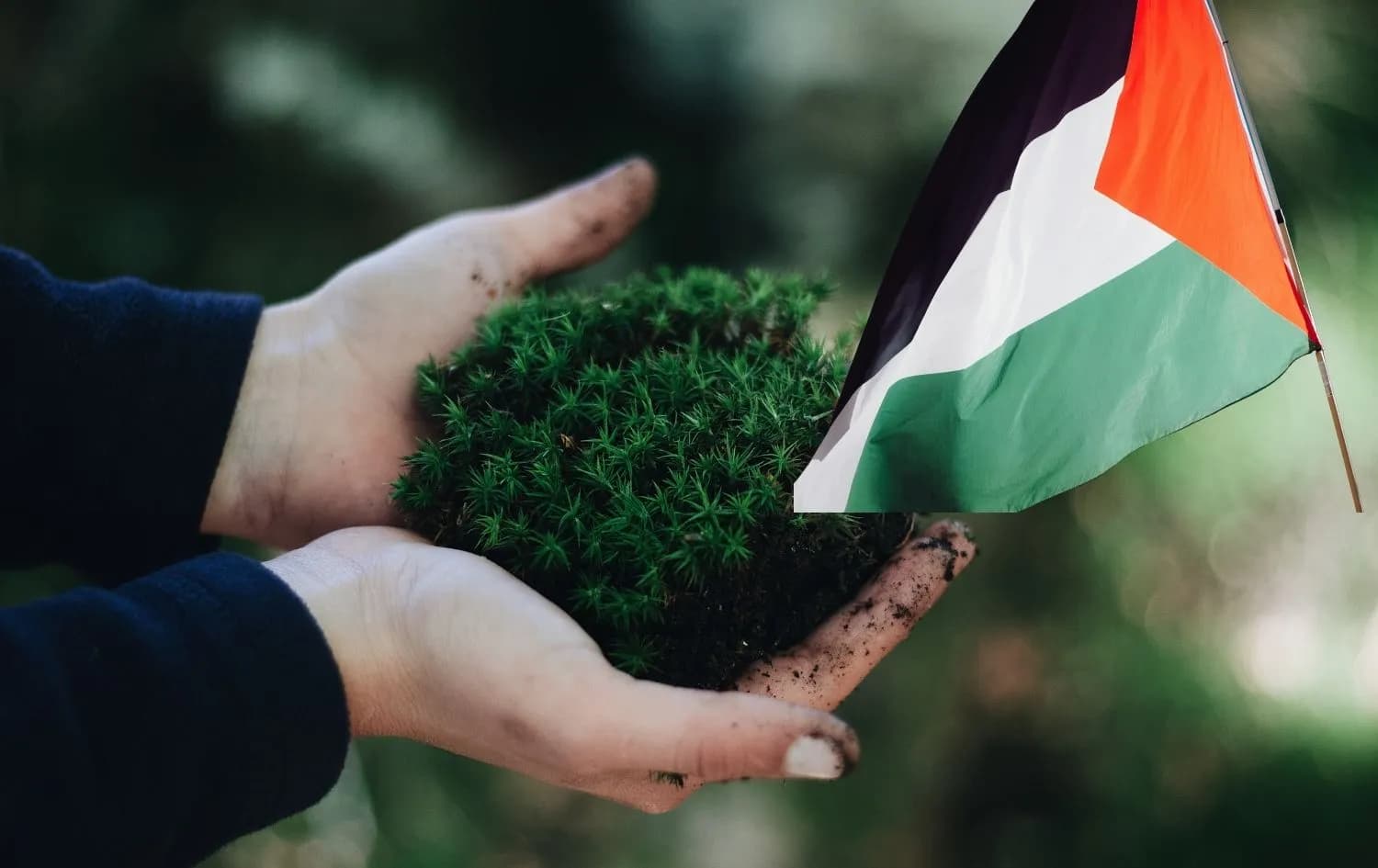
The war in Gaza is not only causing casualties but also increasing the risk of “ecocide” through environmental destruction. Bombings, chemical residues, and damaged infrastructure are devastating agriculture, water resources, and biodiversity, leading to long-term ecological disaster and famine risk.
The European Union is shifting from a normative economic power toward geopolitical influence amid global instability. Despite internal divisions and reliance on the U.S., it seeks strategic autonomy through defense growth and Indo-Pacific engagement.
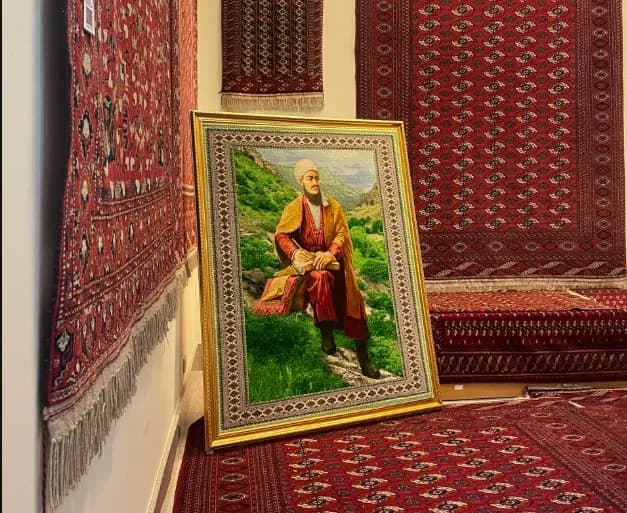
Magtymguly Pyragy’s question “Who am I?” emerges between individuality and identity. He united these dimensions, preserving Turkmen identity in his poetry and creating a national consciousness that connects the past with the future.
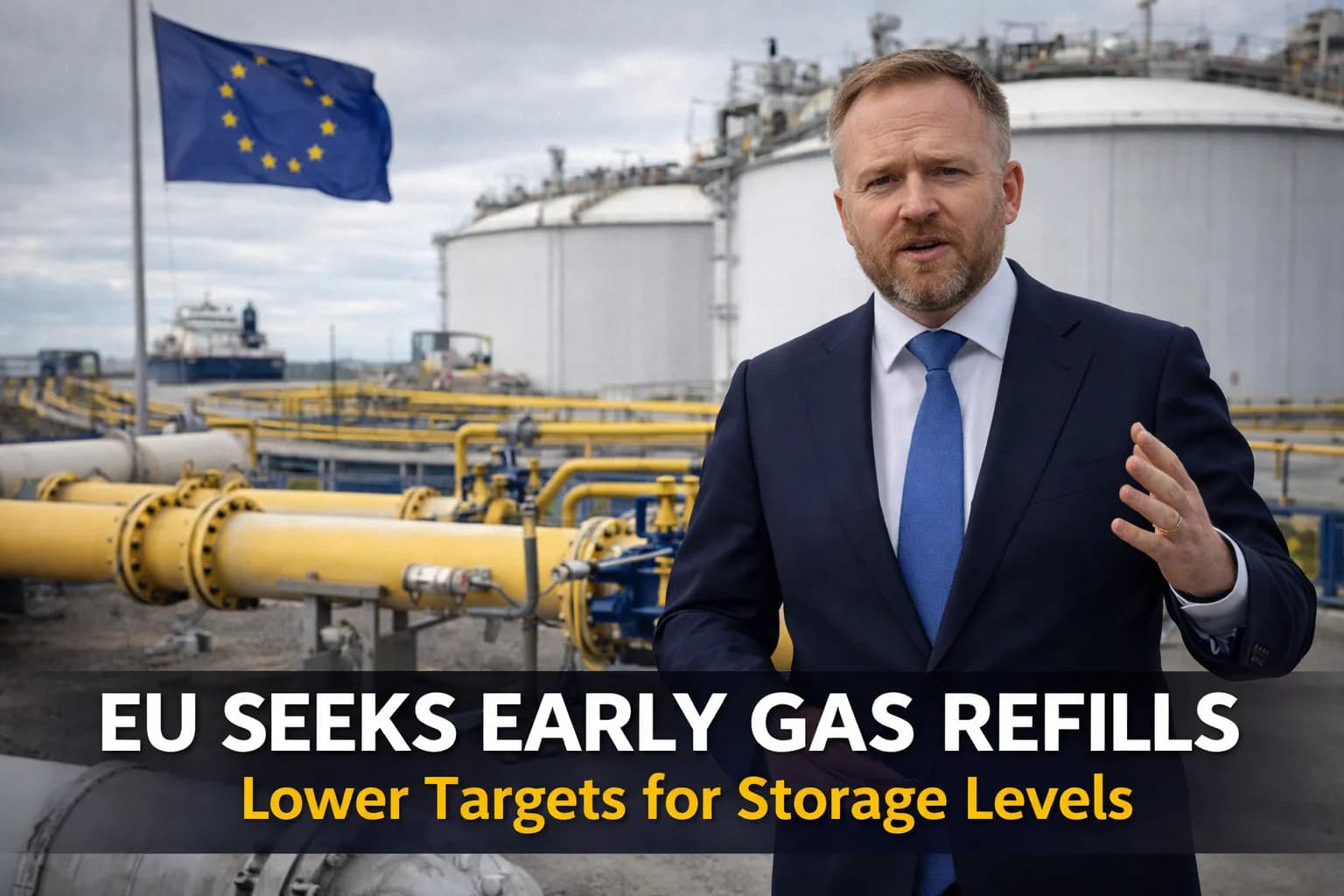
According to Euronews, European Energy Commissioner Dan Jørgensen has urged EU member states to begin refilling their gas reserves earlier than usual in order to prevent unexpected price increases and to prepare in advance for the winter season.
Written by Danylo Aleksandrov
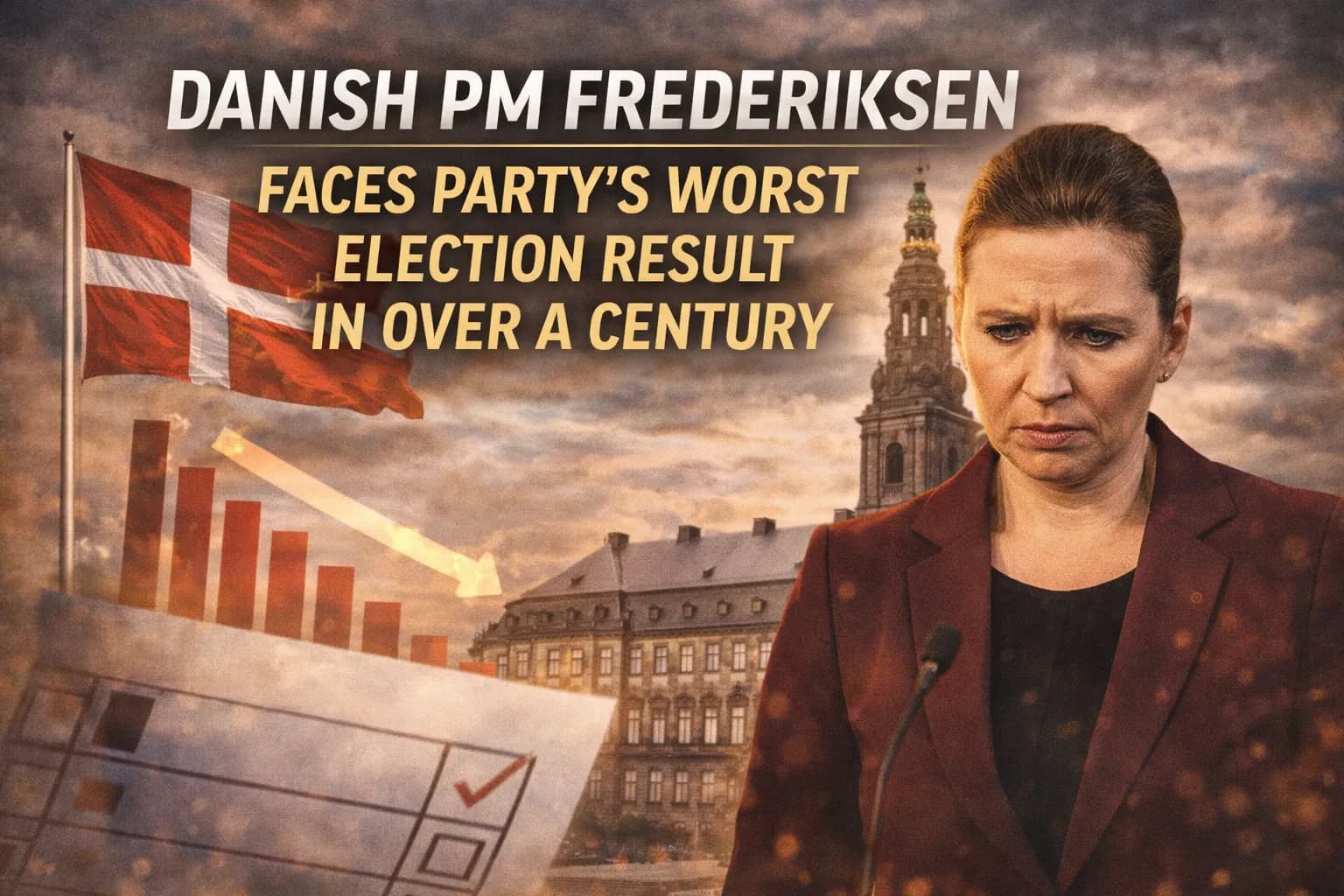
In the recent general election in Denmark, held on Tuesday, the Social Democrats—led by Prime Minister Mette Frederiksen—recorded one of their weakest performances in more than a century, according to reports.
Written be Correspondent Danylo Aleksandrov