Uzbekistan’s potential purchase of Chinese JF-17 Block 3 jets could shift the power balance in Central Asia, reducing Russia’s influence and boosting China’s role. The deal offers technology transfer, pilot training, and cost-effective modernization, making Uzbekistan the first in the region to operate fifth-generation fighters.
Belgium suspects a coordinated “spy operation” behind recent drone flights over the Kleine-Brogel air base, which reportedly hosts U.S. tactical nuclear weapons. Belgian Defense Minister Theo Francken said small drones were used first to test radio frequencies, followed by larger ones intended to destabilize the area. The incidents occurred on Nov. 1–3 and are part of a broader pattern of 14 drone sightings across Europe over the past two months, targeting military and dual-use sites, mainly at night. Analysts suggest these incursions could have political motives, with NATO countries increasingly alarmed by surveillance activities near strategic facilities.
Turkmenistan is positioning itself as a regional innovation hub with the launch of CIET 2025 — the International Conference & EXPO on the Development of the Construction, Industrial, Chemical and Energy Sectors — held in Avaza, the country’s Caspian coastal zone. The event brings together delegates from 55 countries, including major firms such as Mitsubishi Heavy Industries, Çalık Holding, ROSATOM, POSCO International, and DAMAC Properties, to discuss technology, investment, and sustainable development. Analysts say CIET 2025 marks Turkmenistan’s effort to integrate into global innovation networks and attract renewable energy, digital infrastructure, and transport investments, reinforcing its role as a strategic link in Central Asia’s economic transformation.
Dutch centrist leader Rob Jetten and his party D66 claimed victory in a tight election, positioning him to become the youngest prime minister in the Netherlands. The result marks a shift away from the far-right dominance of recent years, as Geert Wilders’ PVV lost ground to smaller parties. Despite D66’s win, analysts warn that forming a coalition will be difficult in the country’s increasingly fragmented political landscape. Jetten called for cooperation on key issues such as economy, migration, climate change, and housing, while experts stress that the far right remains influential and public trust in politics is still very low.
European Women’s International Leadership Award 2025 Held in Brussels
Brussels, 3 November 2025 — Eight women from across the globe were honored at the European Women’s International Leadership Award (EWILA) ceremony in Brussels, recognizing outstanding leadership, resilience, and social impact. The event took place at the DoubleTree by Hilton Brussels City, gathering diplomats, EU representatives, civil society leaders, and media.
Established at the European Parliament in 2019, EWILA highlights women who challenge traditional boundaries, drive transformative change, and inspire communities worldwide. This year’s laureates represent diverse backgrounds and fields including humanitarian action, nuclear safety, cultural preservation, emotional health, entrepreneurship, political leadership, and artistic activism.
This article examines the evolution of ceramic art from its historical development to contemporary technological innovations. It focuses particularly on how digital design, 3D printing, automation, and new material technologies have transformed ceramic production. The balance between preserving traditional handicrafts and embracing the possibilities offered by modern technologies is discussed, emphasizing that these two spheres should not be seen as mutually exclusive but as complementary.
The global electric vehicle (EV) market is witnessing a major geopolitical shift led by China’s rise. Once dominated by Western automakers, the sector now sees Chinese companies like BYD, Chery, and MG achieving global dominance through state subsidies, technological agility, and long-term strategic planning. China’s EV strategy goes beyond economics—it is a tool of industrial control, data collection, and geopolitical influence. The recent Israeli ban on Chinese EVs near military sites underscores the emerging link between EVs and intelligence risks, as these vehicles can potentially transmit sensitive data. As Chinese firms expand globally, they are embedding themselves within national infrastructures, raising fears of “digital colonialism.” Without international data-security frameworks, nations risk losing technological sovereignty and becoming dependent on China’s digital ecosystem. What began as an environmental innovation is fast transforming into a global security issue.
Attending the TRT World Forum 2025 in Istanbul was an inspiring and intellectually engaging experience. Under the theme “Global Reset: From the Old Order to New Realities,” the forum explored how power, media, and moral responsibility are being redefined in a rapidly changing world. Key sessions, including speeches by President Recep Tayyip Erdoğan and TRT Director General Mehmet Zahid Sobacı, emphasized justice, moral leadership, and Türkiye’s proactive role in shaping global discourse. The focus on Gaza, particularly the installation “3,925 Lost Futures,” underscored the moral urgency of addressing human suffering and media’s role in fostering global conscience. The event positioned Türkiye as a bridge between civilizations and a strategic, ethical voice in the emerging world order—transforming discussion into a call for global responsibility and reform.
“The End of the Old Map” explores how the collapse of traditional Eurasian trade routes—through Russia and Iran—has forced a historic realignment of global logistics and power. The text argues that the “Middle Corridor,” traversing Turkey, Azerbaijan, and Kazakhstan, is not a choice but a necessity shaped by geopolitical crises. With the Northern and Southern corridors paralyzed by war and sanctions, the Turkic heartland emerges as the strategic backbone of a new Eurasian order. This transformation—driven by logistics, energy, digital infrastructure, and defense integration—is redefining the Organization of Turkic States (OTS) as a geopolitical and economic force. The paper concludes that the unification of the Turkic world is not romantic idealism, but a historical compulsion dictated by modern geography and global competition.
For the third night in a row, unidentified drones were spotted over Belgium’s Kleine-Brogel military base, raising security concerns across Europe. Belgian Defense Minister Theo Francken confirmed that interception attempts failed as the drones disappeared toward the Netherlands. Similar incidents have occurred at other Belgian bases and airports, prompting an investigation and government discussions. The events come amid wider European efforts to strengthen air defenses and develop a “drone wall” in response to suspected Russian incursions.
U.S. War Secretary Pete Hegseth’s visit to Hanoi marked a new phase in U.S.–Vietnam defense diplomacy, emphasizing post-war reconciliation and strategic deterrence. Both nations discussed arms sales, war legacy remediation, and security cooperation, aligning their partnership with broader Indo-Pacific stability goals. The meetings highlighted Vietnam’s pragmatic approach—strengthening defense capacity while maintaining strategic autonomy—and Washington’s goal of enhancing collective deterrence in the South China Sea against regional coercion.
Uzbekistan will participate in the Second World Summit of Social Development in Doha, Qatar, on 3–4 November 2025, under the auspices of the United Nations. The Uzbek delegation, led by senior officials from the Ministry of Social Development, will highlight national achievements in promoting social inclusion, youth employment, and support for vulnerable groups. The summit aims to coordinate efforts aligned with the UN 2030 Agenda for Sustainable Development. Analysts view Uzbekistan’s participation as a sign of its deepening engagement in global development diplomacy and its transition from regional to international cooperation.
The 21st century has transformed energy from a mere economic commodity into a strategic instrument of global power. This article explores how five energy corporations—Saudi Aramco, ExxonMobil, Shell, Chevron, and PetroChina—function as hybrid entities operating at the intersection of economics, politics, and diplomacy. Using a historical-political lens, it argues that these firms are no longer corporate actors but geopolitical institutions that influence state policies, determine market stability, and shape international relations. The research highlights how national energy sovereignty, state capitalism, and market-driven geopolitics merge within these entities, producing a new form of “energy empire” where corporate decisions yield geopolitical consequences. Ultimately, the study redefines energy not as fuel but as power itself.
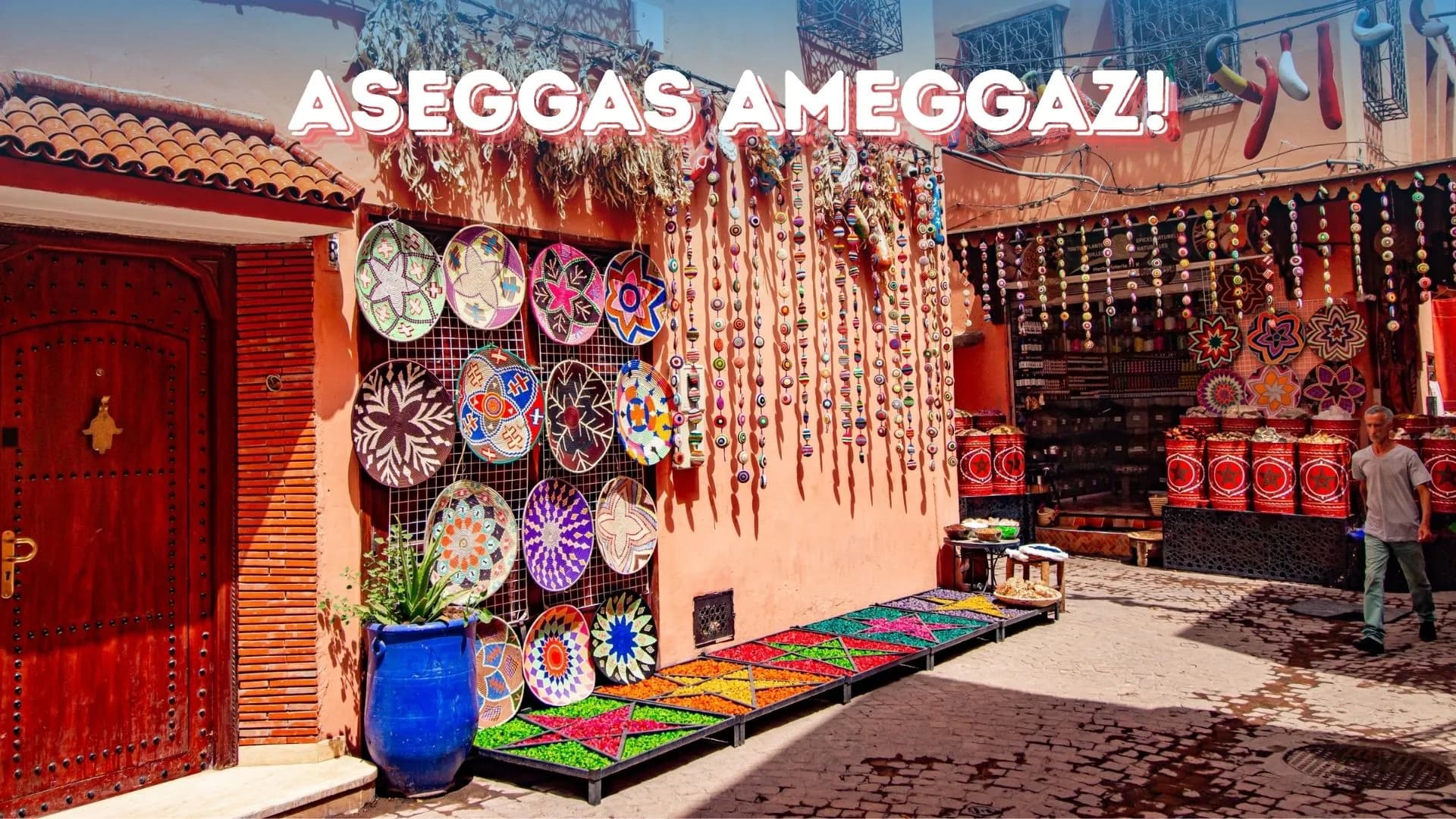
Mohammed VI hails a “historic victory” after UN resolution on Western Sahara
King Mohammed VI celebrated what he called a “historic and resounding victory” for Morocco after the UN Security Council adopted a resolution endorsing autonomy under Moroccan sovereignty as a credible solution for Western Sahara.
The decision is seen as a major diplomatic milestone for Rabat, reinforcing international momentum behind Morocco’s plan, already backed by the US, Spain, France, the UK, the EU – and, recently, Belgium.
In a solemn address marking 50 years since the Green March and 70 years of independence, the monarch declared the start of a “new victorious chapter” and invited Algeria to open a path toward reconciliation, stressing “no winner and no loser.”
He also called on Sahrawi populations in the Tindouf camps to return, affirming national unity.
The resolution renews MINURSO until 2026 and passed with 11 votes in favour, while Russia, China, and Pakistan abstained and Algeria declined participation.
The speech situates Western Sahara as a pillar of Morocco’s regional economic and security strategy, including major infrastructure projects connecting to the Sahel and increasing European investment interest—particularly in energy, trade, and stability.
Algeria and the Polisario rejected the decision, accusing the UN of ignoring Sahrawi self-determination.
The development underscores rising international support for Rabat, amid geopolitical priorities including migration, green hydrogen, and Mediterranean security.
As Morocco looks ahead, the key question remains:
Will this diplomatic breakthrough help unlock long-stalled dialogue with Algiers and pave the way for regional stability?
Lockheed Martin has finalized the assembly of Finland’s first F-35A stealth fighter, part of a 2022 deal for 64 aircraft to be delivered by 2030. The program marks a major leap in Finland’s air defense and NATO integration, reinforcing deterrence along Russia’s border.
Finnish pilots will train in the U.S., while local company Patria contributes to F-35 production, ensuring technology transfer and industrial growth. Analysts view the aircraft as a symbol of transatlantic unity and technological superiority in the face of evolving security threats.
NASA and Lockheed Martin’s X-59 QueSST completed its first test flight over Southern California, marking a major step toward quiet supersonic travel. Designed to minimize the “sonic boom” into a gentle thump, the X-59 aims to make high-speed, low-noise commercial aviation possible again.
Analysts see the project as both a technological breakthrough and a strategic statement — reaffirming U.S. dominance in global aerospace innovation amid growing competition from China and Russia.
The Pentagon has authorized the potential transfer of long-range Tomahawk missiles to Ukraine, marking a major escalation in U.S. support if approved. However, President Donald Trump has yet to sign off on the move, citing concerns about U.S. defense needs and strategic stability with Russia. The decision follows months of internal debate and comes amid warnings from Moscow about a “serious” response should Tomahawks strike Russian territory. Despite Pentagon readiness, operational and diplomatic hurdles remain.
Following the European Union’s 2027 ban on Russian liquefied natural gas, Moscow plans to redirect its LNG exports toward Asian markets, primarily China. While this shift helps Russia preserve short-term revenue, it deepens its structural dependence on Beijing’s import infrastructure and financing network. Experts warn that China’s growing control over logistics and pricing could transform Russia from an energy superpower into a junior partner within the Sino-Russian energy axis, reshaping the geopolitical balance of global gas markets.
Japan’s recent initiative to test hypersonic missile-tracking technology through its HTV-X spacecraft represents a significant leap in space-based defense capabilities. This paper examines the strategic rationale behind this development, its technological characteristics, and its broader implications for regional and global security architecture, particularly amid escalating hypersonic weapon competition among China, Russia, and North Korea.
The United States has signaled its readiness to expand oil and natural gas exports to China, provided Beijing reduces its reliance on Russian supplies. Energy Secretary Chris Wright emphasized that there is “ample room for mutually beneficial deals” between the world’s largest energy exporter and the world’s biggest importer. The statement follows President Donald Trump’s Asia tour, during which he reached preliminary energy agreements with Chinese President Xi Jinping and South Korean President Lee Jae Myung. Analysts view Washington’s move as part of a broader energy diplomacy and containment strategy, designed to limit Russia’s market influence while strengthening America’s economic foothold in Asia. By leveraging energy exports as a geopolitical tool, the U.S. aims to reshape global supply chains and redefine its relationship with China within the framework of energy security and strategic competition.
On October 29, 2025, leading logistics and business companies from Pakistan met with a Chinese delegation from the All-China Federation of Industry and Commerce (ACFIC) and Precise Development (HK) Limited to explore strategic trade and investment opportunities. During the meeting, both sides agreed to establish a China–Pakistan Joint Business Consortium aimed at strengthening regional connectivity and enhancing trade logistics. Pakistan will take a leading role in developing and managing this logistics framework. The meeting was attended by key representatives from both countries’ logistics and industrial sectors, and concluded with the signing of a Memorandum of Understanding (MoU). The initiative, coordinated by Mr. Khalid Taimur Akram, Director (Eurasian Region) of Precise Development (HK) Limited, seeks to attract Chinese investments to Pakistan and promote B2B cooperation, significantly boosting regional trade connectivity and economic integration.