Author

EUReflect News

admin · EUReflect

Site Administrator

282 stories · page 8 of 10

  • conferences events festivals

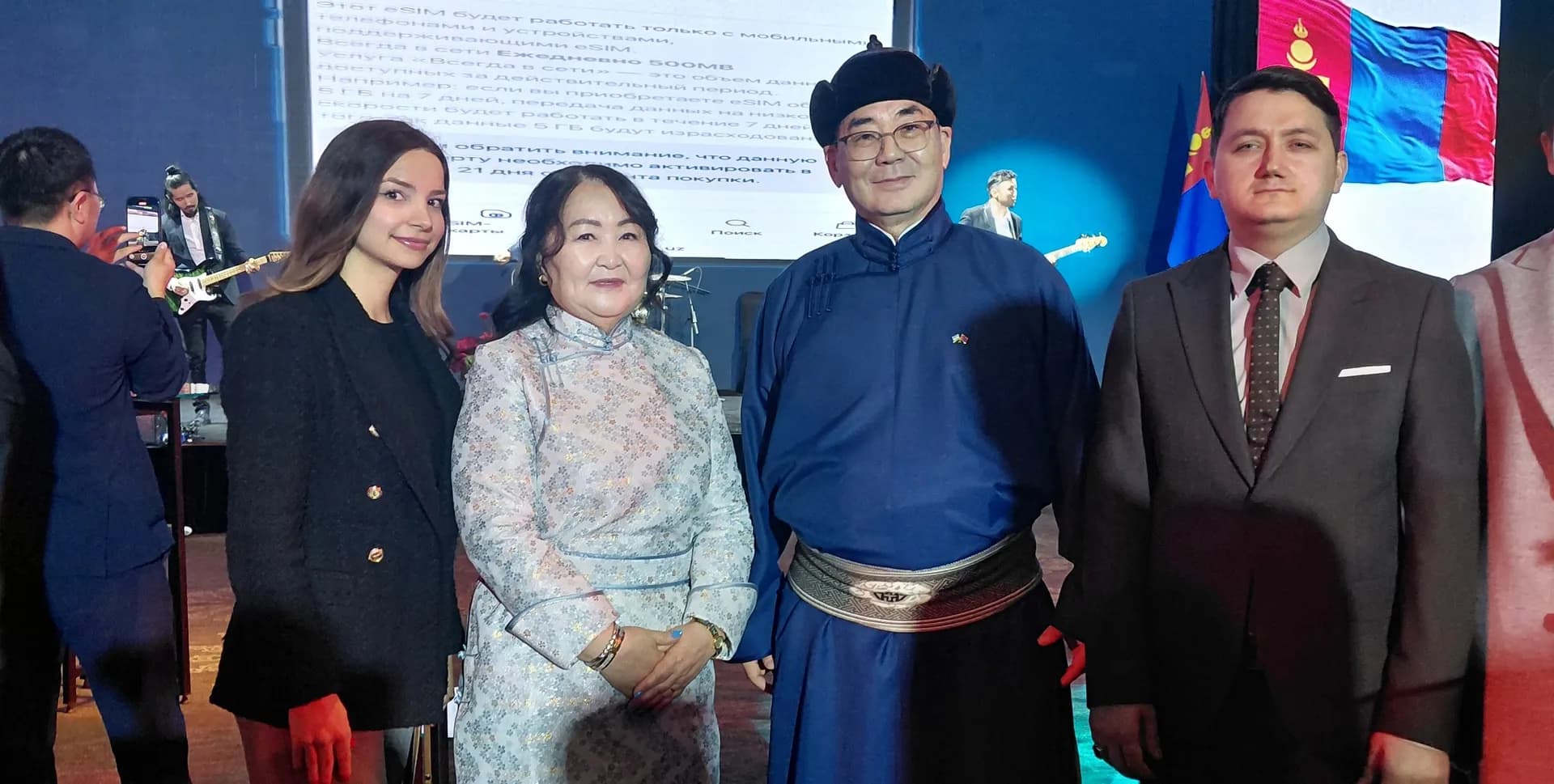
    EUReflect Attended Mongolia’s National Day Reception in Tashkent

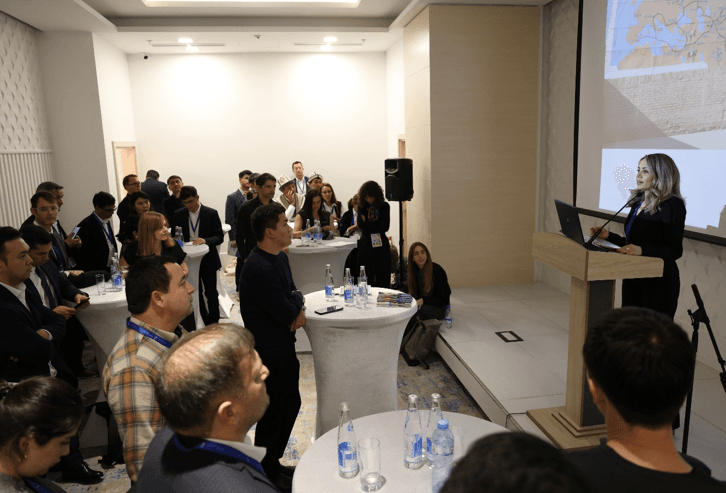
    EUReflect attended Mongolia’s National Day reception in Tashkent, hosted by the Mongolian Ambassador to Uzbekistan. The event celebrated Mongolia’s statehood and democratic journey, its growing partnership with Uzbekistan, cultural dialogue, and a vision for stronger Eurasian connectivity. EUReflect reaffirmed its commitment to fostering dialogue and cooperation among nations.

  • technology

    EU’s AI-Powered Drone Defense Initiative Set to Transform Eastern Security

    The European Union is developing the AI-powered Drone Wall System (DWS-1) to strengthen security along its eastern borders. The system integrates hundreds of autonomous sniper drones into a central AI command hub that can detect, track, and respond to threats in real time. Initial testing will take place in Ukraine, making it a key testing ground for Europe’s next-generation defense technologies. Planned for full deployment by 2028, DWS-1 represents the EU’s broader shift toward AI-driven military infrastructure amid growing geopolitical tensions.

  • defense

    Mandatory Military Service for Women Introduced in Scandinavian Countries

    Norway, Sweden, and Denmark have introduced mandatory military service for women in response to the potential spread of the Russia-Ukraine war. Denmark will draft women aged 18 through a lottery system, while Norway and Sweden have expanded their existing conscription frameworks to include women. The Baltic states are considering similar measures. Experts view this as a major shift in European security policy, likely to strengthen NATO’s deterrence posture on its eastern flank.

  • conferences events festivals

    Azerbaijan's Victory Day: An Analysis of Geopolitical Transformation

    This article analyzes the new geopolitical balance of power that emerged in the South Caucasus following Azerbaijan's November 8th Victory and its implications for the regional security architecture. Employing the Regional Security Complex (RSC) theoretical framework, the paper examines the core dynamics that led to the end of the thirty-year status quo. Our main thesis posits that the post-victory era has eroded traditional Russian hegemony, increased Turkey's strategic influence, and enhanced the agency of regional actors (Azerbaijan). The analysis focuses on peace negotiations, the geopolitics of transportation corridors like the Zangezur Corridor, and the increased intervention of external actors (Iran, EU, US). The article argues that while these changes offer potential for normalization, they also introduce a risk of a new instability cycle driven by corridor disputes and border conflicts, concluding with policy implications for regional stability.

  • defense

    US Army's 1 Million Drone Initiative

    U.S. Army Secretary Daniel Driscoll announced the goal of acquiring at least one million drones within the next two to three years, signaling a historic transformation in U.S. military procurement. The Army, which currently procures only about 50,000 drones annually, aims to position drones as "expendable ammunition" rather than "exquisite equipment" with this massive acquisition. The plan is shaped by lessons learned from the conflict in Ukraine and centers on stimulating domestic production and reducing critical supply chain dependence on China.

  • politics

    Security Without Trust? The EU–Türkiye Information Gap

    Despite Türkiye’s long-standing participation in the EU’s Common Security and Defence Policy (CSDP) operations, the absence of a formal Security of Information Agreement (SIA) between Ankara and Brussels continues to undermine institutional trust, information exchange, and policy coordination. This article examines Türkiye’s political dialogue and alignment within the EU’s Common Foreign and Security Policy (CFSP), evaluates the legal and institutional challenges arising from the lack of an SIA, and analyses the broader consequences for EU–NATO relations and European strategic autonomy.

  • defense

    Türkiye – EU Foreign, Security and Defence Policy 2025 Analysis

    This study examines Türkiye’s engagement with the European Union’s Common Foreign, Security and Defence Policy (CFSP/CSDP) during 2025. While political dialogue between Ankara and Brussels intensified, Türkiye’s alignment rate with EU declarations and restrictive measures fell to a historic low of 4%. Despite its substantial operational contribution to EU crisis-management missions and its active mediation efforts in Ukraine, Gaza, and the Horn of Africa, Türkiye continued to follow a selective alignment strategy that prioritised strategic autonomy, energy interdependence, and regional influence. The paper argues that in 2025 Türkiye consolidated its position as a balancing mediator within an emerging multipolar order rather than as a fully aligned partner of the European Union.

  • politics

    Kazakhstan has tripled its investment in education and science

    Kazakhstan has tripled its investment in education and science and will continue strengthening the role of artificial intelligence through global academic cooperation, President Kassym-Jomart Tokayev announced at the International Forum of Strategic Partners Kazakhstan – The Land of Academic Knowledge

  • defense

    Belgium Probes Drone ‘Spy Operation’ Near Nuclear Air Base

    Belgium suspects a coordinated “spy operation” behind recent drone flights over the Kleine-Brogel air base, which reportedly hosts U.S. tactical nuclear weapons. Belgian Defense Minister Theo Francken said small drones were used first to test radio frequencies, followed by larger ones intended to destabilize the area. The incidents occurred on Nov. 1–3 and are part of a broader pattern of 14 drone sightings across Europe over the past two months, targeting military and dual-use sites, mainly at night. Analysts suggest these incursions could have political motives, with NATO countries increasingly alarmed by surveillance activities near strategic facilities.

  • general

    Lockheed Martin Strengthens NATO’s Northern Flank with F-35

    Lockheed Martin has finalized the assembly of Finland’s first F-35A stealth fighter, part of a 2022 deal for 64 aircraft to be delivered by 2030. The program marks a major leap in Finland’s air defense and NATO integration, reinforcing deterrence along Russia’s border. Finnish pilots will train in the U.S., while local company Patria contributes to F-35 production, ensuring technology transfer and industrial growth. Analysts view the aircraft as a symbol of transatlantic unity and technological superiority in the face of evolving security threats.

  • general

    Lockheed Martin and NASA Redefine Flight Speed

    NASA and Lockheed Martin’s X-59 QueSST completed its first test flight over Southern California, marking a major step toward quiet supersonic travel. Designed to minimize the “sonic boom” into a gentle thump, the X-59 aims to make high-speed, low-noise commercial aviation possible again. Analysts see the project as both a technological breakthrough and a strategic statement — reaffirming U.S. dominance in global aerospace innovation amid growing competition from China and Russia.

  • politics

    Tomahawks for Kyiv? Pentagon Gives Green Light, Trump Hesitates

    The Pentagon has authorized the potential transfer of long-range Tomahawk missiles to Ukraine, marking a major escalation in U.S. support if approved. However, President Donald Trump has yet to sign off on the move, citing concerns about U.S. defense needs and strategic stability with Russia. The decision follows months of internal debate and comes amid warnings from Moscow about a “serious” response should Tomahawks strike Russian territory. Despite Pentagon readiness, operational and diplomatic hurdles remain.

  • economy

    China–Pakistan Joint Business Consortium to Develop Regional Logistics Hub

    On October 29, 2025, leading logistics and business companies from Pakistan met with a Chinese delegation from the All-China Federation of Industry and Commerce (ACFIC) and Precise Development (HK) Limited to explore strategic trade and investment opportunities. During the meeting, both sides agreed to establish a China–Pakistan Joint Business Consortium aimed at strengthening regional connectivity and enhancing trade logistics. Pakistan will take a leading role in developing and managing this logistics framework. The meeting was attended by key representatives from both countries’ logistics and industrial sectors, and concluded with the signing of a Memorandum of Understanding (MoU). The initiative, coordinated by Mr. Khalid Taimur Akram, Director (Eurasian Region) of Precise Development (HK) Limited, seeks to attract Chinese investments to Pakistan and promote B2B cooperation, significantly boosting regional trade connectivity and economic integration.

  • general

    Who is Bart de Wever?

    But the key question remains: who is Bart De Wever, the man capable of stalling Europe’s united front?

  • politics

    Belgium opposes €140 billion loan for Ukraine at EU summit

    Belgium defended its position at a summit of European Union leaders, preventing a breakthrough on a new Commission plan to lend 140 billion euros to Ukraine using the frozen assets of the Russian central bank noted yahoonews.