The Palestinian issue has remained one of the most complex and enduring problems in the international system since the early 20th century. Understanding the European Union’s policy on Palestine requires examining not only the balance of power in the Middle East but also Europe’s own value system.
This article explores Russia’s attempt to shape a Turkic-centered framework through the “Altai as the Homeland of the Turks” narrative and the “Greater Altai” project.
Türkiye’s ambitious national fighter project, KAAN, described domestically as a 100% indigenous fifth-generation multifunctional aircraft, faces a critical obstacle: the United States has refused to grant licenses for certain technologies used in its production. This development, highlighted by Foreign Minister Hakan Fidan, raises fundamental questions: Is KAAN truly a fully indigenous product, or is Türkiye still reliant on external suppliers? Does this situation indicate strategic tension between Ankara and Washington, or could it reflect a broader geopolitical maneuver targeting third countries? This article examines the roots of the licensing issue, explores the structural dependency embedded in the global defense supply chain, and evaluates Türkiye’s potential alternatives. The findings suggest that Türkiye stands at a strategic crossroads where decisions on technological independence will define its long-term military and political autonomy.
Israeli media reports claimed that nearly half of those detained were not humanitarian volunteers, but individuals connected to various foreign intelligence agencies.
The confrontation between U.S. President Donald Trump and Israeli Prime Minister Benjamin Netanyahu is not just a personal clash between two leaders, but a turning point that has reshaped power balances in the Middle East.
For the first time in more than half a century, Syrians are preparing to witness something their country has been denied for decades: a genuine People’s Assembly.
President of Uzbekistan advocates for solidarity, open dialogue and close cooperation between the countries of the world. On September 23, general political debates of the 80th anniversary session of the UN General Assembly commenced at the United Nations headquarters in New York City, where President of the Republic of Uzbekistan Shavkat Mirziyoyev delivered a speech.
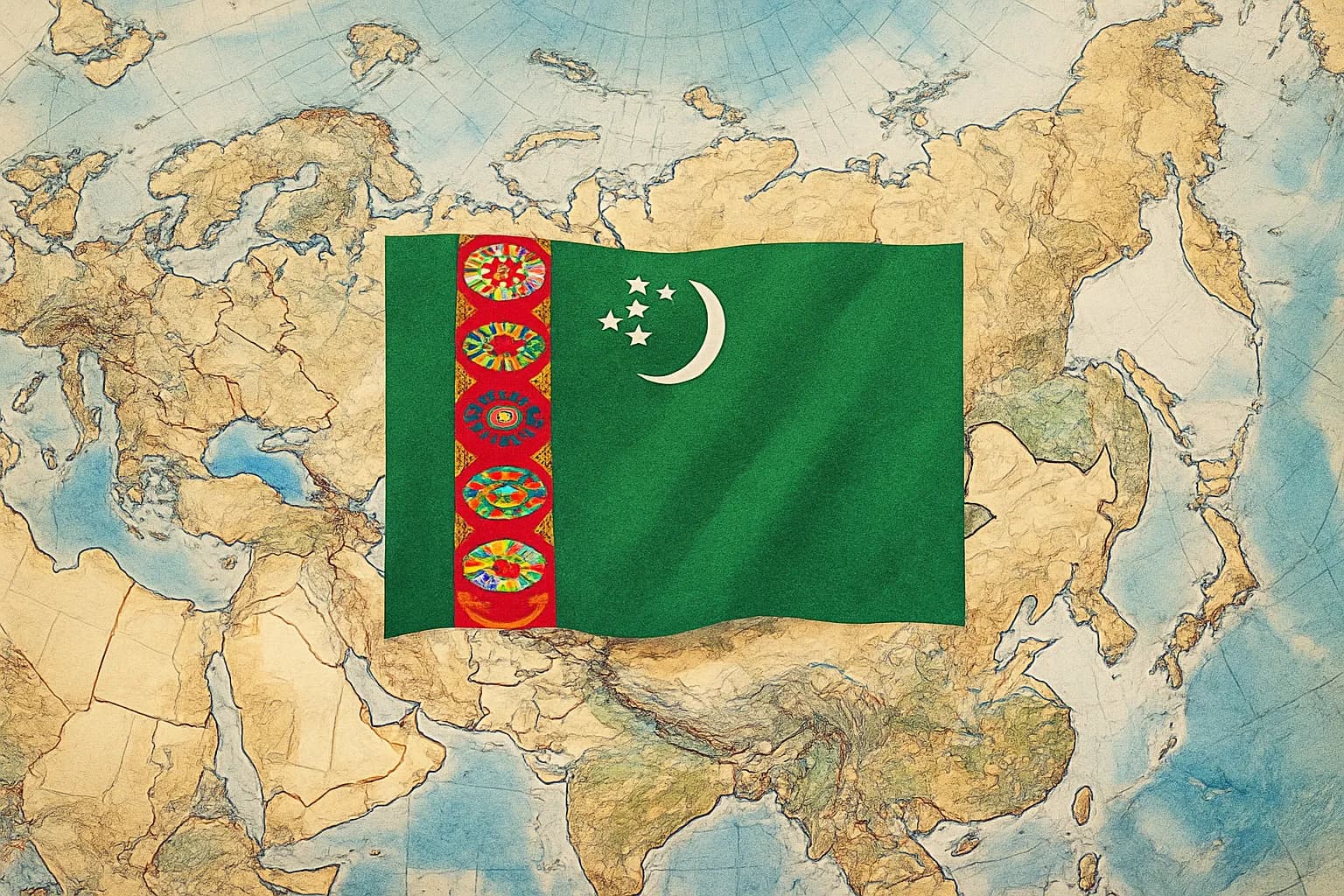
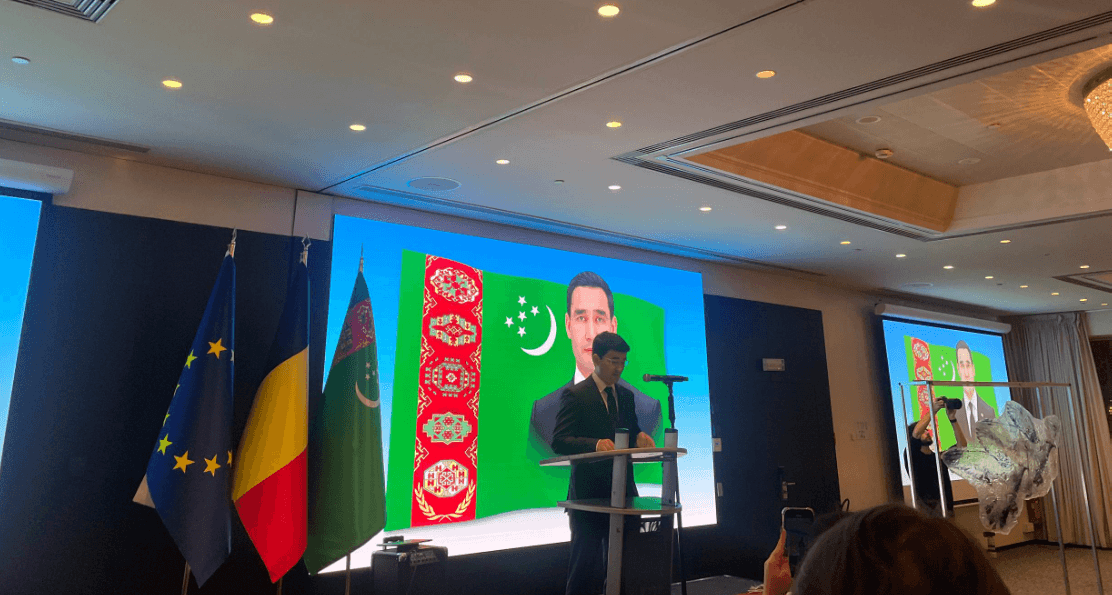
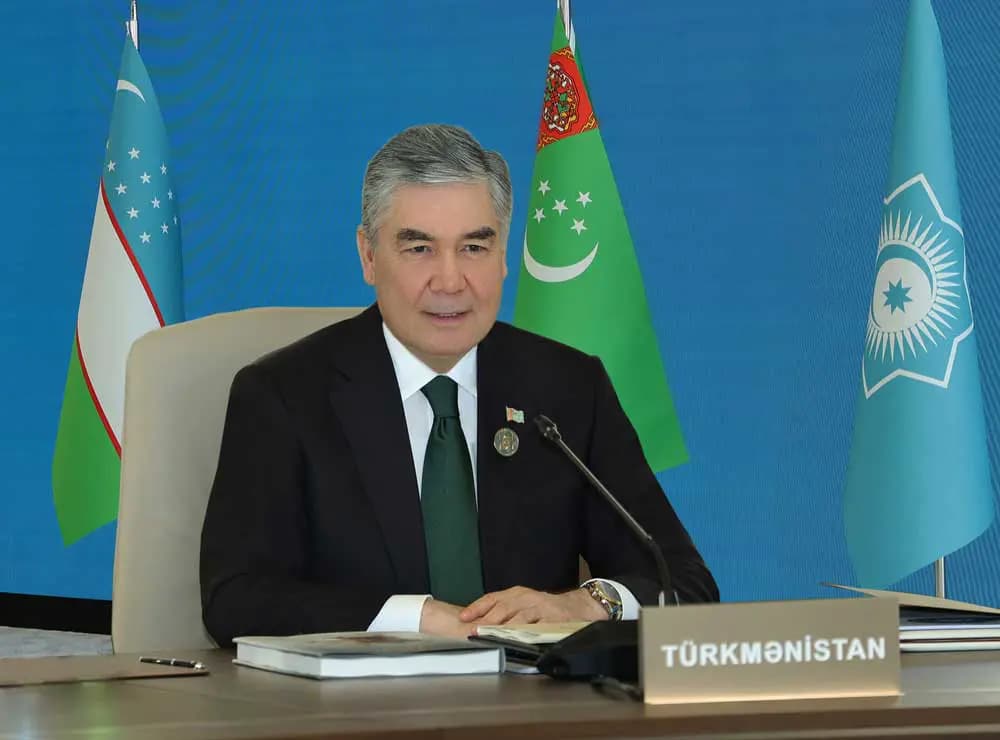
On 23 September 2025, President of Turkmenistan Serdar Berdimuhamedov delivered a statement at the general debate of the 80th session of the UN General Assembly.
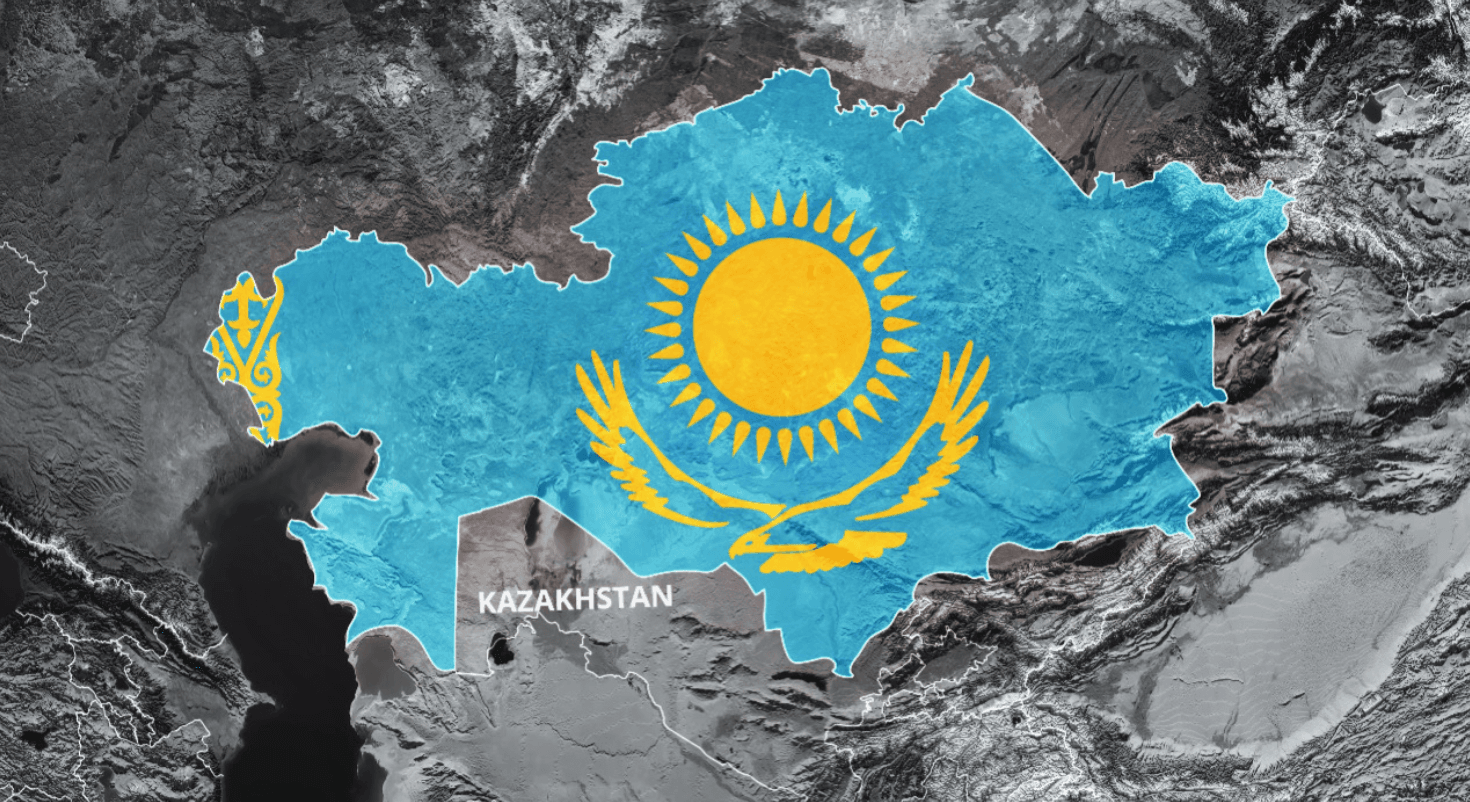
Yesterday, President of Kazakhstan Kassym-Jomart Tokayev, at the General Debate of the 80th session of the UN General Assembly, gave a statement. Kazakhstan has been a member of the United Nations since March 2, 1992, and sat on the UN Security Council for the 2017–2018 mandate, working on the non-proliferation of weapons of mass destruction.
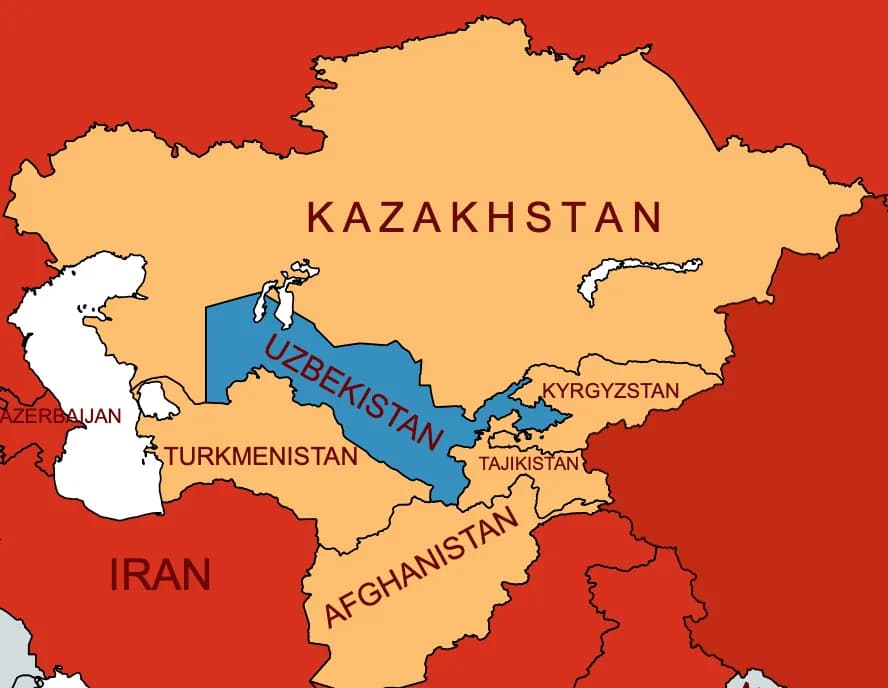
Azerbaijan has also strengthened its engagement in Central Asia. Economic ties with Uzbekistan and Kazakhstan have expanded rapidly, with bilateral trade between Azerbaijan and Kazakhstan surpassing $330 million in the first half of 2025 alone.
The pension reform and austerity plans sparked the 'Block Everything' protests, while the CAC 40's volatility and luxury sector losses underscored financial risks.
The Embassy of Azerbaijan in Pakistan and NUML hosted a seminar on “Sovereignty and Constitution” in Islamabad to mark 2025 as Azerbaijan’s Year of Constitution and Sovereignty. Ambassador Khazar Farhadov and leading legal experts highlighted Azerbaijan’s constitutional resilience, post-war progress, and strong ties with Pakistan in promoting peace, sovereignty, and statehood.
Tokayev underlined Kazakhstan’s role in advancing Turkology — the discipline that studies the historical, cultural, and linguistic roots of Turkic peoples.
An unprecedented international flotilla, the Global Sumud Flotilla (GSF), launched in summer 2025, is the most ambitious citizen maritime initiative ever organized to break the Gaza blockade.
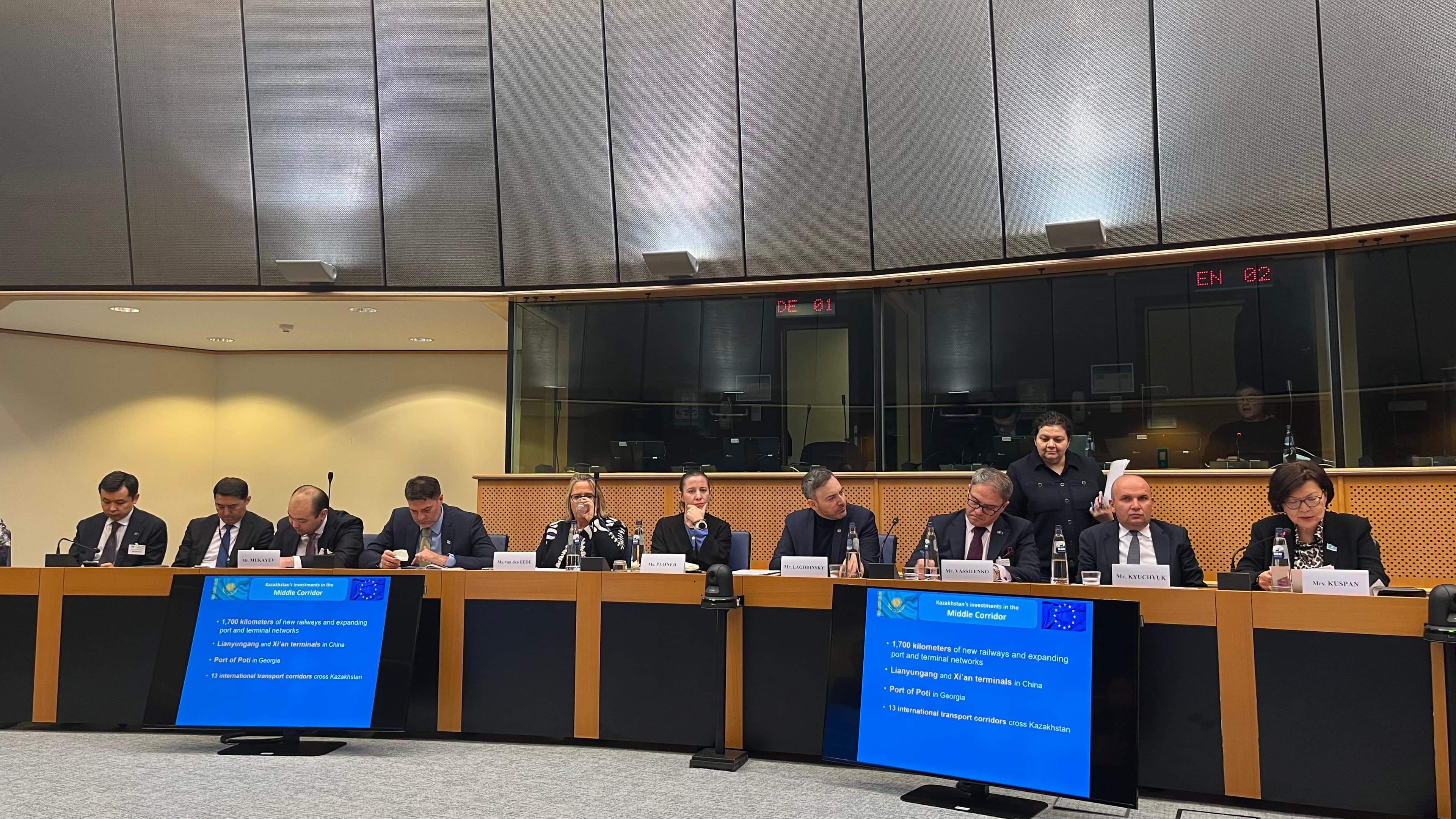
President Kassym-Jomart Tokayev’s 2025 state-of-the-nation address outlined Kazakhstan’s vision to lead in the era of artificial intelligence through a new Ministry of AI and Digital Development. His reform agenda emphasized digital transformation, investment modernization, global connectivity, and institutional renewal, reaffirming Kazakhstan’s commitment to innovation, balanced foreign policy, and national unity.
On August 30, China Daily published an article by Kazakhstan’s President Kassym-Jomart Tokayev, titled “Strong Kazakh-Sino ties key to successful cooperation.” This came just before his state visit to Beijing and participation in the Shanghai Cooperation Organization (SCO) Summit.
Russia challenges Zelensky’s legitimacy, claiming Ukraine’s presidential mandate expired in 2024, while Kyiv and Western allies reaffirm his authority amid ongoing war and diplomatic tensions.