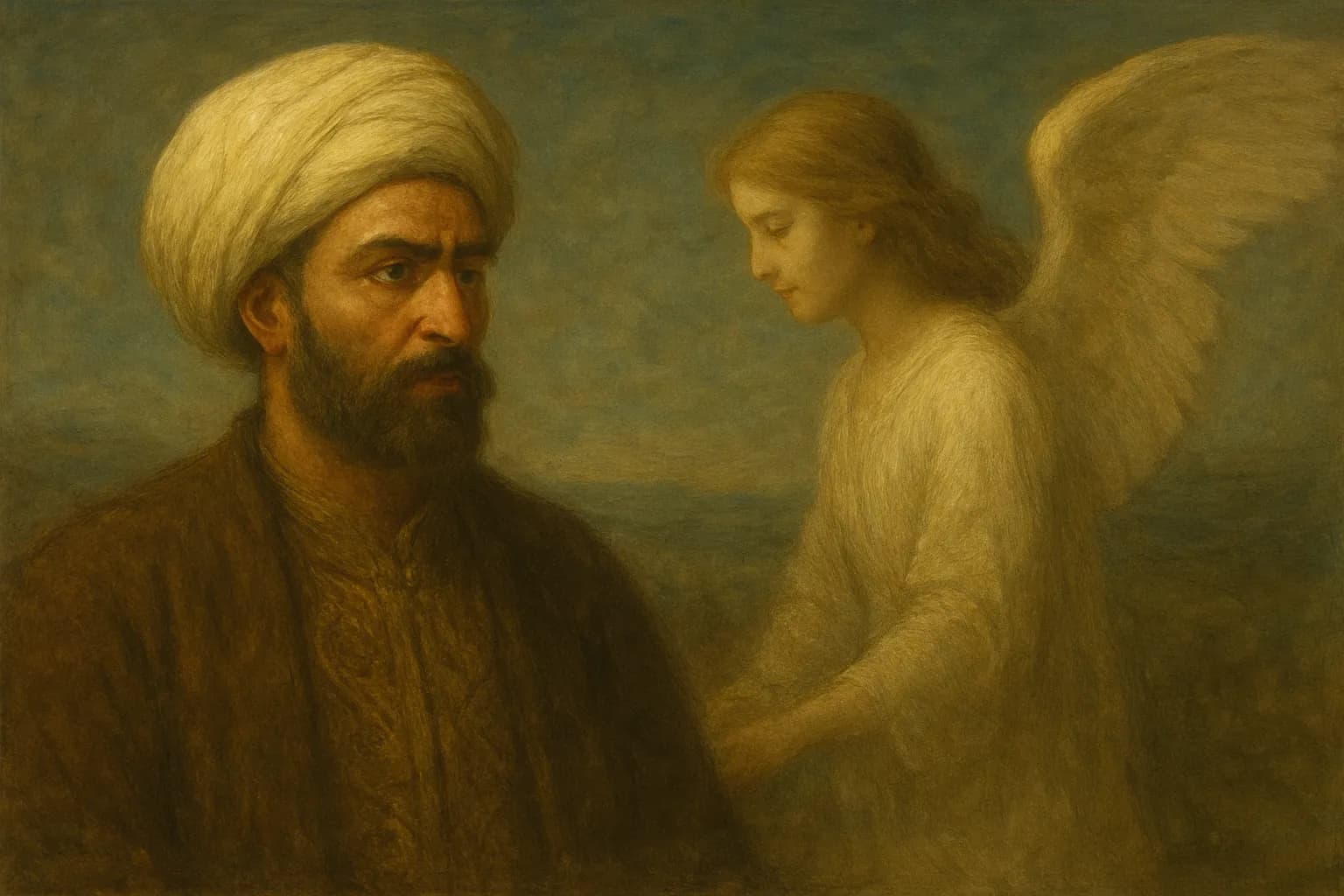
The article explains that Pasha’s poem contrasts earthly power with the untouchable forces of truth, freedom, breath, and memory. While tyrants can control land, they cannot rule the air or suppress the spirit. Drawing on philosophical ideas, the poem shows that suffering and silence still point to a deeper truth, and that justice will always rise despite oppression.
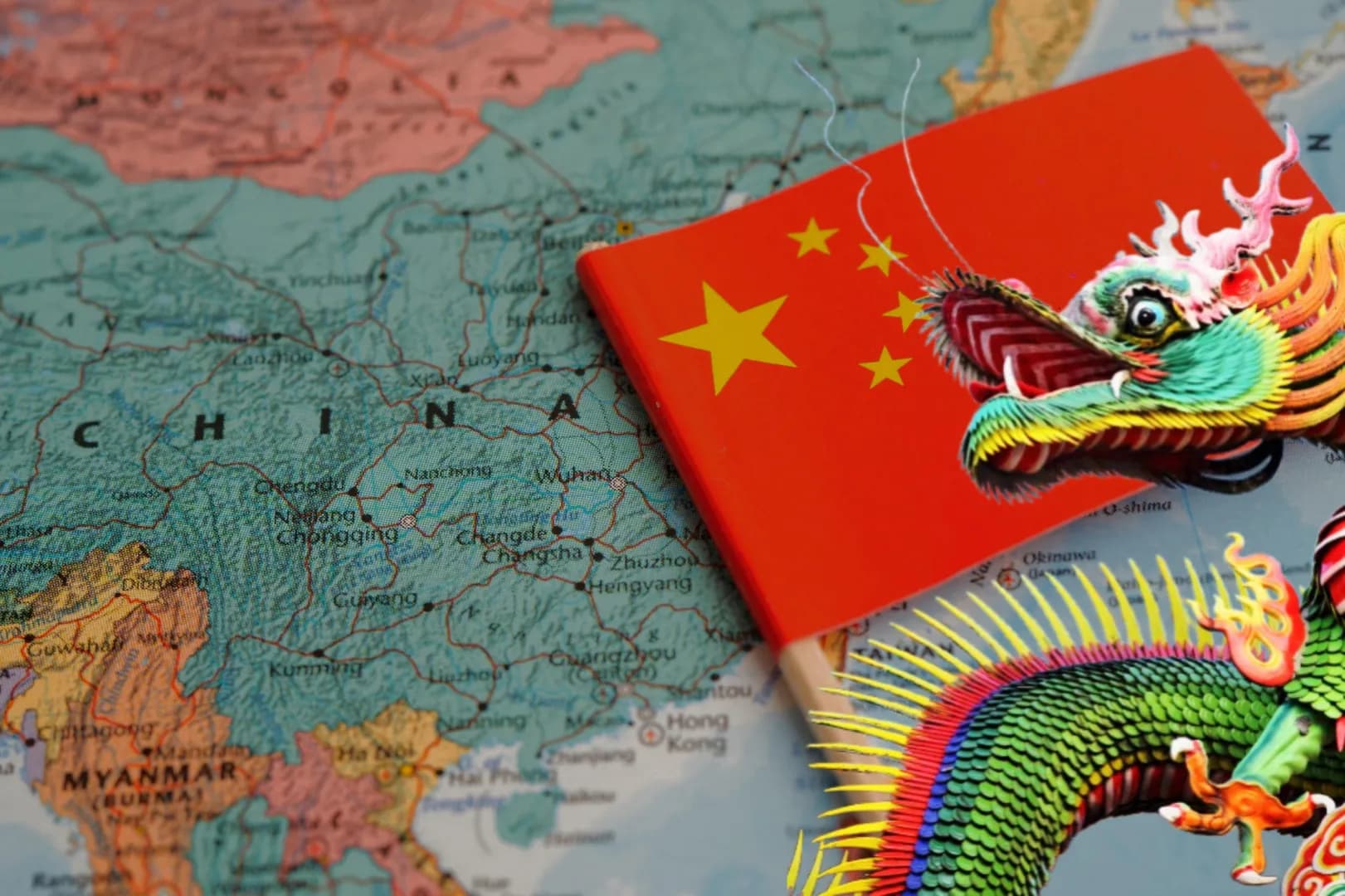
While the world is still debating climate commitments and the pace of transformation, China is taking action on a large scale, decisively and without compromise. It is demonstrating that sustainability is not a luxury for developed countries, but the foundation for growth, security, and international cooperation.
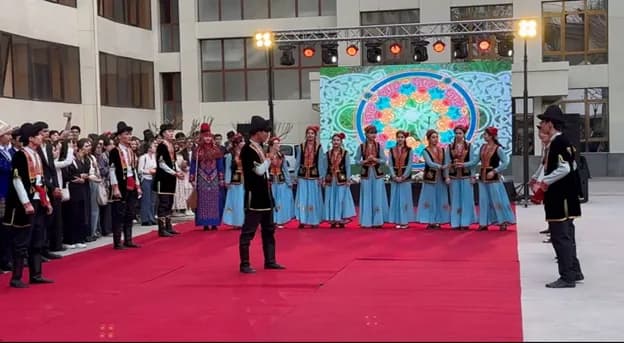
Karakalpak literature is a mirror and a flame. It remembers what history forgets. It sings when voices are silenced. From Berdaq’s battle cries to Toleubike’s tears, from the zhyrau’s ballads to the whispers of modern poets, Karakalpak cultural expression is not merely survival—it is resistance, identity, and beauty distilled through centuries.
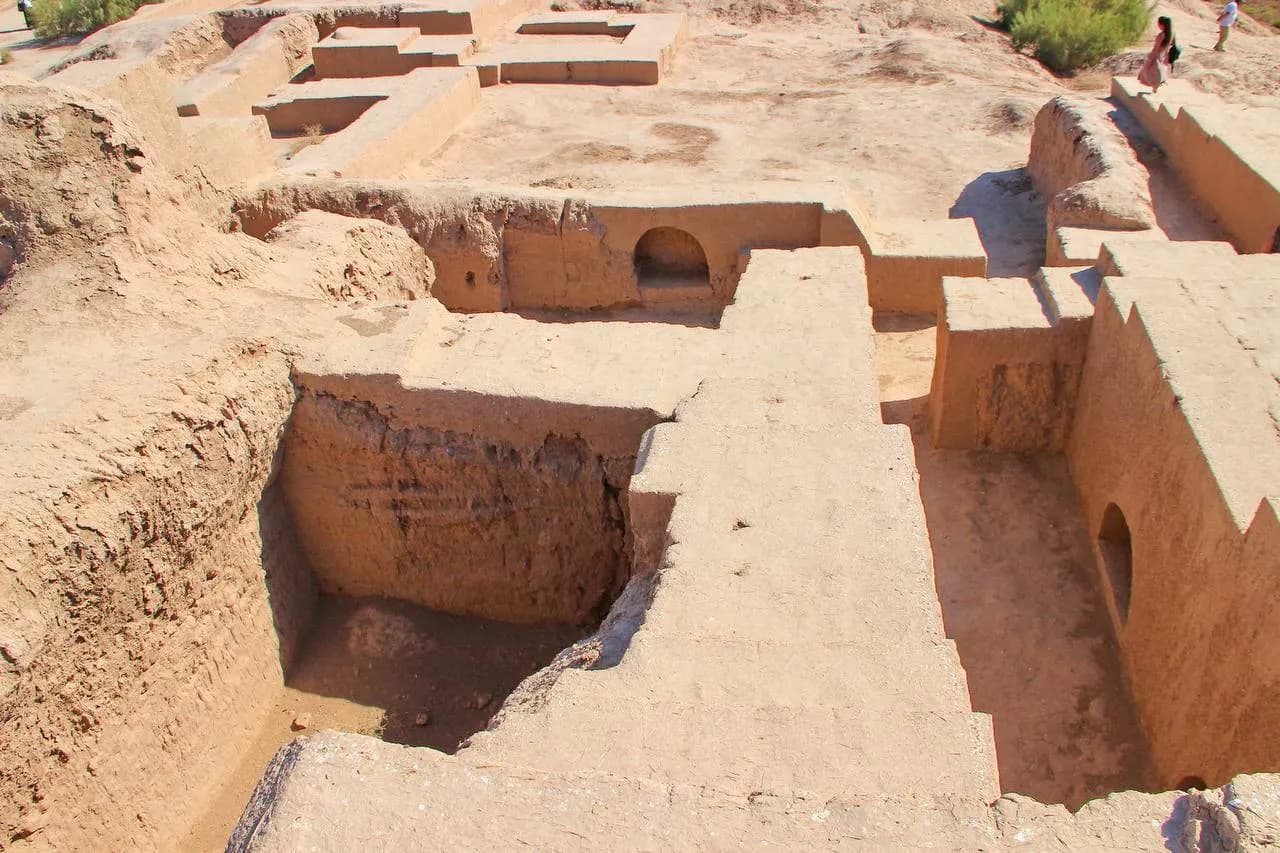
Why should we visit Guldursun-Kala in Karakalpakstan, Uzbekistan? Hidden in the windswept plains just 9 kilometers north of Turtkul lies a forgotten titan of history — the awe-inspiring fortress of Guldursun-Kala.
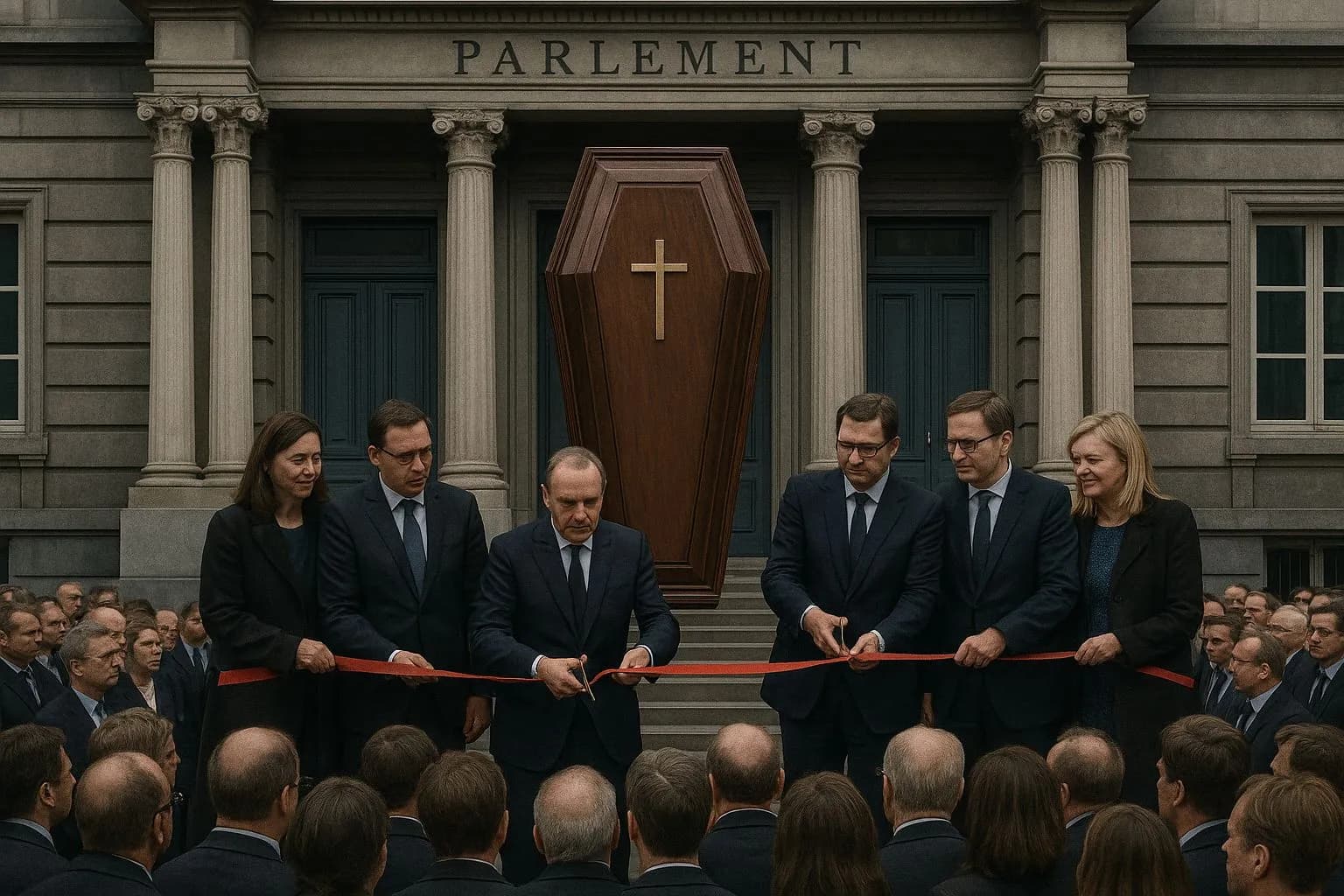
For months, the Region has been sinking, suffocated by the total incapacity of political parties to form a government. And while deadlines pile up, collapse, and renew themselves in a grotesque ballet, Brussels is sinking.
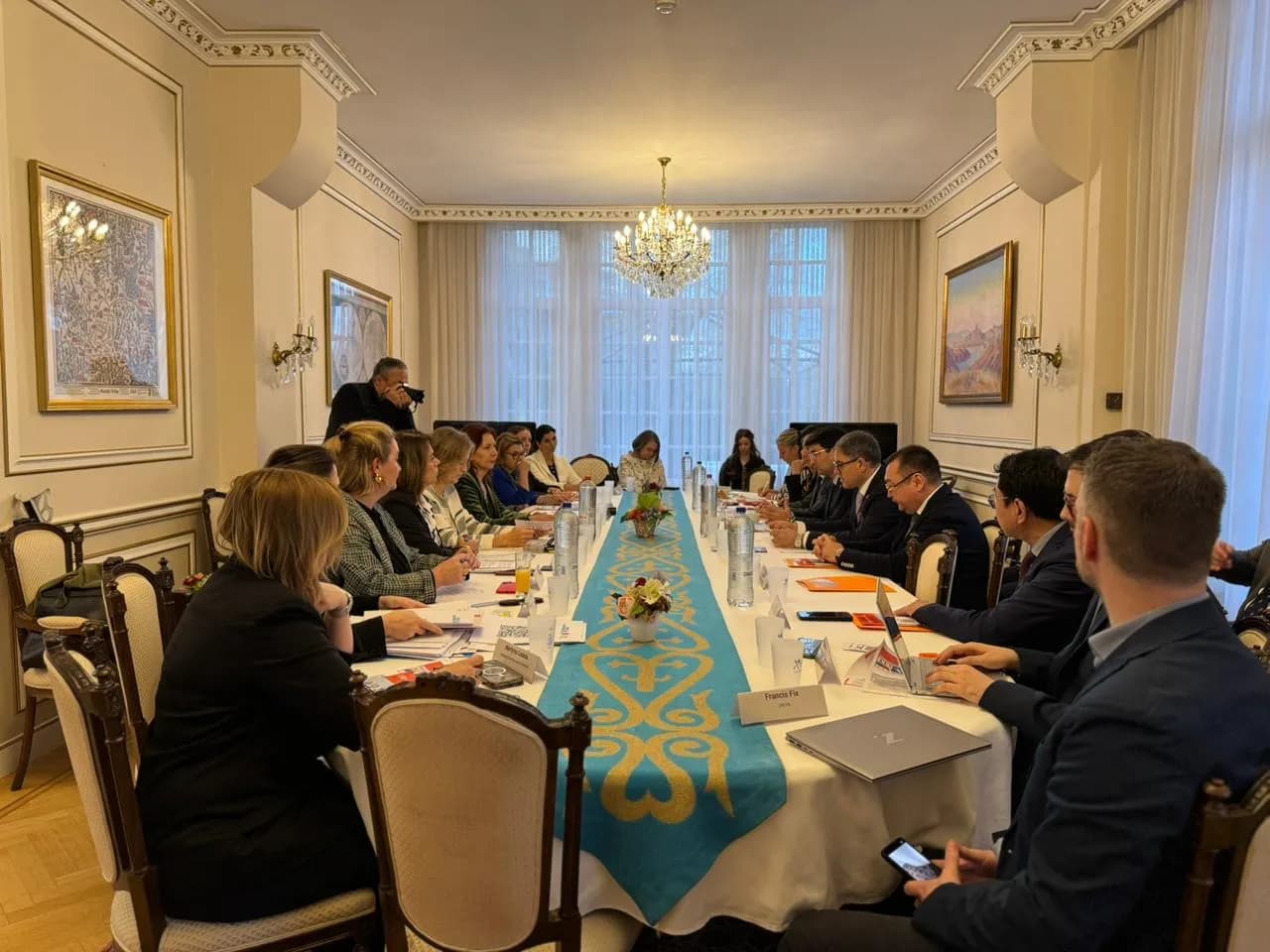
Europe is losing its self-proclaimed role as a global innovation leader, relying on regulation instead of ambition as faster-moving regions—especially the U.S., East Asia, and increasingly Central Asia—build technological capacity at scale. While the EU over-regulates emerging technologies and remains dependent on foreign powers for critical resources, cloud infrastructure, semiconductors, and AI, countries like Kazakhstan, Uzbekistan, and Azerbaijan rapidly modernize, experiment, and seek genuine partnerships. Europe’s fragmented collaboration culture, risk-averse mindset, and neglect of entrepreneurial principles from thinkers like Mises, Hayek, and Schumpeter have deepened its stagnation. To regain strategic relevance, Europe must rebuild industrial capacity, embrace innovation, and form deeper alliances—particularly with Central Asia, a region offering raw materials, speed, geopolitical leverage, and a strong appetite for cooperation. Without decisive action, Europe risks becoming a well-regulated but strategically irrelevant continent.
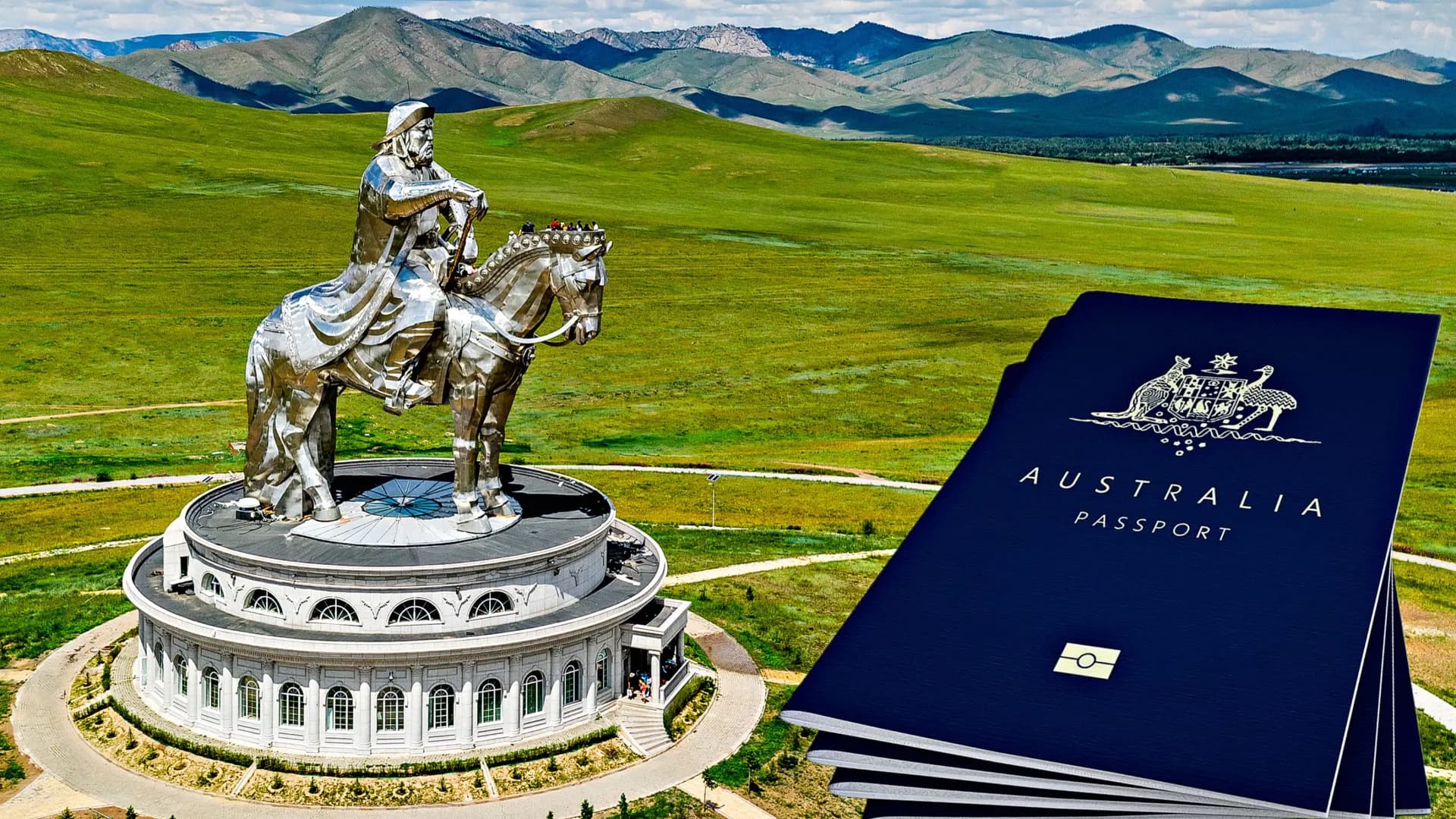
The demand among Australians for Mongolia and Central Asia in 2025 is not a “temporary hype” but a manifestation of a deeper trend: “meaningful” and less dense travel, supported by institutional actions of operators and the general normalization of outbound tourism.
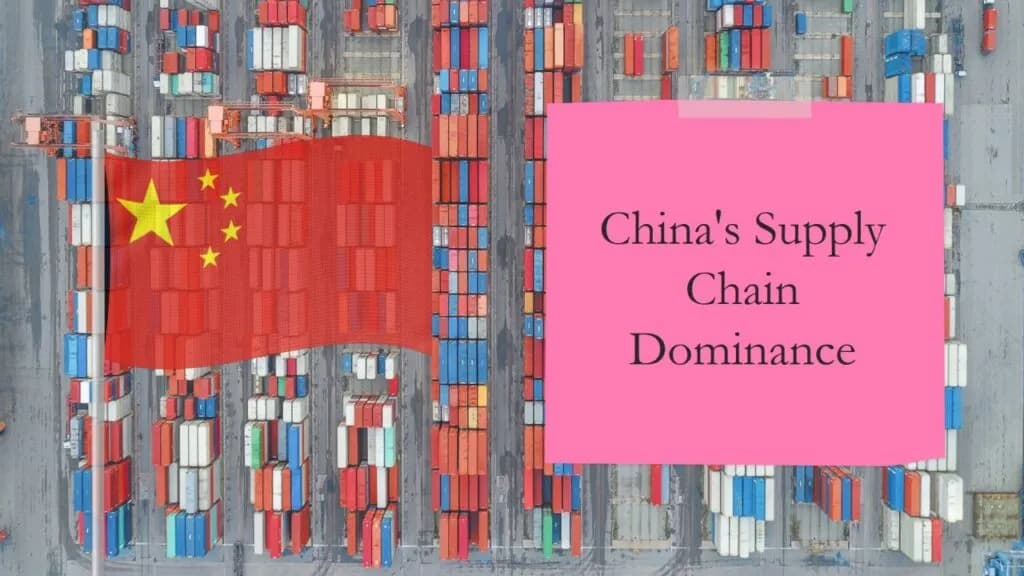
China has become a stabilizing force in global supply chains, keeping trade flowing during recent global crises. Through decades of investment in infrastructure, advanced manufacturing, logistics, and green technology, China has evolved from the “world’s factory” into a global supply chain hub. Its vast production capacity, efficient logistics, and affordable high-quality goods support economies worldwide. The article argues that China’s role reduces global costs, boosts growth, and contributes to sustainable development, concluding that global markets depend heavily on China’s reliable and innovative supply chain system.
Qatar Development Bank (QDB) and the Global Finance & Technology Network (GFTN) signed a strategic partnership during the Singapore FinTech Festival. The agreement includes establishing a FinTech Center of Excellence in Doha and organizing an annual Qatar FinTech Forum. The collaboration aims to drive policy innovation, knowledge exchange, and strengthen the regional FinTech ecosystem.
The Higher School of Economics (HSE) in Moscow has launched a two-year master’s program focused on sanctions compliance, risk management, and strategic adaptation. Designed to address the multidimensional impacts of international sanctions on law and the economy, the program integrates theory with practical case studies, including Iran’s experience under sanctions. With limited enrollment—22 students annually—the program emphasizes state–academia collaboration to enhance Russia’s strategic resilience. HSE’s initiative illustrates how academic programs can serve as tools for building national autonomy, preparing future policymakers, and fostering knowledge-based responses to geopolitical constraints. The model has relevance for other states facing similar sanctions or seeking to strengthen governance and international compliance expertise.
Samarkand State University, tracing its origins to the Mirzo Ulughbek Madrasa (1420), combines a rich historical legacy with modern academic ambitions. During a 2022–2023 research stay, the author experienced the university as a hub of intellectual exchange, international collaboration, and cultural immersion. The institution excels in supporting foreign scholars, fostering multilingual research, and connecting students with local communities. Beyond academics, it offers a deep engagement with Uzbek culture, traditions, and daily life. Ranked in global indices such as the 2025 THE Impact Rankings (401–600) and QS World University Rankings (1001–1200), the university shows promise in sustainable development goals and internationalization. Samarkand State University stands out as a center where historical scholarship, modern research, and cross-cultural learning intersect, making it a prime destination for researchers in Central Asian studies, Turkic languages, and post-Soviet transformation.
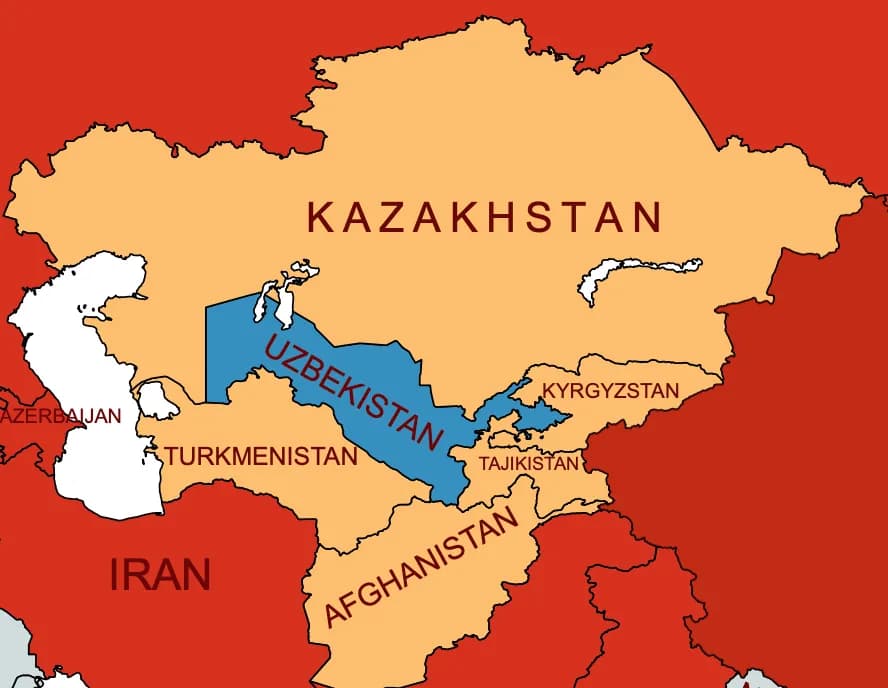
Uzbekistan’s foreign policy has undergone a major shift since 2016, moving from the isolation and regional tensions of the Karimov era to a cooperative “good neighborliness” approach under President Mirziyoyev. Significant progress has been made in resolving border disputes with Kyrgyzstan and Tajikistan, advancing shared water-resource management, revitalizing regional dialogue platforms, and engaging pragmatically with Taliban-ruled Afghanistan to support security and connectivity. While challenges such as reliance on political leadership, limited institutional capacity, and external geopolitical pressures persist, Uzbekistan’s new strategy has strengthened regional stability and positioned the country as a driving force for cooperation and integration in Central Asia.
Ukraine and France signed a new bilateral defense agreement in Paris to boost Ukraine’s air-defense capabilities ahead of anticipated Russian attacks this winter. The deal includes future supplies of Rafale fighter jets and SAMP/T air-defense systems, as well as cooperation on maintenance and training. France is working to speed up delivery timelines by using its own reserves. This agreement builds on earlier security cooperation between the two countries and reinforces France’s role as a key partner in Ukraine’s defense against Russian aggression.
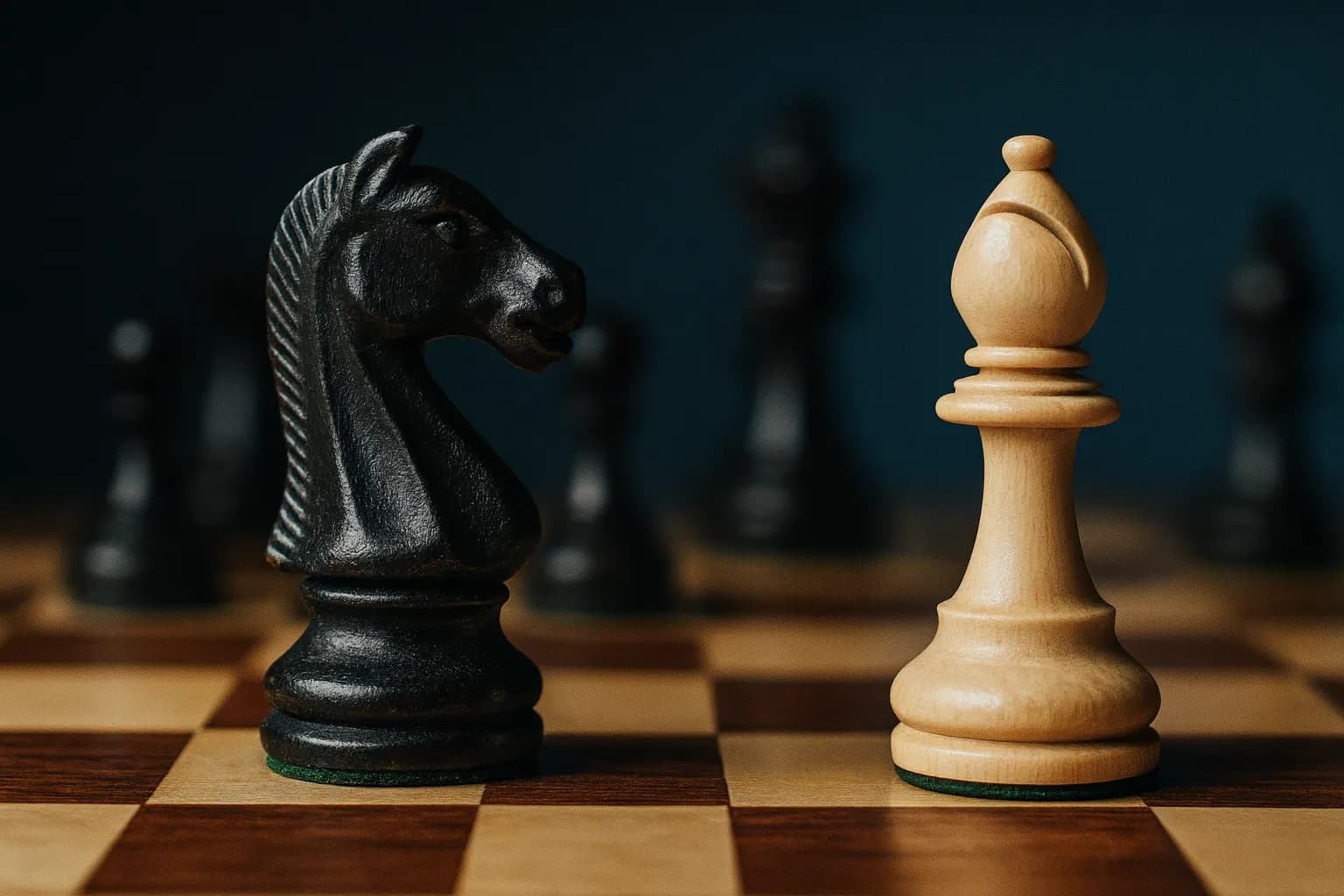
Georges-Louis Bouchez has presented a new internal organizational chart for the MR. Officially, it is a reorganization. Unofficially, it is a tactical manoeuvre on the liberal chessboard, where the president advances his pieces without truly altering the party’s dynamics.
Kohlberg’s stages of moral development constitute not only a psychological model but also a roadmap that connects individual conscience with societal order. The framework continues to serve as one of the most influential compasses in humanity’s ongoing pursuit of what is truly “right.”
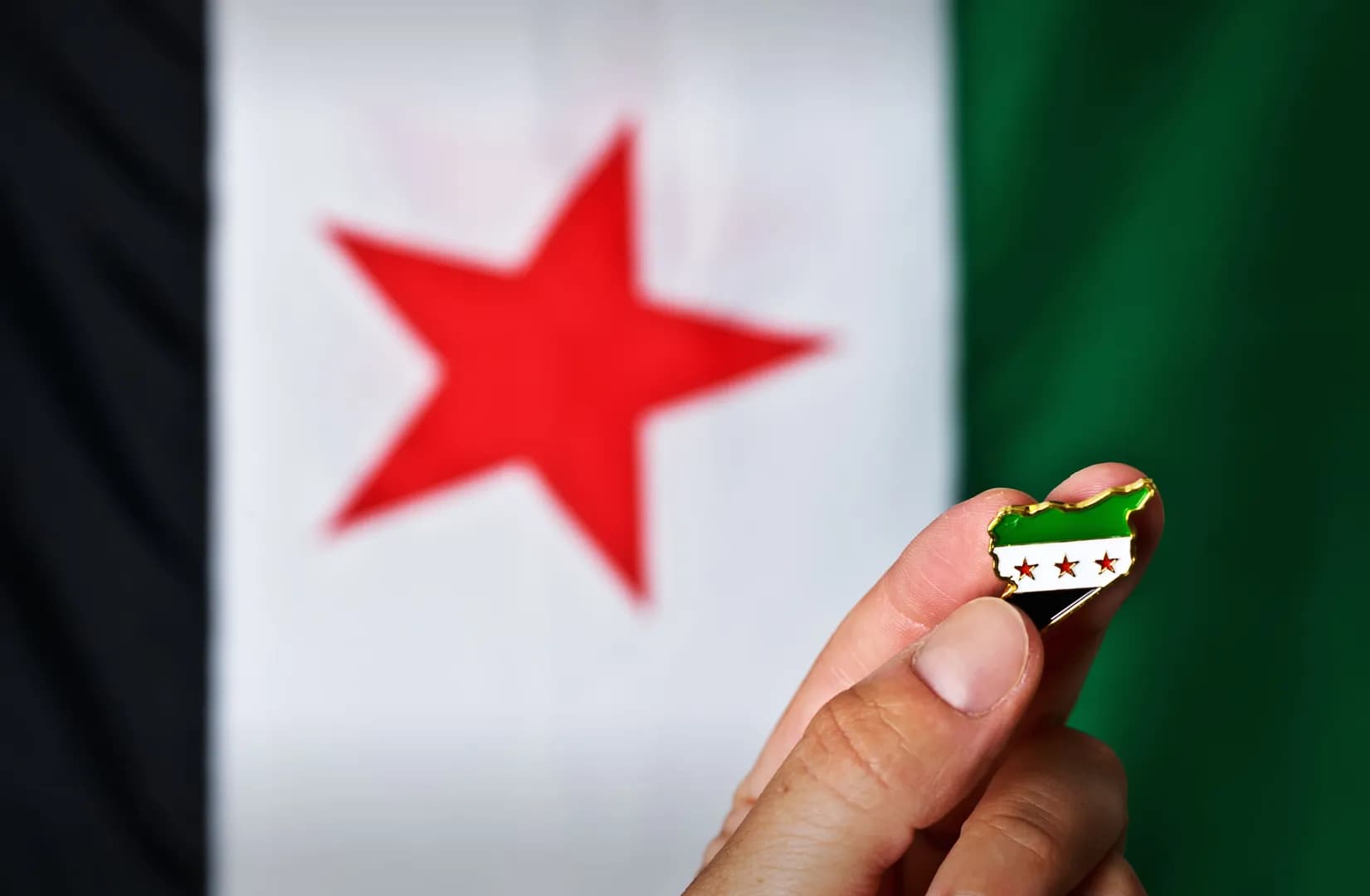
Syria’s Foreign Minister Asaad al-Shibani is set to visit China in the first official trip by the new government under President Ahmed al-Sharaa, marking a major shift in Syrian foreign policy. The visit aims to rebuild ties with Beijing, which had strongly supported the former Assad regime. Talks will center on reconstruction and mutual interests as Syria seeks Chinese investment, especially under the Belt and Road Initiative. With most U.S. sanctions lifted in mid-2025, Chinese and Western investment is expected to grow. The World Bank estimates Syria’s reconstruction costs at $140–345 billion. Al-Shibani says China will be a partner in rebuilding Syria’s future, signaling a new diplomatic direction.
New European Commission data shows the European Globalisation Adjustment Fund (EGF) is highly effective in helping workers return to employment after mass layoffs. In completed cases, 64% of participants found jobs by the end of support, with follow-up results rising to 80–86% in countries like Belgium, Spain and Estonia. A combination of job-search assistance, reskilling, vocational training and entrepreneurship support drove these outcomes. Since 2021, EU countries have submitted 18 applications totaling €60.1 million to assist 10,825 displaced workers, confirming the fund’s ongoing relevance.
Erik Erikson's Psychosocial Development Theory divides human life into eight stages, each involving a psychosocial conflict that must be resolved. Positive resolution of these conflicts promotes healthy personality development and adaptation, while negative resolution can lead to psychological difficulties. The theory provides an important framework for understanding development, identity formation, and social adaptation across the entire lifespan, from childhood to old age.