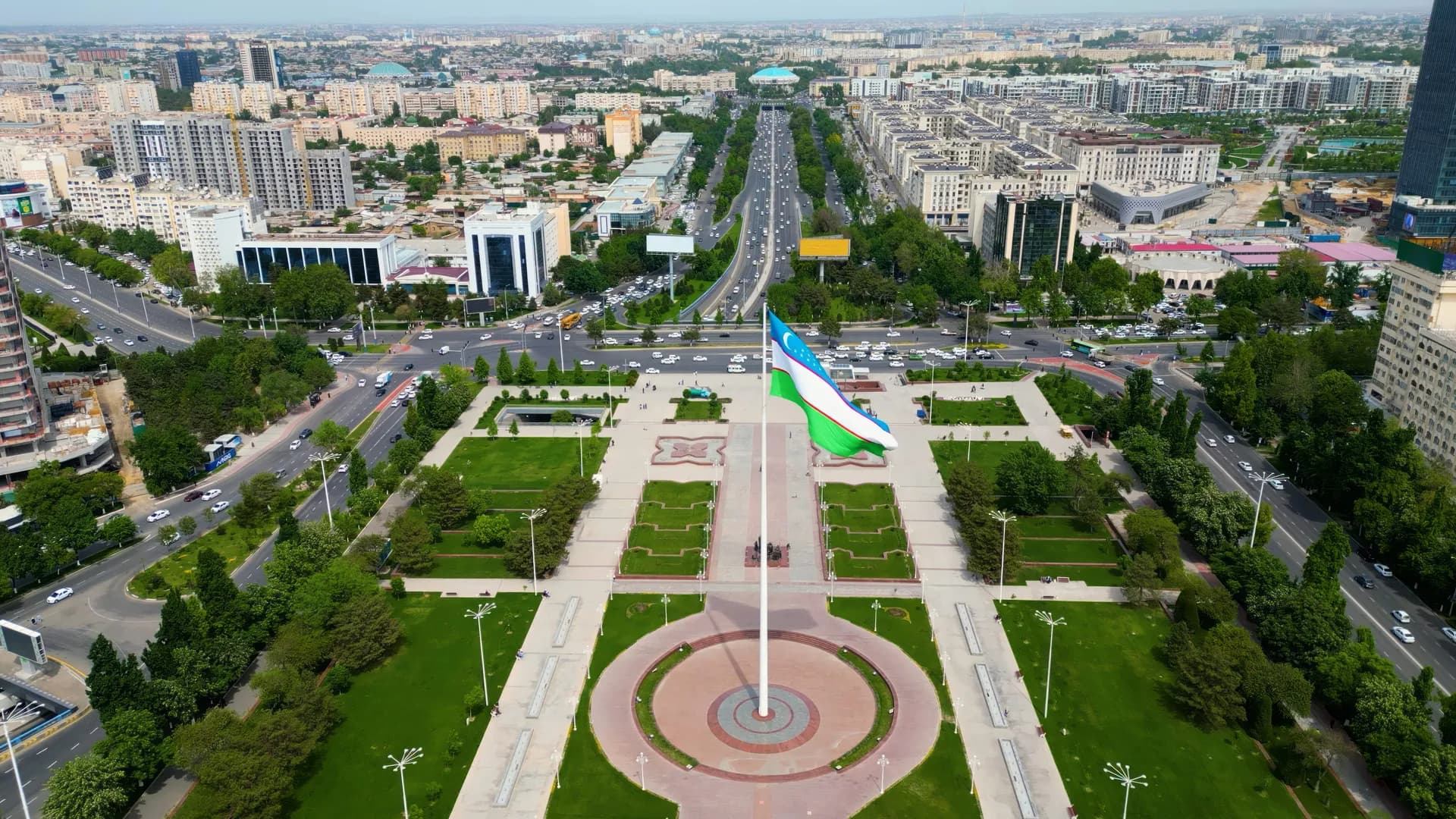
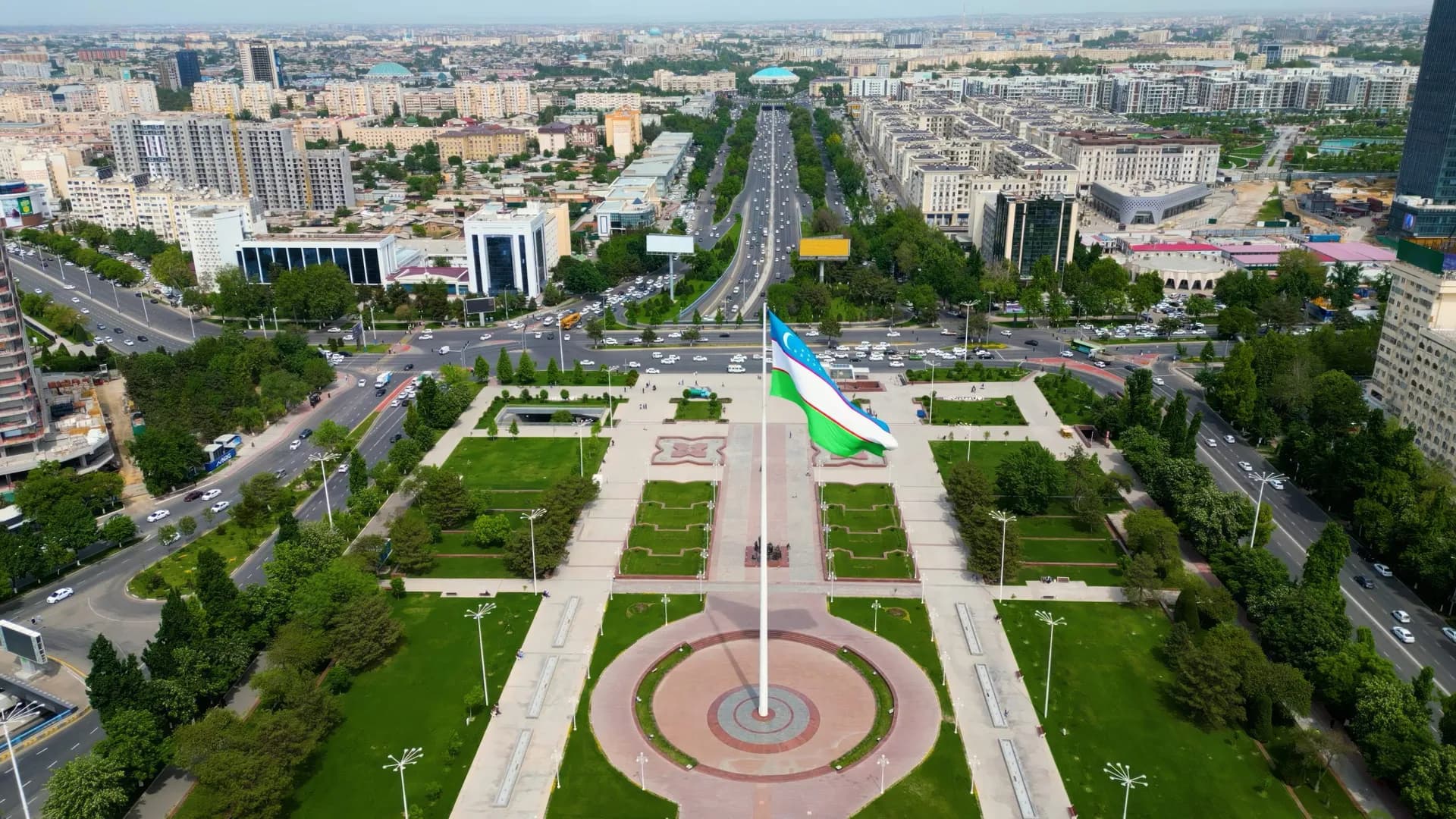
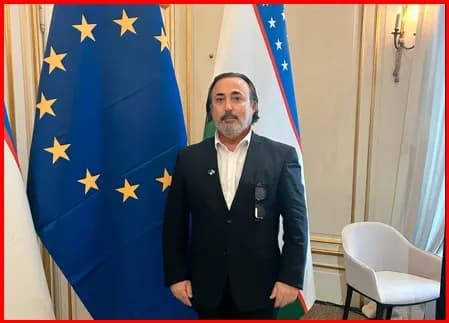
The foreign policy of New Uzbekistan represents a comprehensive and pragmatic framework that places regional inclusivity, cooperative development, and strategic connectivity at its core.
This article defines the concepts of cognitive intelligence (IQ) and emotional intelligence (EQ), highlighting their differences as well as their complementary nature. While IQ emphasizes cognitive functions such as problem-solving and logical reasoning, EQ focuses on emotional and social skills. A review of the literature demonstrates that high IQ alone is insufficient for long-term success in personal and professional life; EQ also plays a critical role. The article further proposes a four-week integrated program for developing both EQ and IQ, illustrated with practical case studies.
Maslow’s theory remains a central reference in motivational psychology due to its integrative perspective—bridging biological, psychological, and social dimensions.
Kazakhs living in Belgium shared their determination: despite challenges related to nationalism, education or work environments, they are committed to safeguarding their roots, their language, and their traditions.
Belgium will reorganise its diplomatic presence worldwide between 2026 and 2027, strengthening key missions and opening new posts while closing several others. The plan, announced by foreign minister Maxime Prévot (Les Engagés), is intended to adapt the country’s external representation to rapidly evolving geopolitical and economic conditions.
Schizophrenia is a complex disorder manifesting with positive, negative, and cognitive symptoms that collectively affect individual functioning and social participation.
Professor Glenn Agung Hole—Honorary Professor in Kazakhstan and Visiting Professor in North Macedonia—argues that Europe’s long-term stability depends on its smallest and most strategically placed states. In this extended interview with EUReflect’s Derya Sy, he discusses the lessons from Astana, Norway’s blind spots, the strategic awakening of the Balkans, and why North Macedonia is becoming indispensable for European security, innovation, and academic diplomacy.
The Riyadh 2025 Islamic Solidarity Games began with an energetic opening ceremony that showcased Saudi culture and welcomed athletes from 57 countries. Prince Faisal bin Bandar bin Abdulaziz inaugurated the event on behalf of King Salman. More than 3,000 competitors are taking part across a wide range of sports, including athletics, swimming, martial arts, team sports, and two para-events.
The banking sector in Southern Africa is overwhelmingly dominated by South African institutions, with the country's "big six" banks securing the top six positions in the 2025 regional rankings.
Uzbekistan has strategically invested in modern hospitals, streamlined entry for foreign patients, and leveraged its geographic position to serve as a natural destination for neighboring countries.
For decades, Central Asia was a land of immense potential trapped behind rigid borders, frozen conflicts, and cautious diplomacy. Uzbekistan, the region’s largest and most influential country, often seemed content to watch from the sidelines.
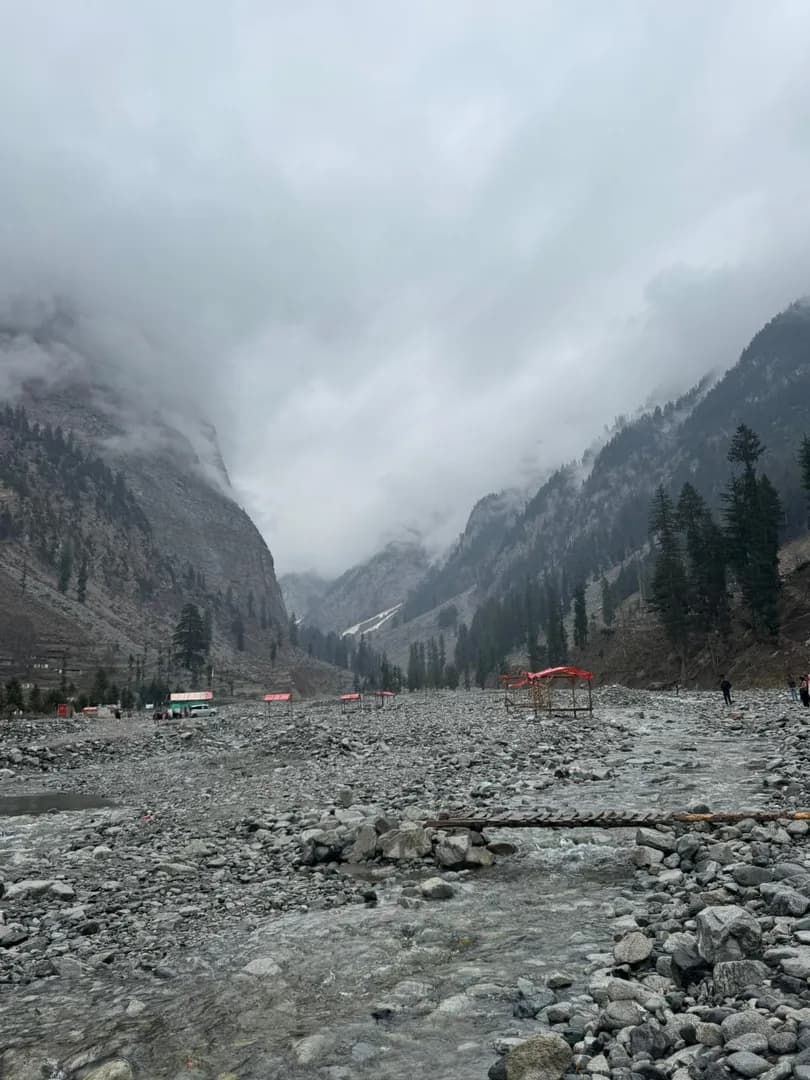
Pakistan is an exceptionally diverse land, stretching from the Karakoram peaks to the Arabian Sea. With over 220 million people and 70 languages, its culture is a blend of Central Asian, Persian, Arab, and Turkic influences. It is celebrated for its stunning northern landscapes (like K2 and the Karakoram Highway), historical cities (Lahore, Multan, Taxila), and economic hubs (Karachi, Gwadar). International media has recognized it as an exciting emerging tourist destination. The country's true highlight is its unforgettable hospitality; guests are treated with overwhelming warmth and respect. Pakistan is a land defying stereotypes, full of possibilities.
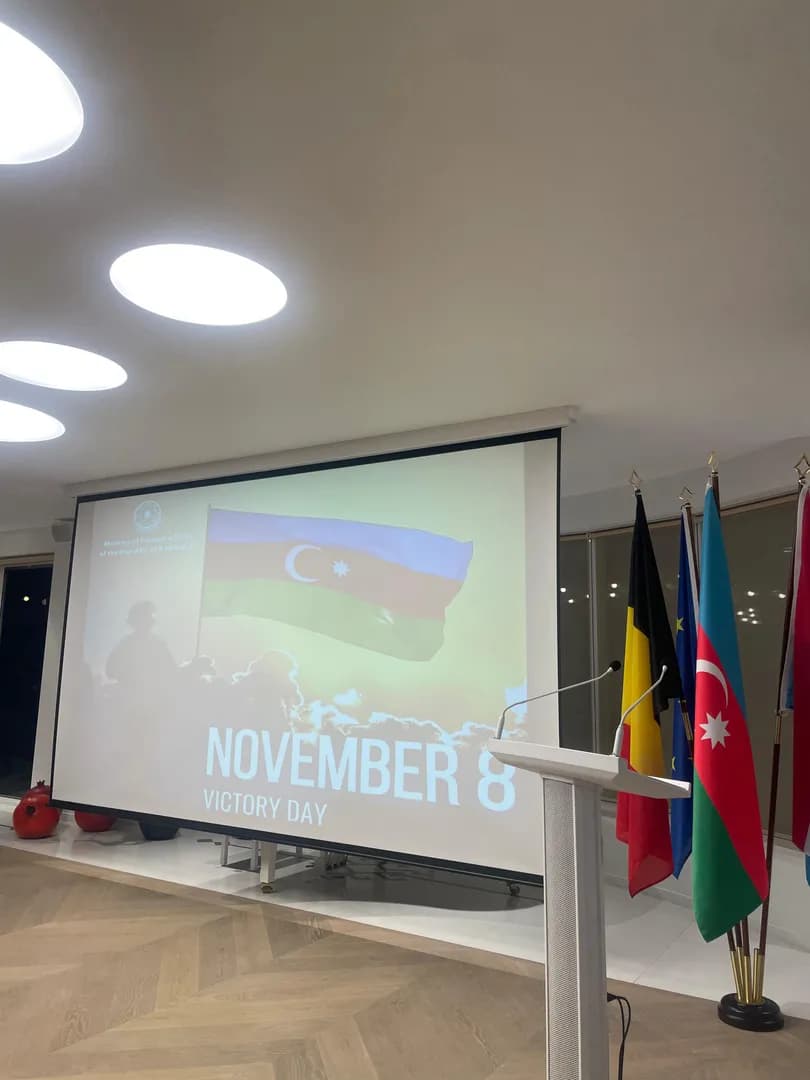
This article analyzes the new geopolitical balance of power that emerged in the South Caucasus following Azerbaijan's November 8th Victory and its implications for the regional security architecture. Employing the Regional Security Complex (RSC) theoretical framework, the paper examines the core dynamics that led to the end of the thirty-year status quo. Our main thesis posits that the post-victory era has eroded traditional Russian hegemony, increased Turkey's strategic influence, and enhanced the agency of regional actors (Azerbaijan). The analysis focuses on peace negotiations, the geopolitics of transportation corridors like the Zangezur Corridor, and the increased intervention of external actors (Iran, EU, US). The article argues that while these changes offer potential for normalization, they also introduce a risk of a new instability cycle driven by corridor disputes and border conflicts, concluding with policy implications for regional stability.
The European Commission plans to set up an intelligence unit to coordinate security data from EU member states, aiming to boost Europe’s autonomy and reduce reliance on U.S. intelligence. The move faces resistance from diplomats worried about overlapping powers and bureaucratic tension in Brussels.
What’s New in Uzbekistan’s Economy?
October 2025 Monthly Economic Briefing
October 2025 was one of the most active months of the year for Uzbekistan’s international diplomacy and economic transformation. From Brussels to Dushanbe, from Gabala to Tashkent, the country advanced major agreements on trade, investment, energy, logistics, industrial cooperation and regional integration.