Politics · International Relations
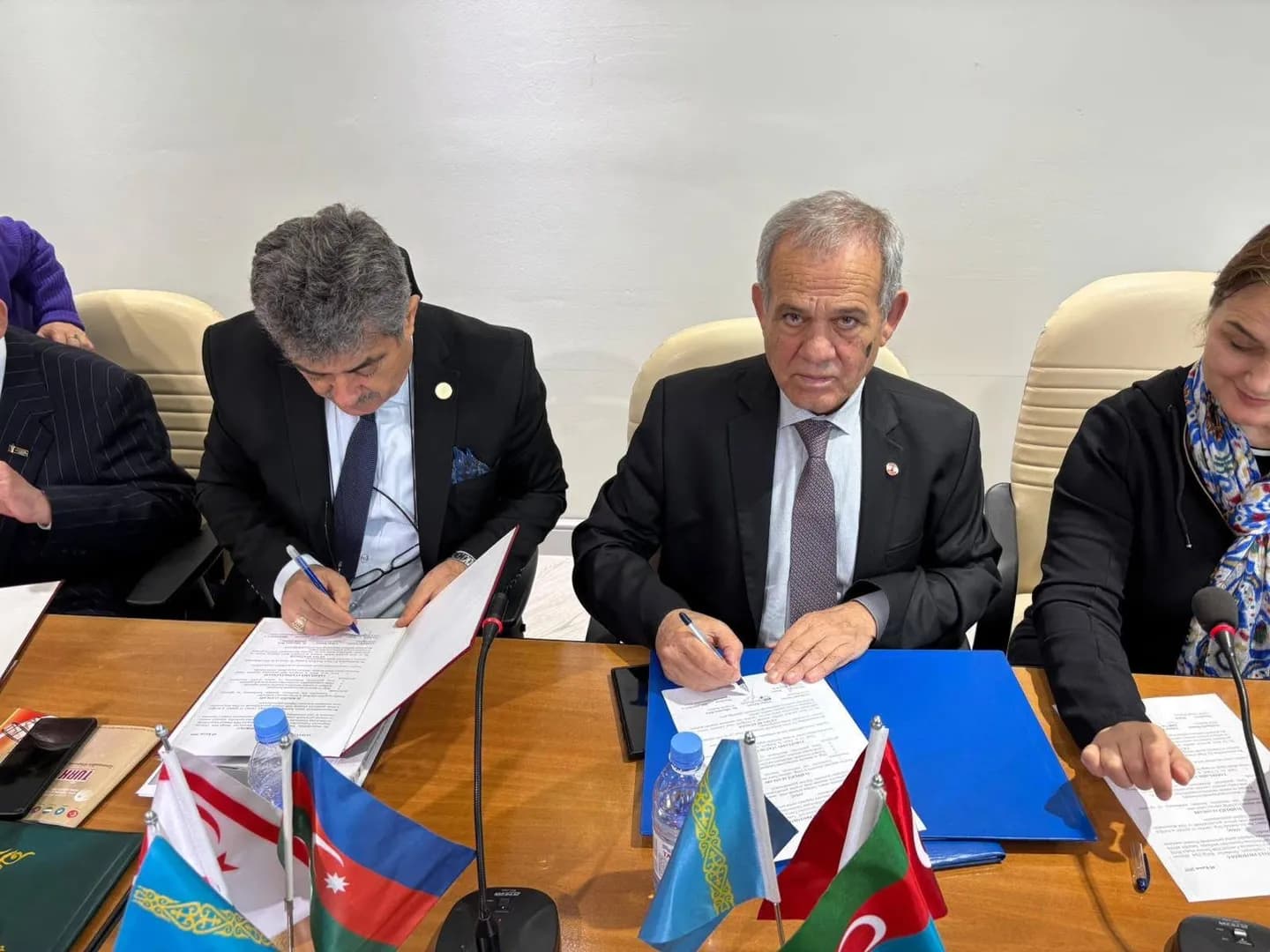
A New Era Begins for the Media of the Turkic World in Almaty
Turkey and Kazakhstan Sign a Historic Agreement and Belgium Prepares to Take on a Strategic Role By Kadir Duran / Bruxelles Korner
Turkey and Kazakhstan Sign a Historic Agreement and Belgium Prepares to Take on a Strategic Role By Kadir Duran / Bruxelles Korner
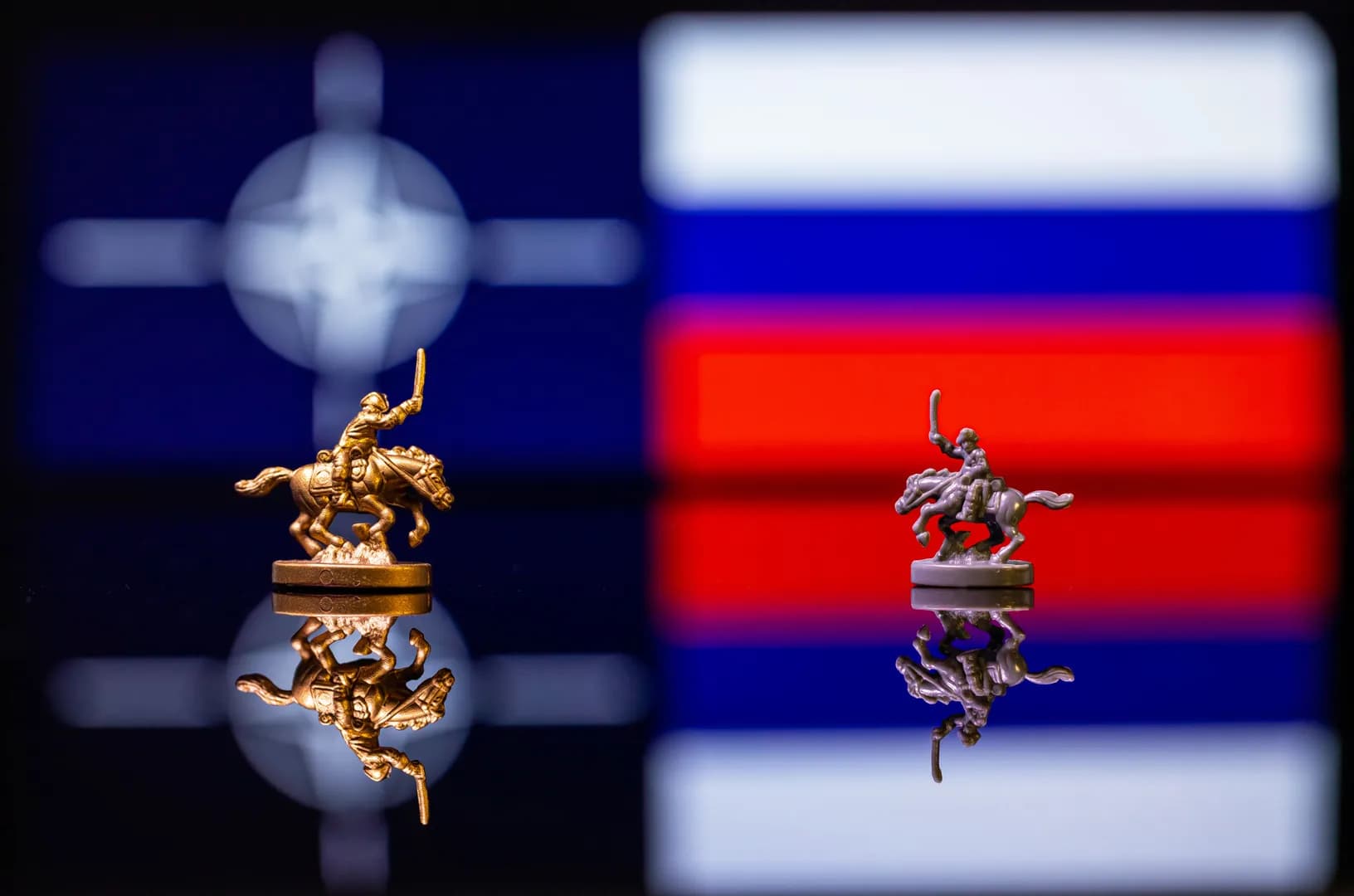
Türkiye’s 2025 foreign and security posture reflects a calibrated balancing act between Euro-Atlantic commitments and Eurasian outreach. Anchored firmly in NATO but increasingly active in the Shanghai Cooperation Organization (SCO) dialogue framework, Ankara is pursuing a security policy built on diplomatic depth rather than military confrontation. The aim: to consolidate its role as a regional power with global reach—capable of talking to all sides without binding itself exclusively to any bloc.
Despite Türkiye’s long-standing participation in the EU’s Common Security and Defence Policy (CSDP) operations, the absence of a formal Security of Information Agreement (SIA) between Ankara and Brussels continues to undermine institutional trust, information exchange, and policy coordination. This article examines Türkiye’s political dialogue and alignment within the EU’s Common Foreign and Security Policy (CFSP), evaluates the legal and institutional challenges arising from the lack of an SIA, and analyses the broader consequences for EU–NATO relations and European strategic autonomy.
When Ghost Companies Launder €12 Million: A Symptom of a Sick System By Kadir Duran – Brussels
The article explores whether artificial intelligence can truly understand the human soul or merely imitate it. Tracing the history of humanity’s attempts to replicate the mind—from ancient automata and Al-Jazari’s mechanical inventions to Descartes’ dualism and Turing’s question “Can machines think?”—it argues that while AI can now mimic human behaviors such as emotion recognition, creativity, and communication, it still lacks genuine experience, conscience, and meaning. Despite rapid technological progress and the deep integration of AI into daily life and global markets, the essence of human consciousness remains uniquely tied to feeling and moral awareness. Ultimately, the text suggests that the real challenge is not whether machines can understand us, but whether humans can still understand themselves.

Kazakhstan Draws Major Investment Commitments at KGIR
The Euronews Enlargement Summit in Brussels brought together leaders from Ukraine, Moldova, Serbia, Albania, Montenegro, and North Macedonia with top EU officials. The meeting marked a turning point, framing enlargement not as a procedural step but as a strategic priority for Europe’s future. Ukraine and Moldova have advanced reforms at historic speed, while Western Balkan countries reiterated their goal of joining the EU by 2030. Held ahead of the European Commission’s 2025 Enlargement Report, the summit emphasized that enlargement is a strategic investment in Europe’s geopolitical resilience, democratic credibility, and long-term integration.

At only 34 years old, Zohran Mamdani has been elected mayor of the American metropolis, becoming the first Muslim mayor in the city’s history and one of the youngest to occupy the office in more than a century.

This paper analyses Türkiye’s engagement with the European Union’s Common Foreign, Security and Defence Policy (CFSP/CSDP) in 2025. According to the European Commission’s annual report, Türkiye’s alignment rate with the EU’s restrictive measures and statements on Russia dropped to only 4%, the lowest in recent years. This figure symbolises Türkiye’s strategic transformation from an integration-oriented candidate to a regional power seeking autonomy within a multipolar world order. While Ankara continues to contribute operationally to EU-led missions, it maintains selective alignment—balancing between Western expectations, economic interdependence with Russia, and regional influence. The study argues that Türkiye’s limited alignment reflects not isolationism but a pragmatic form of strategic autonomy that positions the country as a balancing actor—indispensable for European security but politically detached from the EU’s normative core.
This study examines Türkiye’s engagement with the European Union’s Common Foreign, Security and Defence Policy (CFSP/CSDP) during 2025. While political dialogue between Ankara and Brussels intensified, Türkiye’s alignment rate with EU declarations and restrictive measures fell to a historic low of 4%. Despite its substantial operational contribution to EU crisis-management missions and its active mediation efforts in Ukraine, Gaza, and the Horn of Africa, Türkiye continued to follow a selective alignment strategy that prioritised strategic autonomy, energy interdependence, and regional influence. The paper argues that in 2025 Türkiye consolidated its position as a balancing mediator within an emerging multipolar order rather than as a fully aligned partner of the European Union.
The 43rd Session of the UNESCO General Conference in Samarkand
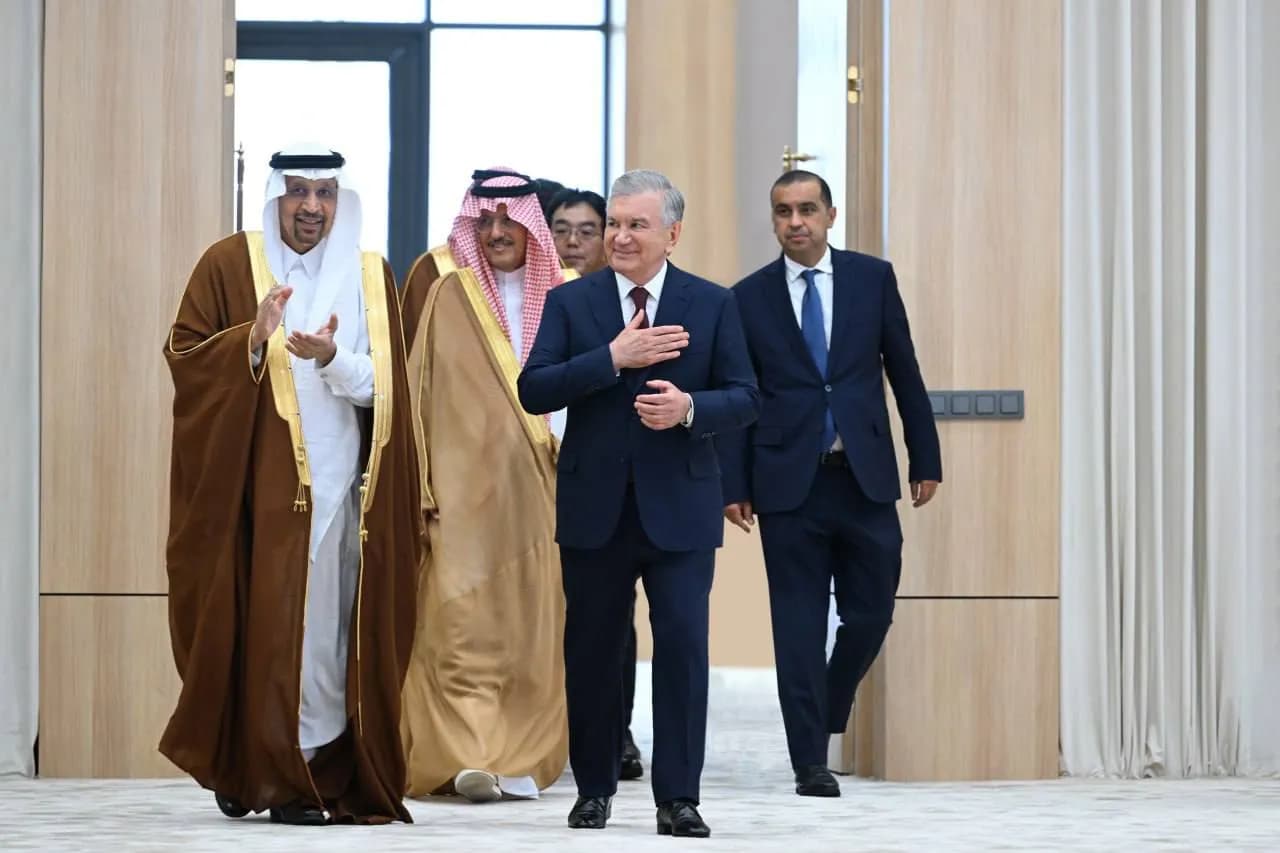
Uzbekistan has launched construction of Central Asia’s largest airport in Tashkent, a $2.5 billion project led by Saudi, Japanese, and Korean partners. Scheduled for completion in 2028, it will serve 20 million passengers annually, handle 129,000 tons of cargo, and operate entirely on renewable energy. The airport will boost the economy, create thousands of jobs, and solidify Uzbekistan’s role as a regional aviation and innovation hub.
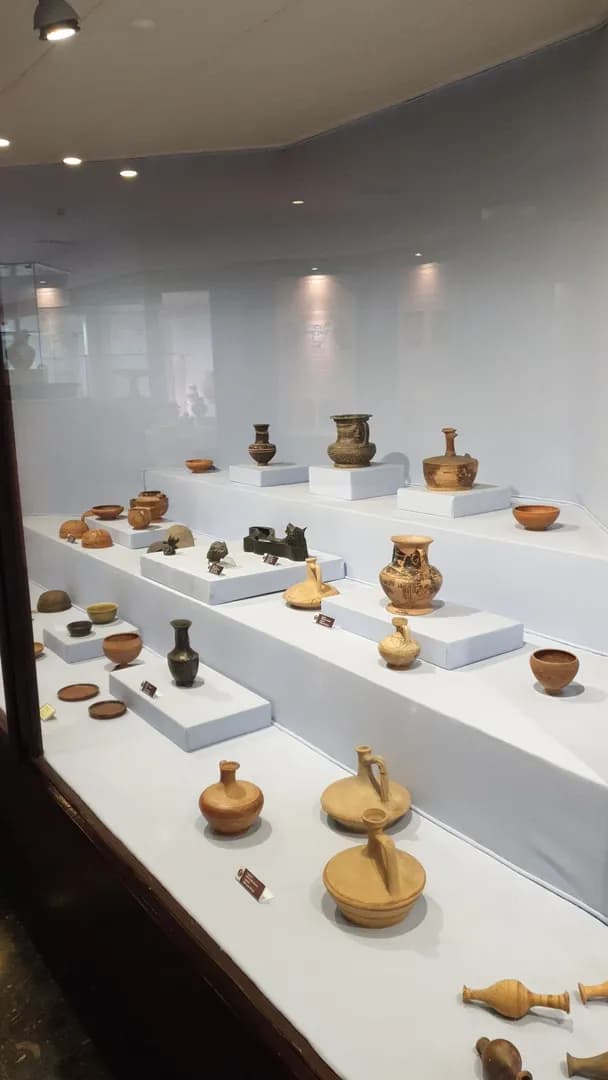
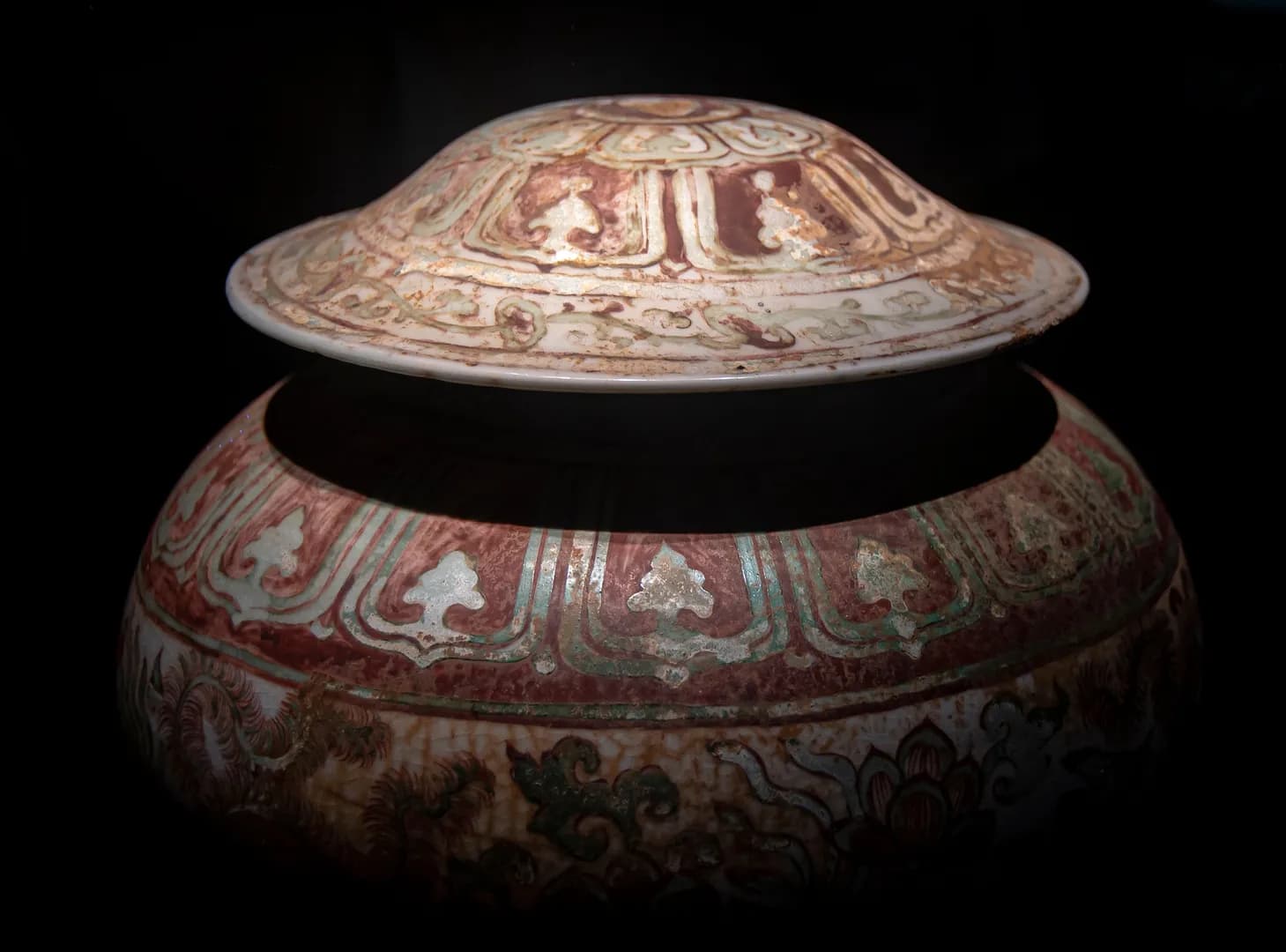
This study explores how ceramic forms exhibited in the İzmir Archaeology Museum reflect the aesthetic sensibilities and cultural spirit of the civilizations that produced them. Beyond their functional roles, these artifacts embody the creative dialogue between humanity and nature, capturing the rhythm, values, and worldview of their eras. Through formal and stylistic analysis of ancient ceramics, the paper argues that each vessel, figurine, or amphora serves as a silent chronicle of its time—preserving the aesthetic ideals, technological knowledge, and emotional depth of the societies that shaped them. By interpreting ceramics as cultural texts, the study situates them within a broader framework of artistic continuity and human expression.
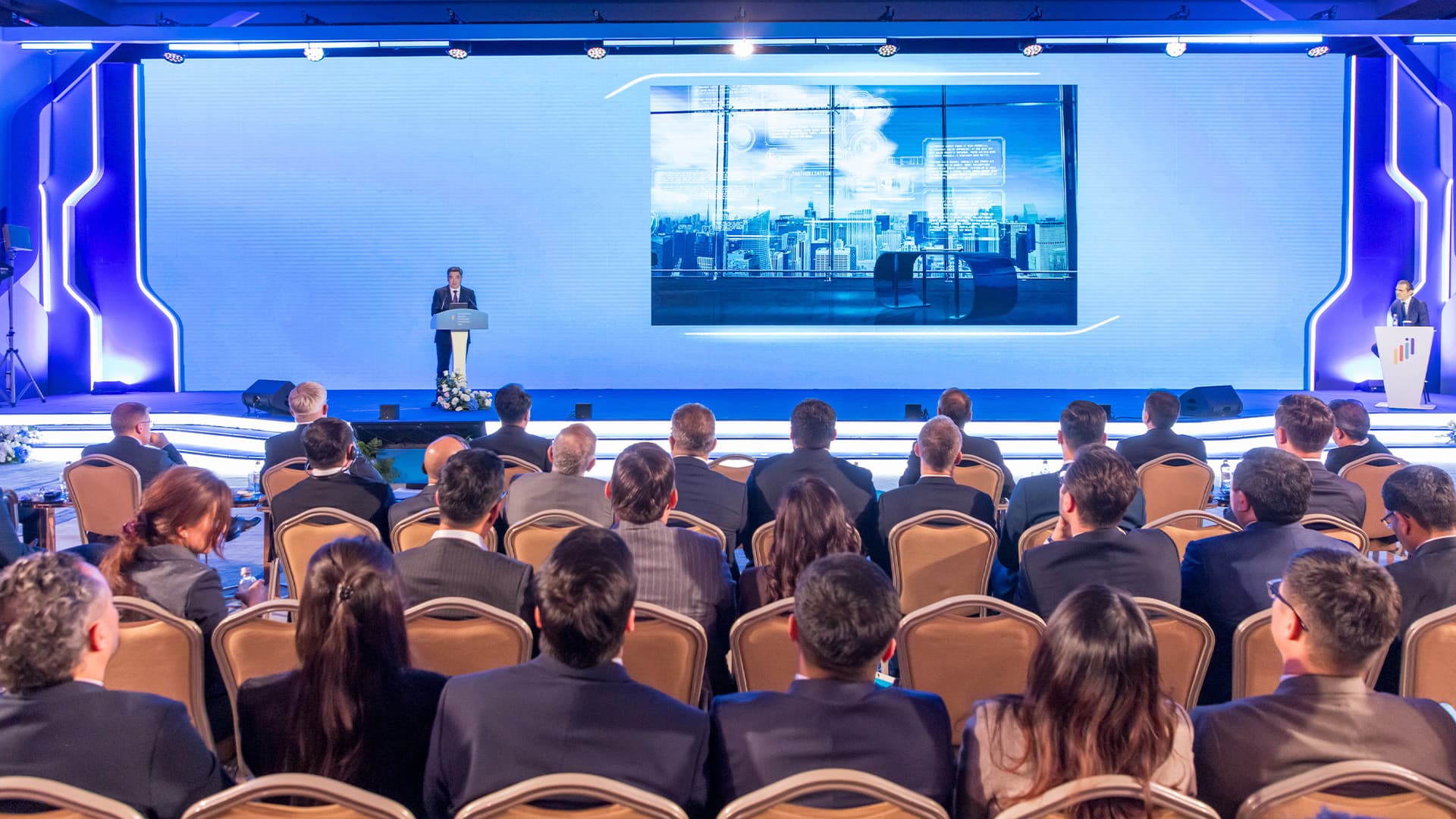
Kazakhstan has tripled its investment in education and science and will continue strengthening the role of artificial intelligence through global academic cooperation, President Kassym-Jomart Tokayev announced at the International Forum of Strategic Partners Kazakhstan – The Land of Academic Knowledge
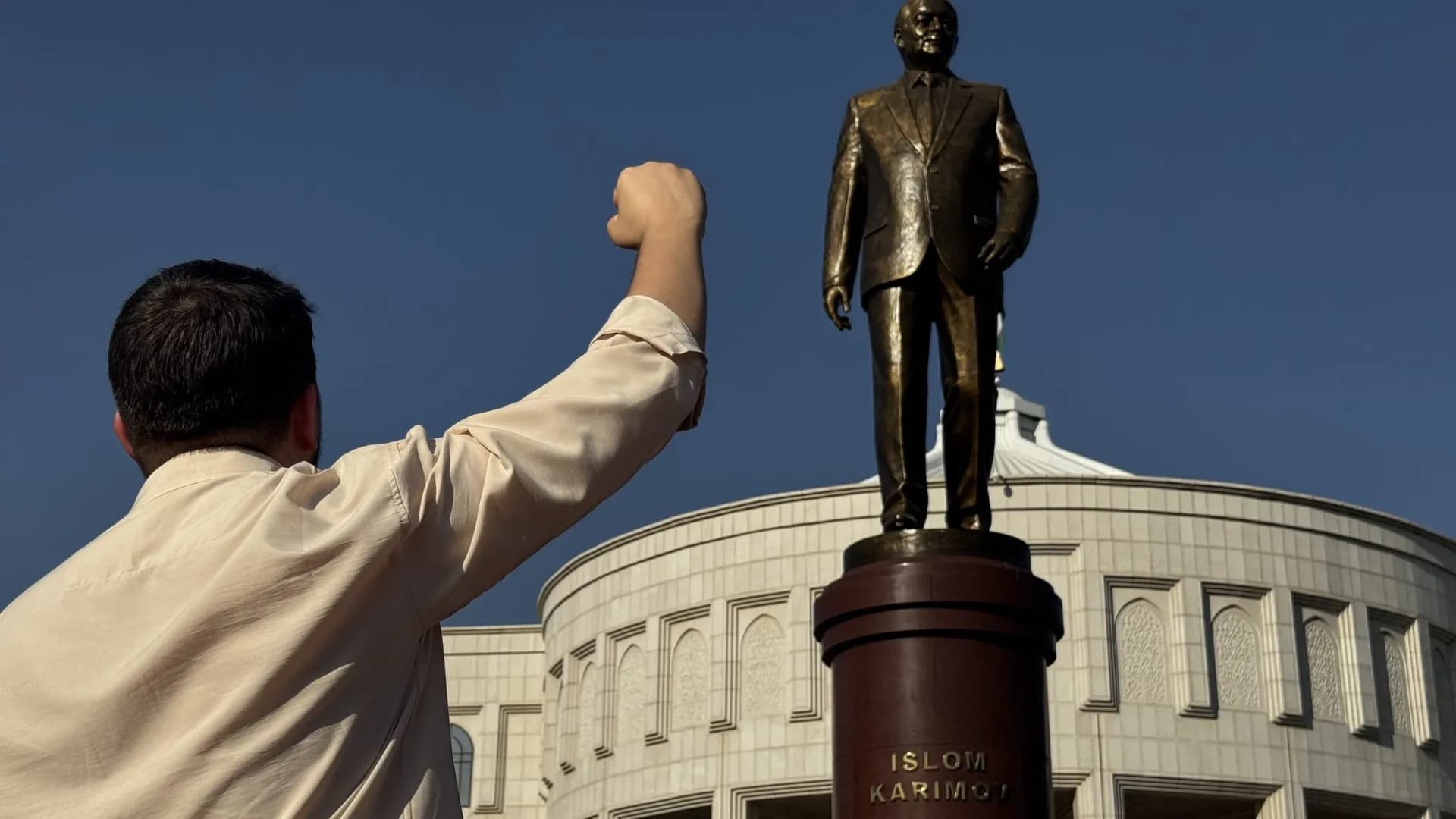
Islam Karimov (1938–2016), the first President of independent Uzbekistan, was the key architect of the country’s post-Soviet nation-building project. His leadership combined political independence with the creation of a national ideology that he viewed as essential for state survival and legitimacy. Karimov redefined Uzbekistan’s identity by reviving historical memory, celebrating figures like Amir Timur and Alisher Navoi, and replacing Soviet symbols with new national emblems. He balanced religion as a source of unity and morality while curbing extremism and implemented language reforms to strengthen national consciousness while preserving diversity. His model, based on ideology, history, religion, and language, remains a blueprint for achieving stability and unity in multi-ethnic, transitional states.
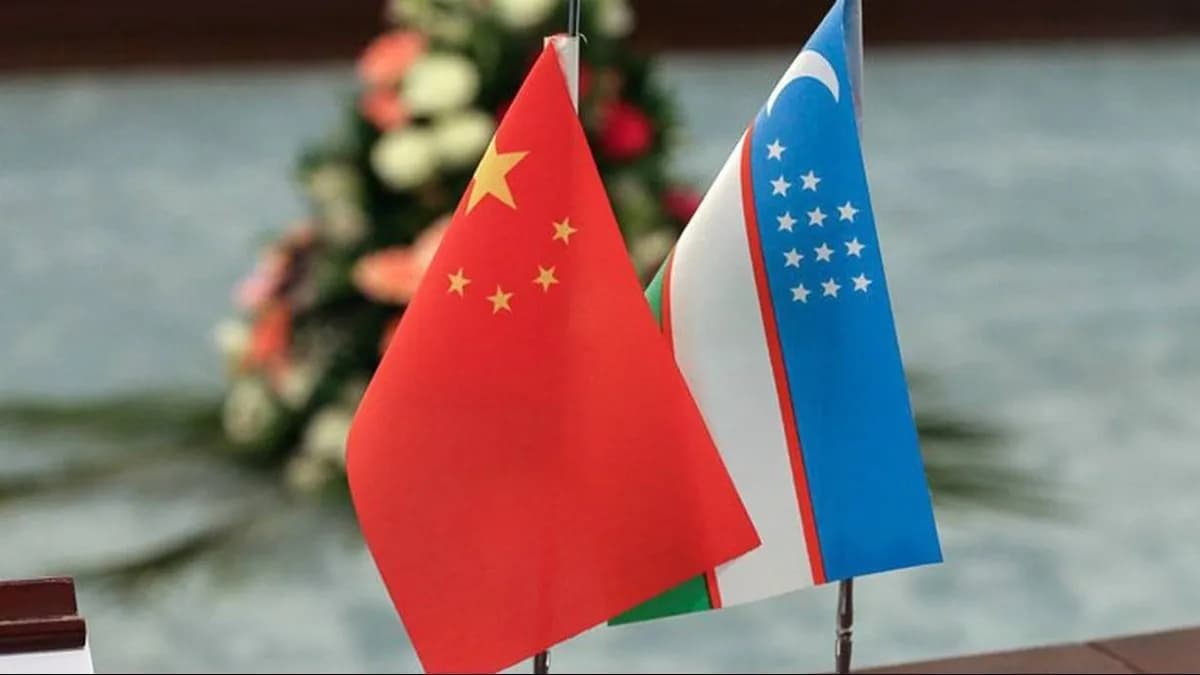
Uzbekistan’s potential purchase of Chinese JF-17 Block 3 jets could shift the power balance in Central Asia, reducing Russia’s influence and boosting China’s role. The deal offers technology transfer, pilot training, and cost-effective modernization, making Uzbekistan the first in the region to operate fifth-generation fighters.
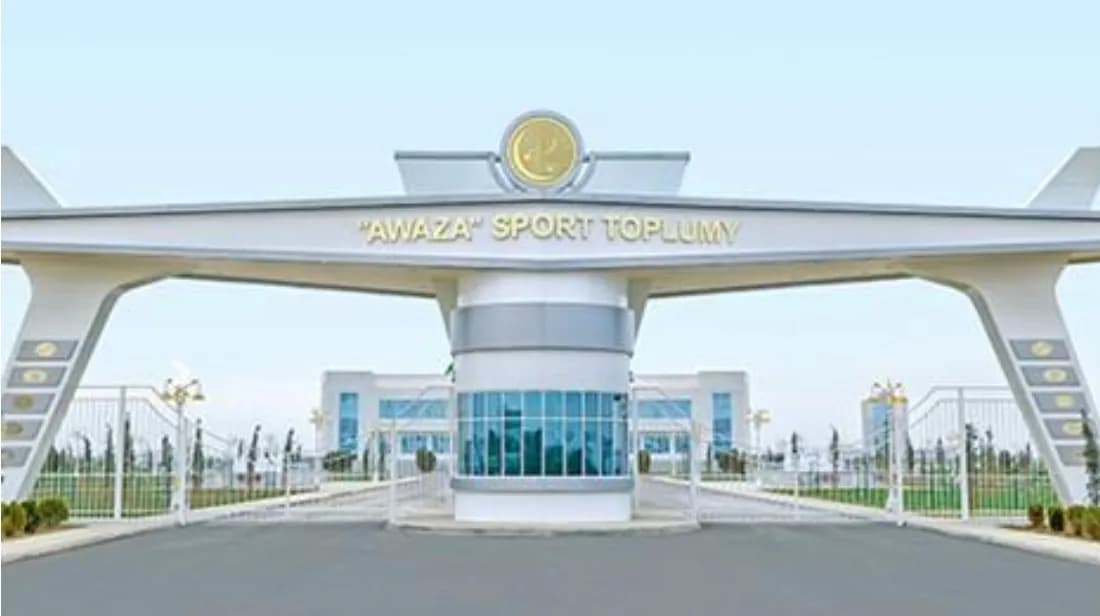
Turkmenistan is positioning itself as a regional innovation hub with the launch of CIET 2025 — the International Conference & EXPO on the Development of the Construction, Industrial, Chemical and Energy Sectors — held in Avaza, the country’s Caspian coastal zone. The event brings together delegates from 55 countries, including major firms such as Mitsubishi Heavy Industries, Çalık Holding, ROSATOM, POSCO International, and DAMAC Properties, to discuss technology, investment, and sustainable development. Analysts say CIET 2025 marks Turkmenistan’s effort to integrate into global innovation networks and attract renewable energy, digital infrastructure, and transport investments, reinforcing its role as a strategic link in Central Asia’s economic transformation.
Dutch centrist leader Rob Jetten and his party D66 claimed victory in a tight election, positioning him to become the youngest prime minister in the Netherlands. The result marks a shift away from the far-right dominance of recent years, as Geert Wilders’ PVV lost ground to smaller parties. Despite D66’s win, analysts warn that forming a coalition will be difficult in the country’s increasingly fragmented political landscape. Jetten called for cooperation on key issues such as economy, migration, climate change, and housing, while experts stress that the far right remains influential and public trust in politics is still very low.

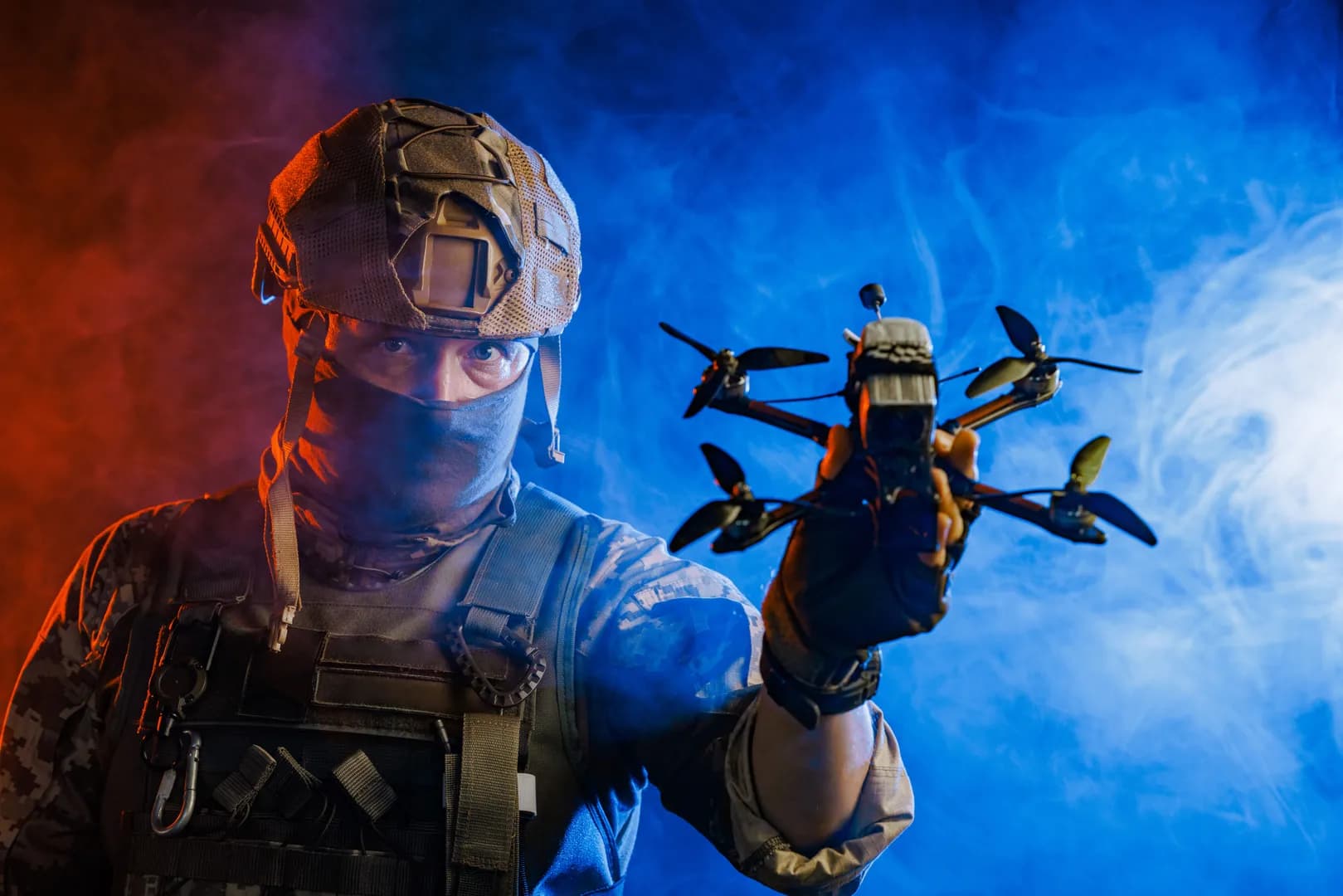
Belgium suspects a coordinated “spy operation” behind recent drone flights over the Kleine-Brogel air base, which reportedly hosts U.S. tactical nuclear weapons. Belgian Defense Minister Theo Francken said small drones were used first to test radio frequencies, followed by larger ones intended to destabilize the area. The incidents occurred on Nov. 1–3 and are part of a broader pattern of 14 drone sightings across Europe over the past two months, targeting military and dual-use sites, mainly at night. Analysts suggest these incursions could have political motives, with NATO countries increasingly alarmed by surveillance activities near strategic facilities.
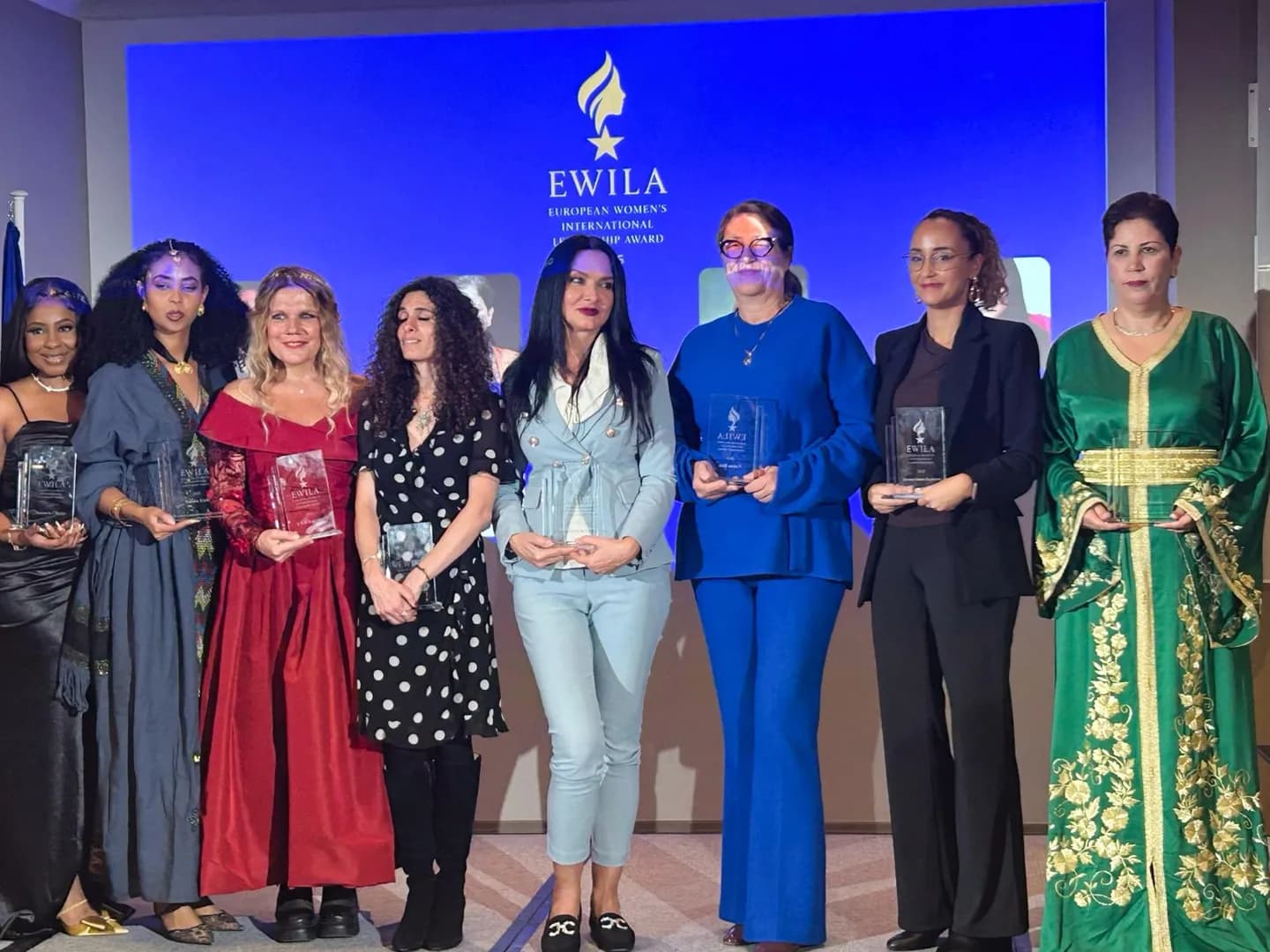
European Women’s International Leadership Award 2025 Held in Brussels Brussels, 3 November 2025 — Eight women from across the globe were honored at the European Women’s International Leadership Award (EWILA) ceremony in Brussels, recognizing outstanding leadership, resilience, and social impact. The event took place at the DoubleTree by Hilton Brussels City, gathering diplomats, EU representatives, civil society leaders, and media. Established at the European Parliament in 2019, EWILA highlights women who challenge traditional boundaries, drive transformative change, and inspire communities worldwide. This year’s laureates represent diverse backgrounds and fields including humanitarian action, nuclear safety, cultural preservation, emotional health, entrepreneurship, political leadership, and artistic activism.
This article examines the evolution of ceramic art from its historical development to contemporary technological innovations. It focuses particularly on how digital design, 3D printing, automation, and new material technologies have transformed ceramic production. The balance between preserving traditional handicrafts and embracing the possibilities offered by modern technologies is discussed, emphasizing that these two spheres should not be seen as mutually exclusive but as complementary.
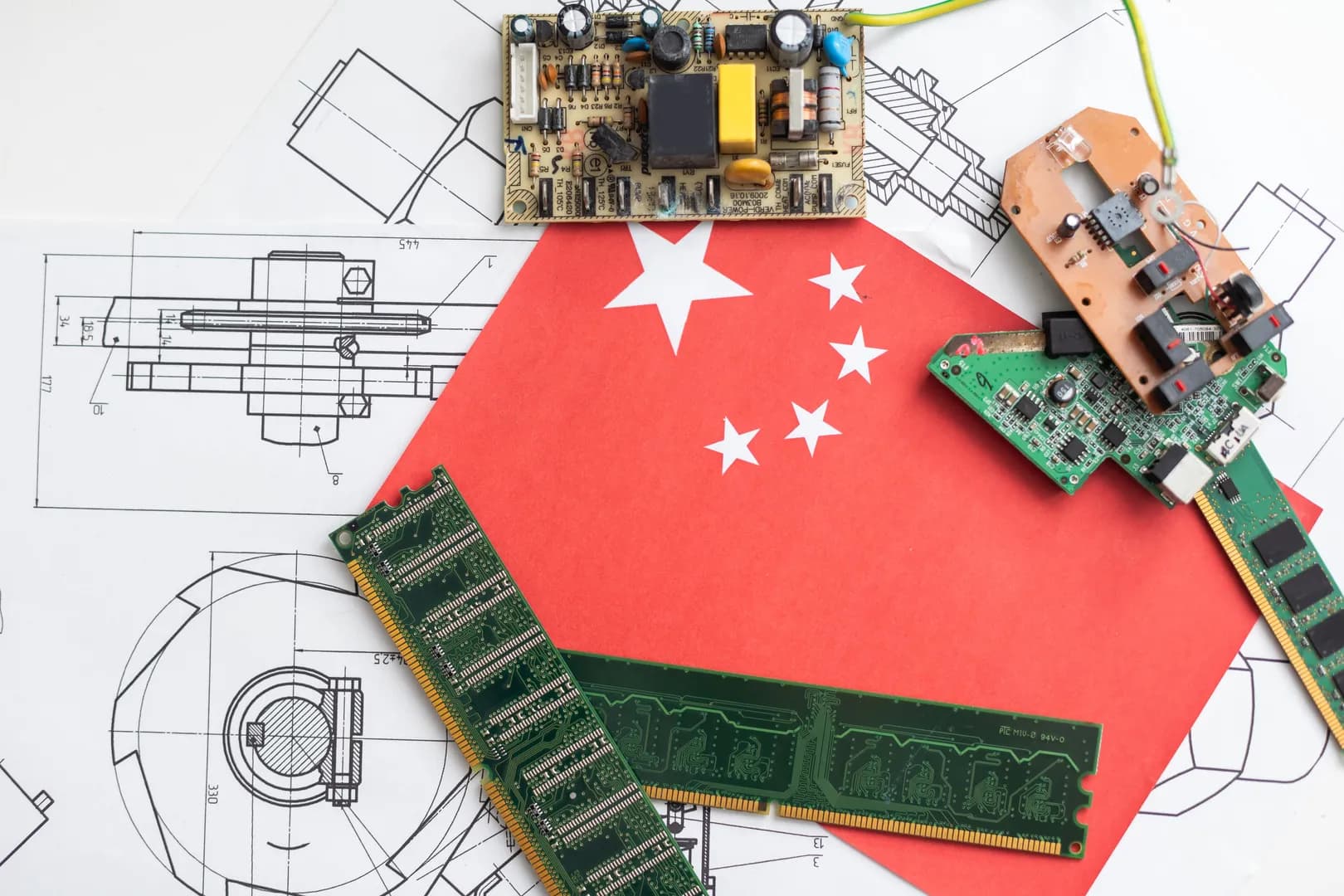
The global electric vehicle (EV) market is witnessing a major geopolitical shift led by China’s rise. Once dominated by Western automakers, the sector now sees Chinese companies like BYD, Chery, and MG achieving global dominance through state subsidies, technological agility, and long-term strategic planning. China’s EV strategy goes beyond economics—it is a tool of industrial control, data collection, and geopolitical influence. The recent Israeli ban on Chinese EVs near military sites underscores the emerging link between EVs and intelligence risks, as these vehicles can potentially transmit sensitive data. As Chinese firms expand globally, they are embedding themselves within national infrastructures, raising fears of “digital colonialism.” Without international data-security frameworks, nations risk losing technological sovereignty and becoming dependent on China’s digital ecosystem. What began as an environmental innovation is fast transforming into a global security issue.
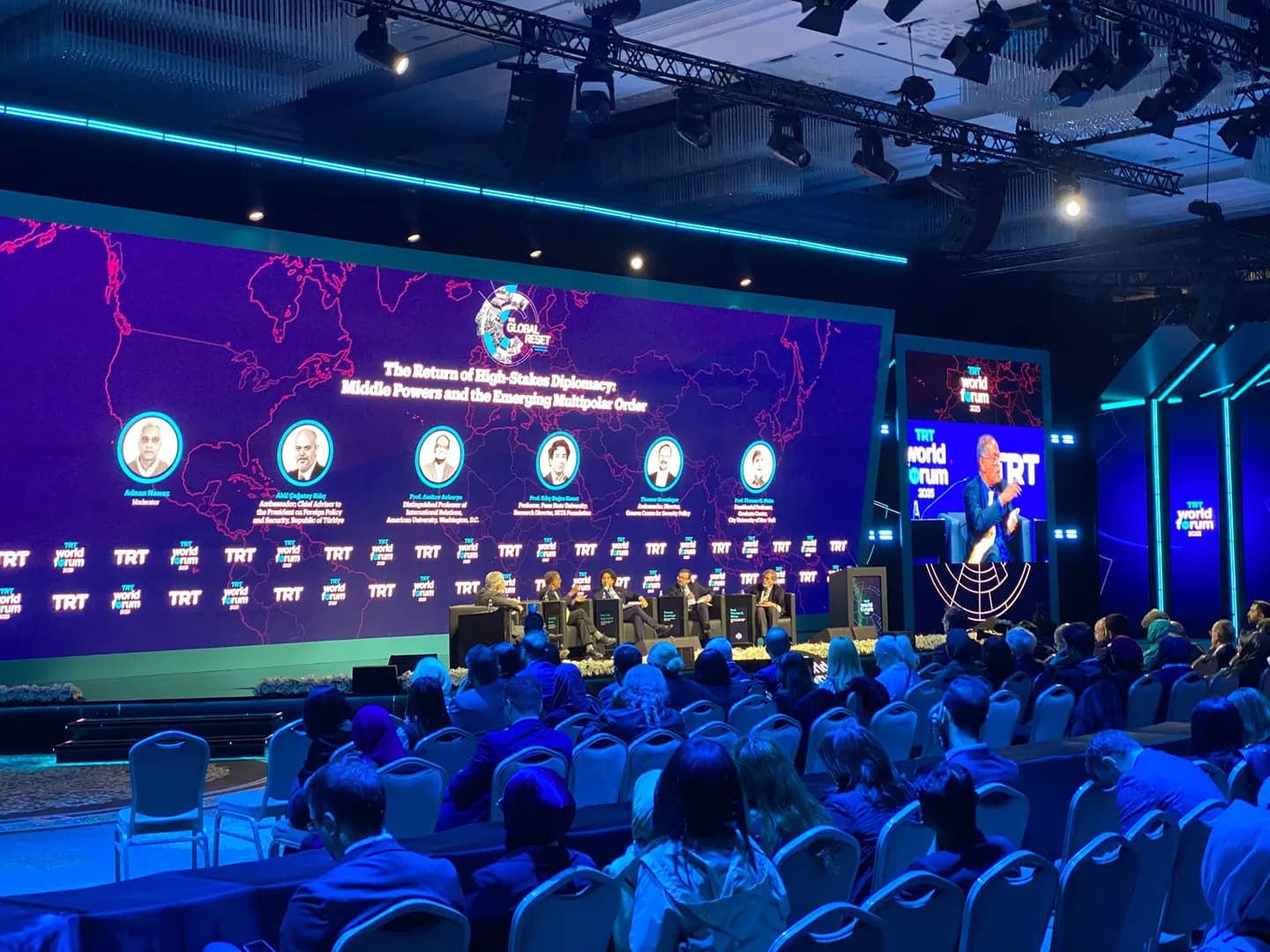
Attending the TRT World Forum 2025 in Istanbul was an inspiring and intellectually engaging experience. Under the theme “Global Reset: From the Old Order to New Realities,” the forum explored how power, media, and moral responsibility are being redefined in a rapidly changing world. Key sessions, including speeches by President Recep Tayyip Erdoğan and TRT Director General Mehmet Zahid Sobacı, emphasized justice, moral leadership, and Türkiye’s proactive role in shaping global discourse. The focus on Gaza, particularly the installation “3,925 Lost Futures,” underscored the moral urgency of addressing human suffering and media’s role in fostering global conscience. The event positioned Türkiye as a bridge between civilizations and a strategic, ethical voice in the emerging world order—transforming discussion into a call for global responsibility and reform.