Latest News

Politics · International Relations

The Turkic Century Isn't a Choice. It is Destiny!

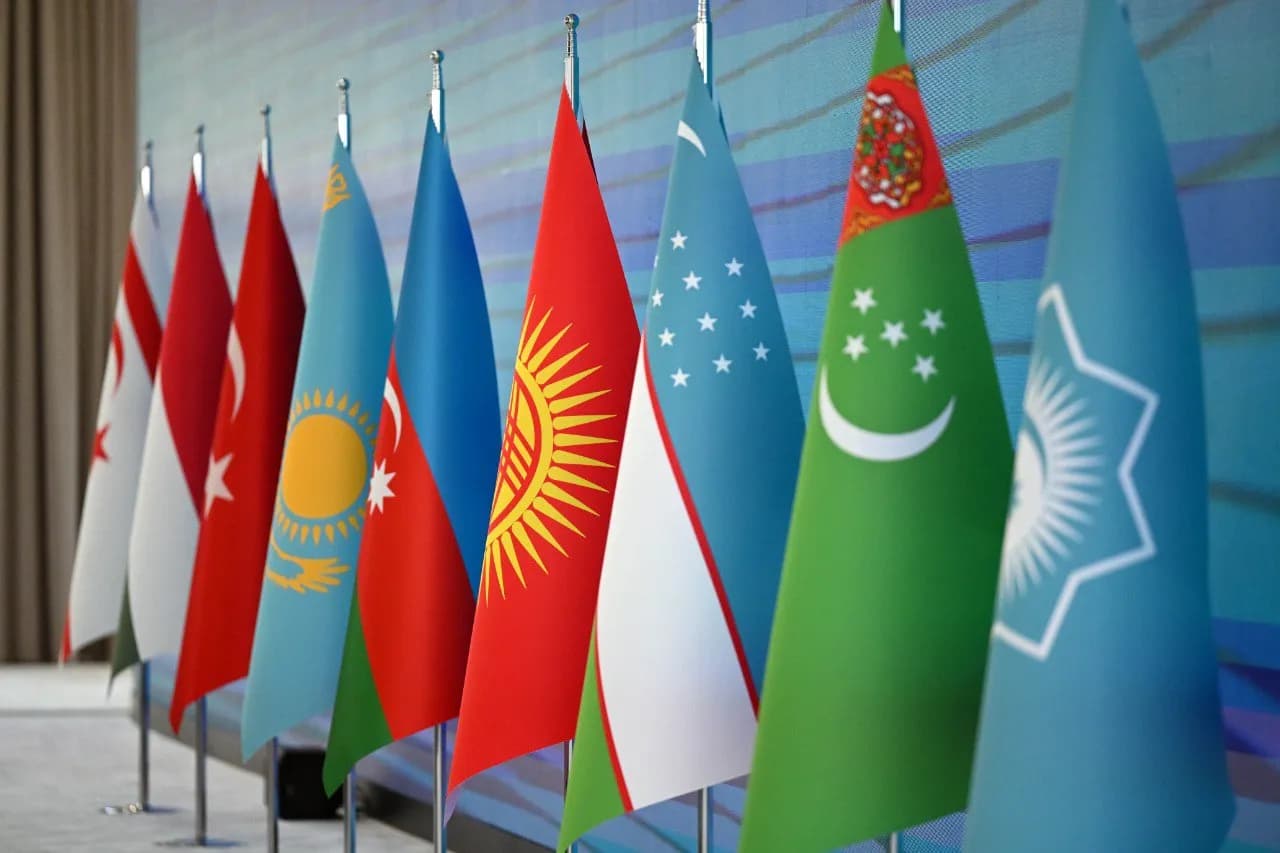
“The End of the Old Map” explores how the collapse of traditional Eurasian trade routes—through Russia and Iran—has forced a historic realignment of global logistics and power. The text argues that the “Middle Corridor,” traversing Turkey, Azerbaijan, and Kazakhstan, is not a choice but a necessity shaped by geopolitical crises. With the Northern and Southern corridors paralyzed by war and sanctions, the Turkic heartland emerges as the strategic backbone of a new Eurasian order. This transformation—driven by logistics, energy, digital infrastructure, and defense integration—is redefining the Organization of Turkic States (OTS) as a geopolitical and economic force. The paper concludes that the unification of the Turkic world is not romantic idealism, but a historical compulsion dictated by modern geography and global competition.


Abdullah Yakup Üner

Defense · Defense Policy Strategy

Drones Spotted Over Belgian Military Bases for Third Night in a Row

For the third night in a row, unidentified drones were spotted over Belgium’s Kleine-Brogel military base, raising security concerns across Europe. Belgian Defense Minister Theo Francken confirmed that interception attempts failed as the drones disappeared toward the Netherlands. Similar incidents have occurred at other Belgian bases and airports, prompting an investigation and government discussions. The events come amid wider European efforts to strengthen air defenses and develop a “drone wall” in response to suspected Russian incursions.

Olha Pashchenko

Defense · Defense Diplomacy

Defense Diplomacy Drives U.S.–Vietnam Strategic Cooperation

U.S. War Secretary Pete Hegseth’s visit to Hanoi marked a new phase in U.S.–Vietnam defense diplomacy, emphasizing post-war reconciliation and strategic deterrence. Both nations discussed arms sales, war legacy remediation, and security cooperation, aligning their partnership with broader Indo-Pacific stability goals. The meetings highlighted Vietnam’s pragmatic approach—strengthening defense capacity while maintaining strategic autonomy—and Washington’s goal of enhancing collective deterrence in the South China Sea against regional coercion.

İsmail Polat

General · International

Uzbekistan in Global Social Development Summit in Qatar

Uzbekistan will participate in the Second World Summit of Social Development in Doha, Qatar, on 3–4 November 2025, under the auspices of the United Nations. The Uzbek delegation, led by senior officials from the Ministry of Social Development, will highlight national achievements in promoting social inclusion, youth employment, and support for vulnerable groups. The summit aims to coordinate efforts aligned with the UN 2030 Agenda for Sustainable Development. Analysts view Uzbekistan’s participation as a sign of its deepening engagement in global development diplomacy and its transition from regional to international cooperation.

Olha Pashchenko

Politics · Diplomacy

Energy Empires: The Companies That Rule Global Power

The 21st century has transformed energy from a mere economic commodity into a strategic instrument of global power. This article explores how five energy corporations—Saudi Aramco, ExxonMobil, Shell, Chevron, and PetroChina—function as hybrid entities operating at the intersection of economics, politics, and diplomacy. Using a historical-political lens, it argues that these firms are no longer corporate actors but geopolitical institutions that influence state policies, determine market stability, and shape international relations. The research highlights how national energy sovereignty, state capitalism, and market-driven geopolitics merge within these entities, producing a new form of “energy empire” where corporate decisions yield geopolitical consequences. Ultimately, the study redefines energy not as fuel but as power itself.

İsmail Polat

General · Local News

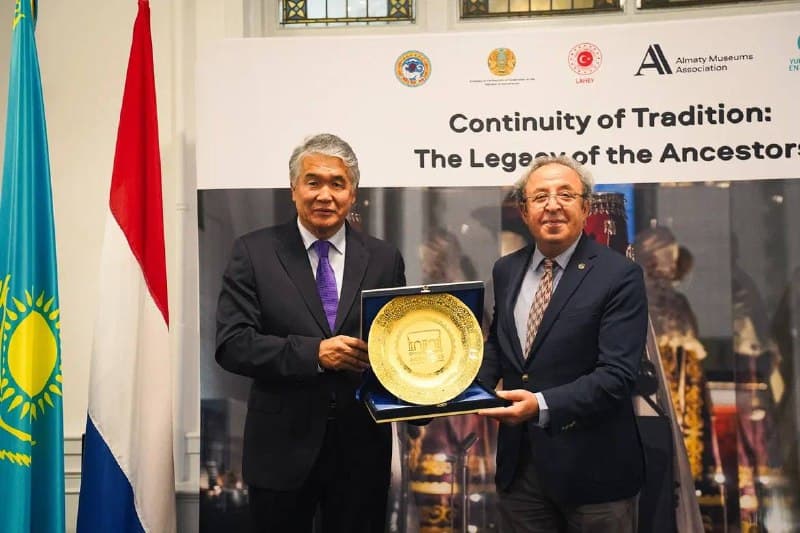
Kazakh Exhibition in Amsterdam

Secretary General Sultan Raev Attends Opening of “The Living Thread of Traditions: Heritage of the Ancestors” Exhibition in Amsterdam

Derya Soysal

Politics · Diplomacy

Mohammed VI hails a “historic victory” after UN resolution on Western Sahara

Mohammed VI hails a “historic victory” after UN resolution on Western Sahara King Mohammed VI celebrated what he called a “historic and resounding victory” for Morocco after the UN Security Council adopted a resolution endorsing autonomy under Moroccan sovereignty as a credible solution for Western Sahara. The decision is seen as a major diplomatic milestone for Rabat, reinforcing international momentum behind Morocco’s plan, already backed by the US, Spain, France, the UK, the EU – and, recently, Belgium. In a solemn address marking 50 years since the Green March and 70 years of independence, the monarch declared the start of a “new victorious chapter” and invited Algeria to open a path toward reconciliation, stressing “no winner and no loser.” He also called on Sahrawi populations in the Tindouf camps to return, affirming national unity. The resolution renews MINURSO until 2026 and passed with 11 votes in favour, while Russia, China, and Pakistan abstained and Algeria declined participation. The speech situates Western Sahara as a pillar of Morocco’s regional economic and security strategy, including major infrastructure projects connecting to the Sahel and increasing European investment interest—particularly in energy, trade, and stability. Algeria and the Polisario rejected the decision, accusing the UN of ignoring Sahrawi self-determination. The development underscores rising international support for Rabat, amid geopolitical priorities including migration, green hydrogen, and Mediterranean security. As Morocco looks ahead, the key question remains: Will this diplomatic breakthrough help unlock long-stalled dialogue with Algiers and pave the way for regional stability?

Kadir Duran

General · Breaking News

Lockheed Martin Strengthens NATO’s Northern Flank with F-35

Lockheed Martin has finalized the assembly of Finland’s first F-35A stealth fighter, part of a 2022 deal for 64 aircraft to be delivered by 2030. The program marks a major leap in Finland’s air defense and NATO integration, reinforcing deterrence along Russia’s border. Finnish pilots will train in the U.S., while local company Patria contributes to F-35 production, ensuring technology transfer and industrial growth. Analysts view the aircraft as a symbol of transatlantic unity and technological superiority in the face of evolving security threats.

EUReflect News

General · International

Lockheed Martin and NASA Redefine Flight Speed

NASA and Lockheed Martin’s X-59 QueSST completed its first test flight over Southern California, marking a major step toward quiet supersonic travel. Designed to minimize the “sonic boom” into a gentle thump, the X-59 aims to make high-speed, low-noise commercial aviation possible again. Analysts see the project as both a technological breakthrough and a strategic statement — reaffirming U.S. dominance in global aerospace innovation amid growing competition from China and Russia.

EUReflect News

Politics · Diplomacy

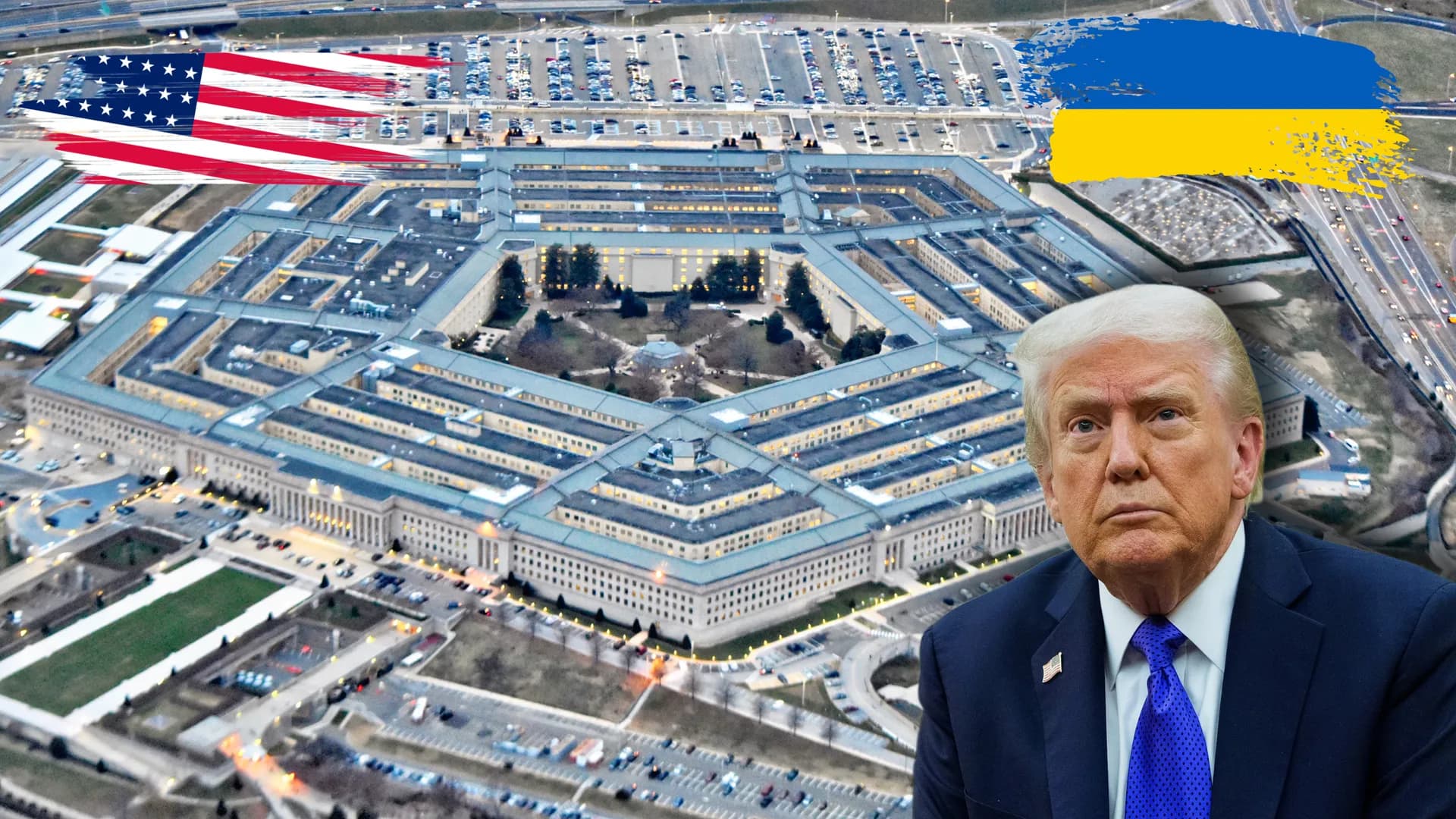
Tomahawks for Kyiv? Pentagon Gives Green Light, Trump Hesitates

The Pentagon has authorized the potential transfer of long-range Tomahawk missiles to Ukraine, marking a major escalation in U.S. support if approved. However, President Donald Trump has yet to sign off on the move, citing concerns about U.S. defense needs and strategic stability with Russia. The decision follows months of internal debate and comes amid warnings from Moscow about a “serious” response should Tomahawks strike Russian territory. Despite Pentagon readiness, operational and diplomatic hurdles remain.

EUReflect News

Energy · Sustainability

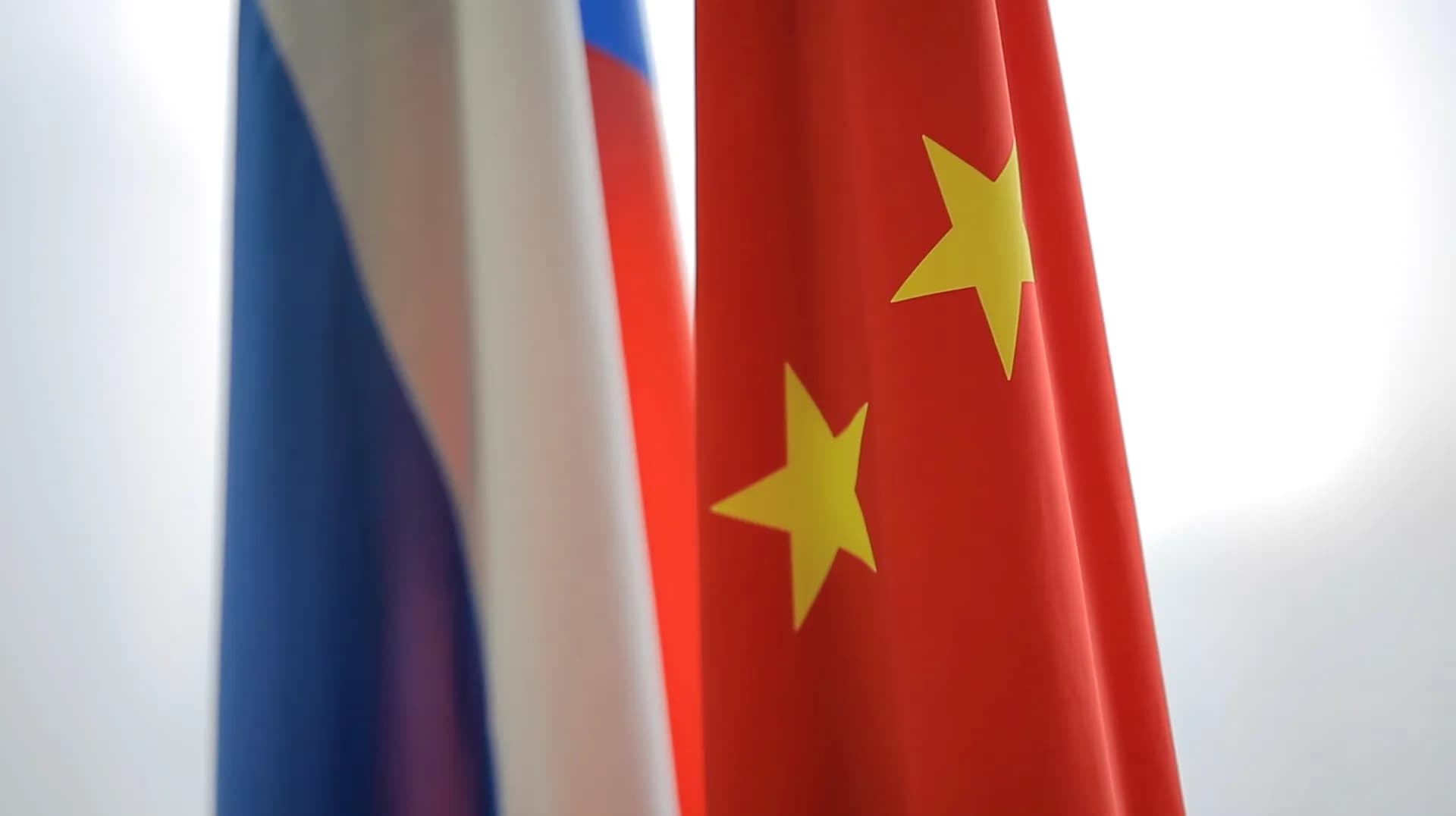
EU Ban Pushes Russian Gas Toward China

Following the European Union’s 2027 ban on Russian liquefied natural gas, Moscow plans to redirect its LNG exports toward Asian markets, primarily China. While this shift helps Russia preserve short-term revenue, it deepens its structural dependence on Beijing’s import infrastructure and financing network. Experts warn that China’s growing control over logistics and pricing could transform Russia from an energy superpower into a junior partner within the Sino-Russian energy axis, reshaping the geopolitical balance of global gas markets.

İsmail Polat

Politics · Diplomacy

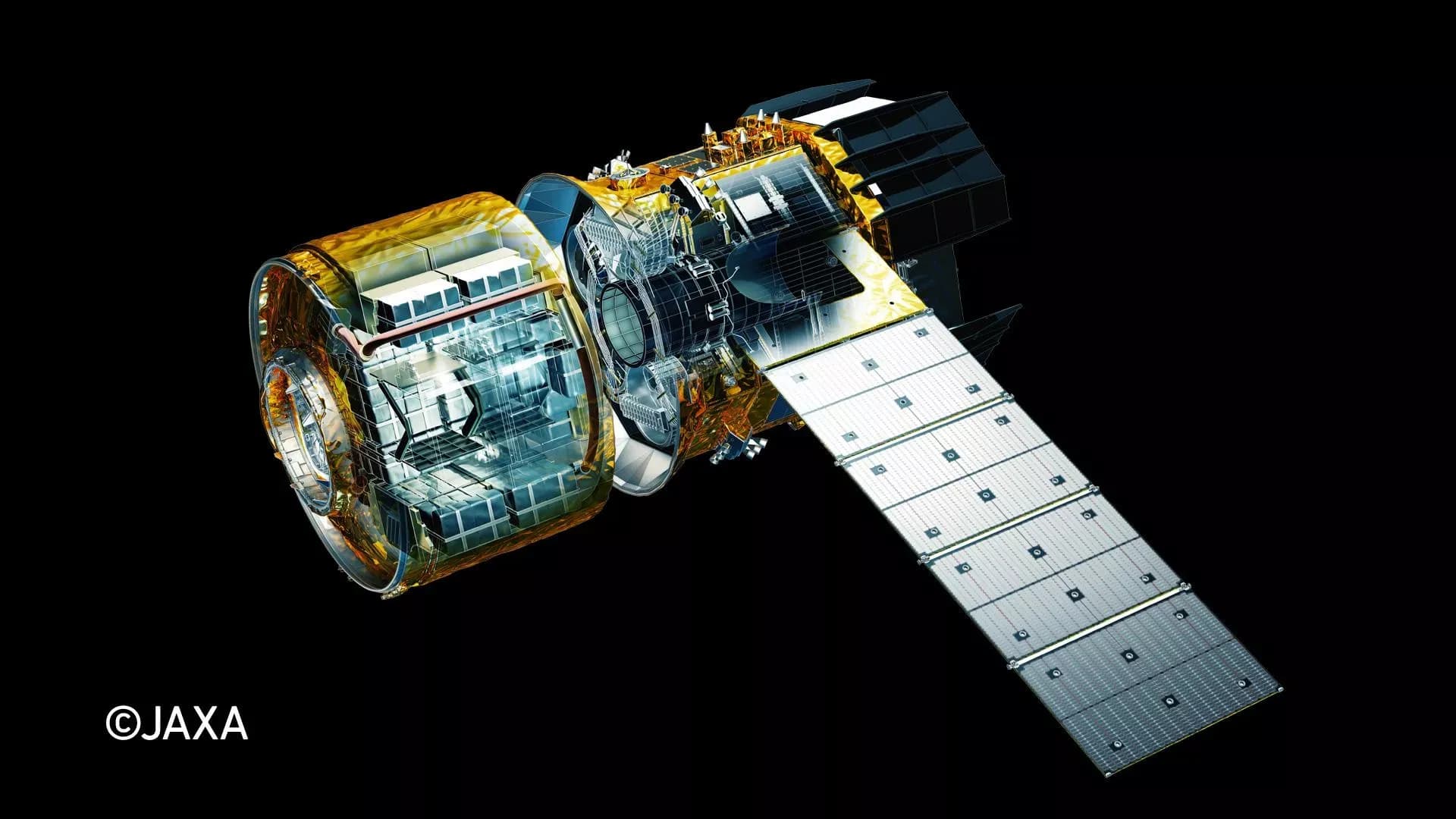
HTV-X: Japan’s Defense Beyond Earth

Japan’s recent initiative to test hypersonic missile-tracking technology through its HTV-X spacecraft represents a significant leap in space-based defense capabilities. This paper examines the strategic rationale behind this development, its technological characteristics, and its broader implications for regional and global security architecture, particularly amid escalating hypersonic weapon competition among China, Russia, and North Korea.

Zhansaya Nurlanovna

Energy · Renewable Energy

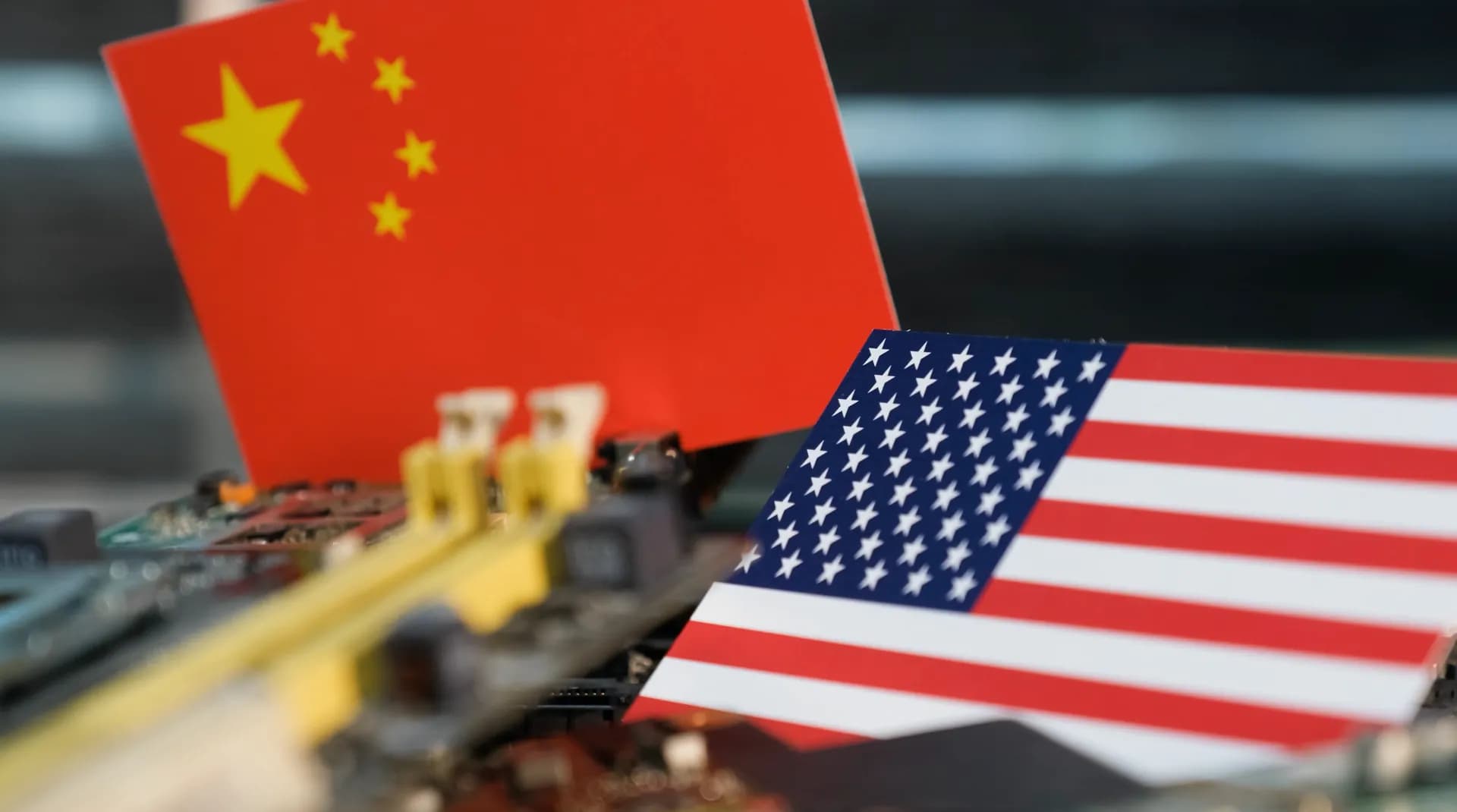
U. S. Encircles China Through Energy

The United States has signaled its readiness to expand oil and natural gas exports to China, provided Beijing reduces its reliance on Russian supplies. Energy Secretary Chris Wright emphasized that there is “ample room for mutually beneficial deals” between the world’s largest energy exporter and the world’s biggest importer. The statement follows President Donald Trump’s Asia tour, during which he reached preliminary energy agreements with Chinese President Xi Jinping and South Korean President Lee Jae Myung. Analysts view Washington’s move as part of a broader energy diplomacy and containment strategy, designed to limit Russia’s market influence while strengthening America’s economic foothold in Asia. By leveraging energy exports as a geopolitical tool, the U.S. aims to reshape global supply chains and redefine its relationship with China within the framework of energy security and strategic competition.

İsmail Polat

Economy · Trade

China–Pakistan Joint Business Consortium to Develop Regional Logistics Hub

On October 29, 2025, leading logistics and business companies from Pakistan met with a Chinese delegation from the All-China Federation of Industry and Commerce (ACFIC) and Precise Development (HK) Limited to explore strategic trade and investment opportunities. During the meeting, both sides agreed to establish a China–Pakistan Joint Business Consortium aimed at strengthening regional connectivity and enhancing trade logistics. Pakistan will take a leading role in developing and managing this logistics framework. The meeting was attended by key representatives from both countries’ logistics and industrial sectors, and concluded with the signing of a Memorandum of Understanding (MoU). The initiative, coordinated by Mr. Khalid Taimur Akram, Director (Eurasian Region) of Precise Development (HK) Limited, seeks to attract Chinese investments to Pakistan and promote B2B cooperation, significantly boosting regional trade connectivity and economic integration.

EUReflect News

Energy · Nuclear

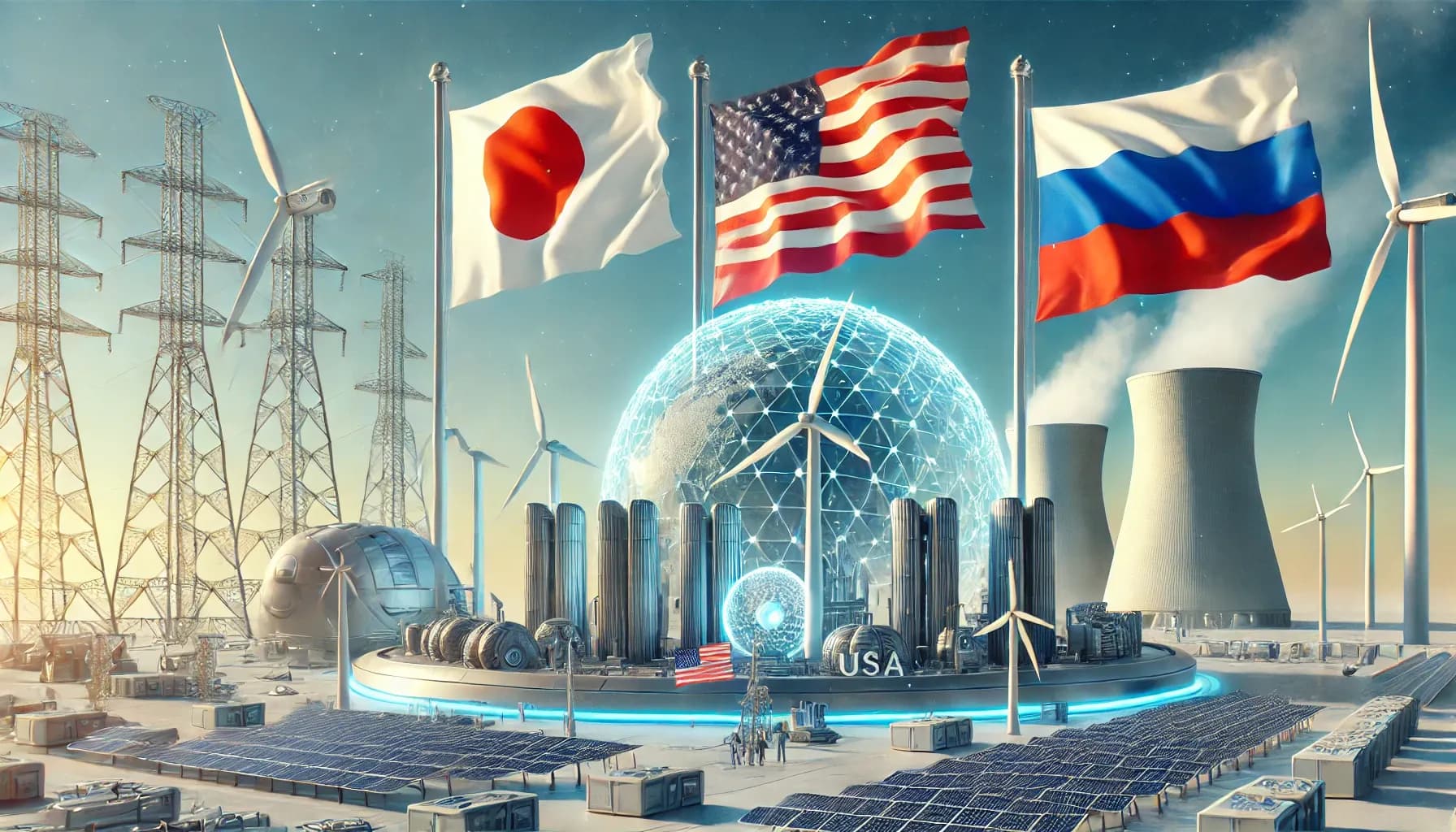
Why Japan Defies U.S. Call to Ban Russian LNG

Prime Minister Sanae Takaichi refused U.S. demands to halt Russian LNG imports, citing Japan’s heavy energy dependence and security needs. With 9% of its gas coming from Russia’s Sakhalin-2 project, Tokyo warned that cutting supplies would raise prices and hurt stability. The decision signals Japan’s drive for energy autonomy amid shifting global energy and geopolitical dynamics.

İsmail Polat

General · Opinion

The Skies Above Western Türkiye Are Teeming with UFOs

Over the past five years, public perception of UFOs has shifted from conspiracy to credible discussion, led by figures like Ryan Graves, Luis Elizondo, and David Grusch. Turkish human rights advocate Kursat Jonathan Pekgoz shares his documented UFO encounters across western Turkey—in Izmir, Bursa, Istanbul, Ankara, and Kirikkale—capturing photos of trapezoidal, orb-like, and triangular crafts displaying cloaking abilities and unnatural light behavior. He concludes these phenomena likely represent extraterrestrial technology mimicking celestial bodies, marking Türkiye as an emerging hotspot in global UFO observation.

Kursat Jonathan Pekgoz

Politics · Diplomacy

Turkiye and United Kingdom Sign £8 Billion Eurofighter Typhoon Deal

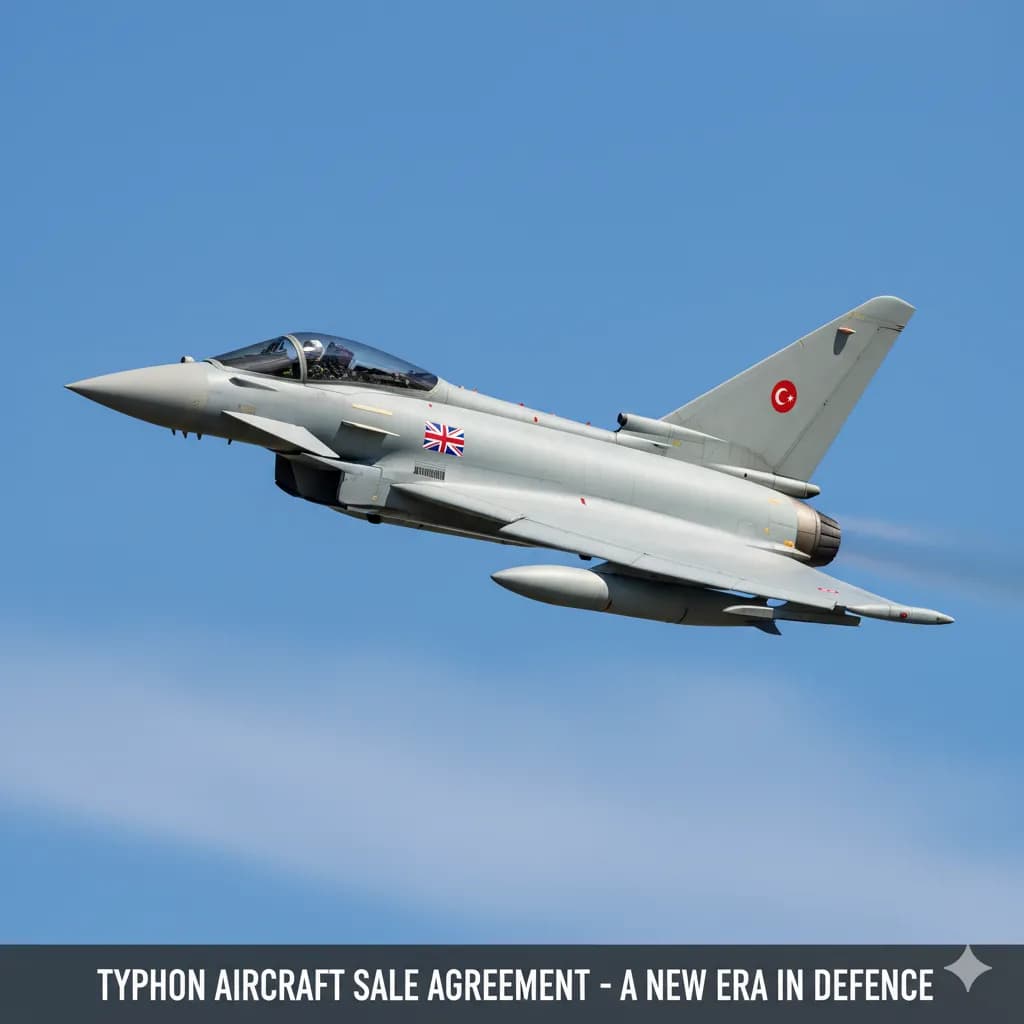
The agreement signed between Turkey and the United Kingdom on October 27, 2025, represents a significant step in the defense industry. Under the agreement valued at 8 billion pounds, Turkey will procure 20 Eurofighter Typhoon fighter jets. From a future perspective, significant progress can be achieved for Turkey if the right steps are taken. However, there are also criticisms. The appropriateness of Turkey making such a large expenditure under high inflation and budget pressures is being questioned, especially regarding the use of second-hand aircraft. Geopolitical discussions continue: The agreement may unsettle Russia; Turkey should break the perception of "having chosen sides" created by the deal. Beyond Russia, which Turkey is dealing with, there are many security issues in the region. In this sense, Russia ranks lower on Turkey's list of problems. What is important for Turkey is to close the gap in new-generation fighter jets and to consolidate its leading role in the region as soon as possible.

Zeynep Güney

22 of 22