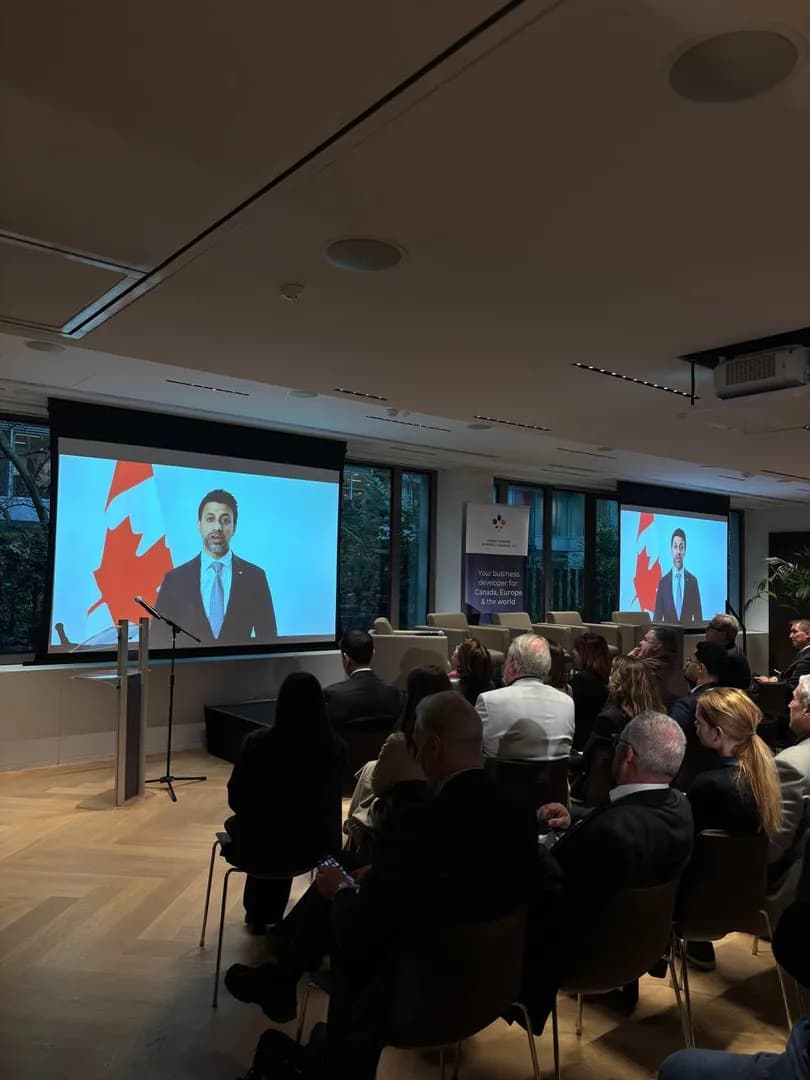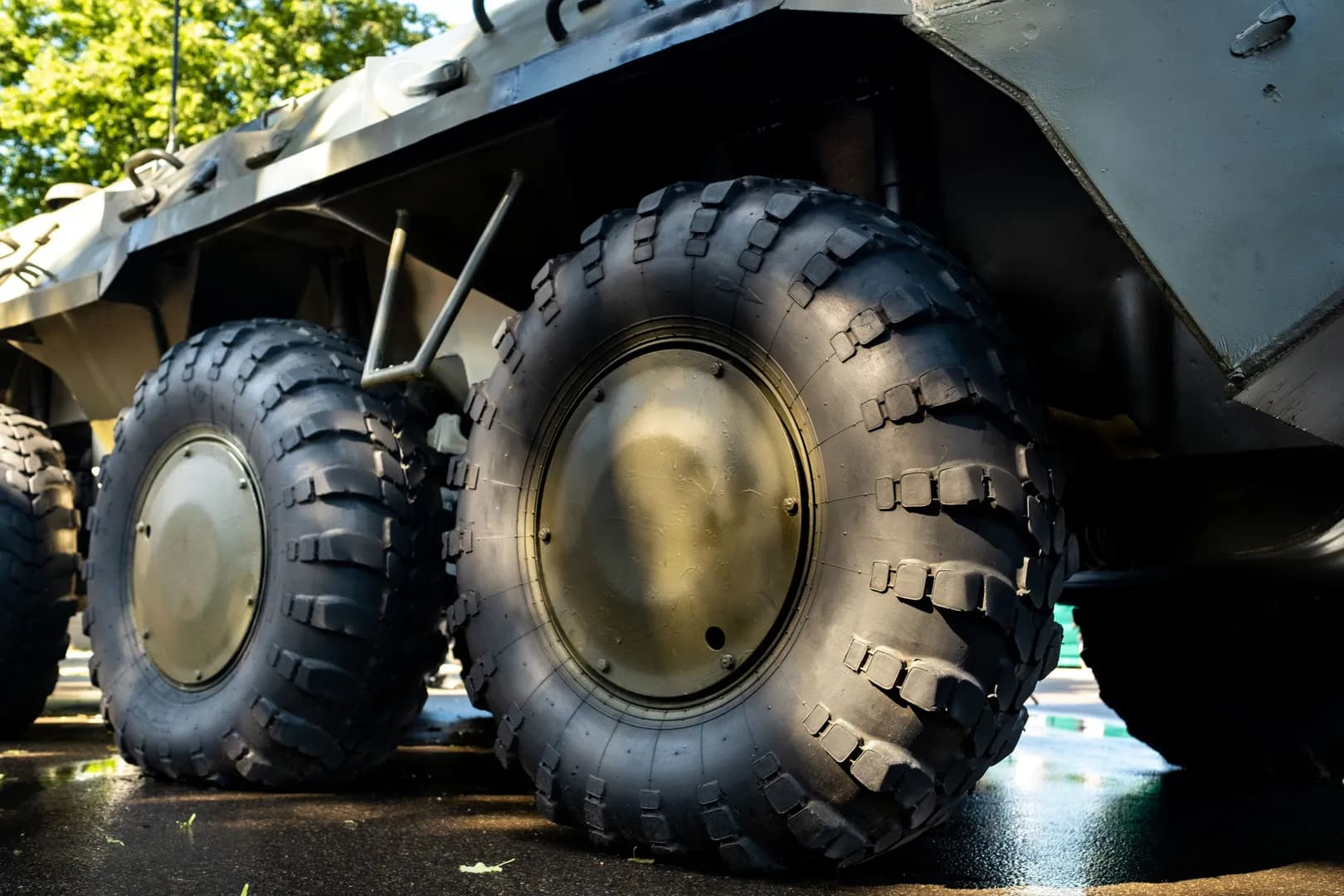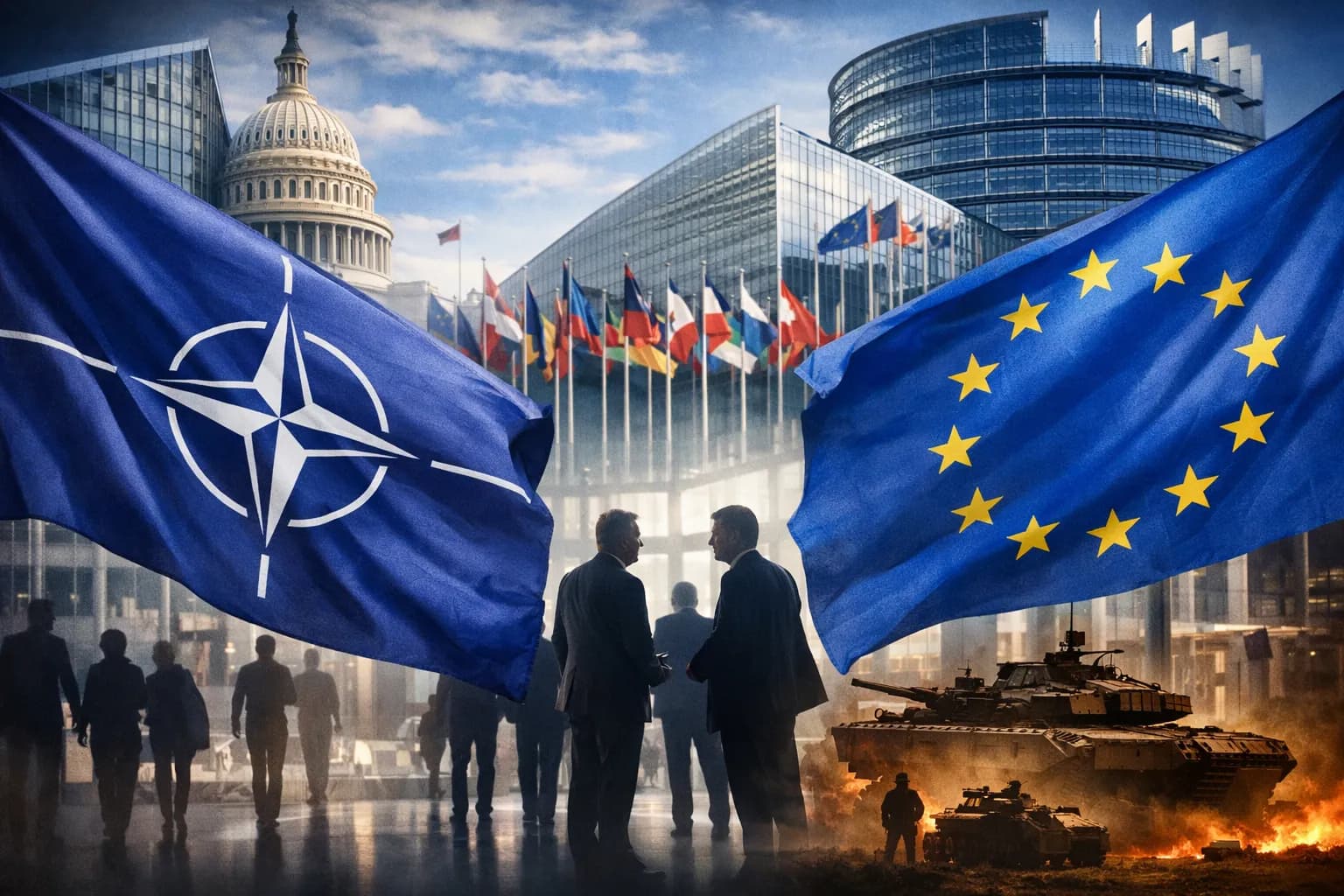
The European Commission has recently proposed the creation of a 'military Schengen zone' to drastically improve the speed and efficiency of moving military personnel and equipment within the EU. This initiative aims to remove existing barriers, harmonize procedures, and foster a secure, responsive defense network that can quickly react in times of crisis.
Ukraine and France signed a new bilateral defense agreement in Paris to boost Ukraine’s air-defense capabilities ahead of anticipated Russian attacks this winter. The deal includes future supplies of Rafale fighter jets and SAMP/T air-defense systems, as well as cooperation on maintenance and training. France is working to speed up delivery timelines by using its own reserves. This agreement builds on earlier security cooperation between the two countries and reinforces France’s role as a key partner in Ukraine’s defense against Russian aggression.
The European Commission plans to set up an intelligence unit to coordinate security data from EU member states, aiming to boost Europe’s autonomy and reduce reliance on U.S. intelligence. The move faces resistance from diplomats worried about overlapping powers and bureaucratic tension in Brussels.
Germany has initiated the development and procurement of the Small Anti-Drone Missile (SADM), designed for integration into the Rheinmetall Skyranger 30 vehicles, as a cost-effective solution against small UAS threats. Costing €490 million, the missile extends the Skyranger's engagement range to 6 km and, informed by Ukrainian war lessons, is set to be included in the European Sky Shield Initiative.
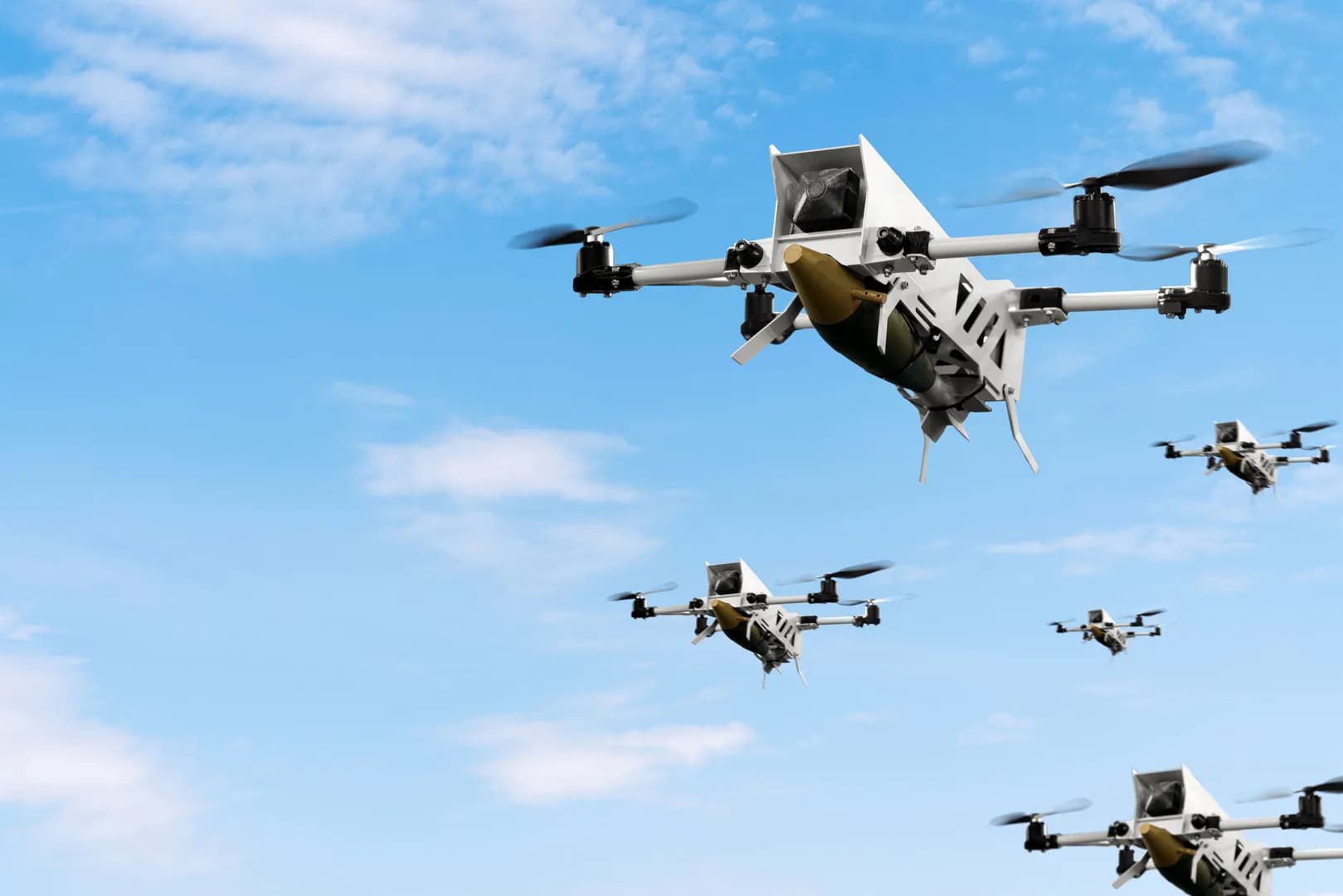
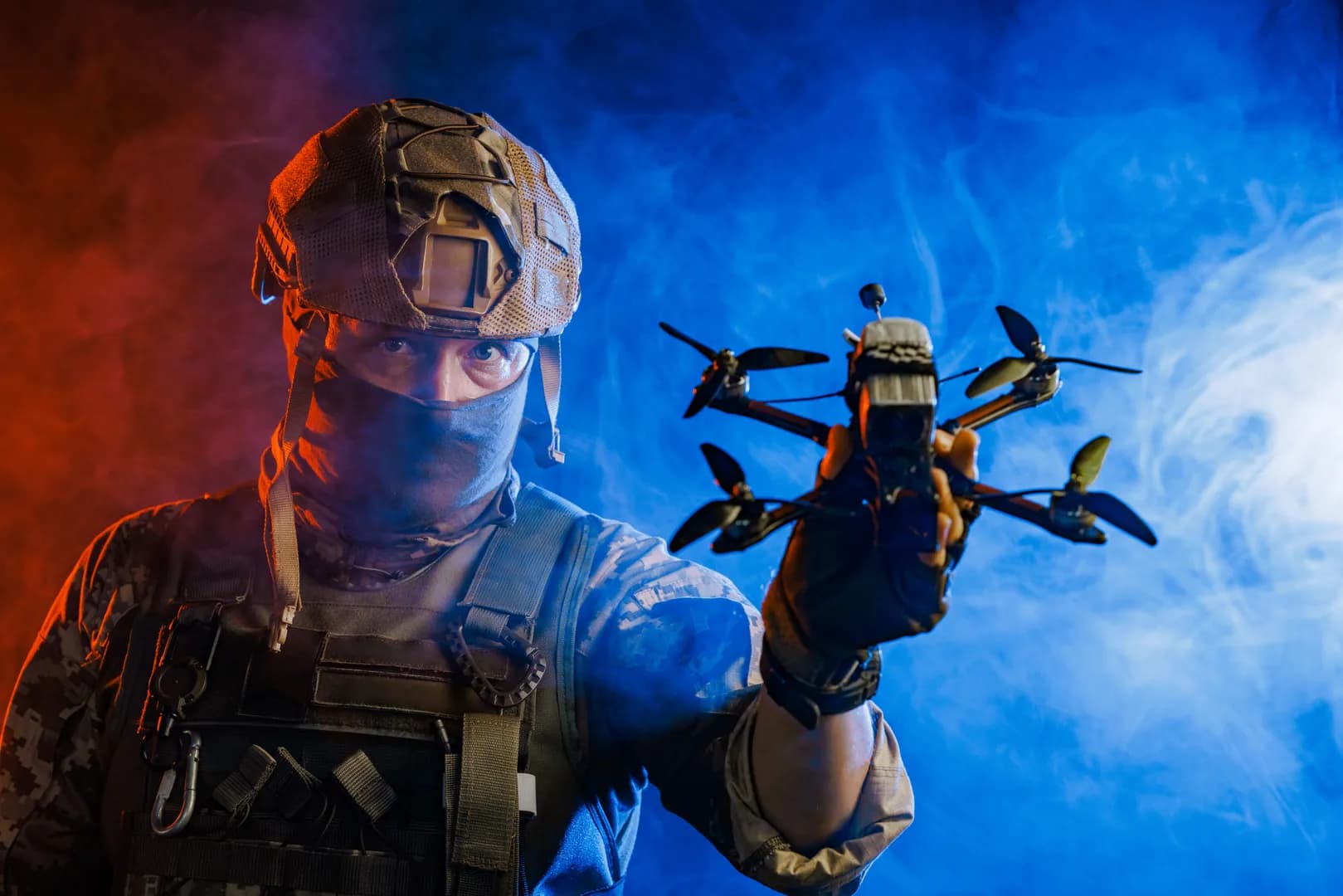
U.S. Army Secretary Daniel Driscoll announced the goal of acquiring at least one million drones within the next two to three years, signaling a historic transformation in U.S. military procurement. The Army, which currently procures only about 50,000 drones annually, aims to position drones as "expendable ammunition" rather than "exquisite equipment" with this massive acquisition. The plan is shaped by lessons learned from the conflict in Ukraine and centers on stimulating domestic production and reducing critical supply chain dependence on China.
Europe completed the final tests of its first autonomous military convoy in Spain under the EU-funded COMMANDS project. Coordinated by Spain’s Sener, the system uses AI, sensors, and 5G to enable autonomous navigation. The initiative marks a key step in the EU’s effort to modernize and strengthen its defense capabilities through automation and artificial intelligence.
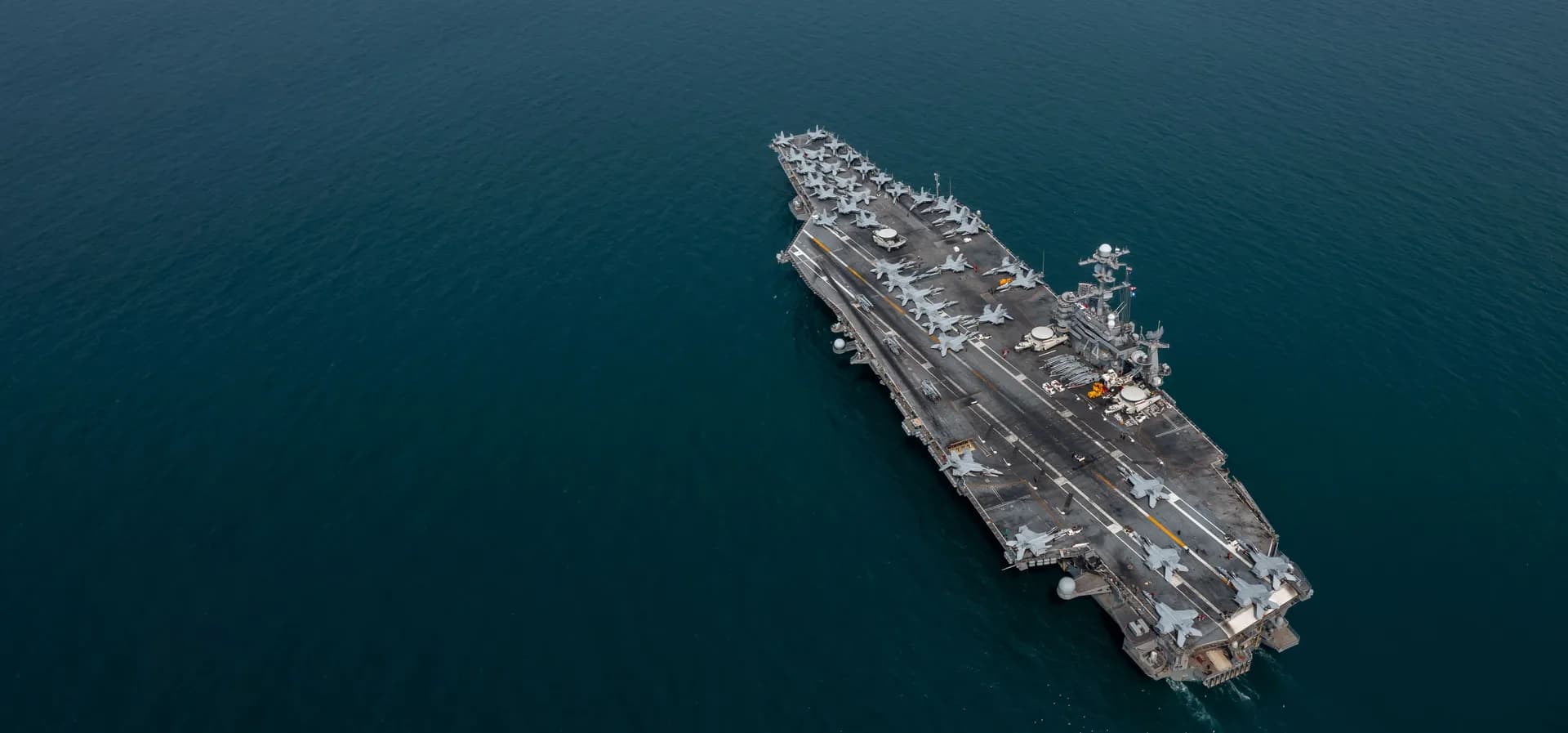
China has officially commissioned its third and most advanced aircraft carrier, the Fujian, marking a milestone in its military modernization. As the first carrier fully designed and built domestically, the Fujian introduces advanced electromagnetic catapult technology (EMALS), significantly boosting China’s naval capabilities. The new vessel symbolizes Beijing’s growing ability to challenge U.S. naval dominance in the Pacific and underscores President Xi Jinping’s ambition to build a world-class military by 2049.
Türkiye’s 2025 foreign and security posture reflects a calibrated balancing act between Euro-Atlantic commitments and Eurasian outreach. Anchored firmly in NATO but increasingly active in the Shanghai Cooperation Organization (SCO) dialogue framework, Ankara is pursuing a security policy built on diplomatic depth rather than military confrontation. The aim: to consolidate its role as a regional power with global reach—capable of talking to all sides without binding itself exclusively to any bloc.
This study examines Türkiye’s engagement with the European Union’s Common Foreign, Security and Defence Policy (CFSP/CSDP) during 2025. While political dialogue between Ankara and Brussels intensified, Türkiye’s alignment rate with EU declarations and restrictive measures fell to a historic low of 4%. Despite its substantial operational contribution to EU crisis-management missions and its active mediation efforts in Ukraine, Gaza, and the Horn of Africa, Türkiye continued to follow a selective alignment strategy that prioritised strategic autonomy, energy interdependence, and regional influence. The paper argues that in 2025 Türkiye consolidated its position as a balancing mediator within an emerging multipolar order rather than as a fully aligned partner of the European Union.
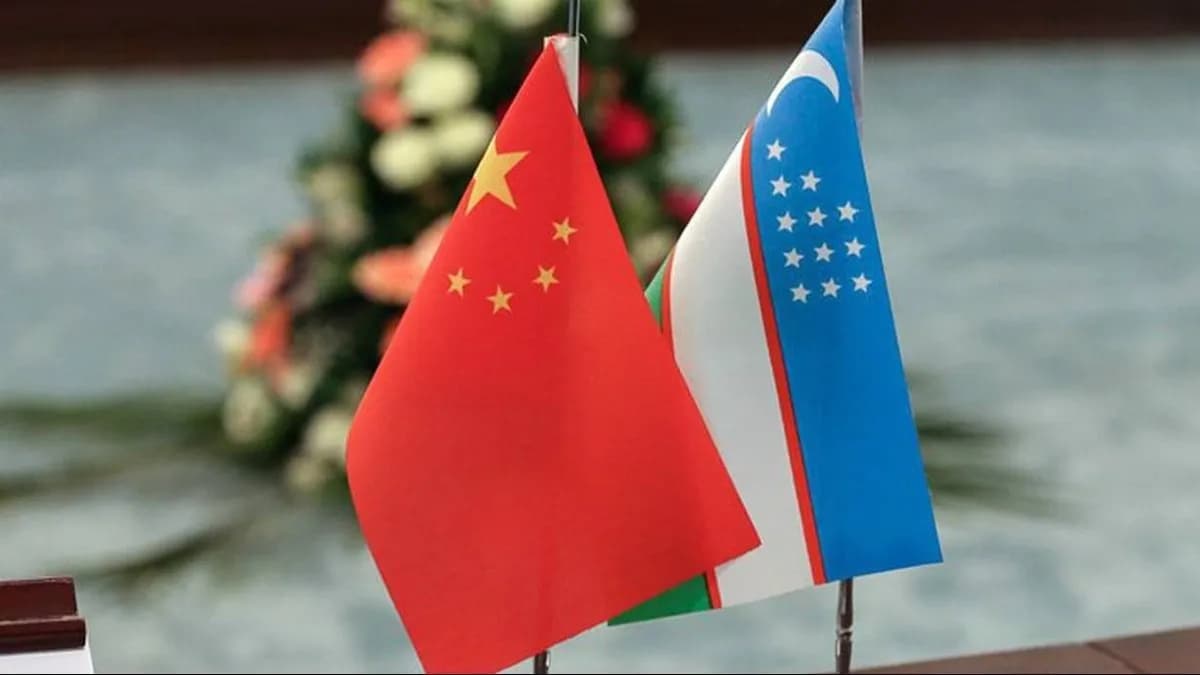
Uzbekistan’s potential purchase of Chinese JF-17 Block 3 jets could shift the power balance in Central Asia, reducing Russia’s influence and boosting China’s role. The deal offers technology transfer, pilot training, and cost-effective modernization, making Uzbekistan the first in the region to operate fifth-generation fighters.
Belgium suspects a coordinated “spy operation” behind recent drone flights over the Kleine-Brogel air base, which reportedly hosts U.S. tactical nuclear weapons. Belgian Defense Minister Theo Francken said small drones were used first to test radio frequencies, followed by larger ones intended to destabilize the area. The incidents occurred on Nov. 1–3 and are part of a broader pattern of 14 drone sightings across Europe over the past two months, targeting military and dual-use sites, mainly at night. Analysts suggest these incursions could have political motives, with NATO countries increasingly alarmed by surveillance activities near strategic facilities.
For the third night in a row, unidentified drones were spotted over Belgium’s Kleine-Brogel military base, raising security concerns across Europe. Belgian Defense Minister Theo Francken confirmed that interception attempts failed as the drones disappeared toward the Netherlands. Similar incidents have occurred at other Belgian bases and airports, prompting an investigation and government discussions. The events come amid wider European efforts to strengthen air defenses and develop a “drone wall” in response to suspected Russian incursions.
U.S. War Secretary Pete Hegseth’s visit to Hanoi marked a new phase in U.S.–Vietnam defense diplomacy, emphasizing post-war reconciliation and strategic deterrence. Both nations discussed arms sales, war legacy remediation, and security cooperation, aligning their partnership with broader Indo-Pacific stability goals. The meetings highlighted Vietnam’s pragmatic approach—strengthening defense capacity while maintaining strategic autonomy—and Washington’s goal of enhancing collective deterrence in the South China Sea against regional coercion.
The recent Meeting of the Defense Ministers of Central Asian States in Samarkand, Uzbekistan, marks a significant move toward potentially consolidating regional military capabilities and reshaping the collective security architecture.
The “Joint Sea” series of exercises has been held regularly since 2012, with the 2025 edition marking one of the most complex iterations to date, involving a wide range of multi-domain capabilities.
In this framework, Pakistan is not merely a traditional and friendly defense partner; it can also act as a strategic bridge facilitating Türkiye’s establishment of multipolar and technology-driven relationships with rising powers across Asia.
Belgian Defense Minister Theo Francken’s Turkey visit and homage to Atatürk spark debate amid soaring defense budgets and shifting political ambitions.