Politics · Governance And Administration
At the Heart of Munich Security Conference 2026
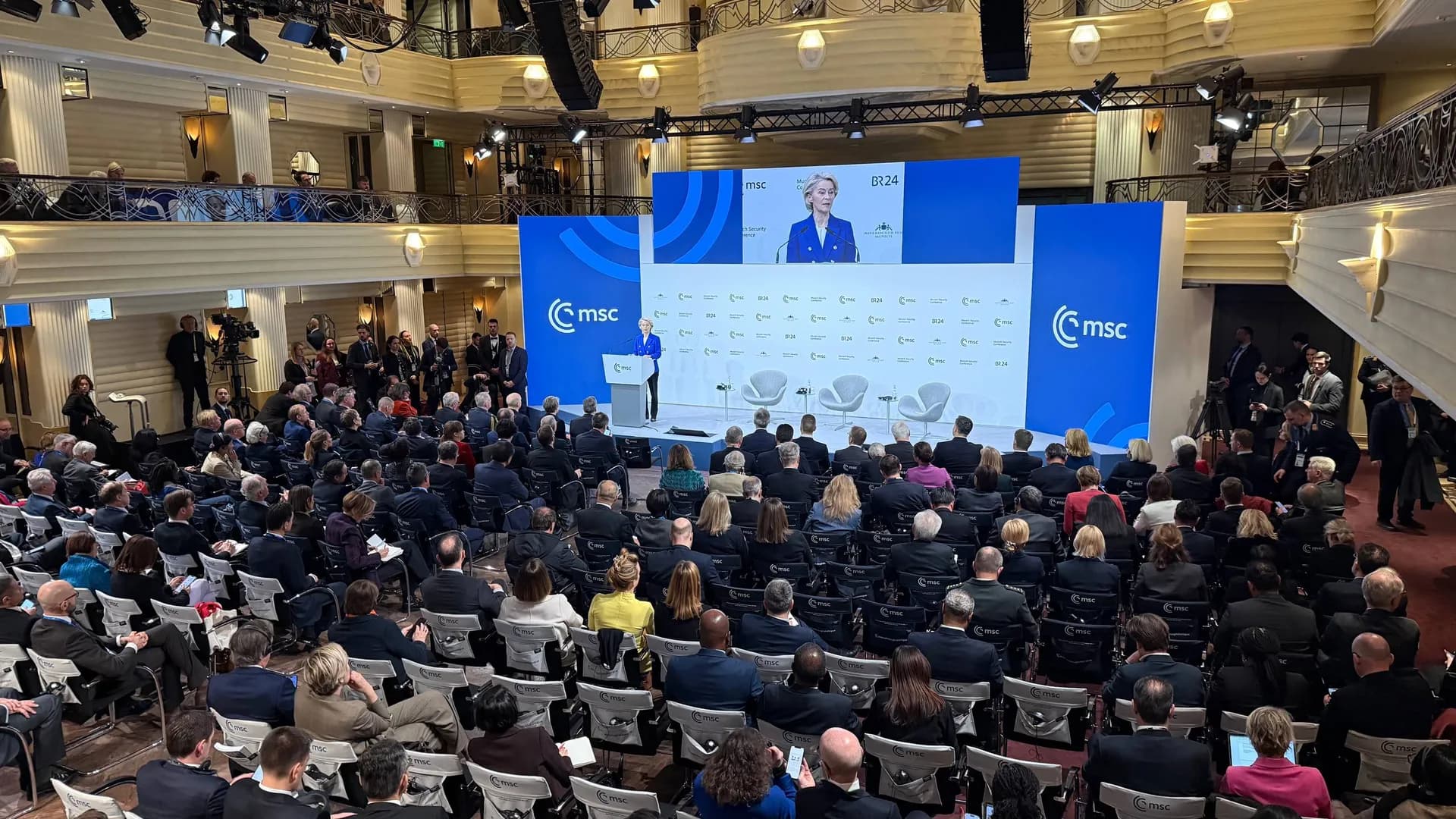
At the Heart of Munich 2026: A Security Conference Marked by Transatlantic Fractures
At the Heart of Munich 2026: A Security Conference Marked by Transatlantic Fractures

Kazakhstan Has Become a Favorite Destination for Many Asian Countries
Abdulla Oripov Poetry Impact on Uzbek Literature and Culture

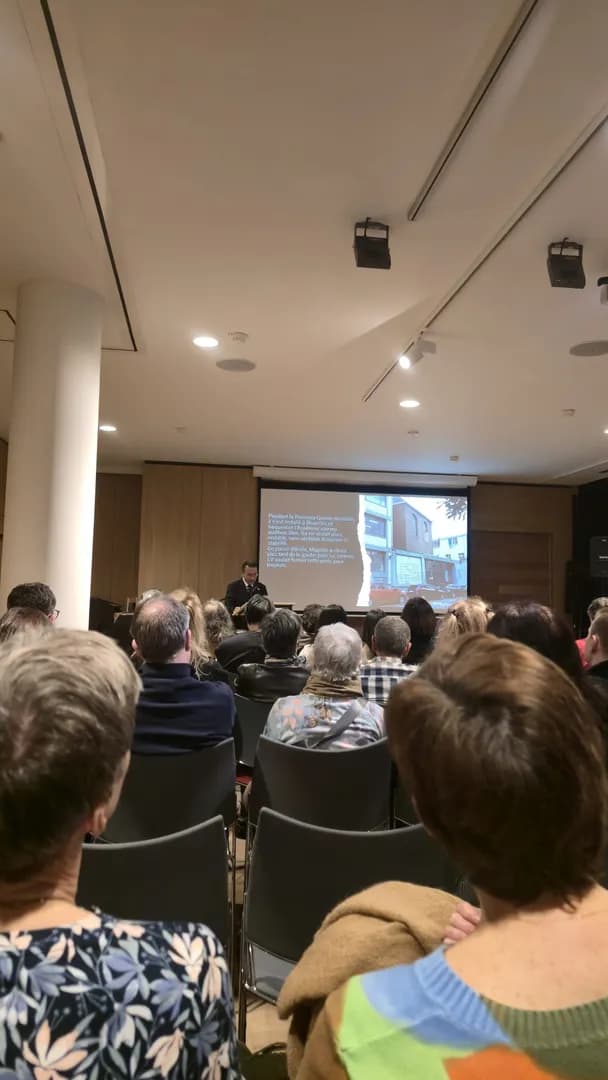
EUREFLECT had the honour to attend the Japanese cultural evening: “René Magritte, entre réalité et illusion” in Brussels on 13th of February 2026. The Japanese art historian Koji Mori gave profound insights about the surrealist universe of René Magritte. Delivered in French, his lecture connected art history with cultural diplomacy, underlining how Magritte’s imagery has found an enduring echo in Japan’s museums, exhibitions and public imagination. This event took place in the context of 160 years of diplomatic friendship between Belgium and Japan.
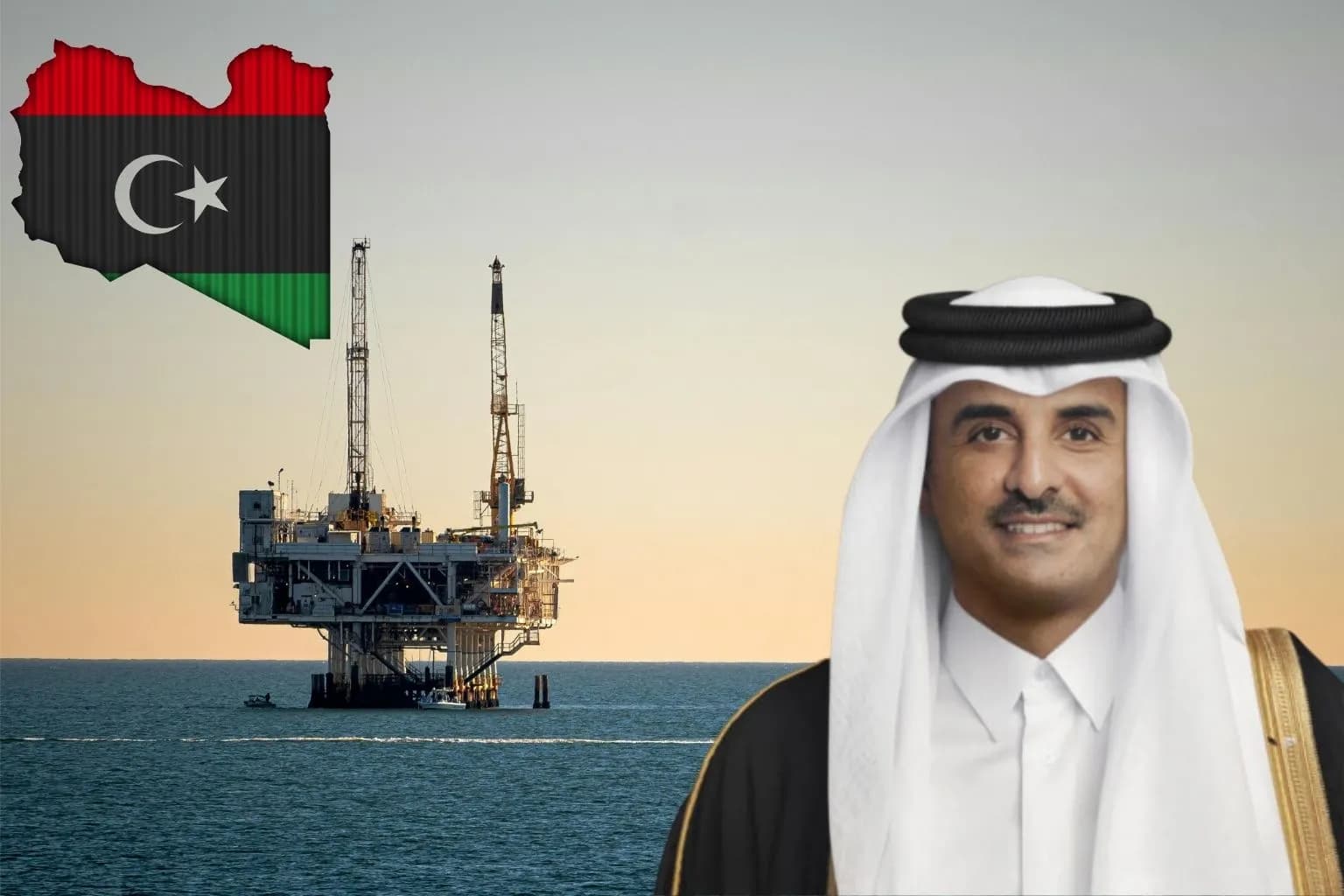
QatarEnergy’s offshore license win in Libya marks not only a major energy investment but also a strategic geopolitical move. The deal strengthens Qatar’s presence in North Africa, supports Europe’s diversification efforts, and signals Libya’s renewed appeal to global energy players.
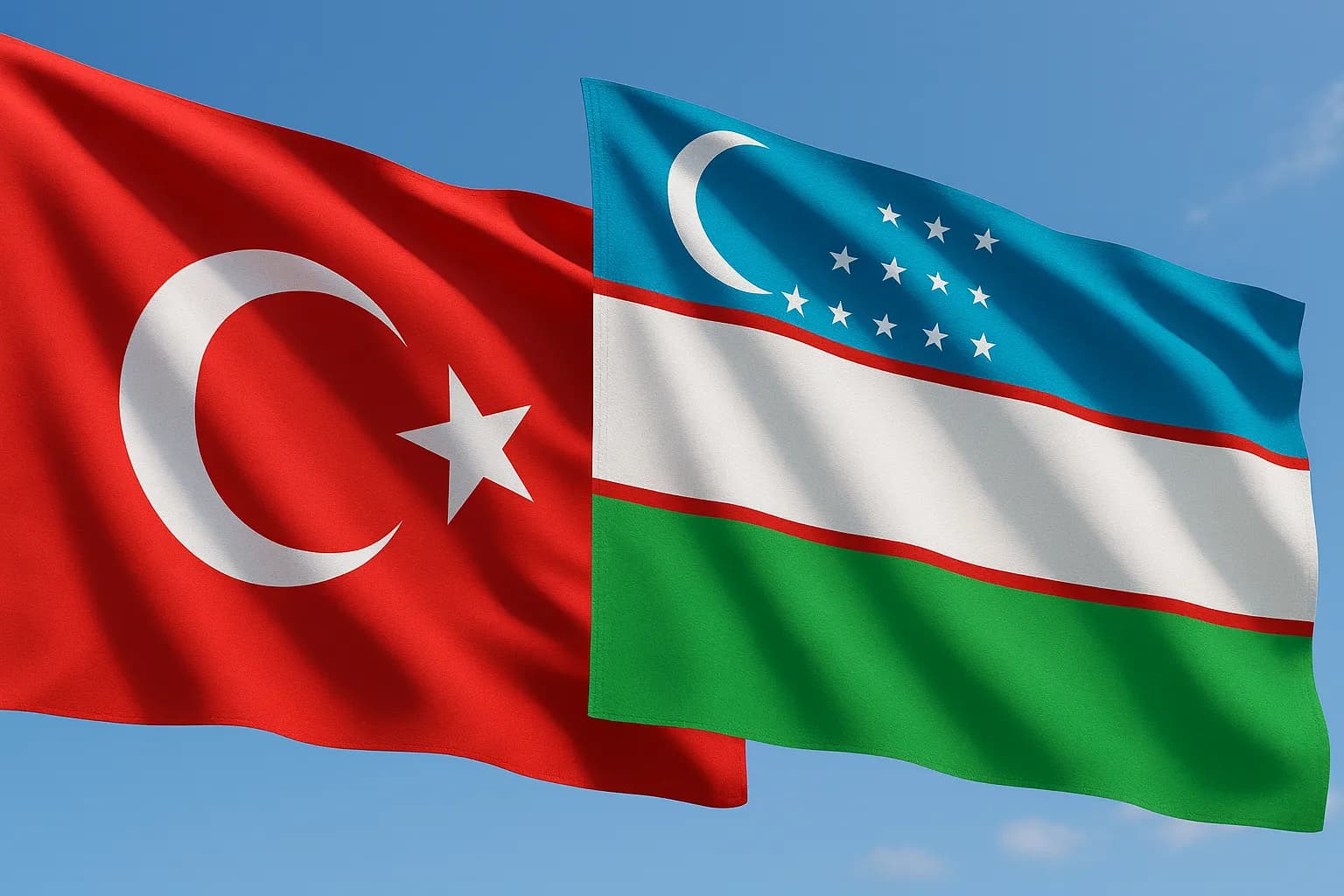
Uzbekistan–Türkiye Relations Enter a New Phase
Led by Boris Dilliès, the Brussels Government was sworn in after 615 days of political deadlock. The new coalition now faces major challenges, including a structural budget deficit, a housing crisis, and deep administrative reforms. The real test shifts from forming a government to governing effectively.

Brussels, March 13, 2026 — EuReflect Media attended the fourth edition of BizzRamadan, held at Quai 20, where more than 320 participants gathered for an evening dedicated to dialogue, networking, and intercultural exchange in the spirit of Ramadan.

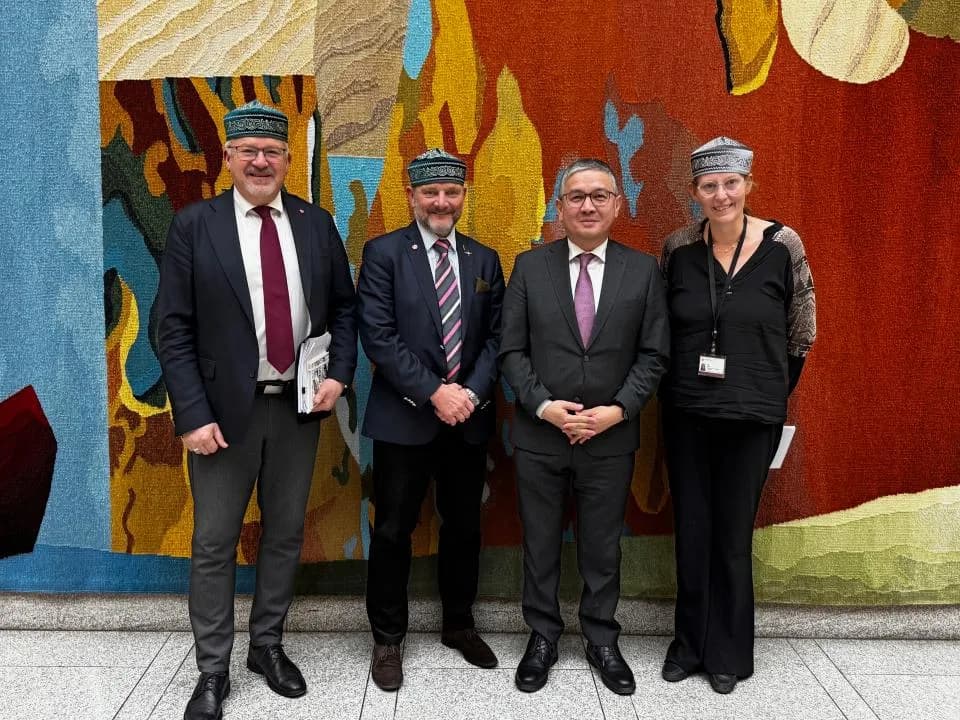
Kazakhstan's Constitutional Reform Presented in the Norwegian Parliament
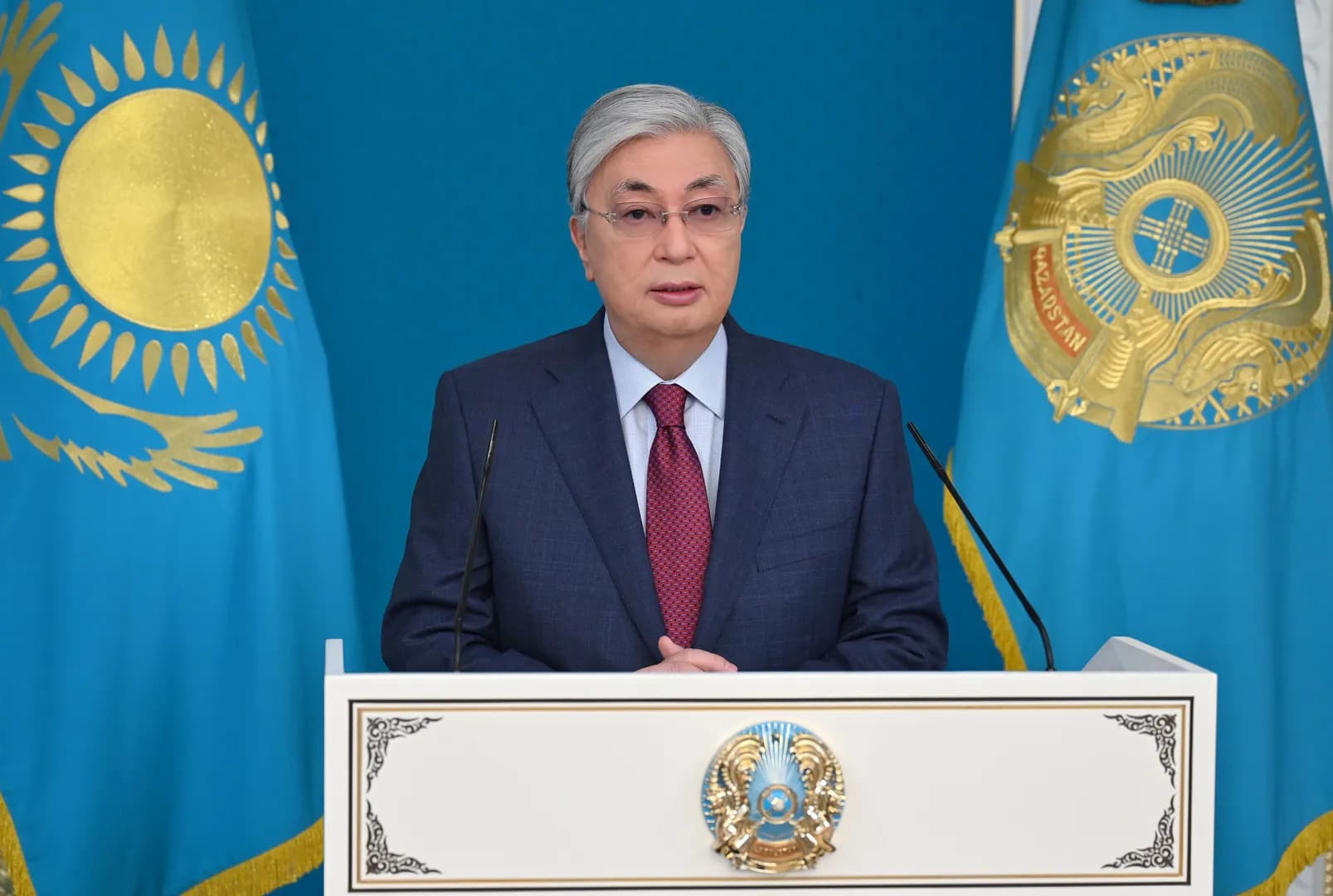
New Constitution of the Republic of Kazakhstan
Azerbaijan–United States Partnership Enters a Transformative Era
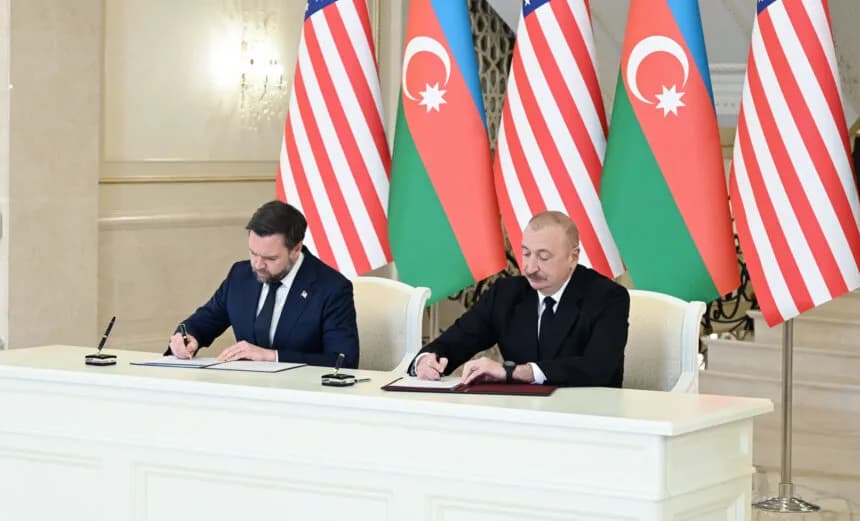
Milestone in the South Caucasus – US–Azerbaijan Strategic Partnership Enters a New Era

After 613 days of deadlock, Brussels finally has a government. The coalition faces budget constraints, political fragility, and institutional pressure. Metro 3 is frozen, the Good Move plan rebranded. The goal: restore budget balance and public trust by 2029.

After 600 days of deadlock, a seven-party conclave seeks to form a Brussels government but excludes TFA, the second-largest Dutch-speaking party. While legally valid, sidelining TFA raises concerns about representative legitimacy, community balance, and long-term governability.

From Normative Giantto Security Beggar: Self-Made Exile from Power
J.D. Vance’s visit to Armenia and Azerbaijan highlights growing U.S. strategic interest in the South Caucasus. Energy security, regional stability, and the peace process are key priorities, as Washington takes an active role in promoting lasting peace and geopolitical balance.
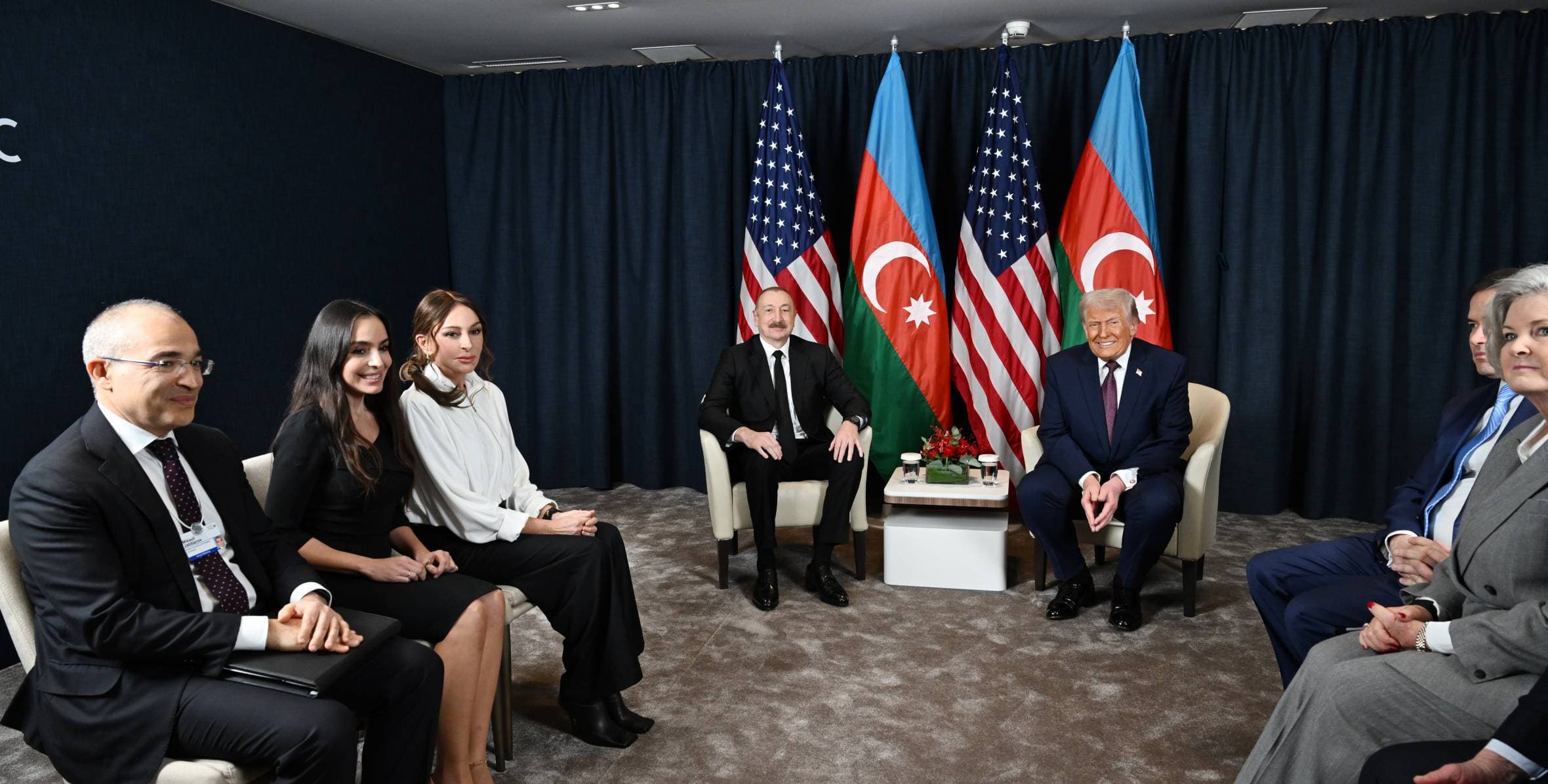
A Flourishing Economic Alliance: US–Azerbaijan Trade Relations Enter a Dynamic New Era
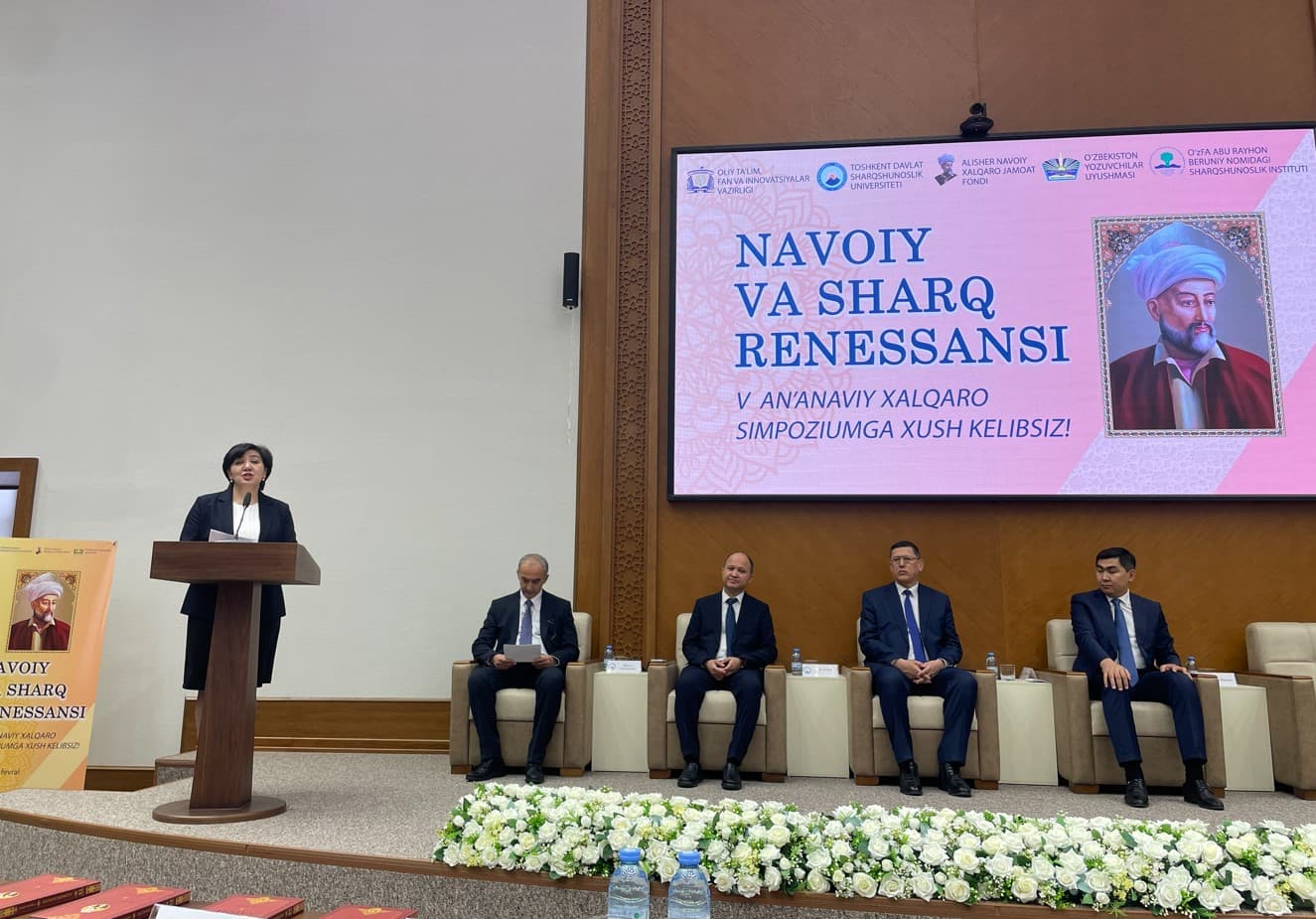
The 5th International Symposium Alisher Navoi
UK’s crisis stems from austerity, Brexit disruption, market turmoil under Truss, and weak long-term planning. Years of short-term politics hurt growth, trade, and public services. Recovery requires stable investment, smarter EU ties, tax discipline, and a long-term economic strategy.

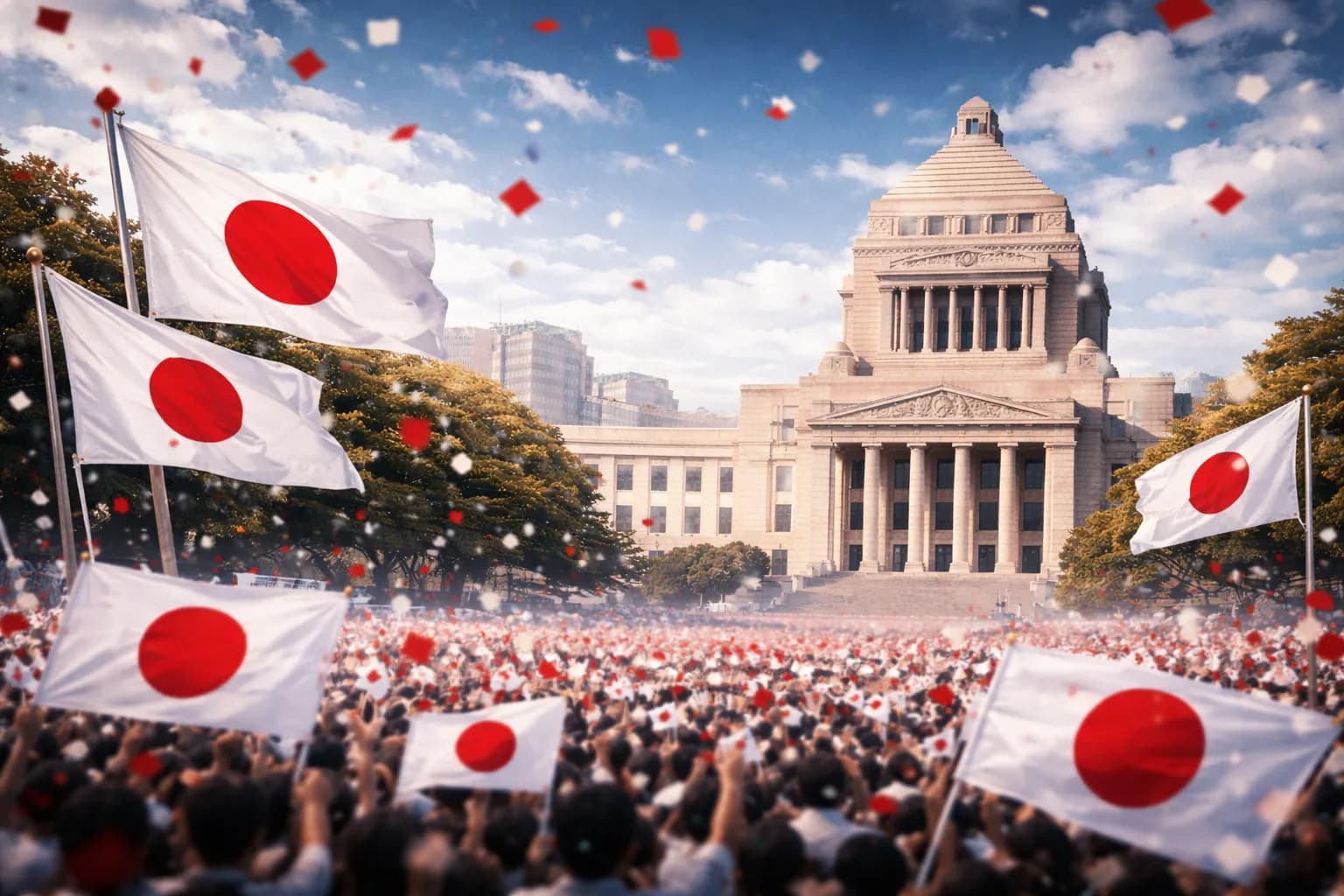
This Sunday, 8th of February, Japan woke up under a snowfall, but this did not impeach people togovote for the anticipated legislative elections.
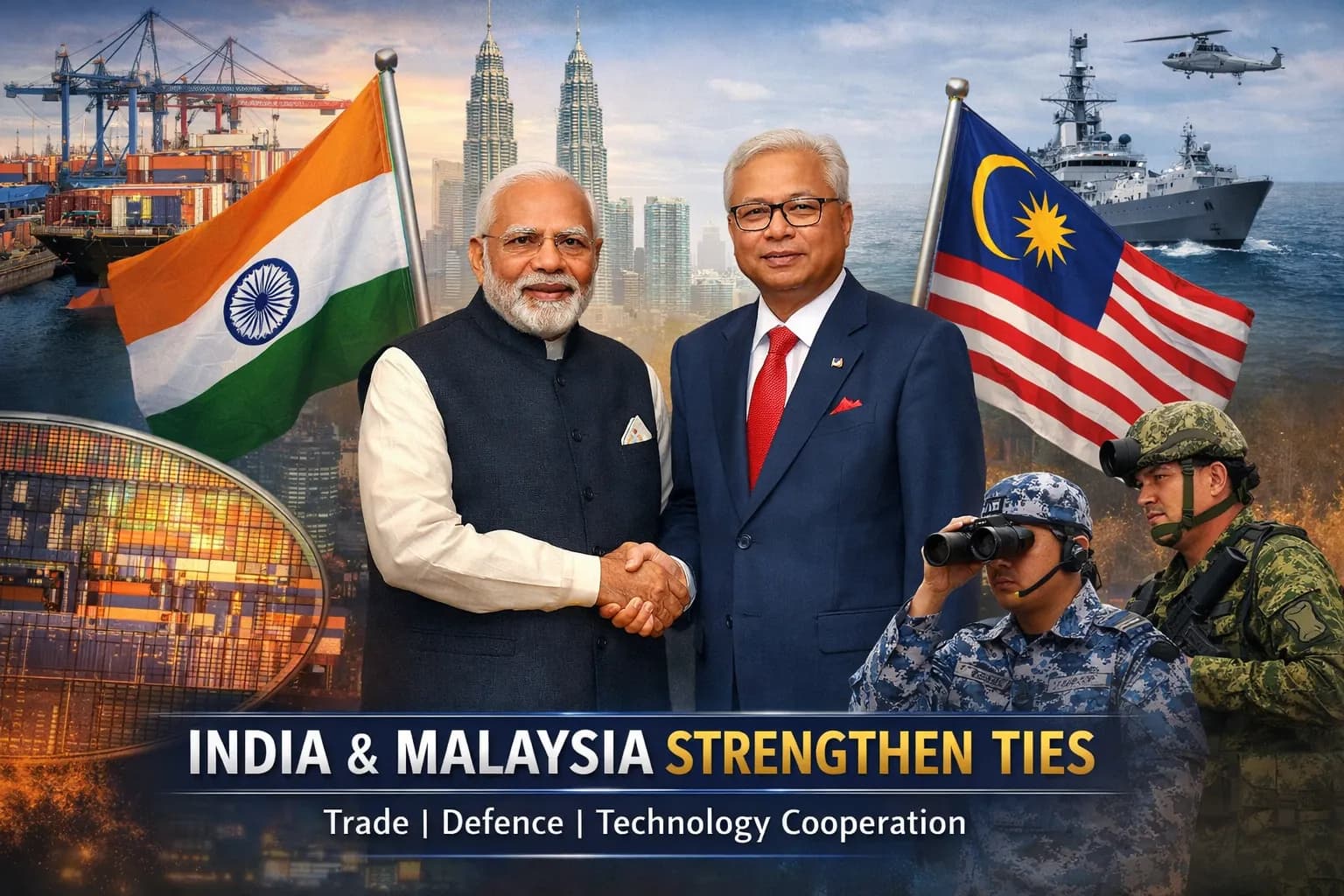
India and Malaysia have agreed to strengthen their bilateral relationship through a series of new agreements aimed at expanding cooperation in trade, defence, and high-technology sectors, marking a significant step in the evolving strategic landscape of the Indo-Pacific.
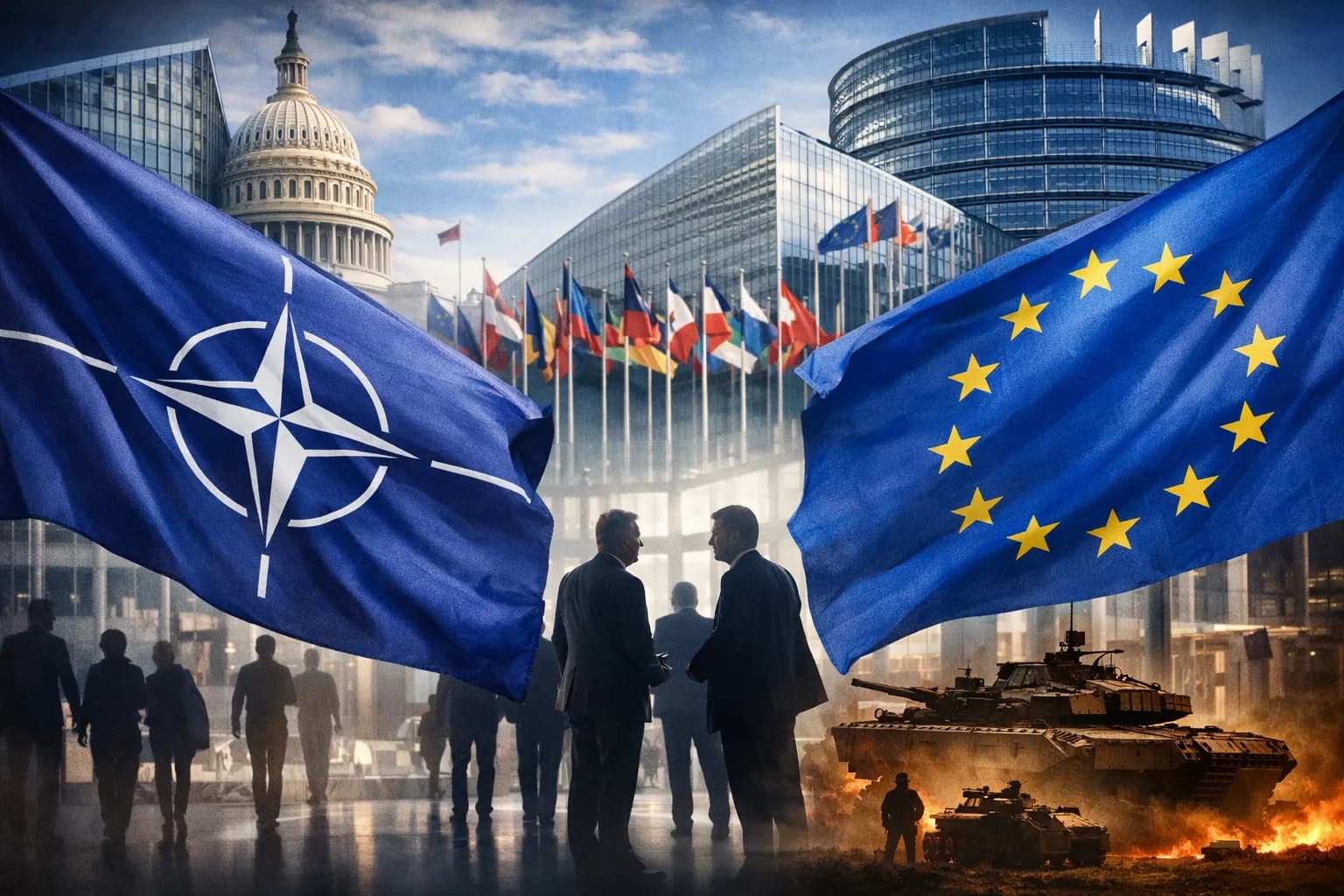
Transatlantic diplomacy entered a delicate phase this week as the United States and its European allies moved simultaneously to reassure one another on collective security while confronting renewed tests to the international rules-based order. Political messaging from Washington and Brussels underscored continuity in NATO commitments, even as broader geopolitical and economic pressures sharpened debates over burden-sharing, strategic autonomy, and the defense of democratic values beyond Europe’s borders.
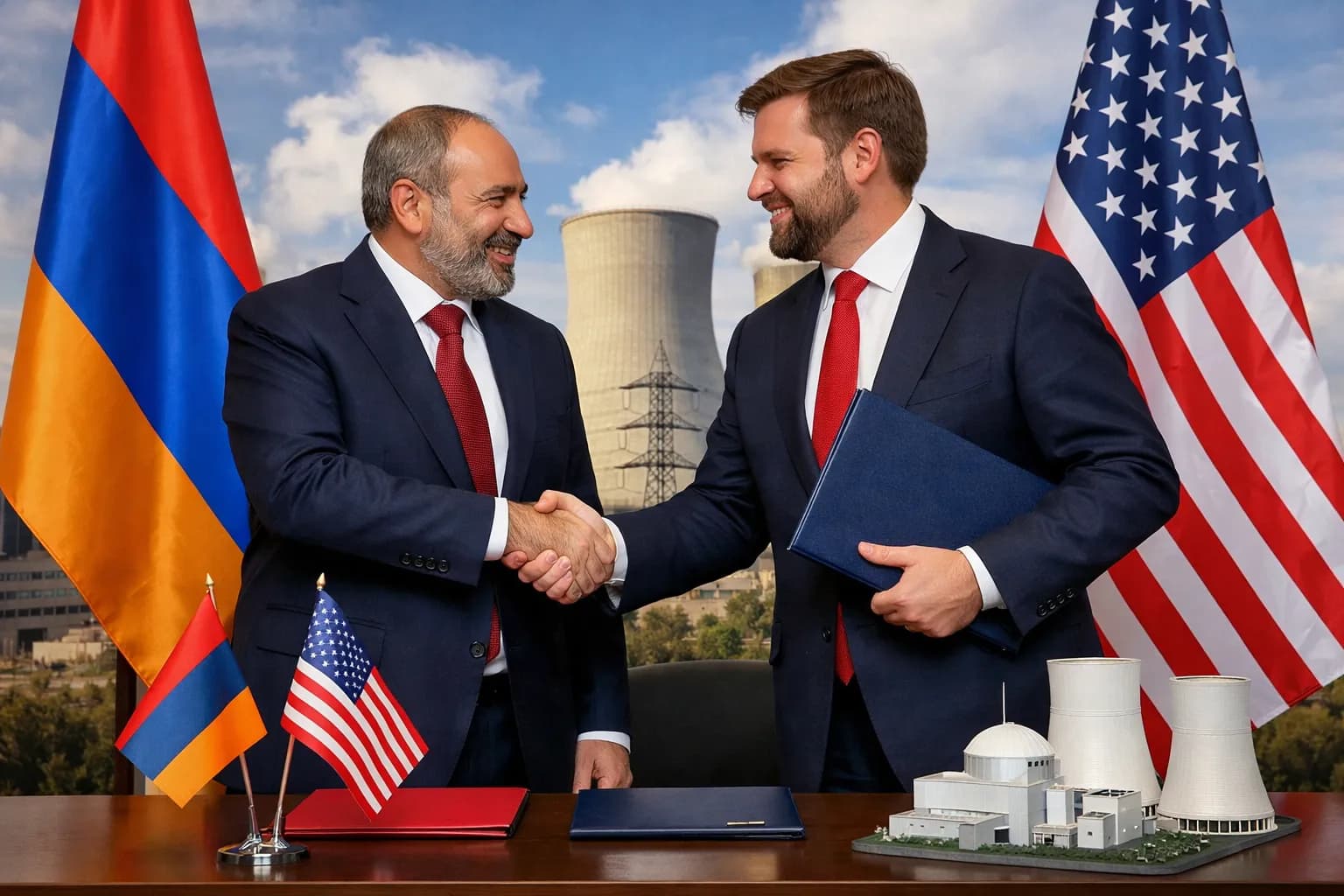
Yerevan, 9 February 2026. Armenia and the United States have formally concluded negotiations on a bilateral agreement covering cooperation in the peaceful use of nuclear energy, marking a significant development in the two countries’ expanding strategic partnership. The joint statement was signed in Yerevan by Armenian Prime Minister Nikol Pashinyan and U.S. Vice President J.D. Vance.
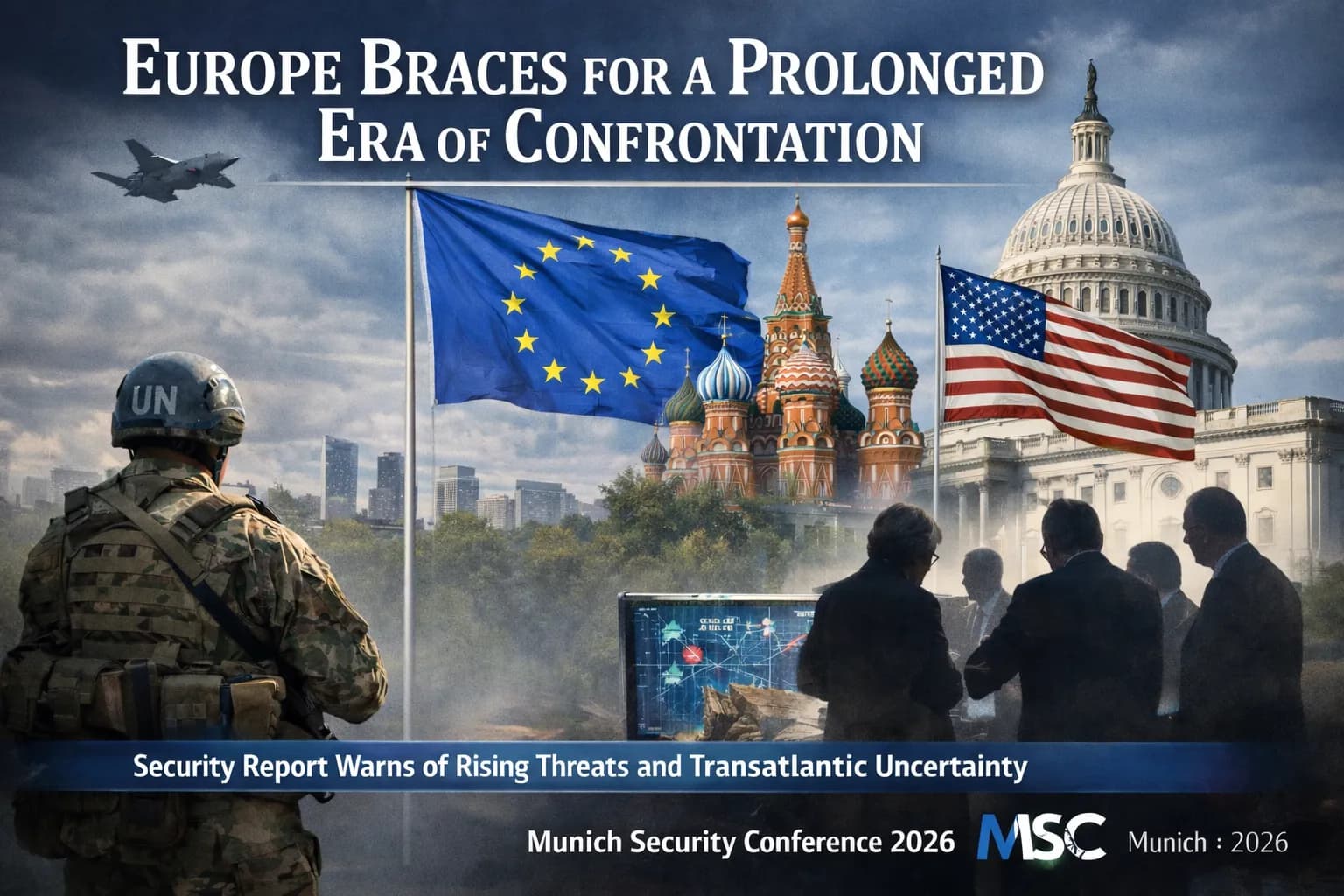
Brussels / Munich — Europe is entering a prolonged period of strategic confrontation marked by persistent security threats, geopolitical instability, and uncertainty over transatlantic guarantees, according to