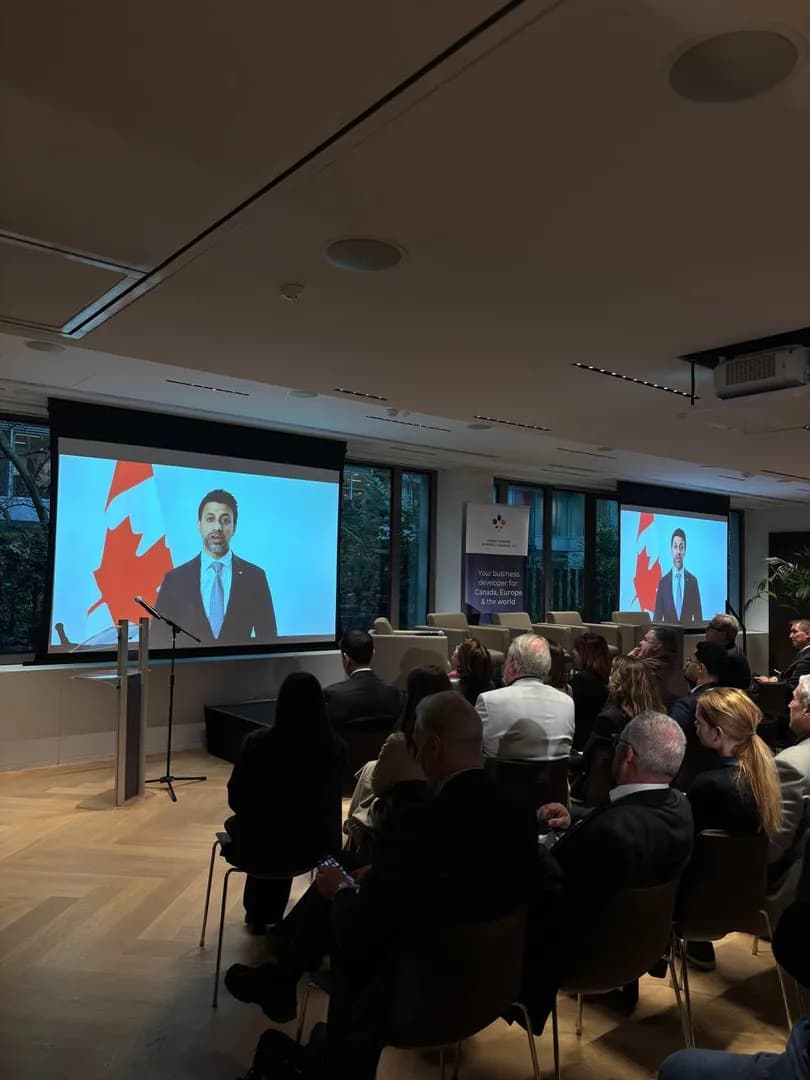
Brussels hosted the sixth edition of the EU-Canada Business Summit on 27 November, drawing political representatives, industry leaders and policy specialists to the Mission of Canada to the European Union. The annual gathering once again served as a meeting point for discussions on shared economic priorities and a venue for targeted business engagement.
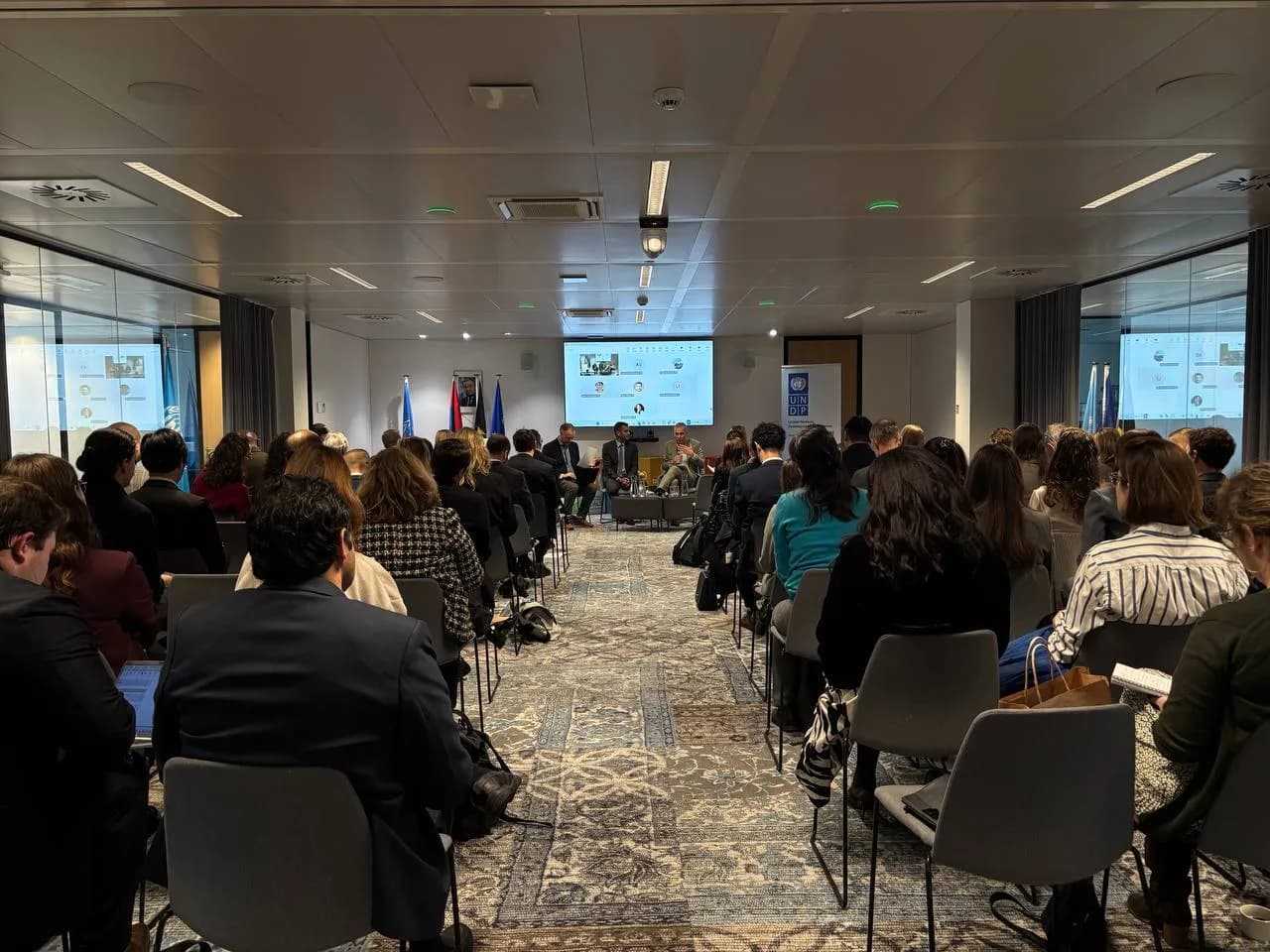
A high-level meeting in Brussels on 28 November placed Armenia firmly at the centre of preparations for next year’s COP17, setting the tone for what is expected to be a pivotal moment in global biodiversity governance. Co-organised by the Embassy and Mission of Armenia to the European Union together with the UN Development Programme, the event gathered EU institutions, UN agencies, civil society, and financial actors to assess implementation of the Kunming-Montreal Global Biodiversity Framework and to align expectations for the Yerevan COP in 2026.
The EU and Kazakhstan mark 10 years of strengthened partnership under the EPCA. As Europe seeks secure and diversified sources of critical raw materials for its green transition, Kazakhstan has become a key supplier and strategic partner. The next decade should focus on implementing concrete projects, improving supply chains, modernising transport routes, and deepening technological cooperation to build a resilient, future-oriented partnership.
YEREVAN / CAUCASUS — A large-scale wildfire has swept through the northeastern Tavush Province of Armenia, prompting one of the country’s biggest coordinated firefighting operations in recent years. The fire — first reported on 21 November 2025 between the villages of Chambarak and Ttujur — has since spread across steep, drought-parched hillsides and threatened forested zones and nearby communities.
EU Reflect – Event Coverage
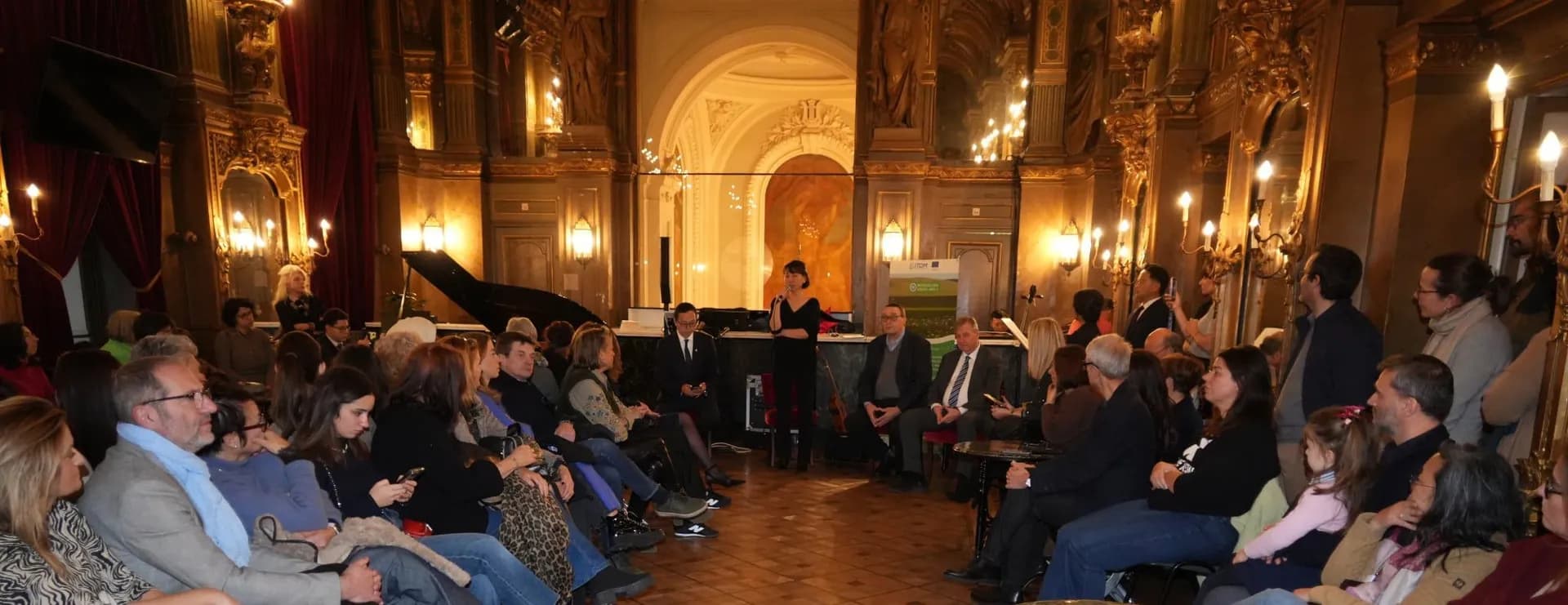
Brussels, 23 November 2025 — Sustainable cashmere, nomadic traditions, and modern eco-conscious fashion converged in the heart of Brussels as Tuya Sar hosted the long-anticipated launch of Mongolian Green Labels (MGL) at La Monnaie. The event, supported by the European Union and Mongolian partners, marked one of the most notable introductions of Mongolian-made ethical fashion to the European market.
The gathering brought together diplomats, designers, journalists, and sustainability advocates, offering guests an intimate look into Mongolia’s rich textile heritage — from herder families to finished knitwear.
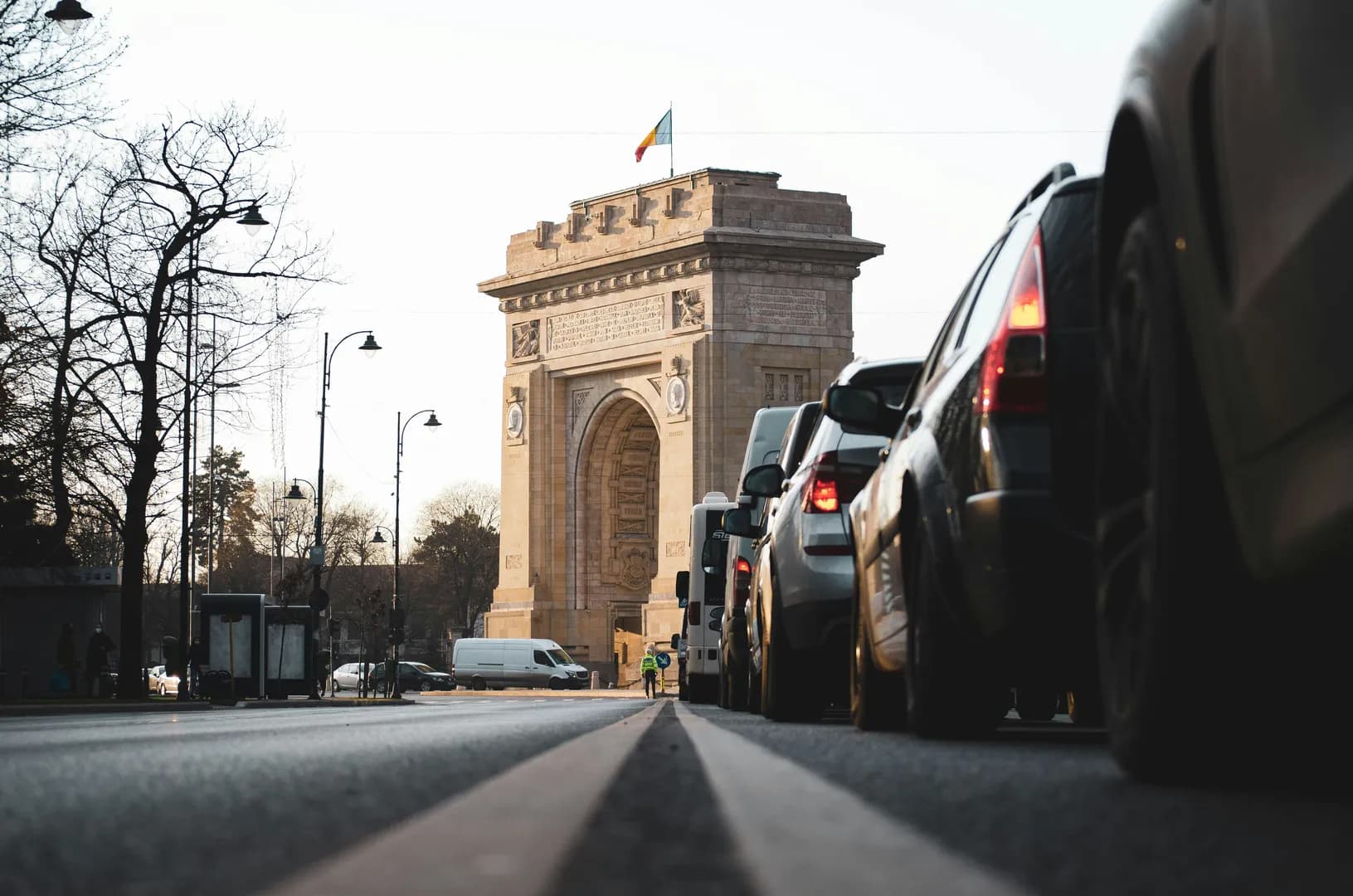
Since joining the EU in 2007, Romania has become an active member that strengthens EU cohesion by effectively using development funds, modernizing its economy, and reducing regional inequalities. It supports political cooperation in the Danube region, improves crisis management and energy security, and encourages EU enlargement for countries like Ukraine and Moldova. Through responsible governance and strong regional partnerships, Romania contributes to a more united, stable, and integrated European Union.
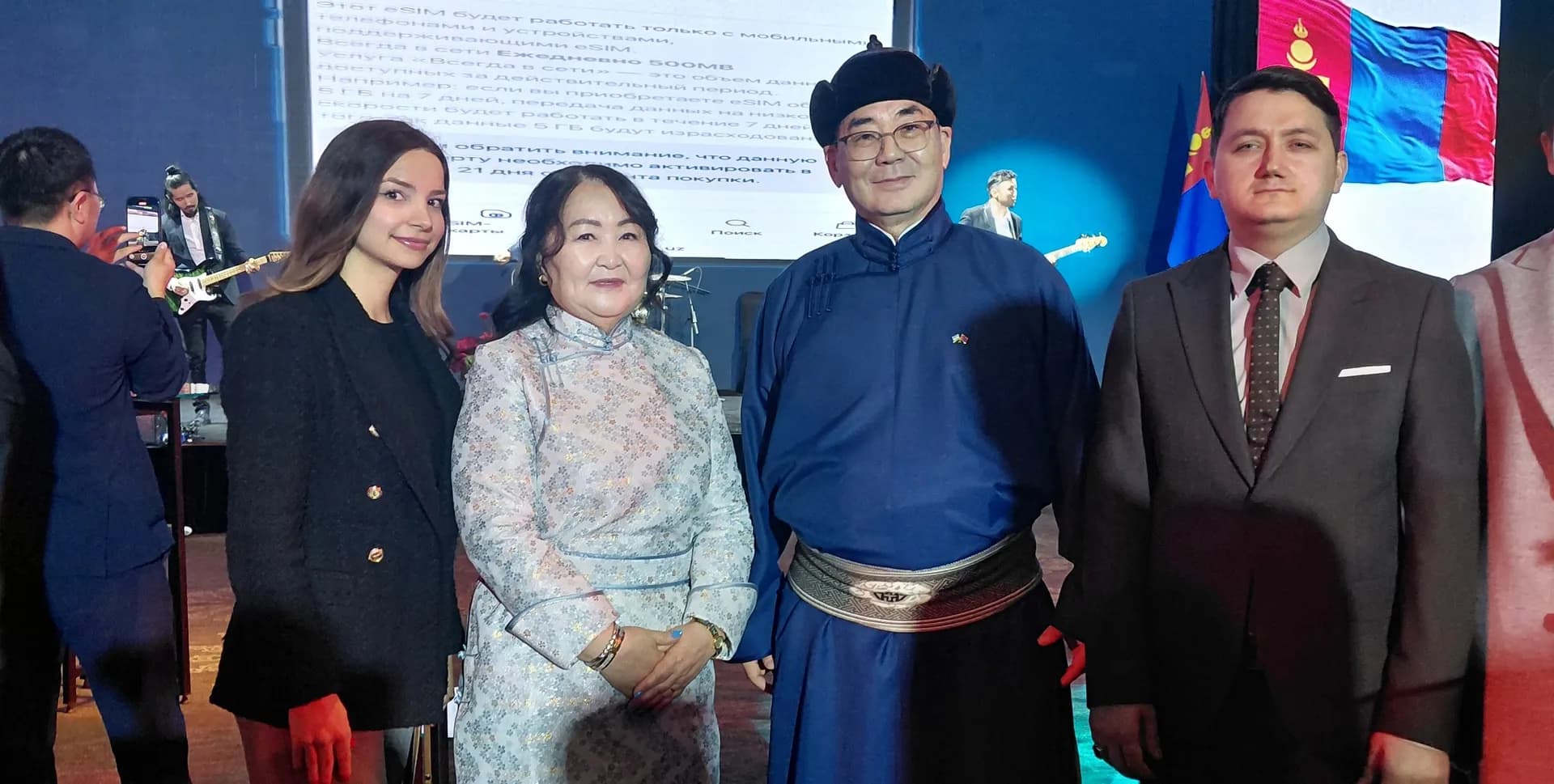
EUReflect attended Mongolia’s National Day reception in Tashkent, hosted by the Mongolian Ambassador to Uzbekistan. The event celebrated Mongolia’s statehood and democratic journey, its growing partnership with Uzbekistan, cultural dialogue, and a vision for stronger Eurasian connectivity. EUReflect reaffirmed its commitment to fostering dialogue and cooperation among nations.
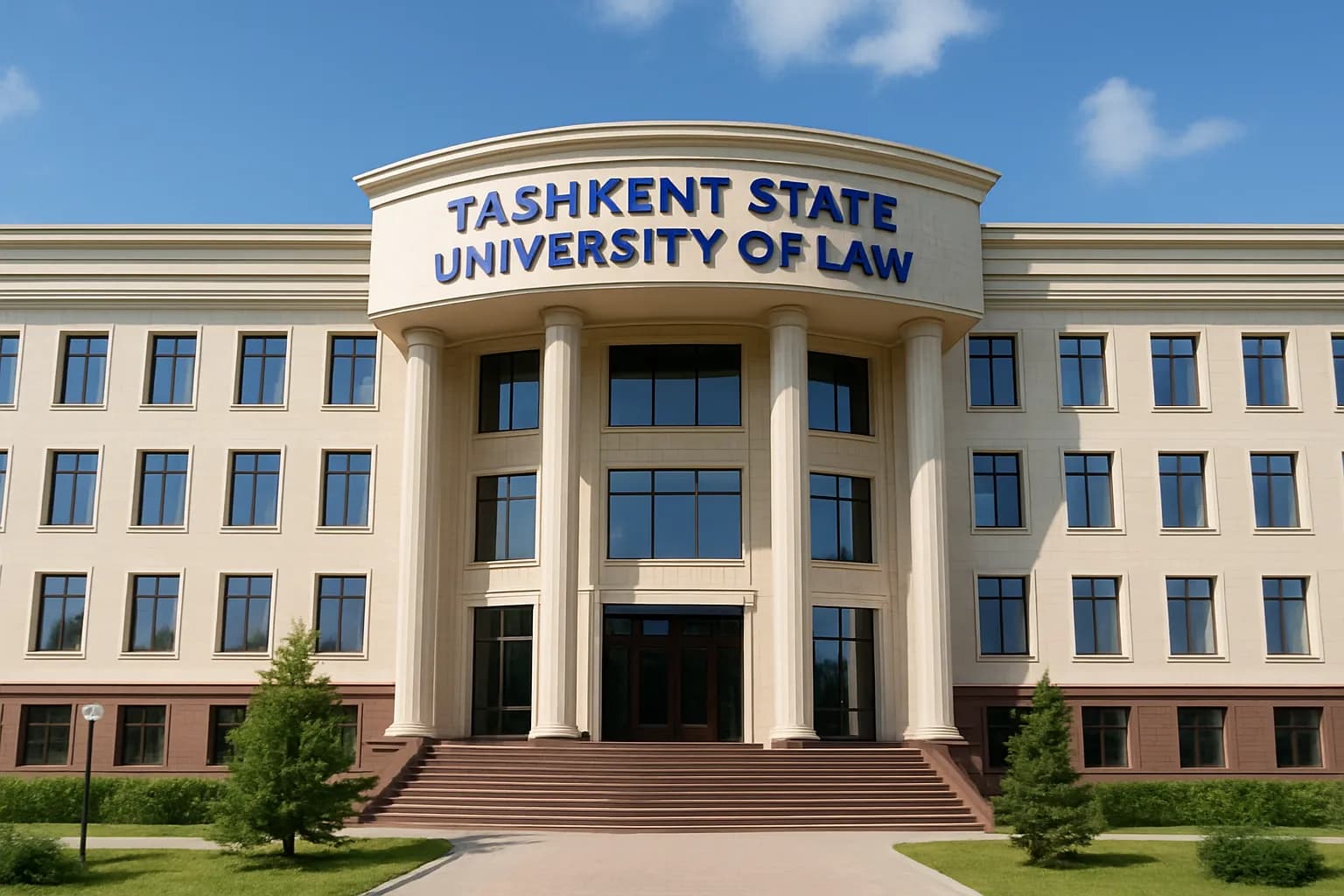
TSUL has been recognised as a “Reporter” in the 2026 THE Interdisciplinary Science Rankings, marking its first inclusion in this global evaluation. This status shows that the university met the data and participation requirements, reflecting its growing research capacity and commitment to interdisciplinary work. Although not yet ranked, TSUL’s Reporter designation signals progress toward full evaluation and strengthens its alignment with international academic standards.
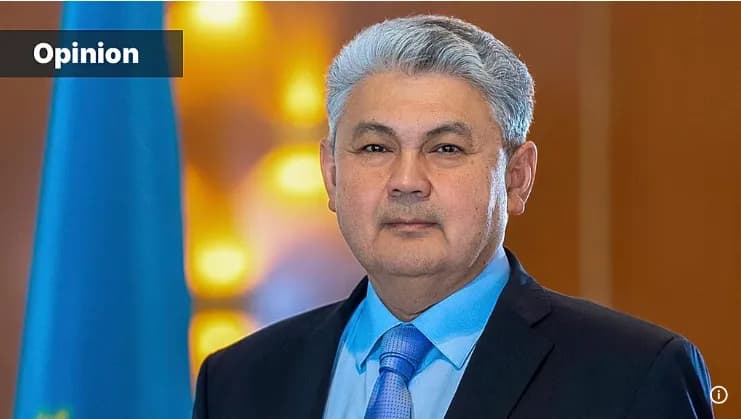
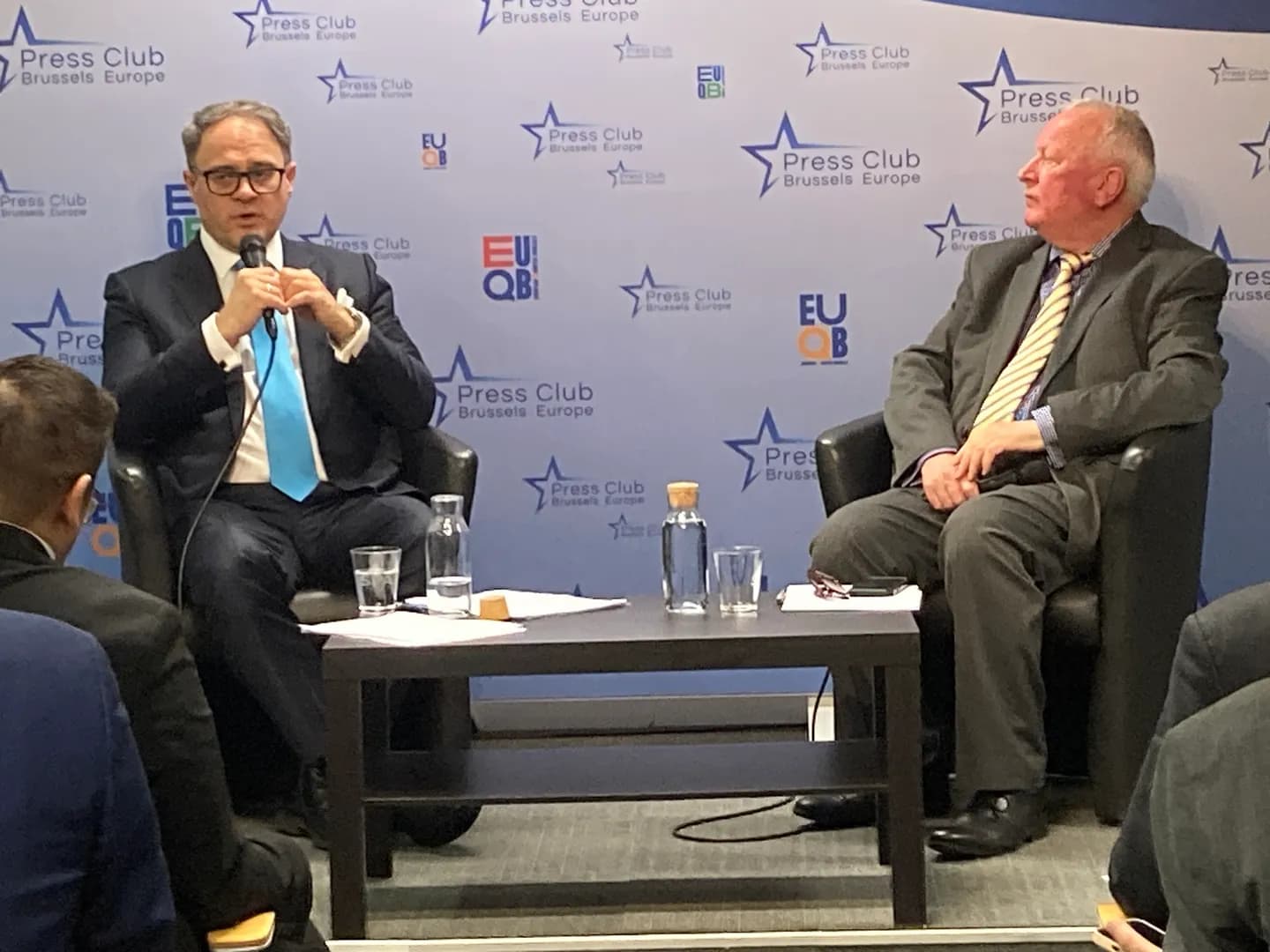
Eureflect had the honour to attend the press conference on November 24 of Mr Roman Vassilenko Ambassador of Kazakhstan to Belgium, EU, NATO at the “Brussels Press Club”. He underscored a decade of powerful partnership between Kazakhstan and the European Union. The Ambassador made it clear: Kazakhstan is not just a partner, it is the beating heart of a multi-vector strategy that ensures Europe and Asia remain connected, resilient, and prosperous.
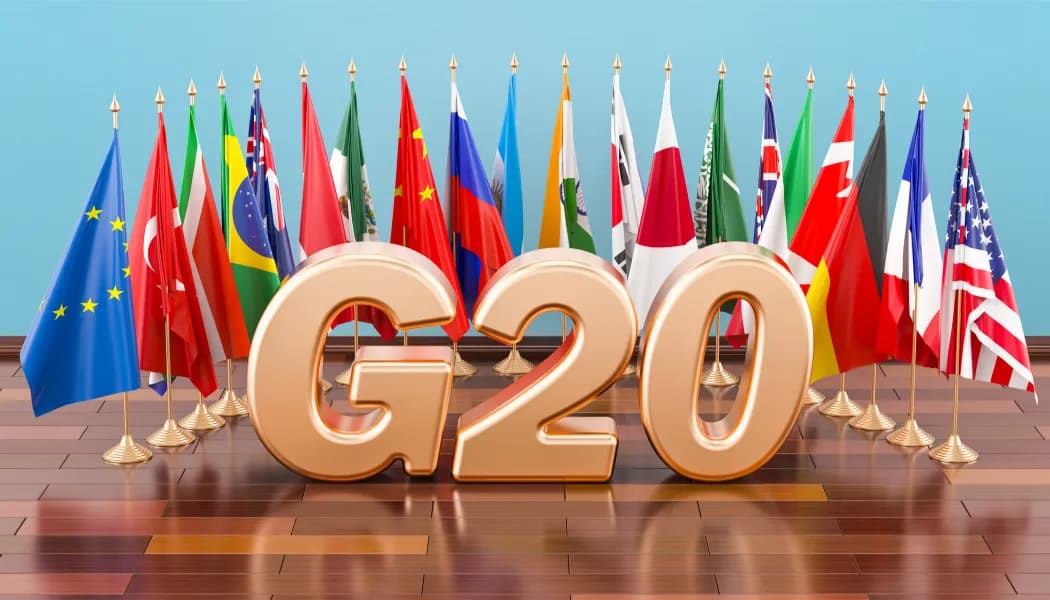
Johannesburg made plain that the agenda of global governance is shifting: development, equity and climate resilience have moved higher up the global list of priorities, driven by the moral and economic urgency felt in the Global South. The summit also revealed a fragile architecture — the G-20 can still produce consensus statements, but the absence of a top leader from a superpower (the U.S.) and other partial delegations changes how that consensus will be implemented and perceived.
The debate organized at the Press Club Brussels revealed a Kazakhstan fully assured in its multi-vector foreign policy: engaging with Russia, China, the European Union and the United States without entering into bloc logic, but defending a strategic pragmatism that has become its trademark.
Ambassador Roman Vassilenko called for a faster, more concrete and more ambitious EU–Kazakhstan partnership, emphasising two priorities: connectivity — with the central role of the Middle Corridor — and cooperation on critical raw materials essential for Europe’s industrial transition.
Journalists present, including Colin Stevens (EU Reporter), raised key questions about energy, green hydrogen, civil nuclear development and Kazakhstan’s wider role in Europe’s green transition. Their direct, sometimes sharp questions shed light on Astana’s strategic objectives.
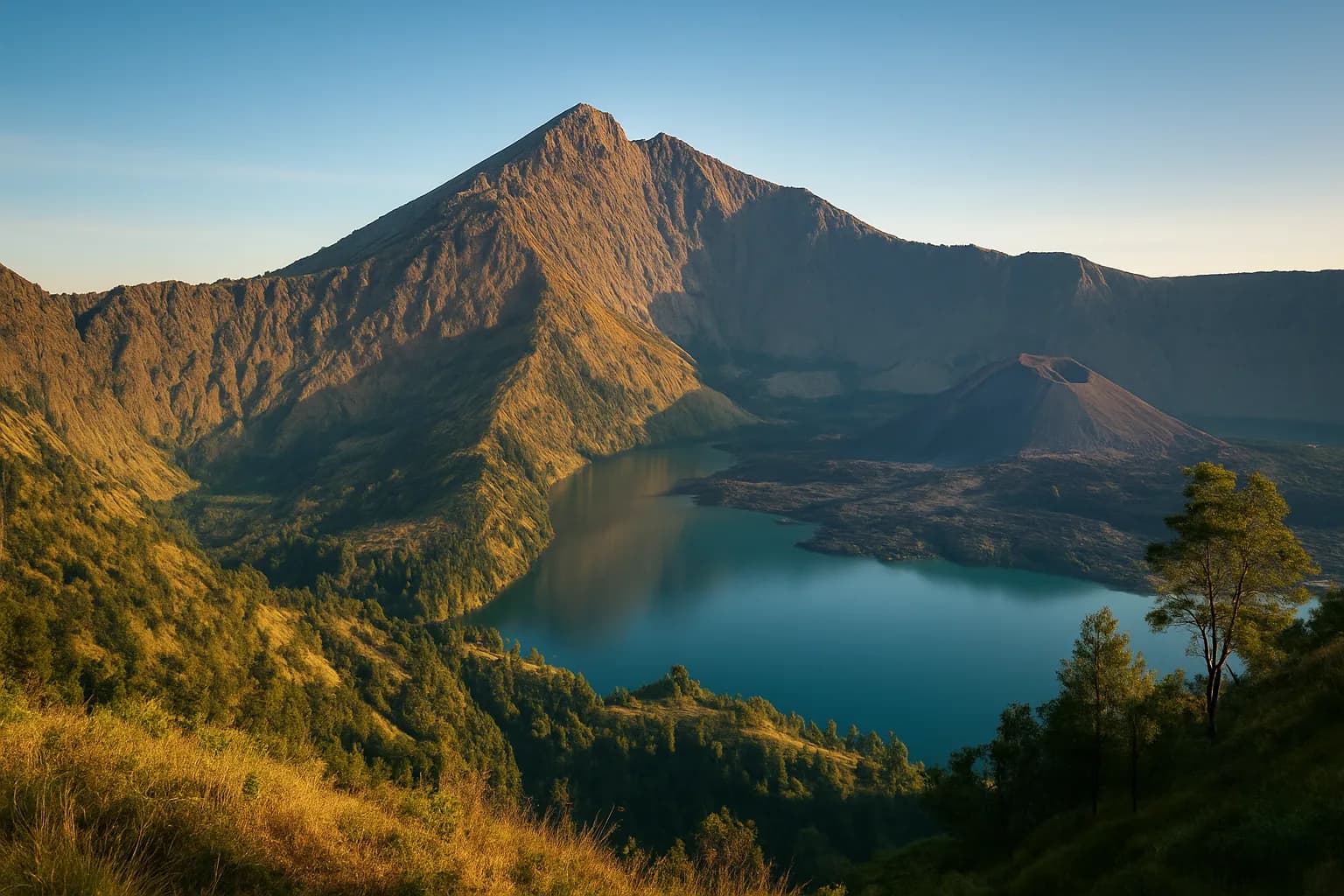
Mount Rinjani is an impressive 3,726-meter volcano on Lombok Island, serving as both a sacred site for the Sasak and Balinese communities and a renowned ecotourism destination thanks to its rich geology and natural beauty. Shaped by major eruptions, the mountain stands out with its vast caldera and Segara Anak Lake. As a national park, it maintains a sustainable balance between cultural heritage, biodiversity, and tourism.
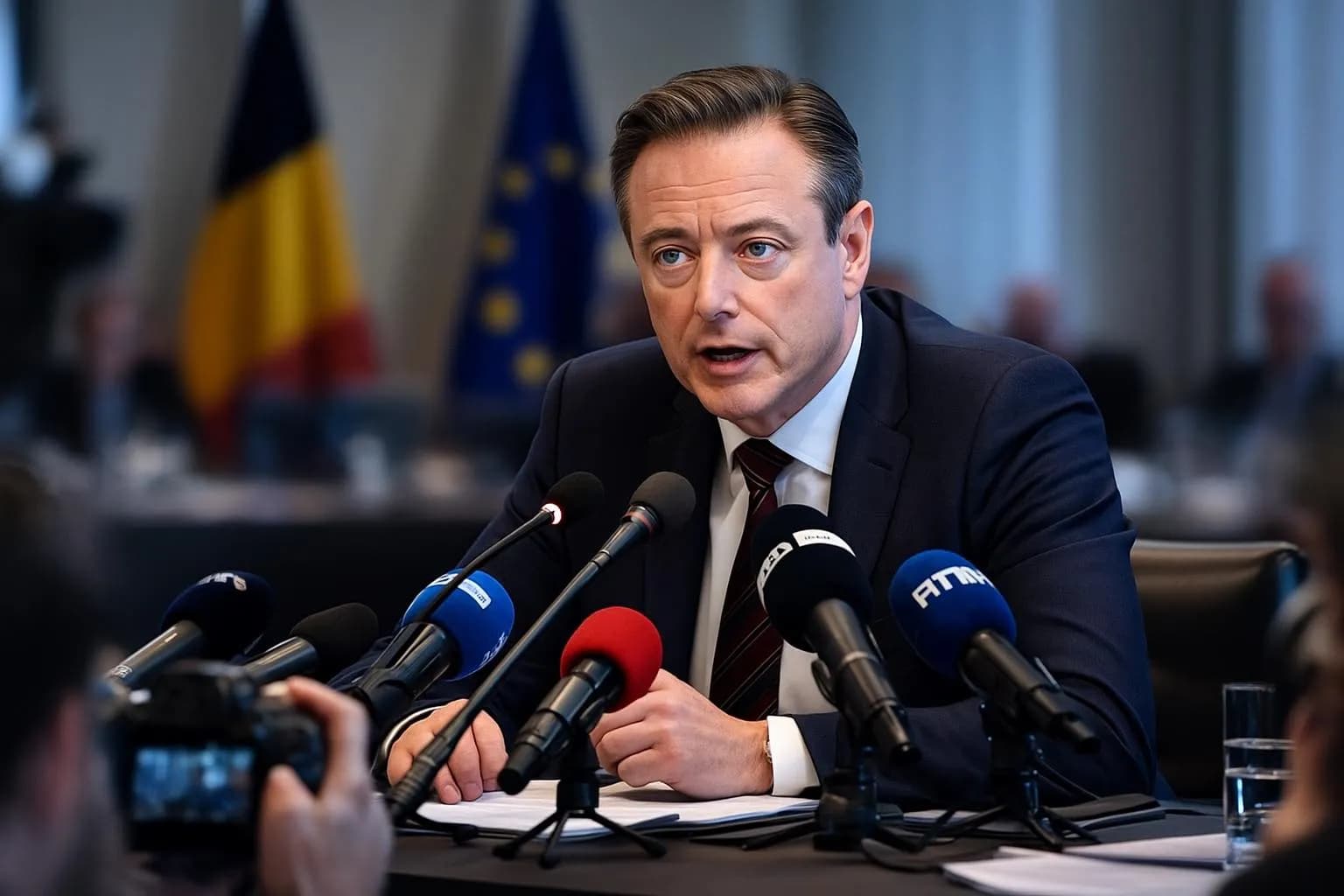
But who really benefits from this last-minute budget deal supposedly designed to save the government from collapse or from decisions taken at the very last minute without real reflection?
After months of institutional uncertainty, Bucharest heads into a high-stakes mayoral race that will determine the direction of Romania’s most important city. With major challenges in mobility, pollution, governance, and political fragmentation, the outcome will shape both national politics and the capital’s emerging role as a regional hub.
AI isn’t meant to be an emperor; it’s here to empower people. Local businesses in Pakistan face two challenges: they must overcome skill and infrastructure barriers while simultaneously cultivating a forward-thinking business mindset.
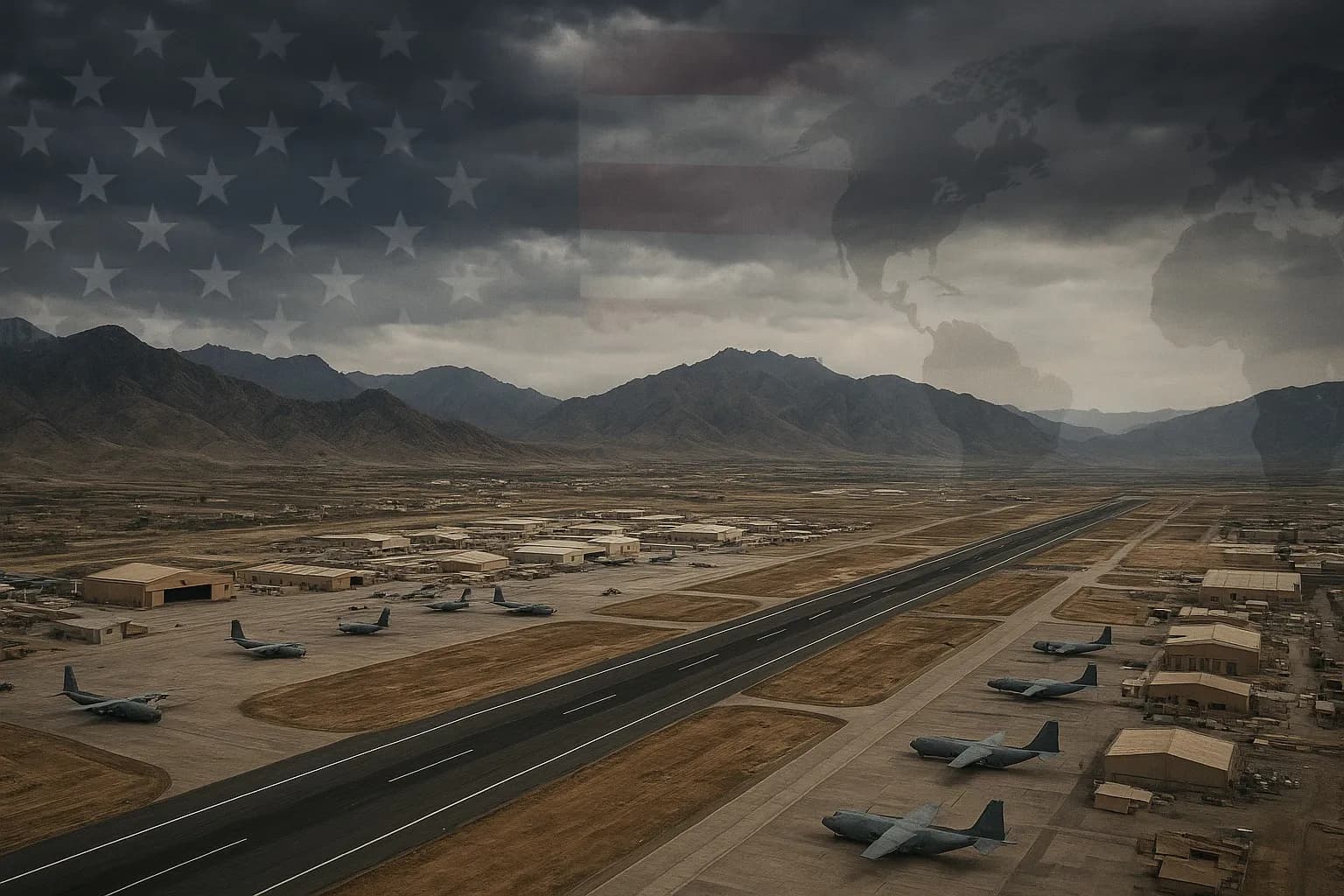
Every country wants to monitor its rival and reduces the opportunities for its foes to gain nuclear capabilities and military strength. Hence, the recent decision by the President of the United States to regain Bagram base from the authority of Afghanistan demonstrates the shifting strategic policy of the US.
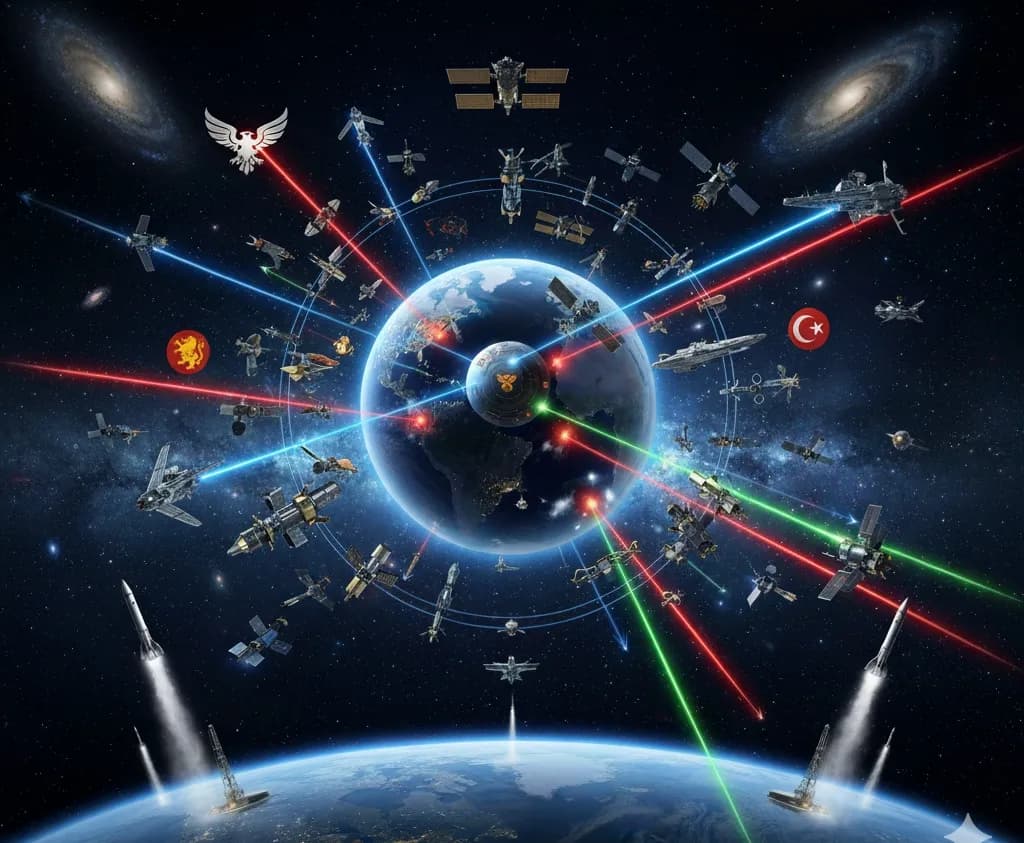
The militarization of space presents unprecedented risks for global security. If countries continue to develop space-based weapons, the likelihood of conflicts extending beyond Earth becomes increasingly plausible.
The European Union is developing the AI-powered Drone Wall System (DWS-1) to strengthen security along its eastern borders. The system integrates hundreds of autonomous sniper drones into a central AI command hub that can detect, track, and respond to threats in real time. Initial testing will take place in Ukraine, making it a key testing ground for Europe’s next-generation defense technologies. Planned for full deployment by 2028, DWS-1 represents the EU’s broader shift toward AI-driven military infrastructure amid growing geopolitical tensions.
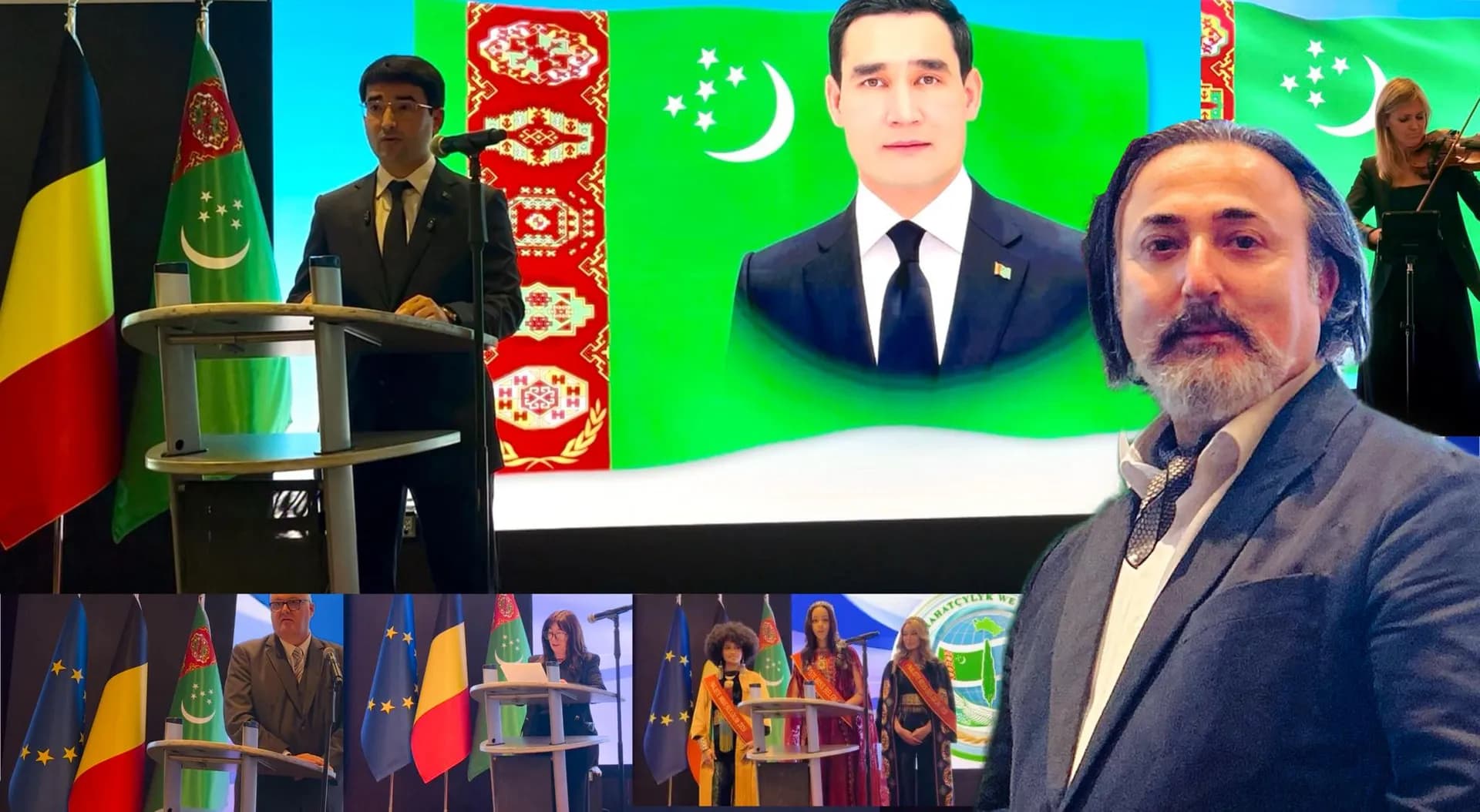
The reception took place in one of the most prestigious hotels in a luxury district of Brussels, offering a setting worthy of the significance of the event. More than 300 guests attended, demonstrating the broad interest generated by Turkmenistan’s 30 years of neutrality.