Politics News

Politics · International Relations

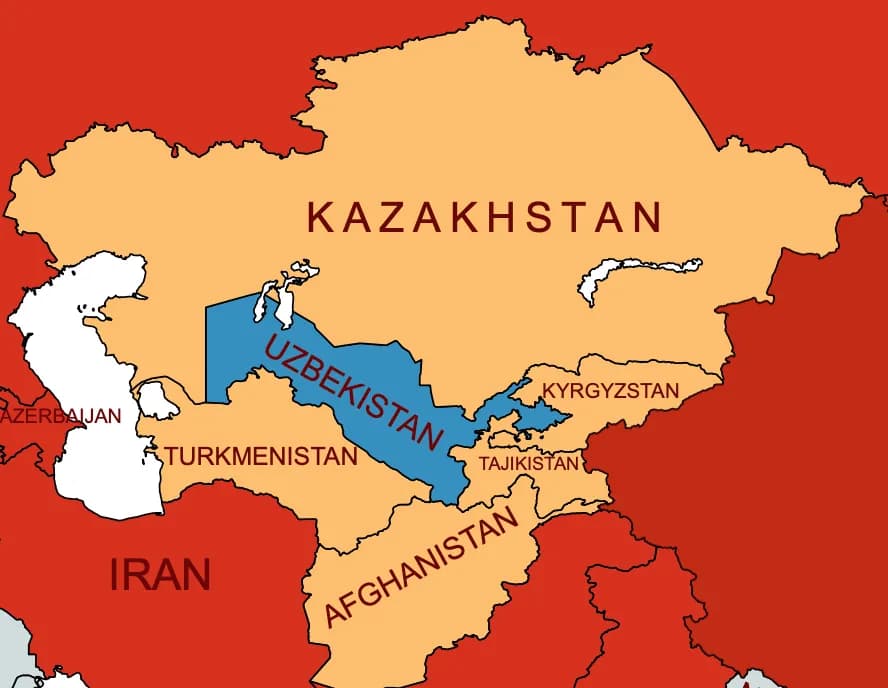
Uzbekistan’s Good Neighborliness Policy: A New Paradigm for Regional Cooperation in Central Asia

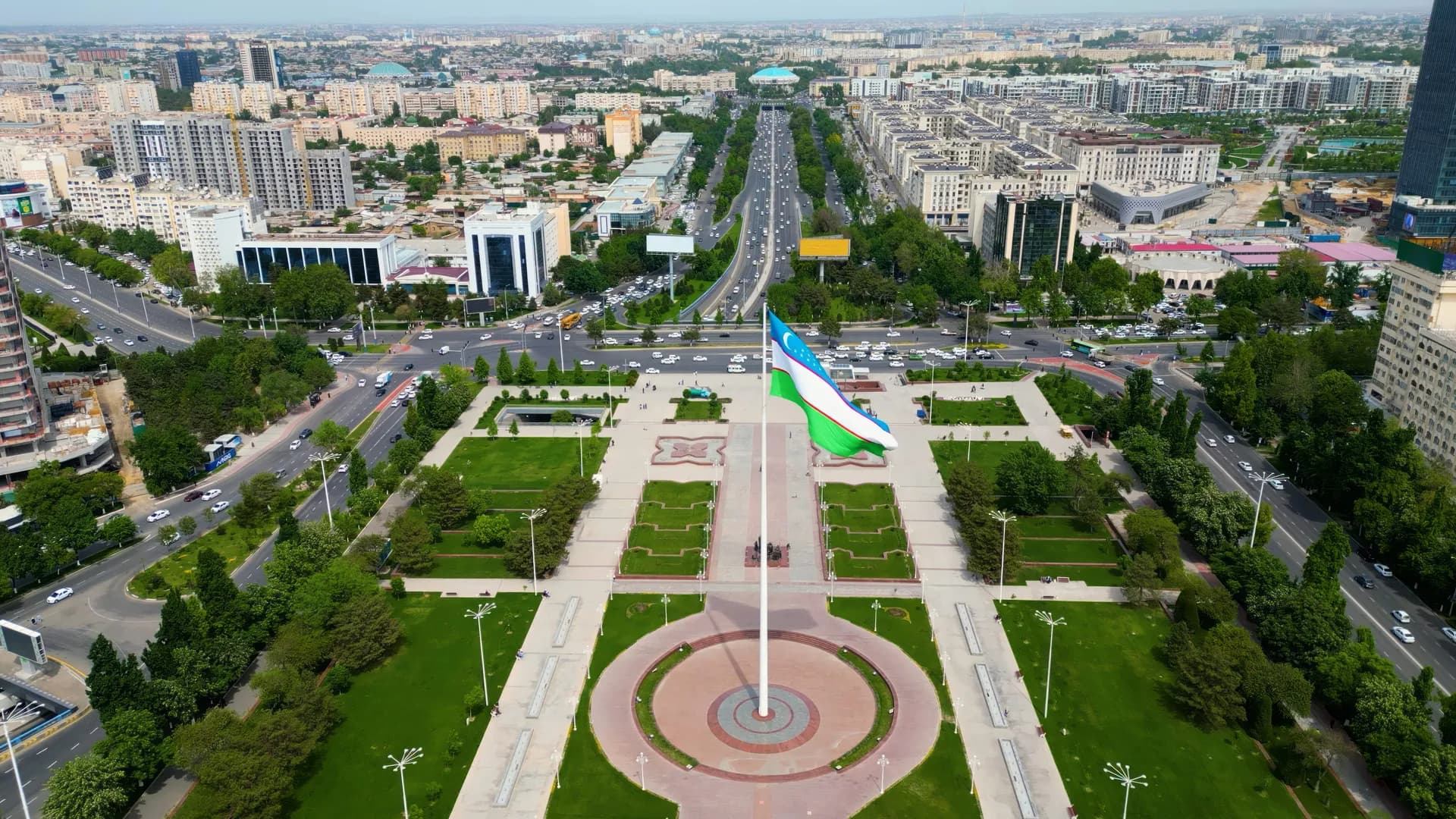
Uzbekistan’s foreign policy has undergone a major shift since 2016, moving from the isolation and regional tensions of the Karimov era to a cooperative “good neighborliness” approach under President Mirziyoyev. Significant progress has been made in resolving border disputes with Kyrgyzstan and Tajikistan, advancing shared water-resource management, revitalizing regional dialogue platforms, and engaging pragmatically with Taliban-ruled Afghanistan to support security and connectivity. While challenges such as reliance on political leadership, limited institutional capacity, and external geopolitical pressures persist, Uzbekistan’s new strategy has strengthened regional stability and positioned the country as a driving force for cooperation and integration in Central Asia.
Dolunay Yusuf Baltürk

Politics · International Relations

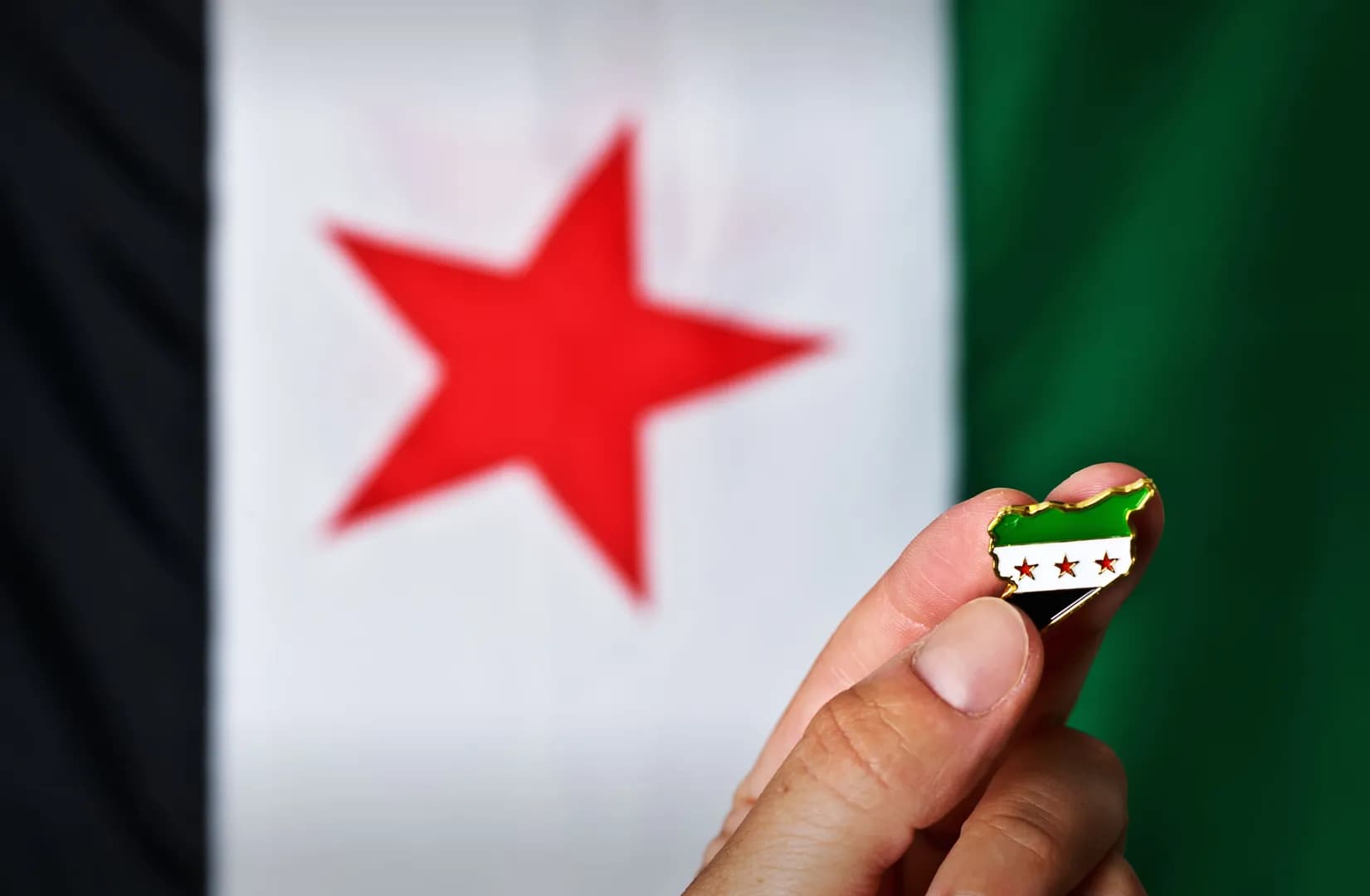
Syrian Foreign Minister Heads to Beijing Today in First Official Visit Under Al-Sharaa Government

Syria’s Foreign Minister Asaad al-Shibani is set to visit China in the first official trip by the new government under President Ahmed al-Sharaa, marking a major shift in Syrian foreign policy. The visit aims to rebuild ties with Beijing, which had strongly supported the former Assad regime. Talks will center on reconstruction and mutual interests as Syria seeks Chinese investment, especially under the Belt and Road Initiative. With most U.S. sanctions lifted in mid-2025, Chinese and Western investment is expected to grow. The World Bank estimates Syria’s reconstruction costs at $140–345 billion. Al-Shibani says China will be a partner in rebuilding Syria’s future, signaling a new diplomatic direction.

Abdul Hamid Hamid Al-Kba

Politics · Governance And Administration

Belgium to Restructure Global Diplomatic Network Amid Shifting Geopolitical Landscape

Belgium will reorganise its diplomatic presence worldwide between 2026 and 2027, strengthening key missions and opening new posts while closing several others. The plan, announced by foreign minister Maxime Prévot (Les Engagés), is intended to adapt the country’s external representation to rapidly evolving geopolitical and economic conditions.

Olha Pashchenko

Politics · International Relations

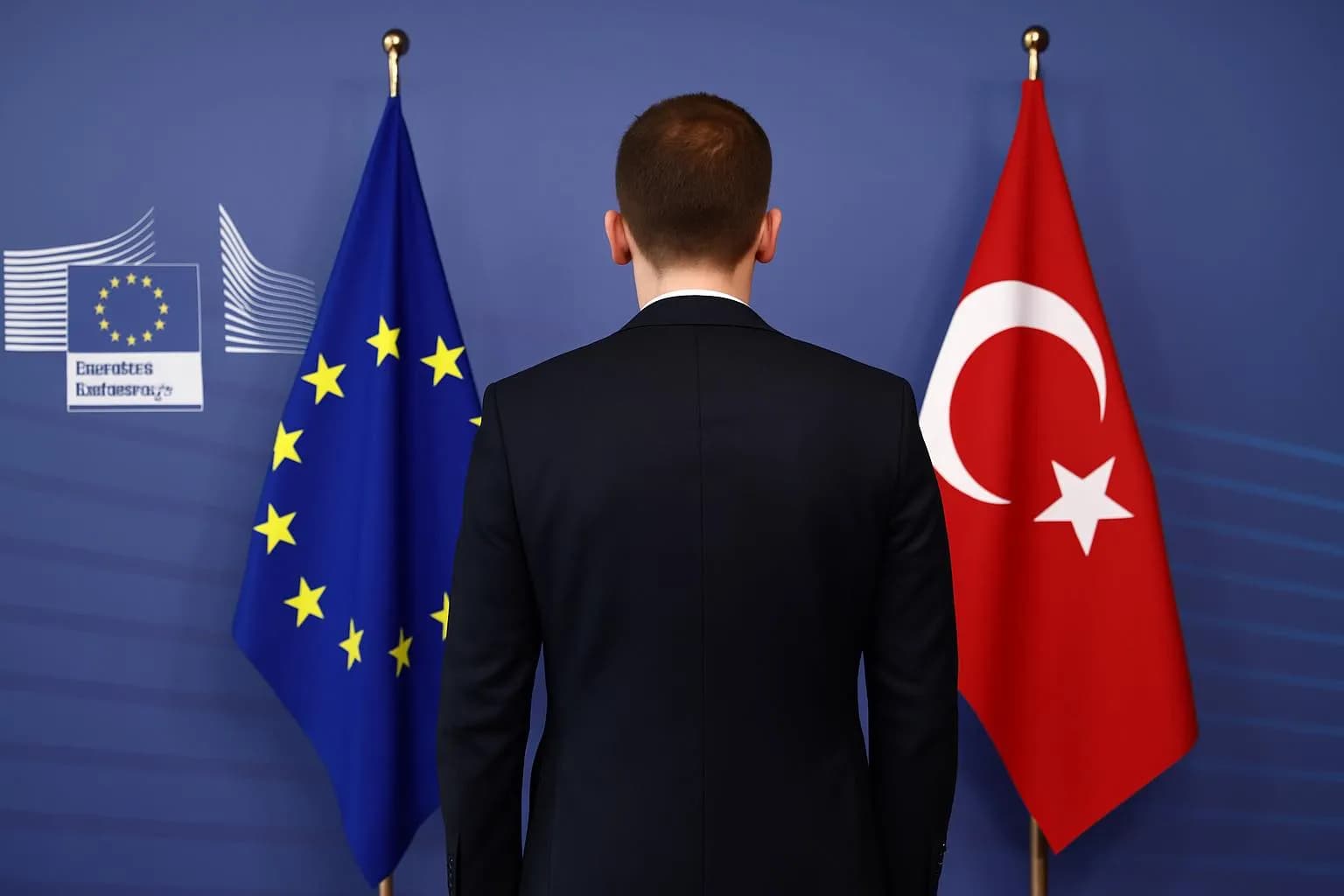
Europe Doesn’t Want a “Turkish Scapegoat”

Why Europe Prefers the Balkans Over Turkey The European Union’s enlargement strategy has taken a decisive turn: the Western Balkans are moving forward, while Turkey remains frozen in its accession process. This is not accidental , it’s the result of political, strategic, and institutional choices. Here are the key reasons why the EU prioritises the Balkans over Turkey

Kadir Duran

Politics · International Relations

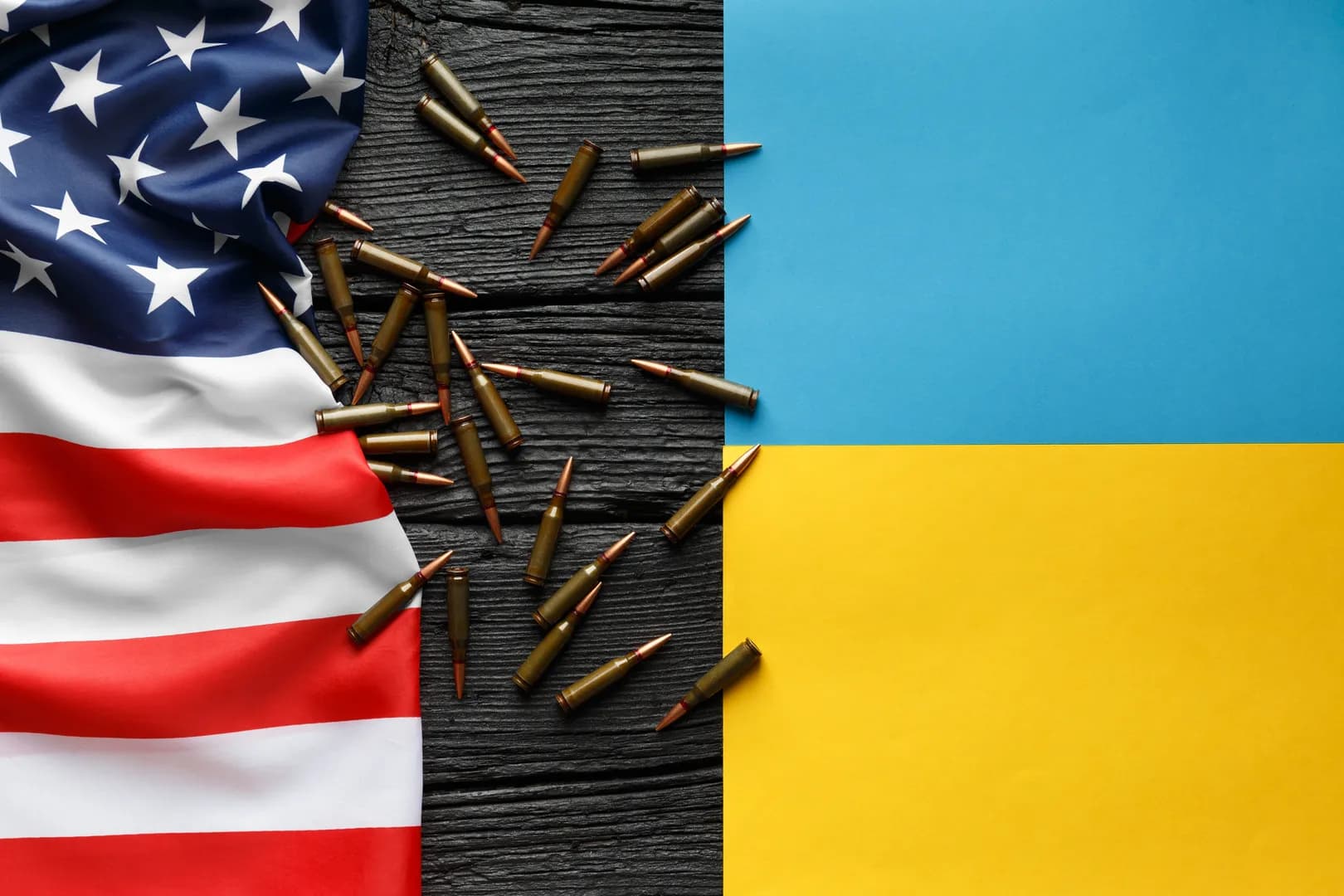
From Budapest to Washington: Trump’s Ukraine Policy and the Emerging U.S. Strategic Outlook

The article examines the shifting dynamics of U.S. foreign policy under the Trump administration, focusing on the Russia–Ukraine war and Washington’s evolving diplomatic and strategic posture. Following the announcement—and subsequent denial—of a Trump–Putin summit in Budapest, the administration’s approach has alternated between negotiation and deterrence, illustrating the contours of what analysts are calling the emerging “Trump Doctrine.” This doctrine emphasizes selective engagement, reducing U.S. exposure in Europe while reinforcing strategic interests in other regions. The piece explores how domestic political pressures, alliance dynamics, and battlefield realities in Ukraine have shaped U.S. decision-making, revealing a foreign policy defined by strategic ambiguity and recalibration rather than coherent withdrawal.

Samuel Dreessen

Politics · International Relations

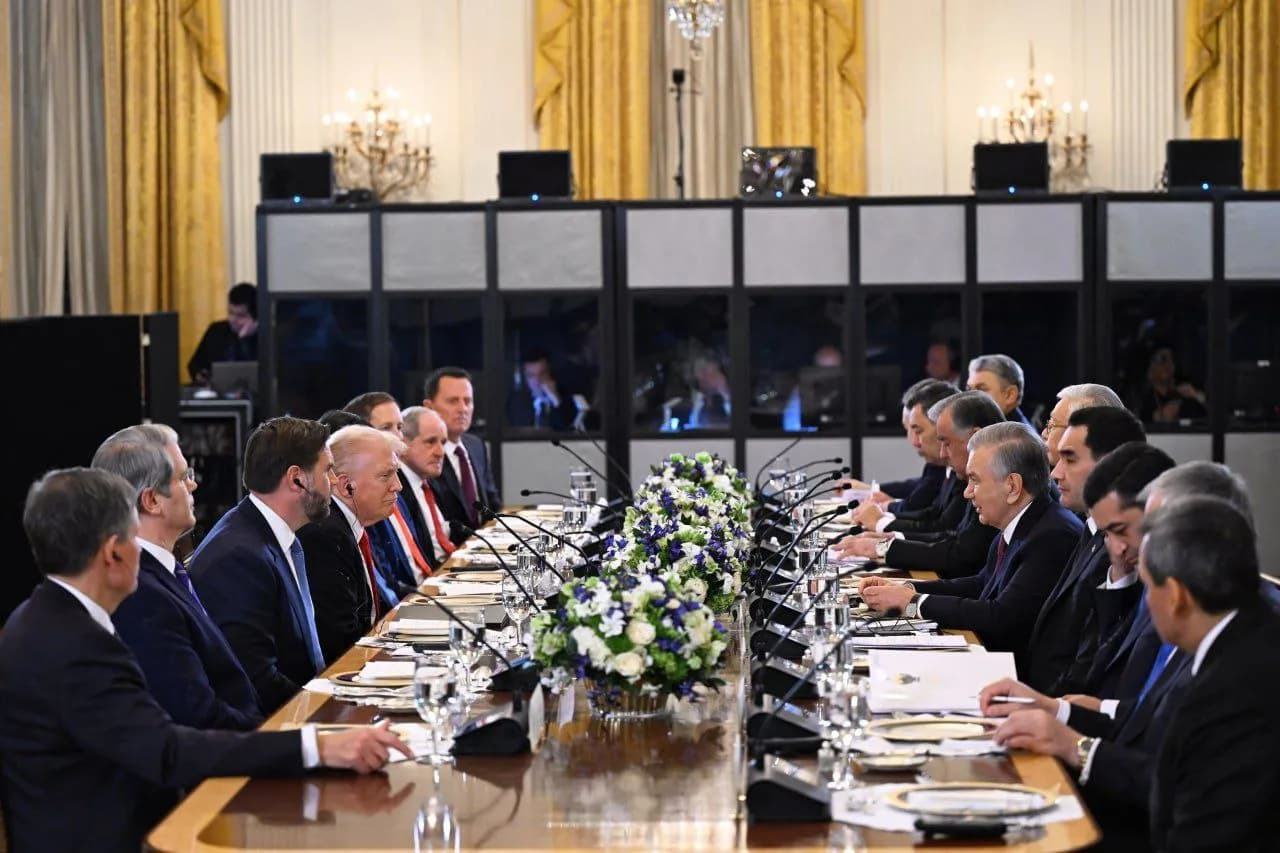
C5+1 Washington Summit: Central Asia’s Strategic Core

The C5+1 Washington Summit (6 Nov 2025) strengthened U.S.-Central Asia cooperation on critical minerals, infrastructure, and supply chains. Uzbekistan emerged as a regional leader, driving economic modernization and strategic partnerships.

Nodir Oblaqulov

Politics · International Relations

Security Without Trust? The EU–Türkiye Information Gap

Despite Türkiye’s long-standing participation in the EU’s Common Security and Defence Policy (CSDP) operations, the absence of a formal Security of Information Agreement (SIA) between Ankara and Brussels continues to undermine institutional trust, information exchange, and policy coordination. This article examines Türkiye’s political dialogue and alignment within the EU’s Common Foreign and Security Policy (CFSP), evaluates the legal and institutional challenges arising from the lack of an SIA, and analyses the broader consequences for EU–NATO relations and European strategic autonomy.

EUReflect News

Politics · International Relations

Leaders Gather in Brussels for a Defining Moment in Europe’s Enlargement Path

The Euronews Enlargement Summit in Brussels brought together leaders from Ukraine, Moldova, Serbia, Albania, Montenegro, and North Macedonia with top EU officials. The meeting marked a turning point, framing enlargement not as a procedural step but as a strategic priority for Europe’s future. Ukraine and Moldova have advanced reforms at historic speed, while Western Balkan countries reiterated their goal of joining the EU by 2030. Held ahead of the European Commission’s 2025 Enlargement Report, the summit emphasized that enlargement is a strategic investment in Europe’s geopolitical resilience, democratic credibility, and long-term integration.

Olha Pashchenko

Politics · Elections And Political Analysis

New York enters a new political era

At only 34 years old, Zohran Mamdani has been elected mayor of the American metropolis, becoming the first Muslim mayor in the city’s history and one of the youngest to occupy the office in more than a century.

Kadir Duran

Politics · International Relations

EU Report: Türkiye Aligns Just 4% with Russia Sanctions

This paper analyses Türkiye’s engagement with the European Union’s Common Foreign, Security and Defence Policy (CFSP/CSDP) in 2025. According to the European Commission’s annual report, Türkiye’s alignment rate with the EU’s restrictive measures and statements on Russia dropped to only 4%, the lowest in recent years. This figure symbolises Türkiye’s strategic transformation from an integration-oriented candidate to a regional power seeking autonomy within a multipolar world order. While Ankara continues to contribute operationally to EU-led missions, it maintains selective alignment—balancing between Western expectations, economic interdependence with Russia, and regional influence. The study argues that Türkiye’s limited alignment reflects not isolationism but a pragmatic form of strategic autonomy that positions the country as a balancing actor—indispensable for European security but politically detached from the EU’s normative core.

İsmail Polat

Politics · National Politics

Kazakhstan has tripled its investment in education and science

Kazakhstan has tripled its investment in education and science and will continue strengthening the role of artificial intelligence through global academic cooperation, President Kassym-Jomart Tokayev announced at the International Forum of Strategic Partners Kazakhstan – The Land of Academic Knowledge

EUReflect News

22 of 22