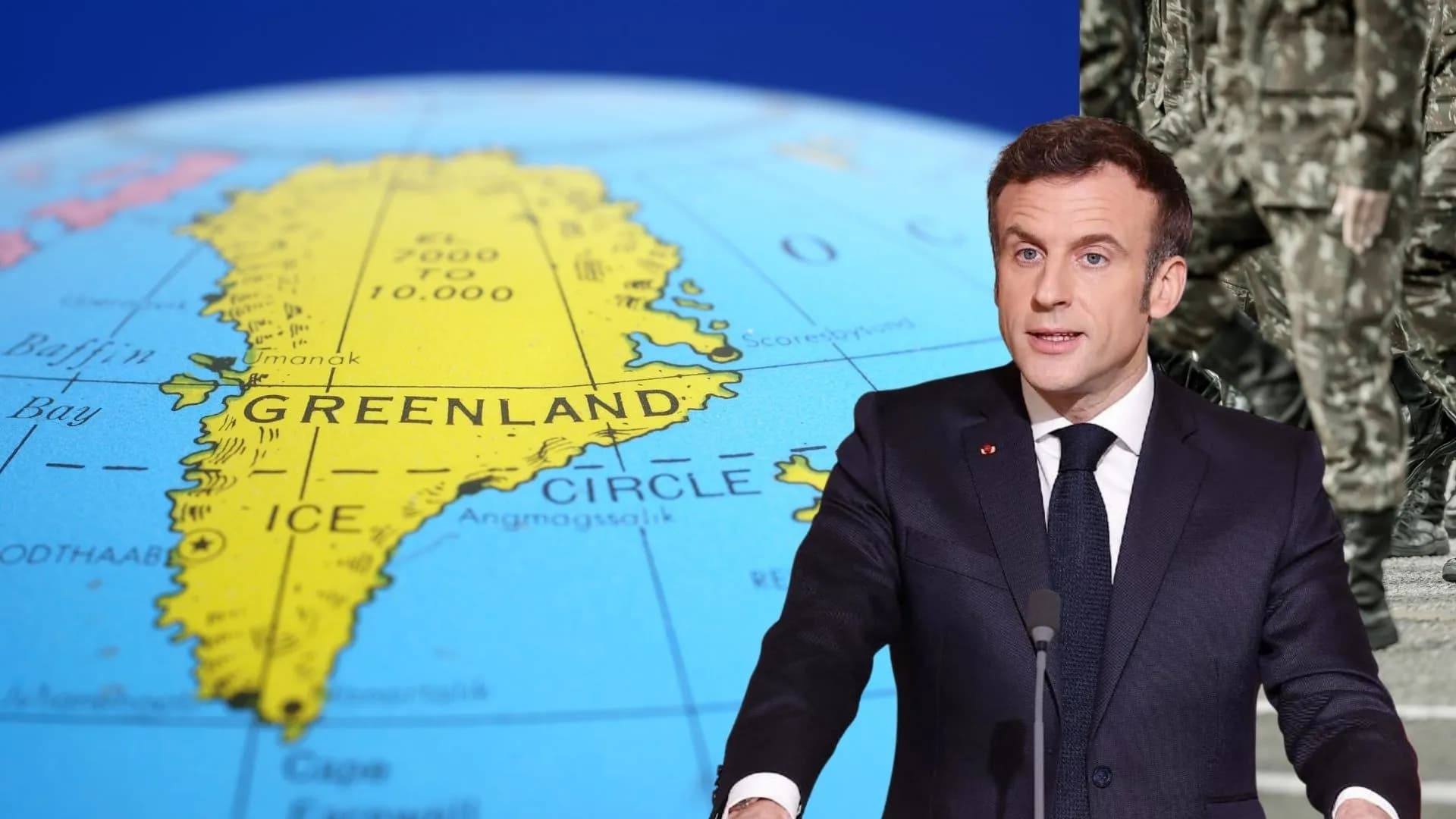
France joins a multinational European military exercise in Greenland, highlighting growing Arctic security coordination amid rising geopolitical interest and diplomatic sensitivities.
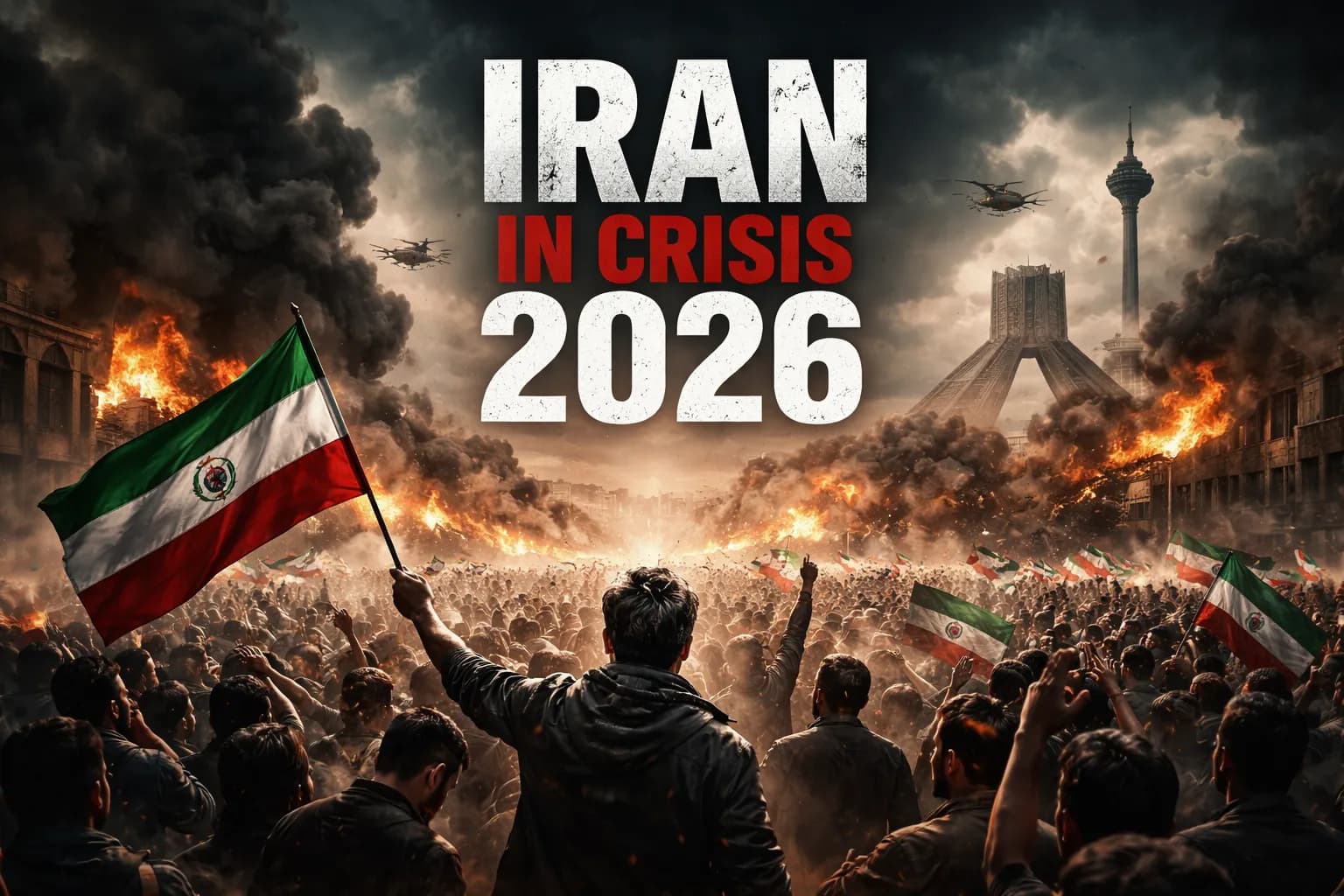
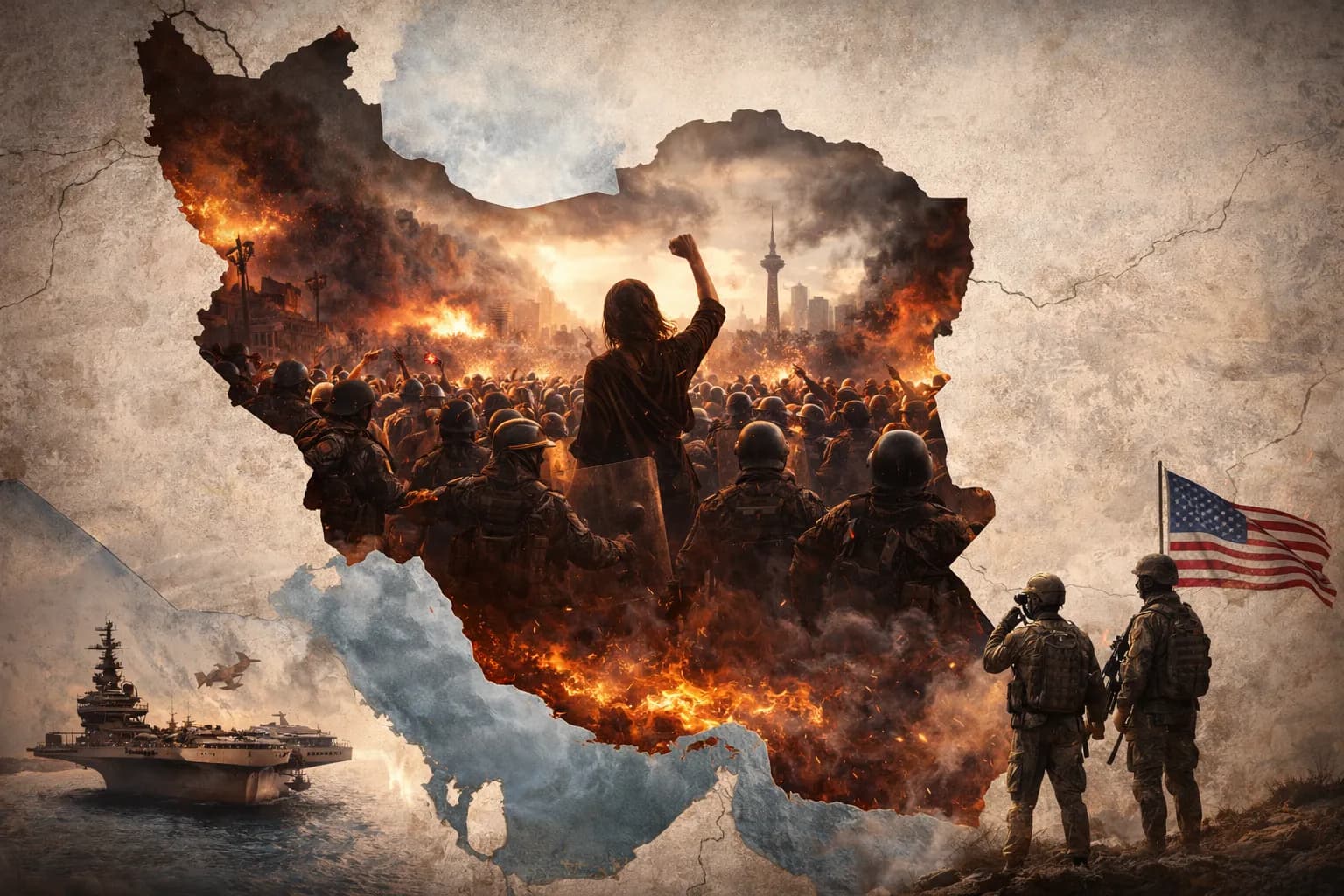
Iran in 2026 faces deep protests, economic crisis and political unrest. A foreign-backed government would be rejected by society, increase regional tensions, raise oil prices and risk civil war, affecting Pakistan, the Middle East and global stability.
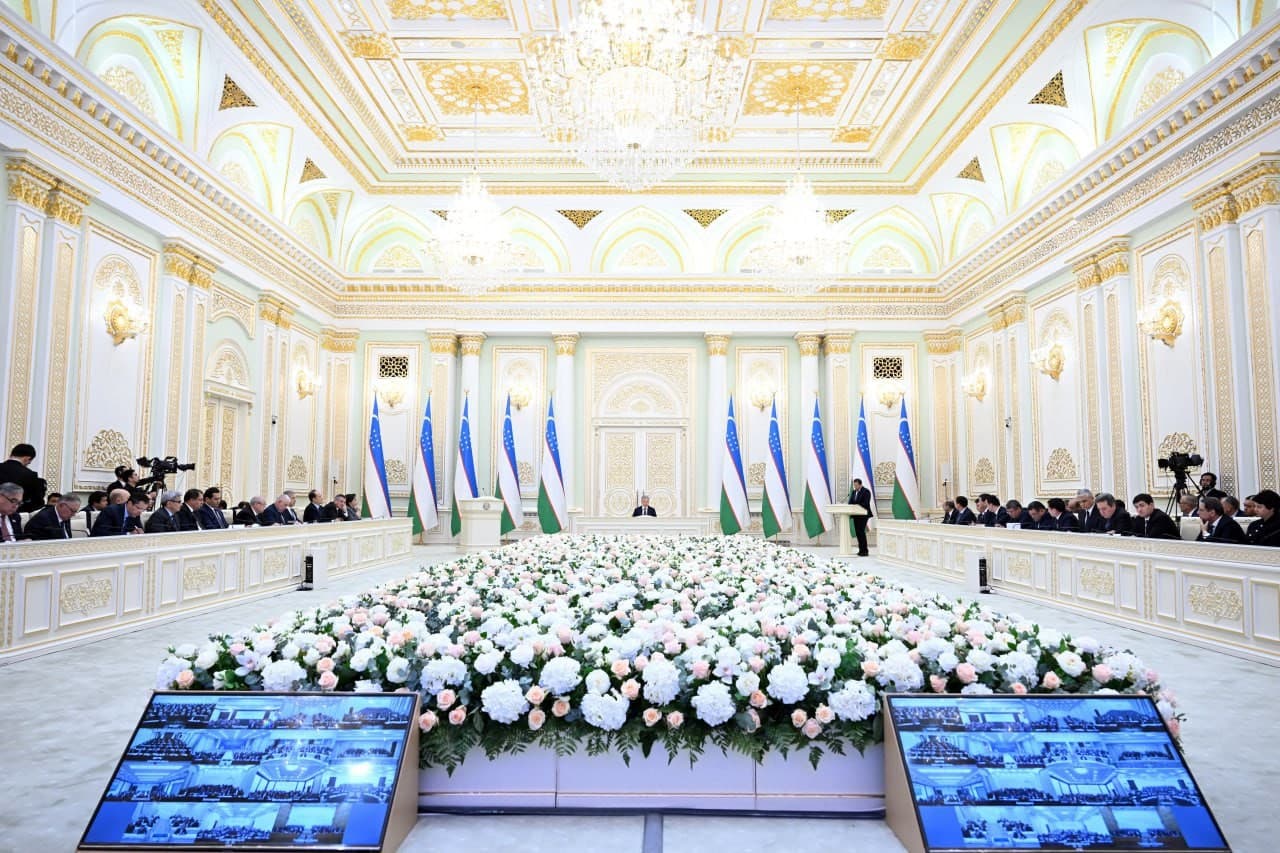
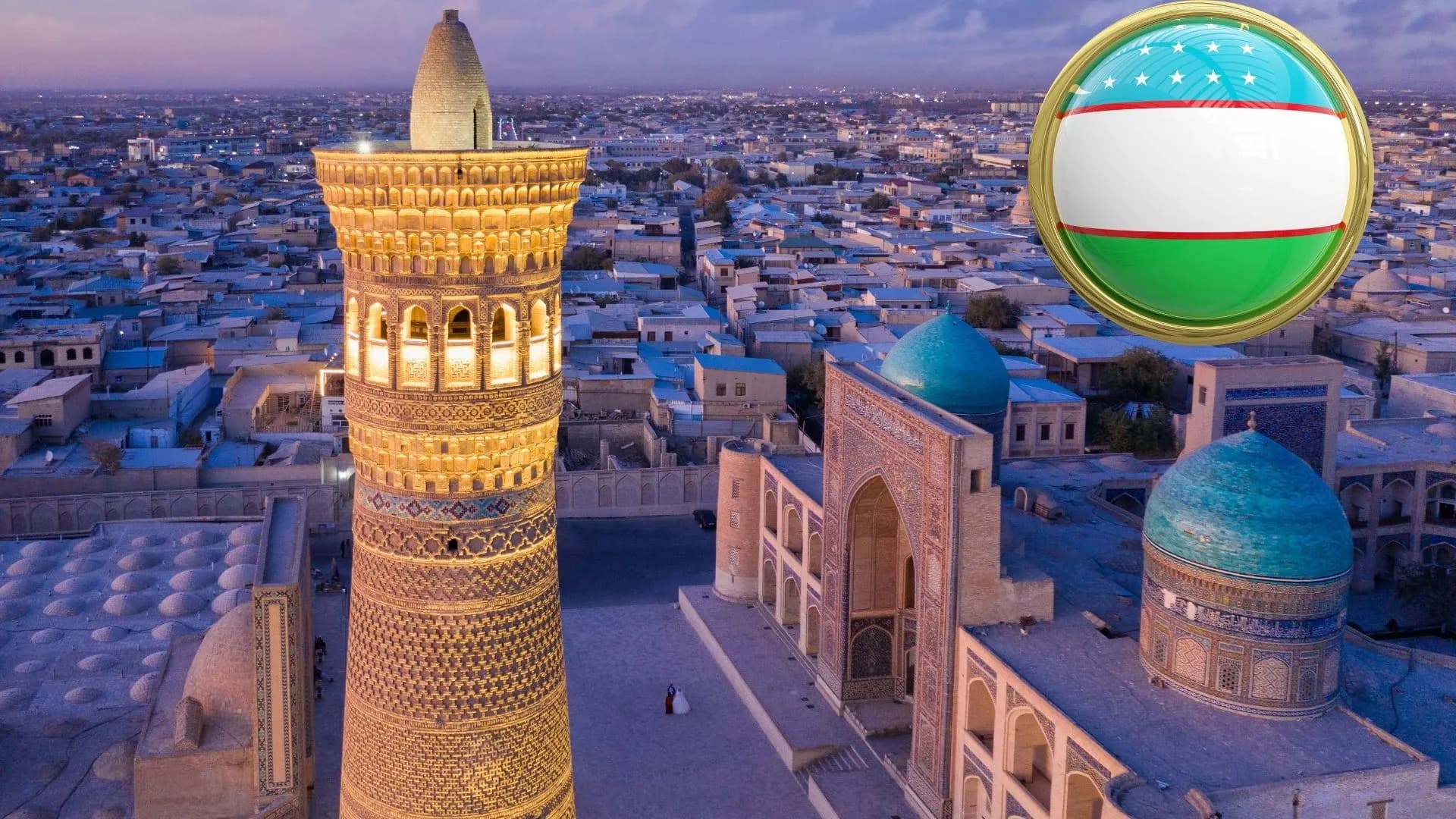
President of Uzbekistan: The time has come for a new generation of diplomats – those who achieve concrete results and firmly defend the interests of Uzbekistan in the international arena
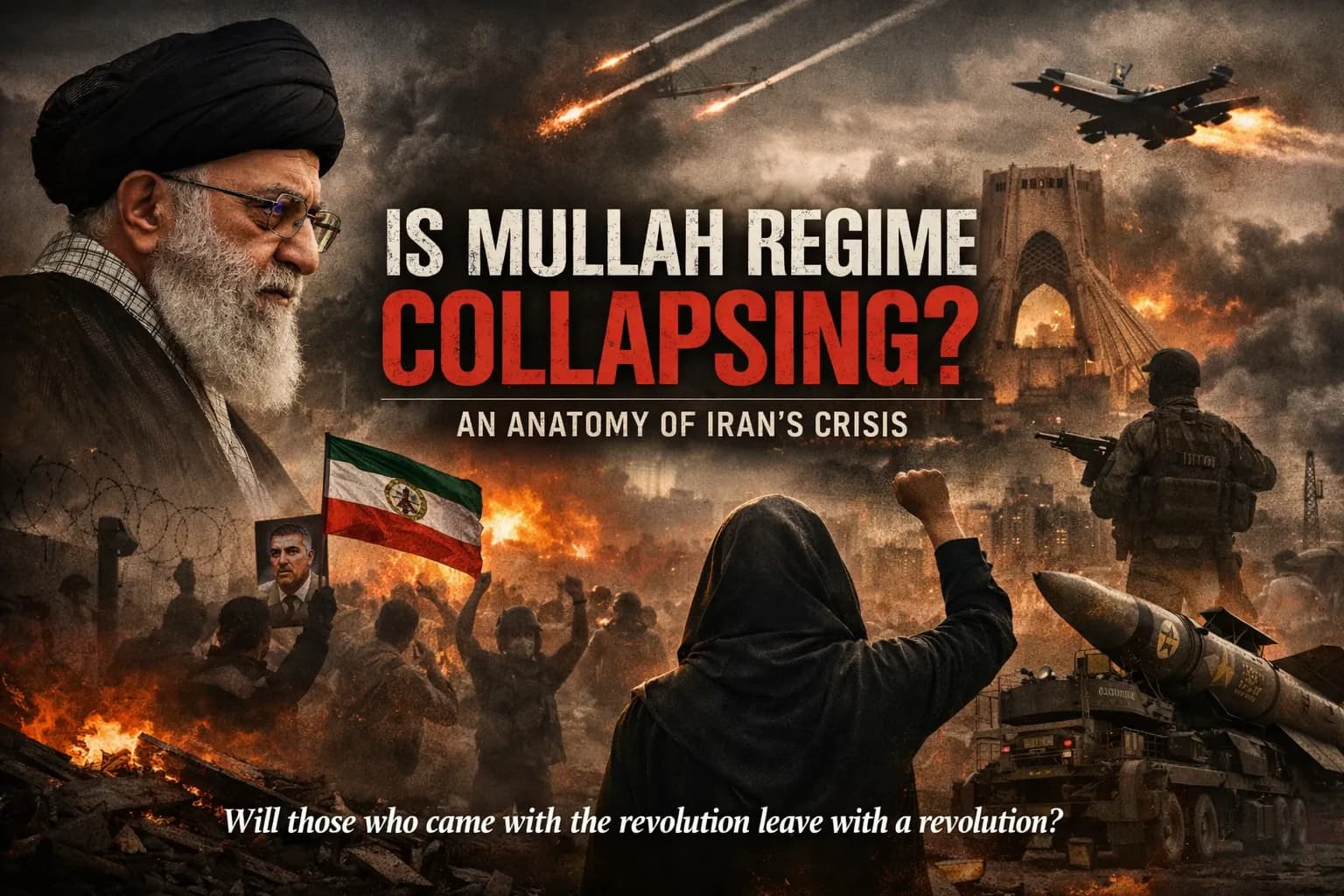
"Will those who came with the revolution leave with a revolution?" The Iranian mullah regime came to power in 1979 through a popular revolution against the Shah. In this process spanning nearly half a century, the regime's initial promise of an "exportable revolution" has today been replaced by a struggle for survival. So, how possible is it today for the mullah regime to depart through another social explosion or external intervention?
Iran is entering a critical phase as nationwide protests continue for a second week, overwhelming security forces and pushing hospitals into crisis mode. The government has responded with harsh repression, internet shutdowns, and mass arrests, while international pressure on Tehran is growing. The United States and its allies are avoiding direct military intervention but are increasing political, informational, and economic pressure on the regime. With no unified opposition leadership inside the country, Iran now faces three possible paths: violent suppression, slow internal collapse, or escalation into a wider regional crisis.
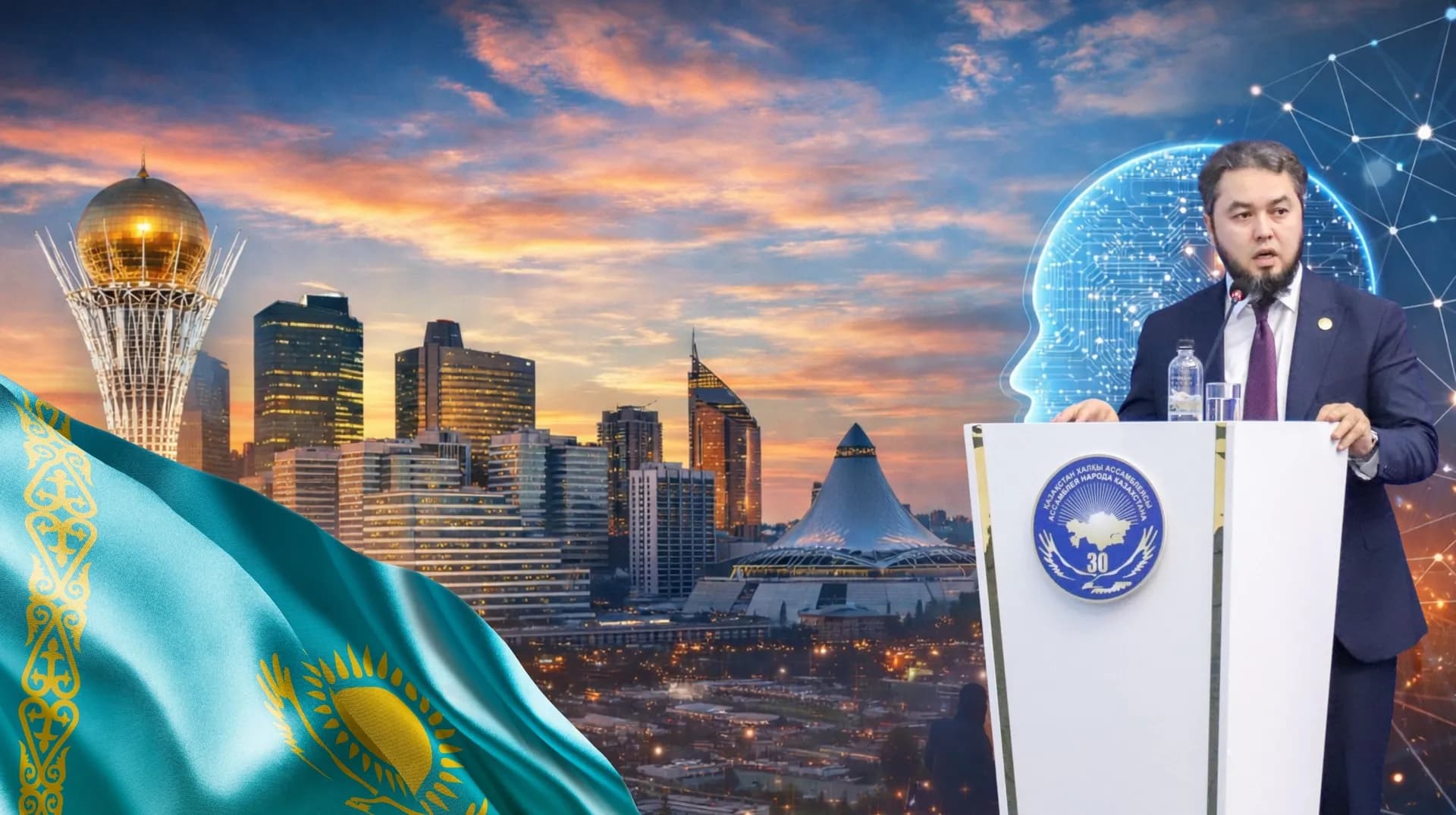
The Republican Forum confirmed the growing institutionalization of ethnomediation in Kazakhstan through expanded regional activities, professional standards, digital tools, and a nationwide network of 330 ethnomediators, strengthening social cohesion and interethnic harmony.
Donald Trump’s remarks on Greenland have reignited debate over the Arctic’s growing strategic importance. By signaling that Washington is considering multiple options, the U.S. has placed Greenland at the center of competition among the United States, Russia, and China. Potential scenarios range from diplomatic agreements and expanded military presence to indirect support for Greenlandic independence. While no immediate action is expected, the issue highlights the Arctic as a key arena of future geopolitical rivalry
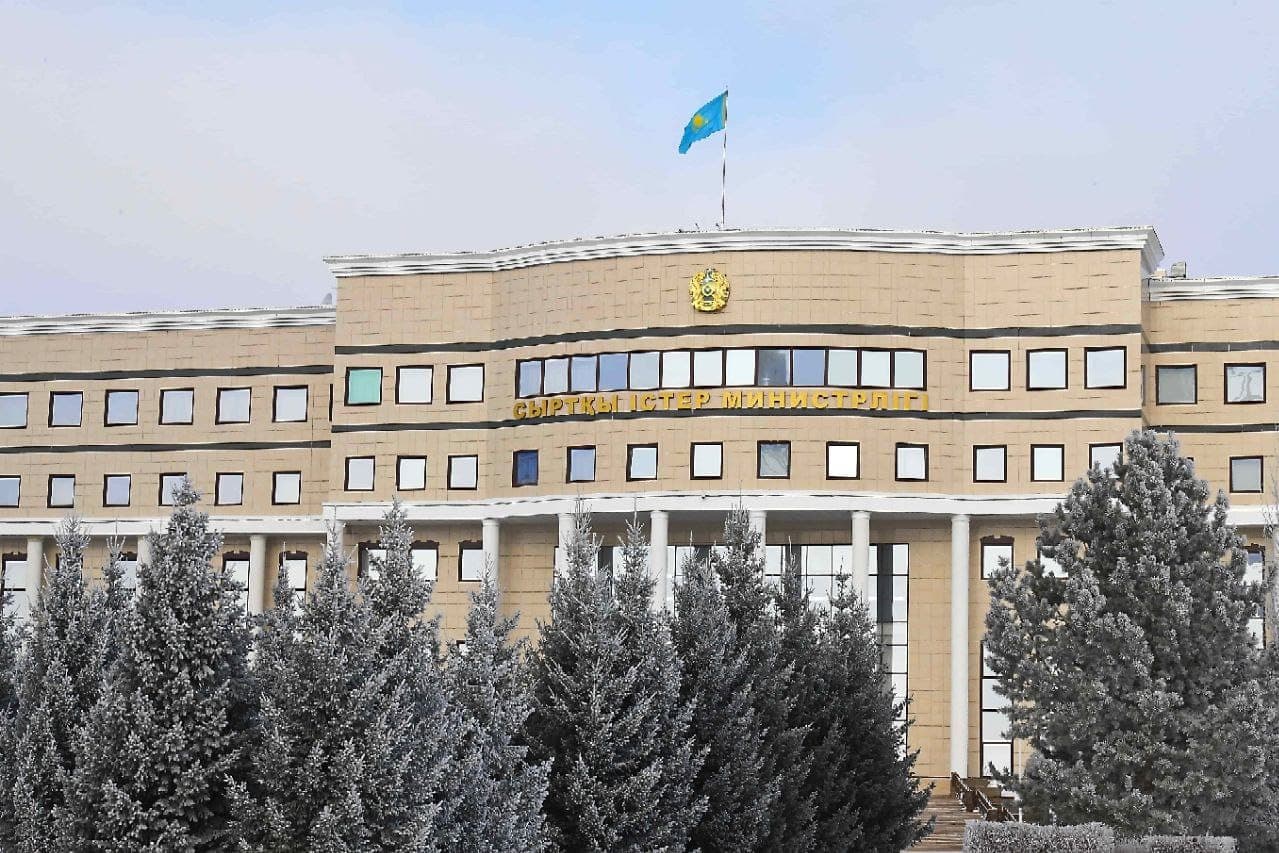
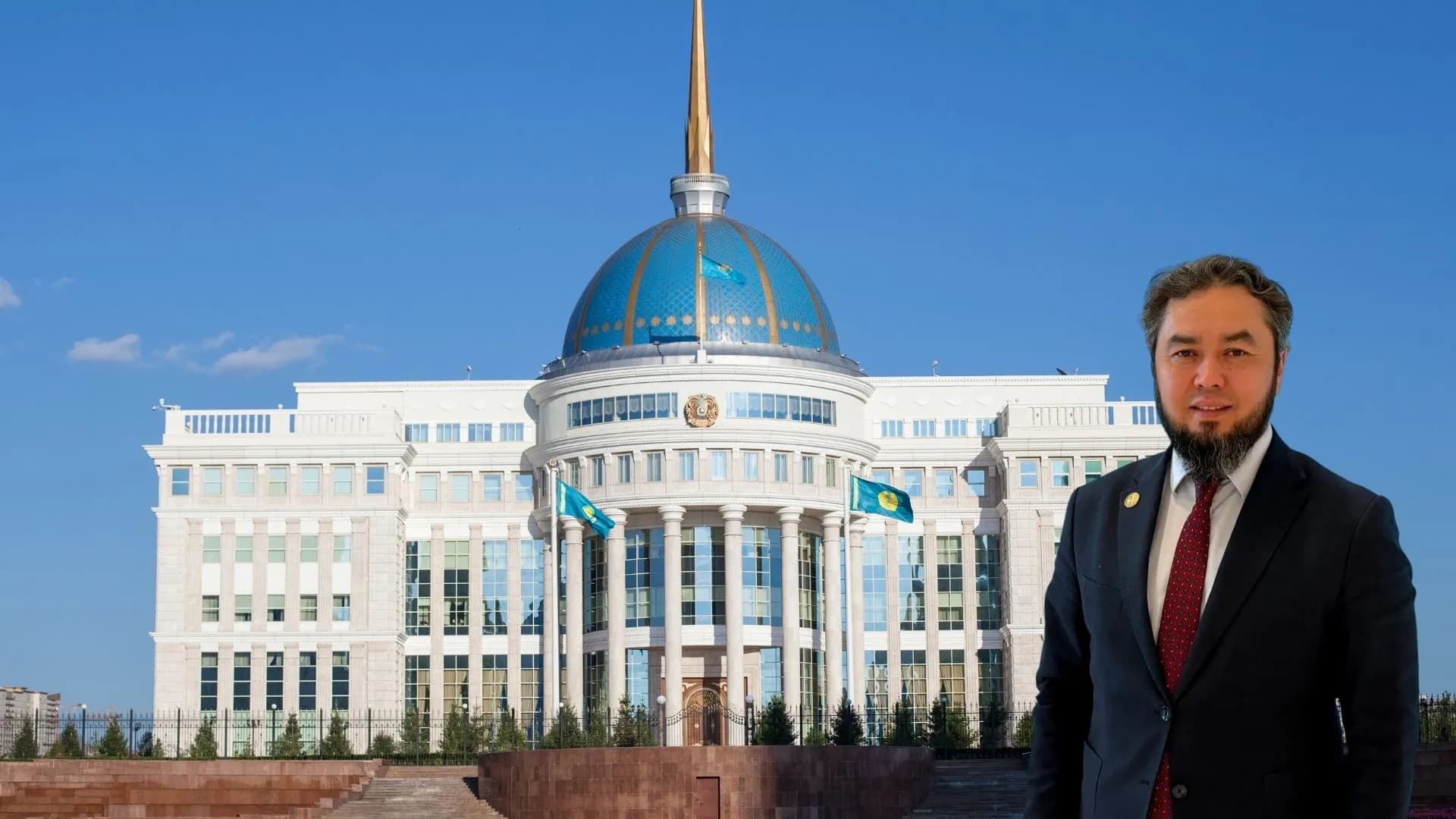
At the National Foundation working session held under the auspices of the Presidency in Astana, the tangible outcomes of Kazakhstan’s constitutional and institutional reforms were discussed. Key highlights included economic growth, rising employment, and infrastructure development, while it was emphasized that comprehensive constitutional and parliamentary reforms will continue under the “Strong President – Effective Parliament – Accountable Government” model, with civil society playing an active role in shared development.
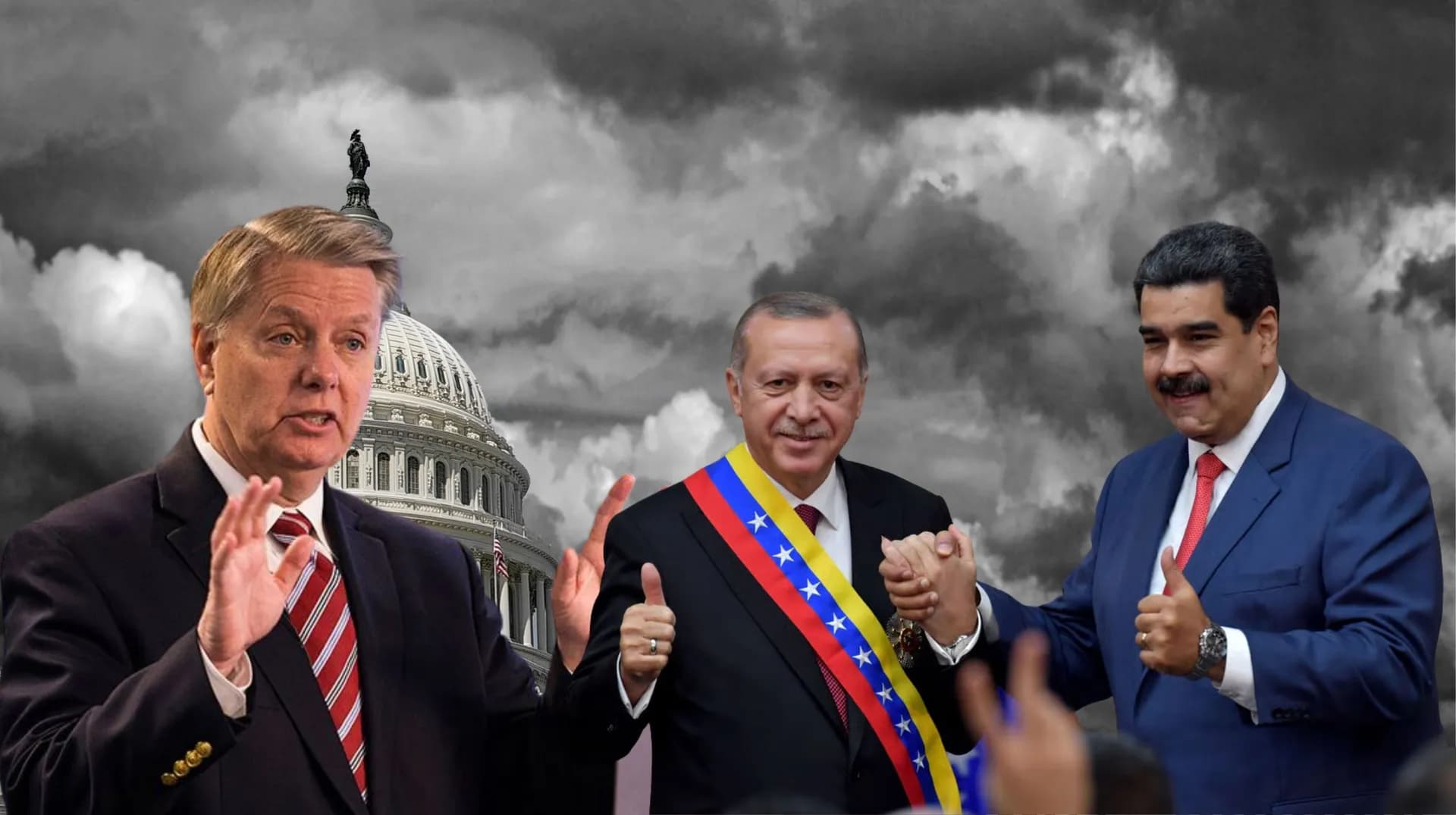
The world is still reeling from the shock of the U.S. operation that saw Venezuelan President Nicolás Maduro taken to New York, when a far more striking scenario surfaced behind the scenes of global politics. According to multiple reports, Maduro was offered a deal just before the operation: step down from power and relocate to Türkiye. The offer was reportedly rejected. The revelation has reignited debate over the scale of secret contacts between Washington and Caracas—and Türkiye’s growing weight in global power calculations.
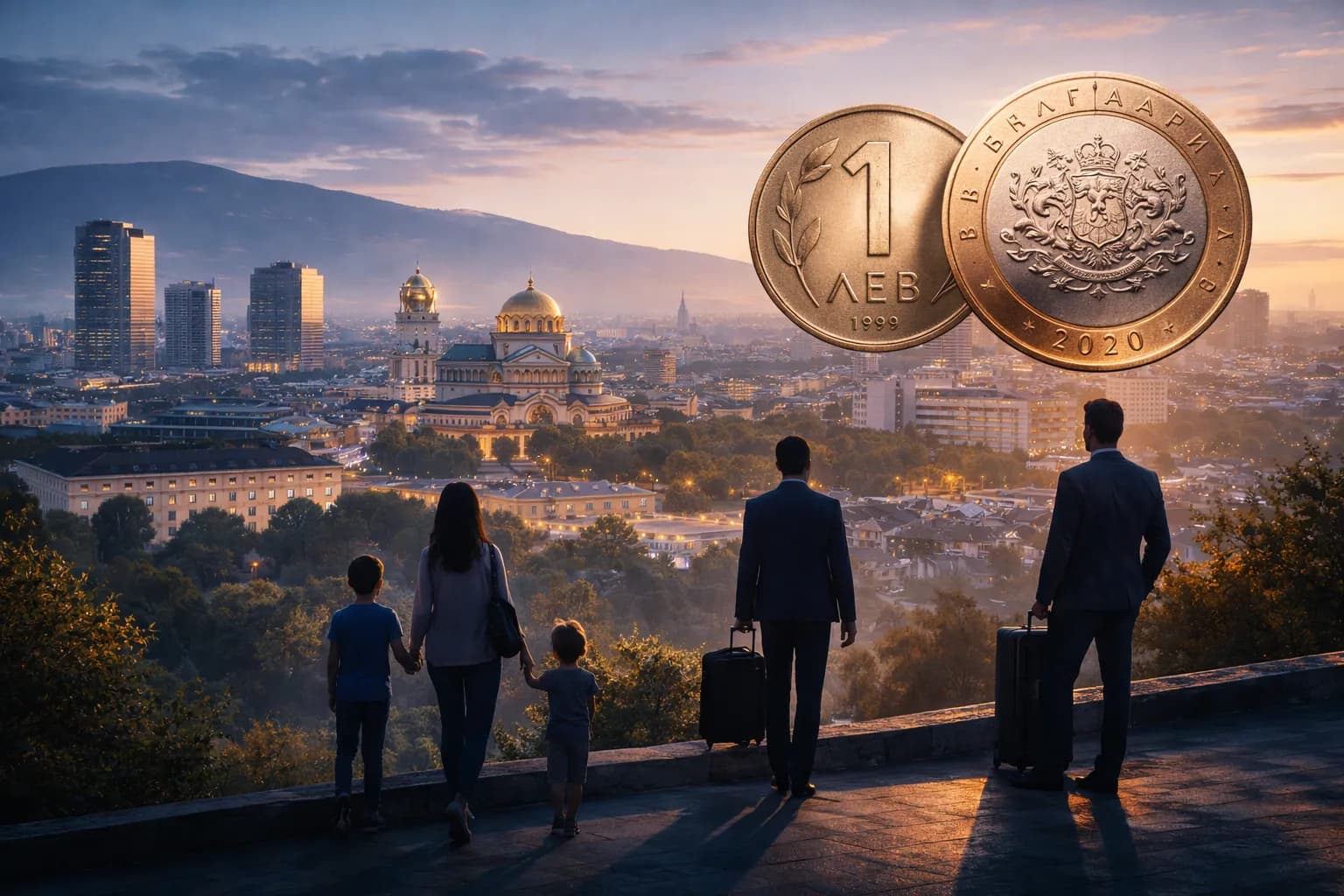
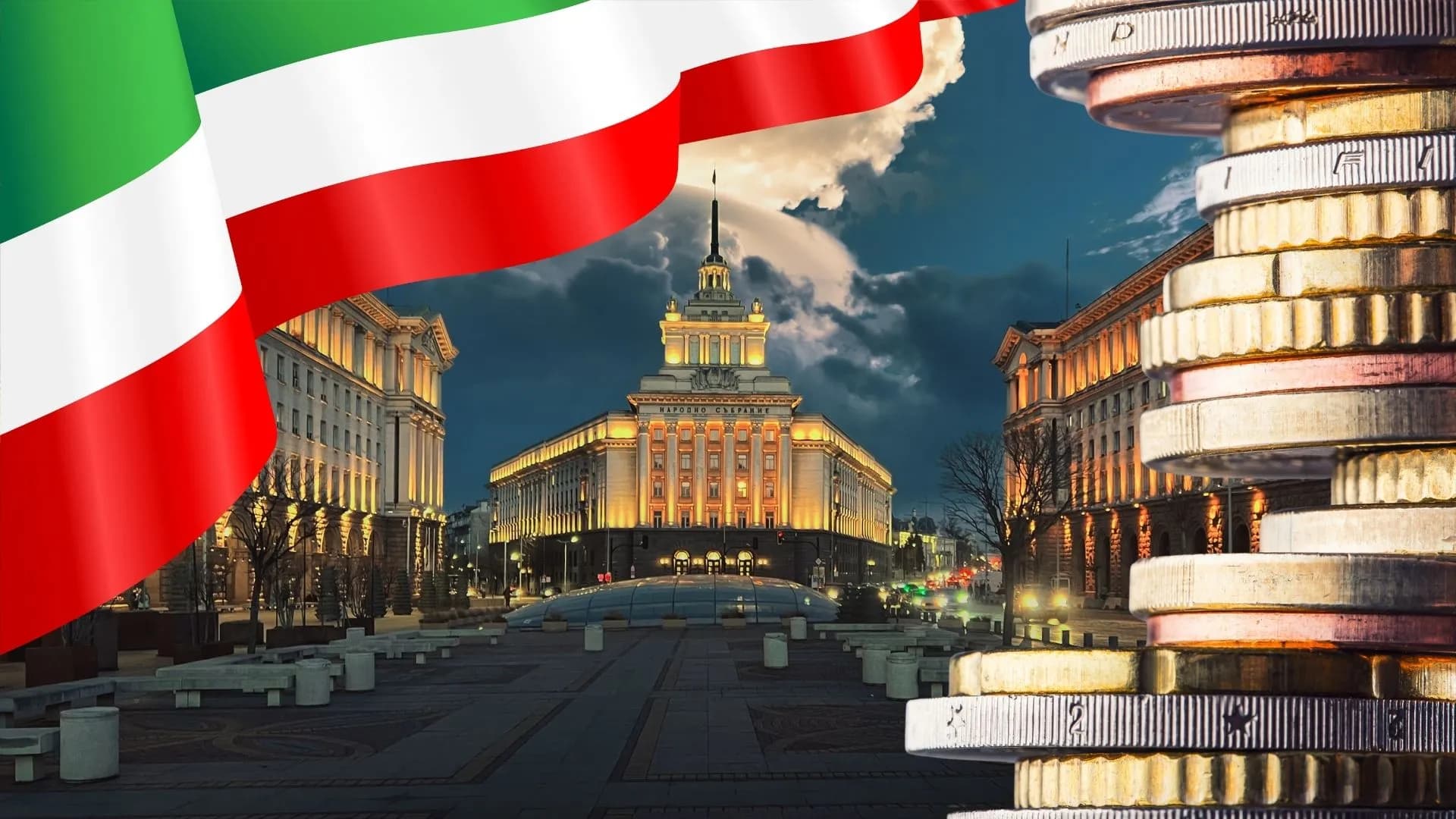
Bulgaria’s euro adoption in 2026 is not a sudden leap but the result of decades of monetary discipline, low debt, and convergence. Inflation and political instability stem from global and structural factors, not the euro, which merely reveals realities already in place.
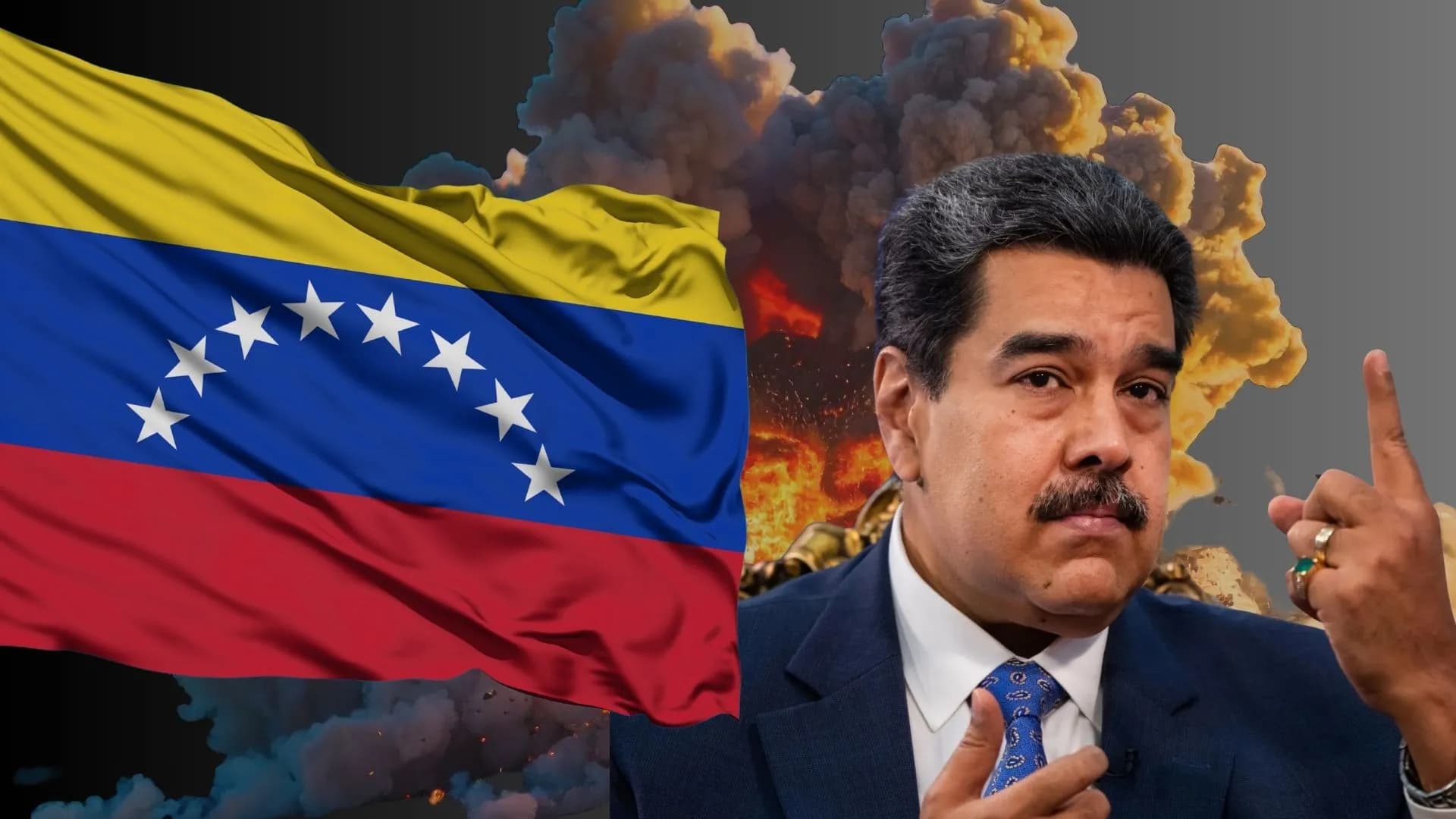
A reported U.S. operation to capture Venezuela’s President Nicolás Maduro marks a major break with international norms, challenging sovereignty and presidential immunity. Rooted in long-standing ideological, energy, and geopolitical tensions, the move exposed the fragility of Venezuela’s centralized system and risks regional instability. The muted global response suggests a shift toward raw power politics and spheres of influence over established rules.
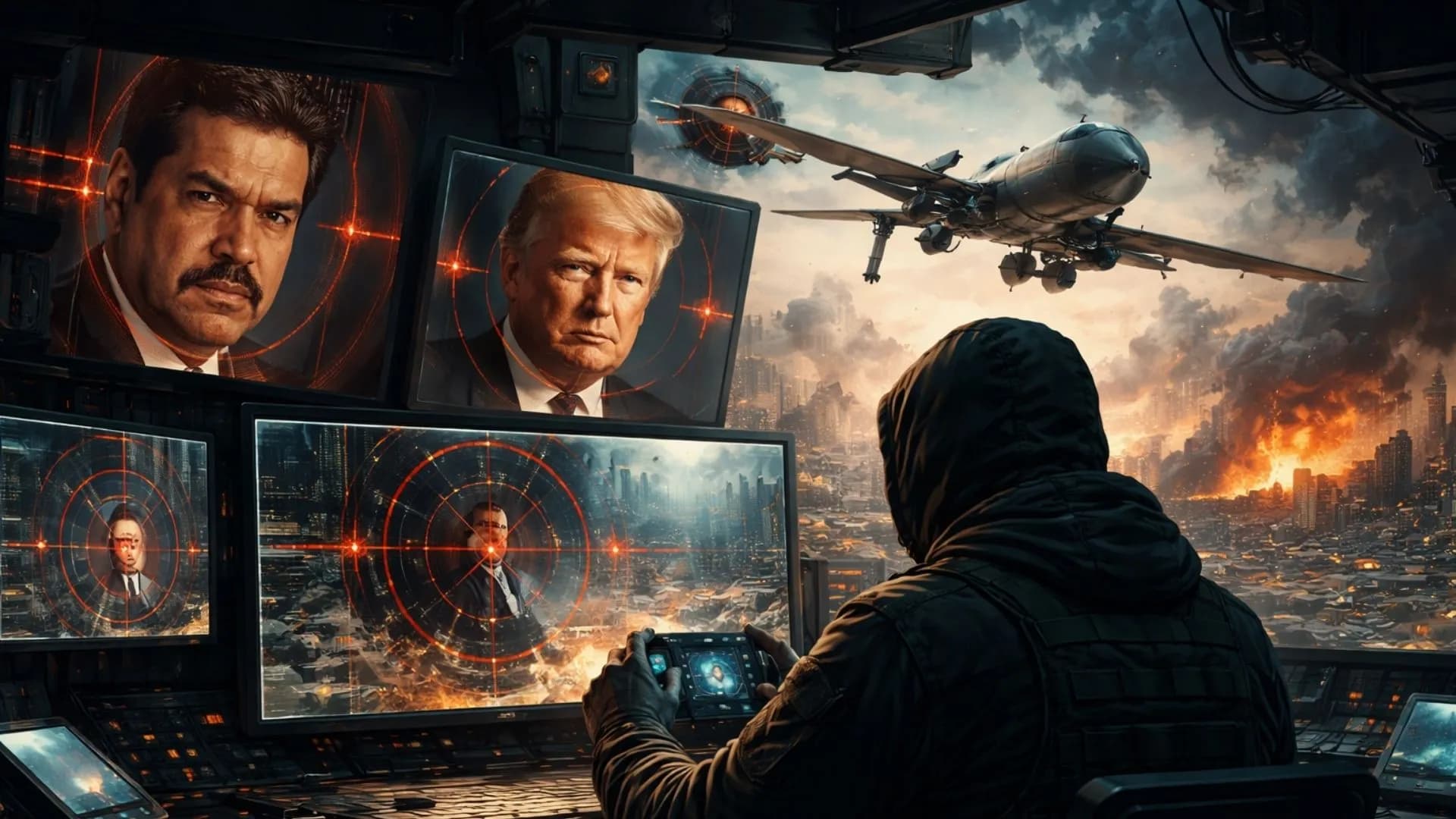
The article argues that contemporary conflicts are increasingly defined by the “personalization of war,” where violence shifts from states and structures to targeted individuals. Using Venezuela and the Iran–Israel conflict as case studies, it shows how complex geopolitical, economic, and strategic dynamics are reduced to the actions of specific leaders or figures, thereby legitimizing interventions, assassinations, and sovereignty violations as moral necessities. This individualization of violence erodes traditional legal and ethical frameworks of war, blurs the line between war and peace, and transforms political conflict into a permanent global manhunt. Ultimately, the article warns that replacing collective responsibility with individual guilt risks undermining sovereignty, international law, and the very meaning of legitimate violence.
Bulgaria has officially adopted the euro, becoming the 21st member of the euro area and completing a long-planned step in its EU integration. The move grants Bulgaria greater influence within EU financial decision-making and is seen by Brussels as a milestone for economic stability and integration.